Outboard or Sterndrive Vibration - Troubleshooting Guide
Track down a new shake or buzz by noting when it happens (neutral or in gear, which rpm), then check the prop, hub, shaft, mounting bolts, motor mounts, engine height and misfires in order, from the simplest to the most serious.

Time
1 h 30 min
Applies to
Outboard, Sterndrive (I/O)
Safety first: If a heavy vibration starts suddenly, especially after hitting something, throttle back right away and check that the motor is still firmly attached and the steering works. Run home slowly or call TowBoatUS or Sea Tow; in an emergency use VHF channel 16 or dial 911. Before touching the prop, turn the engine off, take the key out and remove the kill switch lanyard.
Owners often ask
- My boat started vibrating after I hit something in shallow water. Is it the prop?
- My outboard shakes even in neutral at idle. What causes that?
This guide walks you through it. Still stuck? Ask the AI Mechanic about your engine.
Tools
- Flashlight
- Prop wrench or socket, plus a block of wood
- Straightedge or a board
- Torque wrench and correct sockets
- Marine grease for the prop shaft
- Notebook or phone to log rpm and speed
Parts & supplies
- Prop nut kit (washers, cotter pin or tab washer) for your engine
- Spare propeller and hub kit (handy to swap as a test)
Before you start
All boats vibrate a little. What matters is something new. BoatUS points out that tracking vibration is easier if you know what is normal for your boat and eliminate the simple causes first.
Before you take anything apart, take the boat out and note:
- In neutral at idle, does it shake? If yes, the cause is the engine itself (misfire or mounts), not the prop.
- In gear, does it get worse as rpm rises? That points to the prop, hub or prop shaft.
- Only in a narrow rpm range? Often a loose part buzzing, a mount, or the engine height and trim.
- Did it start right after hitting something or running shallow? Start with the prop and shaft.
- Does it come with a loss of push or rpm that races? Think spun hub or ventilation.
Write down the rpm and speed where it is worst. Your notes will save a mechanic time.
Steps
Rattles and buzzes often come from things around the motor: a loose cowling latch, a trolling motor, a ladder, a transducer bracket, the tilt support lever, or a fuel tank sliding around. With the engine off, push on each one. Tighten or pad anything that moves.
Tilt the motor or drive up, engine off and lanyard removed. Slowly turn the prop and look at every blade:
- Rope, fishing line, weeds or a plastic bag wrapped around the hub
- Bent, chipped, cracked or curled blade tips
- A missing chunk on one blade
Mercury notes that even small prop damage can cause vibration, shaking or lost efficiency. A floating log or sandbar can bend a blade with no obvious mark. BoatUS suggests also running a finger lightly along each blade edge and around the hub (gloves on, blades can be sharp) to feel nicks and curls you can't see, and calls "soft damage" from running through sand or silt a common cause of imbalance.
With the boat on the trailer, hold a straightedge or a board against the hull or skeg just ahead of the prop. Turn the prop by hand and check that each blade tip passes the same distance from it. Boating Magazine describes this check for inboards; it works on outboards and sterndrives too if you use a fixed point on the gearcase or a block on the ground. If one blade is off, the prop is out of balance and needs a prop shop.
This check only catches big bends. BoatUS explains that a blade bent at the root can be out of "index" (spacing) or "track" (height) with no visible damage, and that many prop shops inspect props for little or no charge. Look for a shop that belongs to the National Marine Propeller Association. One prop shop told BoatUS that most of the props on its floor look healthy, yet their blades differ in pitch by half an inch or more.
Remove the prop, keeping the washers and spacers in order (a quick phone photo helps). Then:
- Clean the shaft and look for fishing line wound behind the thrust washer. Mercury warns that line can cut into the prop shaft seal and let water into the gearcase.
- Spin the shaft slowly with the shifter in neutral and watch the tip. A visible wobble means a bent shaft, which is a shop job.
- Check that the splines are not worn or twisted.
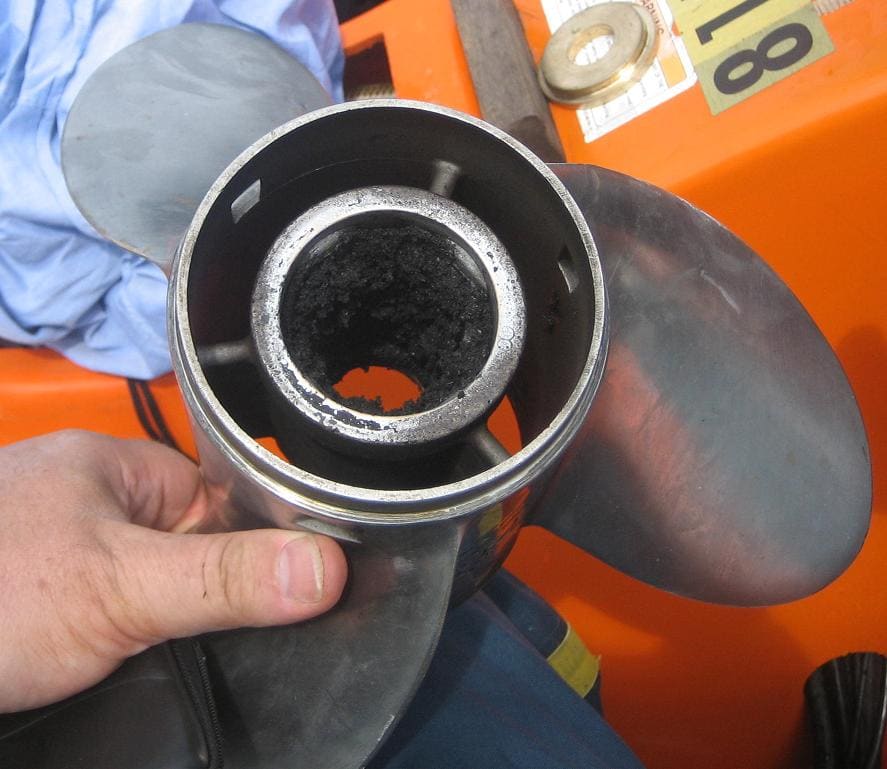
Look at the hub inside the prop barrel. A rubber hub that has torn or slipped, or a plastic hub insert that is cracked or melted, can cause vibration and slipping. Mercury explains that a spun hub usually shows up as the engine revving with little push, and that heat from a cooling problem can also damage hubs. See Spun Prop Hub.
Reinstall with a light coat of marine grease on the splines, all washers in the right order, and the nut tightened to the spec in your manual. Yamaha says to use a new cotter pin every time rather than reusing the old one. A missing thrust washer or a loose nut lets the prop shift and can cause clunking and vibration.
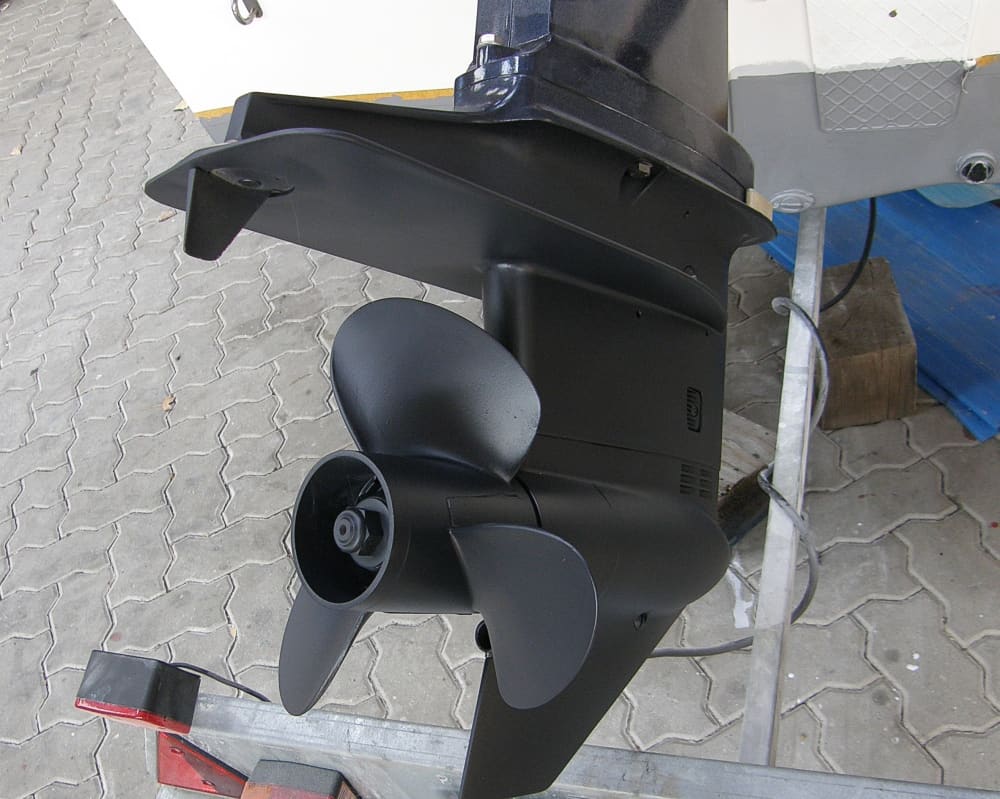
The prop nut and its washers sit inside the hub. A loose nut, a missing thrust washer or a damaged hub can all cause vibration. Photo: Ra Boe / Wikimedia Commons · CC BY-SA 3.0 If you have a spare prop in good shape, install it and test run. If the vibration is gone, the old prop is the problem. Send it to a prop shop to be checked and repaired.
A motor that has started to move on the transom can shake badly. Mercury says transom bolts can stretch slightly with use, enough to let the nuts loosen, and recommends checking them before each use. Left loose, the constant movement can "wallow out" the holes in the bracket and the transom, and the bolts can eventually break. Look for:
- Worn paint or bare metal where the clamp brackets meet the bolts
- Gaps or movement between the brackets and the transom or jack plate
- Cracks or soft, flexing wood around the bolt holes
Tighten to the torque in your manual. On small clamp-on motors, Yamaha advises tightening the clamp screws evenly and checking them again after a few hours of running. A flexing or soft transom is serious; see Transom and Stringer Rot Check.
Outboards sit on rubber mounts between the swivel bracket and the motor. When those wear out, the motor clunks when shifting, shakes at idle and may feel loose when you push the lower unit side to side. Sterndrive engines sit on their own engine mounts inside the boat. BoatUS notes a badly worn mount can make a distinct metallic sound and that rust streaks or rubber crumbs near a mount are clues. See Outboard Motor Mounts.
If the motor is mounted too high, or trimmed out too far, the prop can grab air (ventilate). That feels like a buzz or shudder with revving and lost grip, often in turns or rough water. Yamaha suggests checking height with a straightedge along the keel to the anti-ventilation plate as a starting point; your boat's builder or dealer may recommend a different height. Try trimming down a little to see if it changes. See Prop Ventilation and Cavitation and, for jack plates, Hydraulic Jack Plate.
If the boat shakes in neutral, or the engine runs rough and loses power, a cylinder may not be firing. Check the plugs and plug wires, look for warning lights, and listen for popping or uneven idle. See Spark Plugs and Loss of Power.
On a sterndrive, also think about the parts between engine and drive:
- Worn universal joints or a dry gimbal bearing can rumble or vibrate, often worse when turning or trimmed out.
- Engine alignment that is off causes vibration and wears the gimbal bearing and couplers.
These need the drive pulled and are usually a shop job. See Sterndrive Bellows and Gimbal Bearing.
If the vibration started after a strike, drain a little gearcase oil and look at it. Milky oil means water got in; metal flakes or chunks mean internal damage. Either way, have the gearcase checked before running hard. See Lower Unit Oil Change.
Common mistakes
- Assuming a new prop fixed it without test running. Always confirm on the water.
- Reinstalling the prop with the thrust washer missing or backwards.
- Ignoring "just a small ding" on a blade. At thousands of rpm, small damage throws the prop out of balance and can hurt gearcase bearings and seals over time.
- Overlooking loose transom bolts because the motor "looks fine."
- Raising the motor for speed and then chasing a buzz that is really ventilation.
- Blaming the prop for shaking in neutral, when it is really a misfire or mounts.
When to call a pro
- A bent prop shaft, damaged splines or a gearcase strike
- Milky or metal-filled gearcase oil
- The motor moves on the transom, or the transom flexes or is soft
- Worn motor mounts, U-joints, gimbal bearing or engine alignment
- Vibration that stays after a known-good prop is installed
- Sudden violent vibration on the water: slow down, get home or call for a tow
Tips
- Carry a spare prop, prop nut kit, the wrench and a block of wood. Swapping the prop answers most vibration questions in 15 minutes. Mercury notes the spare only has to be "good enough" to get home (an aluminum prop, or an older repaired one an inch off in pitch, is fine for lake and inshore use), and a floating plastic prop wrench is worth having if you change it over deep water.
- Inboard (shaft-drive) owners: BoatUS points to a worn cutless bearing, a slightly bent shaft and engine-to-shaft misalignment as common causes of new vibration, and notes alignment can shift after a haul-out. See Cutless Bearing and Shaft and Engine Alignment Check.
- Note your boat's normal rpm and speed at a few throttle settings. Changes are easier to spot.
- Check for fishing line behind the prop a couple of times each season, even if nothing feels wrong.
- Mark your transom nuts with a paint pen after torquing. If a mark moves, the nut has loosened.
- A prop cover while trailering and in storage (BoatUS suggests one) keeps blades from getting dinged by gravel and careless hands.
Official references
We read these to write this guide. Your engine's own manual always wins.
- Mercury Marine – Quick Tip, Inspecting Your Prop and Prop Shaft
- Mercury Marine – How to Diagnose and Deal with a Spun Hub
- Mercury Marine – Quick Tip, How to Check Transom Mounting Bolt Tightness
- BoatUS – Troubleshooting Boat Vibrations
- Boating Magazine – Midseason Inboard Engine Maintenance Tips (prop straightedge check)
- Yamaha Outboards – Installing a Portable Outboard
- Yamaha Outboards – Maintenance Matters, Propeller Solutions
- Mercury Marine – Quick Tip, Engine Mount Inspection (transom bolts)
- Mercury Marine – Prop Bite, A Spare Propeller Could Save Your Day on the Water
- BoatUS – Fixing Boat Propeller Problems
- BoatUS – Bad Vibrations (inboard shafts, cutless bearings, alignment)
- BoatUS – How To Inspect Your Prop (2023)
- BoatUS – Five Reasons You May Need To Change Your Prop
Safety: BoatMend is for information only and does not replace a certified marine technician. You are responsible for your safety and your boat. Read the full disclaimer.
Last updated 2026-10-25
Related guides

Propeller Care: Inspect, Remove, Replace and Choose the Right Pitch
Check your prop for damage, pull it to clear fishing line and grease the shaft, reinstall it correctly, and learn how pitch affects your engine's wide-open-throttle RPM. The right prop in good shape protects your engine and often makes the boat run better and use less fuel.
Spun Prop Hub - How to Tell, Quick Marker Test and Repair Options
If the engine revs up but the boat barely accelerates, the rubber or plastic hub inside your propeller may be slipping. Learn how a spun hub feels, how to confirm it with a simple marker test, the difference between pressed rubber hubs and replaceable hub kits, and your repair options.

How to Check for Worn Outboard Motor Mounts
A clunk when you shift, buzzing vibration at idle or a motor that wobbles side to side can mean the rubber mounts between the outboard and its bracket are worn out. Learn how to rule out the cheap causes first, check the mounts yourself and know when replacement belongs in a shop.

How to Mount or Re-Tighten an Outboard on the Transom
A loose outboard can steer badly, crack the transom or fall off the boat. Learn how to center the motor, check engine height, tighten clamp screws, seal and bolt through the transom with backing plates, add a safety cable on small motors and spot transom flex before it becomes a costly repair.
Prop Ventilation vs. Cavitation - Why Your Engine Revs Up and the Boat Loses Grip
Sudden RPM spikes, blowouts in turns, or a prop that slips when you accelerate are usually ventilation, not cavitation. Learn to tell them apart, then work through the fixes in order: trim, load, prop damage, the hull ahead of the prop, engine height, and finally a different prop.
How to Inspect Sterndrive Bellows, Gimbal Bearing, U-Joints and Shift Cable
Learn to spot a cracked sterndrive bellows before it lets water into the boat, and to recognize the warning signs of a worn gimbal bearing, U-joints and shift cable. A failed bellows is one of the top reasons boats sink at the dock, and a 20-minute inspection can catch it.

How to Care for a Hydraulic Jack Plate (Fluid, Pump, Leaks, Grease and Height)
Keep a hydraulic jack plate (Bob's Machine Shop, T-H Marine Atlas, CMC, SeaStar style) lifting smoothly: check and top up the right fluid, keep the pump and relays dry, find leaks and slow drift, lubricate only the way your model calls for, set running height safely and prepare it for winter. Mounting and setback changes are dealer work.
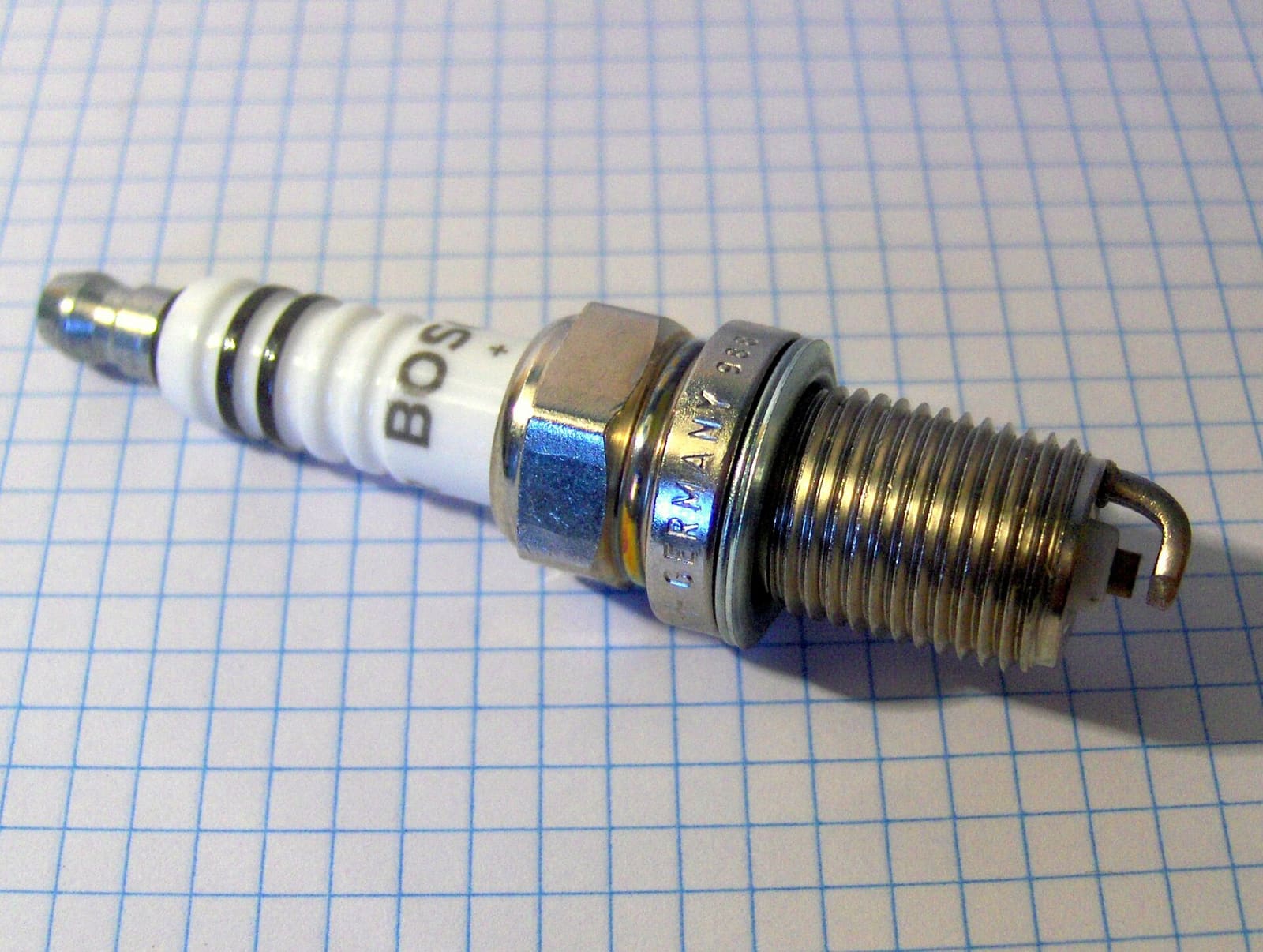
How to Inspect and Replace Spark Plugs
Pull, read and replace the spark plugs on a gas outboard, sterndrive, inboard or PWC. Fresh, correctly gapped plugs help the engine start easily and run smoothly, and the old plugs tell you a lot about the engine's health.

Loss of Power, Hesitation or Misfire - Troubleshooting Guide
Figure out why your engine bogs down, stumbles, will not reach full rpm or runs rough. Work from simple checks like trim, prop and fuel filter to ignition and engine protection modes before paying for diagnostics.
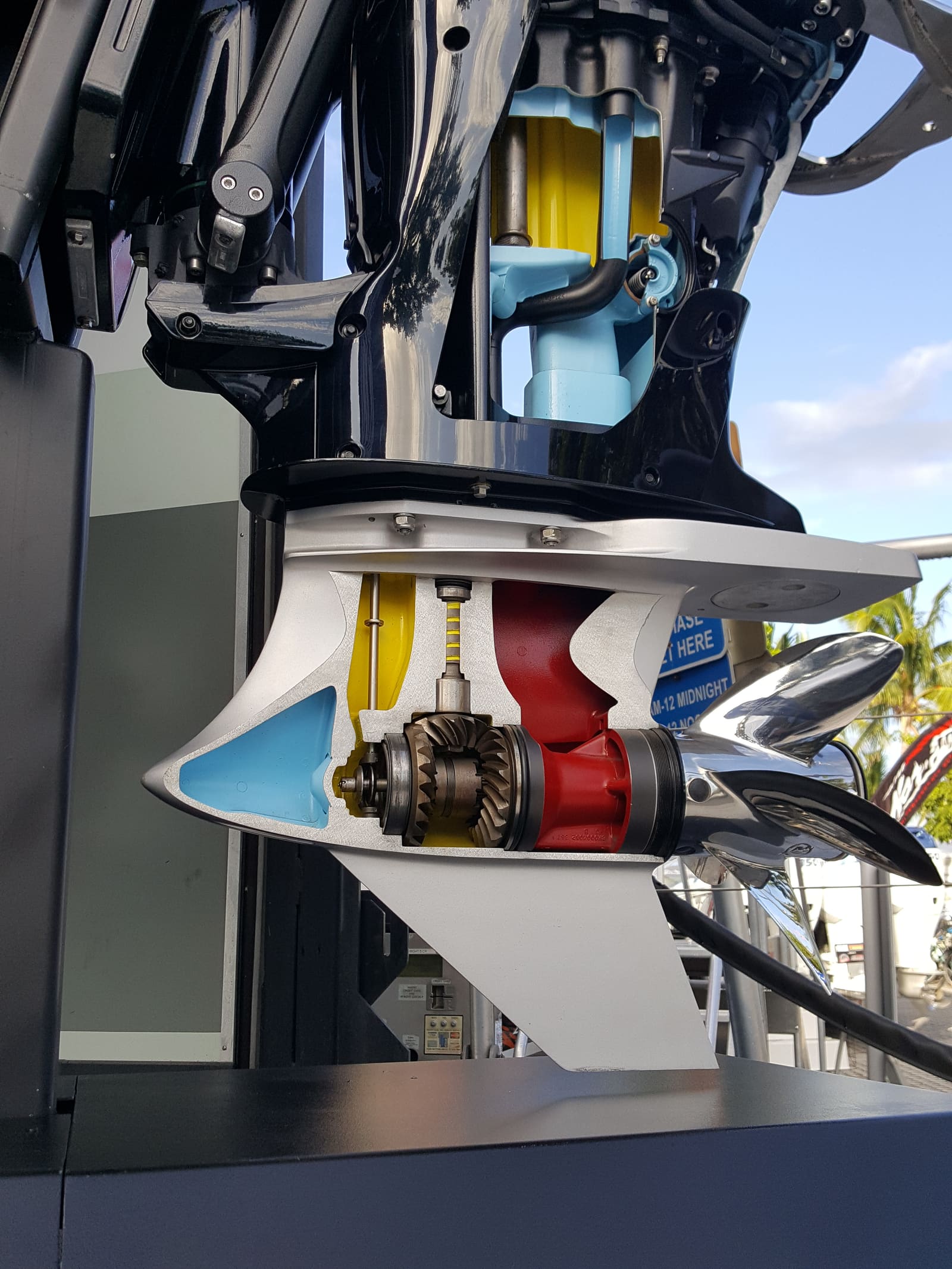
Water in the Lower Unit Keeps Coming Back - Seals and the Pressure Test Explained
Milky gear lube means water is getting past a seal, and changing the oil alone will not stop it. Learn where water gets in (prop shaft seals, driveshaft and shift shaft seals, drain and vent screw gaskets), how a pressure and vacuum test finds the leak, and when to do it yourself or hand it to a shop.