Vapor Lock and Hot Restarts: Why Your Boat Won't Start After a Stop on a Hot Day
On hot days, fuel can boil into vapor in the lines, carburetor or fuel system after you shut down, so the engine cranks but won't start, or starts and dies after a fuel stop. Learn how to recognize heat soak, restart a hot engine the right way, and reduce the problem with fuel choices, ventilation and line routing.
Time
30 min
Shop would charge
$0-400
Applies to
Outboard, Sterndrive (I/O), Gas inboard
Safety first: A hard hot start is annoying; a fuel leak is dangerous. If you smell gasoline in the bilge or engine compartment, see wet fuel lines or fuel in the bilge, do not crank the engine. Turn off anything that could spark, ventilate, get people off the boat if you're at a dock, and call a technician (or TowBoatUS, Sea Tow, or the Coast Guard on VHF 16 / 911 if you're on the water). On inboards and sterndrives, always run the bilge blower before starting, especially after fueling. Don't spray starting fluid into a marine engine to "help" it start.
Owners often ask
- Why won't my boat restart after a lunch stop on a hot day?
- My outboard dies right after I refuel on hot days. Is it vapor lock?
This guide walks you through it. Still stuck? Ask the AI Mechanic about your engine.
Tools
- Flashlight
- Your owner's manual (hot-start procedure)
- Infrared thermometer (optional, to compare surface temperatures)
- Notebook or the BoatMend log to note when it happens
Parts & supplies
- Fresh in-season gasoline
- Low-permeation fuel hose or heat shielding only if a technician recommends it
Before you start
What vapor lock is. Gasoline turns to vapor much more easily than water does. When fuel in a line, fuel pump or carburetor gets hot enough, part of it boils. A pump built to move liquid can't push vapor well, so the engine starves. West Marine describes the classic pattern: the boat starts instantly in the morning, then cranks and won't fire, or starts and dies, after a stop in the afternoon heat, and runs fine again once it cools down.
Heat soak is the usual trigger. While you run, moving fuel and cooling water carry heat away. When you shut down, that stops, and heat from the engine soaks into everything around it. West Marine notes this often peaks several minutes after shutdown. A 20- to 30-minute lunch, swim or fuel stop in full sun is the textbook setup.
Carbureted versus fuel injected. Carbureted engines are most prone, because fuel sits in an open float bowl right on the hot engine and can boil there ("percolation"). Fuel-injected engines run their fuel at much higher pressure, which makes vapor harder to form; Mercury describes EFI as a sealed, pressurized system. West Marine notes EFI engines are less susceptible but not immune in extreme heat. EFI outboards also have a vapor separator tank that is designed to get rid of vapor; if that part has problems, see the EFI vapor separator guide.
Is it really vapor lock? If the engine also dies while running at speed, stalls when you shift, or struggles when it's cool out, start with the starts-then-dies guide instead. Vapor lock is about heat and timing.
Steps
Write down when the trouble happens. Vapor lock almost always looks like this:
- starts fine cold, in the morning or on cool days
- trouble only after a stop with the engine hot, on a hot day, often in direct sun
- cranks at normal speed (a slow crank points to the battery or starter)
- restarts after it cools for a while
If your notes match, keep going. If it happens at any temperature, look at fuel quality, filters and ignition instead.
Most hot-start trouble gets worse with the wrong technique. Read your manual's hot-start section. In general:
- Carbureted engines: don't use the choke or extra priming on a hot engine; it floods the engine on top of the vapor problem. Follow your manual's throttle position for a hot start.
- EFI engines: don't pump the throttle. Turn the key to on and pause for the fuel pump to prime before cranking (the EFI key-on guide explains the beeps and pauses).
- Outboards with a primer bulb: squeeze the bulb until it is firm. That pushes cool liquid fuel from the tank toward the engine. A bulb that won't firm up points to a leak or a bad bulb (see the primer bulb guide).
- Crank in short bursts, as your manual says, with rests between, so you don't overheat the starter.
If it won't start after a few tries, stop cranking. Open the engine hatch on an inboard or sterndrive and run the bilge blower, or lift the cowling on an outboard if your manual allows, and let it cool in whatever shade you can find. West Marine says many boaters find that 10 to 20 minutes of cooling is enough for the vapor to condense back to liquid. If it still won't start after a longer wait, the problem is probably something other than heat soak.
- After a hard run, idle for a few minutes before shutting down (at the fuel dock, idle in rather than shutting off the instant you tie up).
- Raise the engine hatch or run the blower after shutdown on inboards and sterndrives, if the hatch can be opened safely.
- On a hot day, keep stops short, or plan to wait a bit before restarting.
A tank that can't breathe causes problems that look like vapor lock.
- Portable tanks: many have a vent screw or a self-venting cap. A vent left closed after transport, or a cap that won't vent, can starve the engine. In the heat, a sealed tank can also build pressure that pushes fuel past a carburetor's float and floods it; the fuel demand valve guide explains how that valve helps. Open the cap slowly and away from your face.
- Built-in tanks: Boating Magazine warns that a sag in the vent hose can trap fuel and block venting, and that corrosion or insect nests can clog the vent screen on the hull. Check both. The fuel fill and vent hose guide covers replacement.
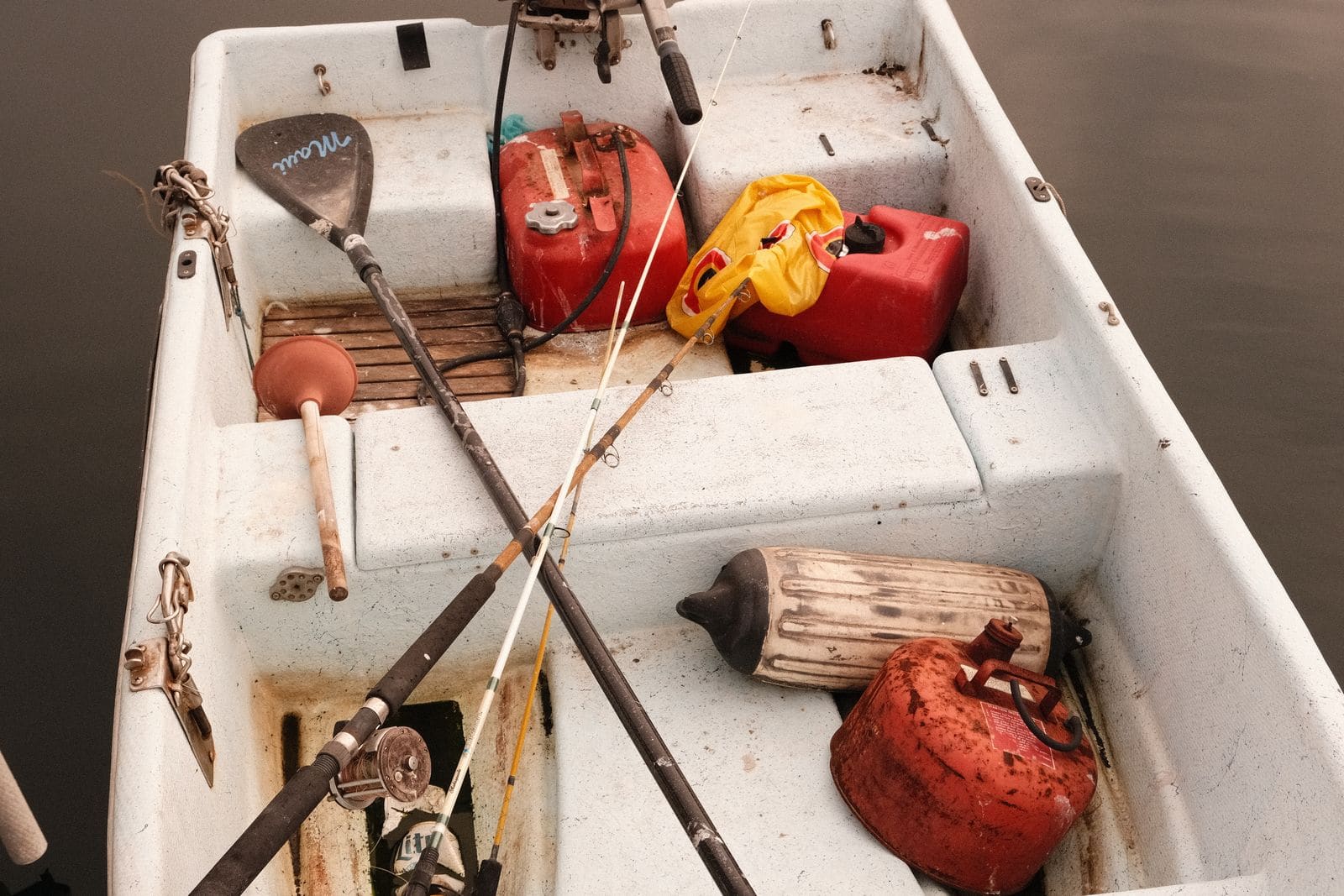
Fuel in a red tank sitting on a hot deck can get much warmer than the air. Store portable tanks in the shade, under a seat or a light-colored cover, while still keeping them where vapors can escape. Mercury says the gray hose on its portable fuel line kit helps reduce vapor lock on warm days and in sunlight. If your old hose is black, cracked or sun-baked, the fuel line replacement guide covers swapping it for a marine low-permeation hose.
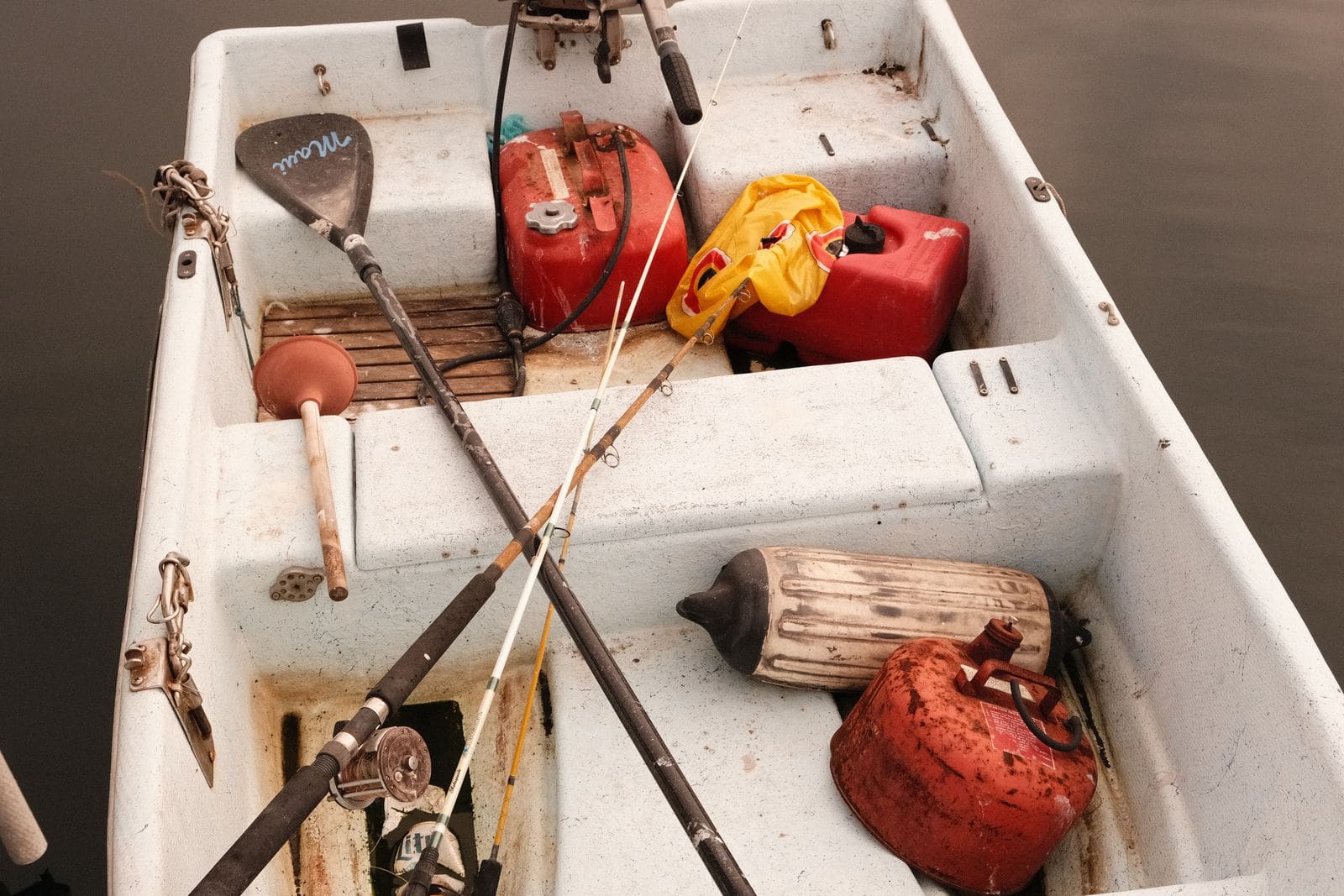
Red tanks sitting in an open cockpit soak up the sun. Shading them helps keep the fuel cool. Photo: Jake Ryan / Pexels · Pexels License The EPA limits how volatile retail gasoline can be in summer (generally June 1 to September 15 at the pump) because volatile fuel evaporates more. Winter-blend gas is made more volatile on purpose so cars start in the cold. Fuel left in your tank since early spring may be a winter blend, which boils more easily on a hot July afternoon. West Marine also recommends fresh fuel from a busy station that turns its stock over. Run old fuel down early in the season and refill with summer gas.
Ethanol-blended gas (E10) gets a small extra volatility allowance in the EPA summer rules, so it can be slightly more prone to vaporizing than straight gasoline. That allowance does not apply everywhere: a few states never used it, and since 2024 EPA has removed it at the request of several Midwest governors (the EPA page lists which states, and the list has changed since, so check it rather than relying on memory). In those states, summer E10 must meet the same volatility limit as straight gas. Some owners report fewer hot-start problems with ethanol-free gas, but it isn't a guaranteed cure. Never use more than your engine maker allows (for most marine engines that is E10). The ethanol fuel care guide covers the other ethanol issues, like water and phase separation.
West Marine notes that no fuel additive reliably prevents vapor lock, because the cause is heat and fuel volatility, not something chemistry in a bottle changes. A fuel stabilizer is still worth using for storage, just not as a hot-start fix.
With the engine cold, trace the fuel lines from the tank to the engine with a flashlight. Look for:
- hoses touching or running close to exhaust manifolds, risers or other hot parts
- missing heat shields or clips that should hold a line away from heat
- an electric fuel pump or filter mounted in the hottest corner of the compartment
Note what you find, but leave rerouting fuel lines and adding shields on an inboard or sterndrive to a technician. Marine fuel systems have to meet specific standards, and a bad fitting is a fire risk.
On inboards and sterndrives, check that the blower runs and that the intake and exhaust vents aren't blocked by covers, gear or nests. Good airflow helps carry away heat after shutdown as well as dangerous fuel vapors. The bilge blower guide covers testing it.
Get the fuel system checked if hot starts keep getting worse, happen in mild weather, or come with other symptoms. West Marine notes a failing fuel pump or a carburetor that percolates badly can make vapor lock much worse than it should be. On EFI outboards, a vapor separator tank problem can also cause hard hot starts. Note what you've already ruled out so the shop doesn't repeat it.
Common mistakes
- Using the choke or pumping the throttle on a hot engine and flooding it
- Cranking for a long time and overheating the starter or draining the battery
- Keeping the vent on a portable tank closed after trailering
- Leaving tanks and fuel lines baking in the sun at the sandbar
- Burning last winter's fuel in July
- Buying an additive to "cure" vapor lock
- Assuming every hot stall is vapor lock and ignoring a clogged filter or failing pump
When to call a pro
- Fuel smell, wet fuel lines or fuel in the bilge (stop, ventilate, don't crank)
- Hard starts in mild weather, or problems that get worse every season
- Fuel lines touching exhaust parts, or a fuel pump mounted next to a heat source
- EFI engines that won't restart hot after a reasonable cool-down (vapor separator, fuel pump or sensors)
- Rerouting fuel lines, adding heat shields or changing fuel system parts on inboards and sterndrives
Tips
- Carry a light-colored towel to shade a portable tank at long stops.
- At the fuel dock on a hot day, fill up quickly and get moving; idle out of the harbor to bring cool fuel through the system.
- Keep a note of air temperature and stop length when it happens. A pattern makes diagnosis faster.
- Fuel boils more easily at high altitude. If you trailer to mountain lakes, expect hot-start trouble to show up sooner (see the high-altitude boating guide).
Official references
We read these to write this guide. Your engine's own manual always wins.
- West Marine – Diagnosing Vapor Lock and Hard-Starting in Hot Weather
- US EPA – Gasoline Reid Vapor Pressure
- US EPA – Final Rule in Response to Request From States for Removal of Gasoline Volatility Waiver
- Mercury Marine – Fuel Line Assembly with Primer Bulb (gray hose helps reduce vapor lock in sun)
- Mercury Marine – What Is Electronic Fuel Injection? (sealed, pressurized system; hot or cold starts)
- Boating Magazine – Five Boat Fuel Vent Tips
- Yamaha Outboards – Maintenance Matters, Fuel and Fuel System
Safety: BoatMend is for information only and does not replace a certified marine technician. You are responsible for your safety and your boat. Read the full disclaimer.
Last updated 2026-10-26
Related guides
Engine Starts Then Dies - Troubleshooting Guide
Track down why your boat engine fires up and then stalls, whether at idle, when you shift into gear, or after a few minutes of running. Most causes are in the fuel supply and can be checked with no special tools.
EFI Outboard Vapor Separator Tank (VST) and Injectors - Symptoms, Filters and When It's a Dealer Job
On a fuel-injected outboard, the vapor separator tank holds fuel right at the engine and feeds the high-pressure pump and injectors. Learn why ethanol varnish and debris clog its filter, how a starving VST feels (stalls at speed, won't hold RPM), what you can safely maintain yourself, and when it's time for the dealer.
Ethanol (E10) Fuel Care: Stabilizer, Phase Separation, Fuel Lines and Tank Vents
Keep E10 gasoline from damaging your boat engine. Learn how to use stabilizer, test for water and phase separation, and inspect the fuel lines, primer bulb, anti-siphon valve and tank vent. Most fuel-related breakdowns start with one of these.
Fuel Demand Valves: Troubleshooting the Valve That Holds Back a Sealed Tank
Modern EPA-compliant fuel tanks stay sealed and build pressure in the sun, and a fuel demand valve keeps that pressure from pushing gasoline into the engine when it's off. Learn how it differs from an old-style ball anti-siphon valve, the symptoms of one that sticks closed or leaks through, how to rule out cheaper causes first, and why the replacement must be the same type, never a ball valve.
How to Diagnose and Replace an Outboard Primer Bulb
A primer bulb that won't firm up, collapses while you run, stays rock hard or weeps fuel is telling you something. Learn what each symptom means, how to rule out the tank vent and connectors first, then fit a low-permeation bulb with the arrow toward the engine, clamp it right and test it.
How to Inspect and Replace Boat Fuel Fill and Vent Hoses
Old fill and vent hoses crack, go soft and leak gasoline into the bilge, often where you can't see them. Learn the signs of aging, which USCG hose types (A1, A2, B1, B2) belong on fill and vent lines, why fill hoses need two clamps at each end, how to check the vent fitting, flame arrester and anti-spill devices, and how a careful replacement is done.
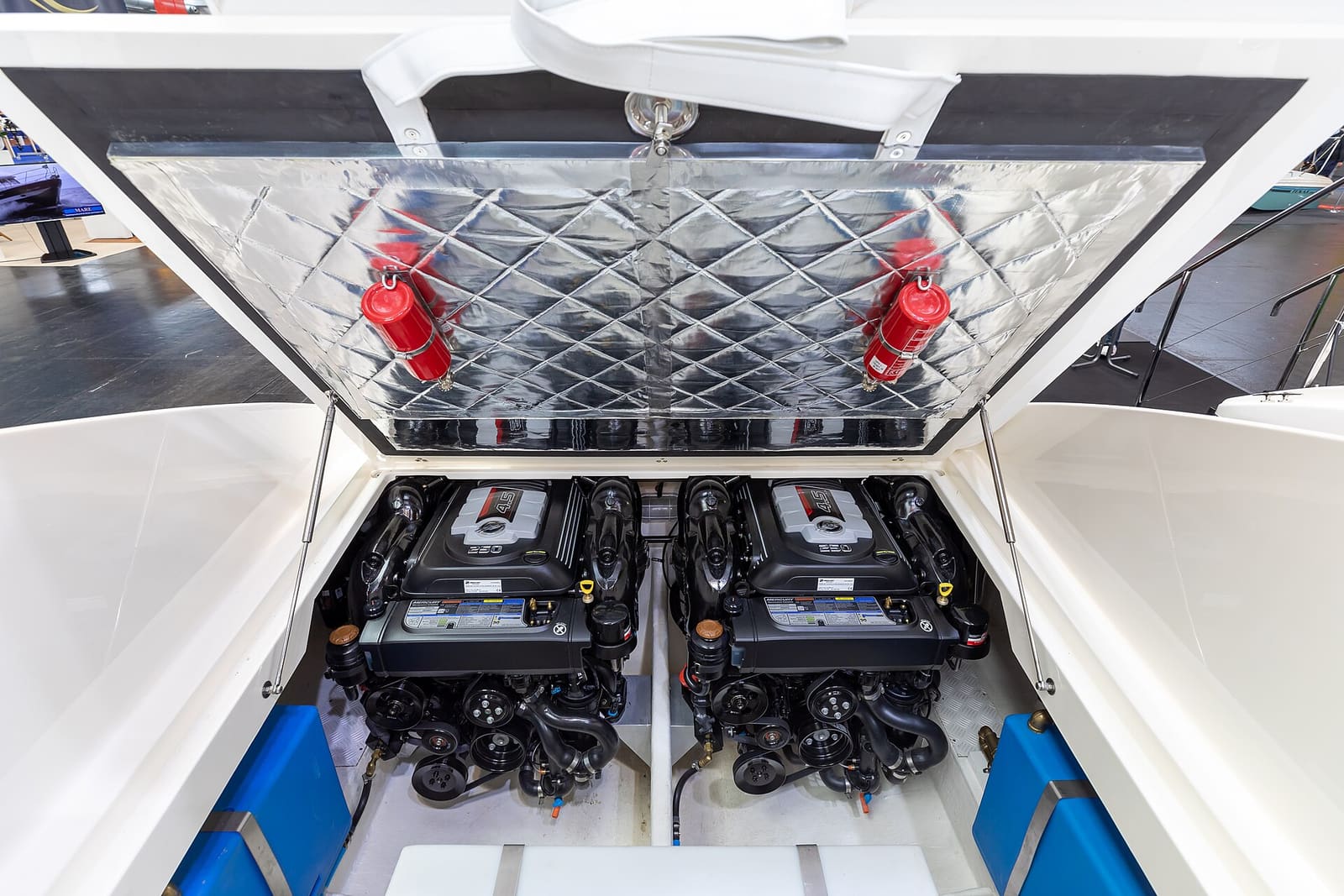
Bilge Blower and Engine Compartment Ventilation on Gas Inboards and Sterndrives
Learn why gas boats have a "run the blower 4 minutes" label, how to check that the blower and vent ducts actually move air out of the engine compartment, and how to replace a blower safely with an ignition-protected marine unit.
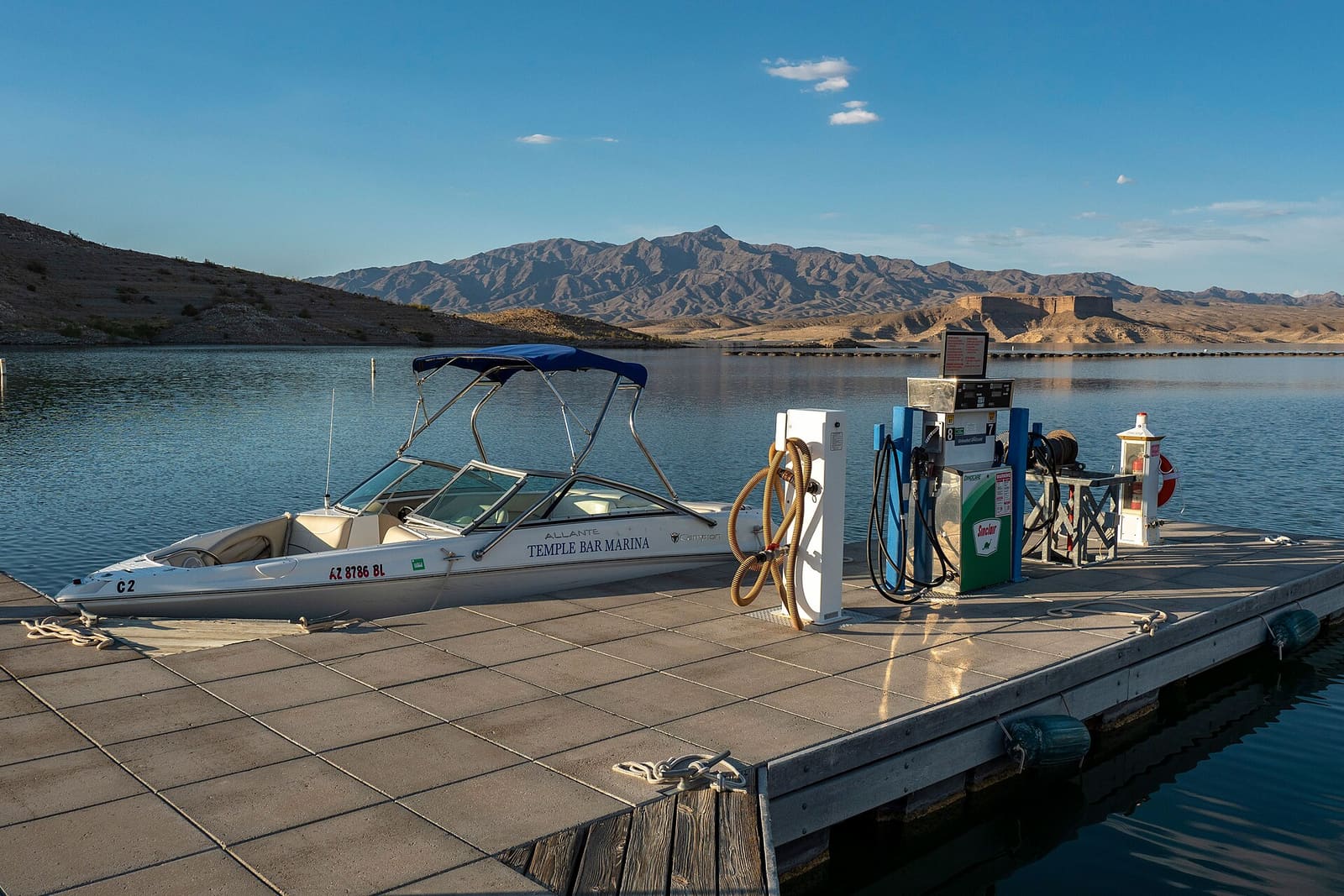
How to Refuel a Boat Safely (Gas Dock, Gas Station and Portable Tanks)
A step-by-step fueling routine that keeps gasoline vapor out of your bilge and fuel out of the water: shut everything down, close up, keep the nozzle in contact, stop short of full, ventilate, run the blower and sniff before you start. Includes portable tanks, personal watercraft and what to do about a spill.
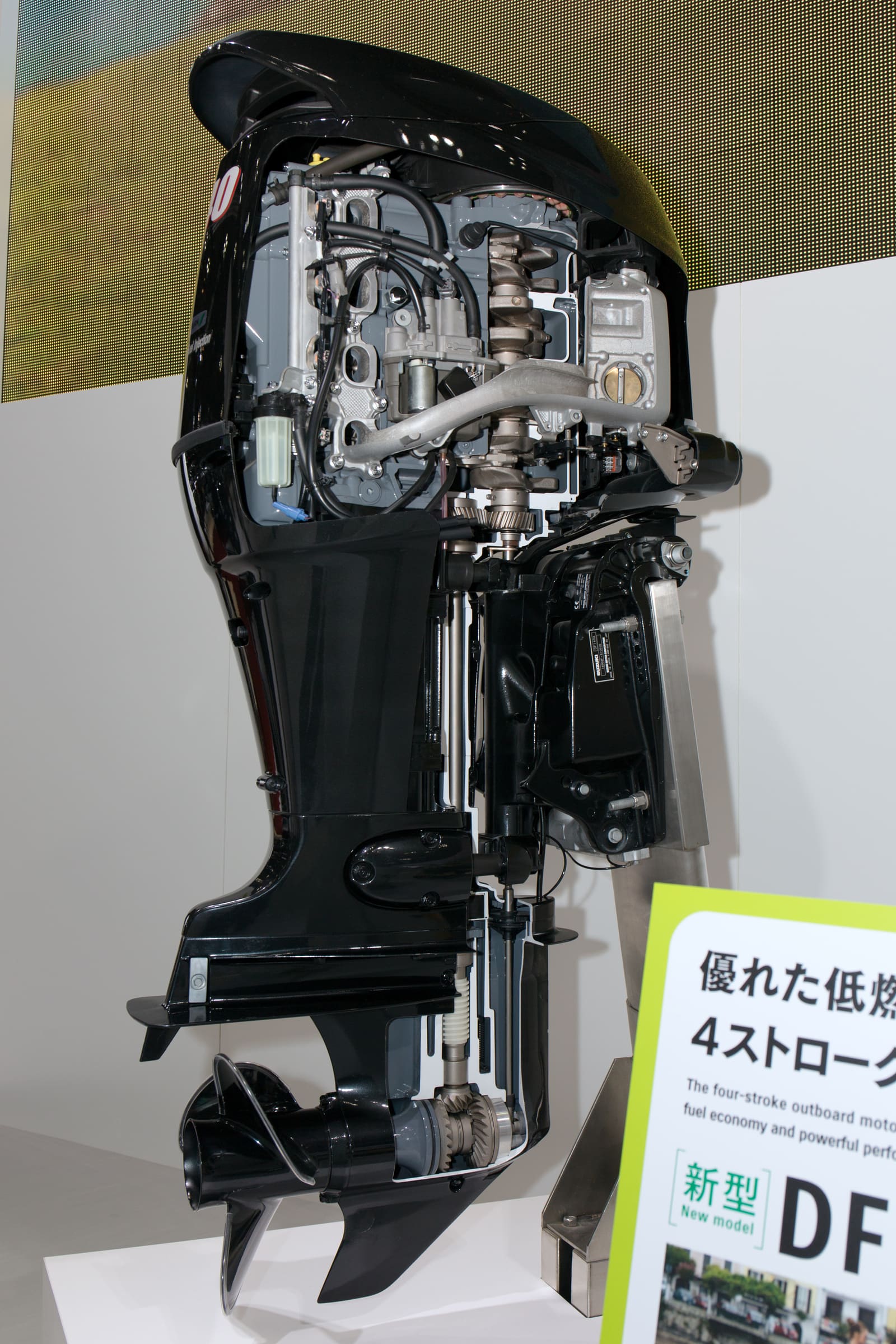
EFI Outboard Cranks but Won't Start, No Key-On Beep or Fuel Pump Hum
When a fuel-injected outboard turns over but stays silent at key-on (no warning-horn chirp, no fuel pump priming), the engine computer usually isn't waking up. Work through the lanyard, battery voltage while cranking, main fuses, relays, harness plugs and grounds before anyone blames the computer.
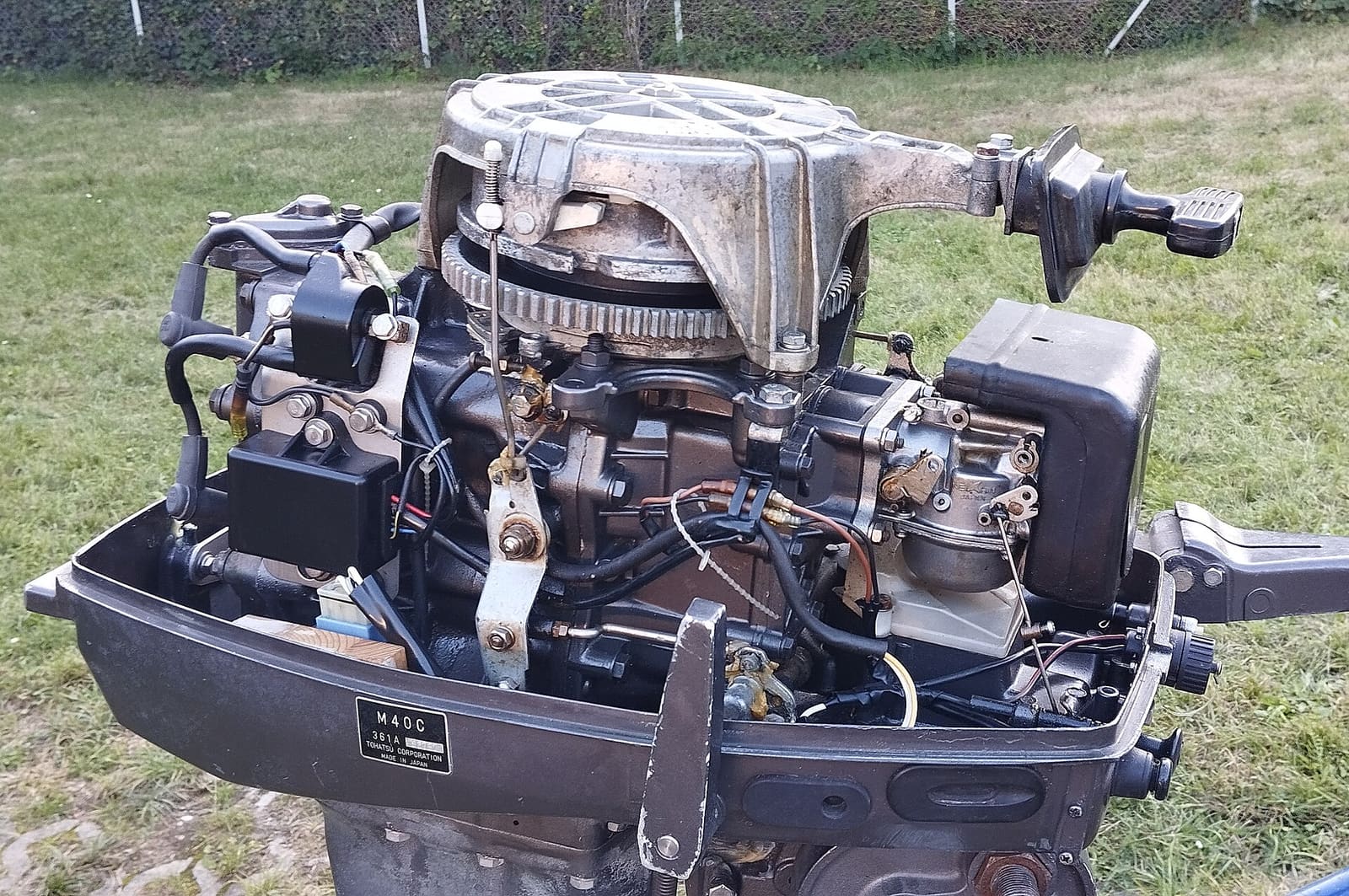
Engine Won't Start or Won't Crank - Troubleshooting Guide
Find out why your boat engine will not turn over or will not fire, starting with the simple things owners miss most, like the kill switch lanyard and battery switch. Many no-starts are fixed at the ramp in minutes without a tow.