Repair & maintenance guides
Plain-English, step by step, written for owners. Pick your engine to see the guides that apply to it.
99 of 509 guides · page 3 of 5
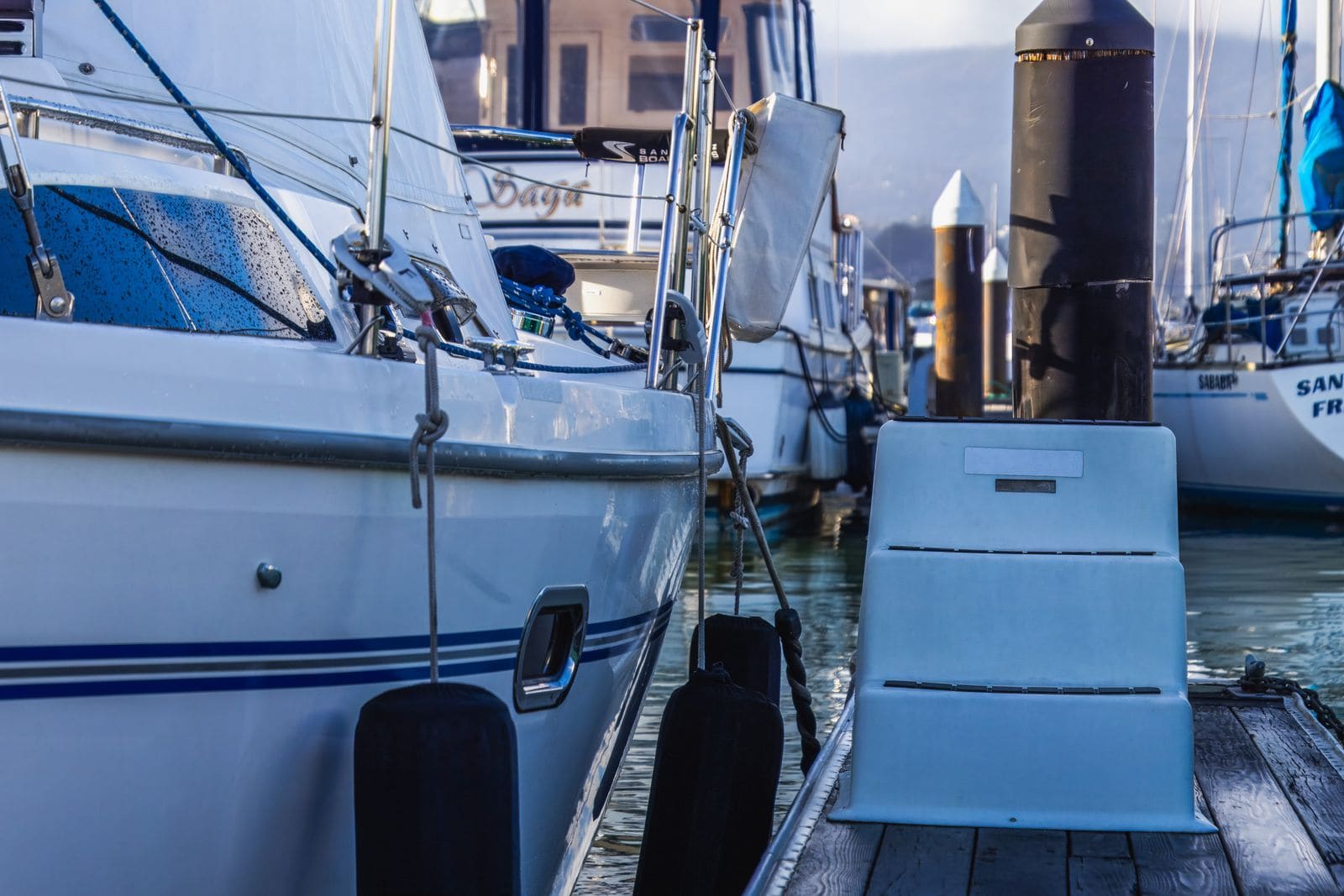
How to Match Gelcoat Color for Small Repairs
Get a chip or screw-hole repair to blend in with your hull instead of standing out as a bright patch. Learn to polish first so you see the real color, find your builder's color code or a matched gelcoat, tint by tiny steps, test cured samples in daylight, and allow for sun fading.
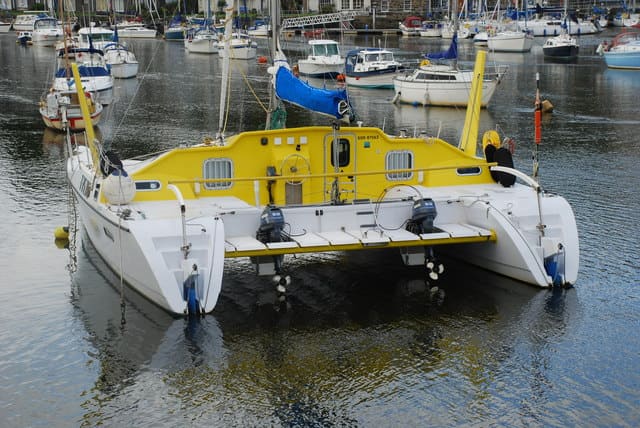
How to Mount a Kicker Motor on a Boat With a Swim Platform or Bracket
Find a safe way to hang a kicker when there's no open, flat transom: pick an offset or setback bracket, prove the clearance with the main engine through every turn and tilt position, keep the tiller within reach, and make sure the platform or bracket can actually carry the load with proper backing.
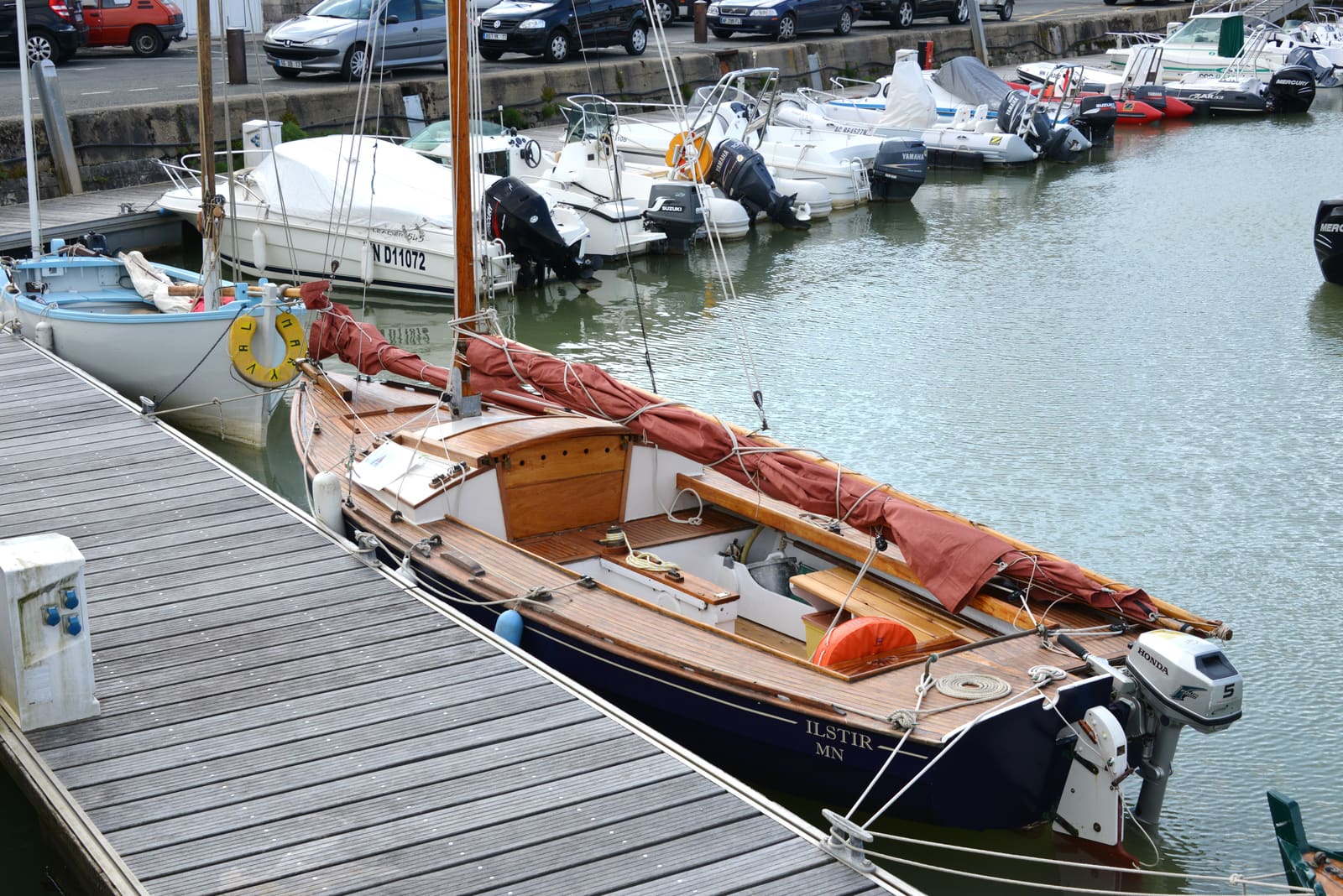
How to Mount and Maintain a Kicker Motor Bracket
Set up a small auxiliary outboard (a kicker) the right way: choose a manual or spring-assisted bracket, through-bolt it to a sound transom with a backing plate, add a safety cable, sort out steering and fuel, and keep the bracket working season after season.
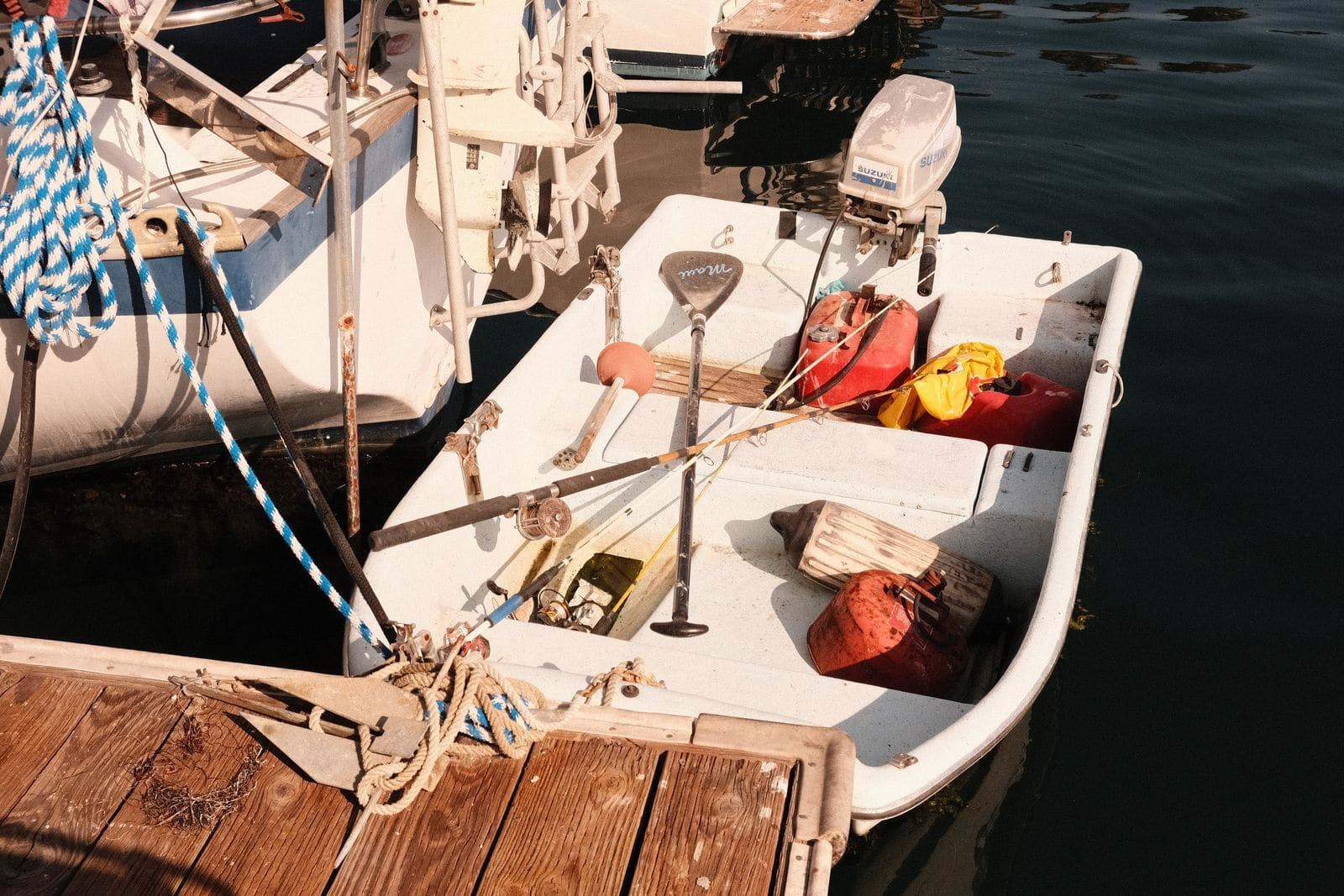
How to Mount or Re-Tighten an Outboard on the Transom
A loose outboard can steer badly, crack the transom or fall off the boat. Learn how to center the motor, check engine height, tighten clamp screws, seal and bolt through the transom with backing plates, add a safety cable on small motors and spot transom flex before it becomes a costly repair.
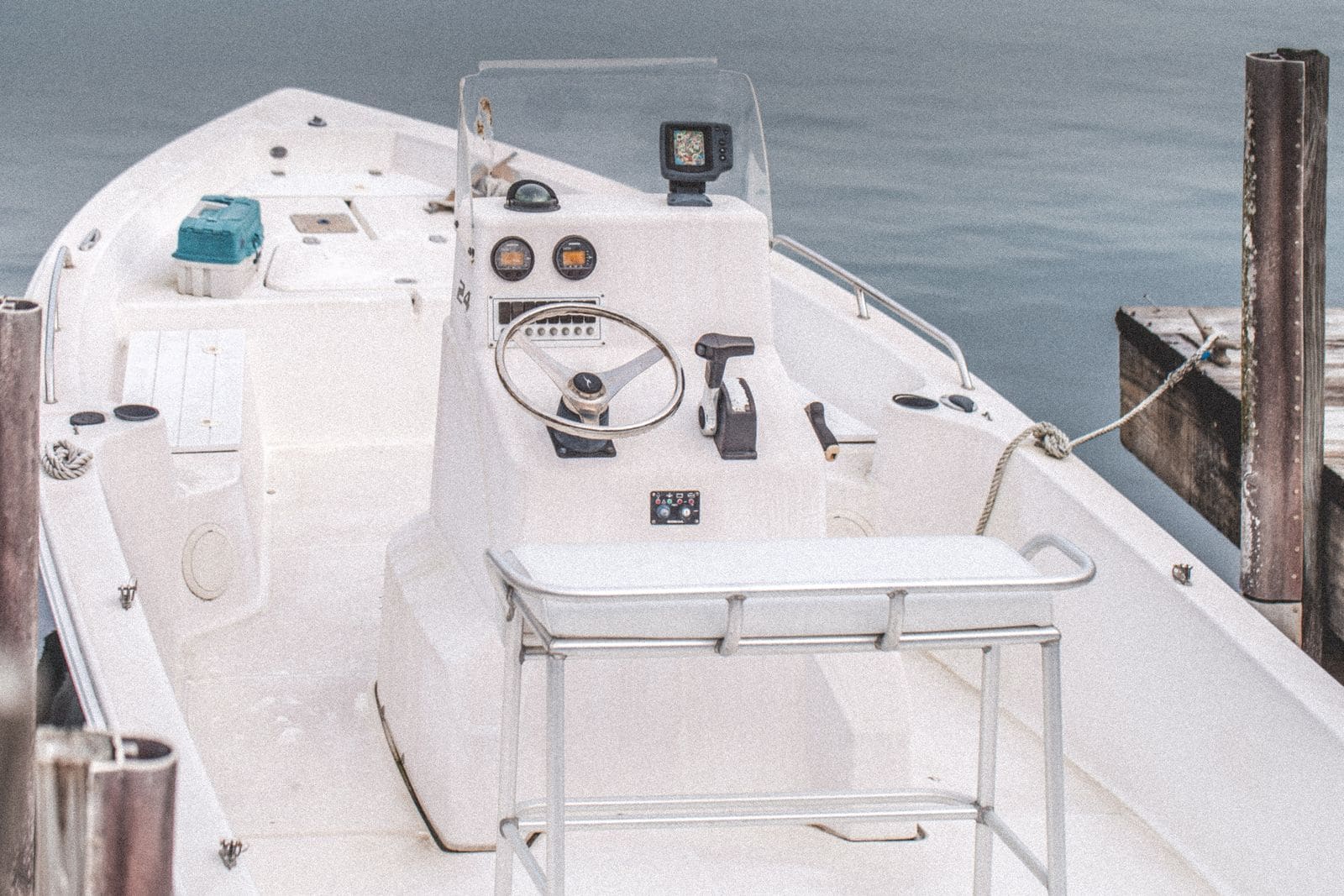
How to Mount Rod Holders, Fish Finders, Cleats and Antennas Without Causing Leaks
Add accessories to your boat the right way, with through-bolts, backing plates, sealed core and proper wire pass-throughs, so every new hole stays dry and strong. Also learn where you should never drill.
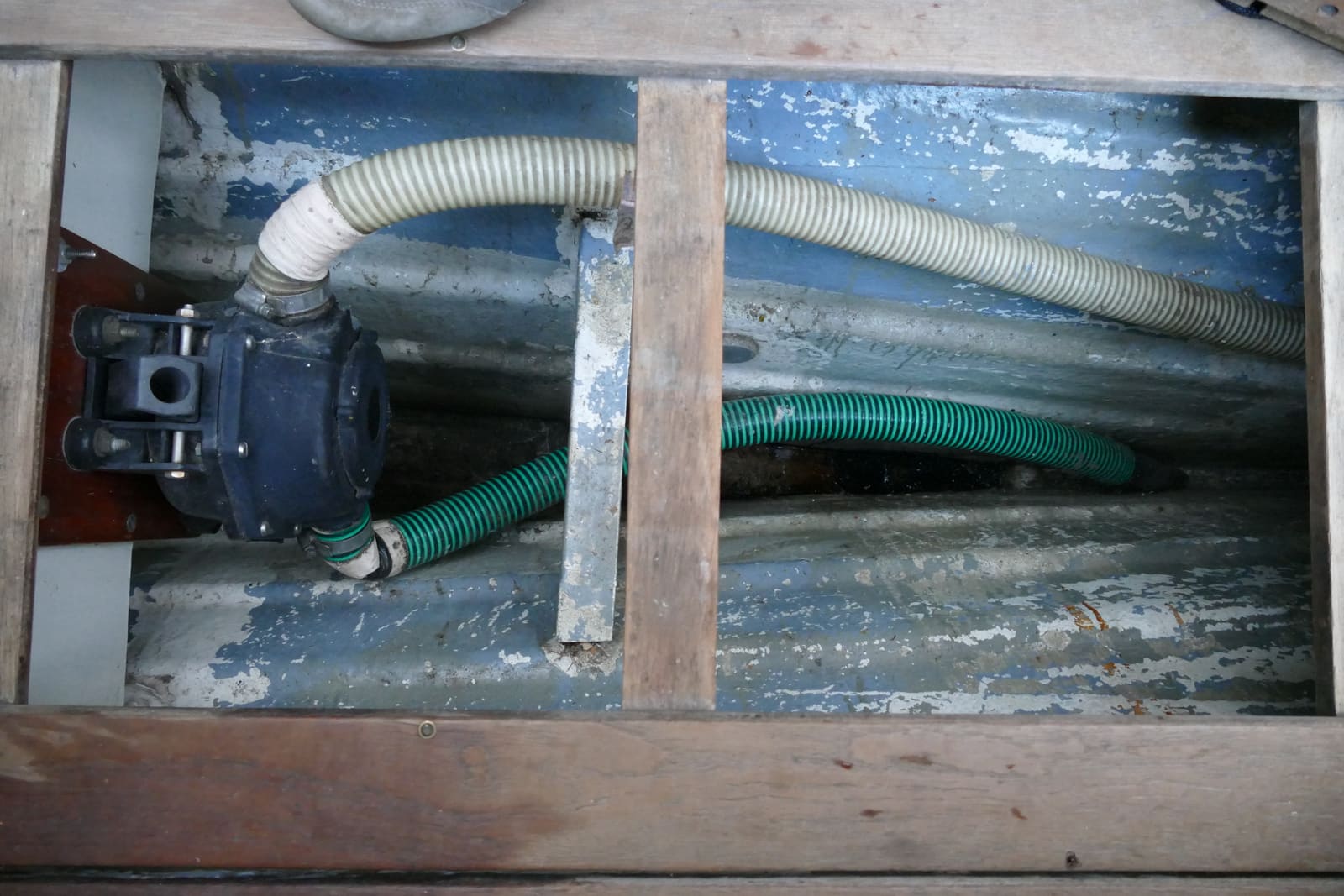
How to Paint a Boat Bilge (Prep, Paint Choice and What to Leave Bare)
A freshly painted bilge is easier to keep clean and makes small fuel, oil, coolant and water leaks easy to spot. Learn how to degrease and sand, pick between alkyd bilge paint and epoxy coatings, ventilate safely, and keep paint off the parts that must stay bare.
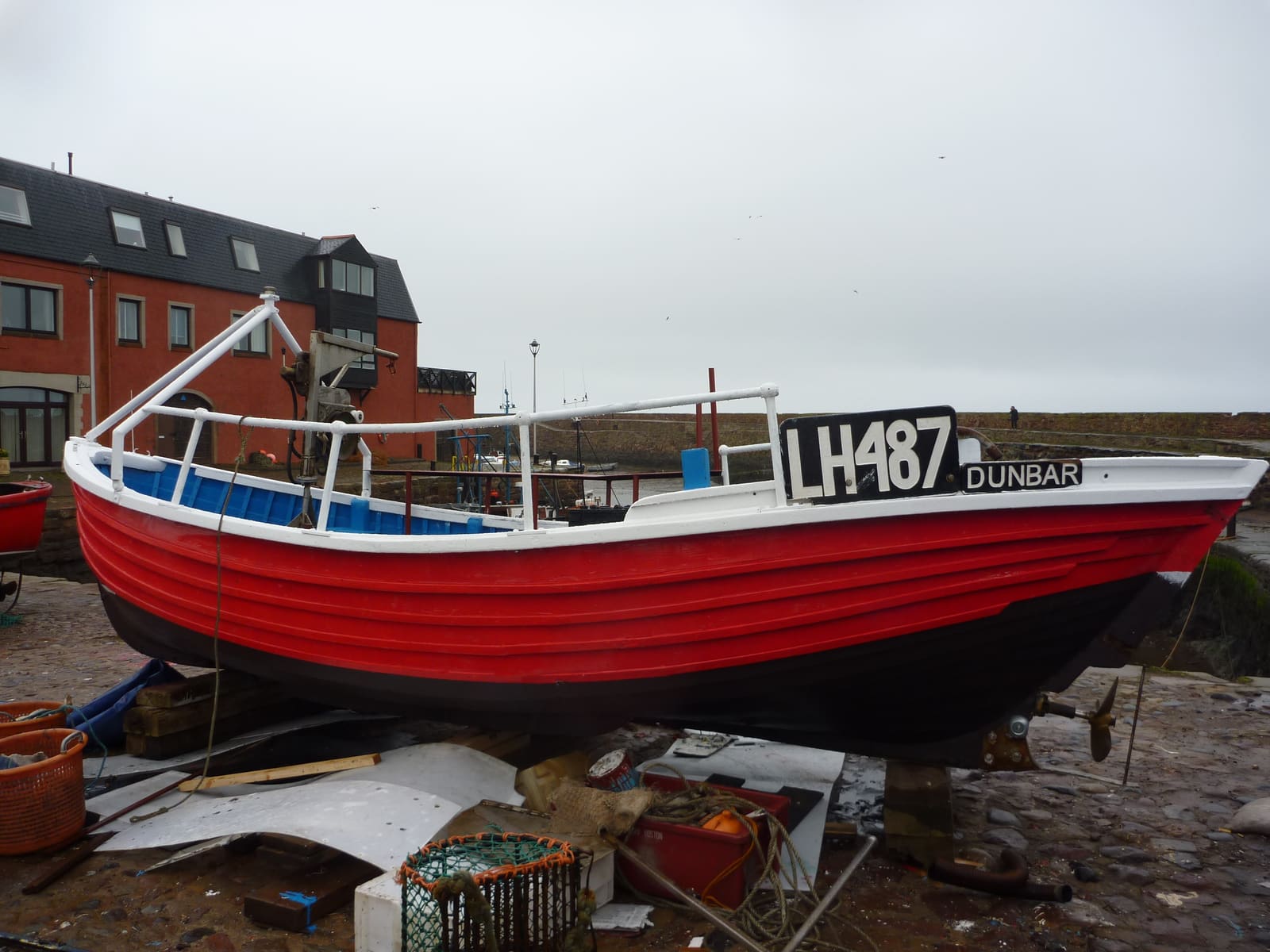
How to Paint Your Boat's Topsides (Roll and Tip)
When the gelcoat above the waterline is too chalky or crazed to polish back, a one-part or two-part polyurethane paint can bring back the shine. This guide covers choosing the paint, prep, weather windows, roll-and-tip technique and the safety gear two-part paints demand.

How to Prevent and Remove Mold and Mildew on Your Boat
Stop the musty smell and black spots before they start. Find and fix the water source, keep air moving, control humidity safely, and clean mold off gelcoat, vinyl and cabin surfaces with products that won't damage them.
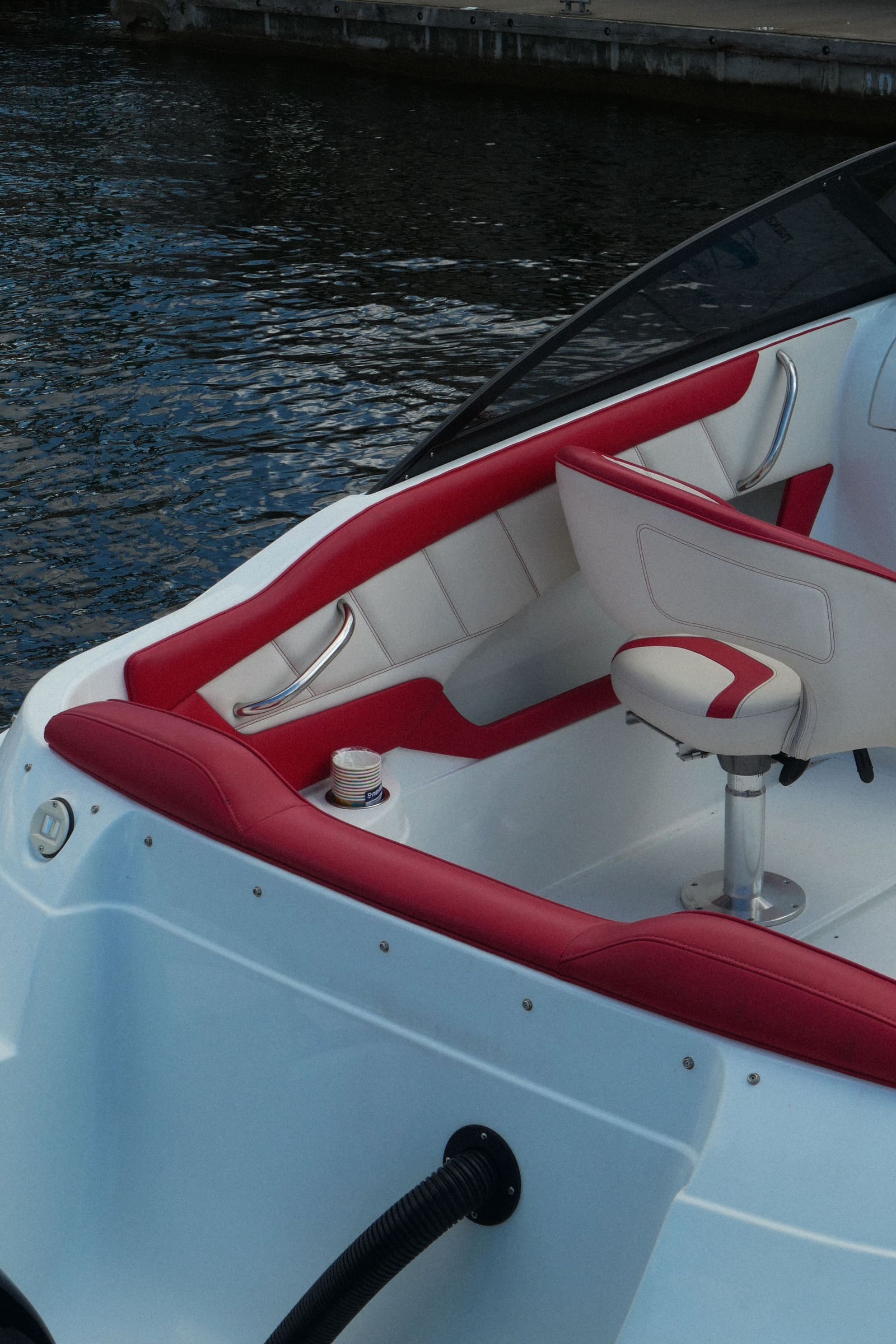
How to Re-Cover Boat Cushions and Seats (DIY Sewing vs. Upholstery Shop)
Cracked, faded or split cushion covers can be replaced without buying new seats. Learn how to choose marine vinyl or acrylic fabric, which thread survives the sun, how to use the old cover as a pattern, where zippers and drain vents go, and when a walking-foot machine at home makes sense versus paying an upholstery shop.

How to Remove and Apply Boat Names, Graphics and Registration Decals
Take off old vinyl names and graphics without scratching the gelcoat, clean up the glue and the "ghost" outline, then apply new lettering straight and bubble-free, and display your registration numbers the way federal rules require.
How to Repair or Repaint Worn and Cracked Non-Skid Decks
Bring back grip where the molded non-skid is chipped, cracked, patched or worn smooth. Choose between a molded patch that copies the original pattern, non-skid paint with grit, or textured gelcoat, fix the cracks and soft spots underneath first, and mask for clean, safe edges.
How to Repair or Replace Your Boat's Rub Rail
Replace a torn rub rail insert or the whole rail, reseal the hull-to-deck joint and its fasteners while the rail is off, and stop the deck-joint leaks that often hide behind a worn rail.
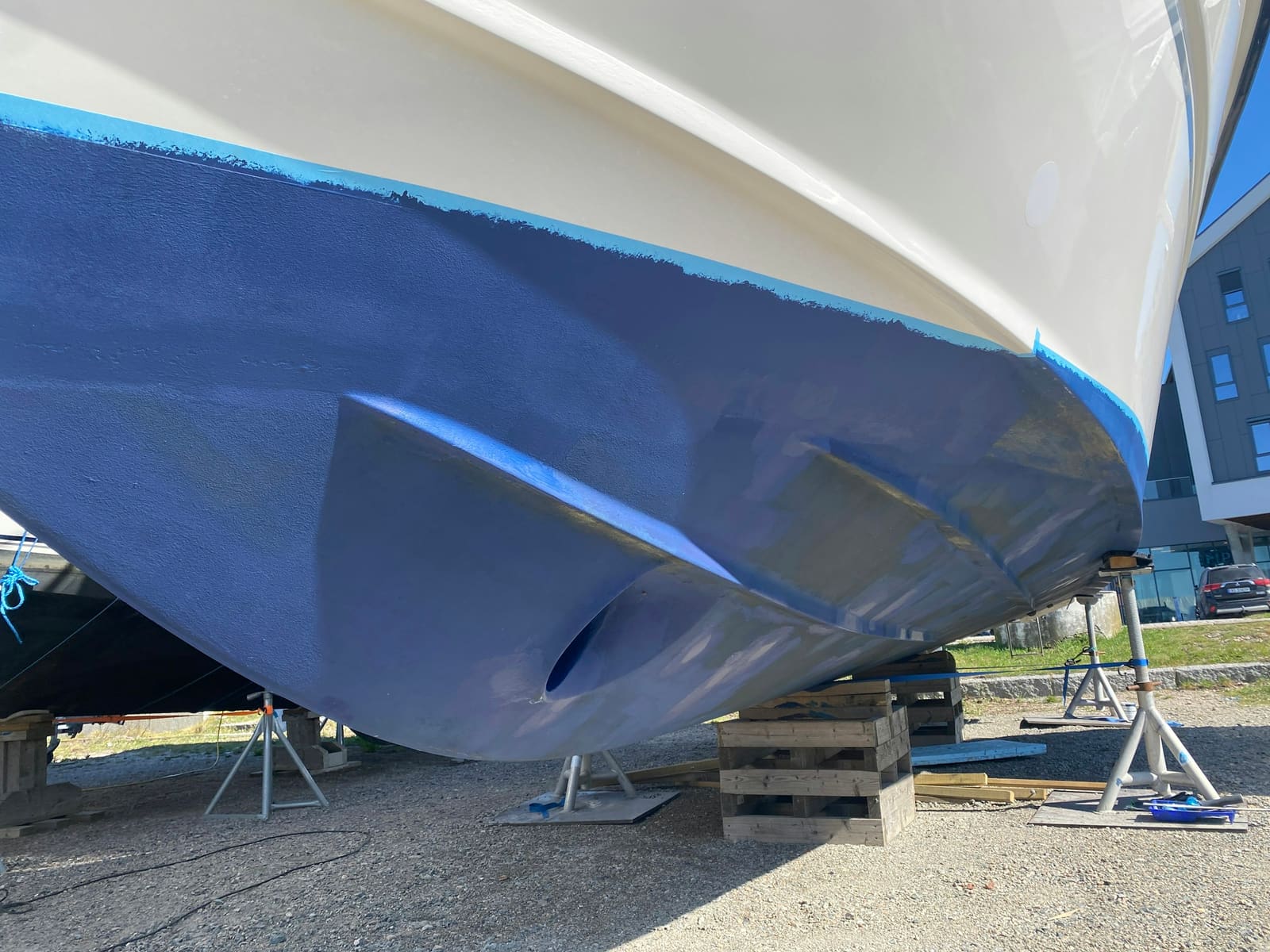
How to Repair Small Gelcoat Chips and Scratches
Fill and blend small chips, dings and scratches in your boat's gelcoat with a repair kit so they stop letting water into the fiberglass and look close to new. Also learn to spot damage that is structural and needs a pro.
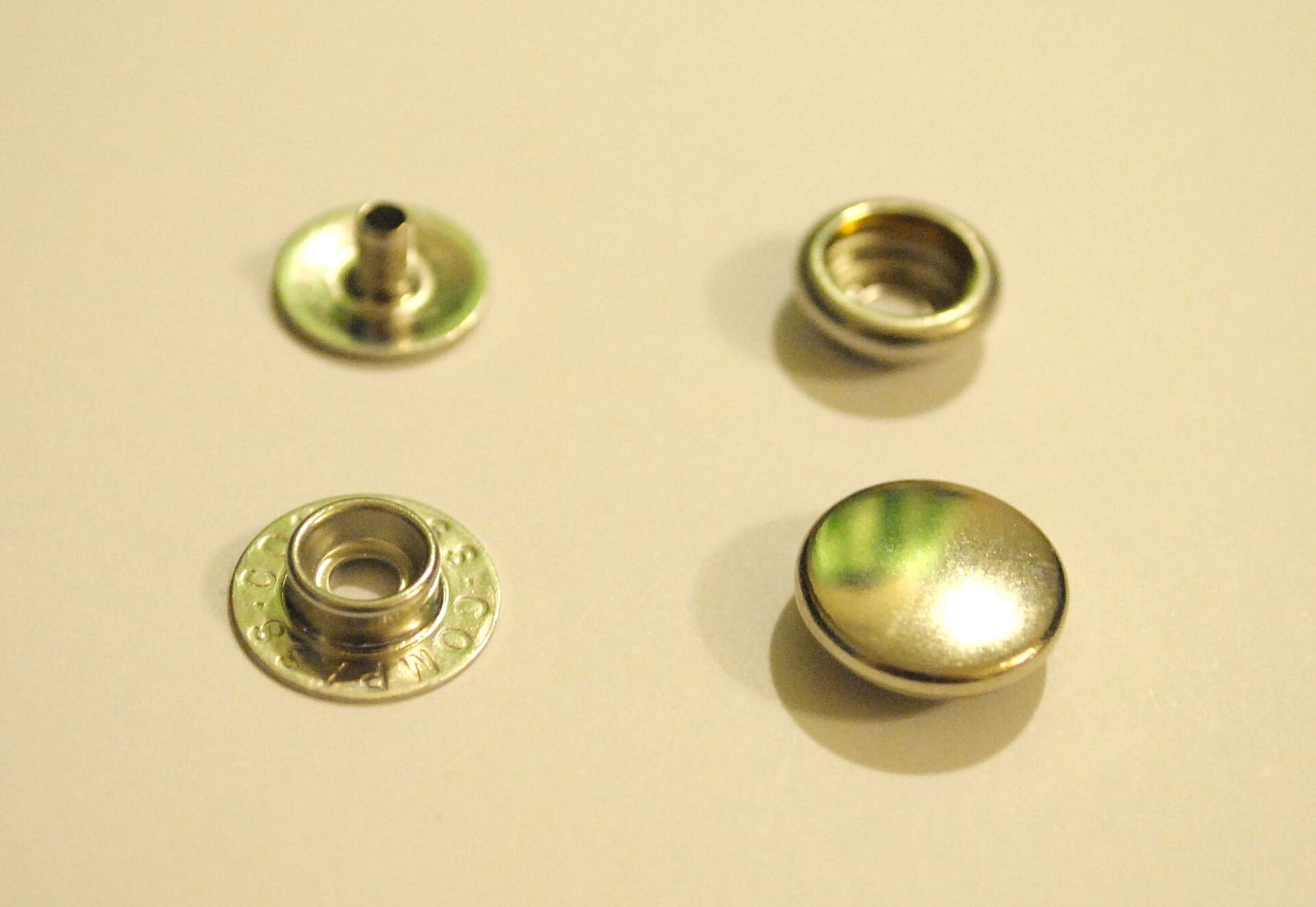
How to Repair Torn-Out Canvas Snaps, Fasteners and Zippers
Fix snaps that have pulled out of your bimini, cover or enclosure, reinforce the torn fabric, choose the right snap metal and setting tool, free stuck snaps, replace Lift-the-Dot and twist fasteners, and swap a worn zipper slider.
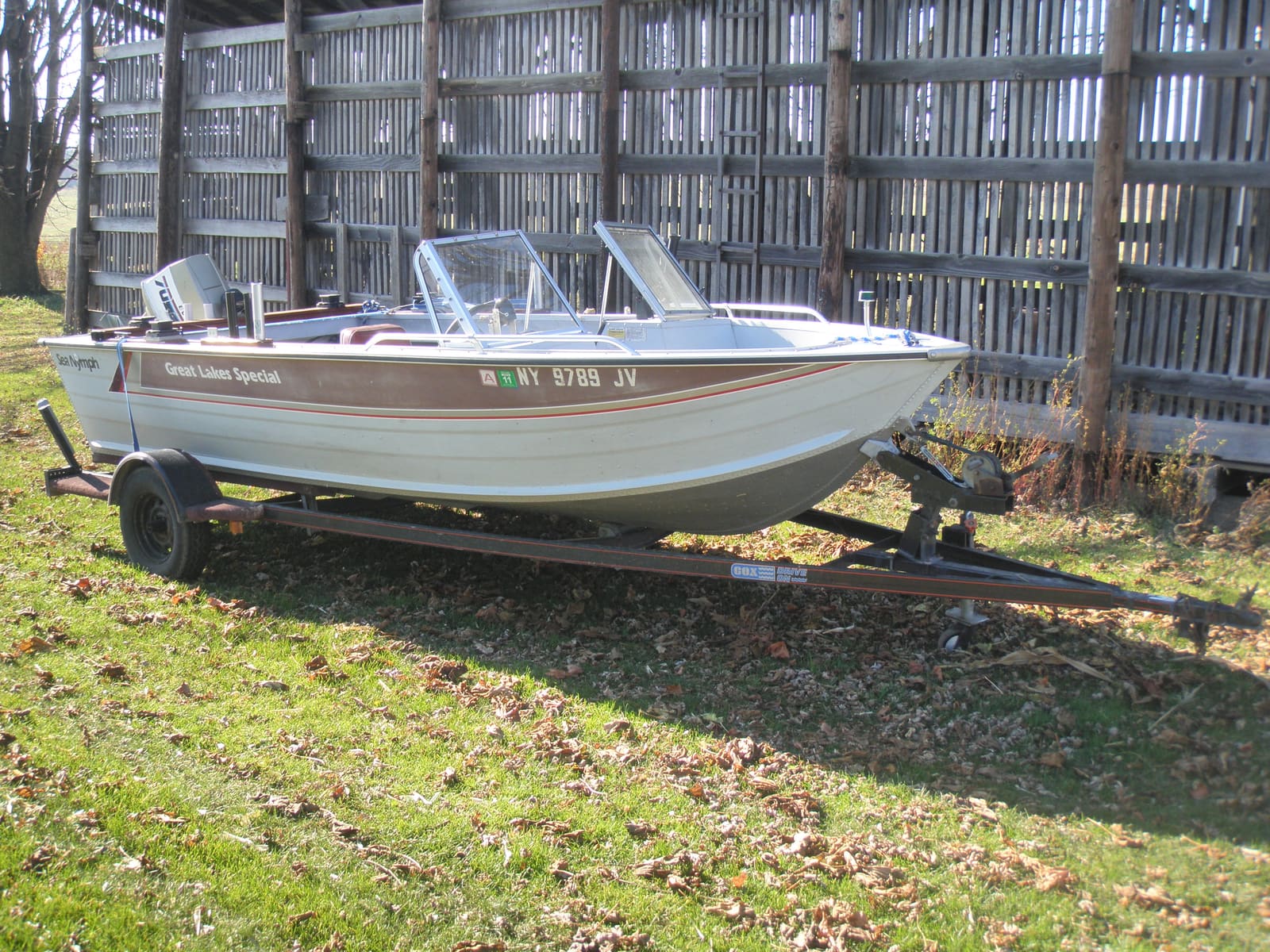
How to Replace Cleats, Eyes and Brackets on a Riveted Aluminum Boat
Swap or add cleats, tie-down eyes, rod holders and accessory brackets on an aluminum boat without starting corrosion or new leaks. The keys are isolating stainless from aluminum, picking the right rivet or bolt, and spreading the load.
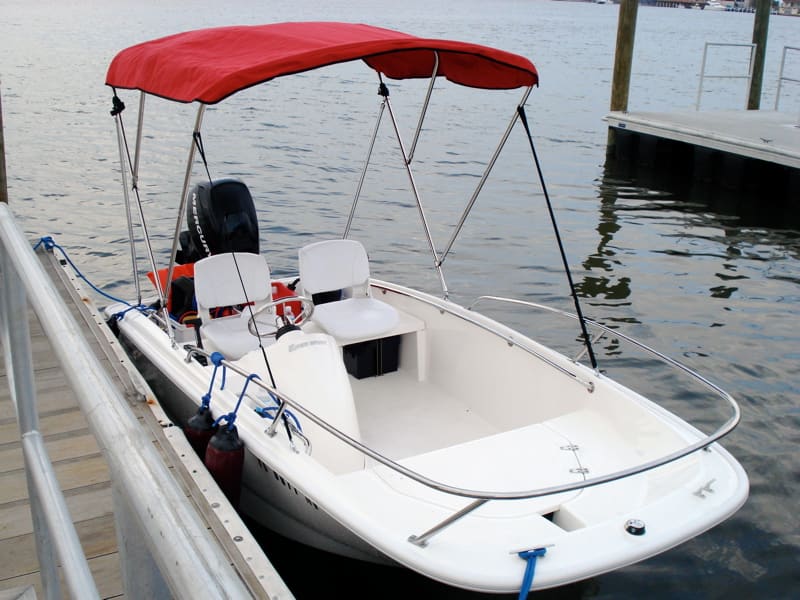
How to Replace Folding Boat Seat Hinges and Fix Back-to-Back Seats
Fix flip-up seats, fold-down fishing seats and back-to-back lounge seats that sag, jam or rip loose. Replace rusted or bent hinges with stainless hardware, rebuild a rotten plywood base so the new screws actually hold, and adjust the latches so the seat stays put.
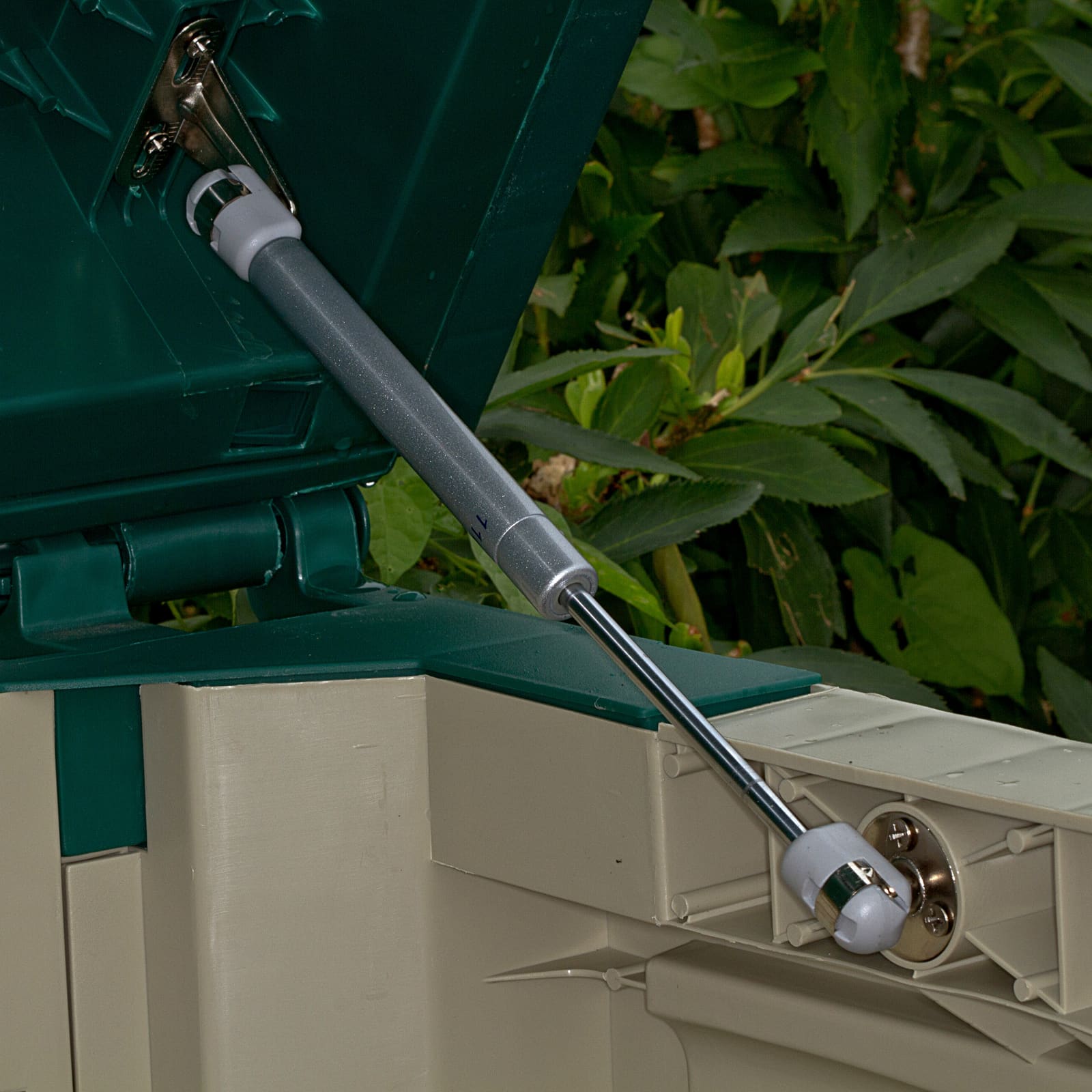
How to Replace Gas Struts on Boat Hatches, Seats and Consoles
Measure, buy and fit the right gas struts (lift supports) so hatches, seat lids and console doors stay open safely instead of dropping on your head or fingers.
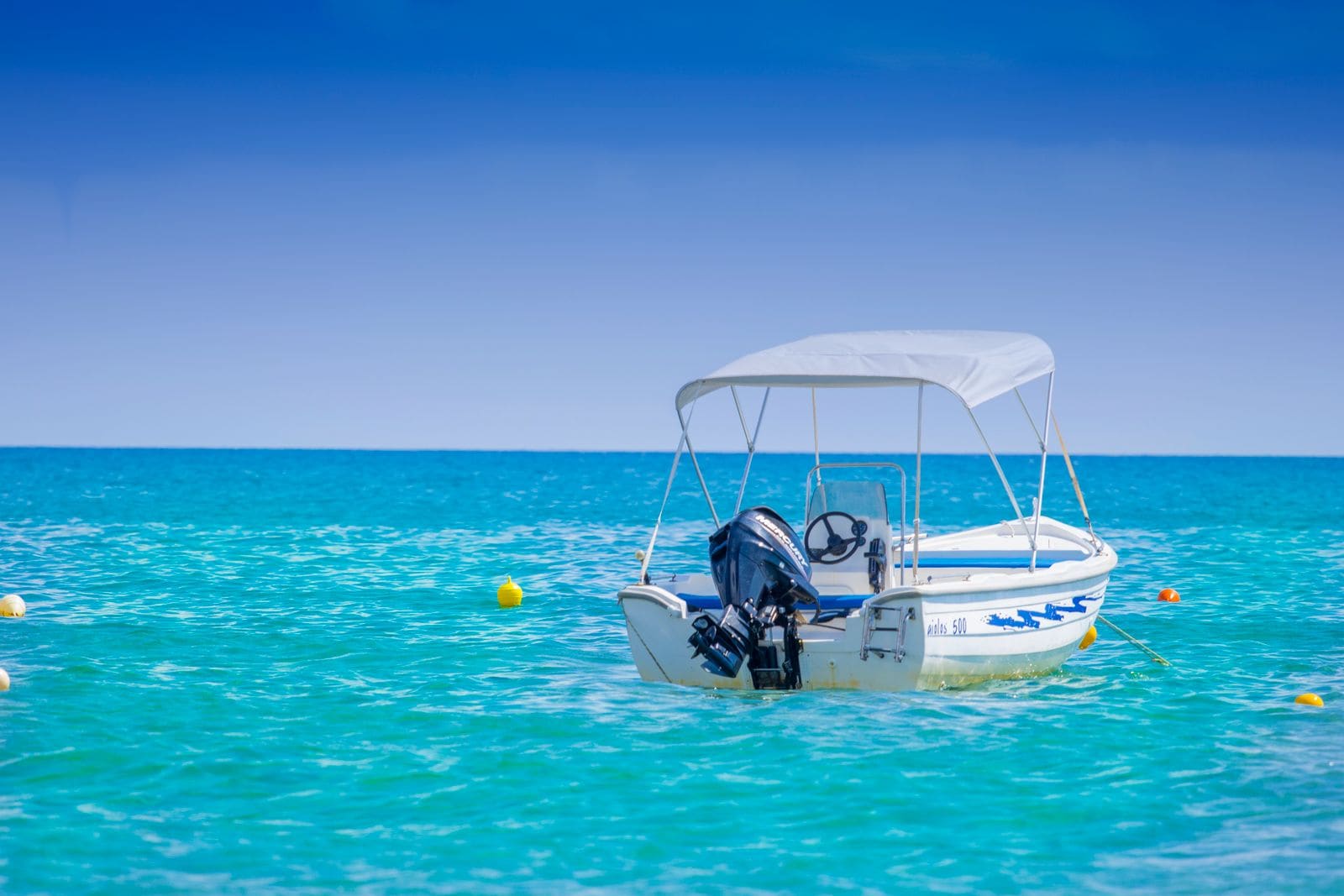
How to Replace or Re-Cover a Bimini Top
Decide whether you need new canvas or a whole new top, measure your frame the right way, pick a fabric that will last in the sun, check the frame and hardware, and swap the canvas yourself or brief a canvas shop.
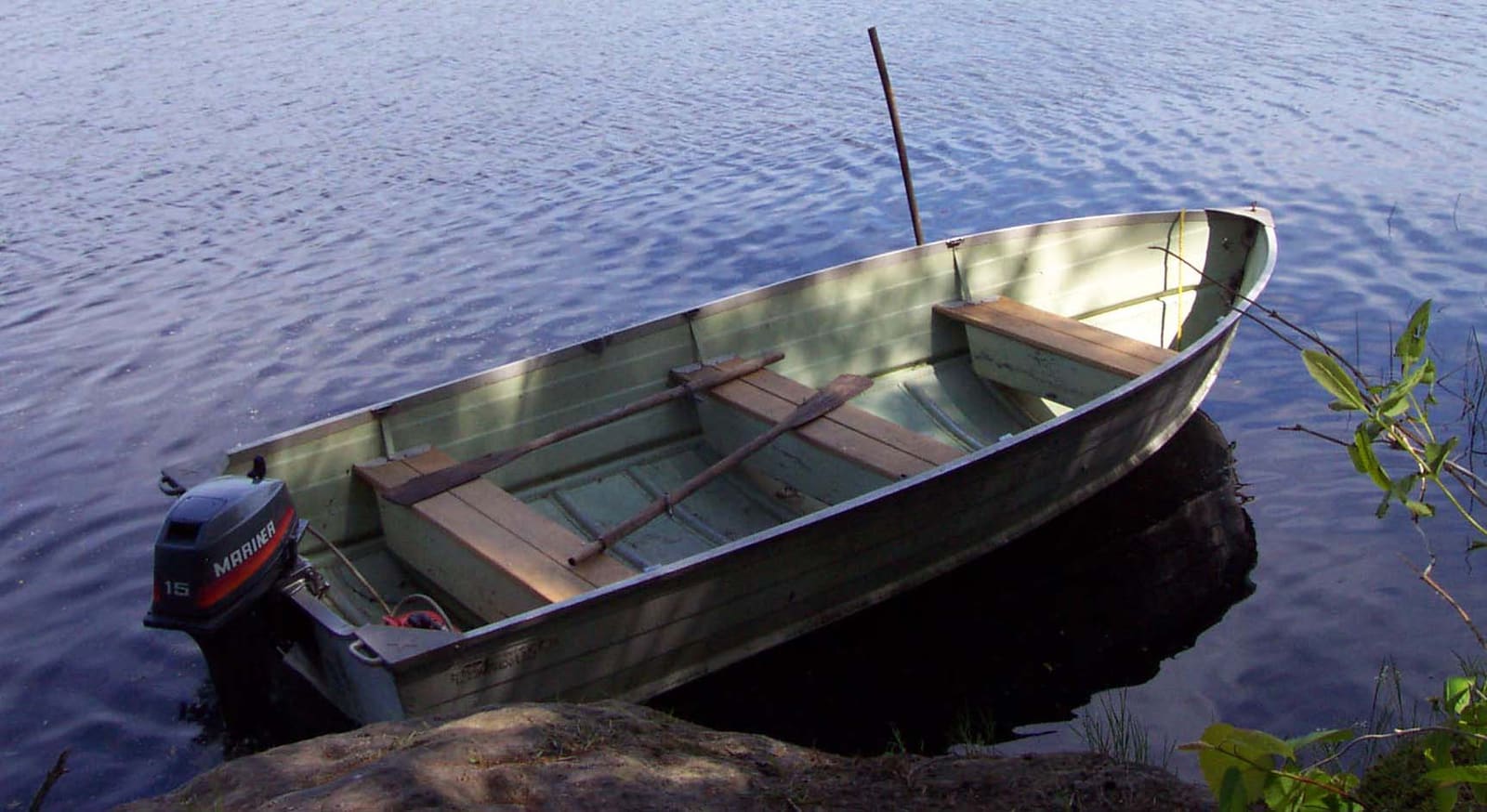
How to Spot and Prevent Corrosion on an Aluminum Boat
Aluminum hulls and pontoon tubes are tough, but they lose almost every fight with other metals. Learn the warning signs of galvanic and stray current corrosion, keep copper and loose metal away from the hull, choose the right anodes, touch up paint with the proper primer and know when a repair needs a welder.

How to Tell if Your Boat's Flotation Foam Is Waterlogged
Learn the signs that the foam under the floor or seats of a small boat has soaked up water, how to check without tearing the boat apart, what the Coast Guard flotation rules mean for you, and why replacing foam is usually a big job for a pro.
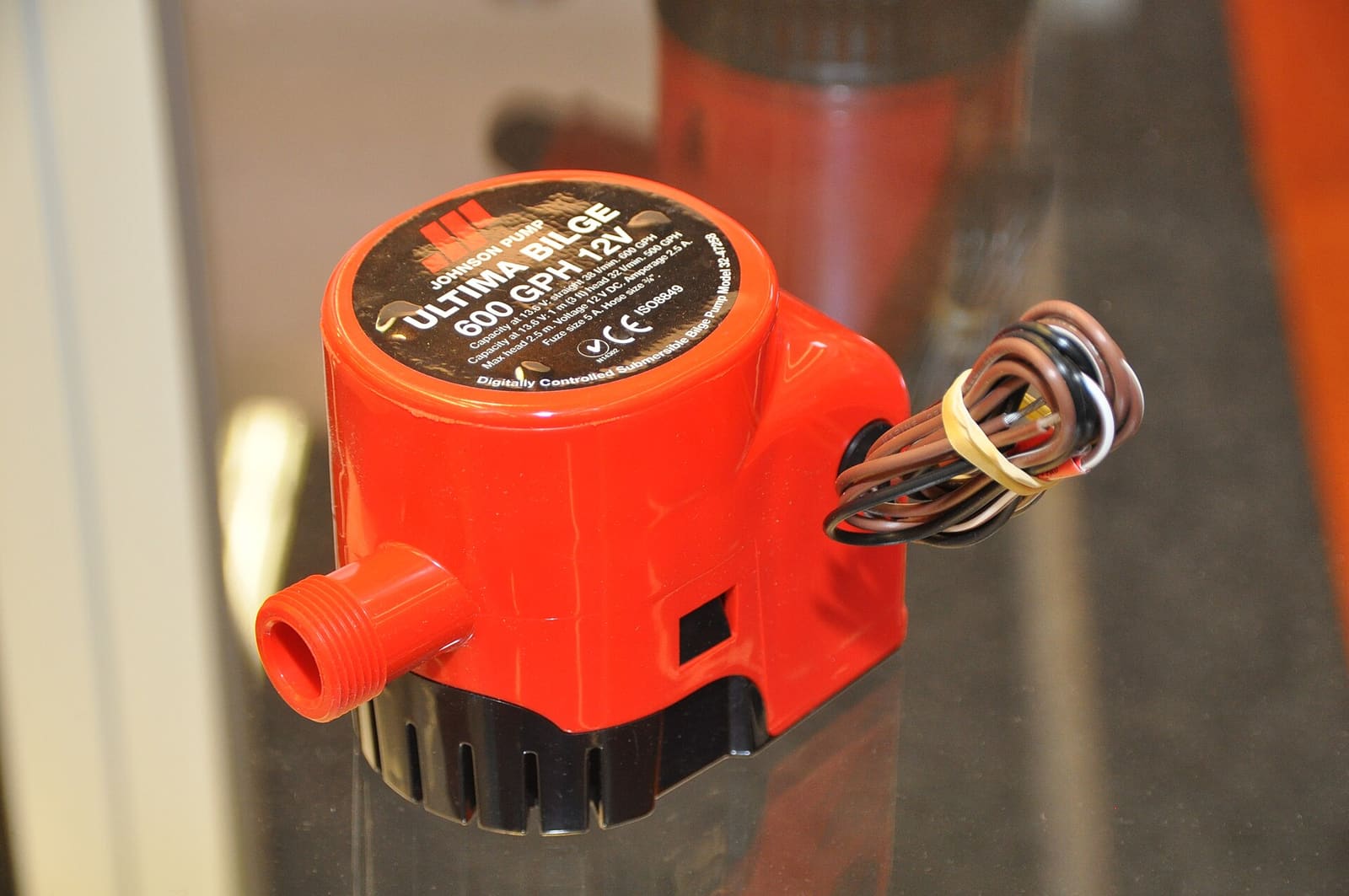
How to Test and Clean Your Bilge Pump and Float Switch
Make sure your bilge pump actually moves water overboard, both on the manual switch and automatically through the float switch. A working bilge pump is one of the most important safety systems on any boat that stays in the water.
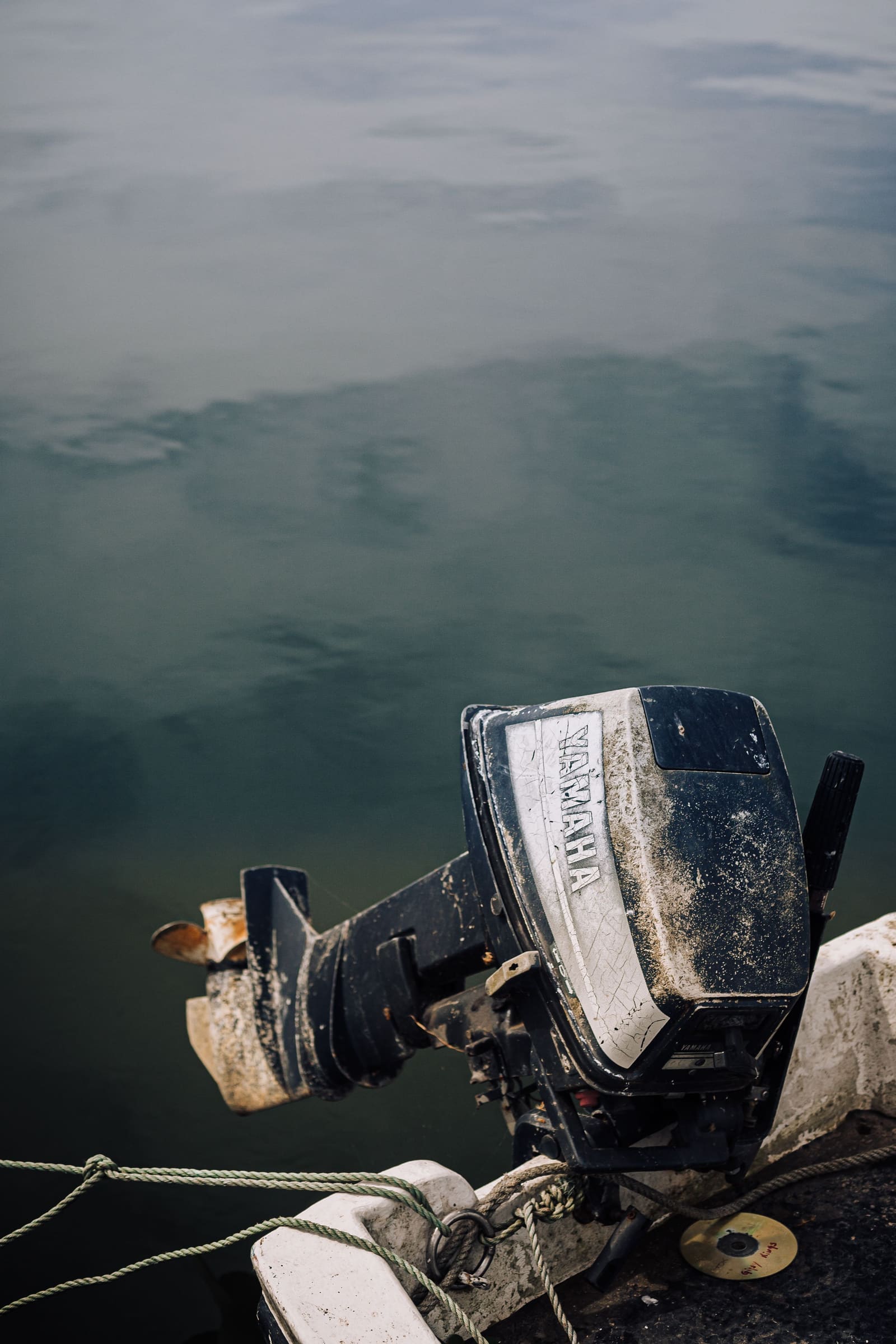
How to Touch Up Paint and Corrosion on an Outboard or Sterndrive
Bare aluminum on a lower unit or sterndrive corrodes fast, especially in salt water. Learn how to find the cause, clean off corrosion, prime and repaint with the right products, and what must never be painted, such as anodes and sensors.

Hull Blisters (Osmosis): How to Tell Cosmetic Pimples From Serious Pox
Learn what osmotic blisters are, how to inspect a fiberglass bottom at haul-out, which blisters you can fix yourself with epoxy, what moisture meter readings can and can't tell you, and when to hire an independent surveyor.
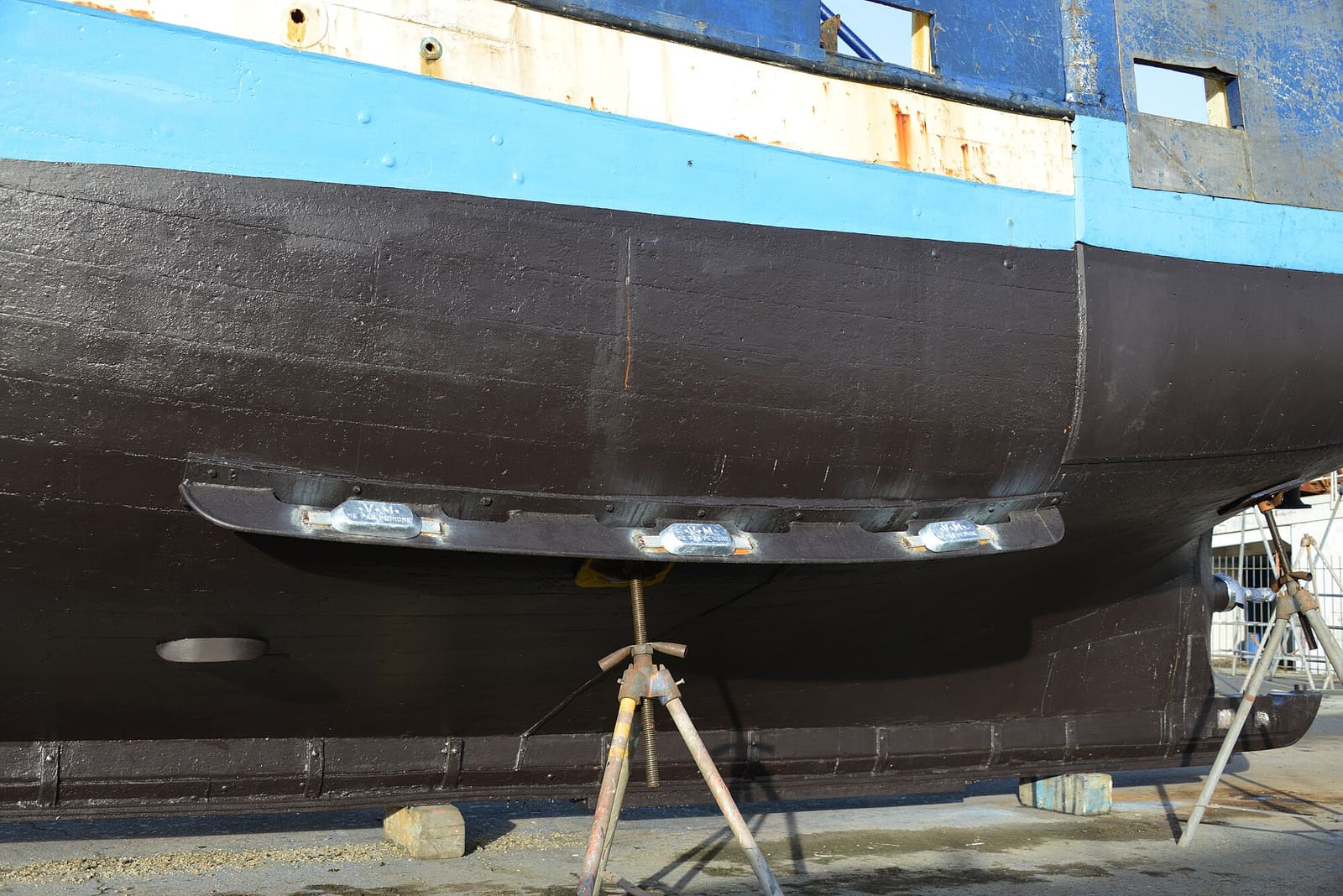
Hull Potential Survey: Checking Corrosion Protection with a Reference Electrode
A silver/silver-chloride reference electrode and an ordinary multimeter show whether your underwater metals are really protected by their anodes, whether every fitting is bonded, and whether shore power or the slip is upsetting things. Learn how to take the readings, what under- and over-protection mean in plain terms, and when to call a marine electrician or corrosion specialist.
Safety: BoatMend is for information only and does not replace a certified marine technician. You are responsible for your safety and your boat. Read the full disclaimer.