How to Mount a Kicker Motor on a Boat With a Swim Platform or Bracket
Find a safe way to hang a kicker when there's no open, flat transom: pick an offset or setback bracket, prove the clearance with the main engine through every turn and tilt position, keep the tiller within reach, and make sure the platform or bracket can actually carry the load with proper backing.
Time
6 h
Shop would charge
$400-1500
Applies to
Outboard · Fishing boat, Center console
Safety first: A kicker hanging off a platform or setback bracket puts a lot of leverage on a small area, and a bolt-on platform that was built for people standing on it may not be built for a motor bouncing on it in a chop. If the platform, bracket or transom flexes, cracks or leaks, stop and get a builder or rigging shop to look at it before you go out. Before drilling, check what's underneath and behind every hole (fuel lines, wiring, hoses, foam-filled voids). Never stand on the swim platform or use the ladder while either engine is running: shut it off and pull the kill switch lanyard.
Owners often ask
- Can I bolt a kicker bracket to my swim platform, or will it break?
- My kicker hits the main engine when I turn hard with one motor tilted up. How do I fix the clearance?
This guide walks you through it. Still stuck? Ask the AI Mechanic about your engine.
Tools
- Tape measure, long straightedge and marker
- Masking tape
- Cardboard and a utility knife (to make a full-size template)
- Drill and sharp bits sized for the bolts (plus a larger bit and epoxy for cored laminates)
- Socket and box-end wrench sets
- Caulking gun
- Flashlight and inspection mirror
- A helper to turn the wheel and hold wrenches
- Safety glasses
Parts & supplies
- Kicker bracket made for your mounting situation (setback, offset or platform-mount style), rated for your motor's weight and horsepower
- Adapter plate if the bracket maker calls for one (aluminum or marine-grade plastic)
- Stainless steel through-bolts, large washers and locknuts sized per the bracket instructions
- Backing plates for the underside of the platform or inside of the transom
- Marine sealant/adhesive recommended by the bracket maker
- Safety cable for the motor
Before you start
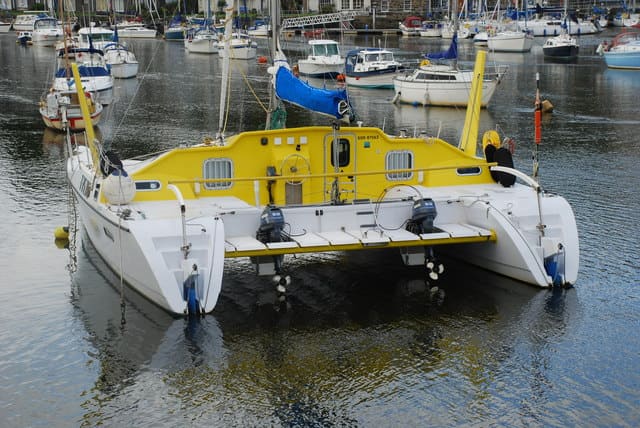
This guide is for boats where the usual kicker setup won't work: no open, flat transom beside the main engine, because there's a molded swim platform, a bolt-on platform, a full transom with a jackplate or bracket, or a stern that isn't vertical. For the basics of kickers and standard transom brackets (bracket types, height, safety cable, fuel), read the kicker bracket guide first.
Mercury puts it plainly: some boats, mostly aluminum ones with a straight, reinforced transom, can take the kicker's own clamp bracket directly, but many fiberglass boats and boats with a stern platform need a separate kicker bracket bolted to the stern, and you should follow the boat's and the bracket's instructions for that part. So the most important first step is a phone call:
- Ask the boat builder whether the platform or stern area was designed to carry a kicker, where the solid (non-cored or reinforced) areas are, and whether they offer a factory kicker plate.
- Ask the bracket maker which of their brackets suits your stern. Makers list the setback (how far the motor sits behind the mounting surface) and mounting hole pattern for each model. Panther's FAQ, for example, lists setbacks from about 8 inches to 15 inches on different models and notes that its long-setback auxiliary lift needs full transom support.
Common bracket solutions:
- Setback (extended) kicker bracket. Bolts to the transom and reaches back past the platform lip so the motor hangs clear of it. The longer the setback, the more leverage on the bolts and transom.
- Offset bracket or adapter plate. Moves the motor sideways or provides a flat vertical surface where the stern isn't flat. Often custom-made by a rigging or fabrication shop.
- Platform-mount bracket. Bolts down onto the top of a swim platform and hangs the motor off the platform's back edge. Only safe if the platform and its own mounts are strong enough.
- Mount on the main engine's bracket or jackplate. Some outboard brackets have room for a kicker plate. Only do this if the bracket maker approves it.
Check the weight. The kicker, bracket and fuel add weight far aft. Boating Magazine suggests setting sandbags or water buckets where the kicker will go to see how the boat sits, since too much weight can cause listing or drainage problems. On boats with a capacity plate, the extra weight counts against it.
Steps
Measure the platform or stern where the kicker might go: height of the mounting surface above the bottom of the hull, how far the platform sticks out, and any angles. Note what's behind or under it, and whether you can reach the back side with a wrench. Make a full-size cardboard template of the bracket's footprint and the motor's outline (motor dimensions are in its specs) so you can try positions before you buy or drill.
Boating Magazine notes that the tiller handle is usually on the motor's port side, which is why most kickers go on the starboard side: the handle then points toward the middle of the boat. Mercury says either side works as long as you can comfortably reach the kicker to lower it, start it, steer it and stow it. A long setback can push the tiller handle out of reach behind the platform. Stand where you'd actually stand and check that you can reach the tiller, throttle, shift and kill switch without leaning over the stern. Mercury mentions that a tiller extension is a must on some boats. If you can't reach safely, plan on remote steering and controls (see the tie bar steering guide).
This is where platform installs most often go wrong. With a helper and the template (or the bracket held in place), check every combination:
- Main engine turned hard to port and hard to starboard, trimmed down and tilted fully up
- Kicker turned to both stops, lowered and raised on its bracket, and tilted up on its own tilt
- Main engine's trim rams, steering cylinder, hoses, cables and jackplate (if fitted) at full travel
Mercury says the kicker must sit far enough from the main engine that neither motor touches the other in a full turn. Watch for the kicker's cowling hitting the main engine's lower unit when both are tilted, which is a common surprise.
Mercury warns against putting the kicker directly over your fishfinder transducer; you may need to move the transducer. Also think about people: the kicker shouldn't block the boarding ladder or the path people use to climb back aboard from the water. Boating Magazine points out that a reboarding ladder matters for safety, so don't trade it away for a kicker spot.
The kicker's anti-ventilation plate (the flat plate above the prop) should sit about level with the bottom of the hull at the kicker's location when the bracket is down. Mercury's guidance for its ProKicker is no more than about an inch below the bottom, measured at the mounting spot, not at the center of the transom (typical; confirm in your motor and bracket instructions). On a setback bracket the motor sits further aft, where the water can be more turbulent, so follow the bracket maker's height formula and plan to fine-tune it on the water.
Find out what you're bolting into:
- Molded platform (part of the hull): often cored with balsa or foam. Ask the builder where it's solid. Drilling into wet or soft core is a red flag.
- Bolt-on platform: it's only as strong as its own brackets and the transom it hangs on. Check that its mounts are tight, dry and not cracked before adding a motor.
- Transom behind the platform: tap and look for soft spots, cracks or weeping (see the transom and stringer guide).
If there's any doubt, have a pro reinforce the area or build a proper mounting plate. This is not the place to guess.
Every bolt needs a backing plate on the far side to spread the load, not just washers. Garelick, as quoted by Boating Magazine, recommends a backing plate inside the transom for its kicker brackets. Use aluminum or marine-grade plastic at least the size of the bracket's footprint, drilled to match. If you can't reach the back side of a molded platform to fit a backing plate and nuts, that location is not suitable without opening up access (a pro job).
Mark the holes with the bracket as a template, check behind each mark again, then drill straight. In a cored platform or transom, protect the core: a common method is to drill oversize, fill with thickened epoxy, let it cure and drill the bolt hole through the epoxy (the through-bolting accessories guide shows how). Clean away all dust.
Coat the bracket flange, the backing plate and the holes with the sealant the bracket maker recommends. Push the stainless bolts through, fit the backing plate, washers and locknuts, and tighten evenly with a helper holding the bolt heads. Use the tightness or torque in the bracket instructions, and don't crank so hard that the gelcoat cracks. Many brackets don't include mounting hardware.
Follow the bracket maker's order for spring brackets: Panther notes some of its spring brackets can't be moved until the motor is on them because the springs are too strong. Lift the motor onto the pad, tighten the clamp screws, then through-bolt it using the motor's clamp holes. Boating Magazine warns that clamp screws can vibrate loose and you could lose the kicker. Add a stainless safety cable to a solid point, with enough slack for steering and tilting: kickers don't float.
Repeat the full clearance check from step 3 with the actual motor hung. Turn lock to lock with both engines down, then with each one tilted. Look for rubbing hoses, a kicker that hits the platform when tilted up, and a tiller that hits anything at full turn.
Run the kicker in the water (on a trailer only with external flush muffs or a test tank if your manual allows it). Check that the prop stays in clean water and doesn't suck air in a chop, that the bracket locks in each position, and that nothing flexes visibly when you shift into forward and reverse. After the first few outings, check the bracket bolts for tightness and look for cracks or weeping around every hole. A platform that flexes or creaks under the kicker's thrust needs reinforcement.
Common mistakes
- Bolting to a swim platform without asking the builder whether it can carry a motor.
- Checking clearance with both engines straight and down only. Collisions usually happen at full turn with one engine tilted.
- A setback so long that the tiller is out of reach, forcing you to lean over the stern to steer.
- Washers instead of a real backing plate, or bolting into soft, wet core.
- Blocking the boarding ladder or the reboarding path with the kicker.
- Mounting over the transducer, then wondering why the fishfinder reads garbage.
- Relying on clamp screws without through-bolts and a safety cable.
- Trailering with the kicker on the bracket when the bracket maker says not to (both Panther and Garelick advise against it).
When to call a pro
- The boat builder can't confirm the platform or stern can take a kicker
- You need a custom adapter plate, offset bracket or reinforcement
- There's no access to the back side for backing plates and nuts
- The platform, its mounts or the transom are cracked, soft, wet or flex under load
- You find water coming in around any bolt after installation: if it's more than a weep, head in and get it fixed before the next trip
- You want remote steering, controls or fuel tied into the main systems
Tips
- Cardboard templates are cheap. Try three positions before you drill one hole.
- Photograph the inside of the transom and the back of the platform before and after the install, and keep the photos with the boat's records in BoatMend.
- A kicker on a long setback bracket bounces more in waves. Tilt it up and lock it when running on the main engine.
- Rinse the bracket, springs and pins with fresh water after salt water use, and lubricate pivots as the bracket maker recommends.
- On a power-lift kicker bracket, the electric actuator needs its own care. Panther's FAQ calls for marine grease at its grease fitting at the start of each season (only a few pumps at a time, never more than the maker's limit), fogging oil in the cylinder before storage, and a breather tube routed upright inside the engine cowling so water can't get in.
- If the reach is awkward, an electric steering unit or a tie bar to the main engine can be easier than a tiller extension.
- Mercury points out that a kicker is also a backup way to get home if the main outboard quits on a big lake. It only works as a backup if you can actually lower, start and steer it from where you'll be standing in rough water, so test that at the dock with the platform layout you chose, and start the kicker before every trip.
Official references
We read these to write this guide. Your engine's own manual always wins.
- Mercury Marine – How to Install a Kicker Motor on Your Boat
- Mercury Marine – Improve Your Trolling Game, Kicker Motor 101
- Boating Magazine – How To Install an Auxiliary Outboard Engine
- Boating Magazine – Choosing an Auxiliary Outboard Motor
- Boating Magazine – Installing a Transom Swim Platform
- Panther Marine Products – FAQs (bracket setback, full transom support, springs, trailering)
- Mercury Marine – Mercury Pro Kicker, Troll with Precision
Safety: BoatMend is for information only and does not replace a certified marine technician. You are responsible for your safety and your boat. Read the full disclaimer.
Last updated 2026-10-25
Related guides
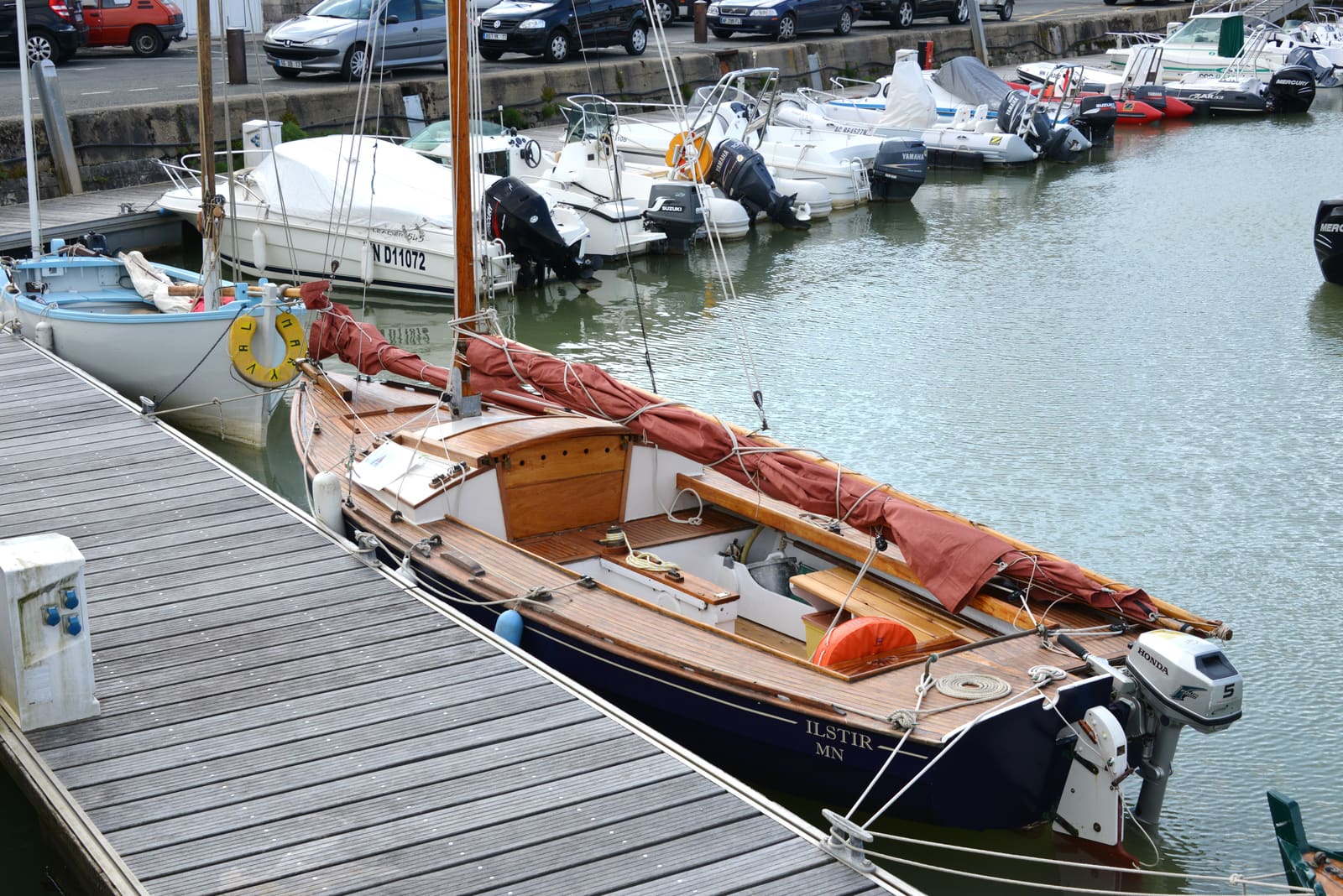
How to Mount and Maintain a Kicker Motor Bracket
Set up a small auxiliary outboard (a kicker) the right way: choose a manual or spring-assisted bracket, through-bolt it to a sound transom with a backing plate, add a safety cable, sort out steering and fuel, and keep the bracket working season after season.
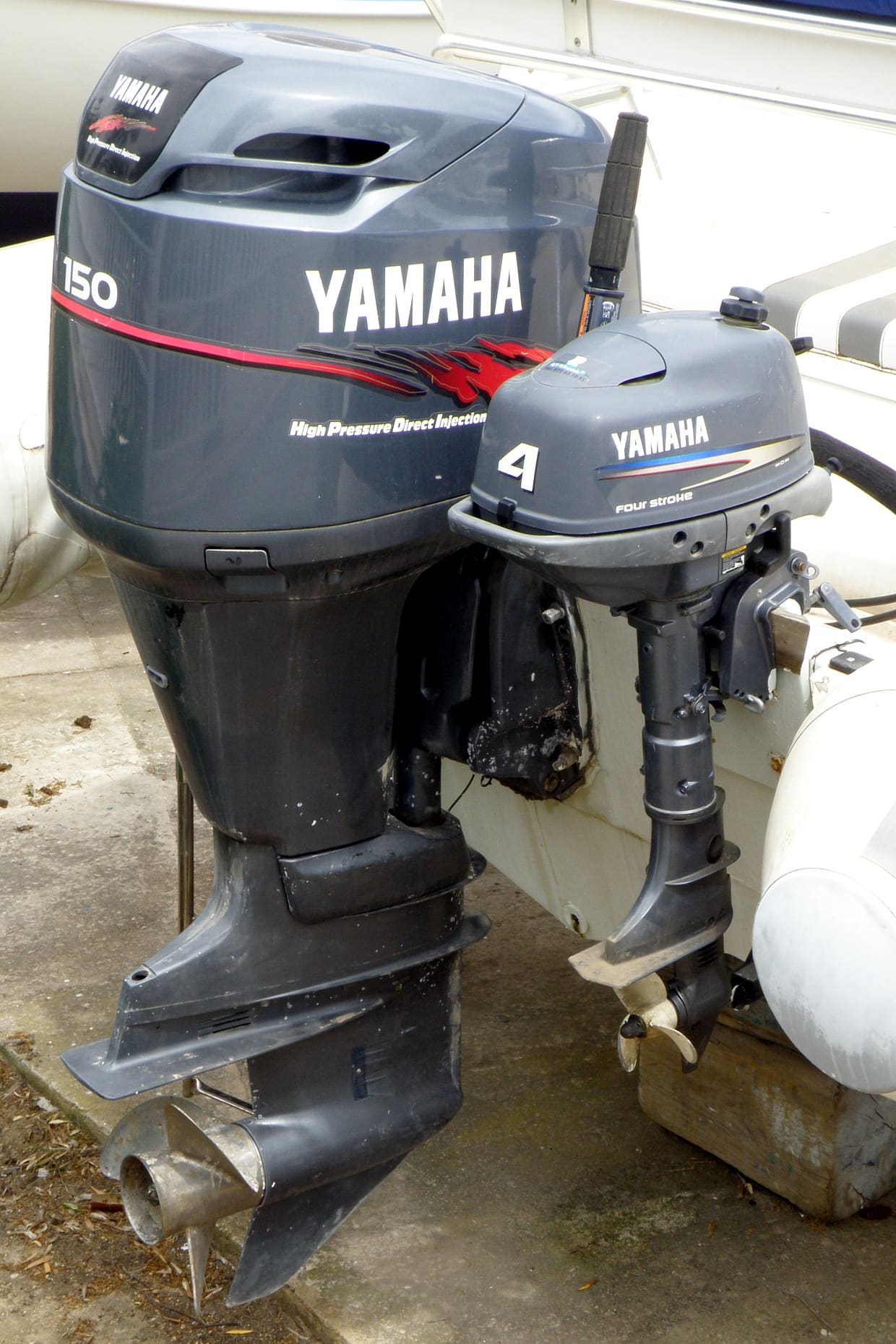
How to Link a Kicker Motor to Your Main Engine With a Tie Bar
Steer your kicker from the helm by linking it to the main outboard with a tie bar: choose a fixed, adjustable or cable-type kit that fits your steering, align it so the motors track together, fit a quick-release, check for binding at every turn and tilt position, and use it only the way the kit maker allows.
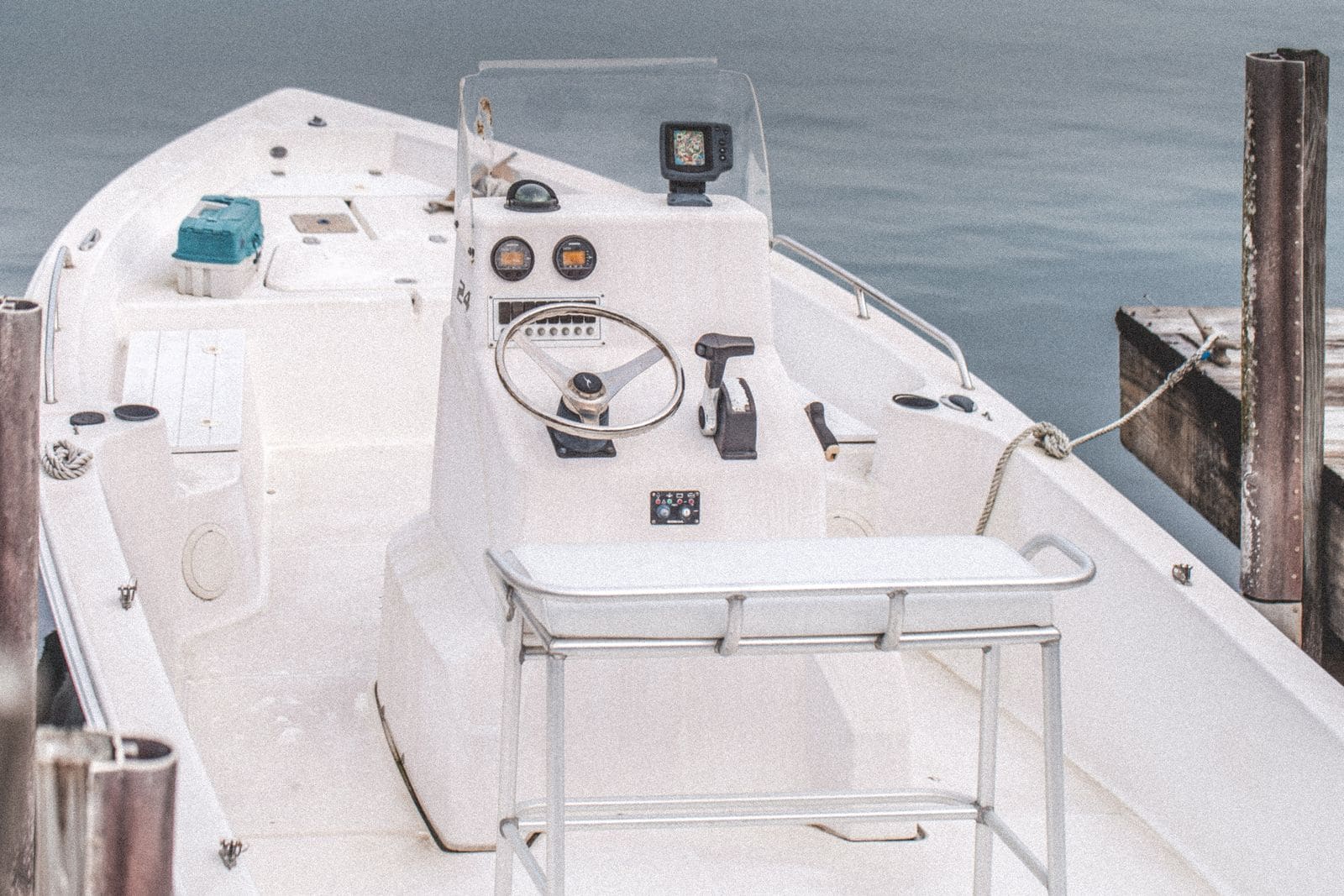
How to Mount Rod Holders, Fish Finders, Cleats and Antennas Without Causing Leaks
Add accessories to your boat the right way, with through-bolts, backing plates, sealed core and proper wire pass-throughs, so every new hole stays dry and strong. Also learn where you should never drill.
How to Check a Boat for Transom and Stringer Rot
Many older fiberglass boats have wood inside the transom, stringers and deck, and water that gets in slowly rots it. Learn the tap test, the flex test, how to read a moisture meter and the other warning signs, and why a rotten transom or stringer is a structural job for a pro, not a weekend patch.
How to Mount or Re-Tighten an Outboard on the Transom
A loose outboard can steer badly, crack the transom or fall off the boat. Learn how to center the motor, check engine height, tighten clamp screws, seal and bolt through the transom with backing plates, add a safety cable on small motors and spot transom flex before it becomes a costly repair.
Boarding Ladder Upgrade: A Ladder You Can Reach and Use From the Water
Make sure anyone who ends up in the water - including you, alone - can pull down a ladder and climb back aboard. Compare ladder types, check how deep it reaches, mount it away from the propeller with proper backing, and test it from the water before you need it.
Fish Finder and Depth Sounder Transducers: Mounting, Fixing Bad Readings and Cleaning
Where and how to mount a transom-mount transducer so it reads cleanly at speed, how to track down lost bottom readings and noisy screens, how to clean and paint a transducer without ruining it, and why thru-hull transducers are a haul-out job for a pro.