Repair & maintenance guides
Plain-English, step by step, written for owners. Pick your engine to see the guides that apply to it.
260 of 509 guides · page 10 of 11
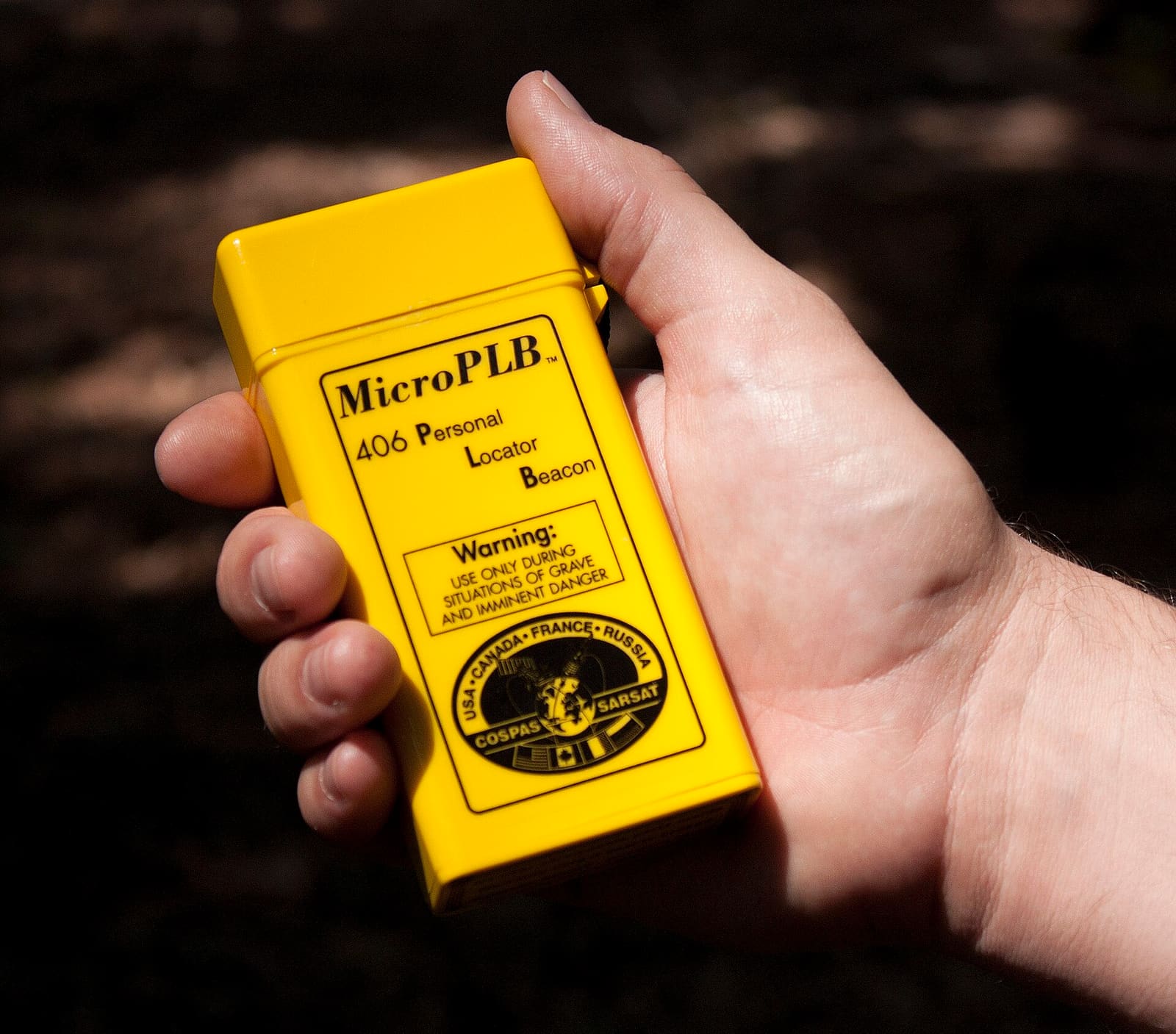
Satellite Messenger vs PLB vs EPIRB: Which Emergency Device Should You Carry?
A PLB or EPIRB calls government search and rescue through the 406 MHz Cospas-Sarsat satellites with no subscription; a satellite messenger like an inReach or SPOT sends an SOS through a private network and adds texting and tracking for a monthly or yearly fee. Learn how each one alerts rescuers, what registration, subscriptions and batteries they need, what to carry for lakes, coastal and offshore boating, and how to test without causing a false alarm.
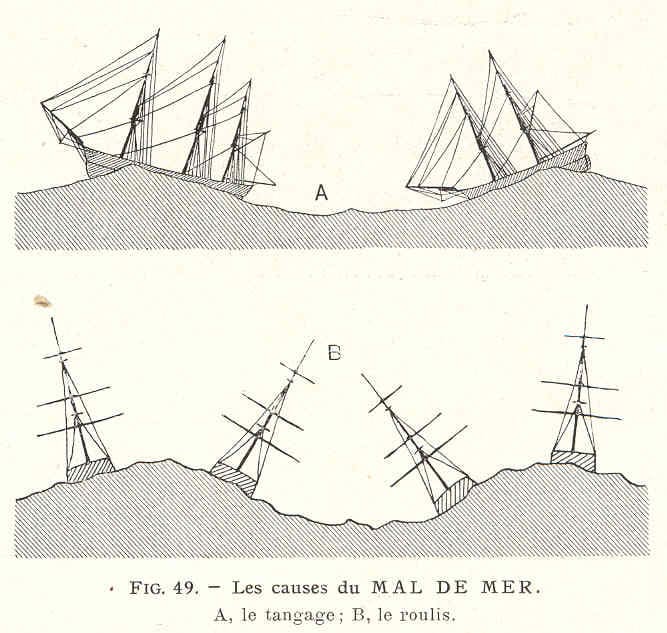
Seasickness: How to Prevent It and Care for Seasick Crew and Guests
Almost anyone can get seasick in the right conditions, but a few habits make a big difference. Learn why it happens, where to sit, what to eat and drink, how over-the-counter remedies fit in (and why the person running the boat must be careful with drowsy ones), how to look after someone who's sick, and when it might be something more serious. General information only, not medical advice.

Selling Your Boat: Broker, Private Sale, Consignment or Dealer Trade-In
Compare the four ways to sell a used boat (yacht broker, selling it yourself, dealer consignment and trade-in) on cost, effort, speed and risk, then handle the listing agreement, buyer scams, sea trial and survey etiquette, deposit and closing the right way. Practical help, not legal or financial advice.
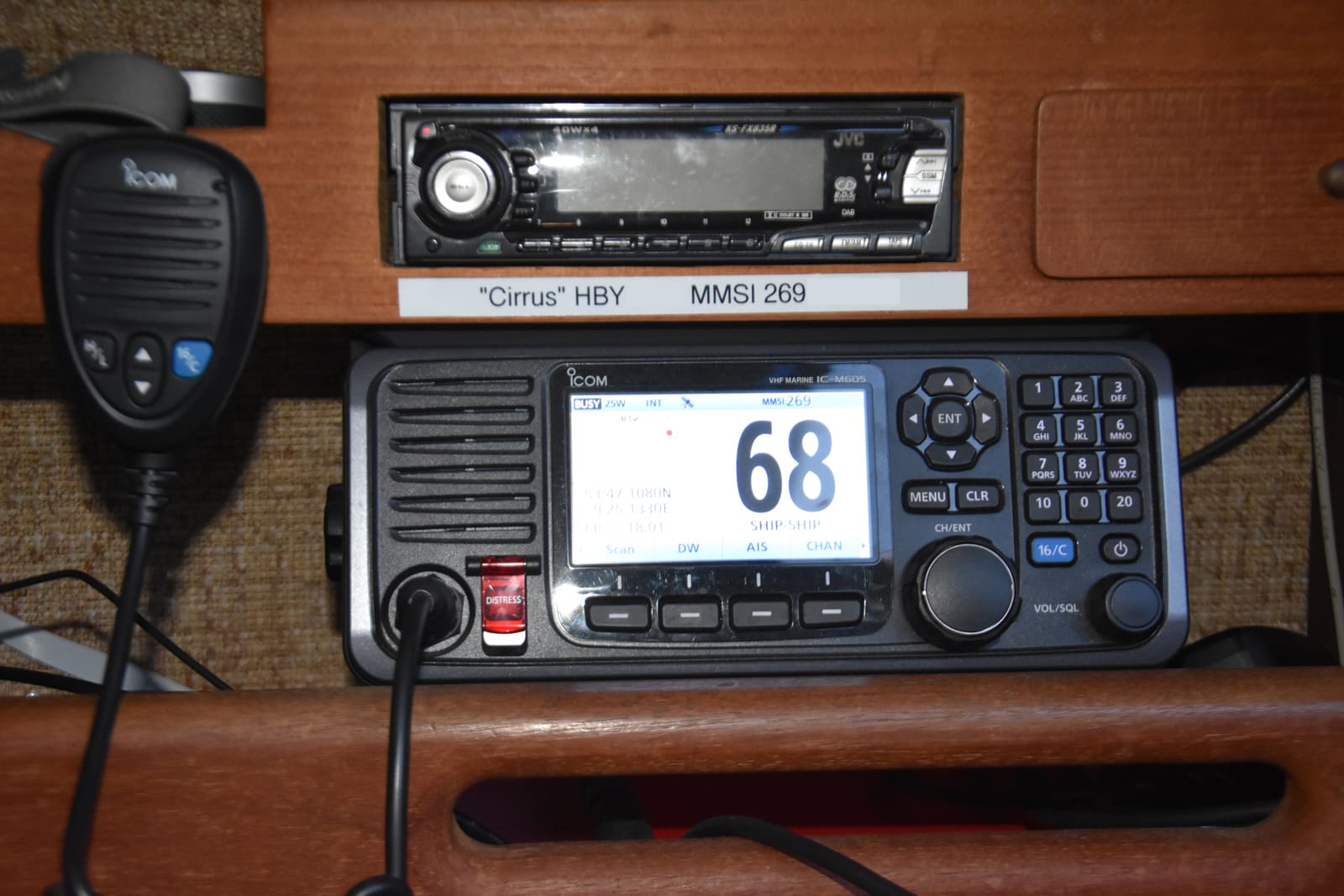
Set Up Your VHF Radio: MMSI, DSC, GPS Hookup and Radio Checks
Get a free or low-cost MMSI number, program it into your DSC radio, connect your GPS so a distress alert sends your exact position, check the antenna, and learn the Channel 16 rules and the right way to do a radio check.

Sharing a Boat: Co-Ownership Agreements, Partnerships and Boat Club Alternatives
How to share a boat without losing a friend: choosing a partner, what a written agreement should cover (shares, costs, scheduling, maintenance standards, insurance, title, decisions and the exit), how to handle the inevitable disagreements, and when a boat club, rental or peer-to-peer option makes more sense. Practical guidance, not legal or tax advice.
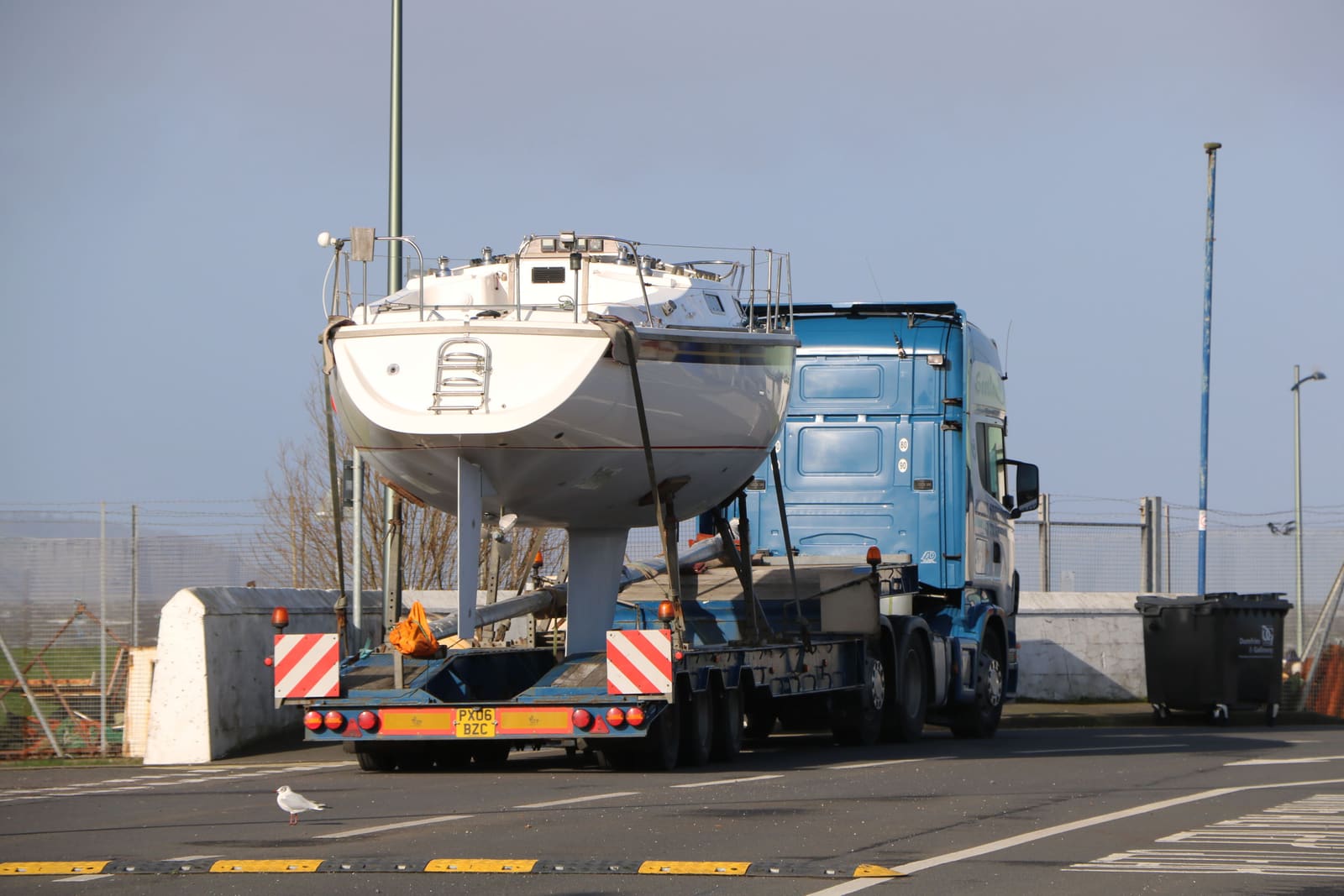
Shipping a Boat with a Professional Transporter: Quotes, Vetting, Prep and Claims
Most boat shipments go fine, but when they don't, the owner who checked the carrier's authority and insurance, prepped the boat properly and documented everything at pickup and delivery is the one who gets paid. Here's how to hire a transporter, prepare the boat and handle damage.

Shock-Absorbing Boat Seats and Pedestals: Choosing, Installing and Adjusting
Pounding through chop hurts backs and necks, and hard wave impacts can fracture a spine, especially up front. Learn the difference between a shock-absorbing pedestal and a suspension seat base, how to mount one solidly, how to set it for the rider's weight, and the simple care that keeps it working, plus the seating and driving habits that matter just as much.
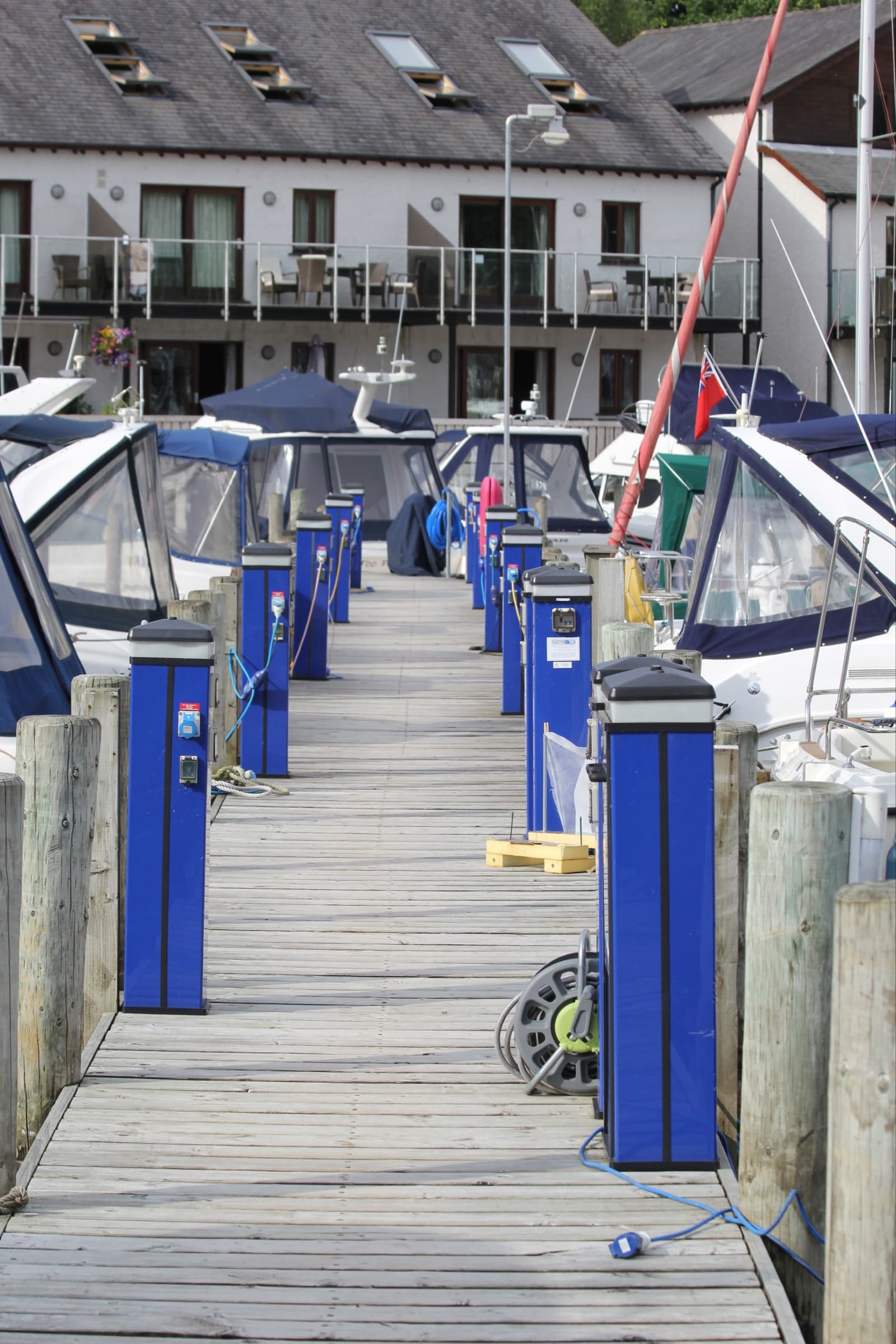
Shore Power Adapters and Y-Splitters: When a 30A or 50A Adapter Is Safe, and When It Isn't
Pigtail adapters and Y-splitters let a boat plug into a pedestal that doesn't match its inlet, but the wrong one, or the right one used carelessly, can overheat, trip the marina's ground-fault protection or start a fire. Learn the difference between 30A 125V, 50A 125V and 50A 125/250V, which adapters are reasonable, how to keep loads safe, and how to check connections for heat.
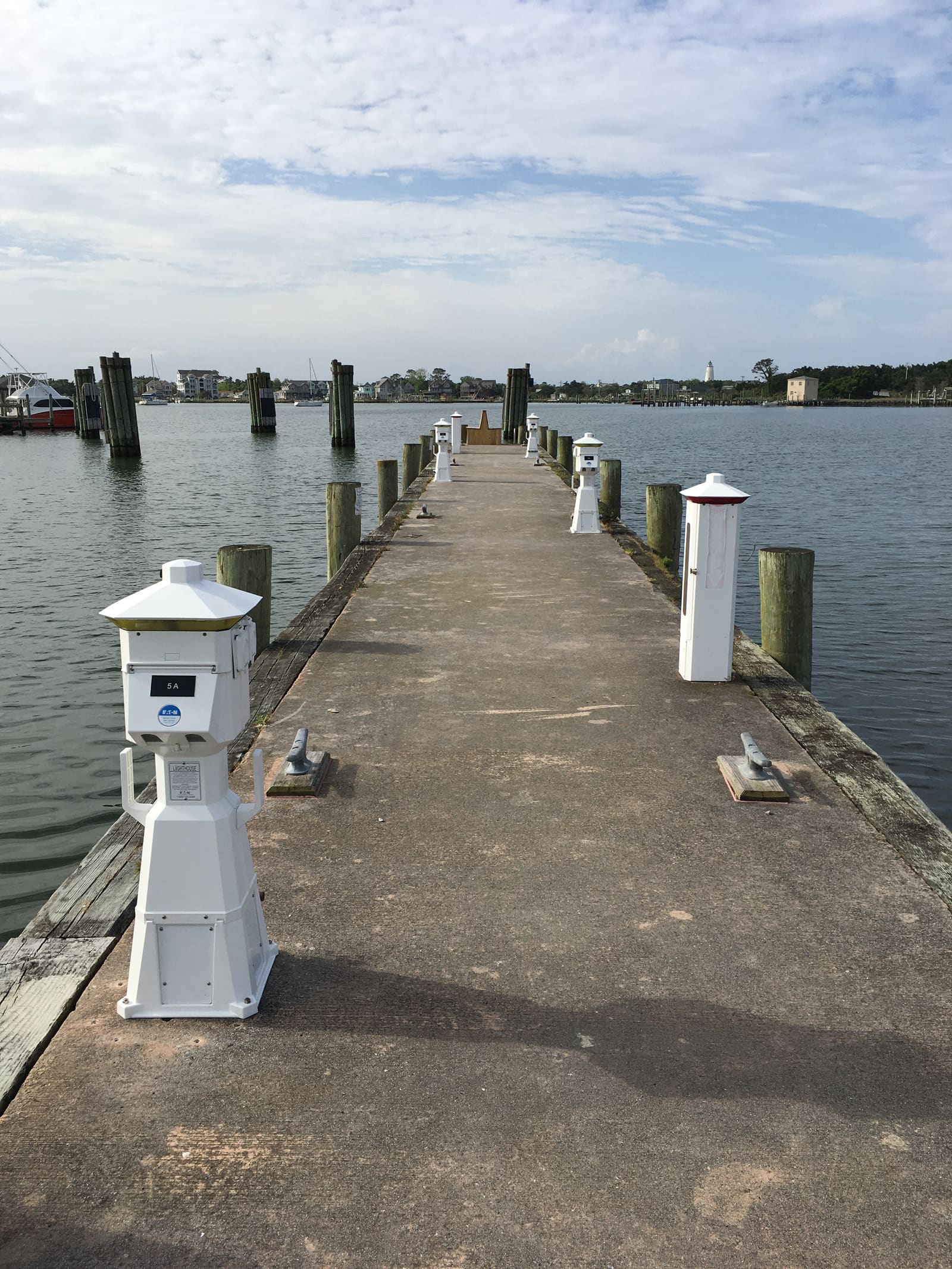
Shore Power Cord Ends: How to Judge a Cord, and When to Replace the Plug or the Whole Cord
Burned blades, a hot plug or a cracked locking ring don't always mean a brand-new cord, but sometimes they do. Learn how to inspect a shore power cord and its ends, decide between a replacement end and a new cord, what a proper sealed marine connector looks like, which parts of the job are safe for an owner and when the work belongs to an ABYC-certified electrician, plus the habits that make cord ends last.
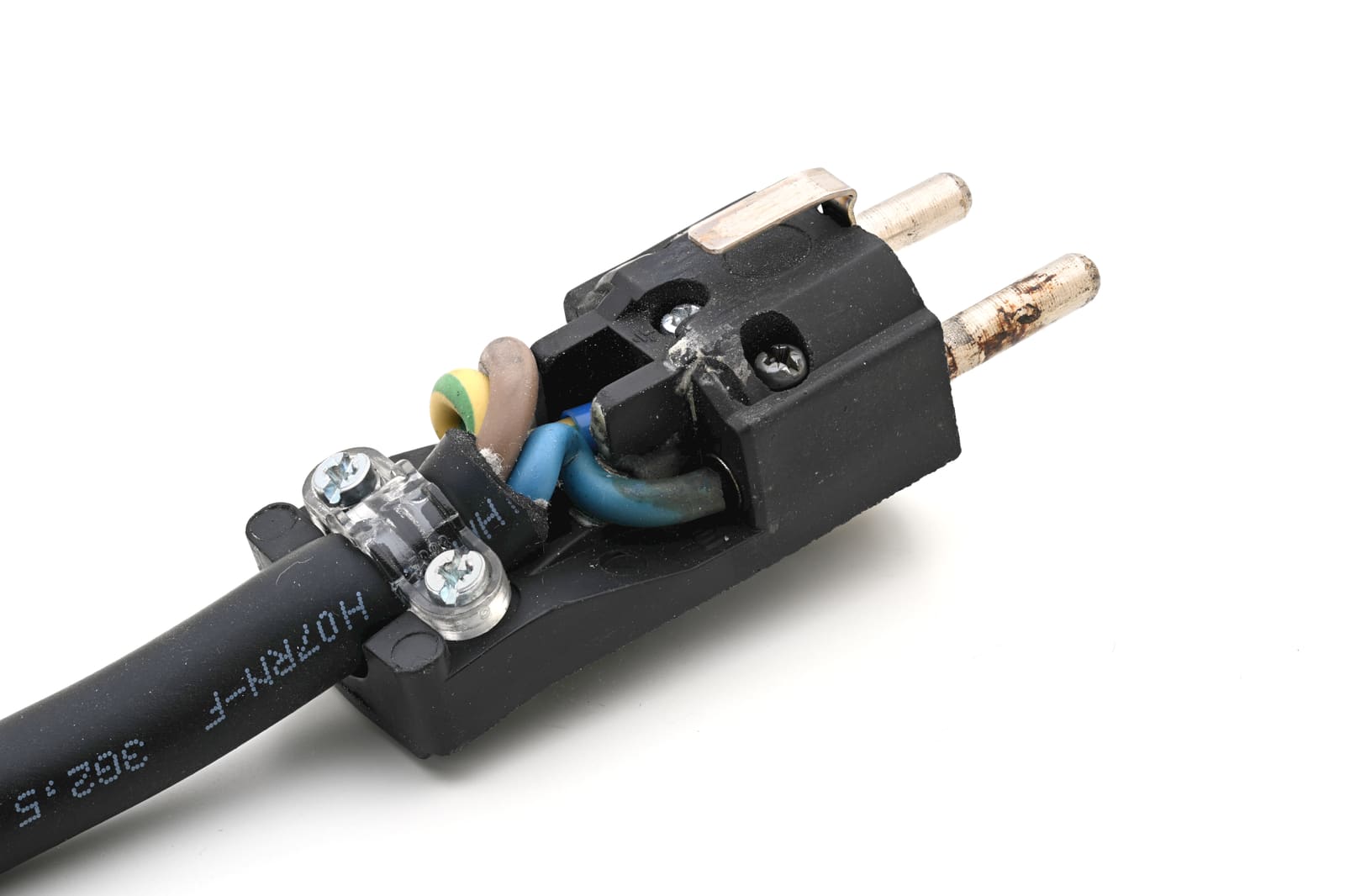
Shore Power Inlet and Cord Upgrades: Burned Plugs, Better Connectors and Safe Adapters
Why shore power plugs and boat inlets overheat and burn, how to spot an inlet that needs replacing, what newer connector designs offer, and how to choose, size and care for cords and adapters. You inspect and buy the right cord; an ABYC-certified marine electrician replaces the inlet and its wiring.
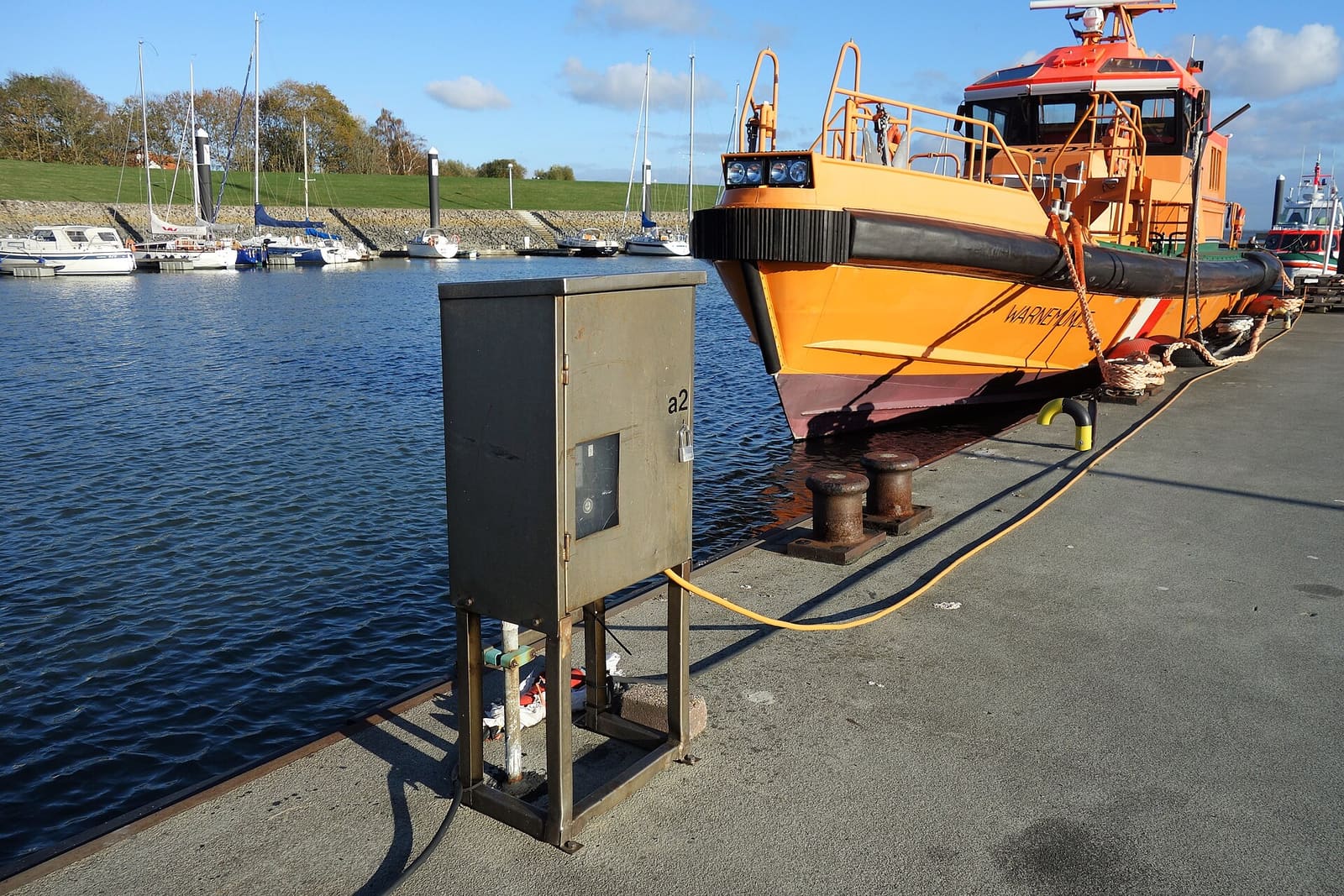
Shore Power Safety: Cords, Inlets, Burned Plugs and Electric Shock Drowning
An owner's inspection routine for your shore power cord, plugs, boat inlet, galvanic isolator and ground-fault protection, plus the right way to plug in and the facts about Electric Shock Drowning. This guide is for looking and testing only; any electrical repair belongs to an ABYC-certified marine electrician.
Smoke and Heat Detectors on a Boat: Where They Make Sense, What to Buy and How to Test
A fire in a closed cabin, engine room or lazarette can grow for minutes before anyone notices. Learn where smoke alarms and heat detectors make sense aboard, why boats are hard on household alarms, how to power and test them, how they fit with CO alarms, and how automatic engine-room extinguishers and engine shutdown tie in.

Spiders, Wasps and Insects on Your Boat: Prevention and Safe Cleanup
Why boats attract spiders, mud daubers, wasps and swarming lake insects, how to clean webs and droppings without harming gelcoat or canvas, and how to keep nests out of the vents, telltales and fittings your boat needs to breathe.
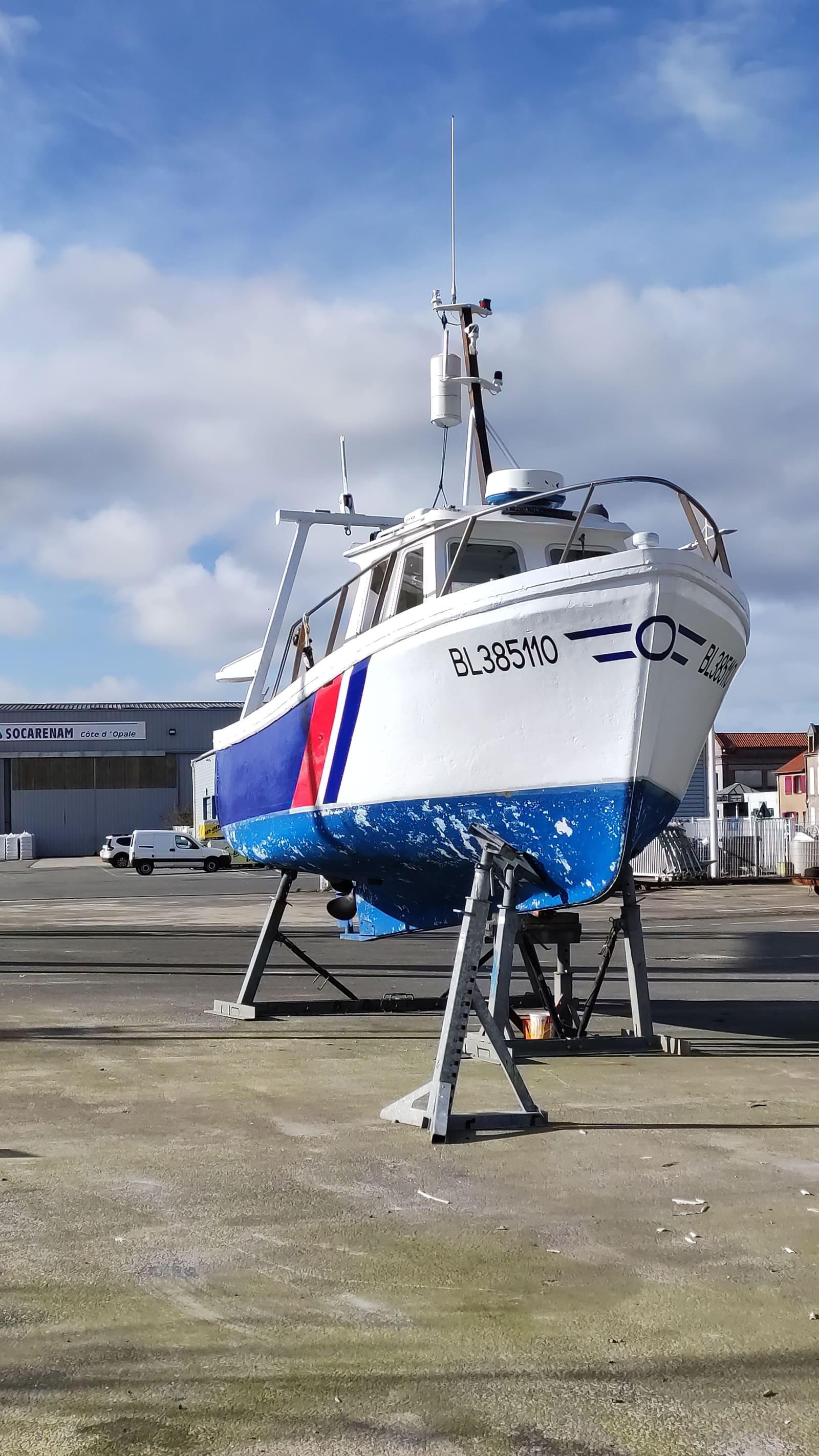
Storing a Boat on Stands and Blocks: Keel Blocking, Stand Placement and Safety Chains
Learn how a boat should sit on keel blocks and boat stands for winter or a haul-out, so you can check the yard's work, spot dangerous setups, and keep your boat from settling, distorting or falling over in wind, rain or a storm.
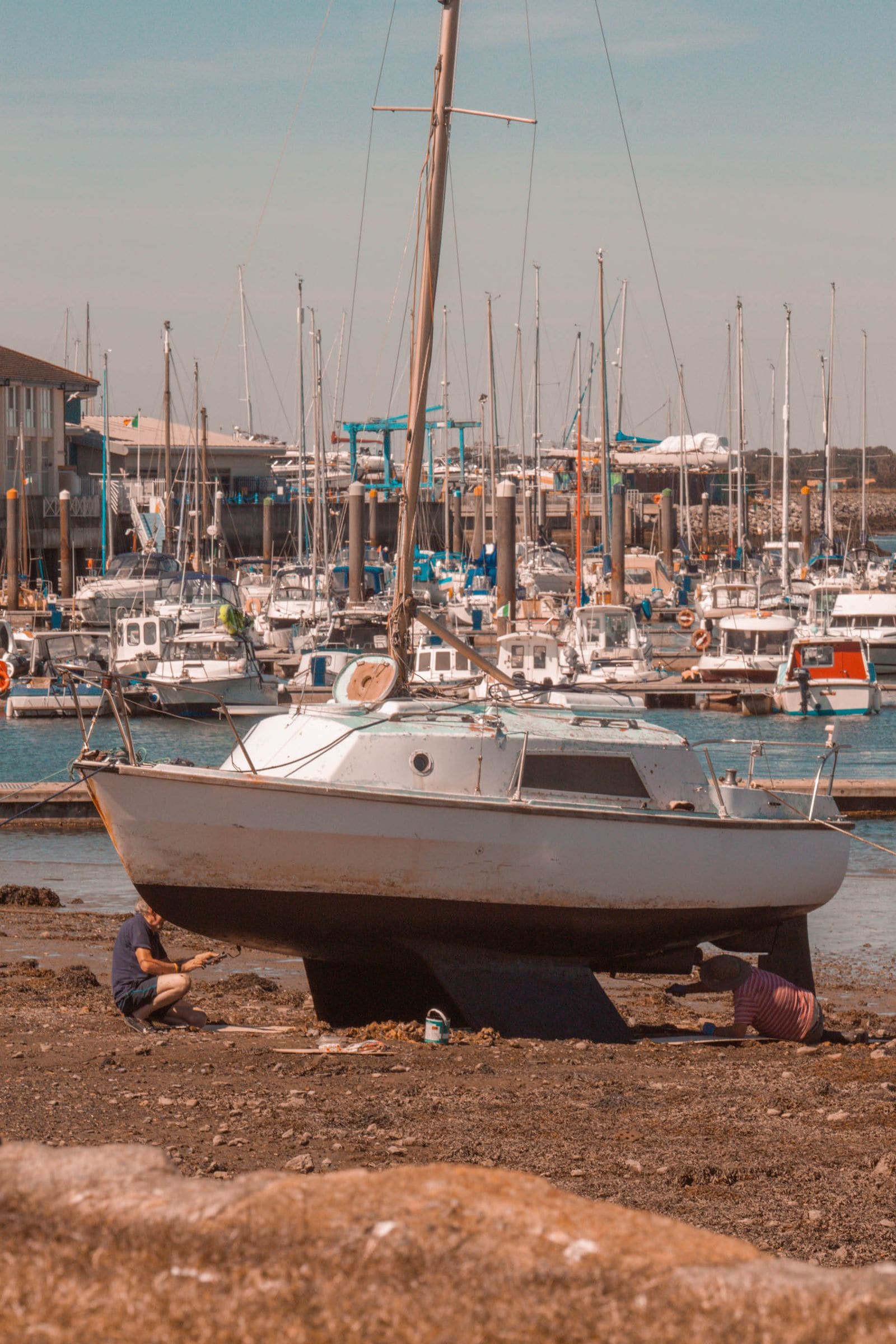
Stress and Spider Cracks in Fiberglass, Cosmetic or Structural?
Learn what causes spider, stress and hairline cracks in your boat's gelcoat, how to tell cosmetic crazing from a structural problem with a simple tap and flex check, and when a gelcoat repair is enough or a pro is needed.
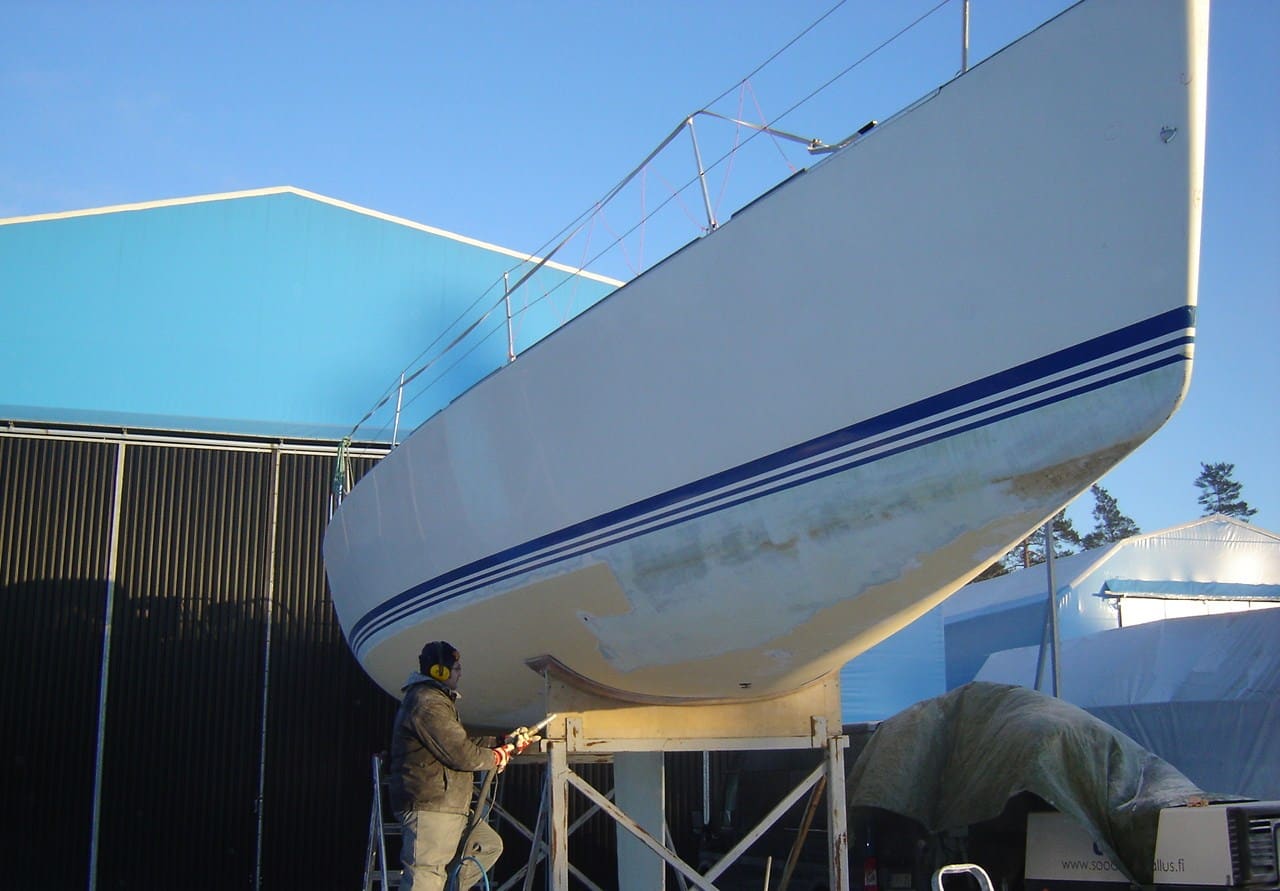
Stripping Old Bottom Paint: Chemical Strippers, Blasting and Sanding
Learn when old bottom paint has to come off, how chemical strippers, soda or media blasting and sanding compare, how to protect yourself and the water from toxic dust, and why a bare hull needs primer or a barrier coat before new antifouling.
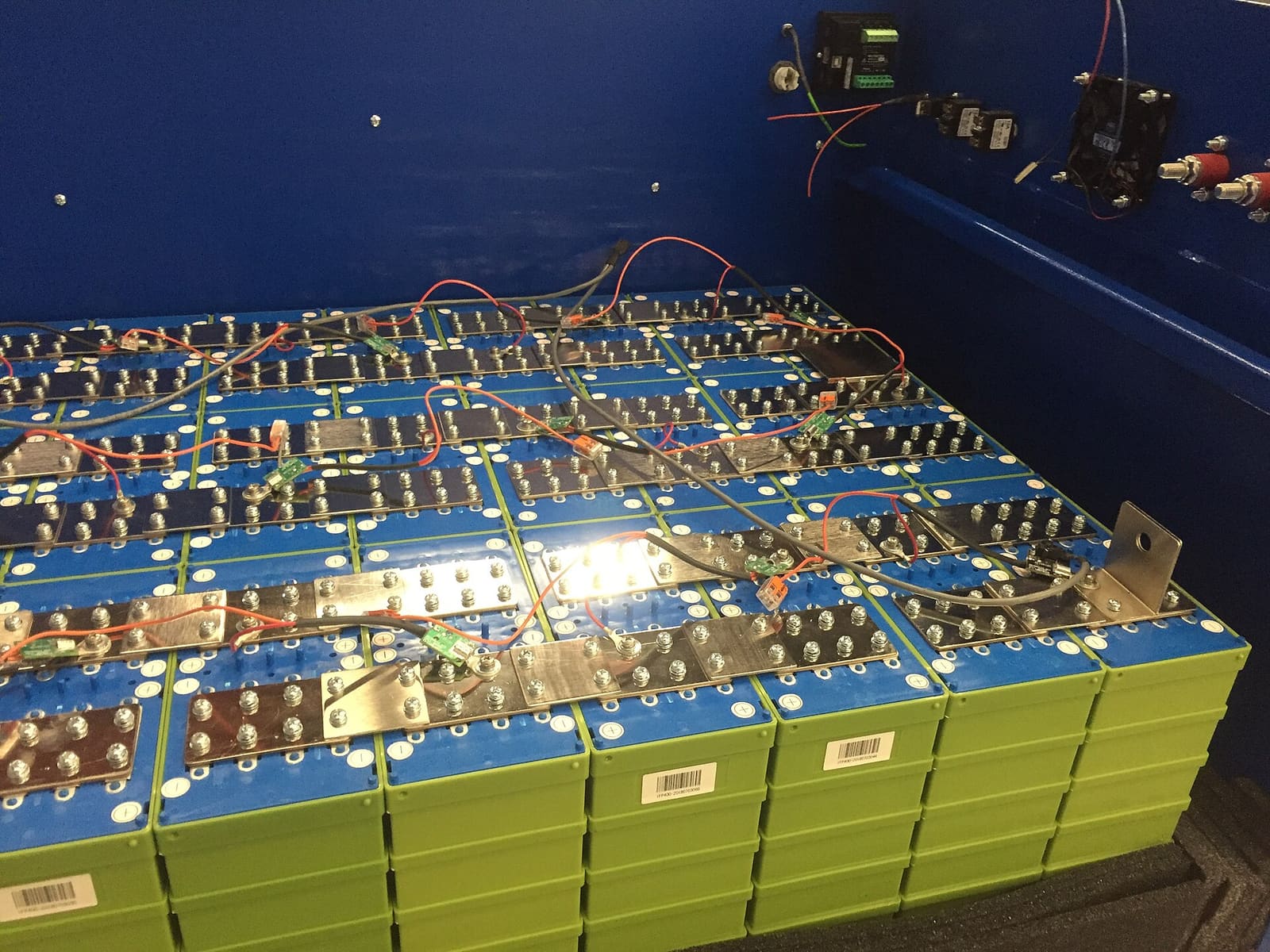
Switching to Lithium (LiFePO4) Boat Batteries: What Changes and When It's Worth It
What really changes when you swap lead-acid for lithium iron phosphate (LiFePO4) batteries on a boat: the battery management system, charger settings, protecting the alternator with a DC-DC charger, not mixing chemistries, cold-weather charging, and which jobs (trolling, house, starting) suit lithium. House-bank conversions should be designed and installed by a qualified marine electrician.
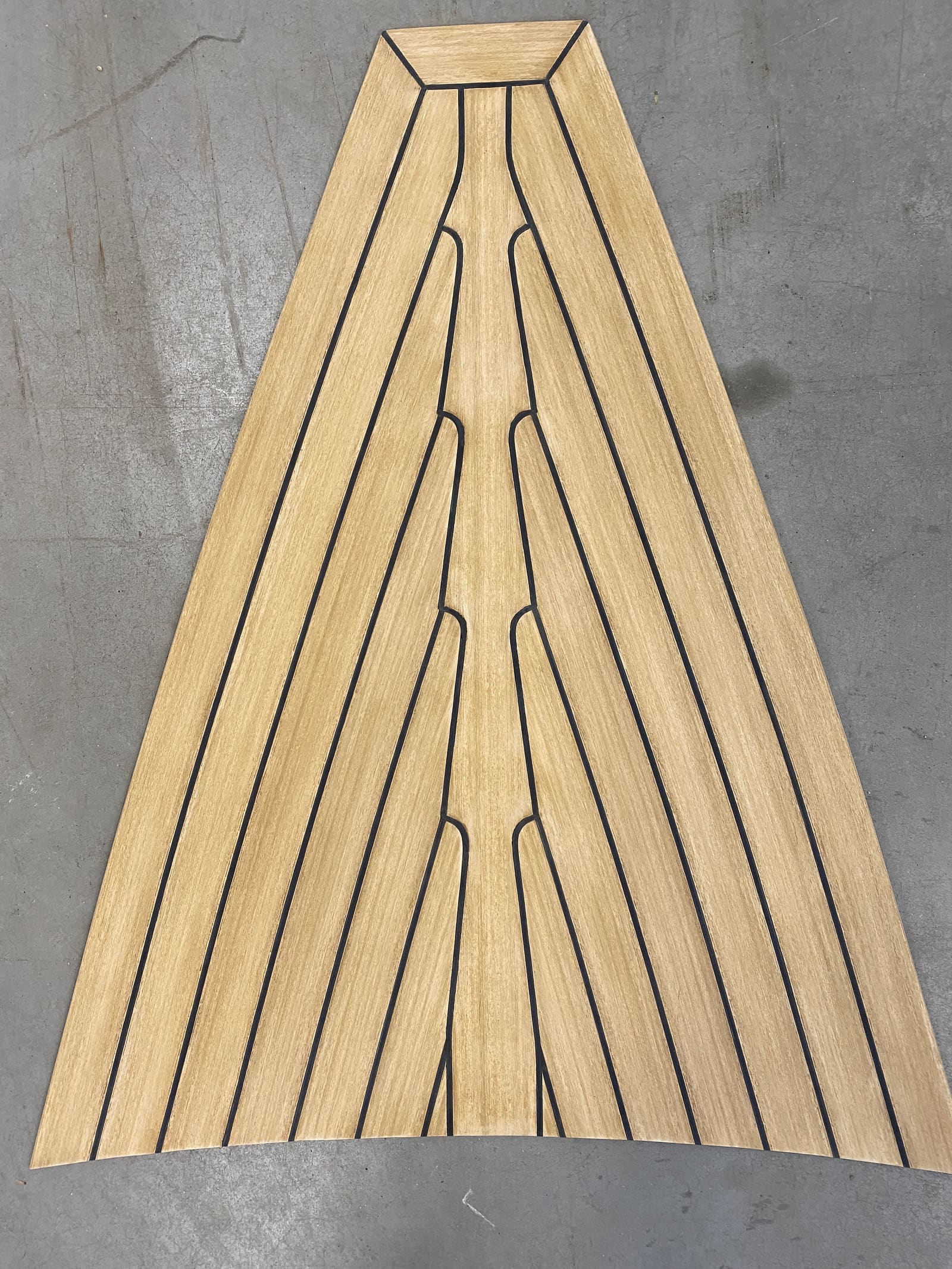
Synthetic Teak Decking: Choosing, Installing and Caring for PVC Teak
PVC "teak" such as Flexiteek, PlasDECK and Permateek gives you the teak look without oiling or recaulking, but it is glued down for good and it gets hot in the sun. Learn how it compares with real teak and foam, what a pro or DIY install involves, and how to clean, repair and keep the warranty valid.
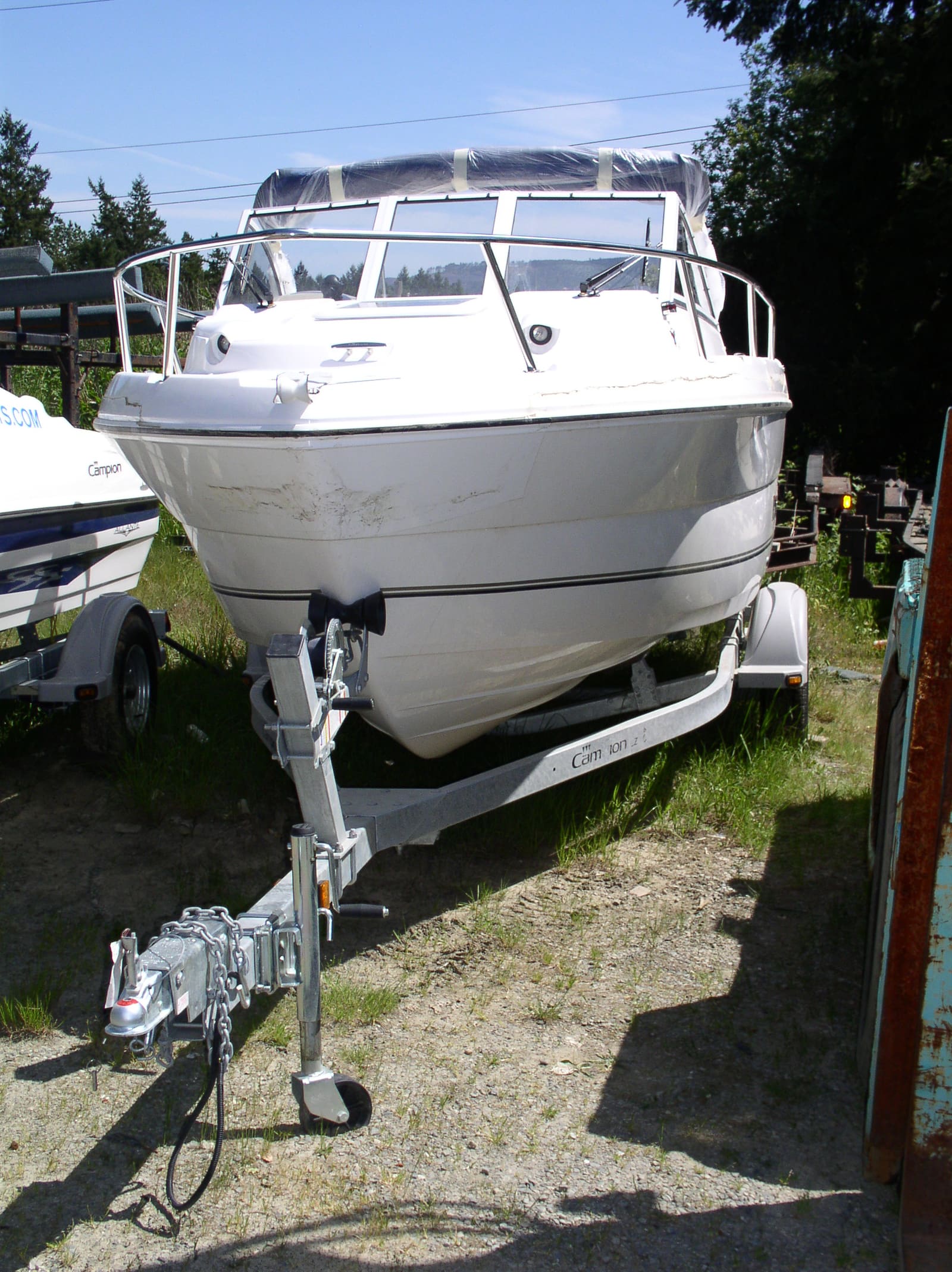
Taking Delivery of a New Boat: Dealer PDI, Paperwork, Sea Trial and First Service
What to check before you sign for a new boat: the dealer's pre-delivery inspection, the HIN and title paperwork, warranty registration, required safety gear, a systems walk-through and a real sea trial. Then break the engine in properly and book the first service so the warranty stays intact.

Taking Your Boat to Another State: Registration Reciprocity, Visitor Time Limits and Nonresident Permits
Your home-state registration lets you boat in other states, but only for a while, and some states add their own visitor permits, use-tax permits and invasive species stickers. Learn how federal reciprocity works, real examples from Texas, Florida, Washington and Oregon, and a checklist for a vacation trip or a season away. General information, not legal advice.
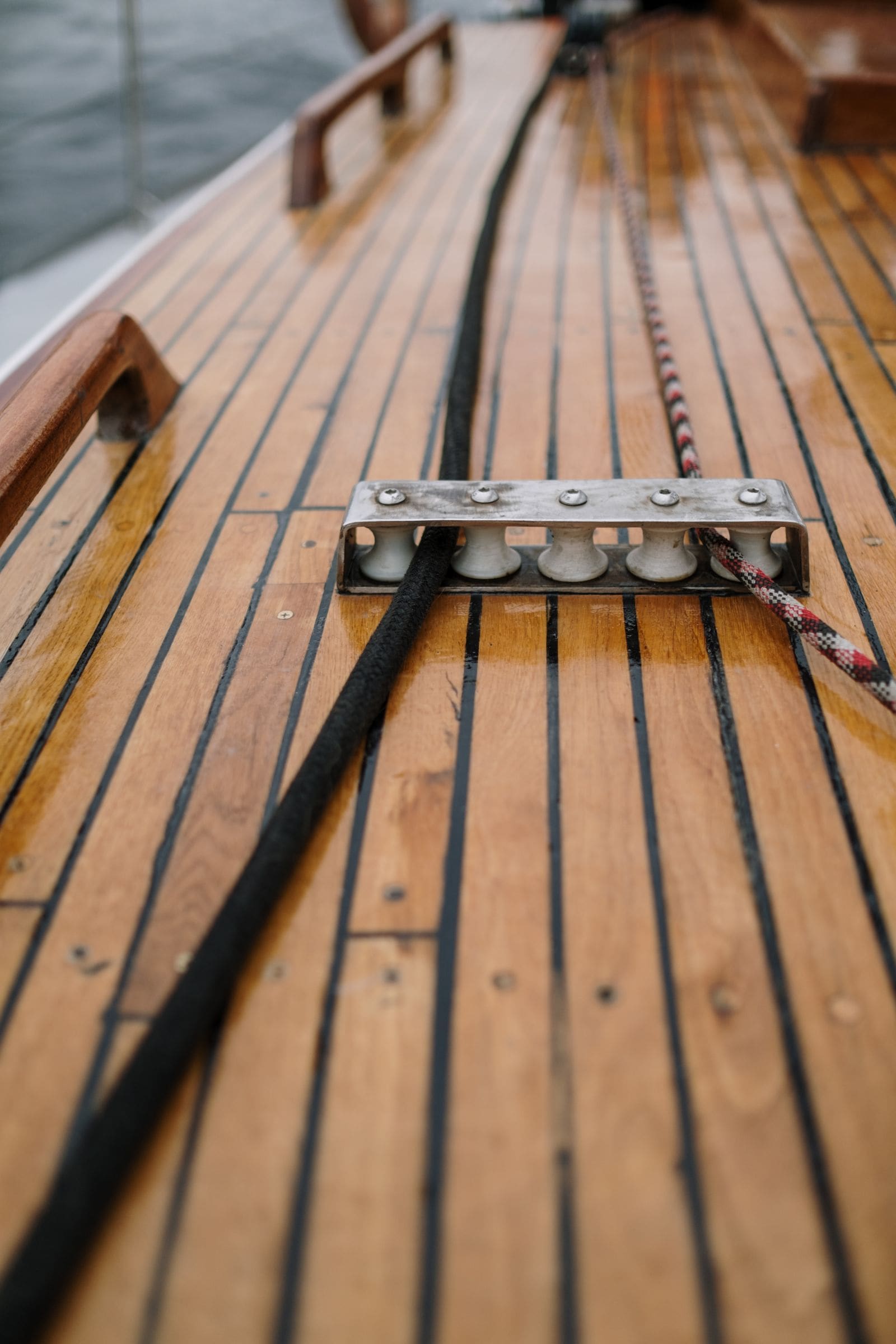
Teak Deck and Trim Care: Clean, Oil, Seal or Leave It Natural
Keep teak decks, rails and trim looking good without wearing them away. Choose between a natural gray look, oil, sealer or varnish, and learn how to clean teak gently so you don't destroy it with harsh cleaners or a pressure washer.

Testing Your VHF Antenna and Coax: Radio Checks, SWR, Connectors and Mounts
Most weak or scratchy VHF radios have nothing wrong with the radio. Learn how to test the whole antenna system, from a proper radio check and a DSC test call to a multimeter and SWR meter, how to find corroded connectors and wet coax, and when to replace the cable, antenna or mount.
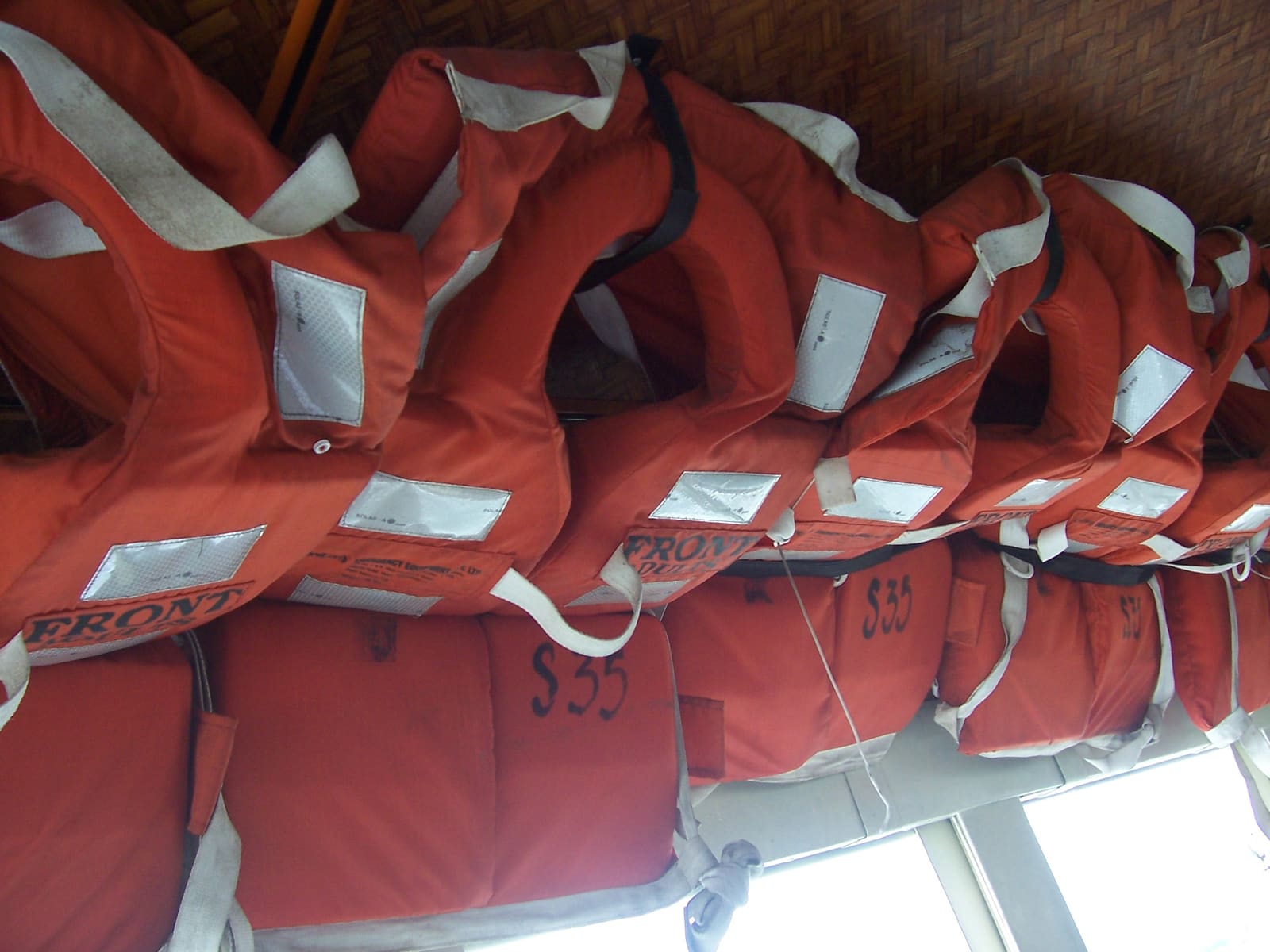
The Pre-Departure Safety Briefing: What to Tell Every Passenger (with a Printable Checklist)
A five-minute talk before you leave the dock turns guests into a crew that can help in an emergency. Cover life jackets, the engine cut-off switch, the fire extinguisher, how to call for help on the VHF, what to do if someone falls overboard, staying seated, seasickness and carbon monoxide near the stern, then use the printable checklist every trip.
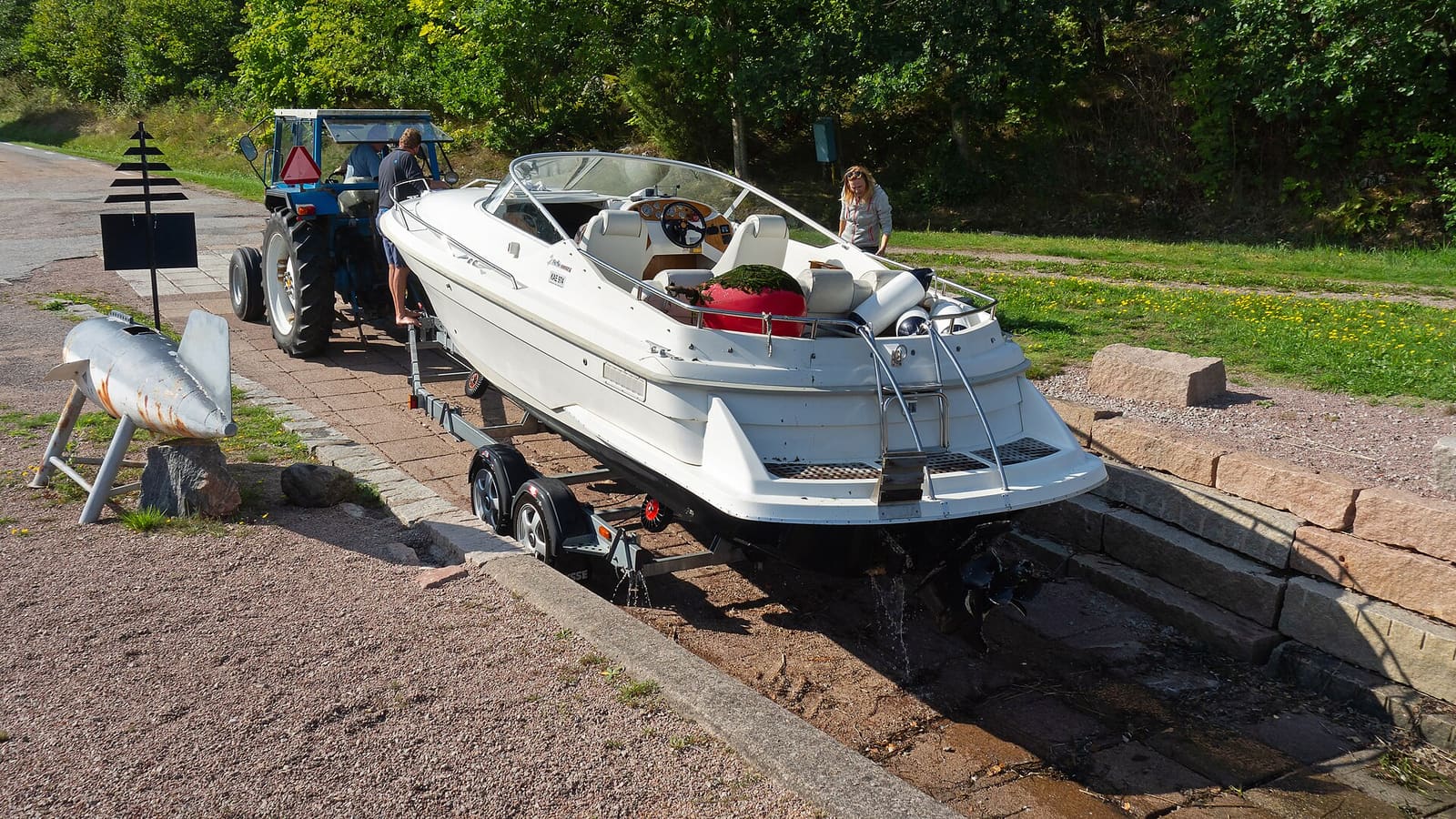
The Real Cost of Owning a Boat: Building a Yearly Budget and Cutting Costs with DIY
Add up what a boat really costs each year (storage, insurance, fuel, maintenance, winterizing, registration, depreciation and the surprise repair), check it against the common rules of thumb, and find the places where do-it-yourself work and smarter choices save real money. Practical planning help, not financial advice.
Safety: BoatMend is for information only and does not replace a certified marine technician. You are responsible for your safety and your boat. Read the full disclaimer.