Satellite Messenger vs PLB vs EPIRB: Which Emergency Device Should You Carry?
A PLB or EPIRB calls government search and rescue through the 406 MHz Cospas-Sarsat satellites with no subscription; a satellite messenger like an inReach or SPOT sends an SOS through a private network and adds texting and tracking for a monthly or yearly fee. Learn how each one alerts rescuers, what registration, subscriptions and batteries they need, what to carry for lakes, coastal and offshore boating, and how to test without causing a false alarm.
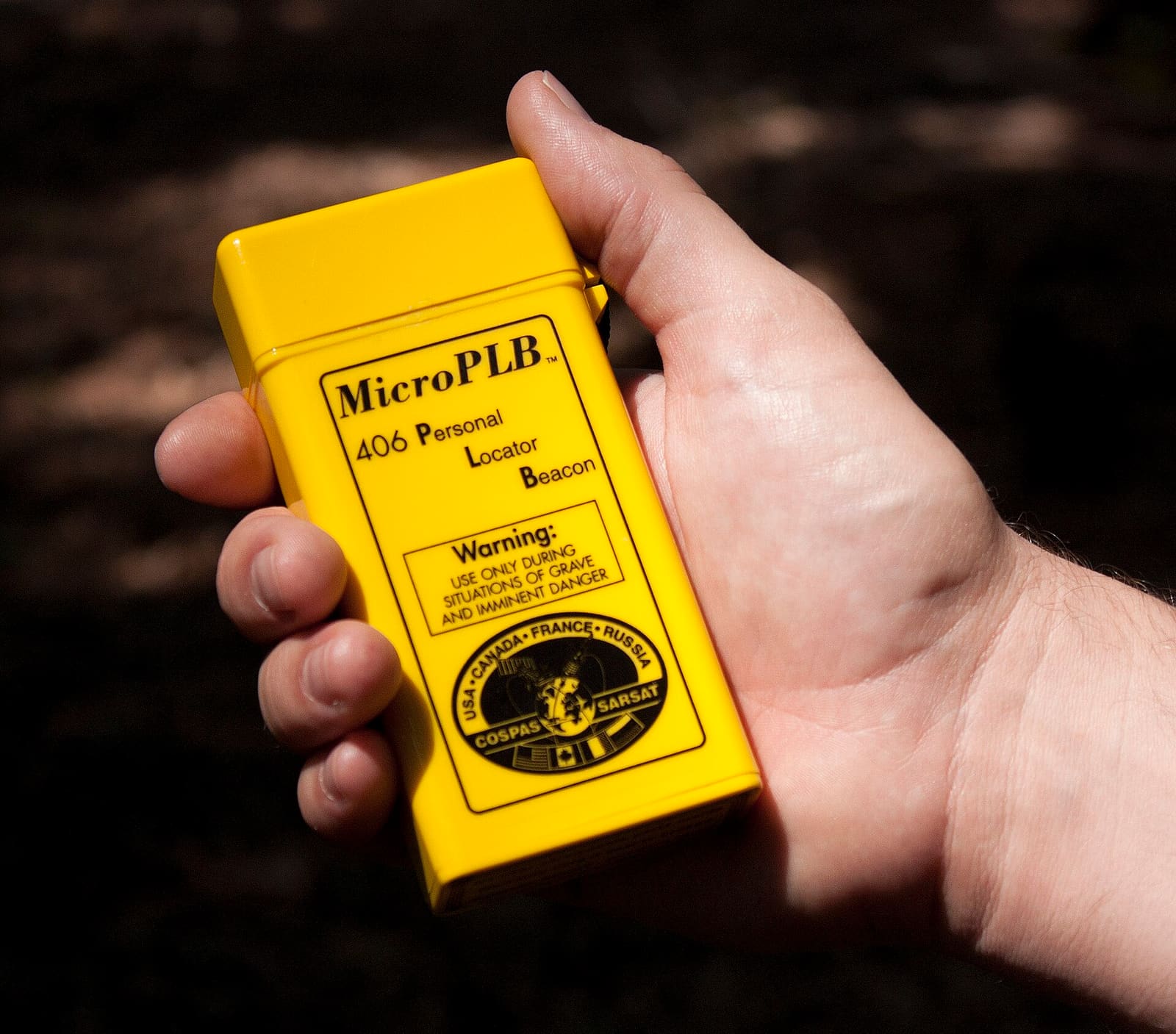
Time
30 min
Applies to
All engines
Safety first: None of these devices replaces a VHF radio. In an emergency near shore, call the USCG on VHF channel 16 or press your radio's DSC distress button first, and activate your beacon or messenger SOS if you are in grave and imminent danger. Never turn on a 406 MHz beacon "just to see if it works": use only the self-test in the manual. If a beacon goes off by accident, call the Coast Guard right away so they can cancel the search (see EPIRB and PLB registration for the numbers). Wear a life jacket: a beacon in a dry bag in the cabin won't help you in the water.
Owners often ask
- Is a Garmin inReach as good as a PLB for boating?
- Do I need an EPIRB or is a PLB enough for coastal fishing?
This guide walks you through it. Still stuck? Ask the AI Mechanic about your engine.
Tools
- Computer or phone for registration and subscription setup
- Your device's manual (self-test procedure)
Parts & supplies
- 406 MHz PLB (per person) and/or EPIRB (per boat), registered with NOAA
- Satellite messenger with an active subscription, if you want two-way texting and tracking
- Lanyard, belt pouch or PFD pocket so the device stays on your body
Before you start
Three families of devices:
| PLB (personal locator beacon) | EPIRB | Satellite messenger | |
|---|---|---|---|
| Who it belongs to | One person | The boat | One person or group |
| Alert goes to | Government SAR via Cospas-Sarsat (USCG at sea) | Government SAR via Cospas-Sarsat | A private 24/7 response center, which contacts local rescue |
| Network | 406 MHz, government satellites | 406 MHz, government satellites | Commercial satellites (e.g. Iridium, Globalstar) |
| Subscription | None | None | Required for SOS and messaging |
| Activation | Manual only | Manual, or automatic when it floats free (Category I) | Manual |
| Two-way texting | No (some newer PLBs show a confirmation light) | No | Yes on most models |
| Registration | Free with NOAA, renew every 2 years | Free with NOAA, renew every 2 years | With the manufacturer, as part of the subscription |
How a 406 MHz beacon works: NOAA explains that the international Cospas-Sarsat program relays alerts from 406 MHz beacons to search and rescue authorities worldwide; in the US, the Coast Guard handles maritime rescue. Each beacon sends a unique ID that links to your registration, and GPS-equipped models include your position. Beacons also send a low-power 121.5 MHz homing signal so rescuers can find you once they're close. NOAA explains that the newer medium-orbit (MEOSAR) satellites give near-instant detection and better location accuracy; ACR, for example, says its current PLBs are usually located within about 100 meters within five minutes (a maker's figure, under good conditions).
How a satellite messenger works: pressing SOS on an inReach device sends the alert and your GPS position to Garmin Response, a 24/7 center in Texas. Garmin says its coordinators acknowledge the SOS by message, find the right local emergency service, keep in touch with you by two-way text, call your emergency contacts, and track you until the rescue is complete or canceled. SOS is included with an active subscription, and the subscription does not cover rescue costs. Boating Magazine notes these messengers use private satellite networks and private rescue coordination centers, and require a paid service plan.
The key difference: a PLB or EPIRB talks directly to the government system built for distress, with no plan to lapse. A messenger adds conversation and tracking, which is very useful, but works only while the subscription is paid and the battery is charged, and goes through a private center first. Practical Sailor's view: a PLB is the first choice as a backup for an EPIRB, and a messenger is a good backup communication device but no substitute for a PLB or EPIRB.
Steps
- Small lakes and rivers within cell range and sight of others: a VHF or phone in a waterproof case may be enough, but a PLB on your life jacket is cheap insurance if you fish alone.
- Big lakes, coastal and nearshore: carry a VHF with DSC and a PLB for each person who might end up in the water. A messenger is a great add-on for texting family and calling for non-emergency help.
- Offshore: an EPIRB for the boat (Category I float-free is best, because it activates itself if the boat sinks) plus a PLB worn by each crew member, a VHF with DSC, and ideally a messenger or satellite phone for two-way contact.
- Solo boating, paddling, PWC: a PLB or messenger worn on your body. A device left on the boat drifts away with it.
- A PLB is manual only (NOAA): if you are unconscious, it won't send.
- An EPIRB on a float-free bracket activates automatically, but NOAA notes the beacon must sink to about 3 meters first; mount it where it can float free.
- A messenger needs a charged battery and active plan. It may also need a clear view of the sky to send.
- Once switched on, a beacon runs on its sealed battery for a limited time: NOAA lists at least 24 hours for a PLB and at least 48 hours for an EPIRB. Leave it on and don't keep turning it off to "save" it.
- A phone with satellite emergency texting is a useful backup, but it is not a PLB. Ocean Signal points out that it needs a charged, working phone with an intact screen, a clear view of the sky, and you able to operate it, which can be hard when you are cold, wet or injured.
- Very old beacons that send only on 121.5 MHz are obsolete for this purpose: NOAA notes the satellites stopped listening for 121.5 MHz in 2009. Replace one if you find it in a used boat.
- None of them guarantee an instant helicopter. Practical Sailor notes that the vast majority of beacon alerts are false, and rescue centers call your registered contacts to confirm, so accurate contact info speeds things up.
Register each PLB and EPIRB free with NOAA. Online registrations are active right away; NOAA asks owners to renew every 2 years and reminds you by email or letter. For a PLB used on a boat, fill in the vessel fields (name, MMSI, home port). Update the registration when you sell or replace a beacon; NOAA notes that not registering can result in penalties. BoatUS reports that after more than 700 false EPIRB alerts in one year, the Coast Guard could reach only 163 of the owners, and that the FCC can fine owners of unregistered beacons that go off by accident. Full details are in EPIRB and PLB registration.
Two more things owners trip over: a beacon bought from a seller in another country must be programmed with the US country code or NOAA can't accept the registration, and an old beacon you retire should be taken out of service (Ocean Signal suggests removing the battery) and its registration closed, so it can't send a false alert from a dumpster. NOAA's advice for disposal is to make the beacon inoperable (remove the battery and, if possible, return it to the maker); if you ship one back with the battery still in, wrap it in aluminum foil so it can't transmit on the way. Update the NOAA registration when you sell or dispose of it.
Activate the plan before the trip, not at the ramp. Add emergency contacts who know your plans and will answer the phone, and enter boat details in your profile notes. Check what the plan includes (SOS, number of messages, tracking interval) and whether it auto-renews. If you pause the plan in winter, put a reminder in BoatMend to restart it.
- PLB and EPIRB: sealed batteries with a replacement date on the label. ACR, for example, lists a 5-year battery replacement interval for its ResQLink PLBs (or after emergency use). Replacement is usually done by the maker or an authorized service center.
- Messenger: rechargeable. Charge before every trip, keep a power bank aboard, and learn how long it lasts with tracking on.
Write the battery date in BoatMend.
- PLB/EPIRB: NOAA says to test only with the beacon's self-test function or at an authorized facility, following the manufacturer's instructions. The test button is not the ON switch. NOAA explains that a self-test sends a specially coded test burst that ground stations know to ignore, so no approval is needed; any other "live" activation counts as a real distress call. Makers limit how many self-tests and GPS tests a battery allows, so follow the schedule in your manual.
- Messenger: most can send a test message or check-in through the normal messaging menu. Never press SOS to test.
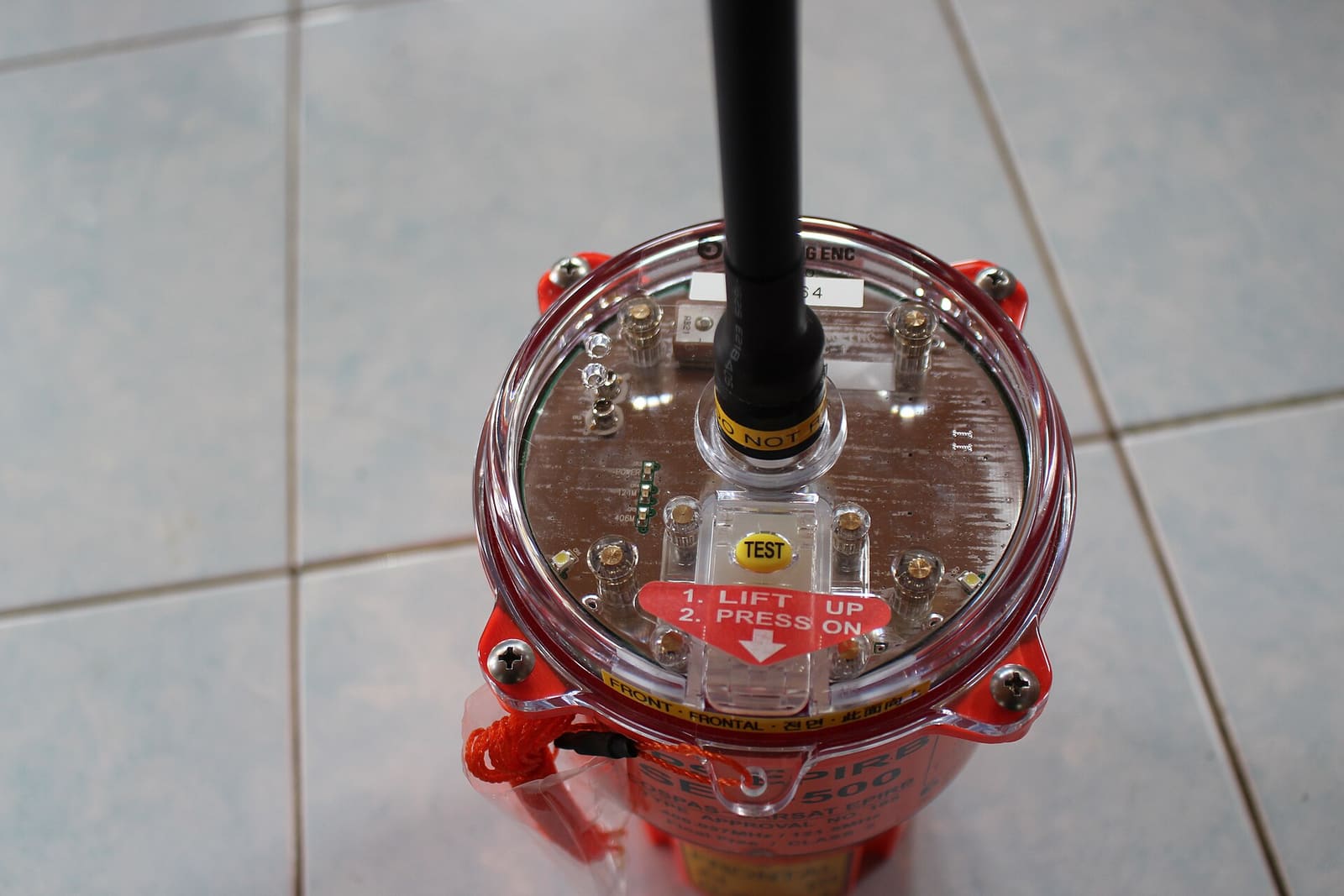
Photo: Marwan Mohamad / Wikimedia Commons · CC BY-SA 4.0 Read the manual at home. For a PLB, that usually means deploying the antenna and pressing an ON button under a cover; for a messenger, lifting a cap and holding SOS. Practice the motions with the device off. In cold water with shaking hands, you'll be glad you did.
Clip the PLB or messenger to your life jacket or belt, or use a PFD with a beacon pocket. Some PLBs do not float, so a lanyard matters. Keep the EPIRB in its bracket or grab bag where it can float free or be grabbed fast. NOAA lists a badly mounted automatic beacon that falls out of its bracket after a bump as a common source of false alerts, so make sure the bracket is secure and nothing knocks it.
Some newer PLBs add an AIS man-overboard signal. Boating Magazine describes an ACR model that sends an AIS MOB alert on the DSC frequency so nearby boats can respond, alongside the Cospas-Sarsat alert. Personal AIS devices alone alert only nearby boats with AIS, not the Coast Guard's satellite system. See AIS setup and man-overboard recovery gear.
Leave the device on and pointed at the sky, stay with the boat if it floats, and keep trying VHF 16. With a messenger, answer the response center's messages with your situation, number of people and injuries. Some newer PLBs offer a Return Link confirmation: ACR's RLS models show a light when the satellite system has received your alert, but ACR notes that confirmation does not by itself mean rescuers have launched.
Tell someone ashore where you're going, who's aboard, and when you'll be back. A messenger's tracking map is a great complement, but a float plan with a trusted person is still the backup when electronics fail.
Common mistakes
- Buying a messenger and letting the subscription lapse over winter, then heading out in spring without SOS service.
- Never registering the PLB, or registering it and not renewing every 2 years.
- Pressing ON (or SOS) to "test" the device.
- Keeping the beacon in a locker or console instead of on your body.
- Thinking a messenger SOS and a PLB alert are the same thing. One goes through a private center; the other goes straight into the government system.
- Ignoring the battery date because "it still powers on."
- Relying on a beacon instead of a VHF for nearshore emergencies, where a radio call is usually faster.
When to call a pro
- A beacon's self-test fails, or the case, antenna or seals are damaged: send it to the maker or an authorized service center
- Battery replacement on a PLB or EPIRB
- Mounting or wiring a Category I EPIRB bracket, or connecting AIS/DSC equipment, if you're not sure how
- An accidental activation you can't cancel: call the Coast Guard immediately
Tips
- If you only buy one device and you go beyond easy reach of help, buy a PLB. Add a messenger later if you want texting and tracking.
- Check your VHF too. BoatUS notes the Coast Guard estimates most DSC radios have never been connected to GPS or programmed with an MMSI, so the red distress button can't send a position. Fixing that is often cheaper than any beacon (see VHF radio and DSC setup).
- Put your beacon's HEX ID, NOAA renewal date, battery date and messenger plan renewal date in BoatMend.
- Show your regular crew how to use the PLB, messenger and VHF. The person who knows how is the one who might be in the water.
- For a one-off offshore trip, ask about renting an EPIRB or PLB; the BoatUS Foundation is one organization that has offered weekly beacon rentals.
Official references
We read these to write this guide. Your engine's own manual always wins.
- NOAA SARSAT – Frequently Asked Questions
- NOAA Beacon Registration – Frequently Asked Questions
- NOAA SARSAT – 406 MHz Emergency Beacons
- NOAA SARSAT – Beacon Testing
- Ocean Signal – What Is a PLB? Personal Locator Beacon Guide
- Ocean Signal – Support FAQs (registration country, disposal)
- BoatUS – Registered EPIRBs Prevent False Alerts
- BoatUS – Why A VHF Radio Is Best For An Emergency
- Garmin – Get to Know Garmin Response
- ACR Electronics – ResQLink View RLS Personal Locator Beacon
- Boating Magazine – Four Emergency Locator Beacons for Boaters
- Practical Sailor – What is the Best Backup for a 406 EPIRB?
- BoatUS – ResQLink Personal Locator Beacon (2023, Return Link and MEOSAR)
Safety: BoatMend is for information only and does not replace a certified marine technician. You are responsible for your safety and your boat. Read the full disclaimer.
Last updated 2026-10-25
Related guides
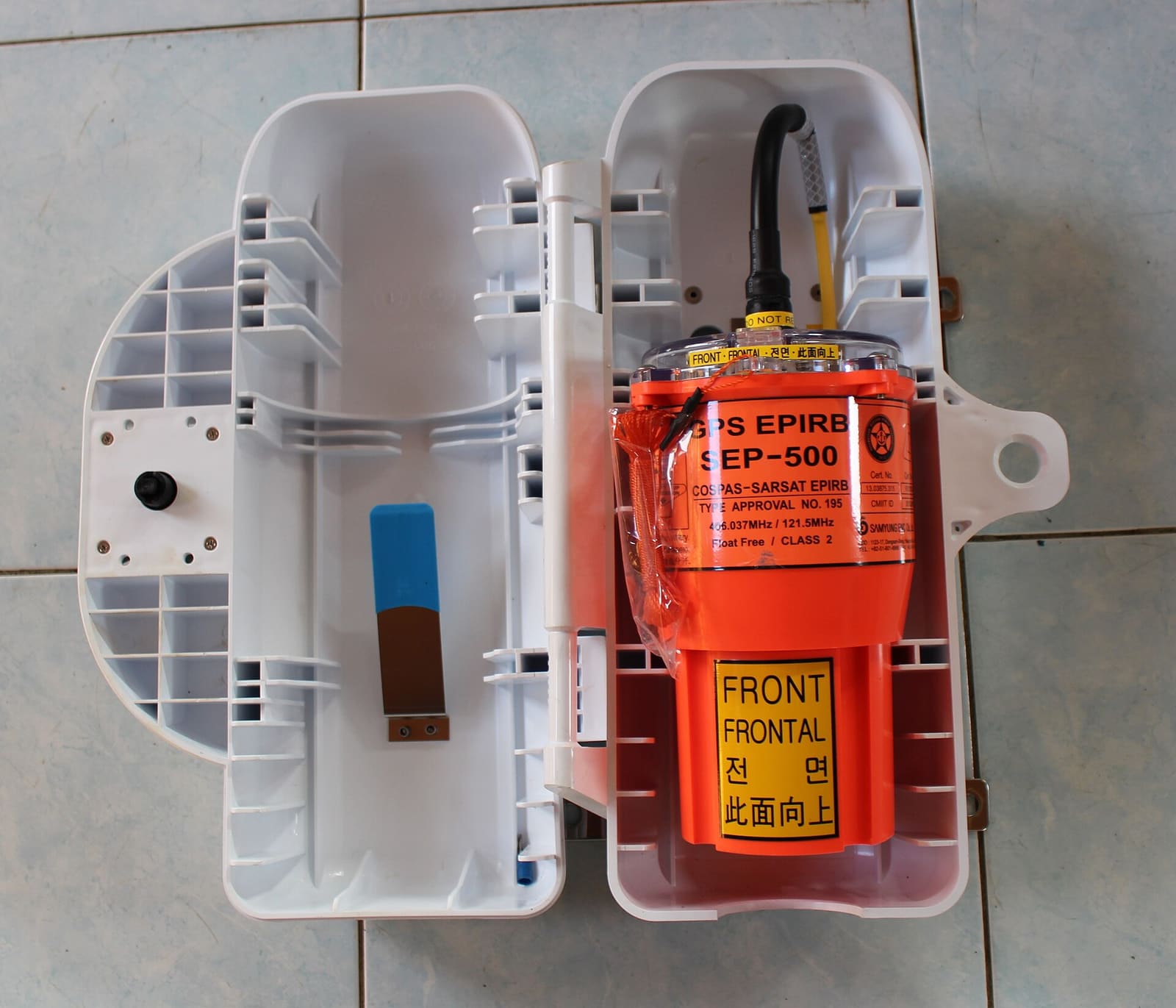
EPIRB and PLB Care: Registration, Batteries, Self-Test and Mounting
Keep your 406 MHz emergency beacon ready to work on the worst day of your life. Register it free with NOAA and renew every two years, track the battery and hydrostatic release dates, run the self-test without triggering a false alert, and know what happens after you press the button.
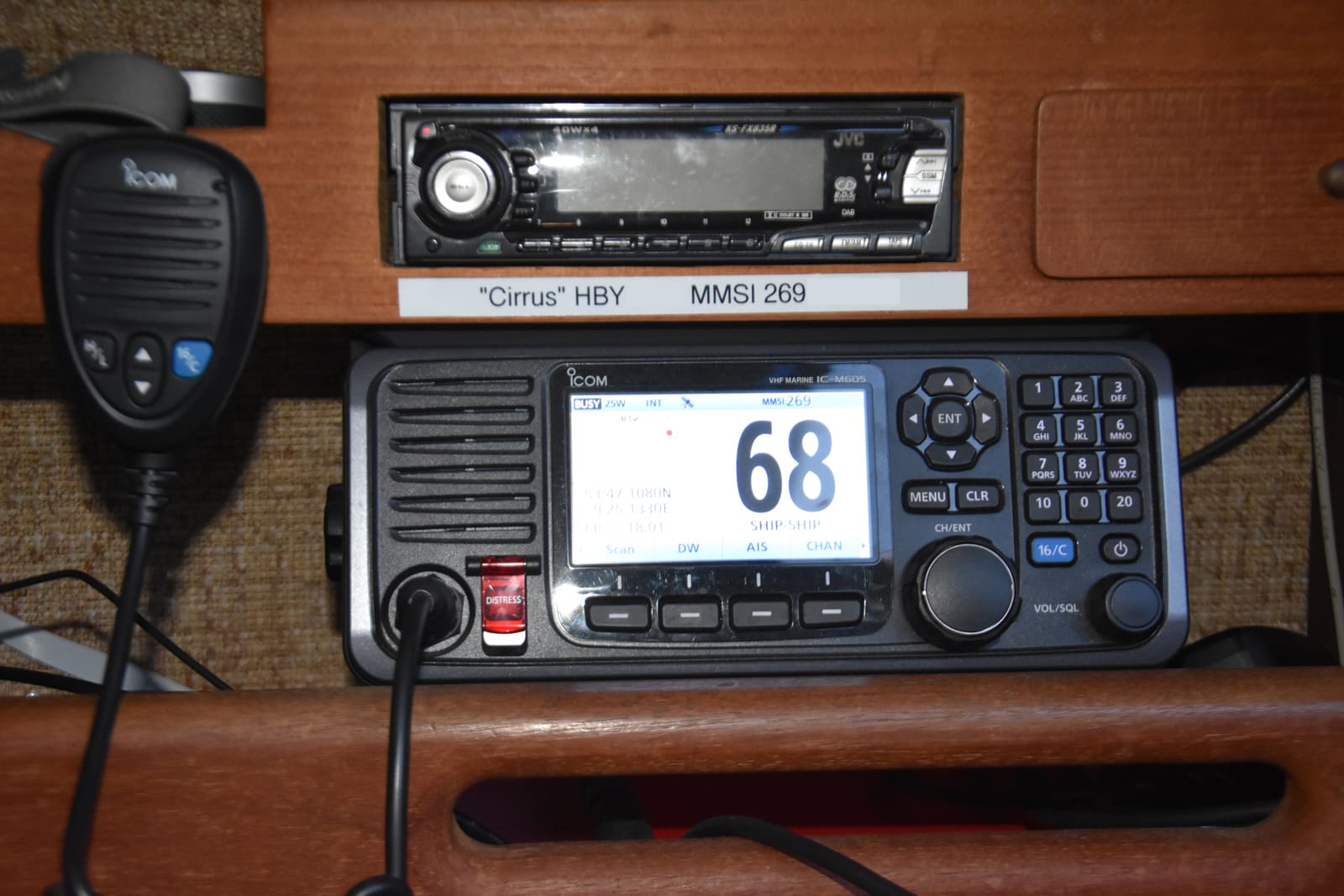
Set Up Your VHF Radio: MMSI, DSC, GPS Hookup and Radio Checks
Get a free or low-cost MMSI number, program it into your DSC radio, connect your GPS so a distress alert sends your exact position, check the antenna, and learn the Channel 16 rules and the right way to do a radio check.
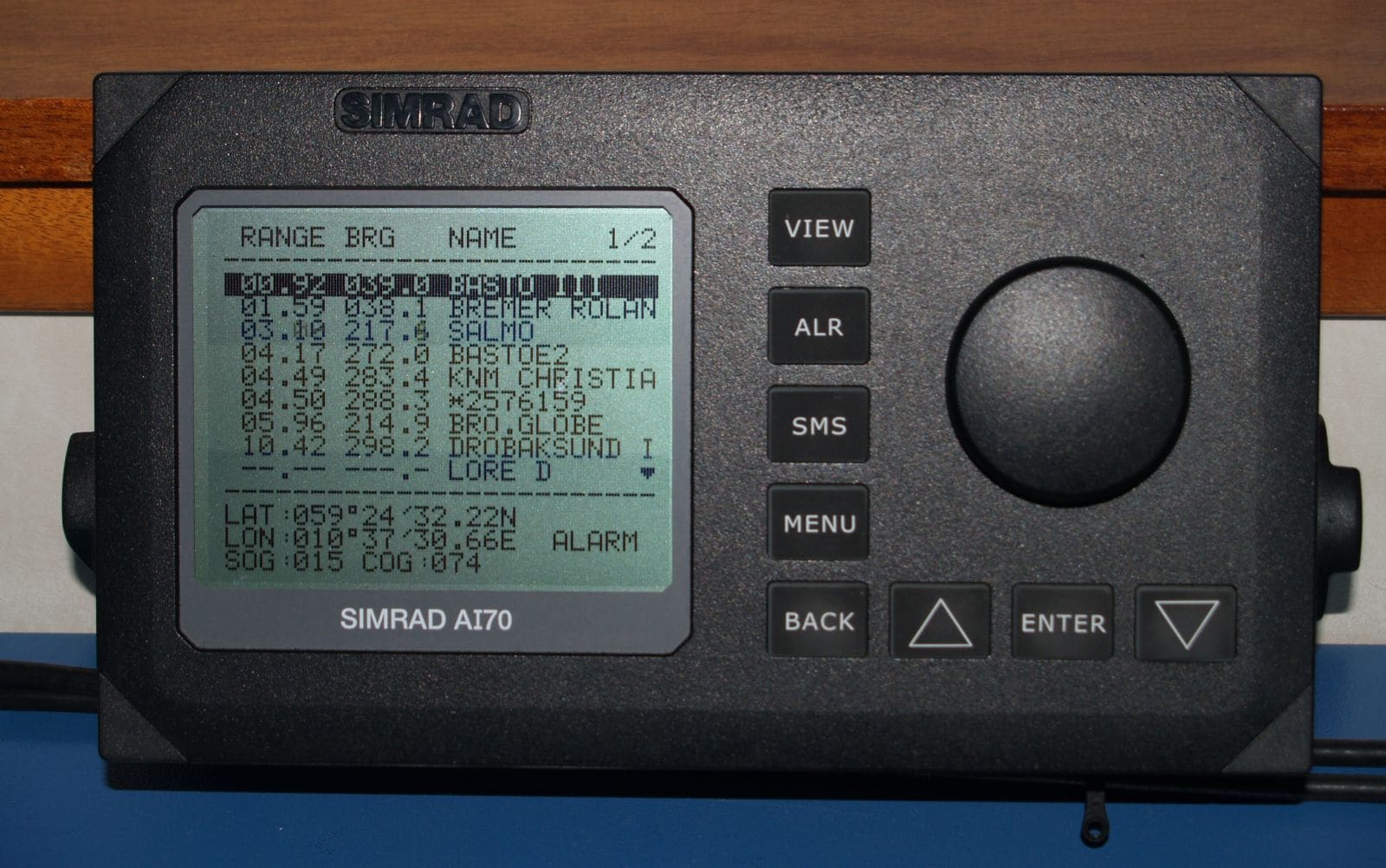
AIS on Your Boat: Receiver vs. Class B, MMSI Programming, Antennas and Checking You're Seen
Choose between a receive-only AIS and a Class B transponder, get the MMSI programmed the legal way, sort out the GPS and VHF antenna (or splitter), confirm other boats and the Coast Guard actually see you, and understand silent mode and AIS man-overboard beacons.
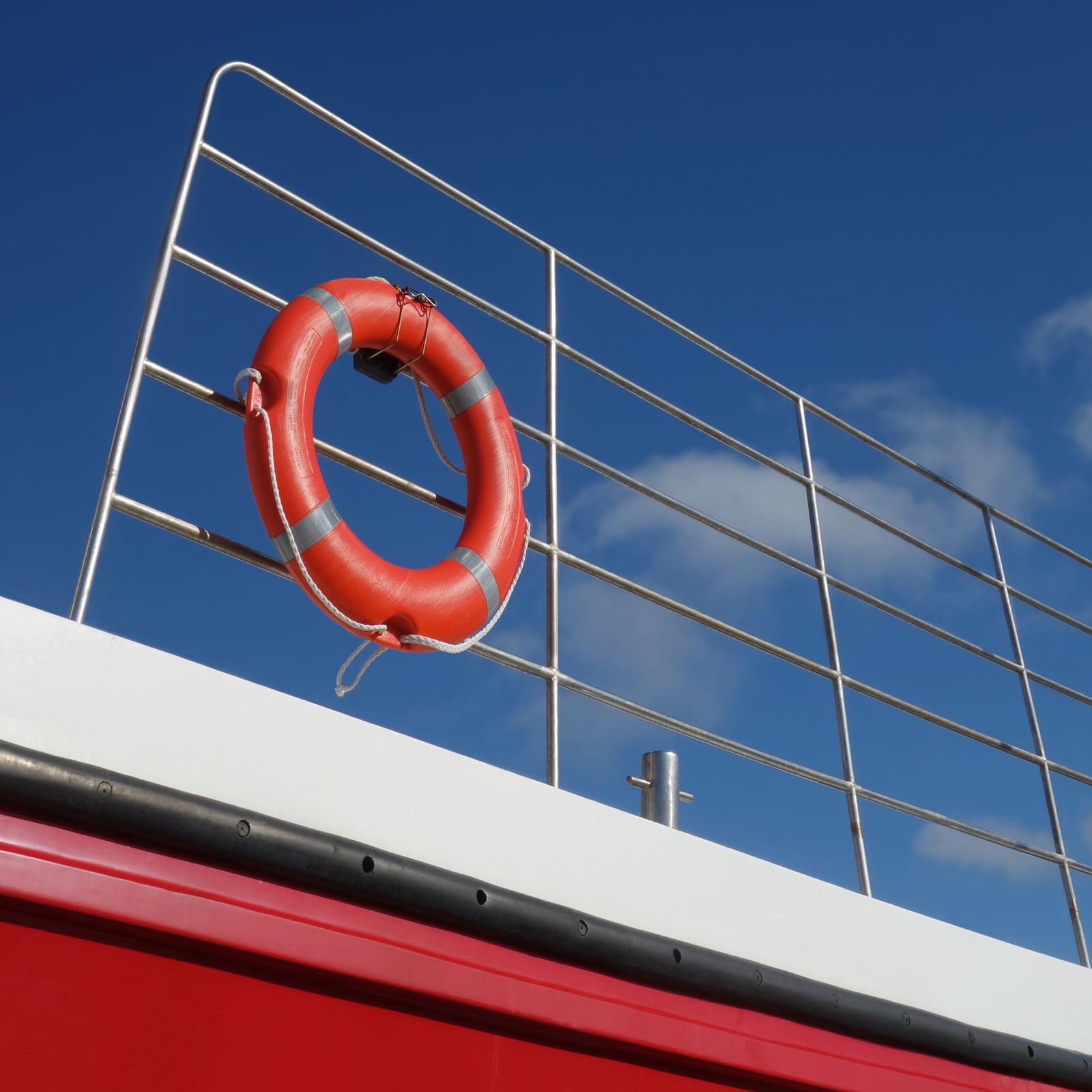
Man-Overboard Recovery Gear: Throwables, Lifesling, Ladders and MOB Alarms
Set up and check the gear that gets a person in the water back aboard - a throwable within reach, a floating rescue line or Lifesling-style sling, a boarding ladder someone in the water can pull down, and MOB alarms or AIS beacons - and practice the drill so it works when it counts.

USCG Required Safety Equipment Check by Boat Length
Walk through your boat and confirm you carry every piece of safety gear the US Coast Guard requires for your boat's length and type, and that none of it is expired or worn out. Missing or expired gear is one of the most common tickets on the water, and it is the gear you need when things go wrong.
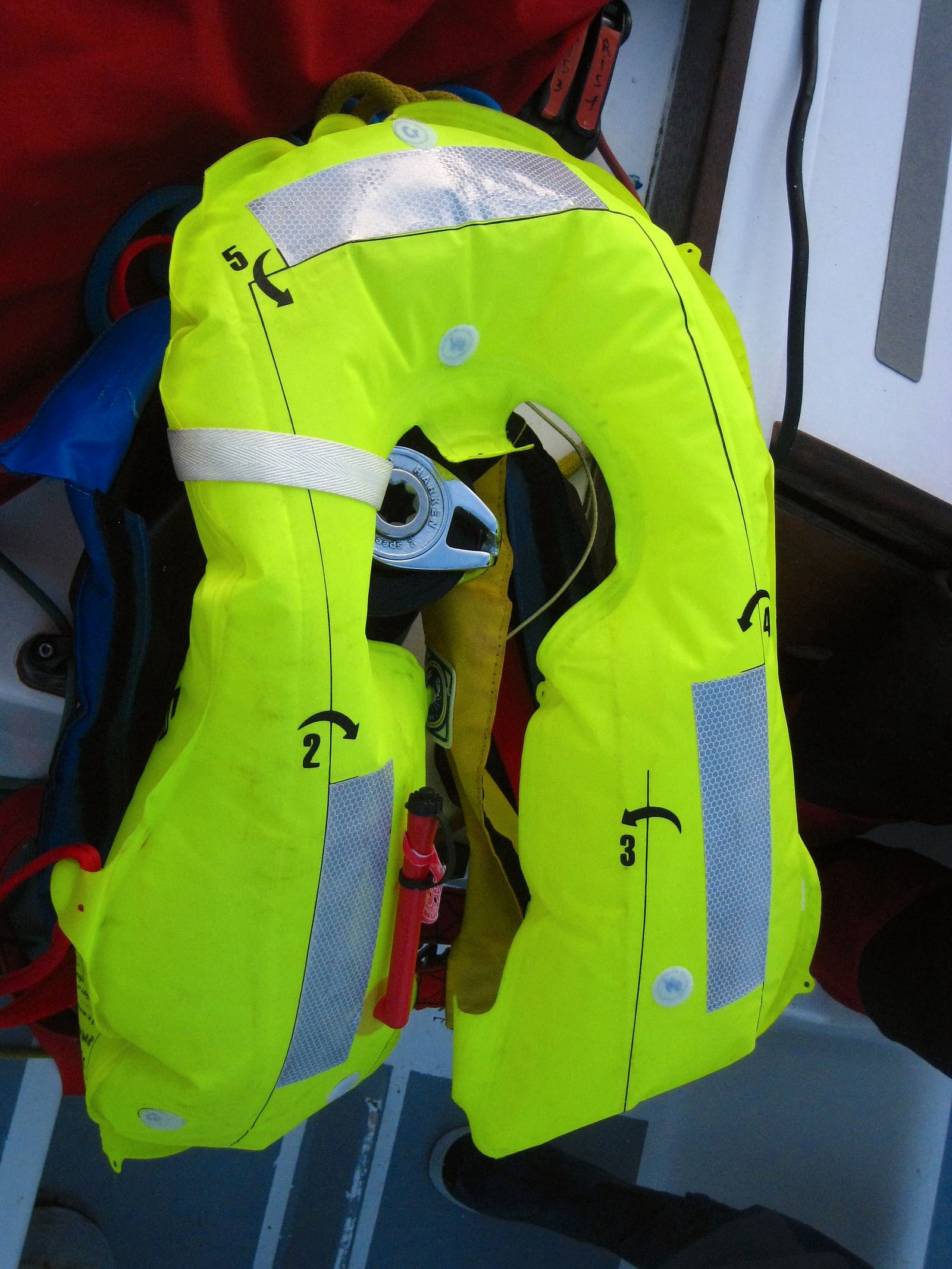
Inflatable Life Jacket Care: Inspect, Test and Rearm
An inflatable life jacket only saves a life if the cylinder is full, the inflator is armed and the bladder holds air. Learn the quick check before every trip, the overnight leak test, how to read replacement dates and how to rearm it after it fires.
Engine Cut-Off Switch (Kill Switch) and Lanyard: The Law, Testing and Daily Use
How the engine cut-off switch (ECOS) and its lanyard or wireless fob work, when federal law requires you to wear it (boats under 26 feet, 3 hp or more, on plane), how to test it before every trip, and why a spare clip aboard matters.