Seasickness: How to Prevent It and Care for Seasick Crew and Guests
Almost anyone can get seasick in the right conditions, but a few habits make a big difference. Learn why it happens, where to sit, what to eat and drink, how over-the-counter remedies fit in (and why the person running the boat must be careful with drowsy ones), how to look after someone who's sick, and when it might be something more serious. General information only, not medical advice.
Time
10 min
Applies to
All engines
Safety first: Headache, dizziness and nausea can also be carbon monoxide poisoning. The Coast Guard says to treat seasickness symptoms as possible CO: move the person to fresh air and get medical help unless you're sure it isn't CO. Anyone being sick over the side wears a life jacket and has someone holding onto them. For chest pain, trouble breathing, fainting or confusion, call 911 or the Coast Guard on VHF channel 16. This guide is general information, not medical advice.
Owners often ask
- Can I take Dramamine or another seasick pill and still drive the boat?
- Where is the best place to sit on a boat so I don't get seasick?
- Can I give my kids a Dramamine or put a scopolamine patch on them for a boat trip?
This guide walks you through it. Still stuck? Ask the AI Mechanic about your engine.
Tools
- Bucket or sick bags
- Water and plain snacks (crackers, bread)
- Paper towels and a towel
Parts & supplies
- Life jacket for anyone leaning over the side
- Motion-sickness remedy chosen with a pharmacist or doctor (optional)
Before you start
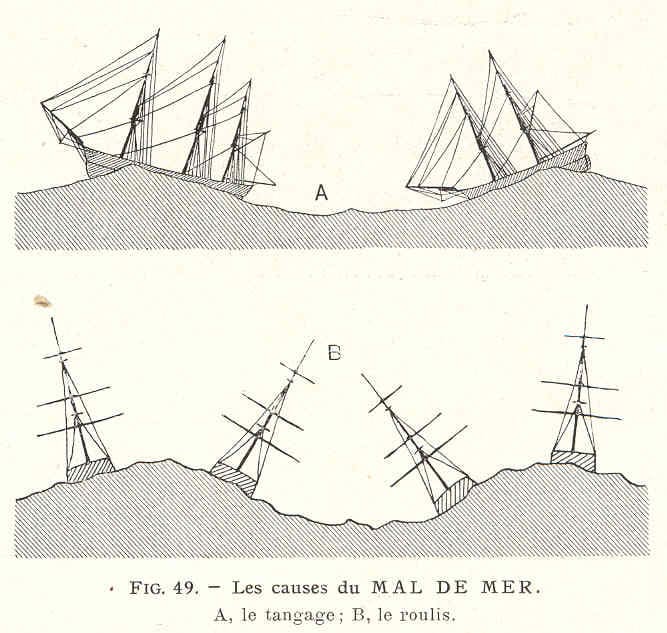
Why it happens. The CDC explains the most accepted theory: your inner ear feels the boat moving while your eyes, fixed on something inside the boat, say you're still. That mismatch triggers the symptoms. MedlinePlus notes motion sickness is especially common on boats and that anyone can get it.
Who's more likely to get it. According to the CDC, children under 2 rarely do; susceptibility peaks around ages 7 to 12 and then declines with age. Women are somewhat more prone than men, and people with migraines, vertigo or inner-ear problems are more susceptible. MedlinePlus adds pregnant women and people taking certain medicines.
How it builds. The CDC describes a gradual progression: stomach awareness, feeling warm, yawning, sweating and dizziness, then nausea and finally vomiting. Drowsiness is common too. The earlier you act, the better the tricks below work.
Ask your guests. If someone gets seasick easily, they'll want to know the trip plan in advance so they can plan their remedy with a pharmacist or doctor.
Steps
Check the marine forecast (our weather guide covers sources) and choose calmer days, sheltered routes and shorter trips for guests who get sick. Wind against current and short, steep chop are the worst. Plan a turn-around point you'll actually use.
The CDC says being short on sleep can make motion sickness worse, and that alcohol and smoking should be avoided because they increase it. A light, plain meal before leaving is a common recommendation; arriving very hungry or after a heavy, greasy breakfast tends to make things worse. Stay hydrated with water.
The CDC says motion-sickness medicine works best when taken before the motion starts; once symptoms begin, the stomach slows down and pills may not be absorbed well. Options include over-the-counter antihistamine types and a prescription skin patch.
- Ask a pharmacist or doctor which product and timing is right, especially for kids, older adults, pregnant women and anyone on other medicines or with medical conditions. Follow the label.
- The CDC notes that the newer "non-drowsy" allergy antihistamines don't work for motion sickness, so don't grab the wrong box.
- Kids need extra care. The CDC warns that over-sedating young children with antihistamines can be life-threatening, and that scopolamine (including the patch) can cause hallucinations and confusion in children and should be avoided. It suggests a test dose at home before the trip, but only with your child's doctor's advice. Never use an adult's patch or pills on a child.
- About the patch: it's prescription-only, and the CDC says it should never be cut to change the dose. MedlinePlus adds: wash your hands after handling it, use caution with water sports because it can be disorienting, and it has been linked to dangerous overheating (mostly in children and adults over 60), so remove it if body temperature rises or sweating drops and see our heat illness guide. The CDC also says scopolamine shouldn't be used by people with glaucoma or at risk of urinary retention. These are questions for the prescriber.
- Ginger, wristbands and supplements: the CDC says the evidence for diets, supplements and ginger is weak and contradictory. Some people like them; check with a pharmacist before combining any supplement with other medicines.
The most common side effect of motion-sickness medicine is drowsiness, according to the CDC. MedlinePlus advises not to drive or operate machinery after taking dimenhydrinate until you know how it affects you, and to avoid alcohol with it. Running a boat counts. If you're the skipper, test any remedy on a day you aren't operating, ask your pharmacist about less-drowsy choices, and don't take one that leaves you foggy. Operating impaired by drugs or alcohol is also illegal; see our boating-under-the-influence guide.
The bow moves the most; the CDC lists avoiding locations like the bow of a ship. On most boats, the steadiest spot is near the middle, with a clear view out. (MedlinePlus mentions the upper deck as a smoother spot on a boat; that applies to big ships and ferries. On a small boat, a flybridge or tower moves more, not less.) Facing forward helps. Stay out of closed cabins and away from the stern, where exhaust can collect.
A steady view of the horizon helps the eyes and inner ear agree, and the CDC lists it among the behavioral countermeasures that help, along with avoiding visual tasks. MedlinePlus says looking into the distance instead of reading or looking at something in the vehicle can help. Put phones, books and fishing reels with tiny line knots away until you feel settled.
The CDC mentions fresh air on the face, music and pleasant smells as useful distractions, and "controlled breathing" (slow, regular breaths at your normal resting pace), which it says appears to help in laboratory trials. Keep the person out of fumes from fuel and exhaust.
The CDC notes that drivers and pilots get sick less than passengers, and that a sense of control matters. If it's safe and you're right there, let a queasy guest take the wheel on a steady course while watching the horizon. Standing and riding the motion with bent knees (getting "sea legs") also helps some people, the CDC says.
Slow down in a chop, take waves at a comfortable angle, and avoid repeated tight turns or sitting stopped and wallowing beam-to (side-on) to the waves. On boats that have them, trim tabs and gyro stabilizers can reduce motion; see our guides for their care.
- Life jacket on and someone holding onto them if they lean over the side. Use the downwind (leeward) side, away from the propeller and exhaust, or hand them a bucket in the cockpit.
- Let them lie down or sit with eyes closed or on the horizon in fresh air, near the middle of the boat. The CDC lists lying down and reassurance as supportive steps.
- Small sips of water and, later, plain crackers or bread. The CDC stresses keeping up fluids and electrolytes if someone is vomiting.
- Keep them out of the sun and watch for heat illness; dehydration and heat make each other worse. Our heat guide covers the signs.
- Don't leave a seasick person alone below deck.
Head in and get medical help if someone:
- Can't keep any fluids down for a long time, stops urinating, or becomes very weak or dizzy (dehydration)
- Has symptoms that started near the stern, in a cabin, or while a generator ran (possible CO)
- Has severe headache, chest pain, trouble breathing, confusion or fainting: 911 or VHF 16
- Is a small child, older adult, pregnant, or has a medical condition and is getting worse
The CDC says a feeling of rocking or imbalance after coming ashore is normal, rarely involves nausea and usually fades within a few hours. If it lasts for days or weeks, see a doctor. Take care on docks and ladders right after a trip, especially older guests.
Common mistakes
- Waiting until someone is already sick to take a remedy.
- The skipper taking a drowsy medicine and then running the boat.
- Sending a queasy guest below to lie down in a stuffy cabin, or letting them sit by the transom in exhaust.
- Staring at a phone or chartplotter screen.
- Drinking alcohol the night before or on the boat.
- Letting someone lean over the side without a life jacket or a hand on them.
- Assuming every headache and nausea is seasickness and missing carbon monoxide.
When to call a pro
- Possible CO poisoning, chest pain, trouble breathing, confusion or fainting: 911 or VHF 16.
- Vomiting that won't stop or signs of dehydration: head in and get medical care.
- Choosing a remedy, especially for children, pregnant women, older adults or anyone on other medicines: a pharmacist or doctor.
- A rocking feeling that lasts for days after the trip: a doctor.
Tips
- Seasickness often fades with repeated trips; the CDC calls getting used to motion (habituation) the most effective countermeasure of all. Short, calm trips build tolerance.
- Keep sick bags, wipes, water and crackers in a grab-and-go bag by the helm.
- Tell guests it's common and nothing to be embarrassed about; people speak up earlier when they know you won't mind.
- Pets can get seasick too; ask your vet before a trip.
Official references
We read these to write this guide. Your engine's own manual always wins.
- CDC Yellow Book – Motion Sickness
- MedlinePlus (National Library of Medicine) – Motion Sickness
- MedlinePlus – Dimenhydrinate (drug information)
- MedlinePlus – Meclizine (drug information)
- U.S. Coast Guard Boating Safety – Carbon Monoxide, Protect Yourself
- MedlinePlus – Scopolamine Transdermal Patch (drug information)
Safety: BoatMend is for information only and does not replace a certified marine technician. You are responsible for your safety and your boat. Read the full disclaimer.
Last updated 2026-11-06
Related guides
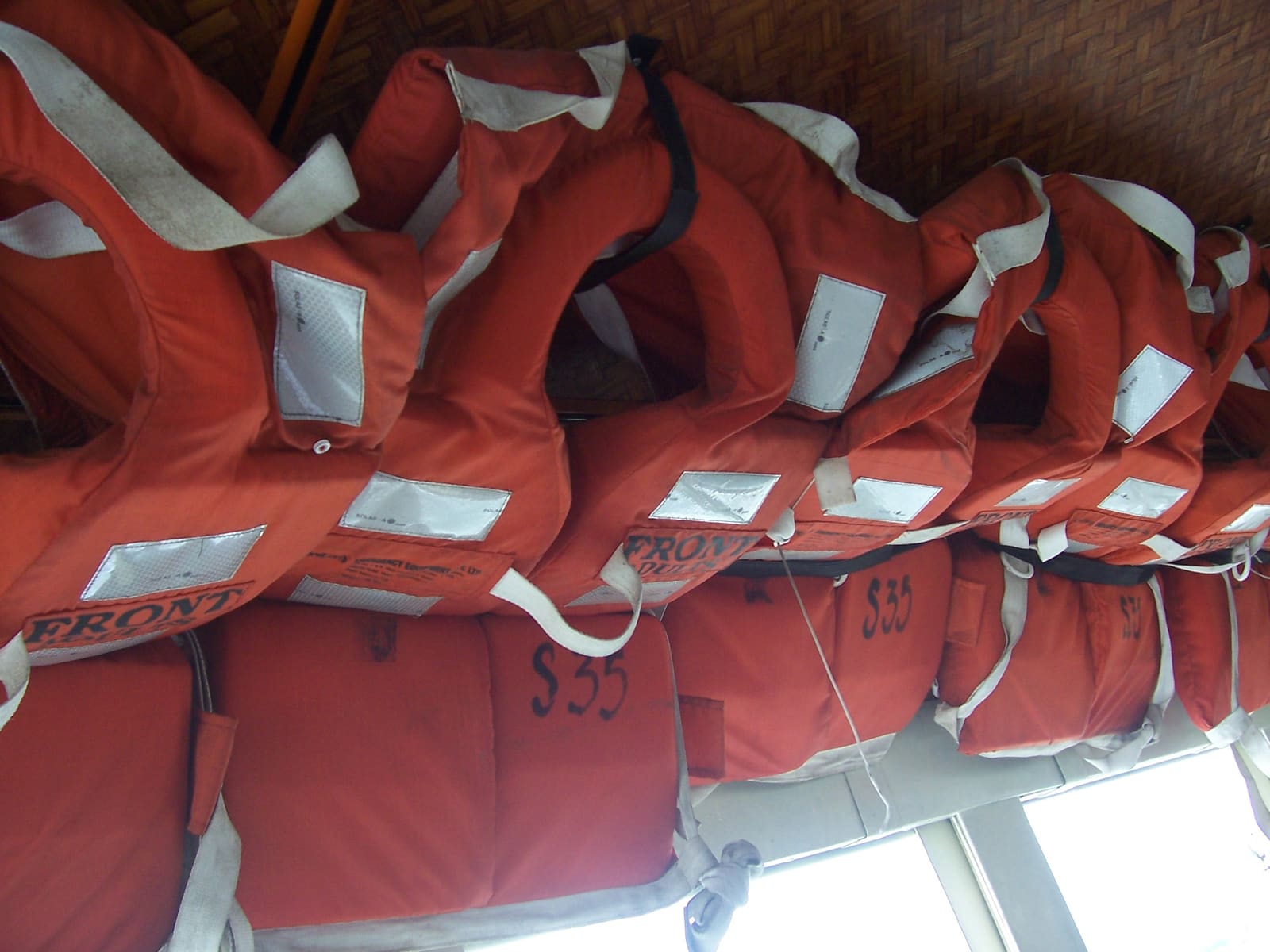
The Pre-Departure Safety Briefing: What to Tell Every Passenger (with a Printable Checklist)
A five-minute talk before you leave the dock turns guests into a crew that can help in an emergency. Cover life jackets, the engine cut-off switch, the fire extinguisher, how to call for help on the VHF, what to do if someone falls overboard, staying seated, seasickness and carbon monoxide near the stern, then use the printable checklist every trip.
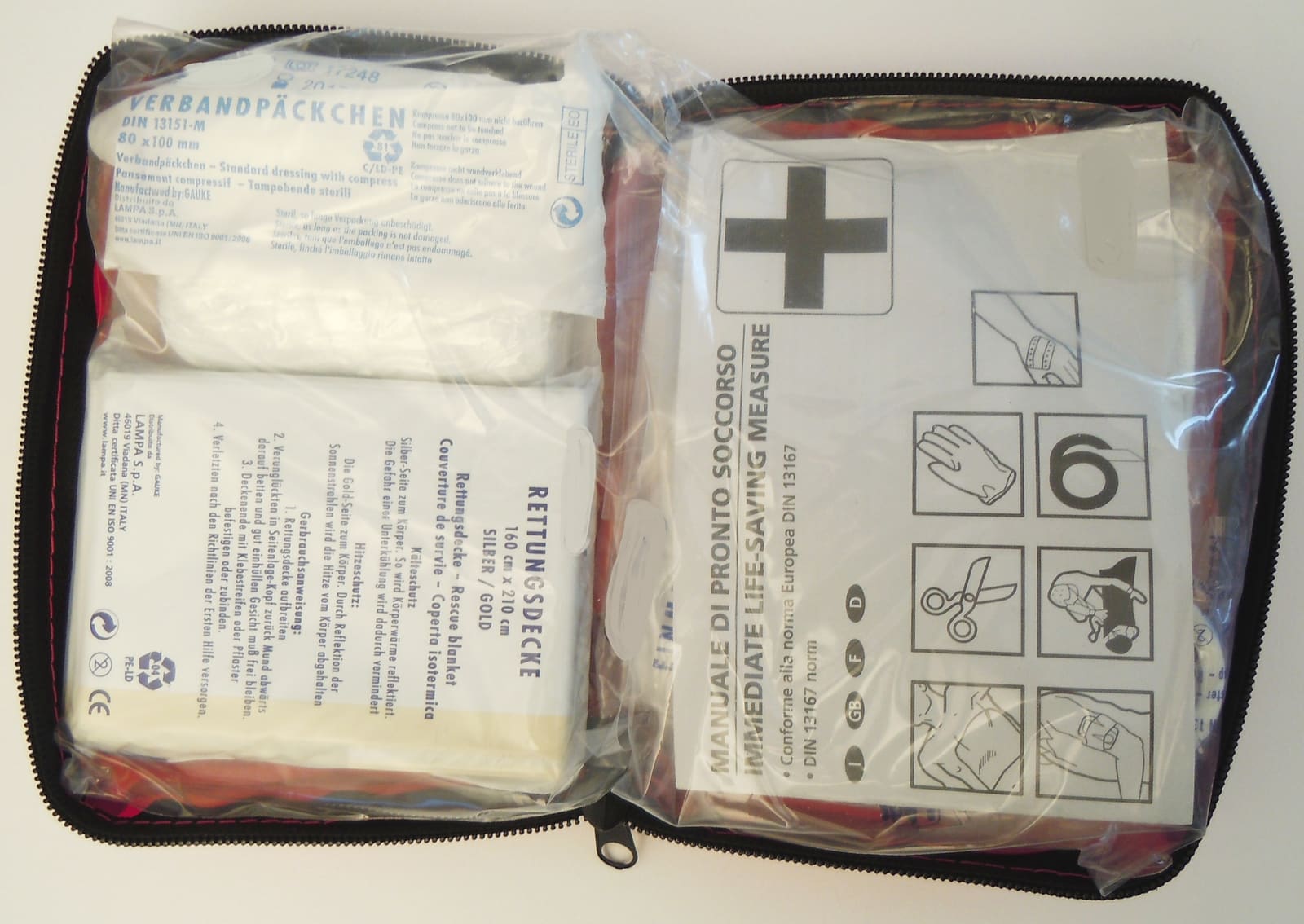
Boat First-Aid Kit and Medical Prep: What to Carry, Day Trips to Offshore
Build and maintain a boat first-aid kit that fits how far from help you go, with the extras boaters actually need for seasickness, fish hooks, cuts, burns, sun, heat and cold, plus a crew briefing, expiration-date checks and training. General preparation only, not medical advice.
Carbon Monoxide on Boats: Where It Comes From, CO Alarms and Warning Signs
Carbon monoxide can build up in cabins, under canvas and around the swim platform, and its first symptoms look like seasickness. Learn the danger zones, where to mount marine CO alarms, how to test and replace them, and exactly what to do if an alarm sounds or someone feels sick.
Heat Exhaustion and Heat Stroke on a Boat: Prevention, Warning Signs and What to Do
Sun, reflected glare, little shade and too little water make boats a classic place for heat illness. Learn how to prevent it, how to tell heat exhaustion from heat stroke, how to cool someone down aboard, how to protect kids and pets, and when to call 911 or the Coast Guard. General first-aid information only, not medical advice.
Boating Under the Influence (BUI): The Law, the Limits and How to Plan a Sober Skipper
Operating a boat drunk or high is illegal in every state and under federal law, with a 0.08 BAC standard for recreational boats under 33 CFR Part 95. Learn why the sun, wind, noise and motion make alcohol hit harder on the water, what happens at a boarding (field sobriety tests, chemical tests and implied consent), the penalties, and how to plan a designated skipper. Practical guidance, not legal advice.
Reading Marine Weather Forecasts: Advisories, Wind, Waves and Go/No-Go
Learn where to get the official NOAA marine forecast for your waters, what small craft advisories and warnings really mean, how to read wind and wave numbers, and how to make a simple go/no-go call before you leave the dock.

Gyro Stabilizer Care: Owner Checks for Seakeeper and Other Boat Gyros
A gyro stabilizer needs little from you, but what it needs matters. Learn how to start and shut it down correctly, keep its seawater cooling and zinc in shape, rinse it, read its hours and alarms, winterize it, and know which jobs belong to a certified dealer.
How to Inspect and Troubleshoot Hydraulic and Electric Trim Tabs
Keep your trim tabs working with a simple seasonal check of the blades, anodes, fluid, lines and wiring, and track down the usual faults when a tab won't move, only one side works, or the tabs stay stuck down.
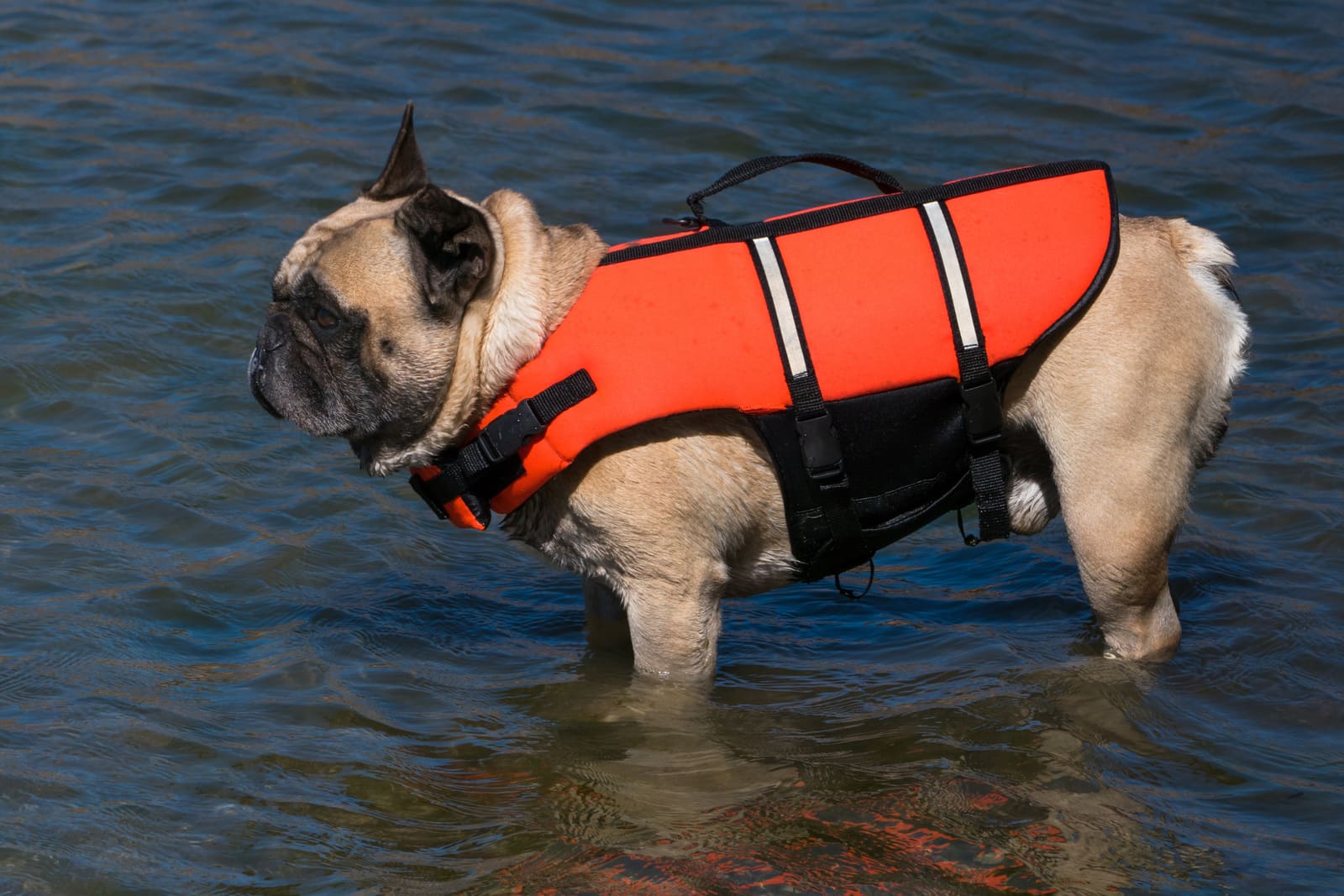
Dogs and Pets Aboard: A Safety Checklist for Boat Owners
Set your boat and your dog up for a safe day on the water, from a well-fitted pet life jacket with a handle to shade, fresh water, safe boarding and a plan for getting a dog back aboard if it goes over the side.