Repair & maintenance guides
Plain-English, step by step, written for owners. Pick your engine to see the guides that apply to it.
47 of 459 guides · page 1 of 2
12-Volt Boat Wiring Basics: Circuits, Color Codes, Fuses and Wire Size
Learn how your boat's 12-volt system is laid out, what the ABYC wire colors mean, how fuses and breakers protect the wiring, why voltage drop and tinned wire matter, and how to read a wiring diagram, so you can troubleshoot smarter and know which jobs belong to a marine electrician.
Adding USB and 12V Outlets to Your Boat: Fusing, Wire Size and Placement
Phones, tablets and handheld radios need charging on every trip. Learn how to add a dedicated USB or 12-volt outlet the right way: choosing a quality marine socket, picking the wire size and fuse, deciding between a panel circuit and a direct battery feed, sealing the hole, and checking that the charger doesn't put noise on your VHF.
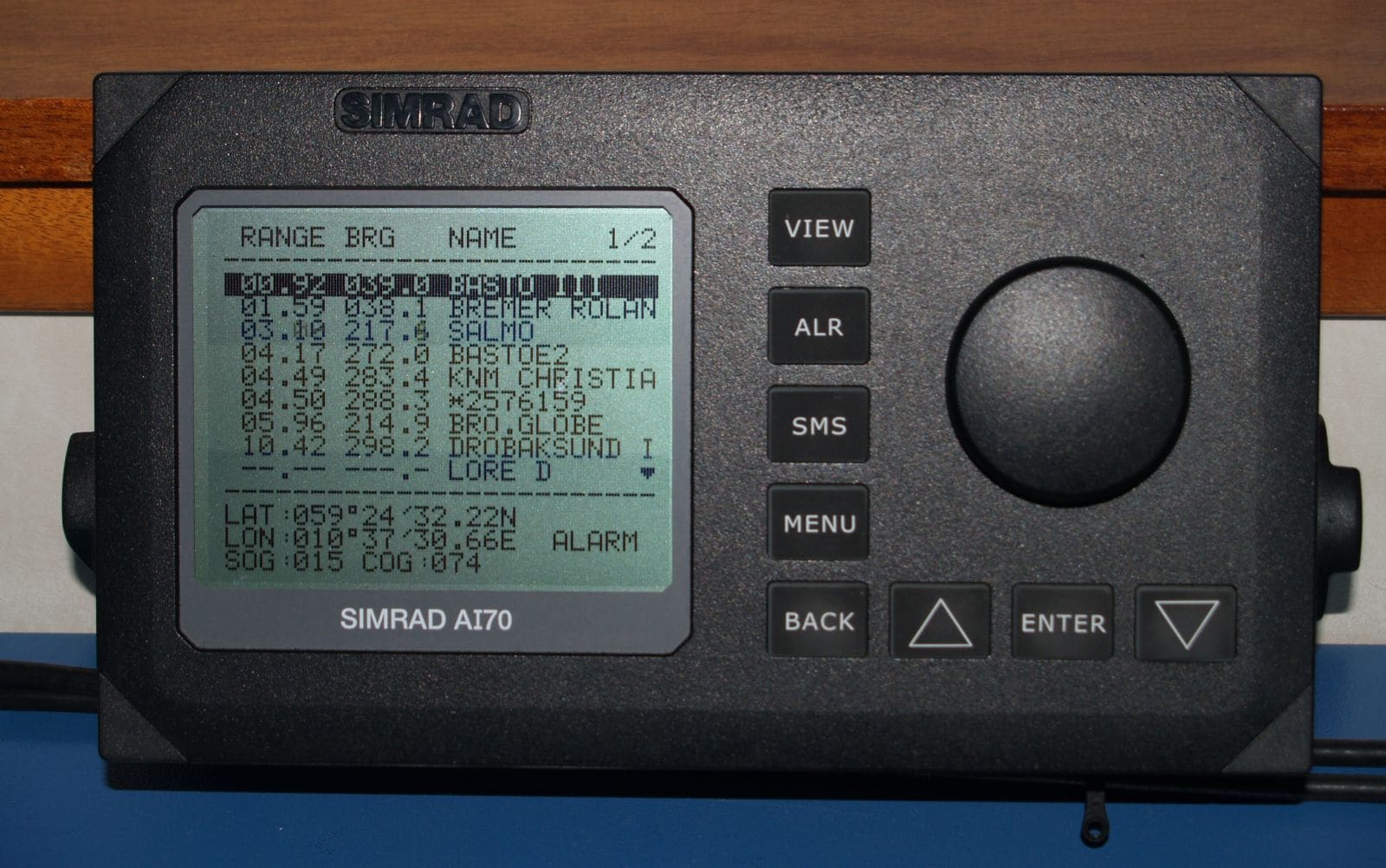
AIS on Your Boat: Receiver vs. Class B, MMSI Programming, Antennas and Checking You're Seen
Choose between a receive-only AIS and a Class B transponder, get the MMSI programmed the legal way, sort out the GPS and VHF antenna (or splitter), confirm other boats and the Coast Guard actually see you, and understand silent mode and AIS man-overboard beacons.
Autopilot Care: Calibration, Drive Maintenance and Common Faults
Keep your autopilot steering straight and safe, whether it is a tiller pilot, a below-deck linear drive or a hydraulic pump on a center console. Check the drive and rudder feedback, fix voltage drop, calibrate the compass, run a proper sea trial, and work out what common alarms and wandering courses really mean.
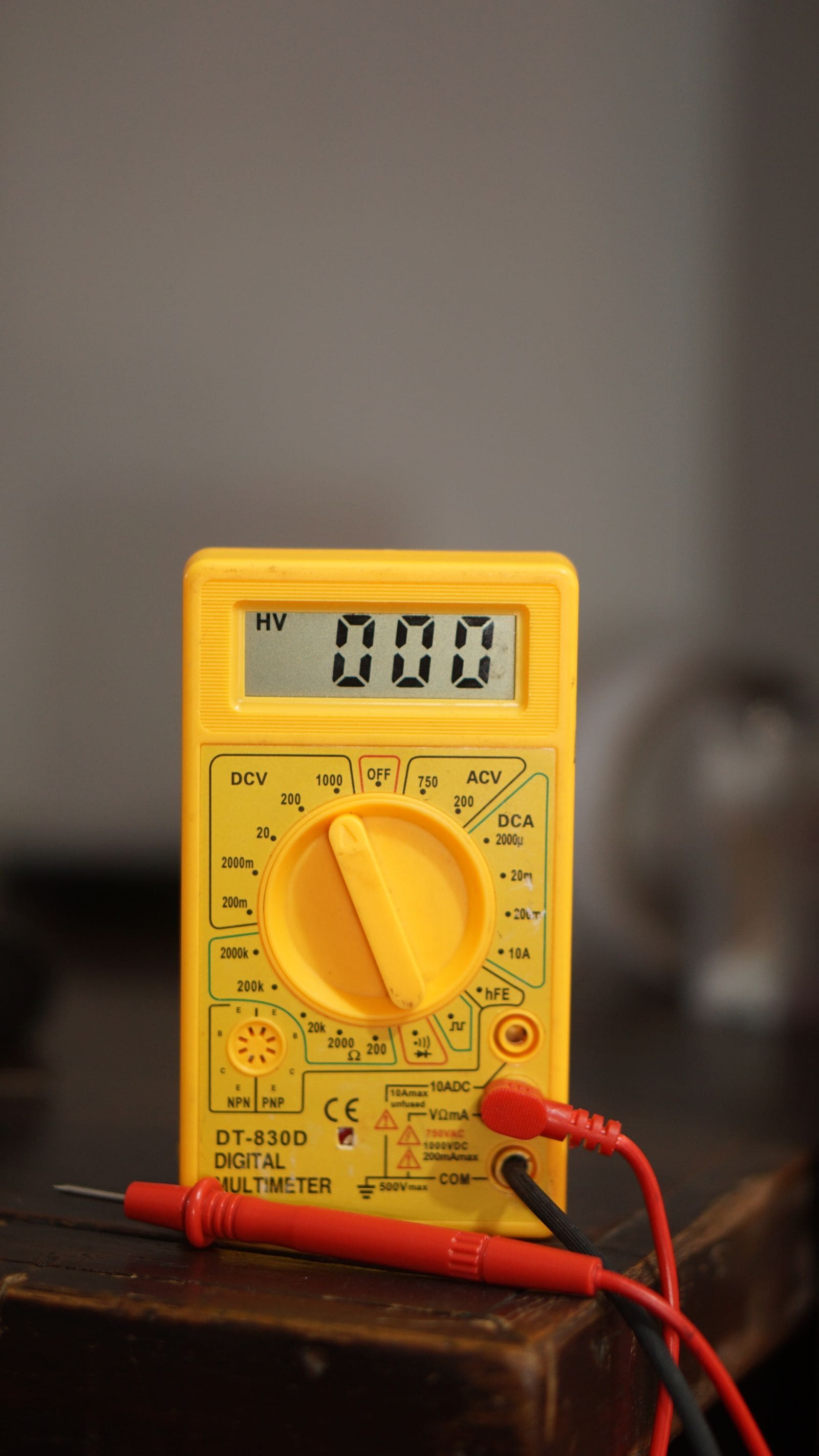
Battery Goes Dead While the Boat Sits - How to Find a Parasitic Drain
If your boat battery is flat every time you come back, something may be quietly drawing power while you are away. Learn how to tell a bad battery from a drain, find the circuit with a multimeter and the fuse panel, and fix the usual culprits without disabling your bilge pump.
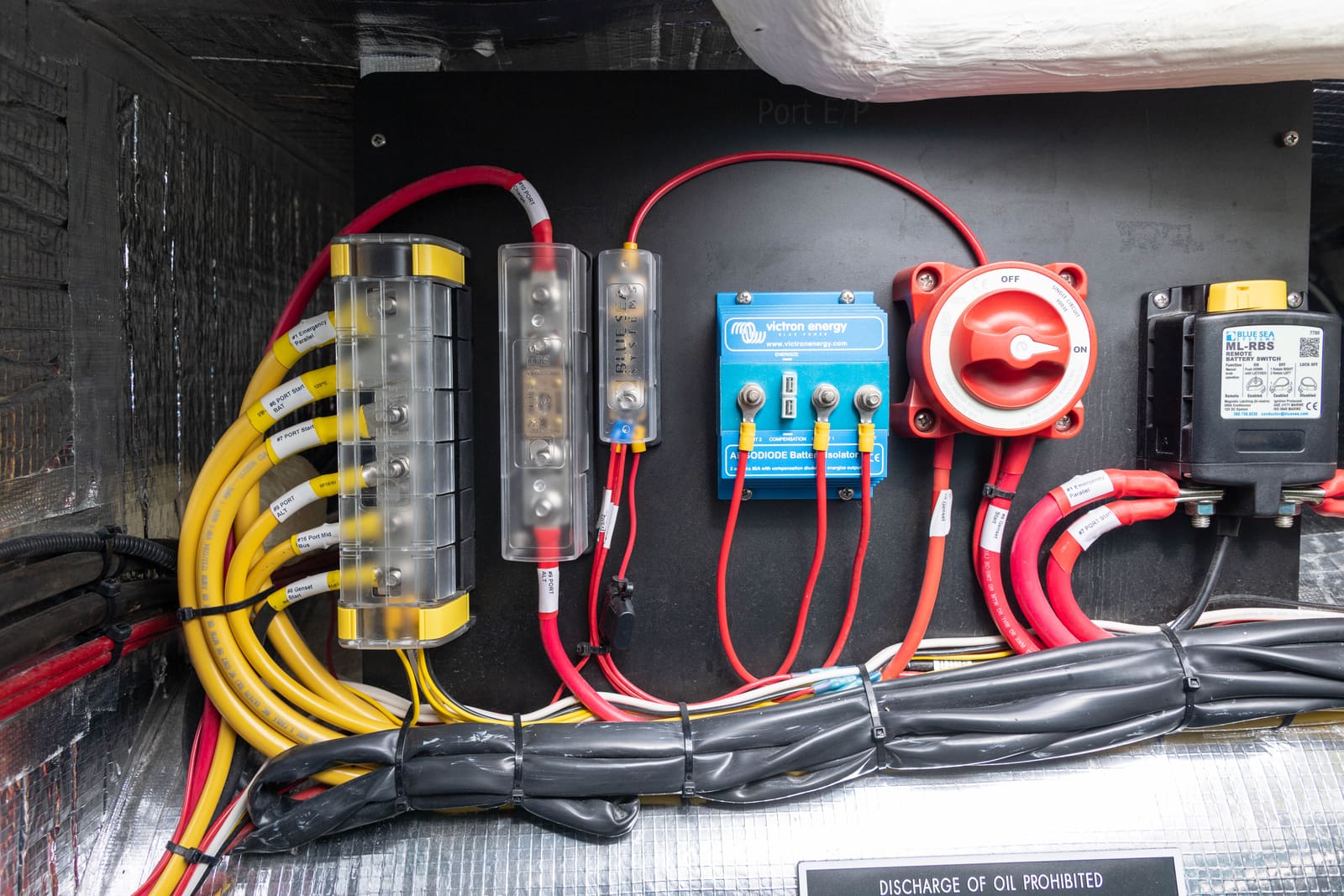
Battery Isolators Compared: Diode, ACR, Combiner and DC-DC Charger
Learn what the box between your engine and your batteries actually does, why an old diode isolator can leave batteries never quite full, and which charging setup suits an outboard, an inboard or a lithium house bank, plus a simple meter check of the one you have.
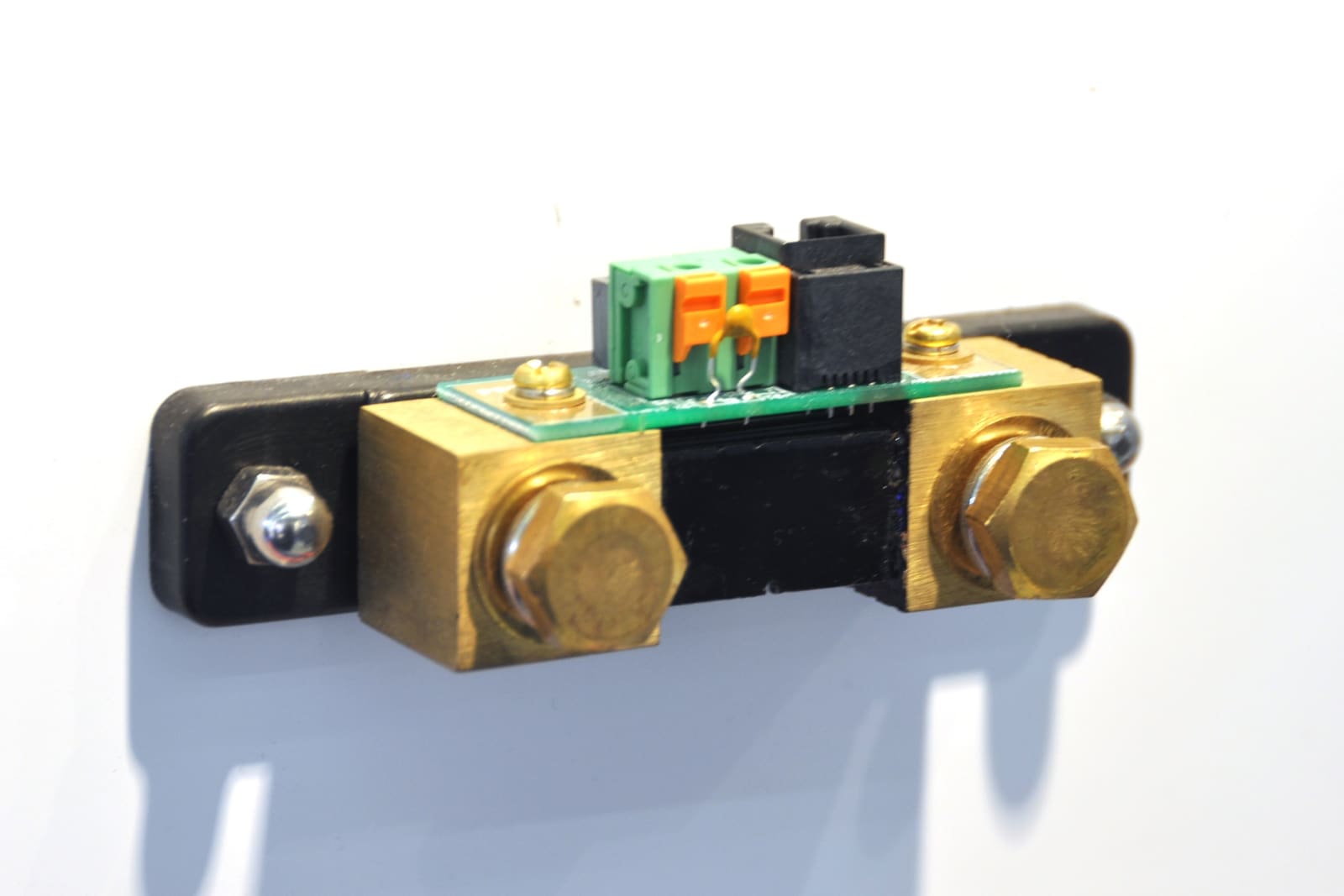
Battery Monitors with a Shunt: Installing, Setting Up and Reading State of Charge
A voltmeter can't tell you how full your house battery really is. Learn how a shunt-based battery monitor counts every amp going in and out, where the shunt goes on the negative side, which settings to change for lead-acid or lithium, and how to read the percentage without being fooled.
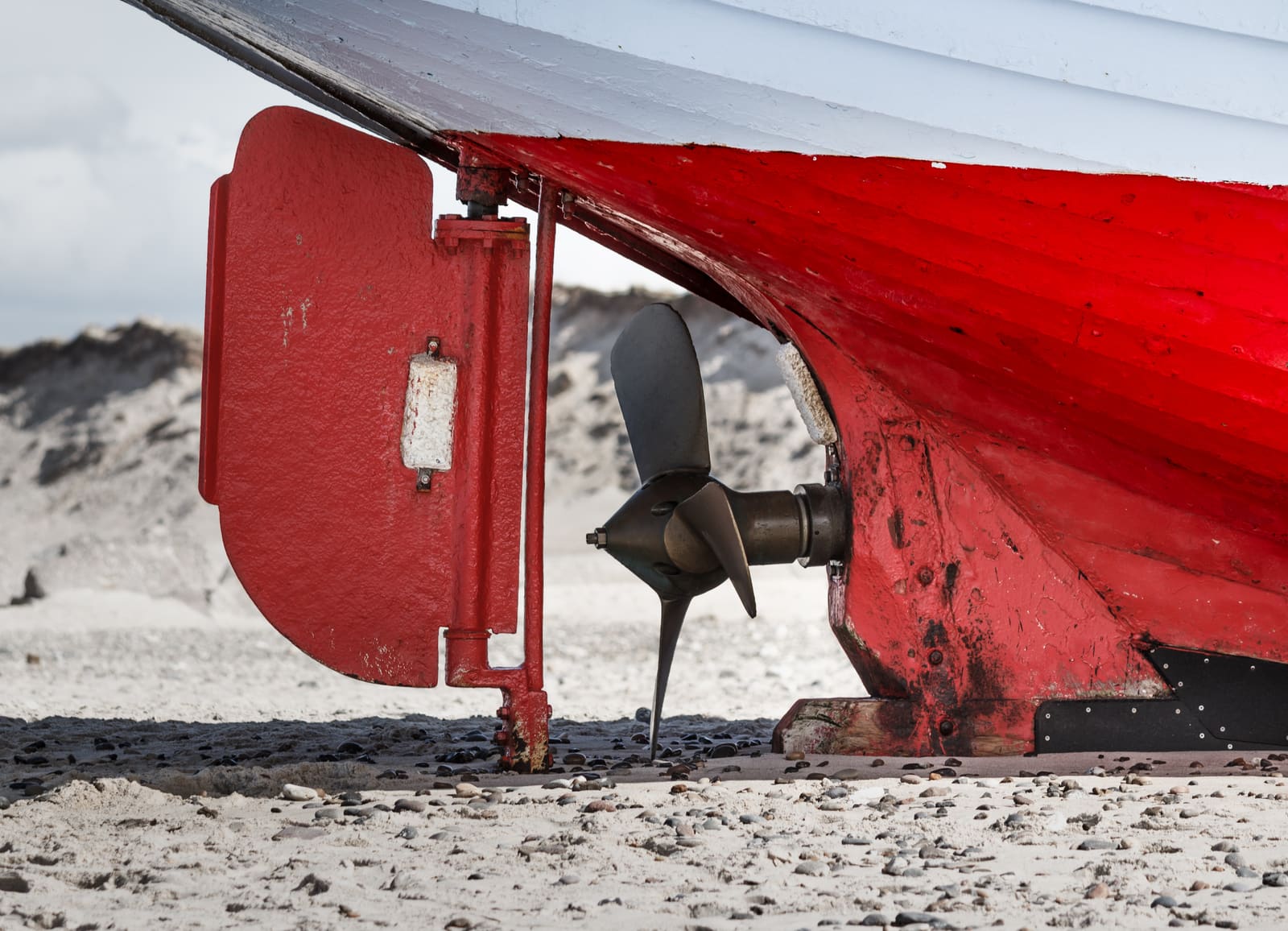
Boat Bonding System Explained: How to Inspect Bonding Wires, Through-Hulls and Anodes
Understand what the green bonding wires on your boat do, how they tie through-hulls, running gear, tanks and engines to your anodes and DC negative, how to inspect and test the connections yourself, and which corrosion warning signs mean it's time for an ABYC-certified technician.
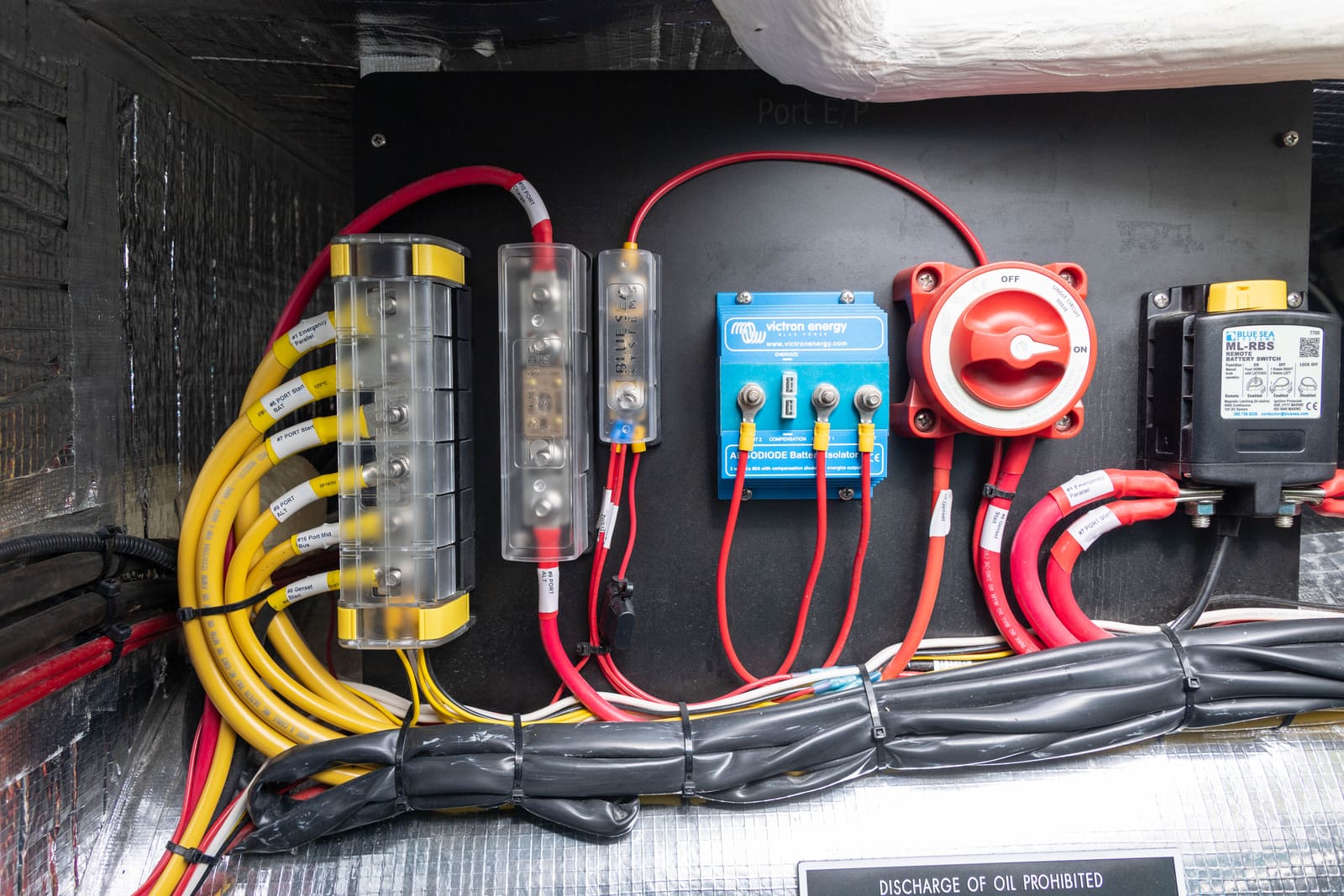
Boat Inverters and Inverter/Chargers: Sizing, Safe Use and What a Pro Must Install
An inverter turns battery power into 120-volt household current, which makes it as dangerous as shore power and a serious fire risk if it is fused or wired wrong. Learn how to size one realistically, what a safe installation looks like, the owner checks to do, and the mistakes (like backfeeding) that hurt people.
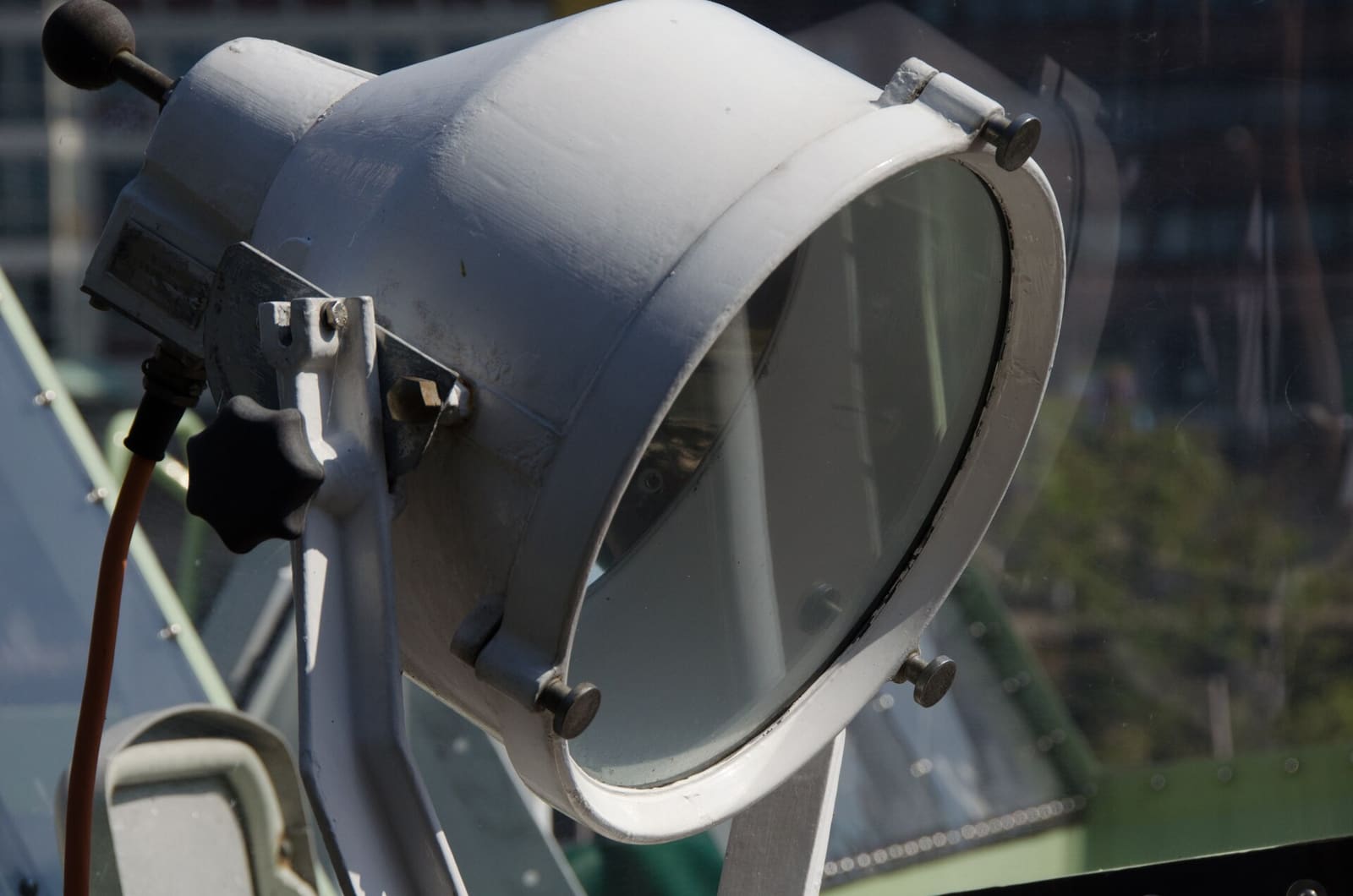
Boat Spotlights and Searchlights: Care, Wiring Checks and Using Them Without Blinding Anyone
A good spotlight helps you find markers, moorings and debris at night and signal for help, but only if it works and you use it carefully. Learn how to care for remote-control searchlights and handheld spotlights, clean lenses, check fuses and wiring, and use the beam in short sweeps that never blind other boaters.
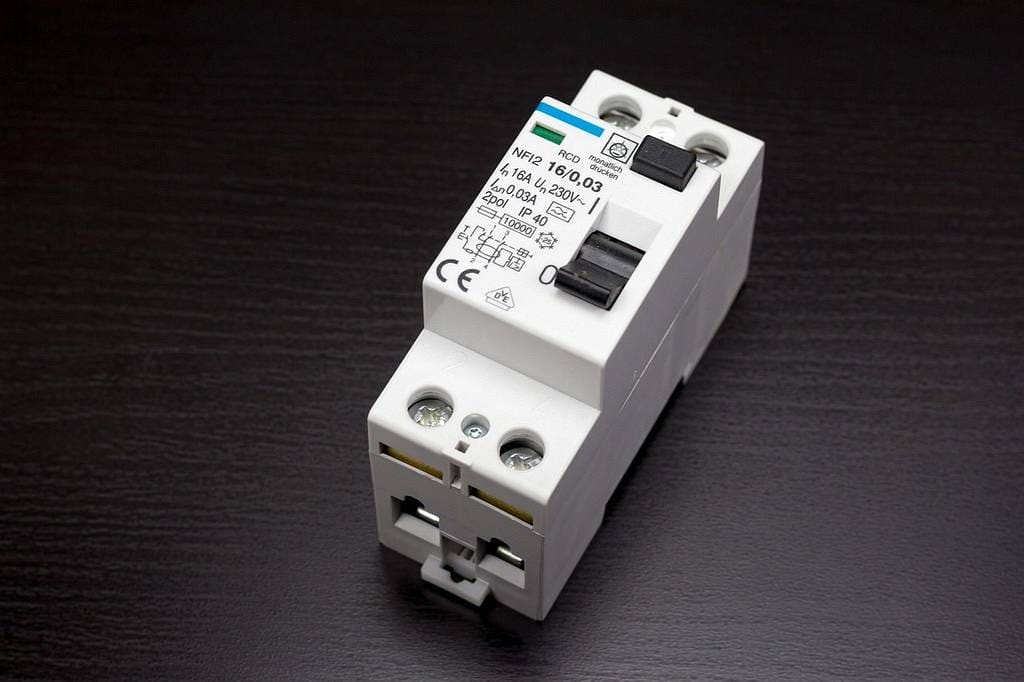
ELCI Retrofit: Adding Whole-Boat Shock Protection to an Older Boat
What an ELCI (equipment leakage circuit interrupter) is, why ABYC now requires one on new boats with shore power, what a retrofit involves and costs, and what to do when one trips. You plan, test and troubleshoot; an ABYC-certified marine electrician does the wiring.
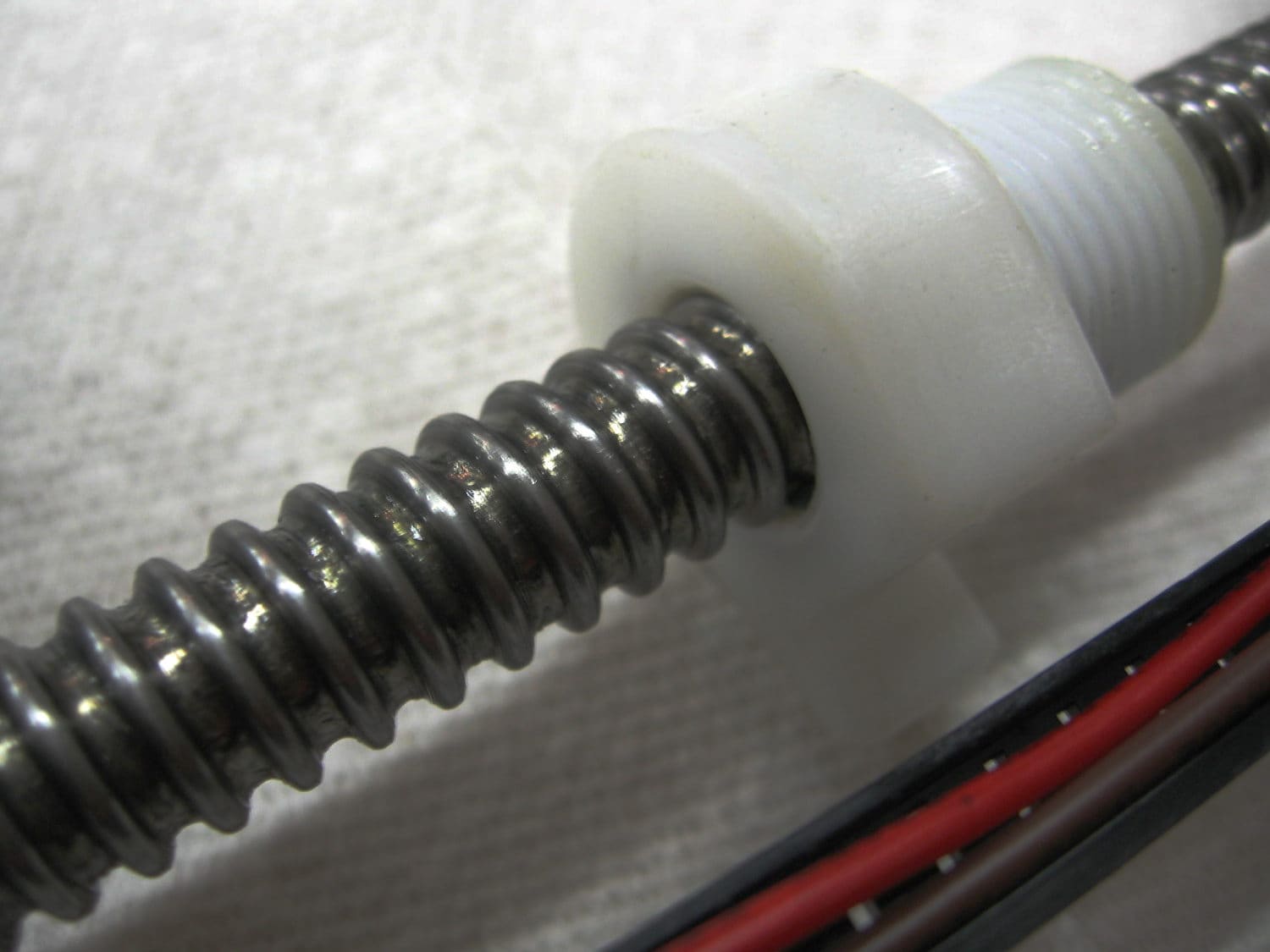
Electric Linear Actuators on Boats: Kicker Lifts, Towers, Hatches, Tables and Seats
Electric actuators raise kicker brackets, fold wake towers, lift engine hatches and move tables and helm seats. Learn how they work, why water and side load kill them, how to fuse and test one directly on 12 volts, and how to replace one safely.
Electronics That Reset or Shut Off When You Start the Engine: Finding and Fixing Voltage Sag
If your chartplotter, fishfinder, VHF or stereo blinks off or reboots when you crank the engine or switch on a big load, the cause is almost always low voltage reaching the device. This guide walks from the cheapest checks (battery, connections, grounds) to the real fixes: a dedicated electronics feed, start isolation between batteries, and voltage-stabilizing converters.
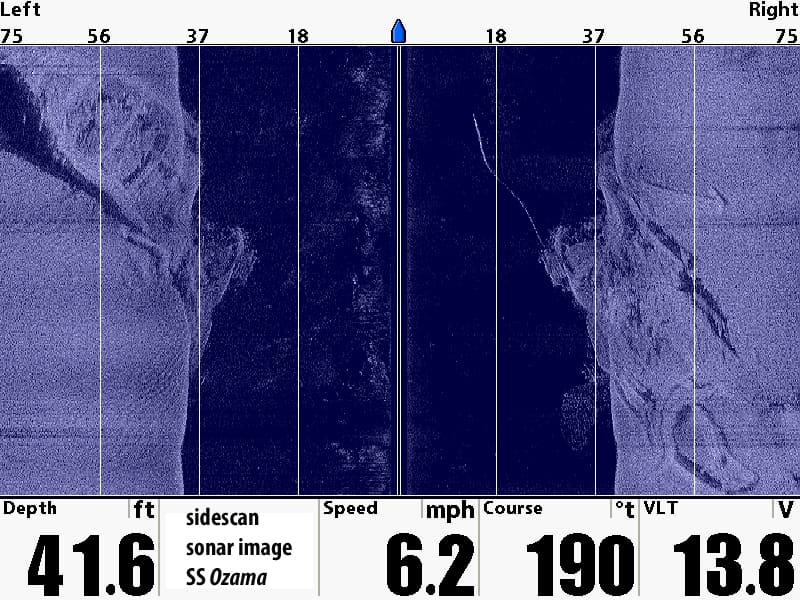
Fish Finder Settings: How to Tune Your Sonar for a Clearer Picture
Get more out of your fish finder by setting frequency, gain (sensitivity), range, contrast, color palette and noise filters on purpose instead of leaving everything on auto, plus how to set the depth offset and track down interference from other electronics.

Fuse Keeps Blowing? How to Troubleshoot a Boat Fuse Block or Breaker Panel
Work through a blown fuse or tripping breaker the safe way: confirm it, tell a short from an overload, isolate the device or wire at fault, replace a worn breaker or panel switch with the same rating, and label every circuit, without ever fitting a bigger fuse.
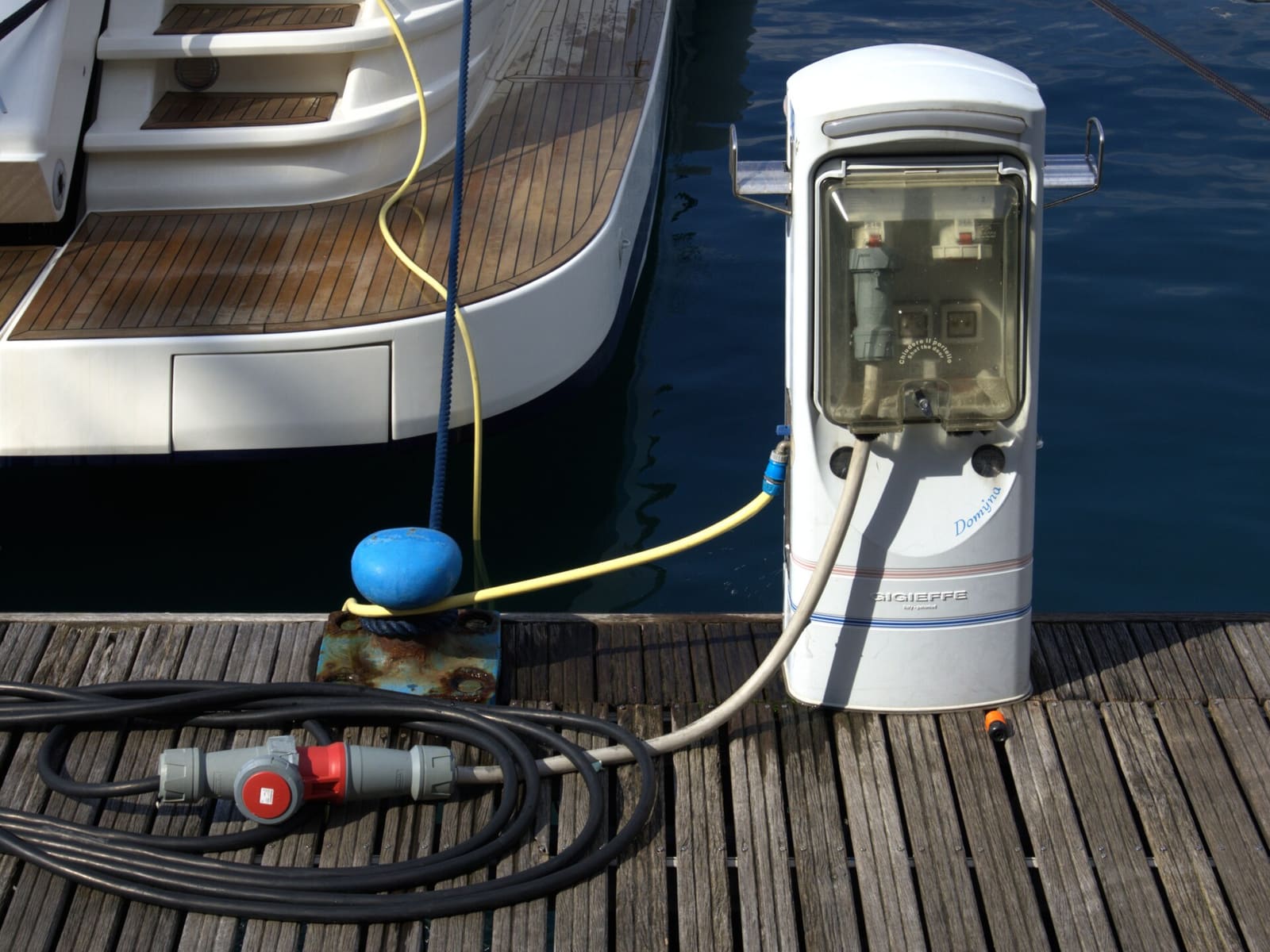
Galvanic Isolator: Why Shore-Powered Boats Need One and How to Tell If It's Working
A galvanic isolator (or an isolation transformer on bigger boats) keeps stray DC current from the marina's ground wire from eating your anodes, drive and running gear, without cutting the safety ground. Learn what it does, the owner-level checks you can do, what failure looks like, and why the actual meter test is usually a job for a marine electrician.
Holding Tank Level Monitors: Fix, Calibrate or Upgrade Your Tank Gauge
Find out why your holding tank gauge reads wrong, clean or calibrate the sensor, and choose a better internal or external monitor so you never overfill the tank and push sewage up the vent.
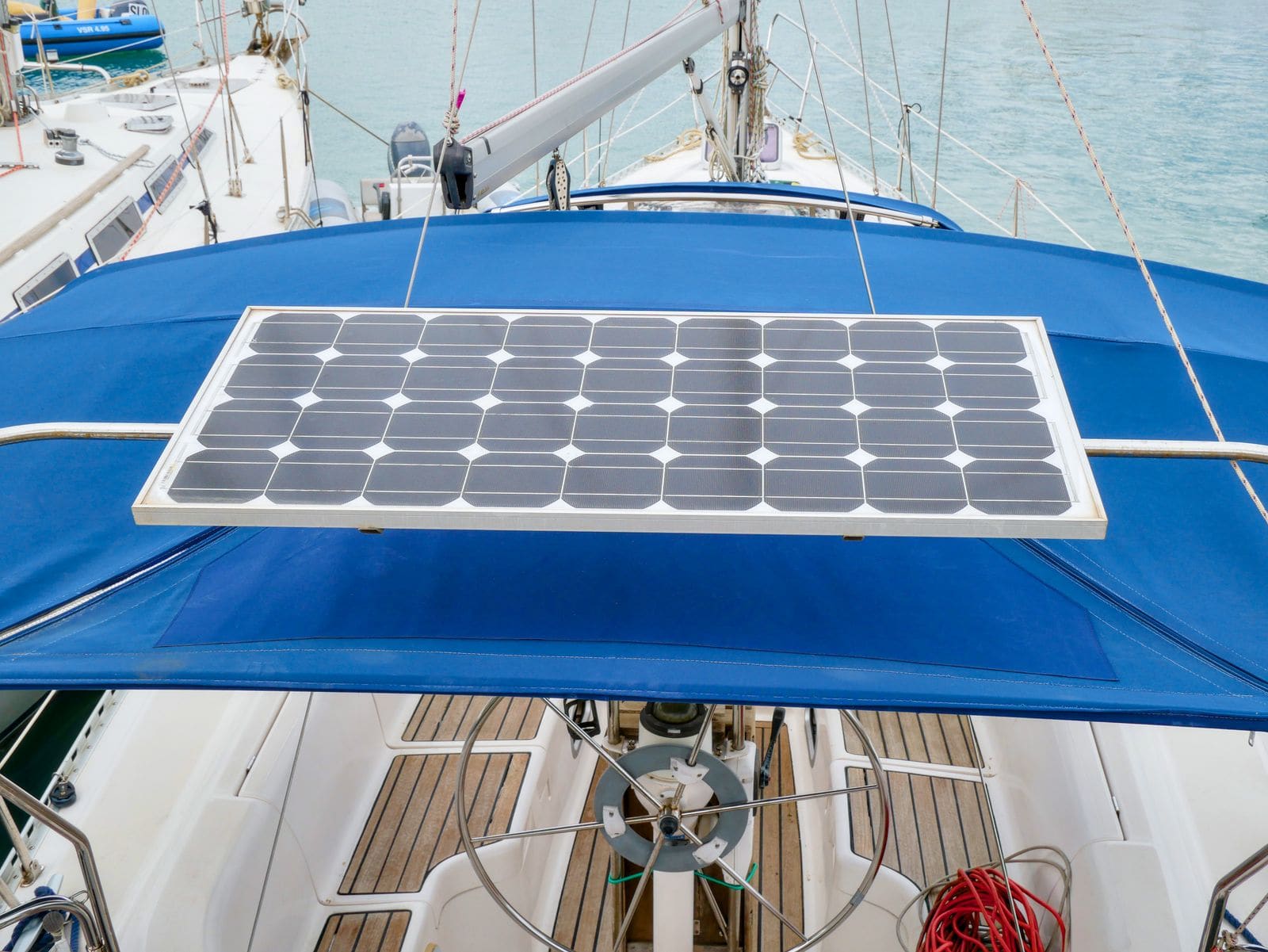
How to Care for Boat Solar Panels, Connectors and the Charge Controller
A boat solar setup is quiet and almost maintenance-free, but salt, shade, loose connectors and a wrong battery setting quietly cut its output or hurt the batteries. Learn the cleaning, inspection and controller checks to do each season, and how to leave the system for winter.
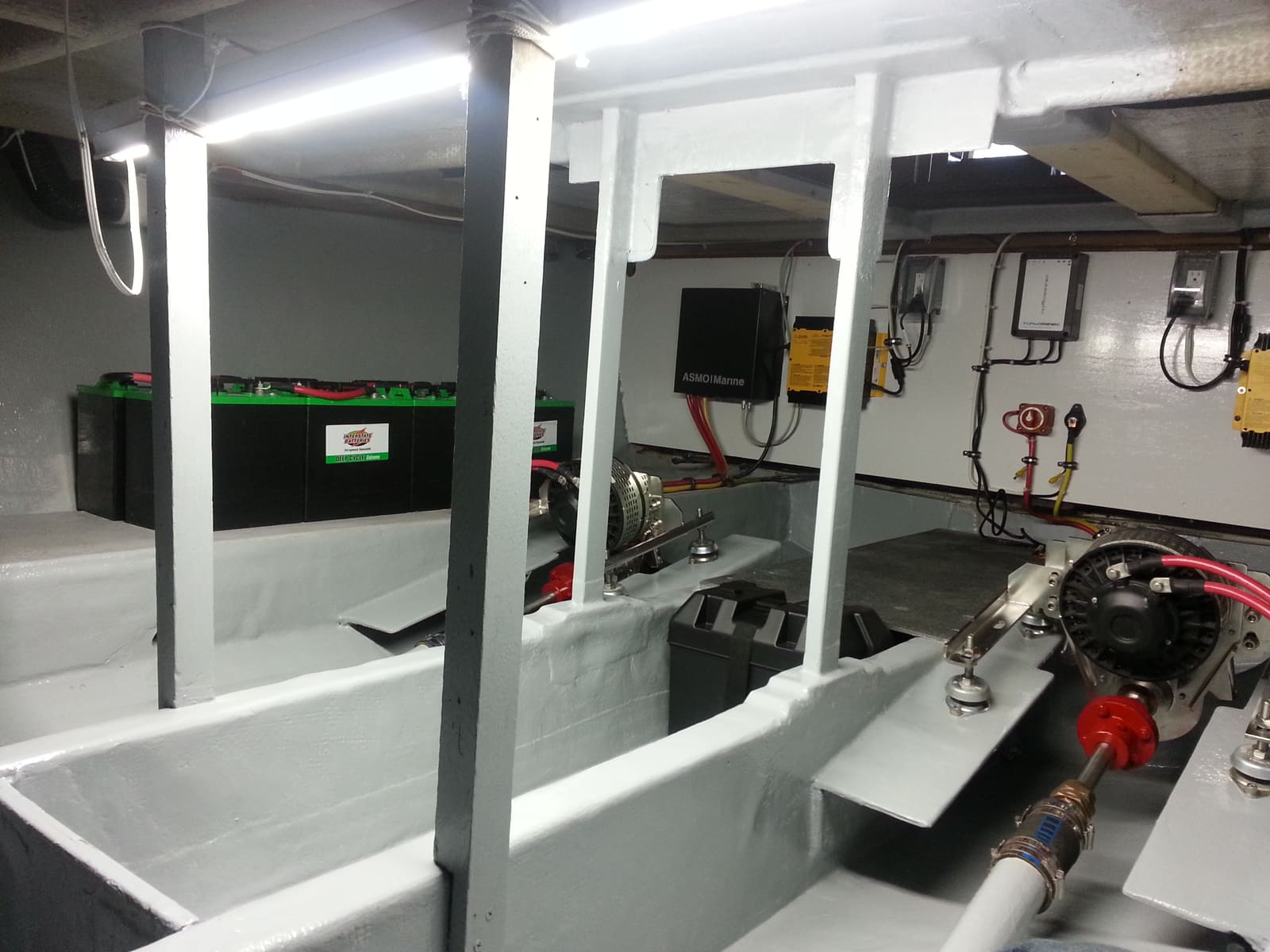
How to Choose, Install and Maintain an Onboard Battery Charger
Pick the right marine charger for your batteries (how many banks, how many amps, flooded, AGM or lithium), mount and fuse it safely, set the charge profile, and use it to keep batteries healthy all season and through the winter. The AC (shore power) side is a job for a marine electrician.
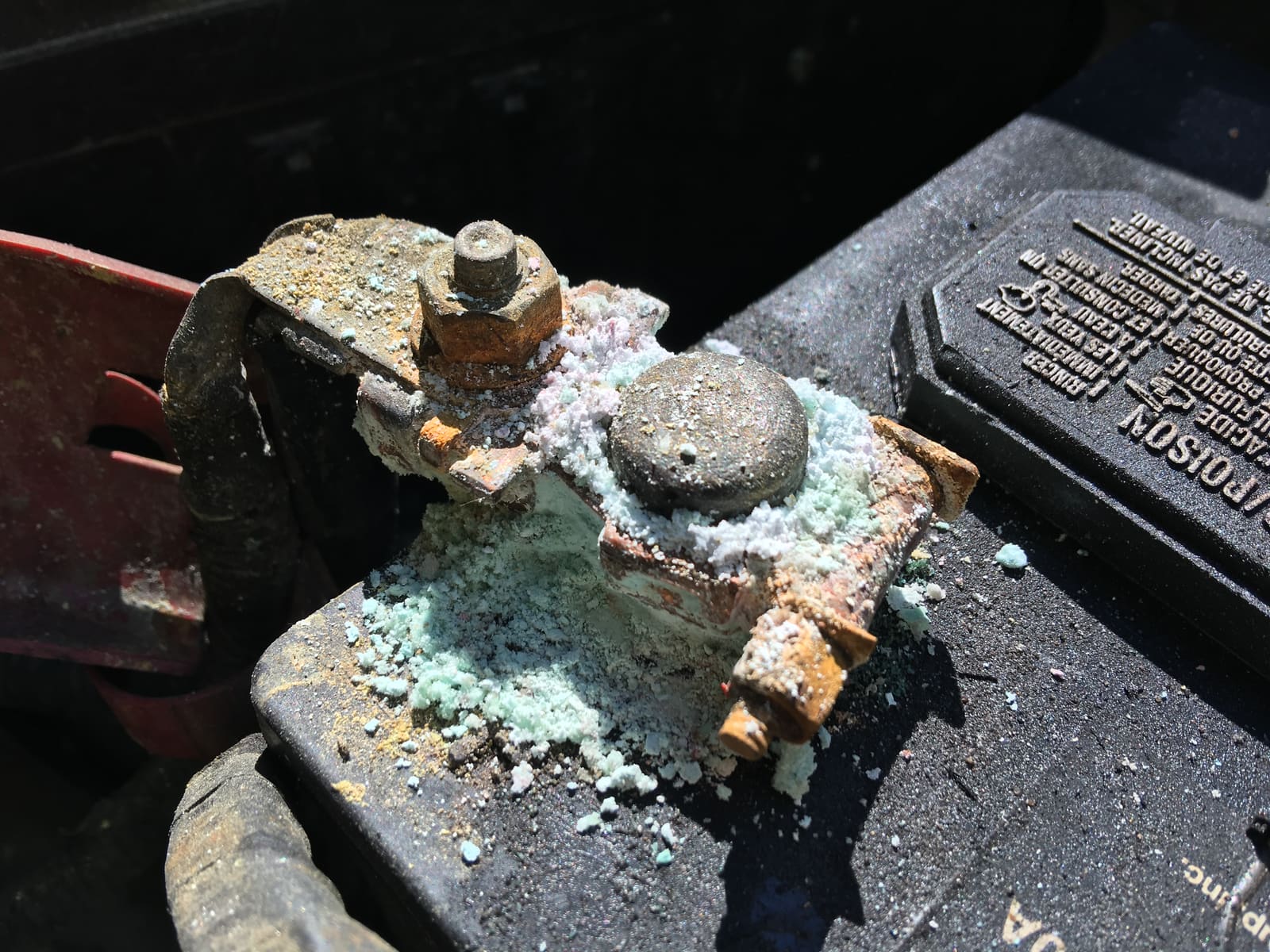
How to Find and Fix Corroded Electrical Connections on a Boat
Track down the green crust and loose terminals behind flickering lights, dead gauges and slow cranking with a simple voltage-drop test, then remake the connection the marine way: tinned wire, a proper crimp, adhesive-lined heat shrink and a protective coating.
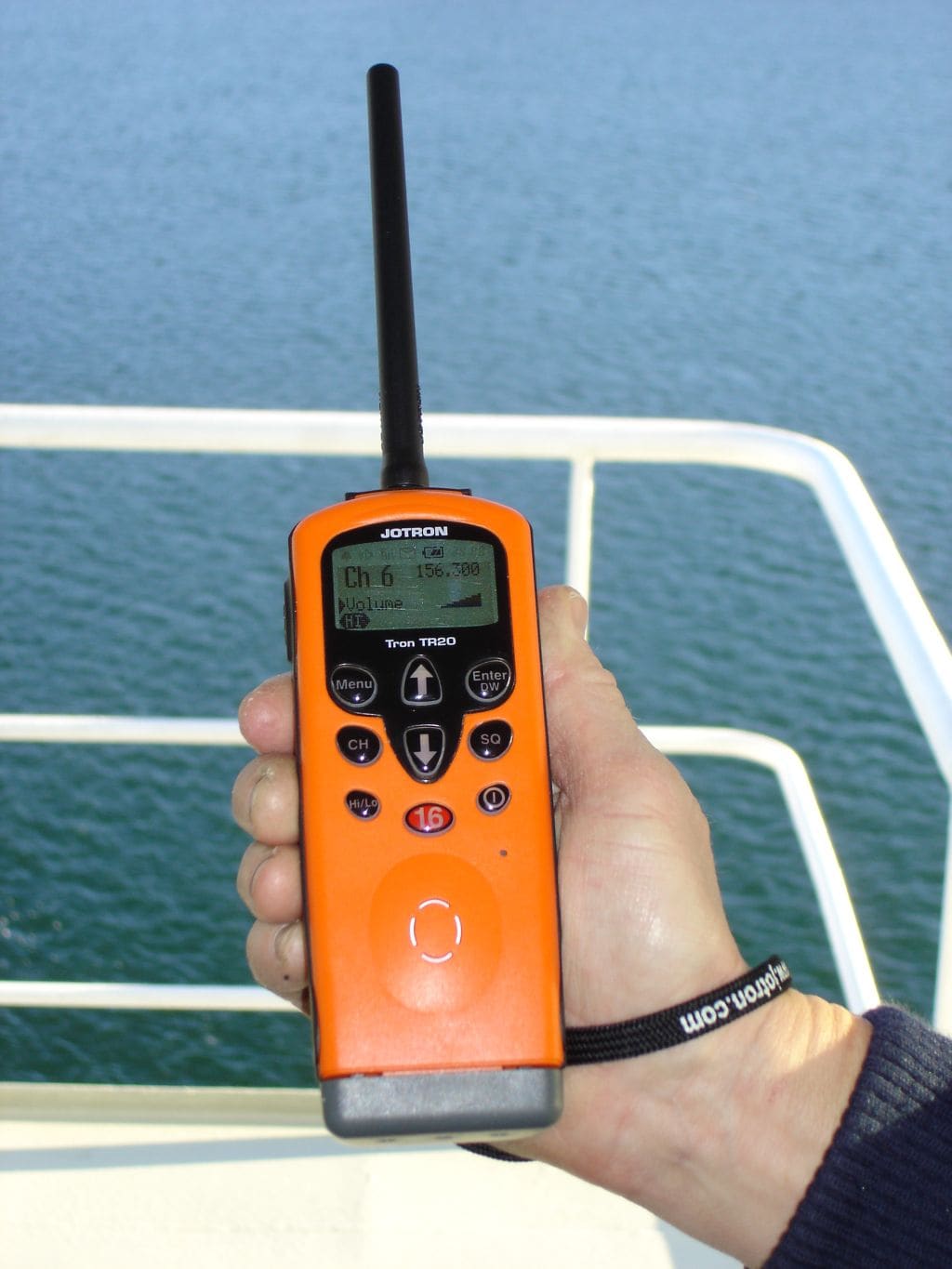
How to Find and Fix LED Lights That Interfere With Your VHF and AIS
Some LED bulbs and fixtures put out radio noise that quietly drowns weak VHF calls, DSC alerts and AIS targets. Run the Coast Guard's squelch test, track down the noisy light with a handheld radio, and fix it with distance, filtering or a quieter fixture.
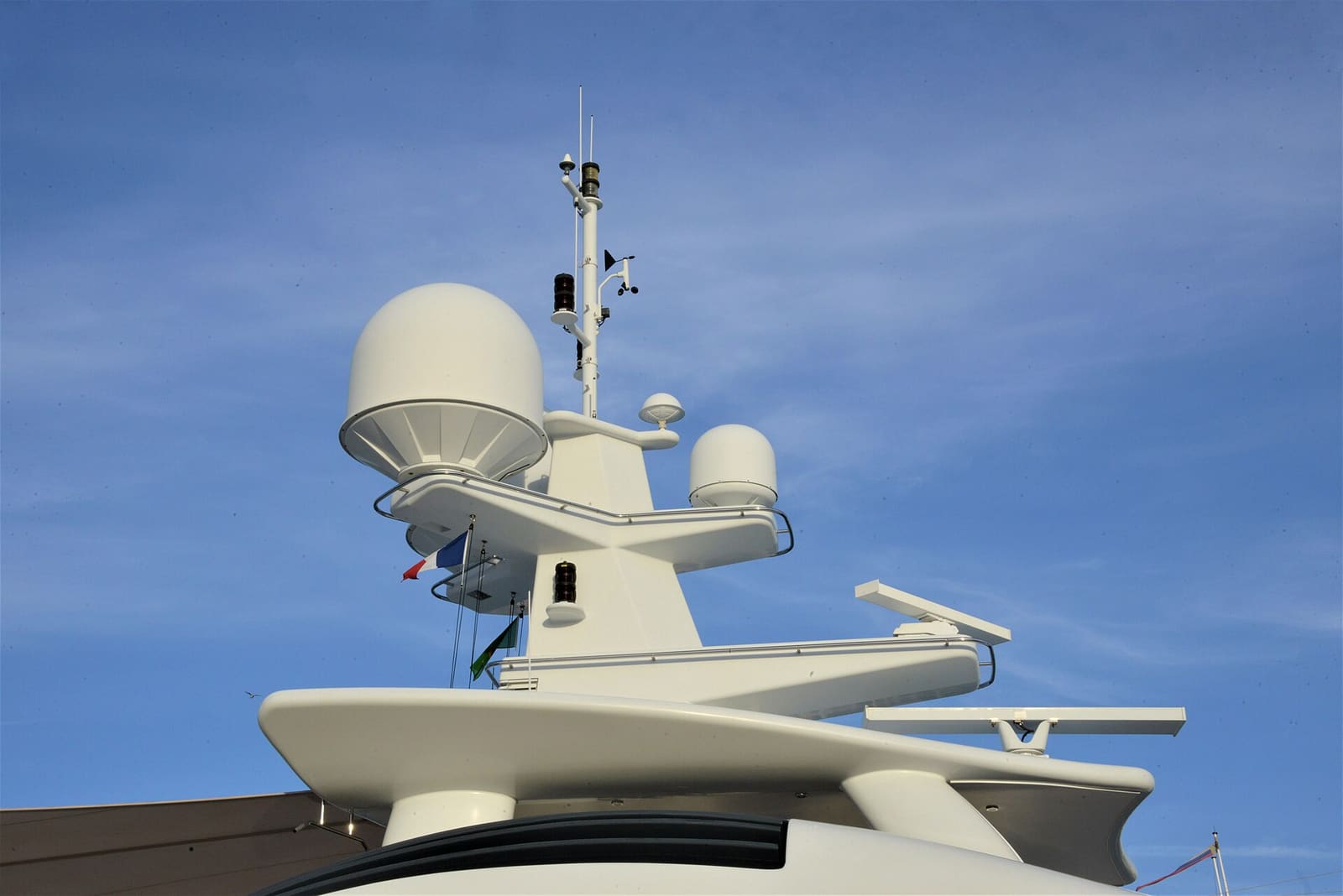
How to Install a Boat Radar Antenna (Radome or Open Array)
Plan and install a radar the right way: choose a mounting spot high enough and clear of obstructions, keep the beam above people's heads, give an open array room to spin, bolt it down with backing plates, route the cable without damaging it and seal every deck pass-through. Know when the job belongs to a certified installer.
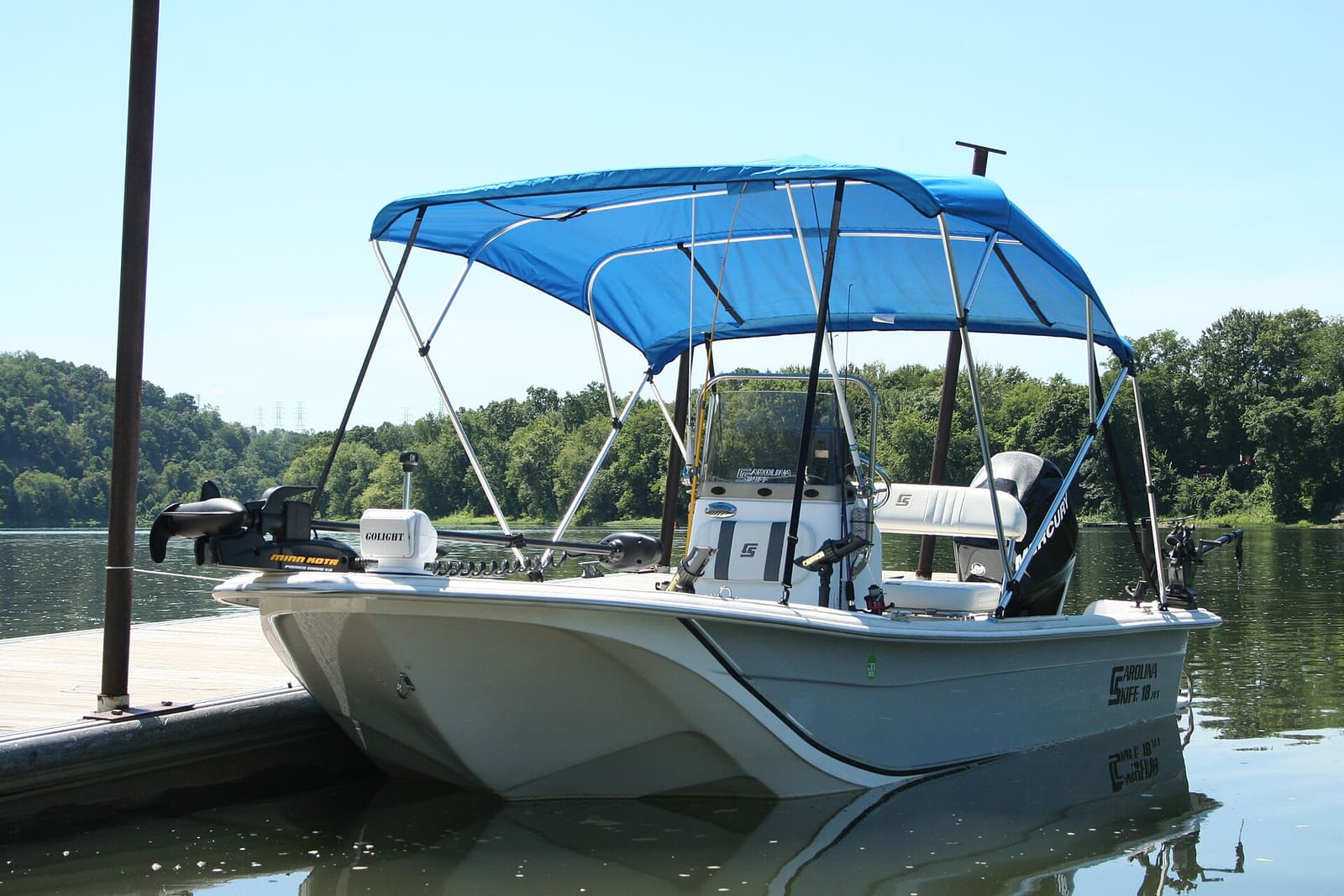
How to Install a Bow-Mount Trolling Motor
Mount a bow-mount trolling motor so it stows and deploys cleanly and stays put: pick the right shaft length and spot, check clearance in every position, through-bolt it with backing, consider a quick-release bracket, and wire it with the breaker, wire size, plug and voltage the motor maker specifies.
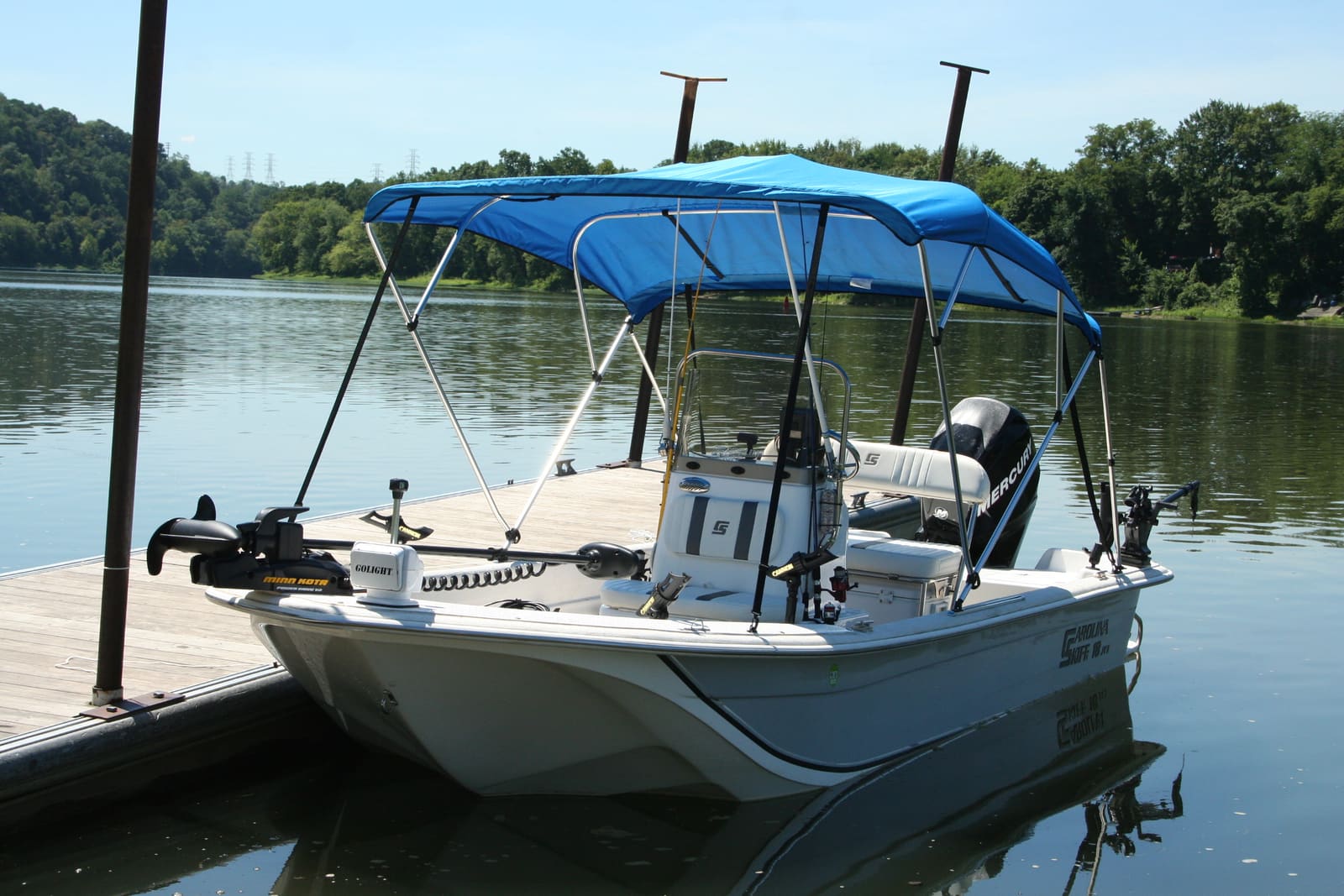
How to Install and Set Up Forward-Facing (Live) Sonar
Mount a live sonar transducer such as Garmin LiveScope, Lowrance ActiveTarget or Humminbird MEGA Live on your trolling motor or a pole, give it clean power, route the cable so it survives stow and deploy, and dial in the basic settings. Most "bad picture" and "dead transducer" problems trace back to one of these steps.
Safety: BoatMend is for information only and does not replace a certified marine technician. You are responsible for your safety and your boat. Read the full disclaimer.