Battery Goes Dead While the Boat Sits - How to Find a Parasitic Drain
If your boat battery is flat every time you come back, something may be quietly drawing power while you are away. Learn how to tell a bad battery from a drain, find the circuit with a multimeter and the fuse panel, and fix the usual culprits without disabling your bilge pump.
Time
1 h
Shop would charge
$100-300
Applies to
All engines
Safety first: Lead-acid batteries can give off explosive hydrogen gas, so no sparks, smoking or flames near the battery, and make the last connection away from it when you can. Never turn the key, run the starter, or switch on a windlass, trim or other big load while the multimeter is connected in line: the current will blow the meter's fuse or ruin the meter. Keep the automatic bilge pump working when the boat is in the water. If you find melted insulation, a hot wire or a burning smell, disconnect the battery and call a marine electrician.
Owners often ask
- My boat battery is dead every time I come back. How do I find what's draining it?
- Should the bilge pump still work when I turn the battery switch off?
This guide walks you through it. Still stuck? Ask the AI Mechanic about your engine.
Tools
- Digital multimeter with a 10A (or 20A) DC current range and a mA range
- Battery charger or maintainer
- Wrenches for the battery terminals
- Masking tape and a marker to label wires and fuses
- Flashlight
- DC clamp meter (optional; lets you measure without disconnecting anything)
Parts & supplies
- Replacement fuses of the correct ratings (only if one is damaged)
- Battery terminal protector or dielectric grease
Before you start
A "parasitic drain" is any current that flows when everything is supposedly off. Some is normal: stereo and radio memory, digital gauges, a GPS antenna or a tracker can draw a tiny amount all the time. The trouble starts when the total is big enough to flatten the battery between trips, or when something is left on that should not be.
There are two different problems that look the same:
- The battery cannot hold a charge. It is worn out or sulfated, and no drain is needed to kill it.
- The battery is fine, but something drains it. A new battery will die the same way.
On bigger boats that live on shore power, the charger hides a drain by topping the battery back up all the time. BoatTEST's marine technician points out that the first sign there is often a battery that dies years early, not a dead battery at the dock.
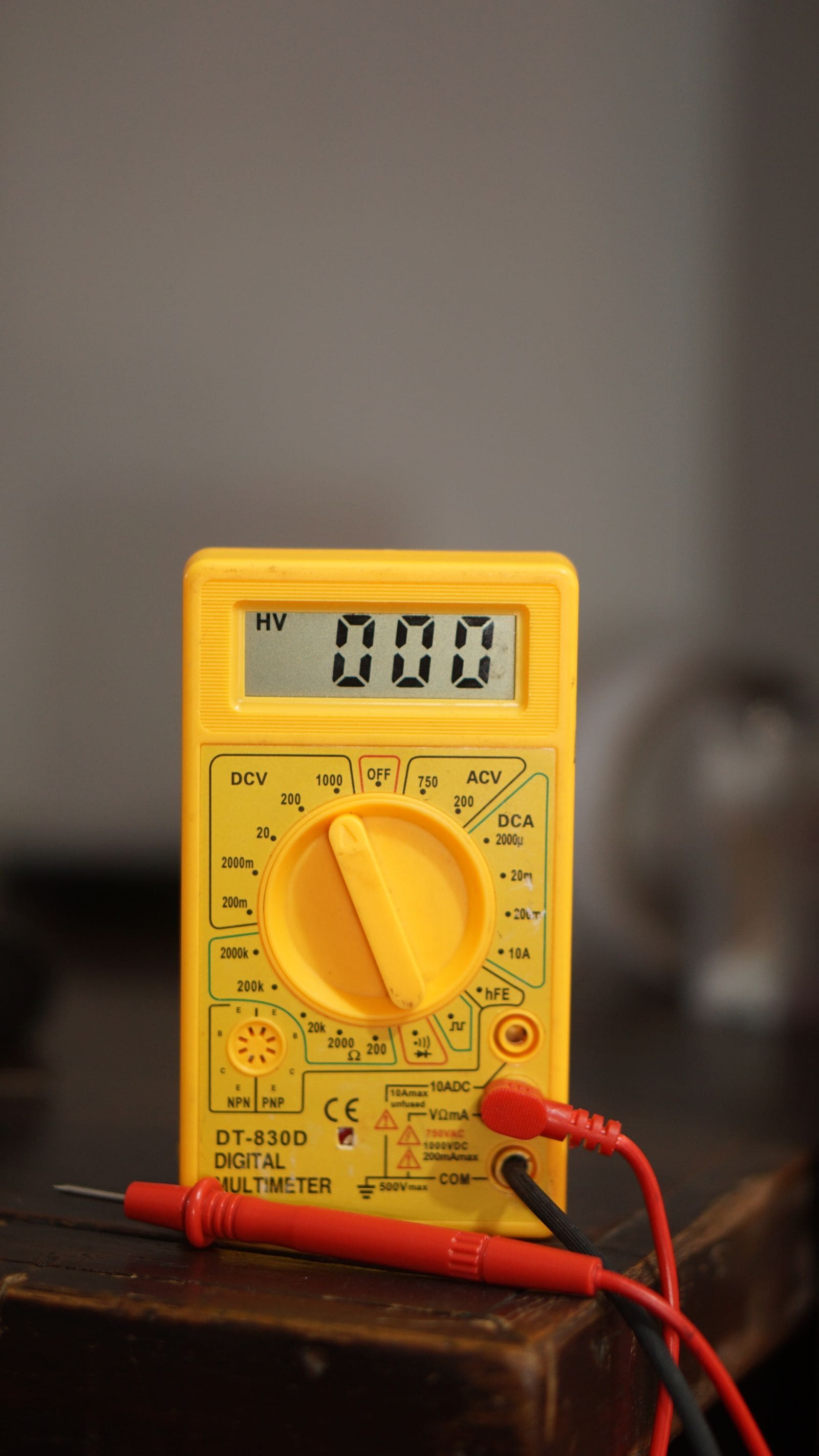
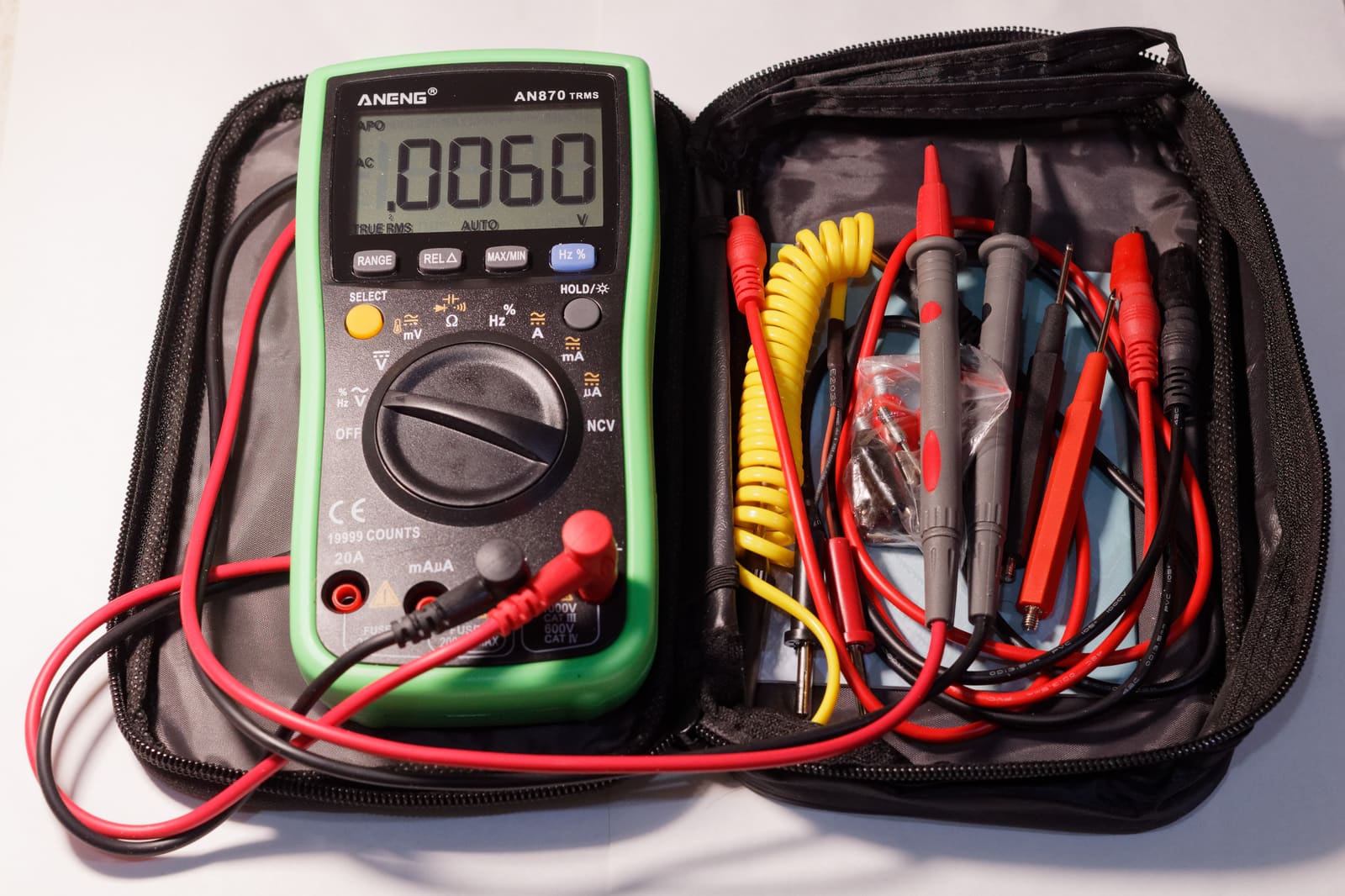
You need a multimeter that can read DC amps. Most have a high-current jack (10A or 20A) and a separate milliamp (mA) jack. Look up how your meter switches between them.
Steps
Fully charge the battery. Disconnect both cables, wait several hours, then measure across the posts: a healthy, fully charged 12-volt lead-acid battery reads about 12.6 volts at rest (see the marine battery guide for other types). Leave it disconnected for a day or two and measure again.
- If the voltage has dropped a lot with nothing connected, the battery itself is failing. Have it load tested.
- If it holds its voltage disconnected but goes flat when connected to the boat, you have a drain. Keep going.
Mercury notes that all batteries slowly lose charge on their own in storage, so a battery that sat all winter on its own can still need charging in spring. That is normal self-discharge, not a drain.
Before you get the meter out, walk through the boat:
- Key switch left on, or a key-on accessory still powered
- Stereo, fish finder or chartplotter wired straight to the battery and left on
- Cabin, courtesy, cockpit or anchor lights left on
- Water in the bilge. BoatTEST lists a float-switch bilge pump cycling through days of rain (or a slow leak) as a classic way to drain a trailer boat's single battery.
If the bilge pump is running often, the drain is a symptom. Find out where the water is coming from (rain, a deck drain, a leak) before you do anything else.
Turn off the key and every switch. Turn off the battery charger and unplug shore power, as BoatTEST's test procedure says. Close the hatches if they turn on lights. Leave the battery switch in its normal "on" position for now so you measure everything, including circuits that go through it.
Give the electronics a few minutes. Some modern displays and engine modules stay awake for a short time after shutdown and then drop to a lower standby draw.
Plug the red lead into the high-current jack (10A or 20A) and the black lead into COM, and set the dial to DC amps. Always start on the high-current jack: if the draw is bigger than you expect, the low mA jack will blow its fuse instantly. Move to the mA jack only once you know the reading is small.
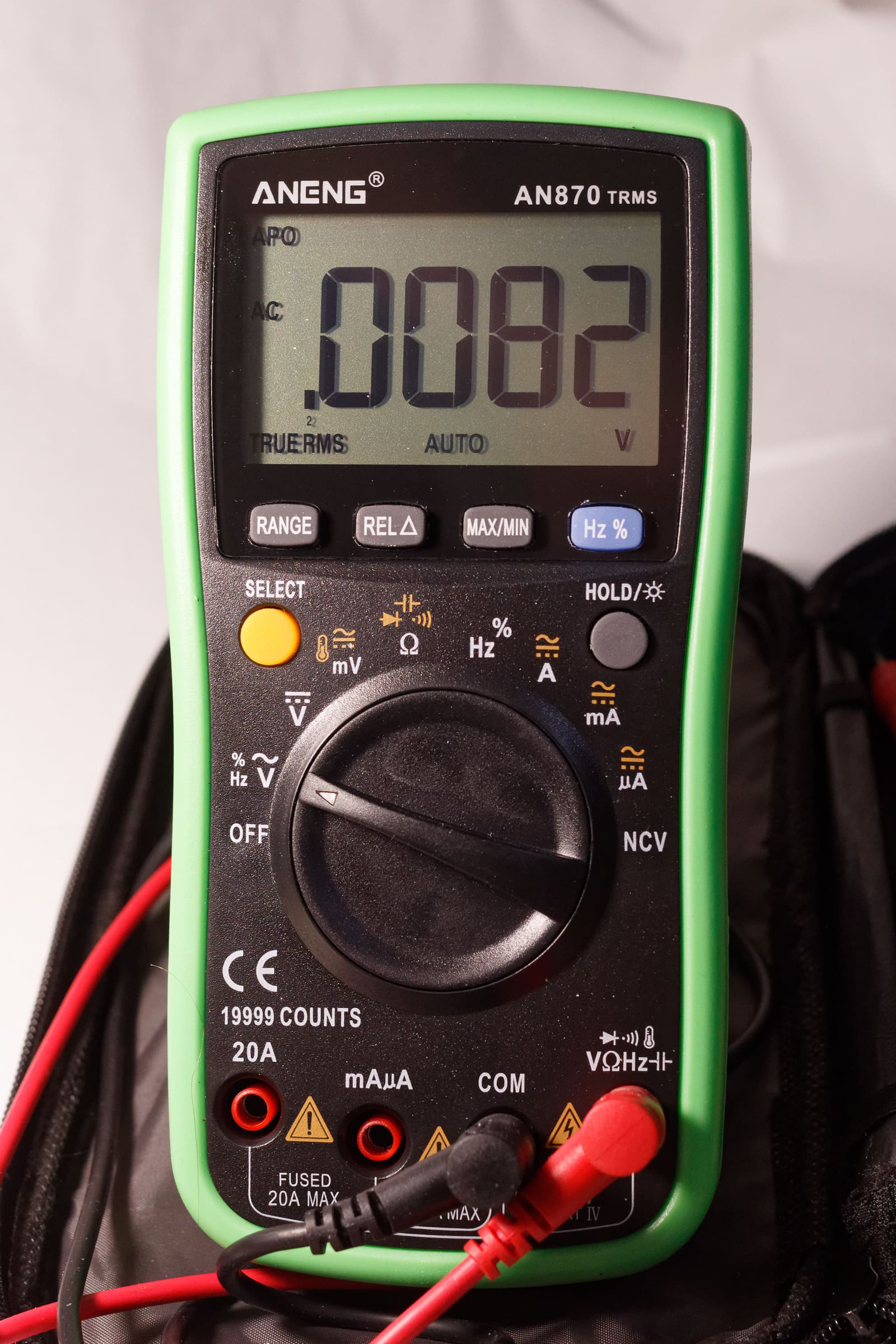
Current is measured through the 20A (or 10A) or mA jack, not the volts jack. Start on the high-current jack. Photo: Retired electrician / Wikimedia Commons · CC0 1.0 Disconnect the battery's negative cable. Touch (or clip) one meter lead to the negative battery post and the other to the cable you just removed. All the current the boat is drawing now flows through the meter.
- About zero: no drain right now. If the battery still dies, check the battery again, or the drain is intermittent (a cycling bilge pump, for example).
- A few thousandths of an amp (a few mA): typical memory and standby loads.
- Tens of mA or more: enough to matter over a few weeks.
- Hundreds of mA or amps: something is switched on or faulty.
To see what it means, divide the battery's amp-hour rating by the draw in amps. For example, a 100 amp-hour battery with a 0.05 amp draw would take about 2,000 hours (around 80 days) to go completely flat, and it will struggle to start an engine long before that. If you have a DC clamp meter, you can clamp it around the negative cable instead and skip disconnecting anything.
With the meter still connected, turn the battery switch off. If the draw drops to near zero, the drain is on the boat's switched side (fuse panel, helm, engine). If it stays, the drain is on something wired straight to the battery, which bypasses the switch. Wired-direct items usually include the automatic bilge pump circuit and sometimes the stereo memory, an alarm, a tracker or a charging relay.
Watch the meter while you pull one fuse or open one breaker at a time, then put it back before trying the next. When the reading drops, you have found the circuit. Label it with tape. Keep going in case there is more than one drain.
Check the engine's own fuses too, including any in the engine harness and the key switch circuit.
Some loads are wired straight to the battery terminals with their own inline fuse, so they never show up at the fuse panel. BoatTEST's method: with the meter in line, take the wires off the positive post and test them one at a time between the post and each wire. A wire that shows current leads to your drain. If it goes to a bus bar or junction, keep working downstream the same way until you reach the device.
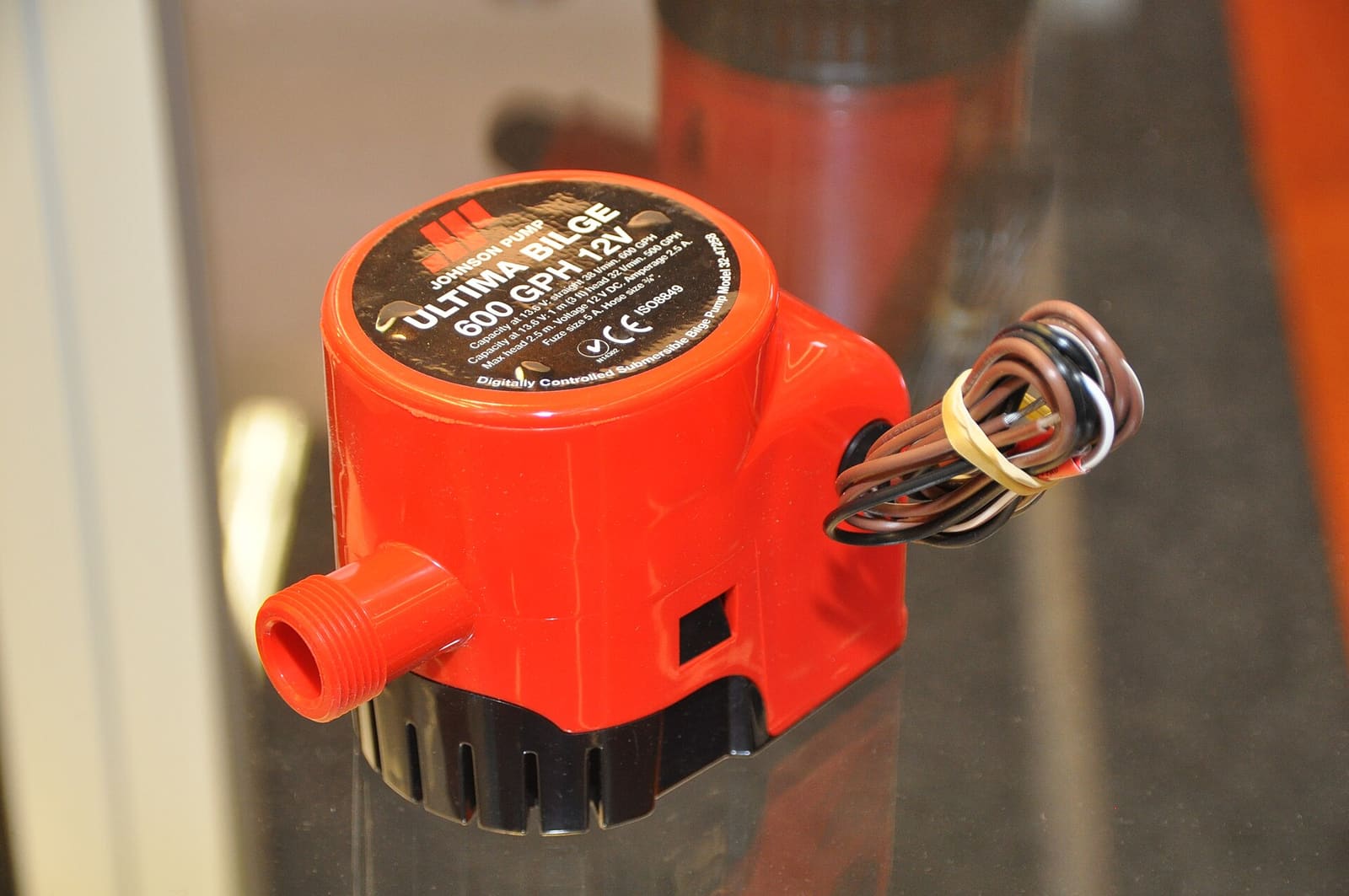
- Bilge pump float switch stuck on, or cycling because water keeps coming in
- Stereo or amplifier wired to stay on, or an amp whose remote turn-on wire is connected to constant power
- Fish finder, GPS or chartplotter wired straight to the battery
- Digital gauges, GPS antennas and "smart" modules that need constant low power (BoatTEST mentions these on newer boats)
- Security alarm, tracker or Wi-Fi gateway
- Battery charging relays (automatic charging relays or battery combiners) and some battery chargers with shore power unplugged
- LED switch backlighting on some panels
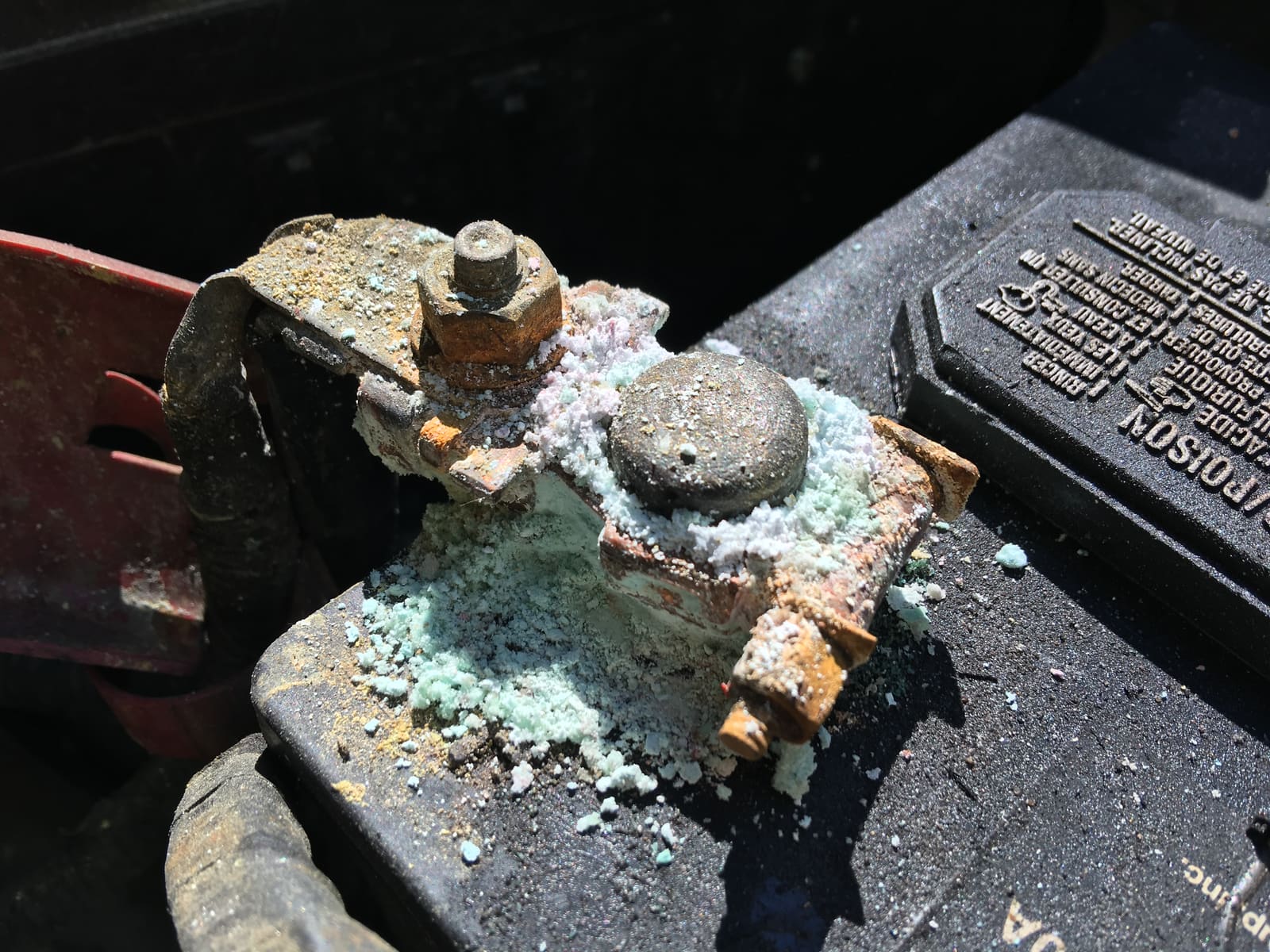
- Corroded or wet wiring that leaks current across dirty terminals
- An engine charging fault, such as a failed rectifier or regulator, that lets current leak back when the engine is off
- Rewire accessories that should be off through a switch or the key, using a properly fused circuit.
- Repair a stuck or failing bilge float switch, and stop the water coming in.
- Clean corroded terminals and connectors (see the electrical corrosion guide).
- A small, known draw for memory or a tracker is fine if you charge the battery regularly or use a maintainer.
- Leave anything involving the engine's charging system, the main wiring harness, or shore power wiring to a marine electrician.
Turn the battery switch off when you leave the boat. On a properly wired boat, the automatic bilge pump is wired directly to the battery through its own fuse so it keeps working with the switch off. Check that yours is: with the switch off, lift the float and make sure the pump runs. Never disconnect the bilge pump to stop a drain on a boat that stays in the water.
Mercury's offseason advice: fully charge every battery before storage, then either disconnect the terminals so nothing can draw them down, or keep them on a battery maintainer or the onboard charger if power is available. Mercury also suggests a maintenance charger between trips for boats used only now and then. A battery left fully discharged for a long time sulfates and needs replacing. Yamaha adds a few storage habits: have the batteries load tested before you put them away so you know they'll be up to the job in spring, check the charge about once a month, and if the boat sits outside through a cold winter, bring the batteries indoors to a cool, dry place so a low battery can't freeze.
Repeat the measurement in step 5. Write down the normal standby draw for your boat, so next time you can tell at a glance if something new is draining it.
Common mistakes
- Buying a new battery without testing for a drain. The new one dies the same way.
- Starting with the meter on the mA jack and blowing its fuse on the first reading.
- Turning the key or starting the engine with the meter connected in line.
- Disconnecting the automatic bilge pump to "save the battery" on a boat that lives in the water.
- Reading the draw in the first seconds after turning things off, before the electronics go to sleep.
- Forgetting the wires bolted directly to the battery posts, which never go through the fuse panel.
- Ignoring a bilge pump that runs a lot. The real problem may be water coming in.
When to call a pro
- A wire, fuse holder or terminal that is hot, melted or smells burnt
- A drain you cannot trace to a fuse, breaker or battery-post wire
- A drain that disappears when you unplug the engine harness (possible charging system fault)
- Shore power, inverter or battery charger wiring
- Water coming into the boat fast enough to keep the bilge pump busy: find and stop the leak, and if the boat is at risk call TowBoatUS or Sea Tow (VHF 16 or 911 in an emergency)
Tips
- Tape a note inside the battery box with your boat's normal standby draw and the date you measured it.
- A bilge pump counter or cycle monitor shows how often the pump runs while you are away.
- Yamaha suggests cleaning and protecting battery connections as part of routine electrical care; a corroded terminal can look like a weak battery. Yamaha also says battery cables should be held with hex nuts and lock washers, not wing nuts, and that a terminal can be corroded underneath while looking clean, so take it apart to check.
- If you add an accessory, measure the standby draw before and after installing it. BoatTEST recommends an amp-draw test whenever equipment is added or changed.
Official references
We read these to write this guide. Your engine's own manual always wins.
Safety: BoatMend is for information only and does not replace a certified marine technician. You are responsible for your safety and your boat. Read the full disclaimer.
Last updated 2026-10-24
Related guides
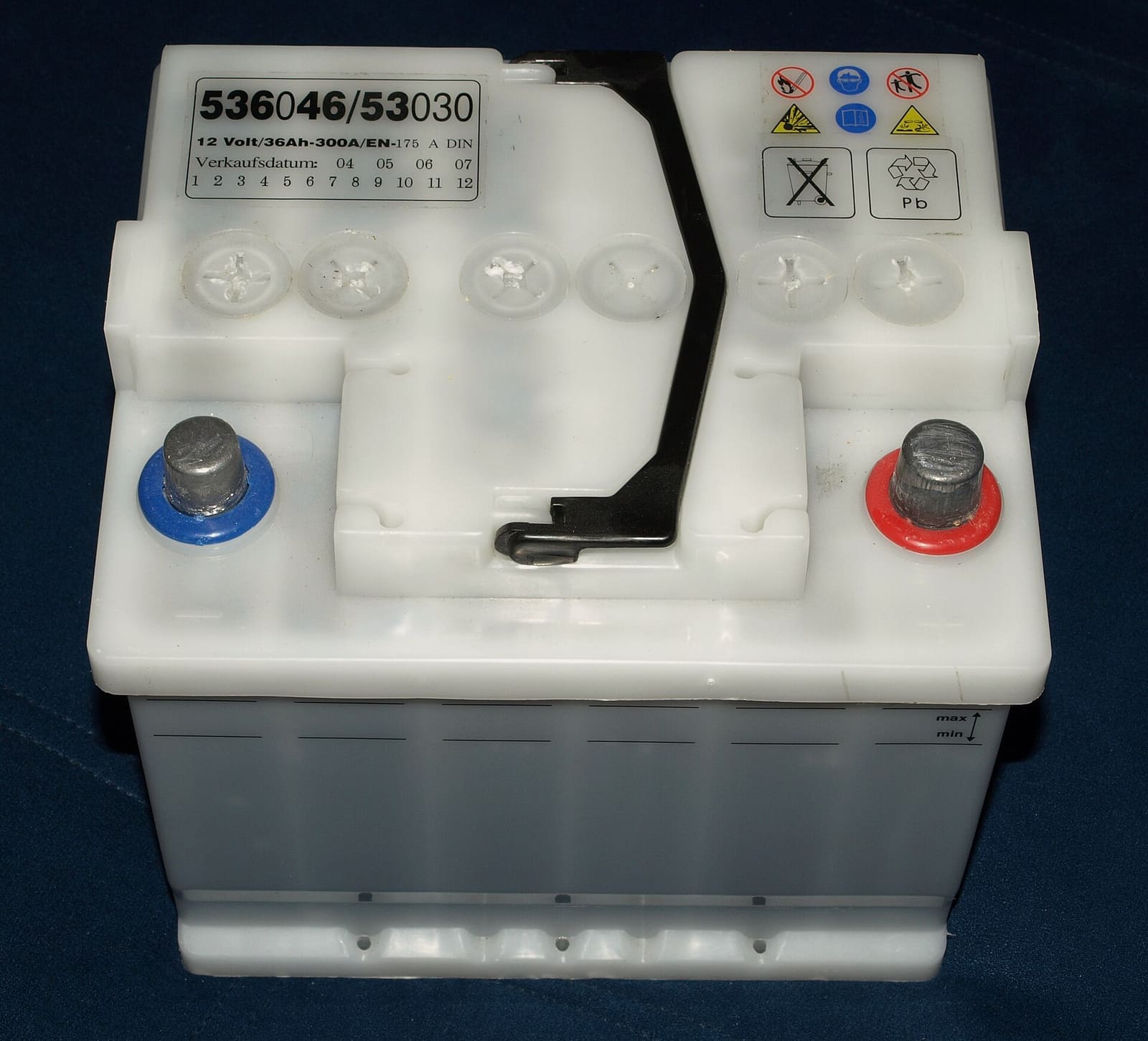
Marine Battery Care: Test, Charge and Store for Winter
Check your boat battery's health, charge it the right way for its type (flooded, AGM or lithium), and store it so it is ready in spring. Most "boat won't start" calls start with a neglected battery.
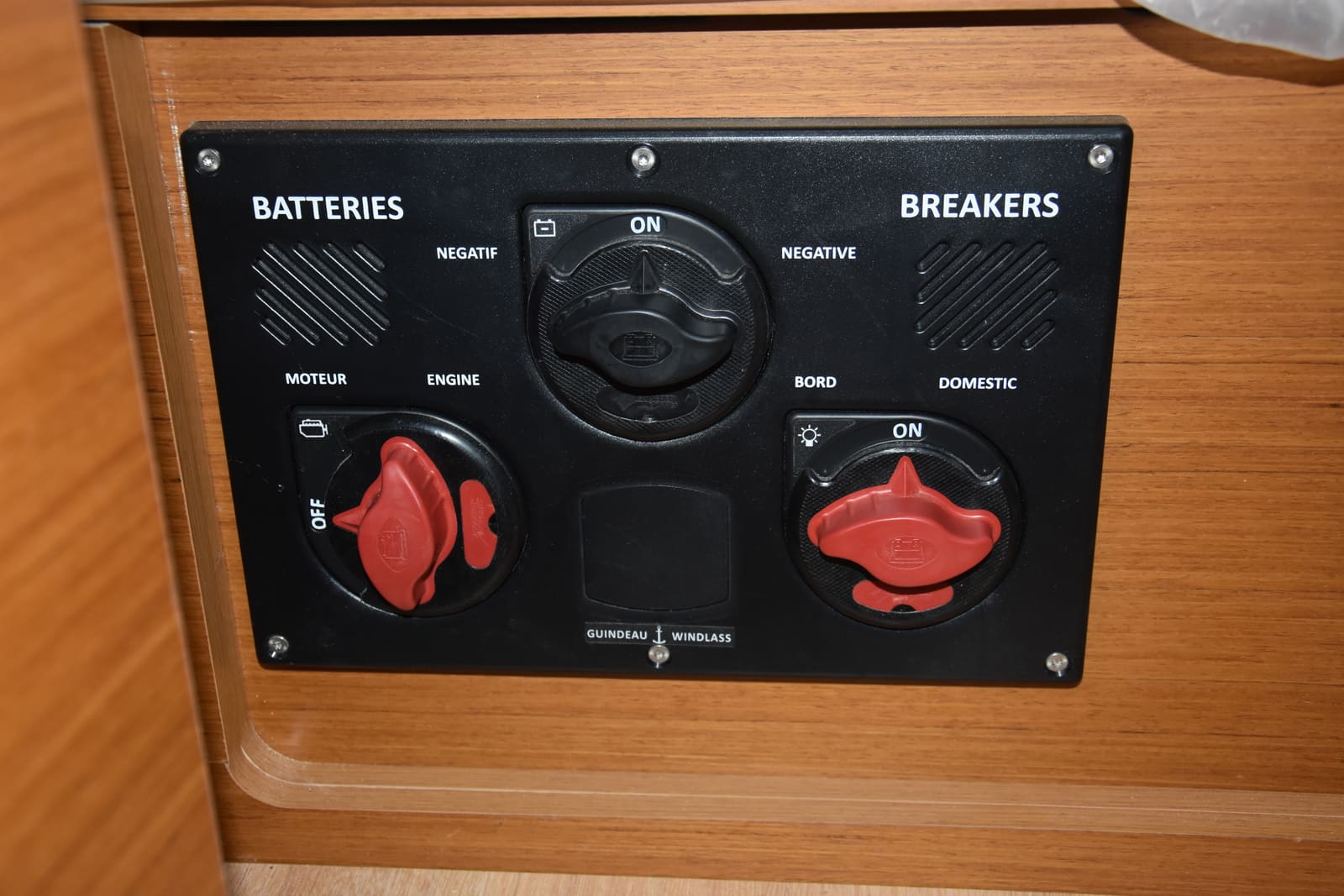
How to Use a 1-2-Both Battery Switch and Run Two Batteries
Learn what the 1, 2, Both and Off positions really do, a simple routine that keeps one battery ready to start the engine, how to check that both batteries are charging, and when an automatic charging relay makes life easier. Rewiring high-current cables is a job for a marine electrician.
Is My Engine Charging the Battery? Test the Charging System With a Multimeter
A step-by-step way to find out whether your outboard's stator and rectifier/regulator or your inboard's alternator is really charging the battery, what the voltage readings usually mean, and when the problem is just a dirty connection. Exact test specs come from your engine's service manual.
How to Choose, Install and Maintain an Onboard Battery Charger
Pick the right marine charger for your batteries (how many banks, how many amps, flooded, AGM or lithium), mount and fuse it safely, set the charge profile, and use it to keep batteries healthy all season and through the winter. The AC (shore power) side is a job for a marine electrician.
How to Test and Clean Your Bilge Pump and Float Switch
Make sure your bilge pump actually moves water overboard, both on the manual switch and automatically through the float switch. A working bilge pump is one of the most important safety systems on any boat that stays in the water.
How to Find and Fix Corroded Electrical Connections on a Boat
Track down the green crust and loose terminals behind flickering lights, dead gauges and slow cranking with a simple voltage-drop test, then remake the connection the marine way: tinned wire, a proper crimp, adhesive-lined heat shrink and a protective coating.
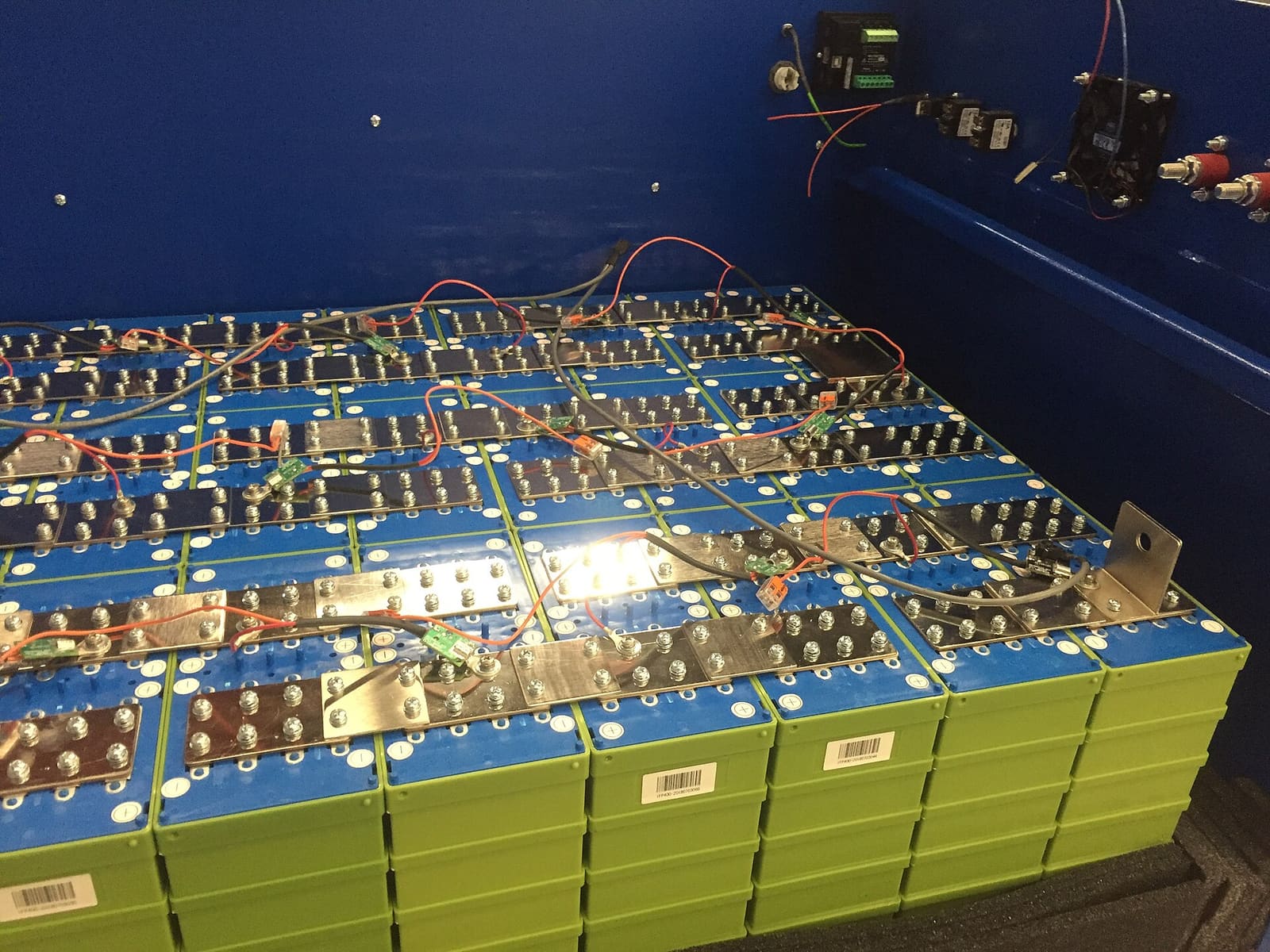
Switching to Lithium (LiFePO4) Boat Batteries: What Changes and When It's Worth It
What really changes when you swap lead-acid for lithium iron phosphate (LiFePO4) batteries on a boat: the battery management system, charger settings, protecting the alternator with a DC-DC charger, not mixing chemistries, cold-weather charging, and which jobs (trolling, house, starting) suit lithium. House-bank conversions should be designed and installed by a qualified marine electrician.
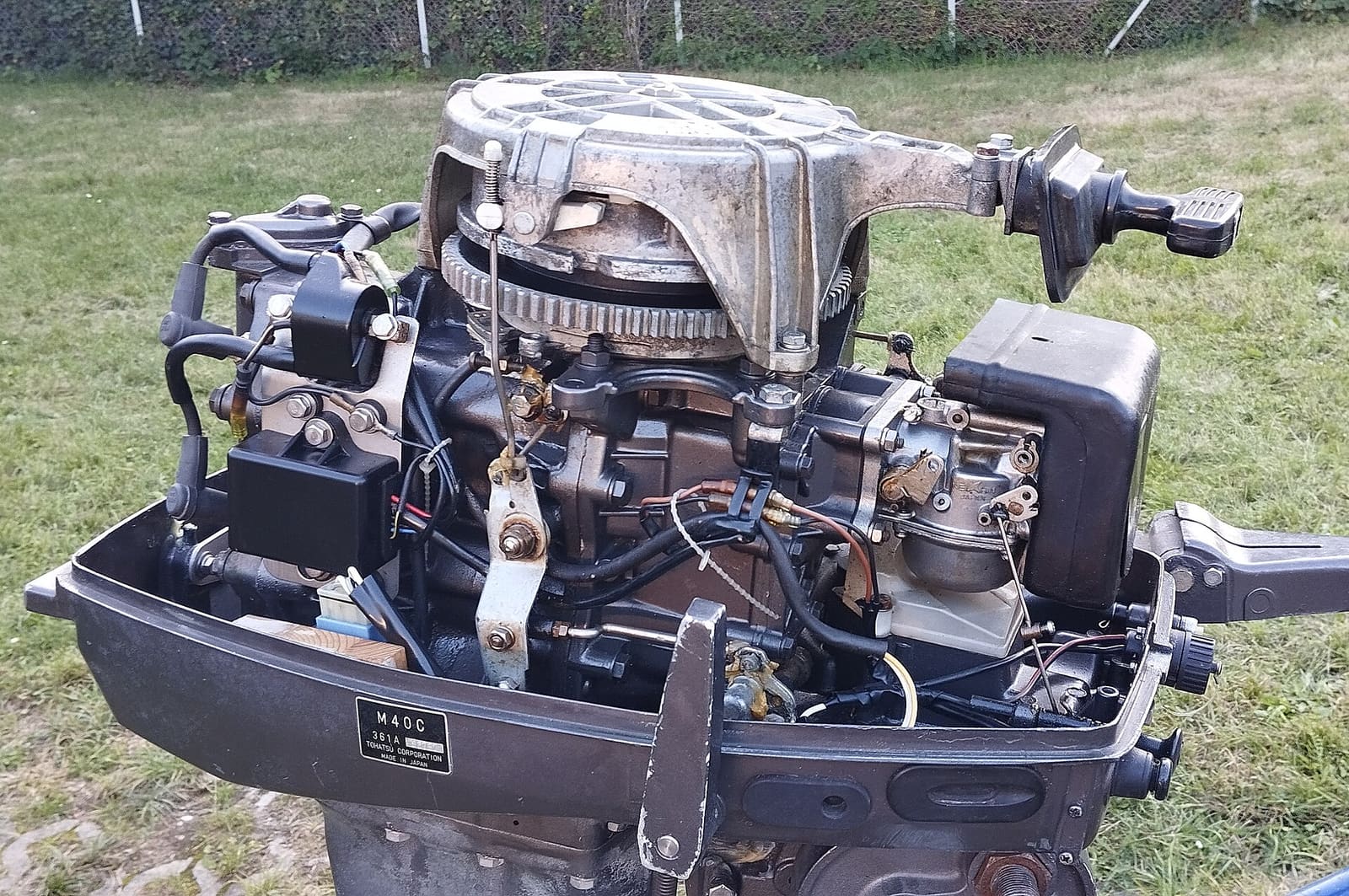
Engine Won't Start or Won't Crank - Troubleshooting Guide
Find out why your boat engine will not turn over or will not fire, starting with the simple things owners miss most, like the kill switch lanyard and battery switch. Many no-starts are fixed at the ramp in minutes without a tow.