Repair & maintenance guides
Plain-English, step by step, written for owners. Pick your engine to see the guides that apply to it.
431 of 509 guides · page 14 of 18
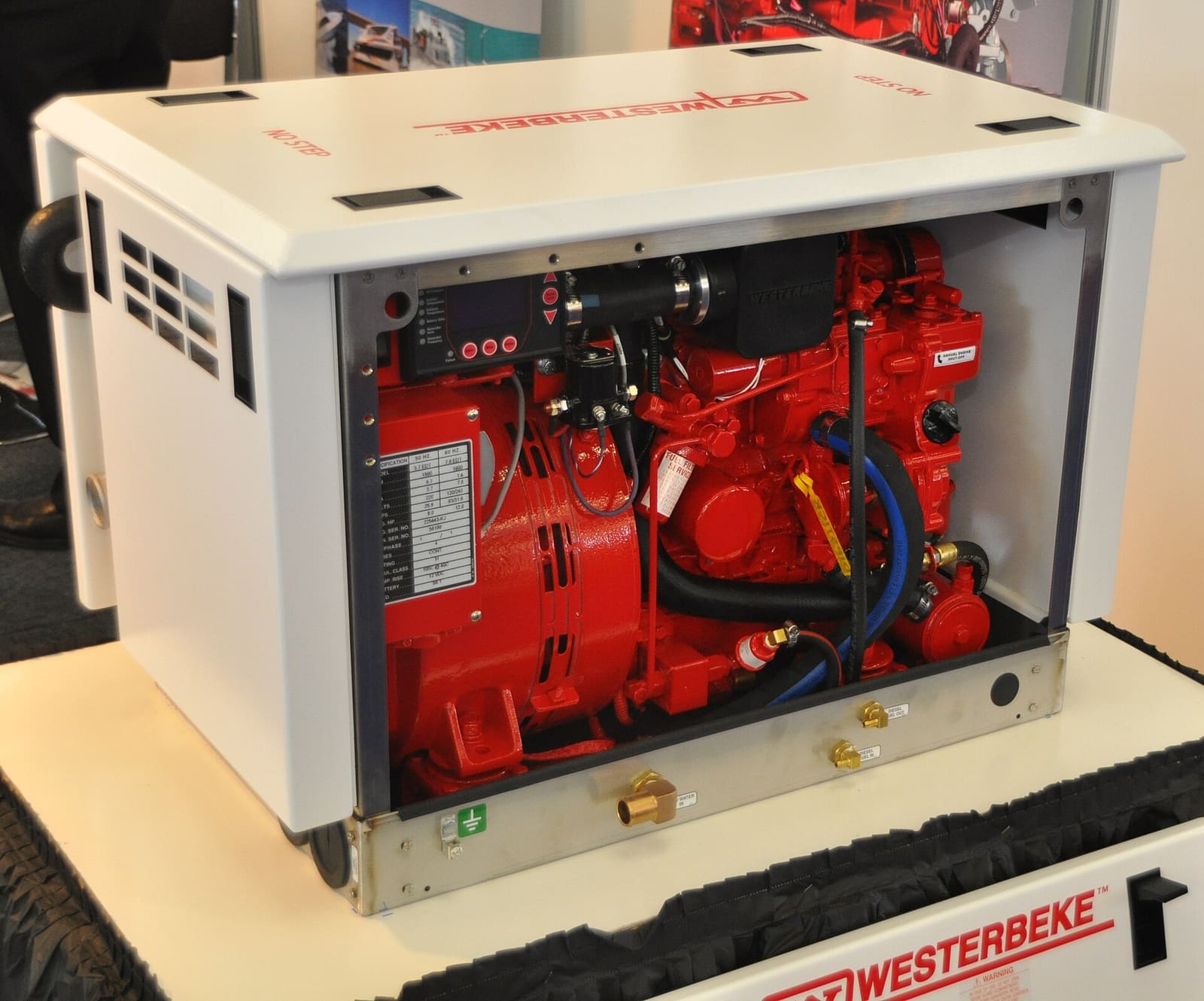
Marine Generator Won't Start or Keeps Shutting Down
A step-by-step troubleshooting guide for a boat generator (genset) that won't crank, cranks but won't start, starts and then dies, or runs without making power. Work from switches, battery and fuel to the safety shutdowns for low oil, high temperature and lost raw-water flow, without flooding the engine or risking carbon monoxide.
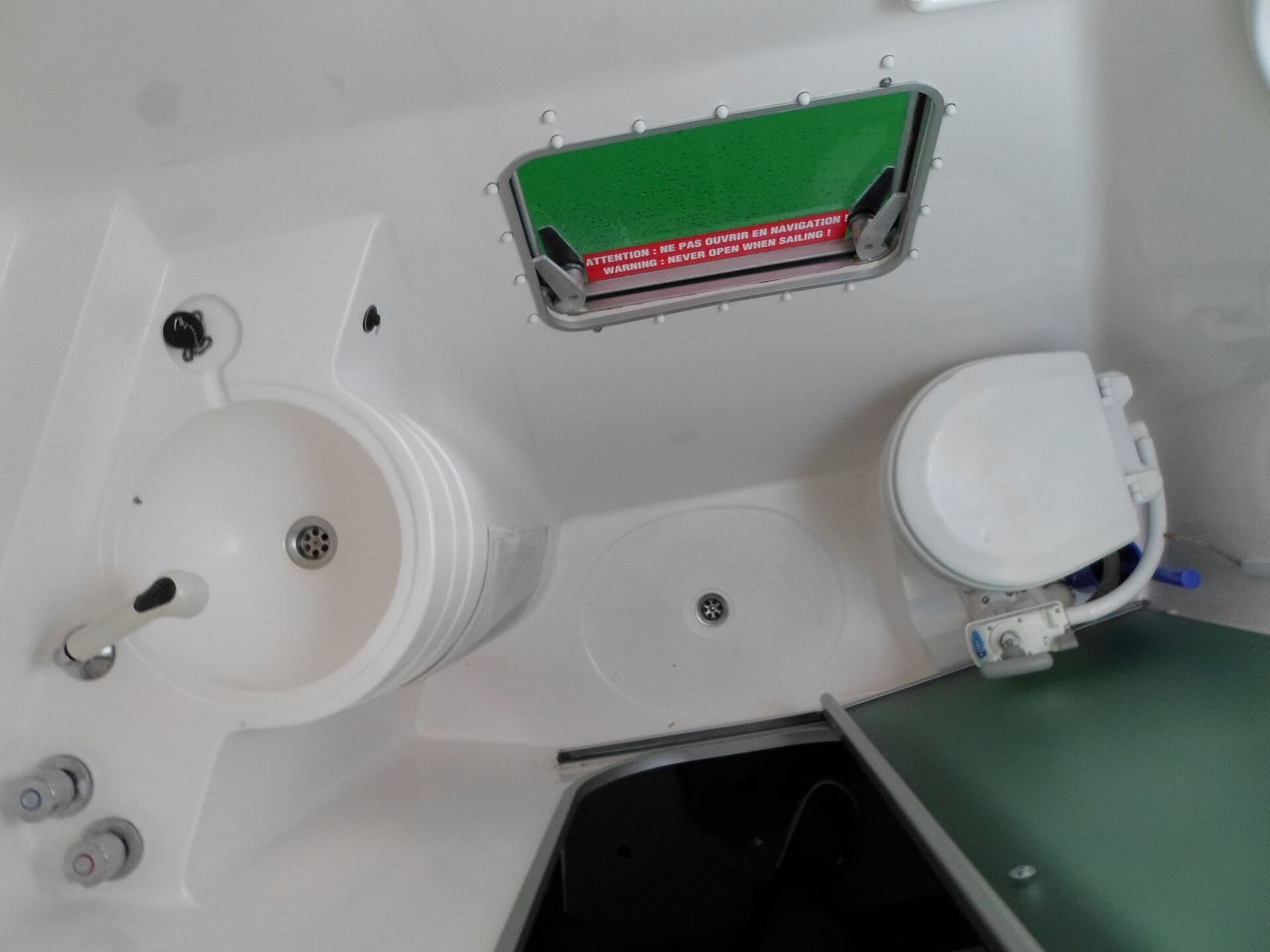
Marine Head and Holding Tank Care: Odors, Clogs, Pump-Outs and Winterizing
Keep your boat's toilet and holding tank working and odor-free, clear common clogs, pump out the right way, and winterize the system. Also covers the Y-valve and the federal no-discharge rules every owner with a head needs to follow.
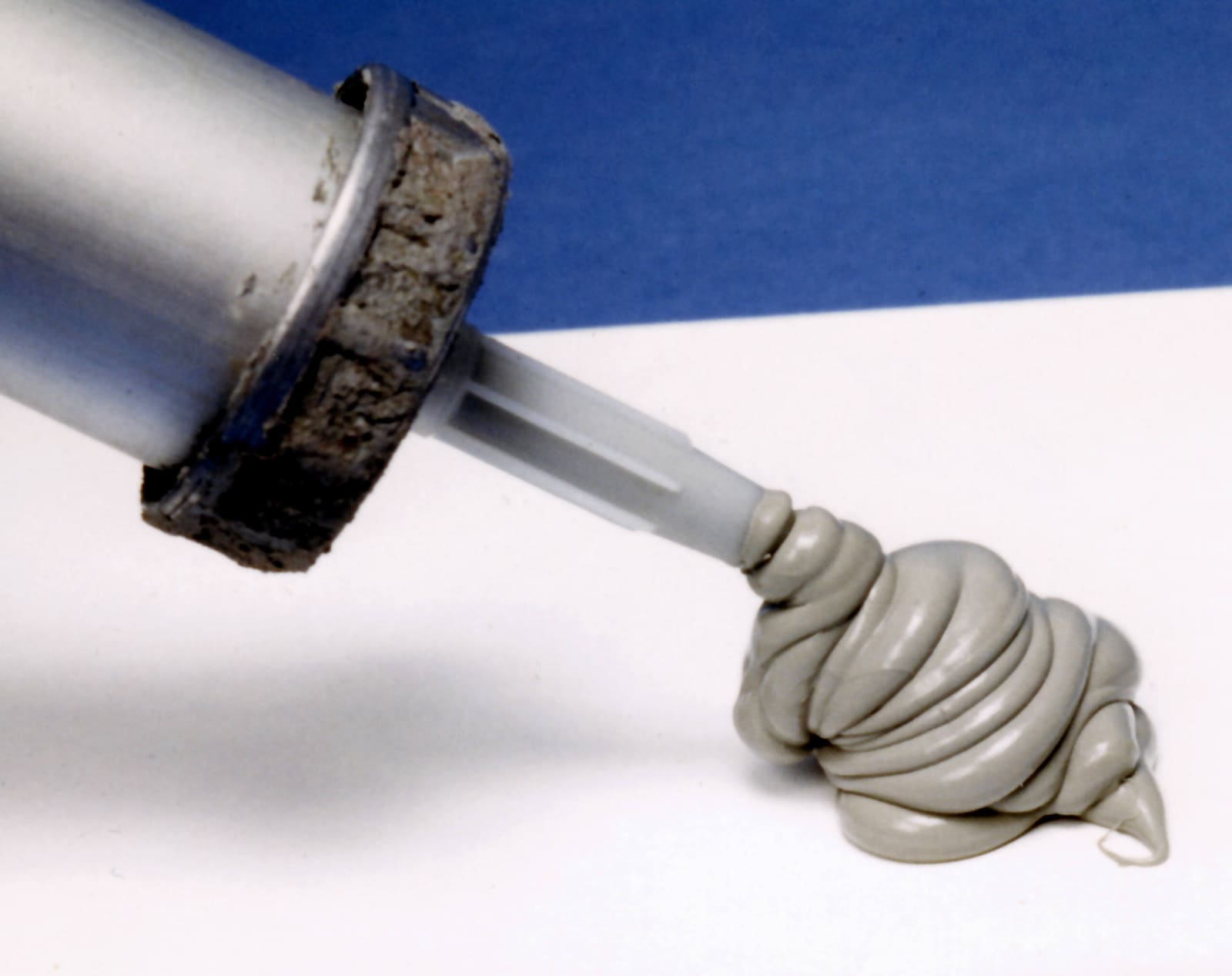
Marine Sealants Explained: 5200, 4200, 4000UV, Polysulfide, Silicone and Butyl Tape
Pick the right sealant before you bed a cleat, a through-hull, a window or a transducer. The wrong goo either leaks in a year or glues a part on so hard you damage the boat getting it off.
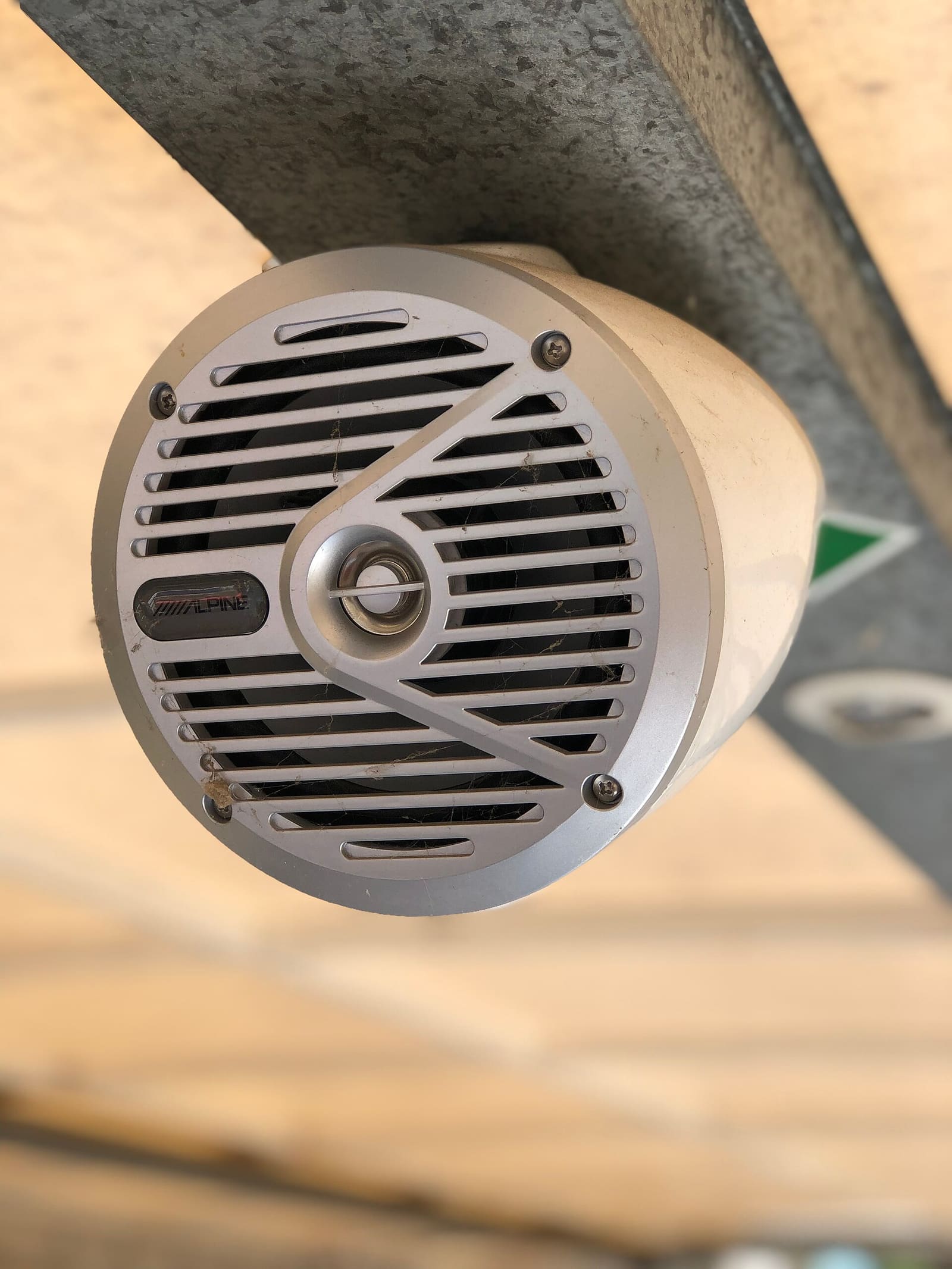
Marine Stereo Troubleshooting: No Power, Lost Settings, No Sound or Bluetooth Trouble
Track down a boat stereo that won't turn on, forgets its presets, resets when the engine cranks, plays no sound or won't keep a Bluetooth connection. Work from the free checks (switches, resets, fuses) to voltage tests, speaker wiring, water damage and software updates before you buy a new unit.
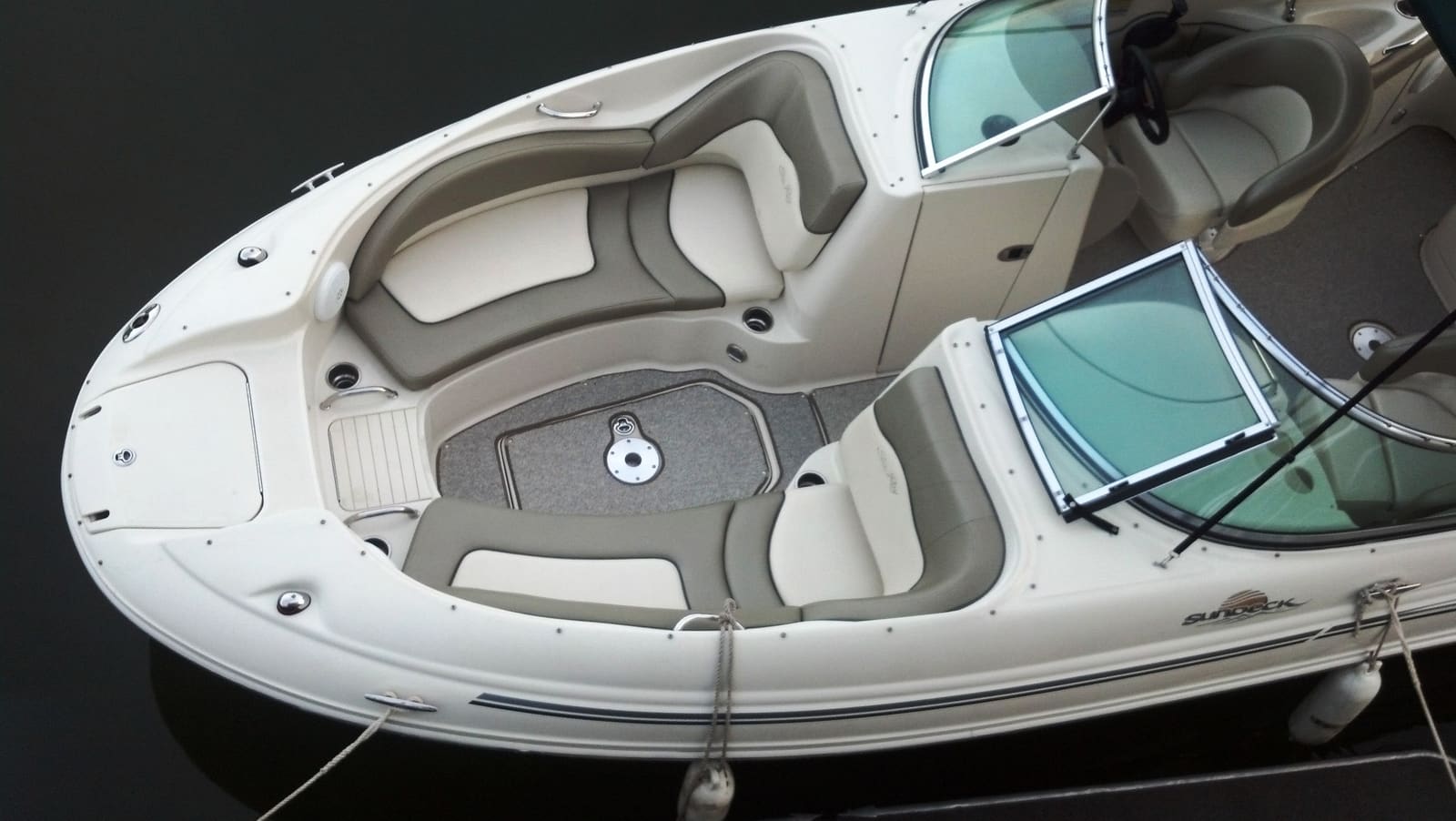
Marine Vinyl Stain Removal: Ink, Sunscreen, Grease, Mildew and Pink Stain
A stain-by-stain plan for boat seat vinyl that follows your vinyl maker's own cleaning list, starts with the mildest method, and keeps you away from the products that strip the protective top coat, rot the stitching or crack the vinyl.
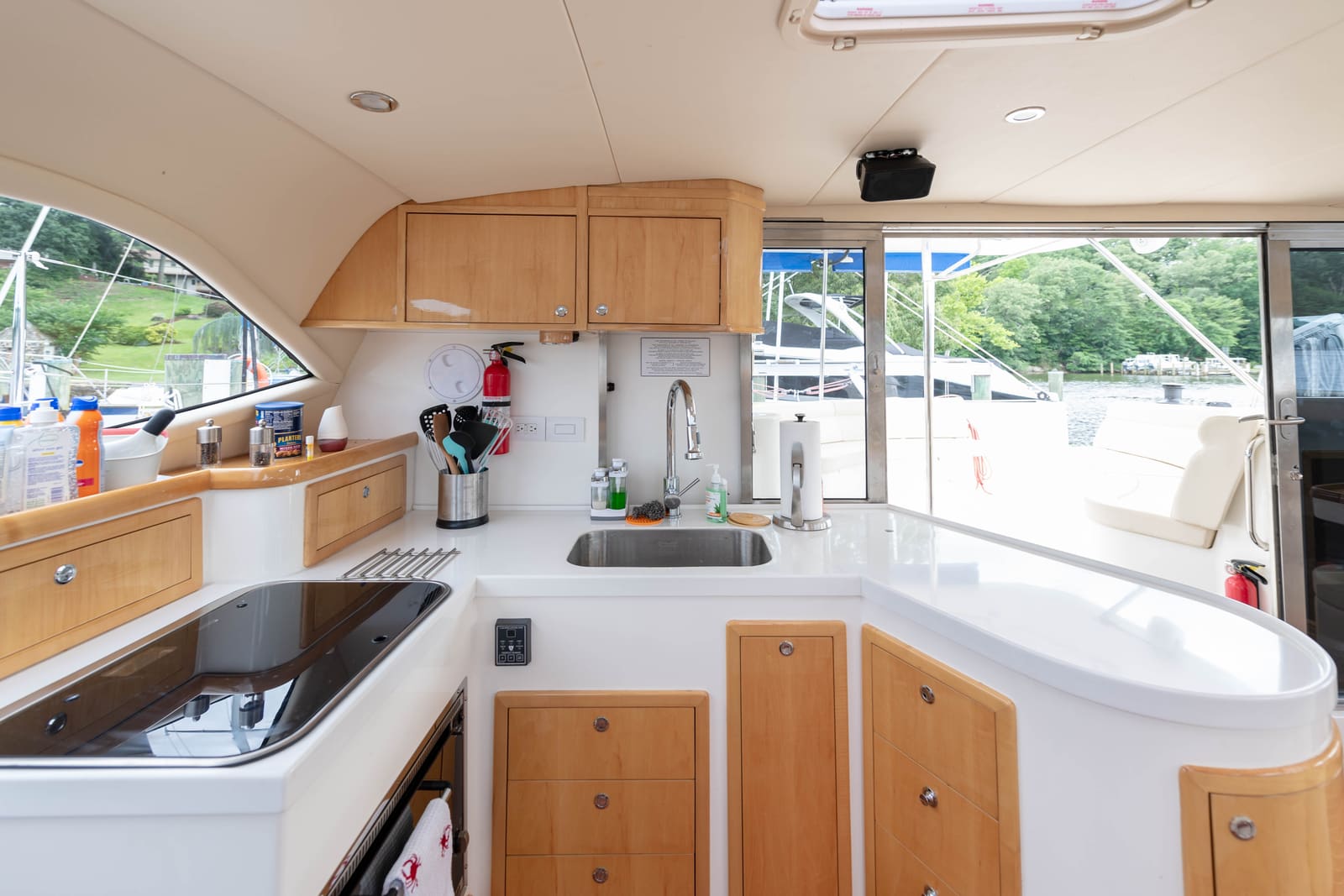
Marine Water Heater Care: No Hot Water, Relief Valve, Anode and Winter Draining
Most boat water heaters warm up two ways: a 120-volt electric element at the dock and a coil that borrows hot coolant from the engine underway. Learn the safe owner checks when the hot water quits, what a dripping relief valve means, and how to drain and bypass the tank for winter.
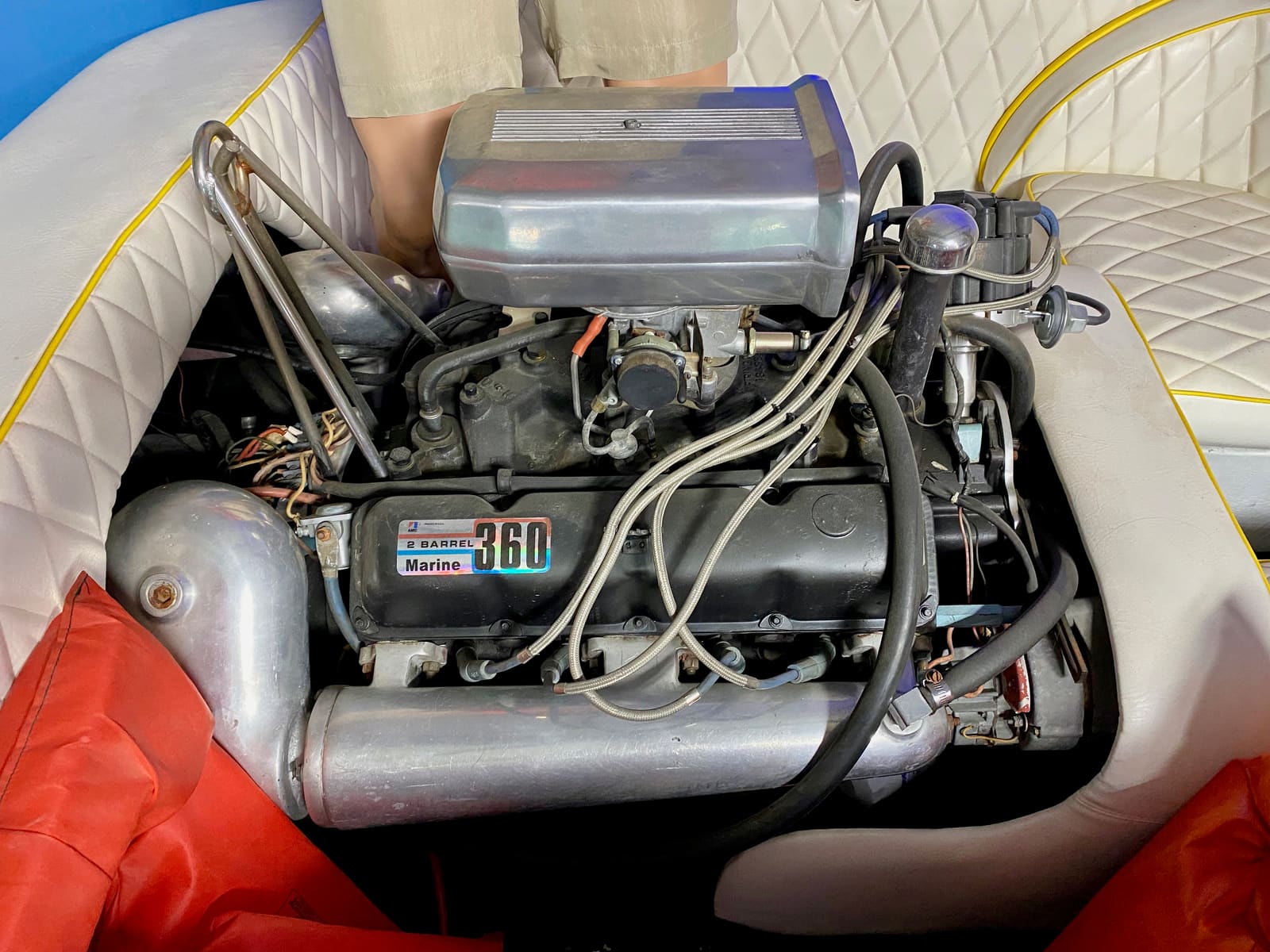
Milky Engine Oil or Water in the Oil - What It Means and What to Do
Milky, creamy or rising engine oil usually means water is getting into the engine. Learn why you should stop running it right away, how to tell harmless condensation from a real leak, and which parts are the usual suspects: head gaskets, exhaust risers and manifolds, intake manifold gaskets, oil coolers and freeze cracks.
Missing or Faded Capacity Plate: How to Read It and Get a Proper Replacement
The capacity plate tells you how many people, how much weight and how much horsepower your boat can safely handle. Learn what each line means, which boats must have one under 33 CFR 183, how to order a replacement from the builder, what to do if the builder is gone, and why homemade numbers are a bad idea.
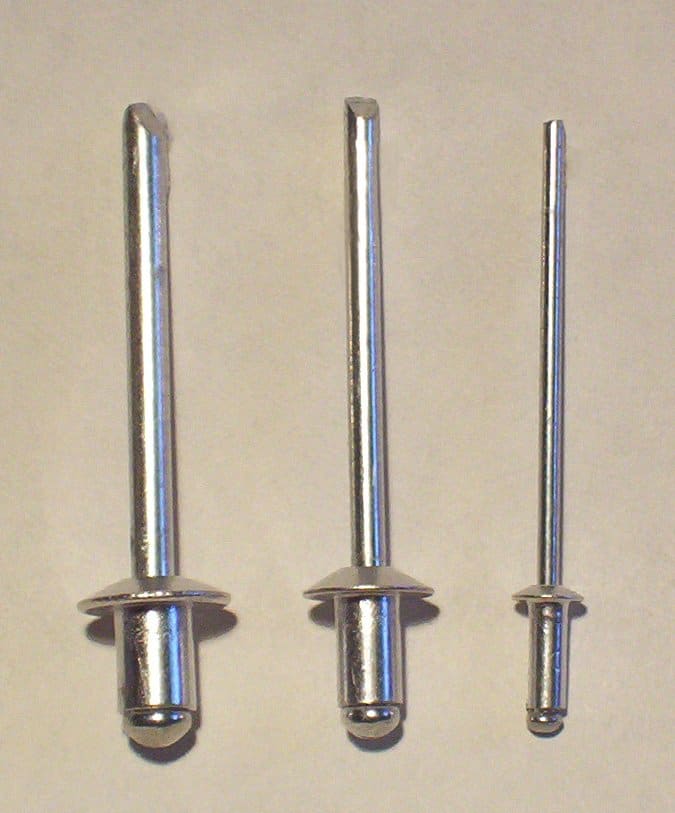
Mounting Hardware Where You Can't Reach Behind: Blind Fasteners
Learn how to mount light accessories on a boat when you can't get a hand behind the panel, using blind rivets, rivet nuts, well nuts, toggle anchors and bonded studs, when to cut an inspection port instead, and what must never be held by a blind fastener.
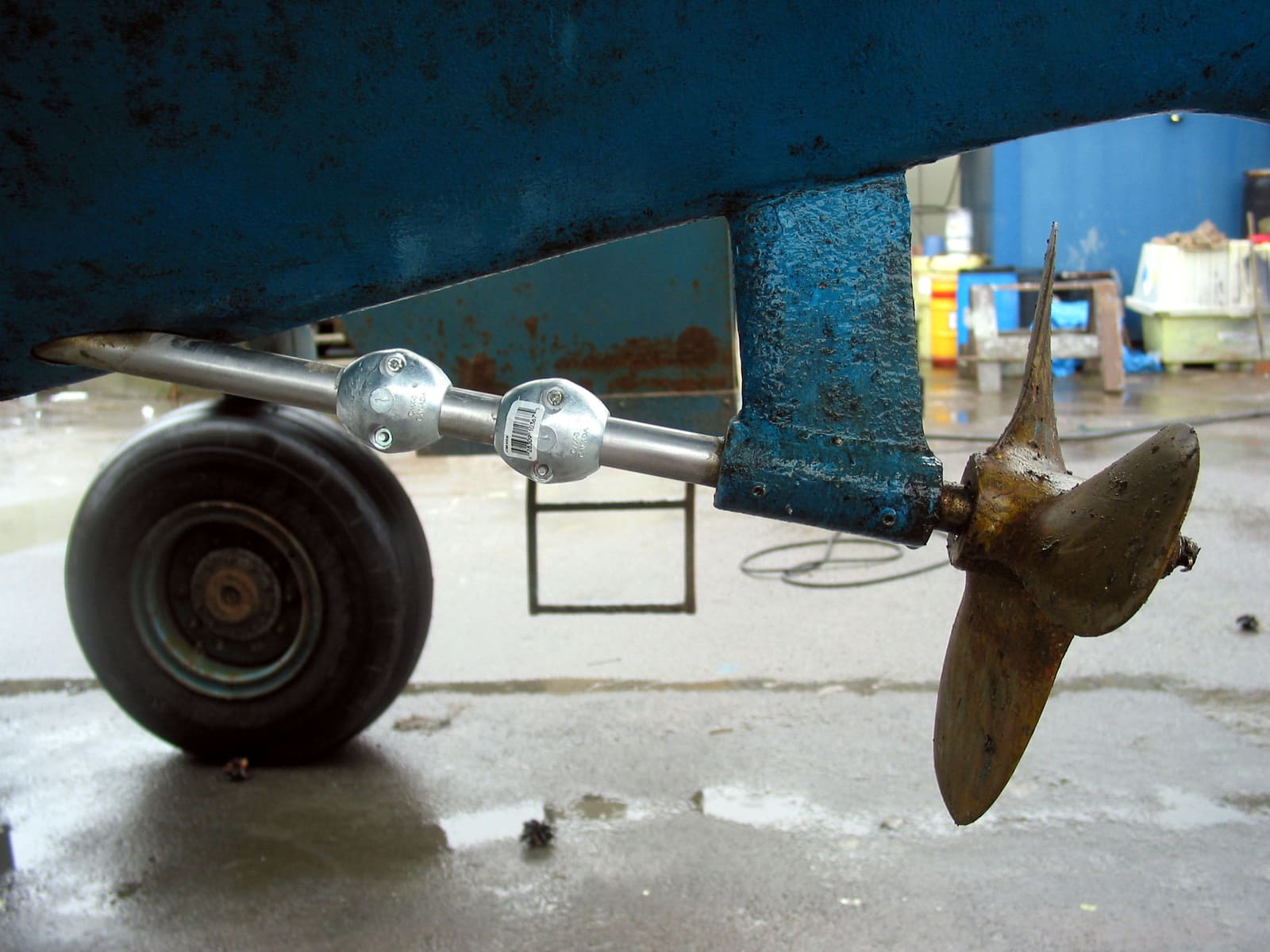
Moving Your Boat From Fresh to Salt Water (or Back): Anodes, Flushing, Corrosion, Bottom Paint and Trailer Upgrades
What to change when a lake boat moves to the coast, or a saltwater boat moves inland: switching anode material, a flush-after-every-trip routine, raw-water and closed cooling parts that wear faster in salt, bottom paint that suits your hull and drive, marine-grade hardware, and trailer upgrades that survive salt dunks. Built from BoatUS, Mercury, Yamaha and Boating Magazine advice.
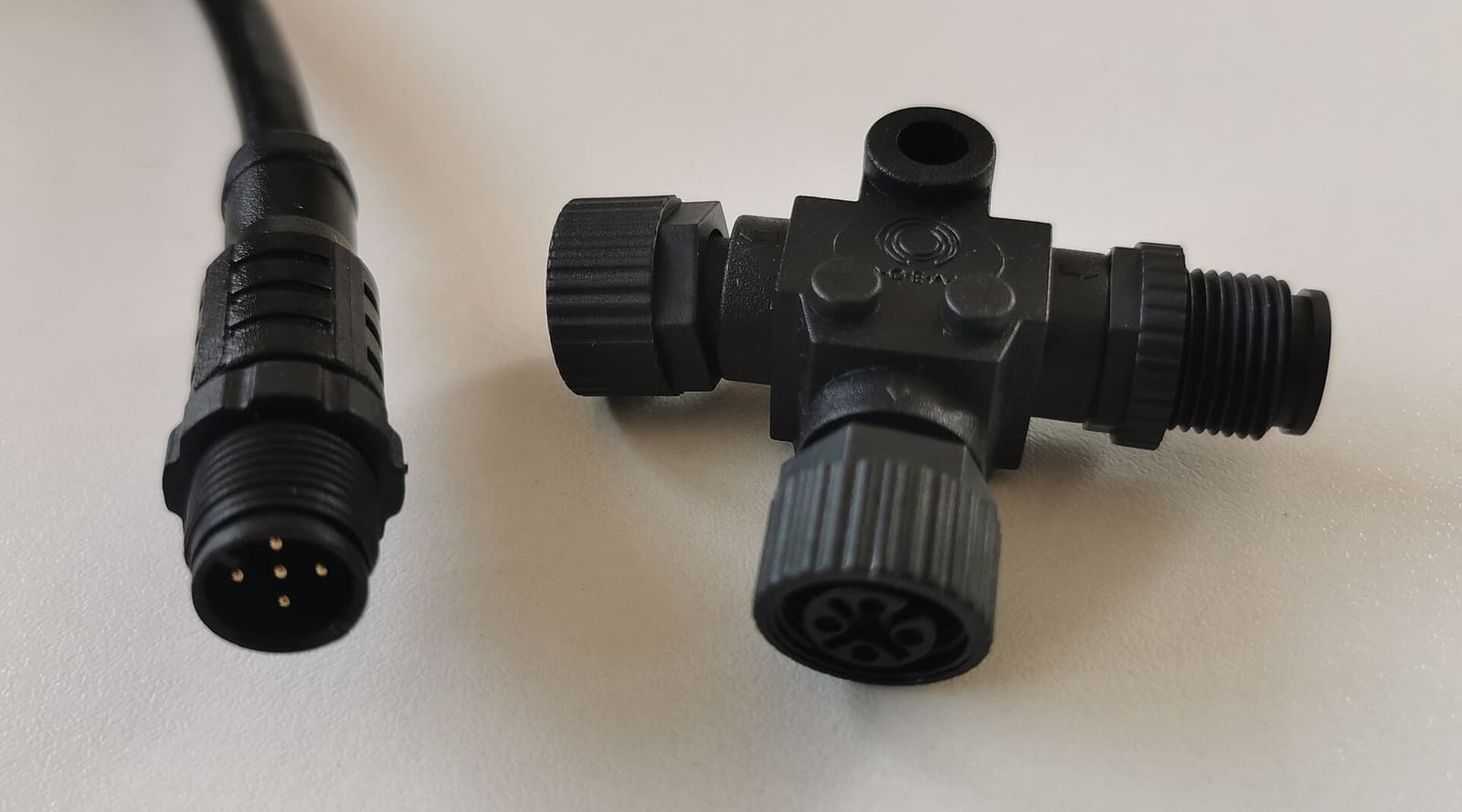
NMEA 2000 Network Basics and Troubleshooting (Plus Chartplotter Updates)
Understand the backbone, terminators, power tap and drop cables that tie your chartplotter, engine data, GPS, depth and autopilot together, then track down why a device keeps dropping off. Finish by updating chartplotter and device software the safe way.
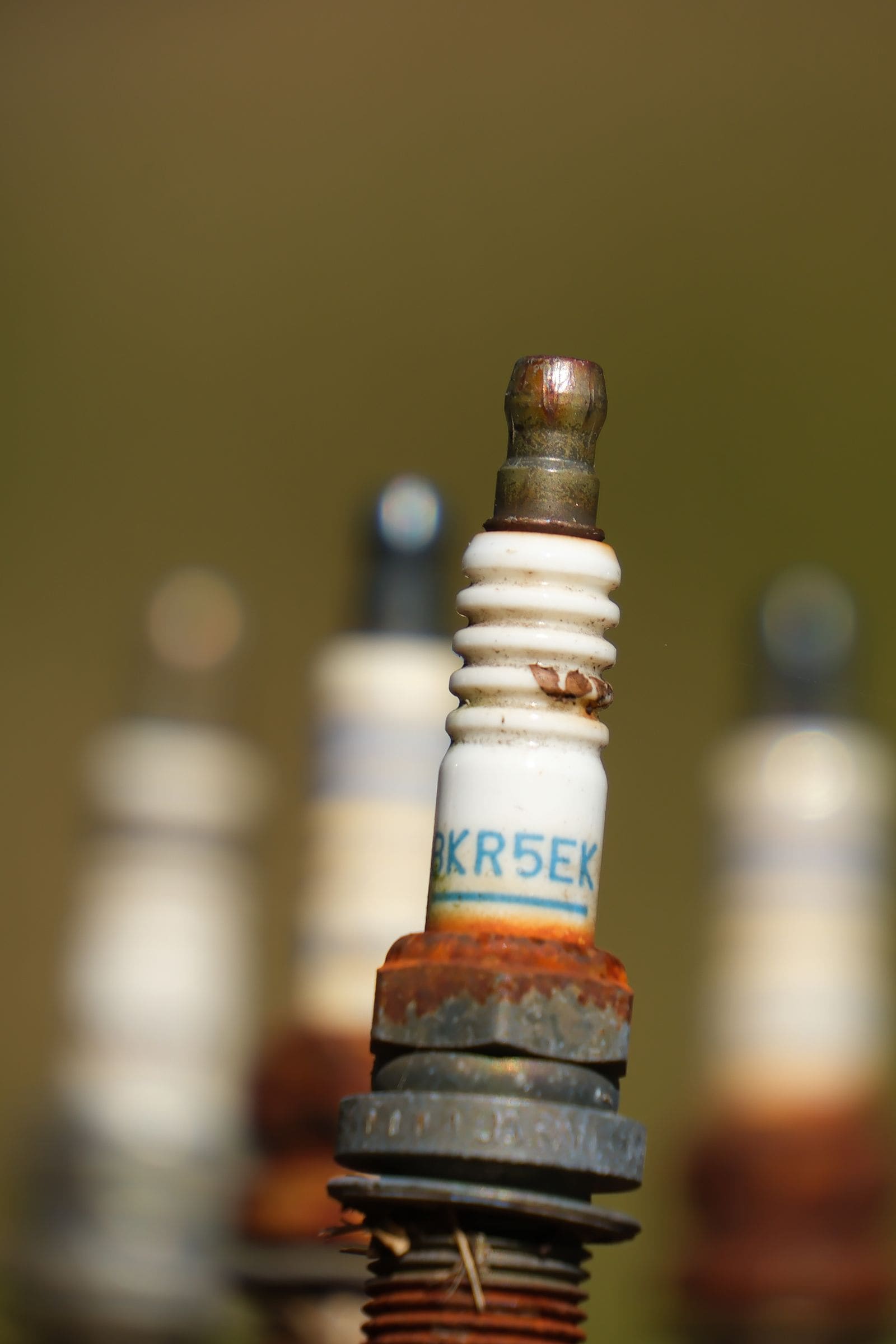
No Spark - Safe Ignition Checks for Outboards, Sterndrives, Inboards and PWCs
Engine cranks but never fires, and you suspect the ignition? Work from the cheap, common causes (kill switch lanyard, key switch, plug wires and caps, plugs, battery) to a proper spark test, and learn what the stator, CDI and coils do and when it is time for a dealer.

Oil or Fuel in the Bilge: Safe, Legal Cleanup
What to do when you find oil, diesel or gasoline in your bilge. Soak it up with oil-only absorbents, keep it from being pumped overboard, dispose of it properly, report any sheen on the water to the National Response Center, and find the leak so it does not happen again.

On-Water Towing Plans: BoatUS vs. Sea Tow vs. Your Insurance Towing Coverage
Compare a BoatUS or Sea Tow towing membership with the towing coverage on an insurance policy: what each pays for (tows, soft ungroundings, jump-starts, fuel delivery), why hard groundings and sinkings are salvage that only hull insurance covers, how to call for help, and what to have ready when you do.
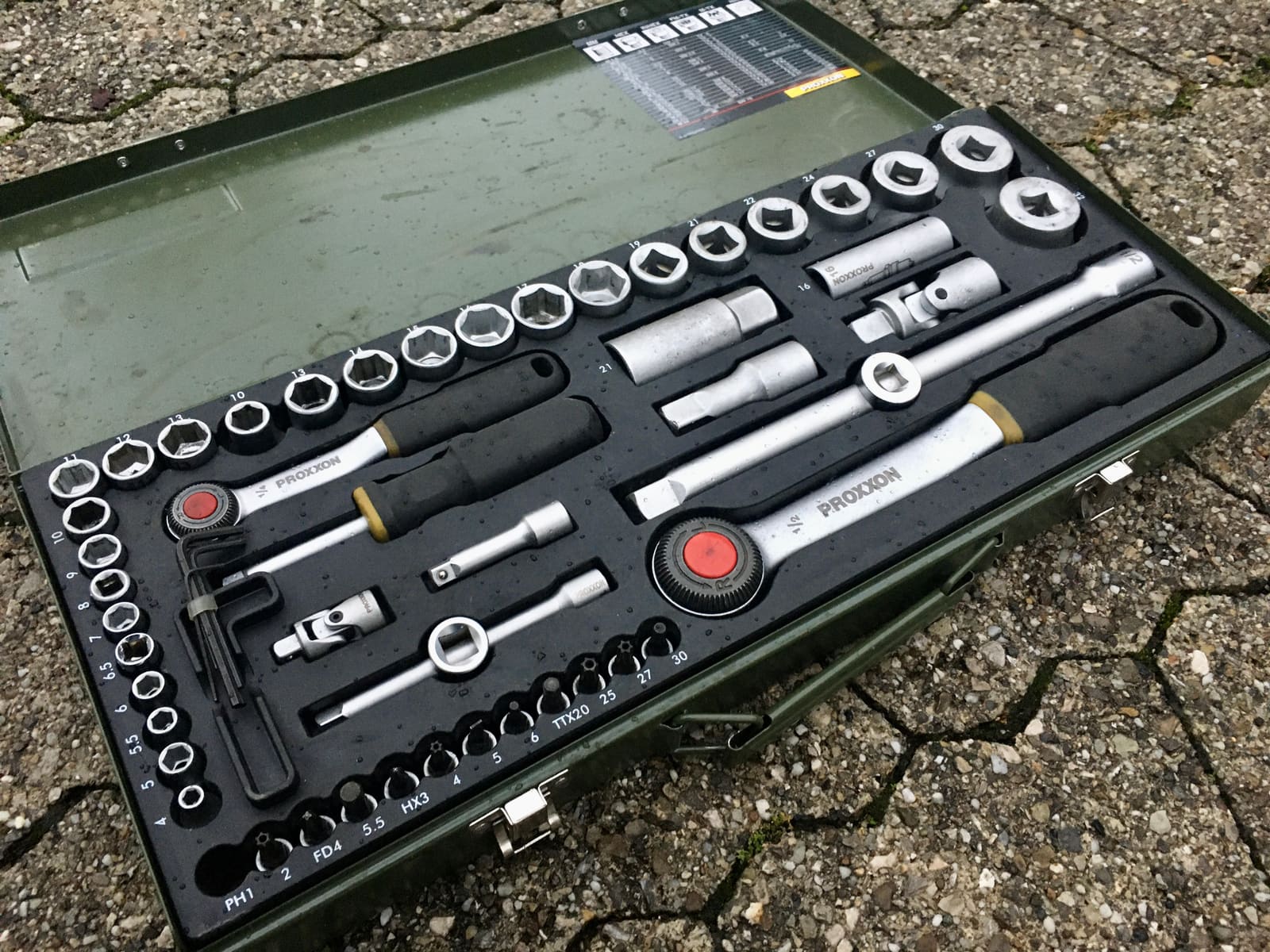
Onboard Tool Kit and Spare Parts: What to Carry on a Day Boat or a Cruiser
Build a tool kit and spares box that fits your boat and how far you go. A blown fuse, a clogged fuel filter or a dinged prop shouldn't end the day or turn into an expensive tow.
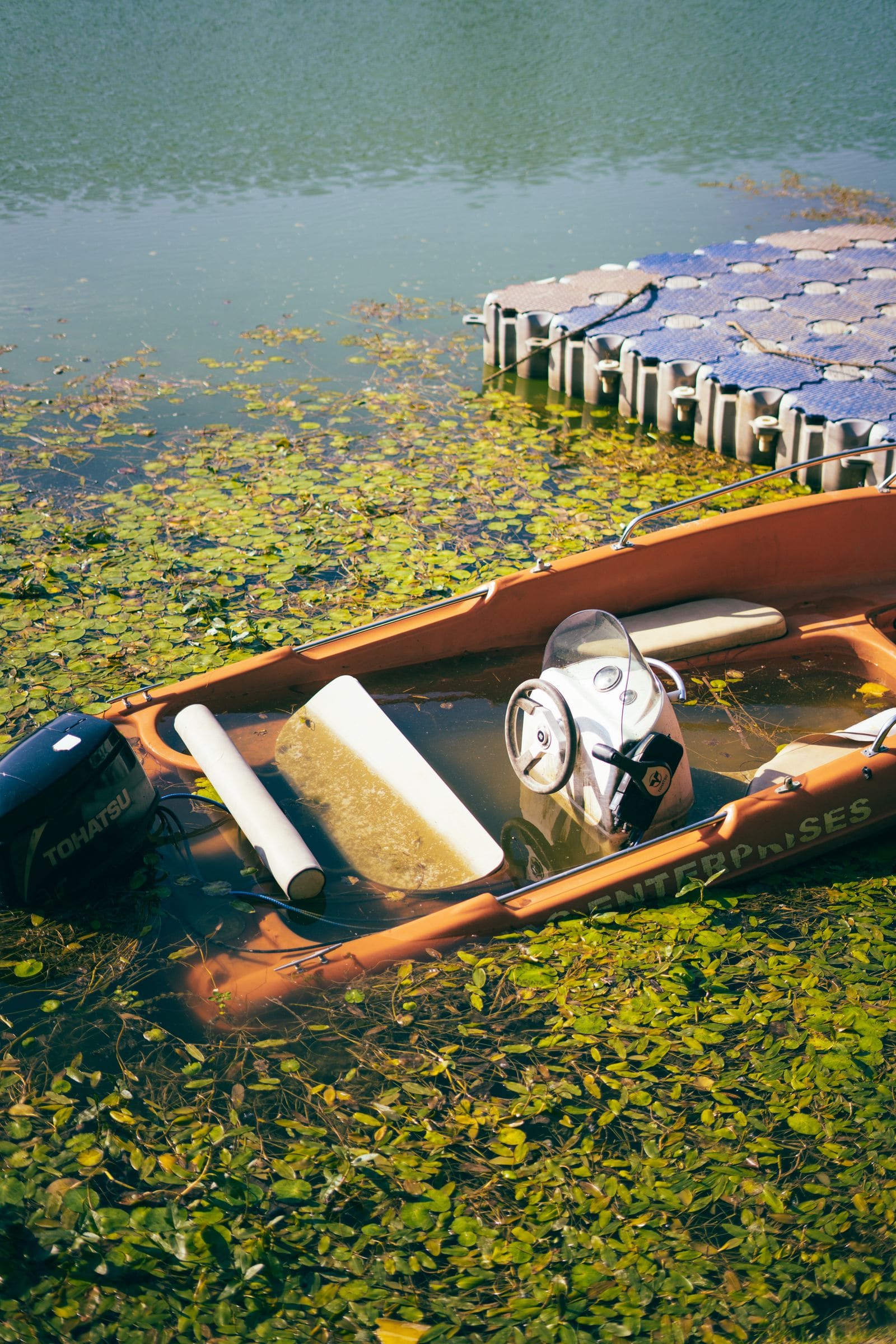
Outboard Fell Overboard or Engine Got Submerged: What to Do in the First Hours
A dunked engine can often be saved, but only if you act fast and in the right order. Learn what to do (and what never to do) in the first hours after an outboard goes overboard or a boat swamps, how to buy time until a shop can take it, and when it is a loss.
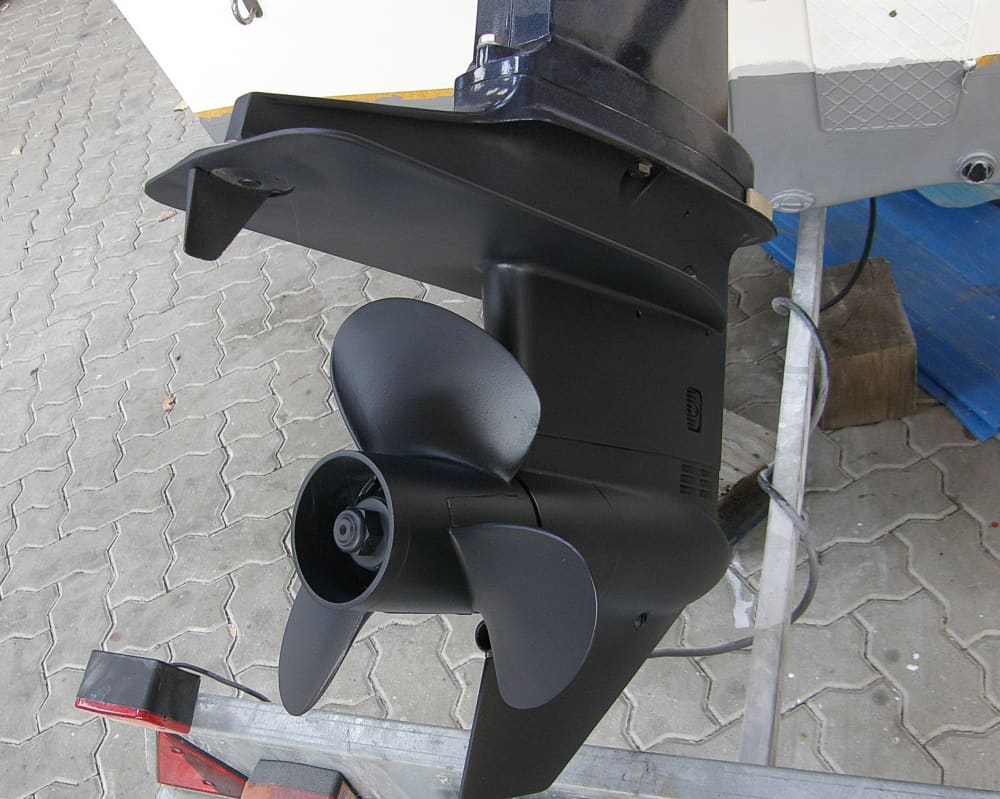
Outboard Hydrofoil Fins: Do They Help, and How to Install One Safely
Learn when a bolt-on hydrofoil (the fin that mounts on the anti-ventilation plate) can help a boat plane sooner or stop porpoising, what it can cost you in top speed and handling, and how to mount one without drilling into an anode, trim tab or speed pickup.
Outboard or Sterndrive Rough or Surging Idle: Find the Cause, Cheapest Check First
An engine that shakes, hunts or surges at idle but runs fine on plane is telling you something specific. Learn how to read the pattern, then work in order from free checks (warm-up, tank vent, primer bulb, fuel) through plugs, air leaks, carburetor idle circuits and the idle air control valve, and know when it's time for a compression test or a dealer scan.
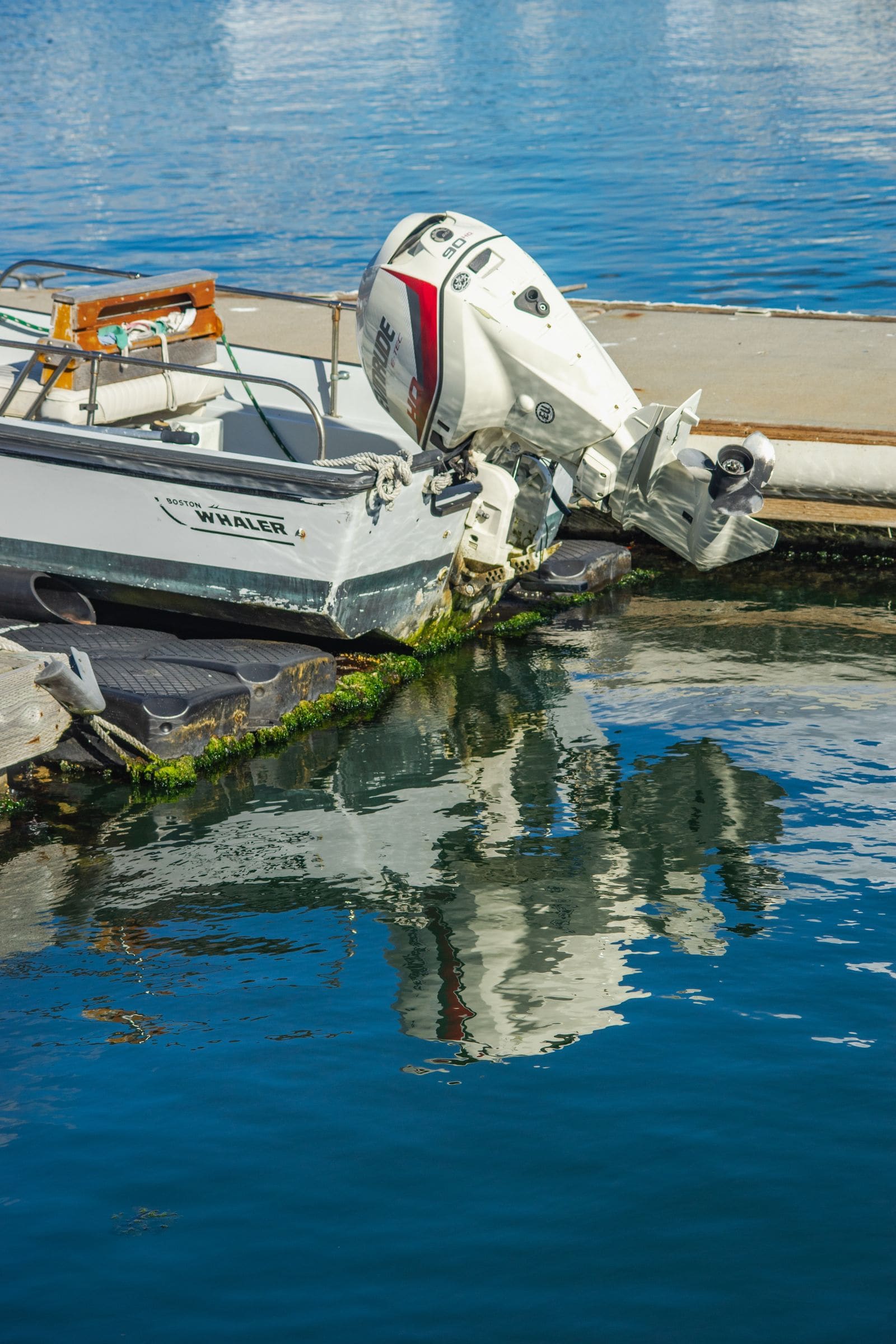
Outboard or Sterndrive Vibration - Troubleshooting Guide
Track down a new shake or buzz by noting when it happens (neutral or in gear, which rpm), then check the prop, hub, shaft, mounting bolts, motor mounts, engine height and misfires in order, from the simplest to the most serious.
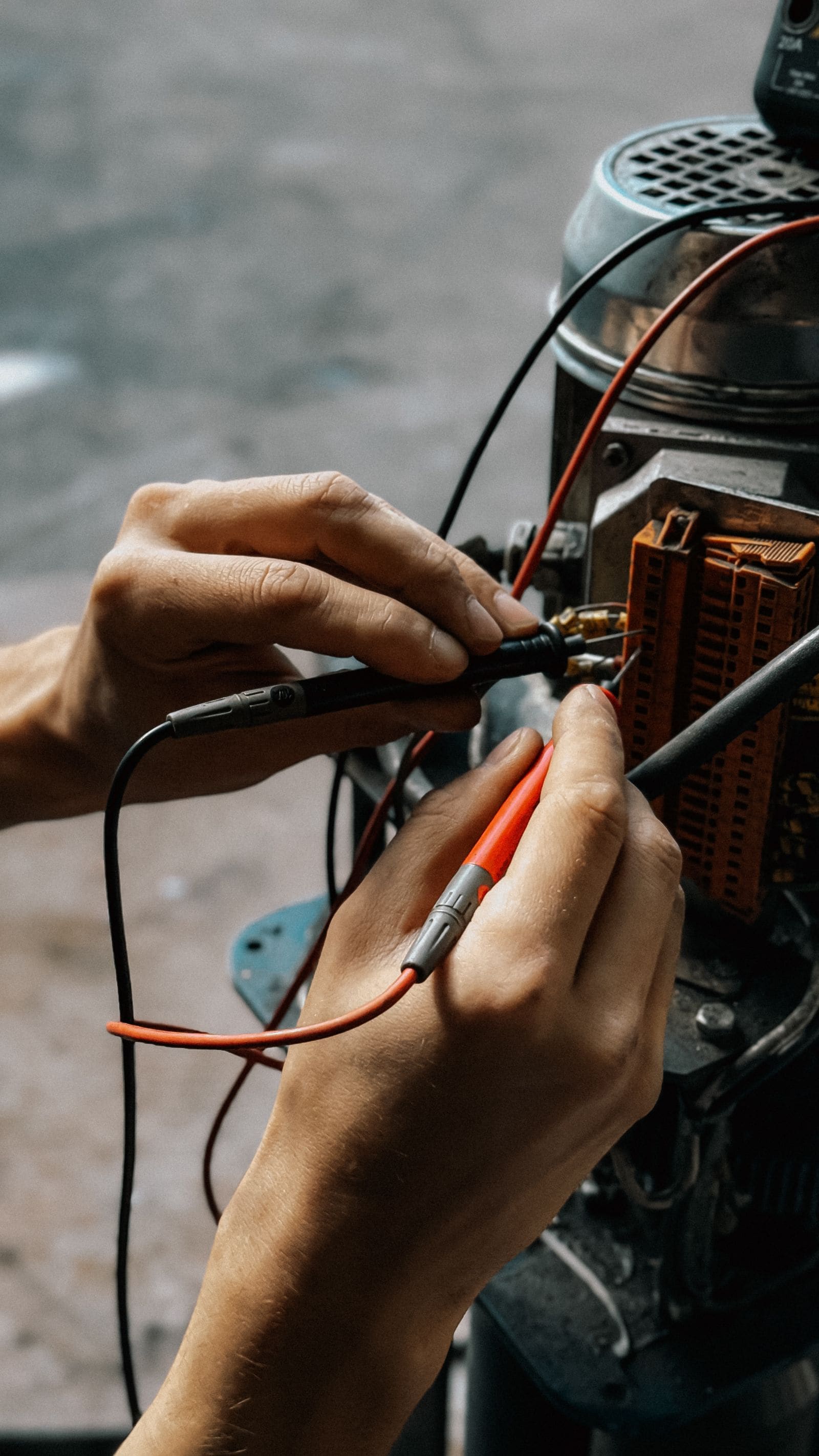
Outboard Stator and Rectifier/Regulator: Symptoms, Safe Owner Checks and When to Hand Off
Most outboards charge the battery with a stator under the flywheel and a rectifier/regulator. Learn how to read the symptoms of undercharging, overcharging and intermittent charging, what voltage checks and inspections an owner can safely do, and which tests and repairs belong to a technician with the service manual.
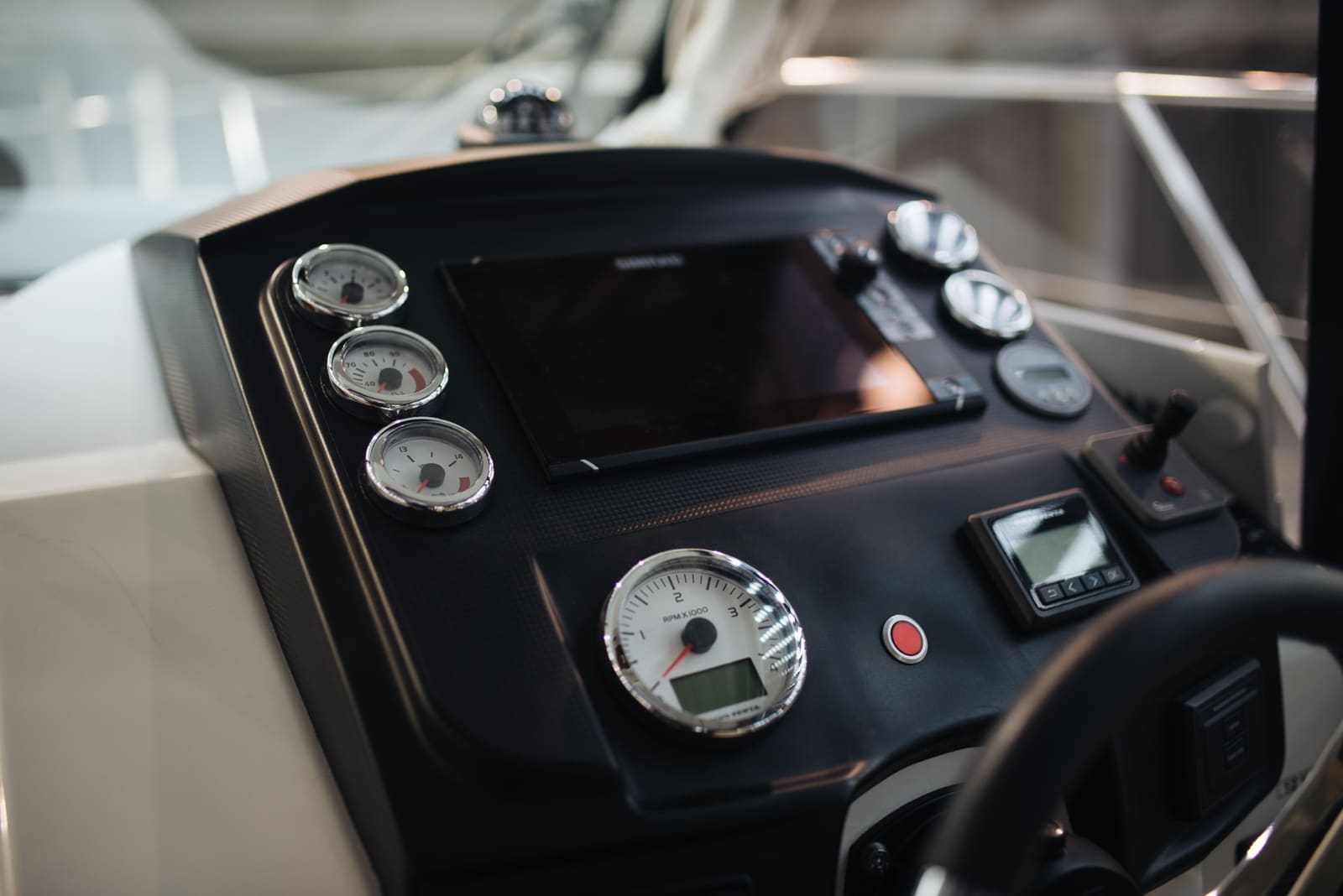
Overheat Alarm: What to Do in the First 60 Seconds
A short, practiced routine for the moment the temperature alarm goes off: take the load off, look for cooling water, shut down if it isn't there, and check every space the exhaust runs through for heat or fire. Based on a June 2026 Coast Guard safety alert about a fatal fire that started with an overheat alarm.
Owning a Boat in an LLC or Trust: Reasons, Registration, Coast Guard Documentation, Taxes and Insurance
Why some owners put a boat in an LLC or a trust, what it does and doesn't do for liability, how it changes state titling and Coast Guard documentation, why states go after out-of-state LLC tax schemes, and how to keep the insurance, loan and paperwork lined up. General information, not legal or tax advice.
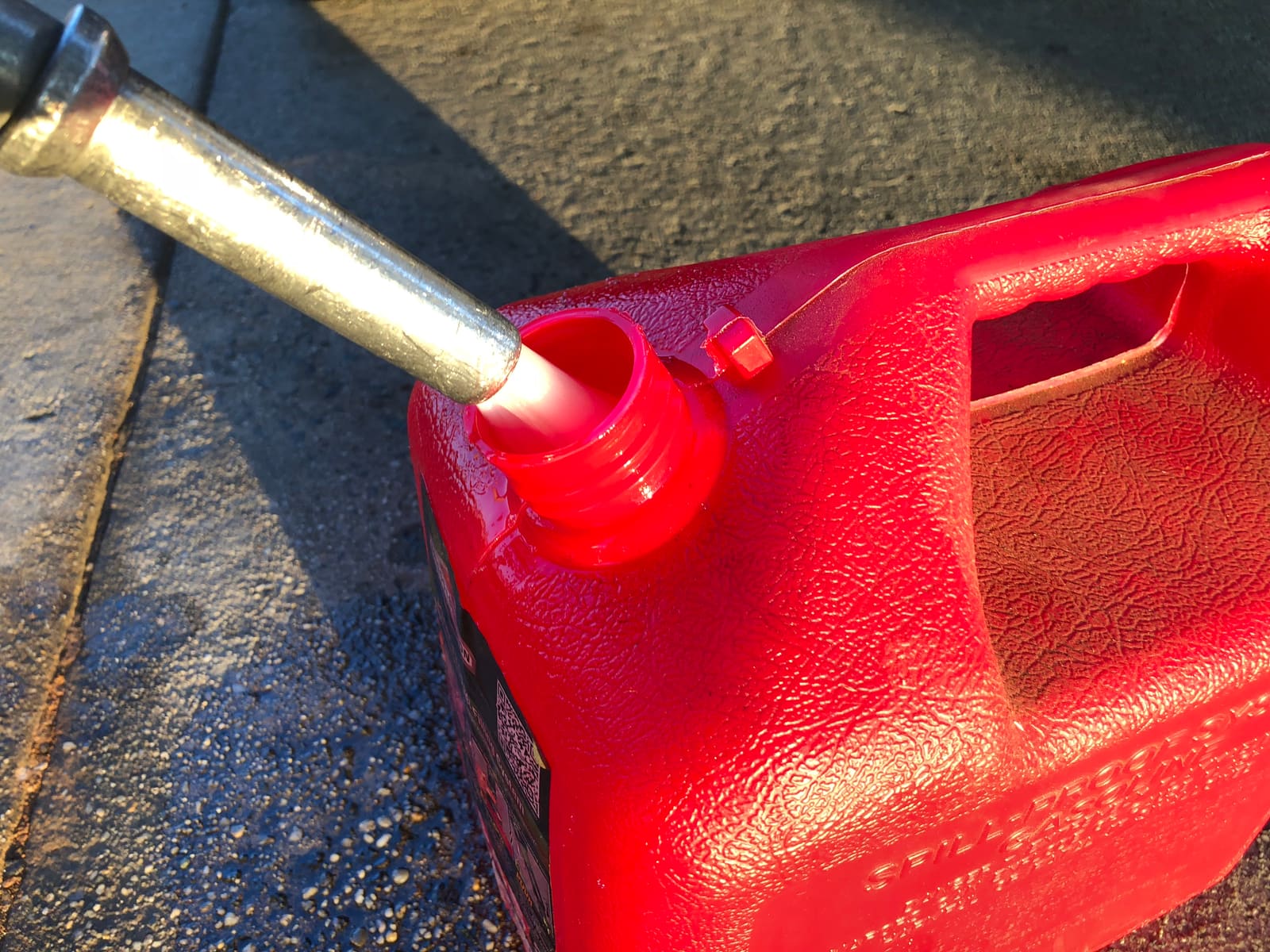
Portable Gas Cans and Fuel Storage: Filling, Storing at Home and Aboard, and Getting Rid of Old Gas
Gas cans and portable boat tanks are handy and dangerous in equal measure. Learn what makes a modern can compliant, why you always fill it on the ground, how to store gasoline at home and on the boat, how long ethanol fuel really lasts, and how to dispose of old gas legally.
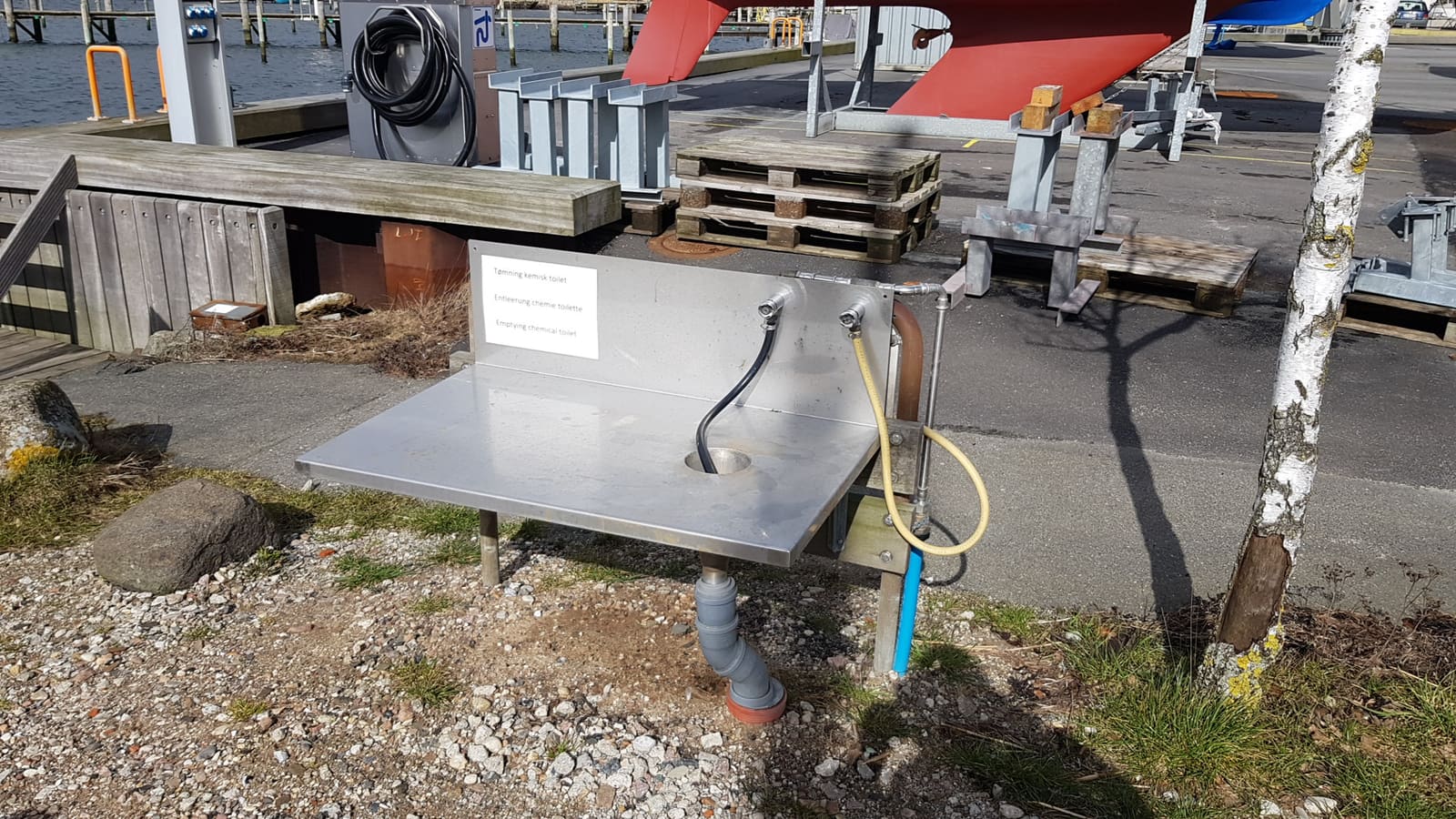
Portable Toilets on Boats: Emptying, Chemicals, Odor, Seals and Winter Storage
A portable toilet (Porta Potti type) is the simplest legal head for a small boat, as long as it is emptied the right way. Learn where to dump it, which chemicals to use, how to stop odor and leaks, how to secure it aboard, and how to store it for winter.
Safety: BoatMend is for information only and does not replace a certified marine technician. You are responsible for your safety and your boat. Read the full disclaimer.