Onboard Tool Kit and Spare Parts: What to Carry on a Day Boat or a Cruiser
Build a tool kit and spares box that fits your boat and how far you go. A blown fuse, a clogged fuel filter or a dinged prop shouldn't end the day or turn into an expensive tow.
Time
1 h 30 min
Applies to
All engines
Safety first: Spares only help if fixing things on the water is safe. Don't work on an engine while drifting toward rocks, shipping lanes or breaking surf: anchor first or call for a tow. Never swap a prop in the water with the engine able to start (key out, lanyard off). If you smell fuel, see smoke, or the boat is taking on water faster than the pumps can handle, stop the repair, put on life jackets and call the Coast Guard on VHF 16 or 911.
Owners often ask
- What tools and spare parts should I keep on my boat?
- Do I really need to carry a spare prop?
This guide walks you through it. Still stuck? Ask the AI Mechanic about your engine.
Tools
- Waterproof tool box or canvas tool roll
- Labels or a marker
- Your owner's manuals (to look up filter, belt, impeller and fuse types)
Parts & supplies
- Spares listed in this guide that match your engine and boat
Before you start
Think about two things:
- How far from help you go. Practical Sailor's advice is to keep day boats light (just enough to get back to the dock) and build a fuller kit for cruising or remote areas.
- What you can actually fix. A part you don't know how to install is just ballast. Practice each swap at the dock or on the trailer first.
Use your owner's manuals to find the exact filter, belt, impeller, plug and fuse types for your engine. Write them on a card that lives in the kit and in your BoatMend boat profile.
Steps
Every boat, even a small one, should carry (BoatUS and Discover Boating lists):
- A good multi-tool, if you carry only one tool
- Screwdrivers: flat and Phillips in a couple of sizes, plus stubby ones for tight spots
- Pliers: regular, needle-nose and locking pliers (needed for cotter pins on the prop nut)
- Adjustable wrench and the wrenches that came with your engine, plus the sizes you use most
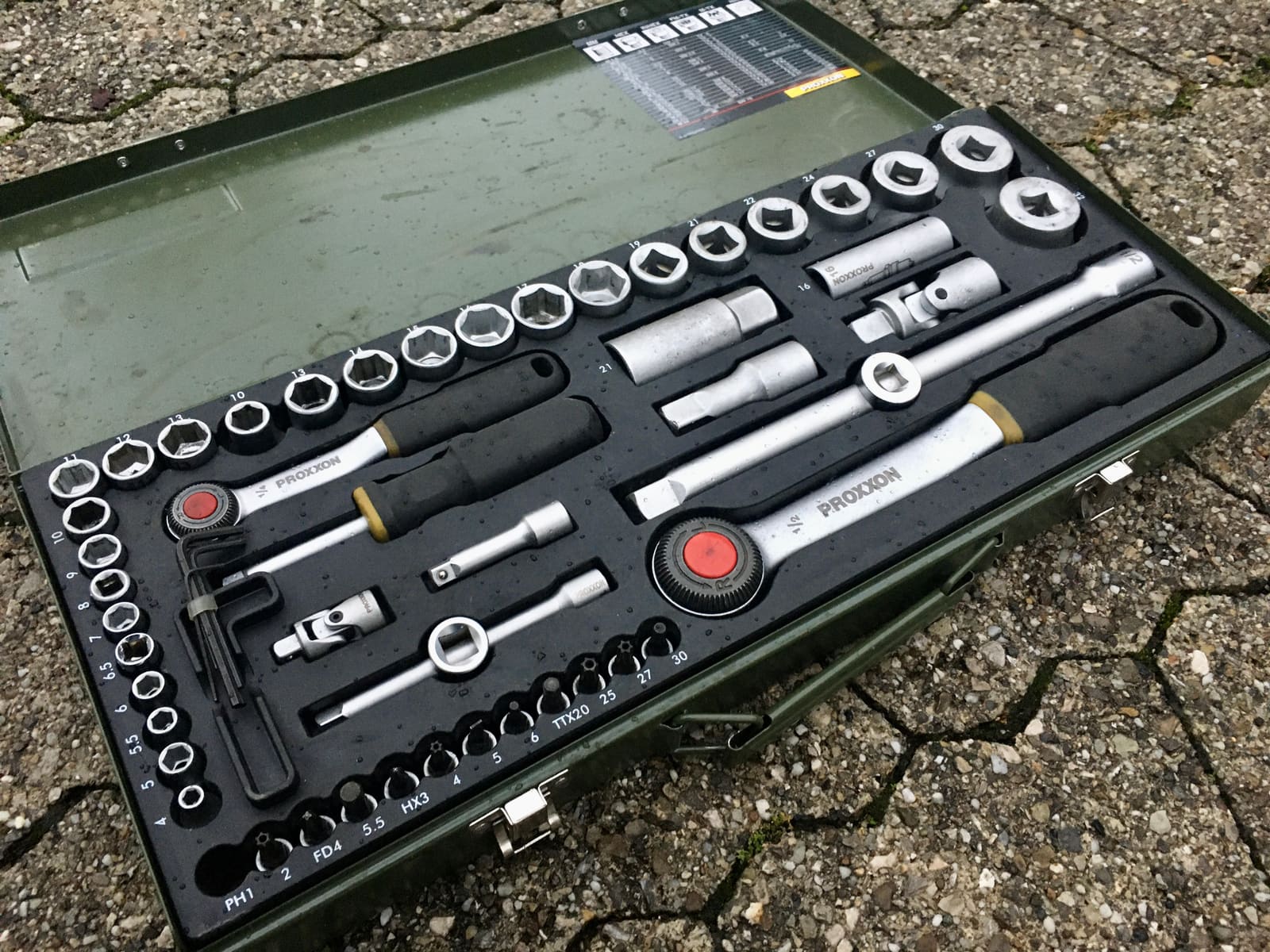
- Small socket set in the system your engine uses (metric or standard)
- Nut drivers in common sizes
- Small hammer and a hacksaw
- Telescoping magnet and mirror for parts dropped in the bilge
- Knife (sailors often carry a rigging knife)
- Headlamp, so your hands stay free
Electrical problems are some of the most common on-water failures:
- Multimeter (to test the battery, fuses and live circuits)
- Wire cutter/stripper with a crimping tool and a few marine crimp connectors (heat-shrink type)
- Electrical tape and self-amalgamating (self-fusing) tape
- Spare fuses of every type and size on your boat: blade fuses for the panel and any special fuses your engine uses (check the manual)
- Spare bulbs for navigation lights if they aren't LED
- Jumper cables (Discover Boating notes they let you start from a borrowed battery)
BoatUS warns: never replace a fuse with a higher-rated one. A fuse that keeps blowing means a fault to find at the dock.
For each engine, typical spares include:
- Fuel filter / water separator element (at least one; Discover Boating suggests one or two per engine). Ethanol fuel makes clogged filters common.
- Drive belt for engines that use one (inboards, sterndrives, many diesels, some outboards).
- Spark plugs (a full set) for gas engines.
- Engine oil to top up, plus a funnel and absorbent pads.
- Raw-water pump impeller and gasket for inboards, sterndrives with an accessible pump, generators and diesels. Discover Boating notes an outboard's water pump is in the lower unit, so it isn't a realistic underway repair.
- Primer bulb and fuel line clamp for portable-tank outboards.
- Spare kill-switch lanyard (the engine won't start without one).
A damaged prop is one of the most common ways a single-engine trip ends. Bring:
- A spare prop (Discover Boating suggests a used prop of the right size, or an affordable aluminum backup for a stainless prop)
- Spare prop nut, thrust washer, tab washer or cotter pin and spacer
- A hub kit if your prop uses a replaceable hub
- Prop wrench or socket and a block of wood to stop the prop turning
- A lanyard to tie the wrench to your wrist when working near the water
Counter-rotating engines use different props, so twin-engine boats need the right hand for each.
Mercury's spare-prop advice: on lakes and inshore, the spare only has to be good enough to get you home; far offshore, carry one rated for your engine and close in size to your main prop so the boat can still plane. If your prop has a sacrificial hub system, keep a matching hub kit aboard too, since after a hard hit the prop itself may be fine. A floating prop wrench is handy if you ever have to change it in deep water. In calm, safe water the easiest swap is to back into shallows near shore and stand; in cold or rough water, call for a tow instead.
- Soft wooden or foam tapered plugs in sizes that fit every through-hull. Many owners tie the right-size plug to each seacock.
- Stainless hose clamps in several sizes (BoatUS notes a large clamp around a spin-on filter even gives you extra grip).
- Duct tape and rescue (self-fusing) tape for temporary hose and leak fixes.
- Underwater-curing epoxy putty and a tube of removable marine sealant.
- A short piece of each common hose size on bigger boats.
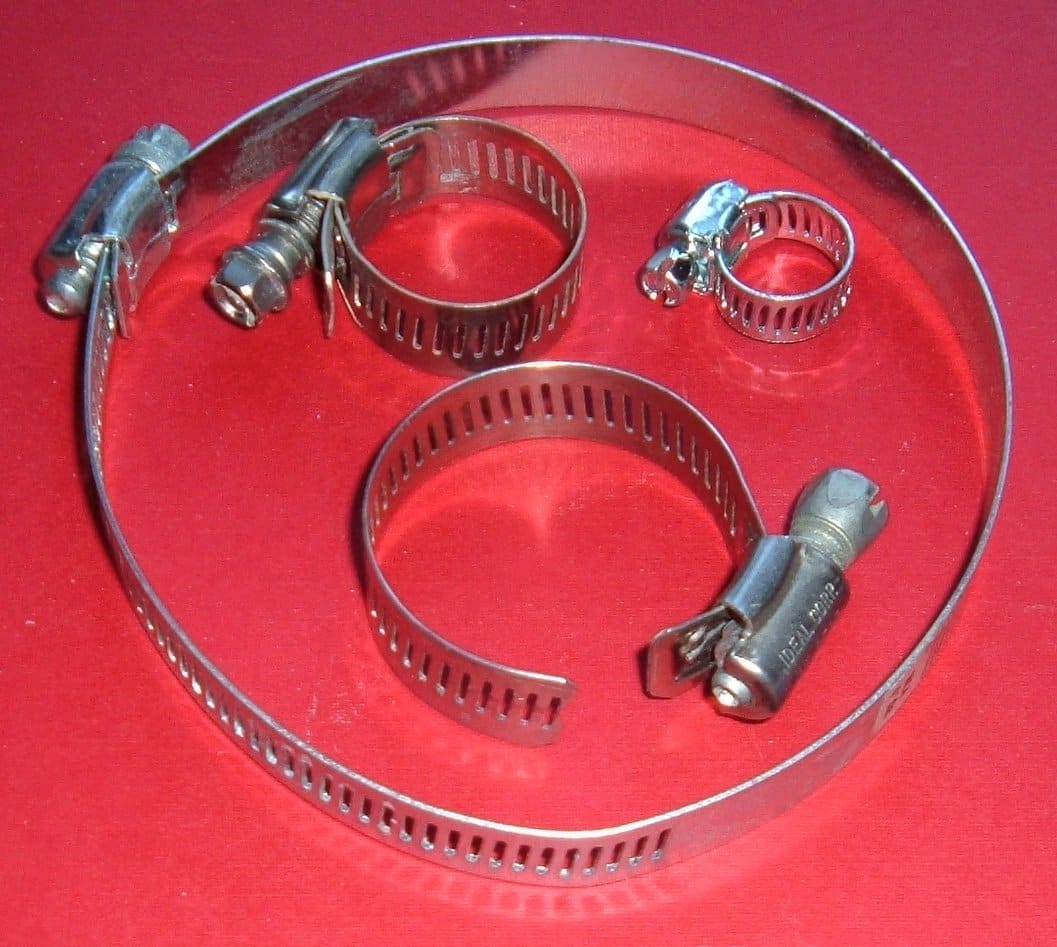
Keep stainless hose clamps in the sizes your boat uses. Photo: ArnoldReinhold / Wikimedia Commons · CC BY-SA 3.0 - Cable ties in several sizes (a very temporary backup for a failed clamp)
- Assorted stainless nuts, bolts, washers and screws
- Thread locker
- Spare line and a couple of shackles
- Penetrating and water-displacing spray
- Rags, nitrile gloves and absorbent pads
- A marker and a notepad
- Mask and snorkel (Discover Boating suggests these for prop and intake checks; only when it's safe to get in the water)
Boats that run offshore, cruise overnight or have more systems should add:
- A second fuel filter per engine and the tools to bleed a diesel fuel system
- Spare belts, impellers and pump parts for each engine and the generator
- Spare complete bilge pump and float switch, and a spare washdown or livewell pump
- Head repair parts (joker valve, seals) if you have a marine toilet
- Cordless drill with bits (Practical Sailor's pick for longer trips)
- Oil filter and filter wrench if you're far from service
- Spare prop for each engine; a slightly lower-pitch spare can help a twin get home on one engine
- Handheld VHF, a handheld GPS and a PLB as backups to the main electronics
Practical Sailor suggests splitting tools into smaller, focused kits (general, electrical, rigging, plumbing) so you can find things fast. Label each bag or box. Keep the plugs, a flashlight and the multi-tool where you can grab them without digging.
Use a waterproof box (BoatUS) or a canvas roll (Practical Sailor prefers canvas because tools can breathe and dry). Rinse off salt, dry the tools and wipe them with a lightly oiled rag or a corrosion-block spray. Cheap tools rust fastest.
At commissioning, check that spares still match the engine (a new prop or fuel filter type means a new spare), batteries in the headlamp and multimeter work, fuses are all there and sealants haven't cured in the tube. Replace anything you used during the season.
At the dock, practice changing a fuse, a fuel filter, the prop and (on inboards) the impeller. Time yourself. Knowing the steps makes it much calmer when it happens offshore.
Mercury's prop quick tip has two habits worth practicing: lay the washers and spacers out in the order they came off (or snap a phone photo before you start) so they go back the same way, and wipe the shaft and look for fishing line wrapped behind the prop, which can cut into the prop shaft seal. Hand-start the prop nut, then tighten it to the spec in your owner's manual and spin the prop by hand to check it turns freely.
BoatUS's 2025 list of New Year's resolutions makes the same point about why the kit matters: without basic tools and a few spares aboard, an engine problem underway leaves you with almost no options except a tow. It doesn't have to be elaborate: a socket set, screwdrivers, a few pliers, any tool specific to your engine, and spares like plugs, belts, hoses and fuel filters.
Common mistakes
- Carrying spares for the old engine, or a spare prop that doesn't fit the new hub system.
- No spare prop hardware: the prop is fine but the nut or washer went overboard.
- Carrying a spare impeller for an outboard and assuming you can change it underway.
- Fuses in the kit that don't match the panel or the engine's special fuses.
- Tools stored loose in a wet locker that rust into a lump.
- Never practicing, then fumbling a filter change while drifting.
- Using a bigger fuse to stop it blowing.
When to call a pro
- You smell fuel or see fuel leaking: shut off the engine and don't attempt repairs; call for help
- Water is coming in faster than the pumps can handle, or from a source you can't plug
- The engine overheats again after you've changed the impeller or cleared the strainer
- The engine has an electrical fault that keeps blowing fuses
- Conditions make working on deck or in the water unsafe: call TowBoatUS, Sea Tow or the Coast Guard
Tips
- A towing membership is part of the kit. Yamaha's damaged-prop story ends with a big tow bill that a spare prop or a membership would have avoided.
- Tape a list of the kit's contents inside the lid, with part numbers from your manual.
- Keep the spare prop where you can reach it without unloading the boat.
- Log what you used in BoatMend so you remember to restock before the next trip.
- Trailer boaters: keep a second, smaller kit in the tow vehicle. BoatUS's list includes a properly inflated spare trailer tire, a jack that fits the trailer (or a tire-changing ramp for tandem axles), wheel chocks, a tire gauge and small compressor, a spare wheel-bearing set, grease, a headlamp, gloves, ratchet straps and reflective triangles set out behind the trailer. See the trailering prep guide.
Official references
We read these to write this guide. Your engine's own manual always wins.
- Discover Boating – Packing Your Boat Tool Kit
- Discover Boating – Good Boaters Carry Spare Parts
- BoatUS – Trailer Boat Toolkit
- Practical Sailor – Tool Kits for Every Possible Boat Job
- Discover Boating – Boat Propeller Repair and Replacement
- Yamaha Outboards – Propeller Maintenance (Maintenance Matters)
- Yamaha Outboards – Damaged Boat Prop 101
- Mercury Marine – Propeller Maintenance (spare prop and hub kit)
- BoatUS – Boat Trailer Toolkit (tow vehicle kit)
- Mercury Marine – Quick Tip, Inspecting Your Prop and Prop Shaft
- BoatUS – 15 New Year's Resolutions For Boaters (2025)
Safety: BoatMend is for information only and does not replace a certified marine technician. You are responsible for your safety and your boat. Read the full disclaimer.
Last updated 2026-10-25
Related guides
Emergency Drills for Your Crew: Engine Failure, Fire, Steering Loss and Man Overboard
Practice what everyone aboard does when the engine quits, a fire starts, the steering fails or someone falls in. A few short drills each season turn panic into a plan, and teach your crew to anchor, call for help on VHF 16 or DSC, and get a tow.

Fuse Keeps Blowing? How to Troubleshoot a Boat Fuse Block or Breaker Panel
Work through a blown fuse or tripping breaker the safe way: confirm it, tell a short from an overload, isolate the device or wire at fault, replace a worn breaker or panel switch with the same rating, and label every circuit, without ever fitting a bigger fuse.
12-Volt Boat Wiring Basics: Circuits, Color Codes, Fuses and Wire Size
Learn how your boat's 12-volt system is laid out, what the ABYC wire colors mean, how fuses and breakers protect the wiring, why voltage drop and tinned wire matter, and how to read a wiring diagram, so you can troubleshoot smarter and know which jobs belong to a marine electrician.
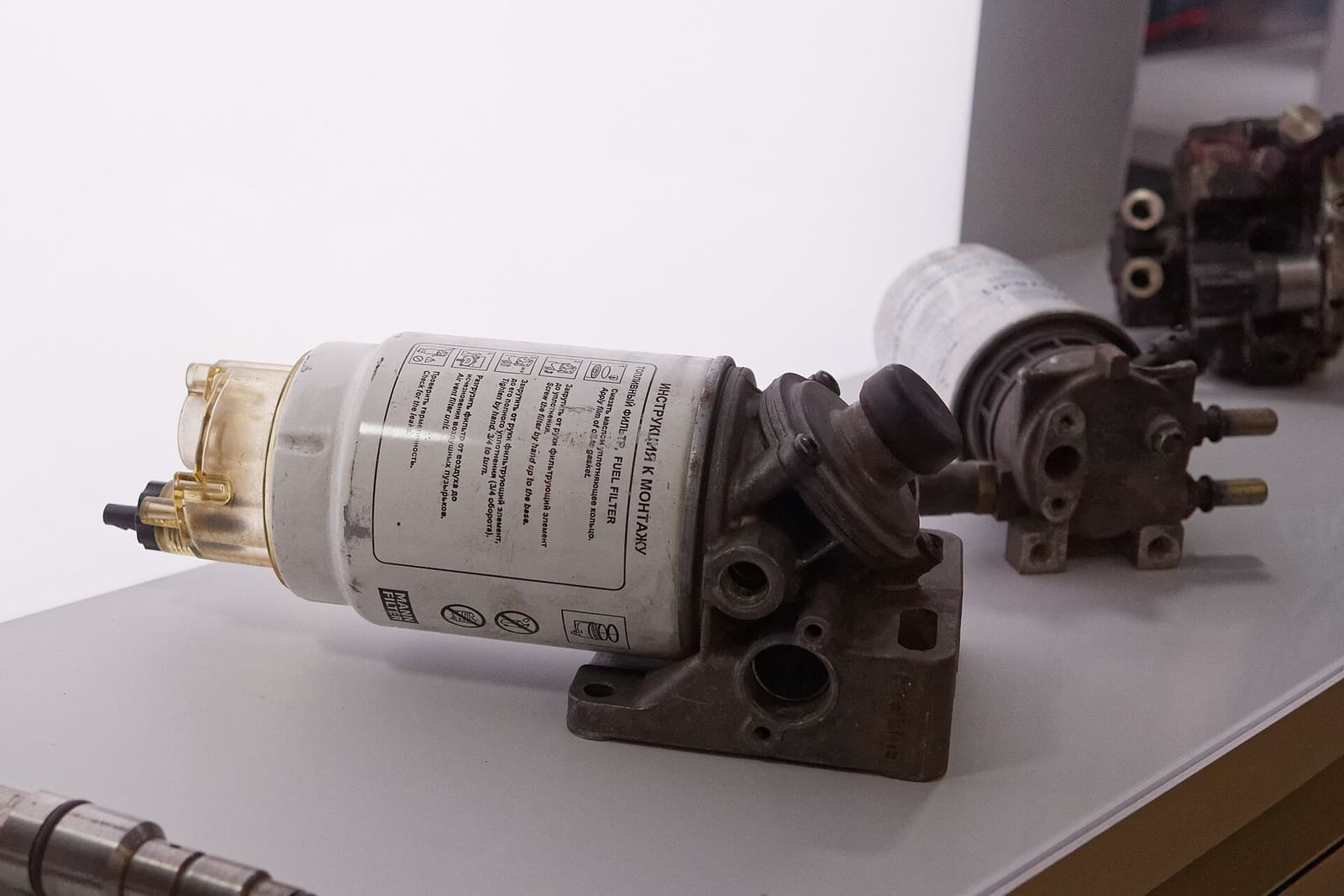
How to Replace a Fuel/Water Separating Filter (and Check for Water in Your Fuel)
Swap the spin-on fuel/water separator on your gas boat and learn to spot water and ethanol phase separation before it stalls the engine. It is one of the cheapest jobs on the boat and one of the best protections for a fuel-injected engine.
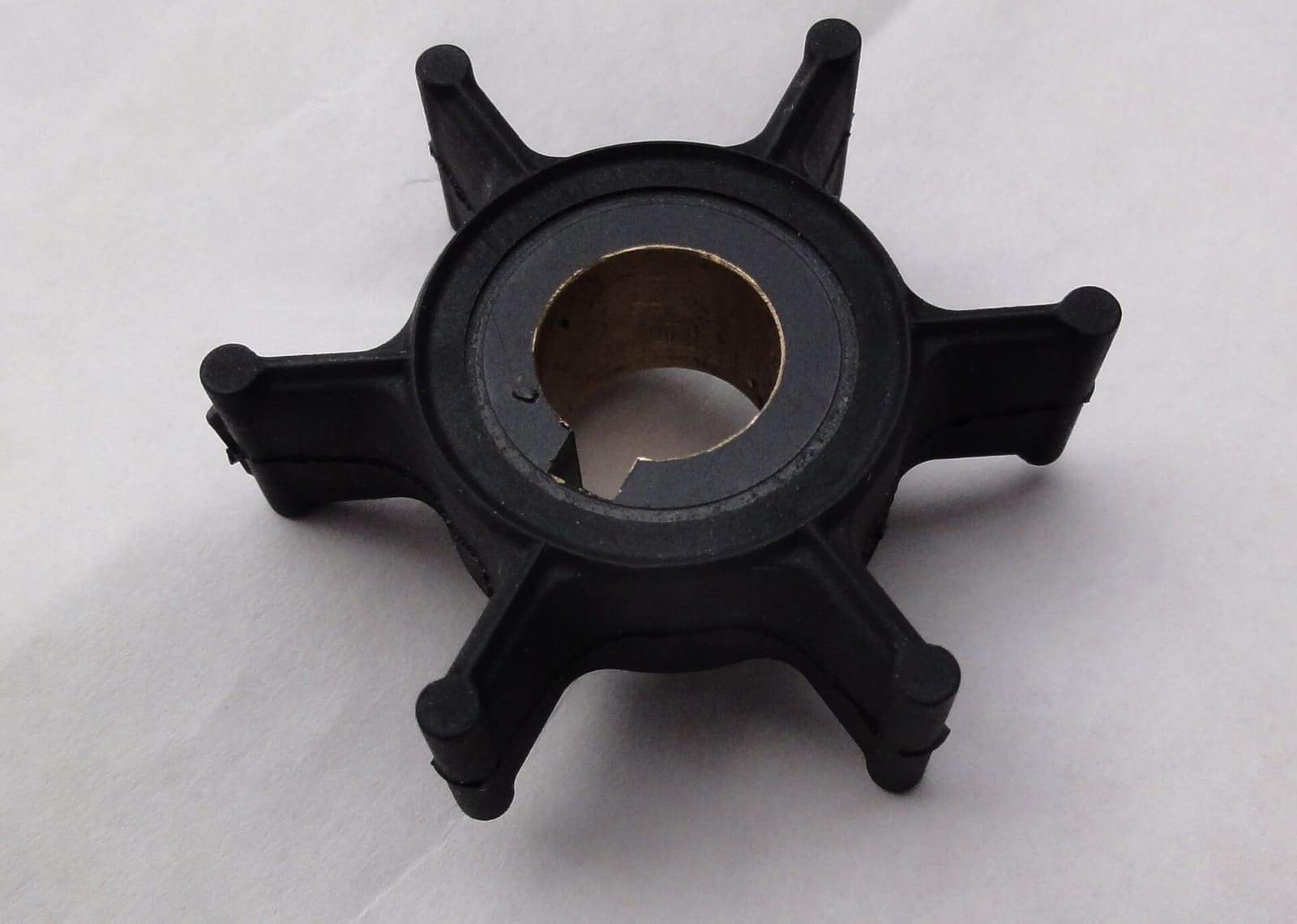
How to Replace the Water Pump Impeller
Replace the rubber impeller that pumps cooling water through your engine, the part most often behind overheating. On many outboards it is a two-hour driveway job that saves a shop bill of several hundred dollars and prevents far costlier heat damage.
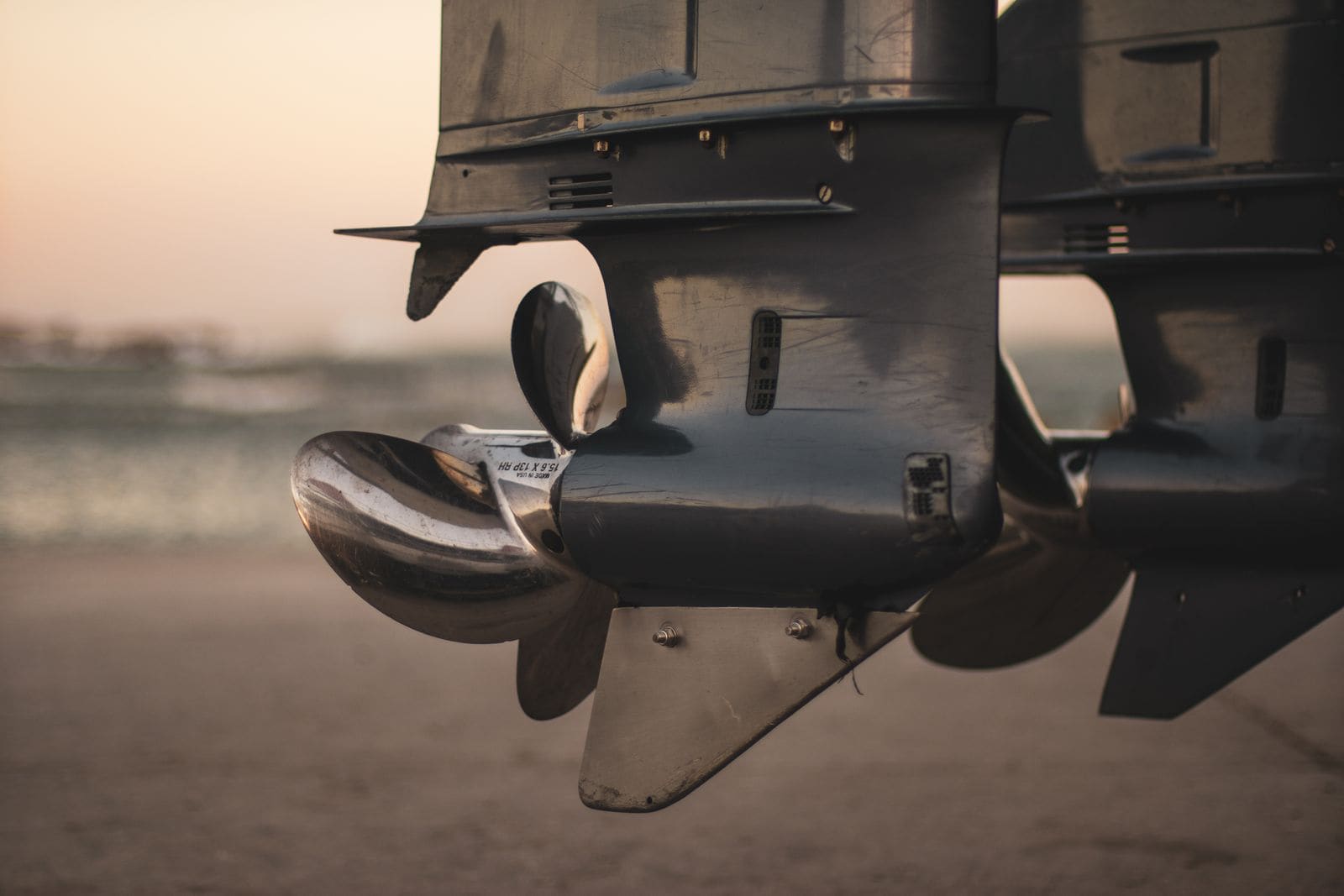
Propeller Care: Inspect, Remove, Replace and Choose the Right Pitch
Check your prop for damage, pull it to clear fishing line and grease the shaft, reinstall it correctly, and learn how pitch affects your engine's wide-open-throttle RPM. The right prop in good shape protects your engine and often makes the boat run better and use less fuel.
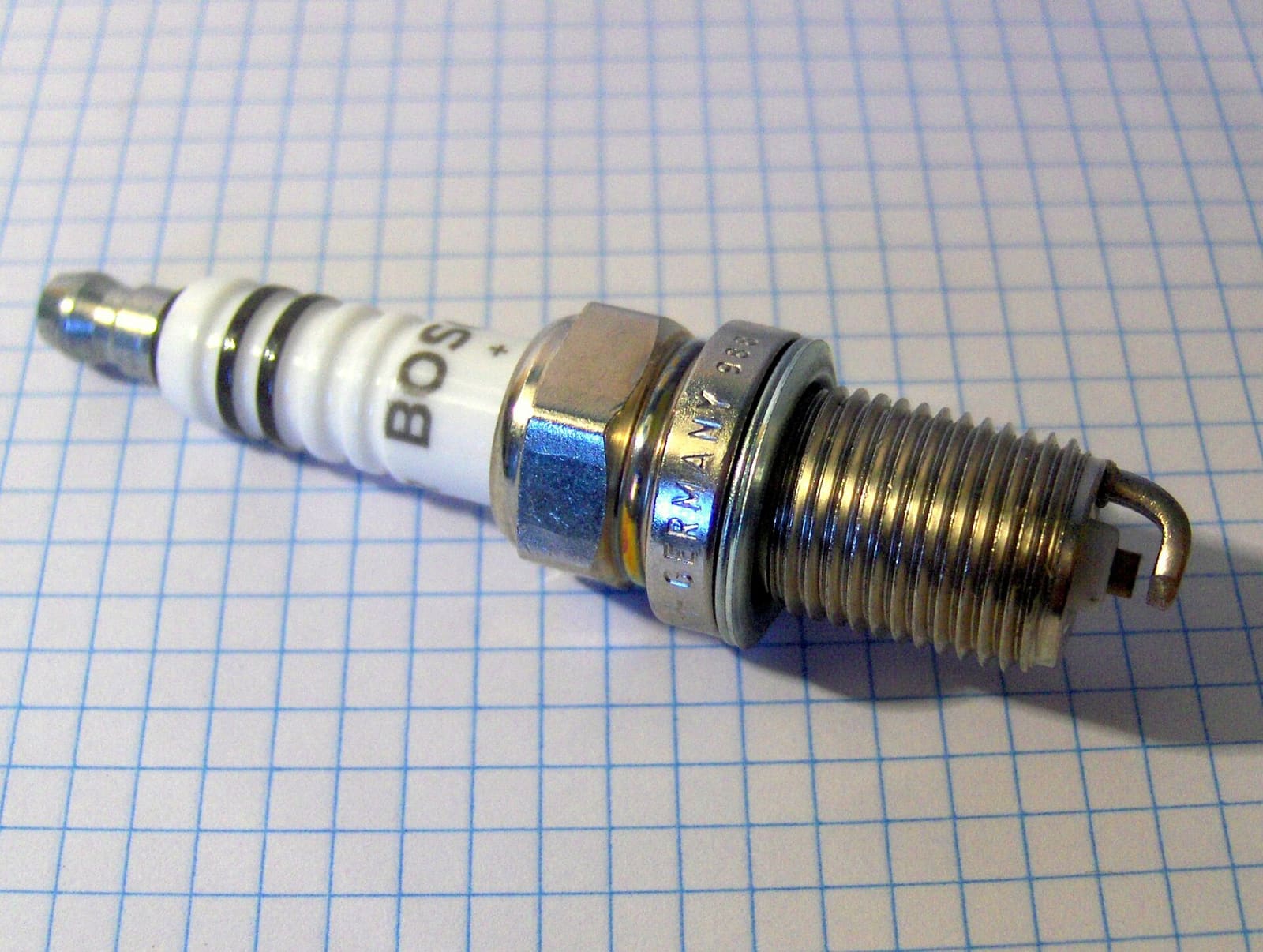
How to Inspect and Replace Spark Plugs
Pull, read and replace the spark plugs on a gas outboard, sterndrive, inboard or PWC. Fresh, correctly gapped plugs help the engine start easily and run smoothly, and the old plugs tell you a lot about the engine's health.
What to Do When Your Boat Is Taking On Water: Emergency Steps and Prevention
A step-by-step emergency plan for water coming into the boat - life jackets on, call for help early on VHF 16, find and slow the leak, pump, and head for shallow water if needed - plus the maintenance checklist that prevents most sinkings.
Boat First-Aid Kit and Medical Prep: What to Carry, Day Trips to Offshore
Build and maintain a boat first-aid kit that fits how far from help you go, with the extras boaters actually need for seasickness, fish hooks, cuts, burns, sun, heat and cold, plus a crew briefing, expiration-date checks and training. General preparation only, not medical advice.
How to Inspect Engine Belts and the Tensioner on Sterndrives, Inboards and Diesels
On many inboard, sterndrive and diesel engines, one belt runs the water pump, the alternator and often the power steering. If it breaks or jumps off, the engine overheats and the steering goes heavy at the same moment. Learn how to inspect the belt, tensioner and pulleys, check tension, and carry the right spare.