Marine Generator Won't Start or Keeps Shutting Down
A step-by-step troubleshooting guide for a boat generator (genset) that won't crank, cranks but won't start, starts and then dies, or runs without making power. Work from switches, battery and fuel to the safety shutdowns for low oil, high temperature and lost raw-water flow, without flooding the engine or risking carbon monoxide.
Time
1 h
Shop would charge
$150-600
Applies to
Gas inboard, Sterndrive (I/O), Marine diesel · Cabin cruiser, Yacht, Sailboat
Safety first: A generator makes carbon monoxide (CO) whenever it runs. If a CO alarm sounds, shut the generator down, get everyone into fresh air and do not restart it until the cause is found. Headache, dizziness, nausea or sleepiness aboard can be CO poisoning: call 911 or the Coast Guard on VHF 16. A gasoline generator can ignite fuel vapor: if you smell gas, don't crank it, don't flip switches, ventilate and call a pro. Never work on the AC wiring or the generator's output terminals; that is lethal voltage and a job for a marine electrician. Keep hands and clothing away from belts and pulleys, and shut the generator down before reaching into its enclosure.
Owners often ask
- My generator starts and then shuts down after a few seconds. What should I check?
- How many times can I crank my boat generator before I risk flooding it with water?
This guide walks you through it. Still stuck? Ask the AI Mechanic about your engine.
Tools
- Digital multimeter
- Flashlight
- Screwdrivers and wrenches for strainer and filter access
- Clean rag and an oil-absorbent pad
- Container for draining a fuel filter bowl (if fitted)
Parts & supplies
- Spare generator fuel filter(s)
- Spare raw-water pump impeller and gasket for your generator model
- Engine oil of the type in your generator manual
Before you start
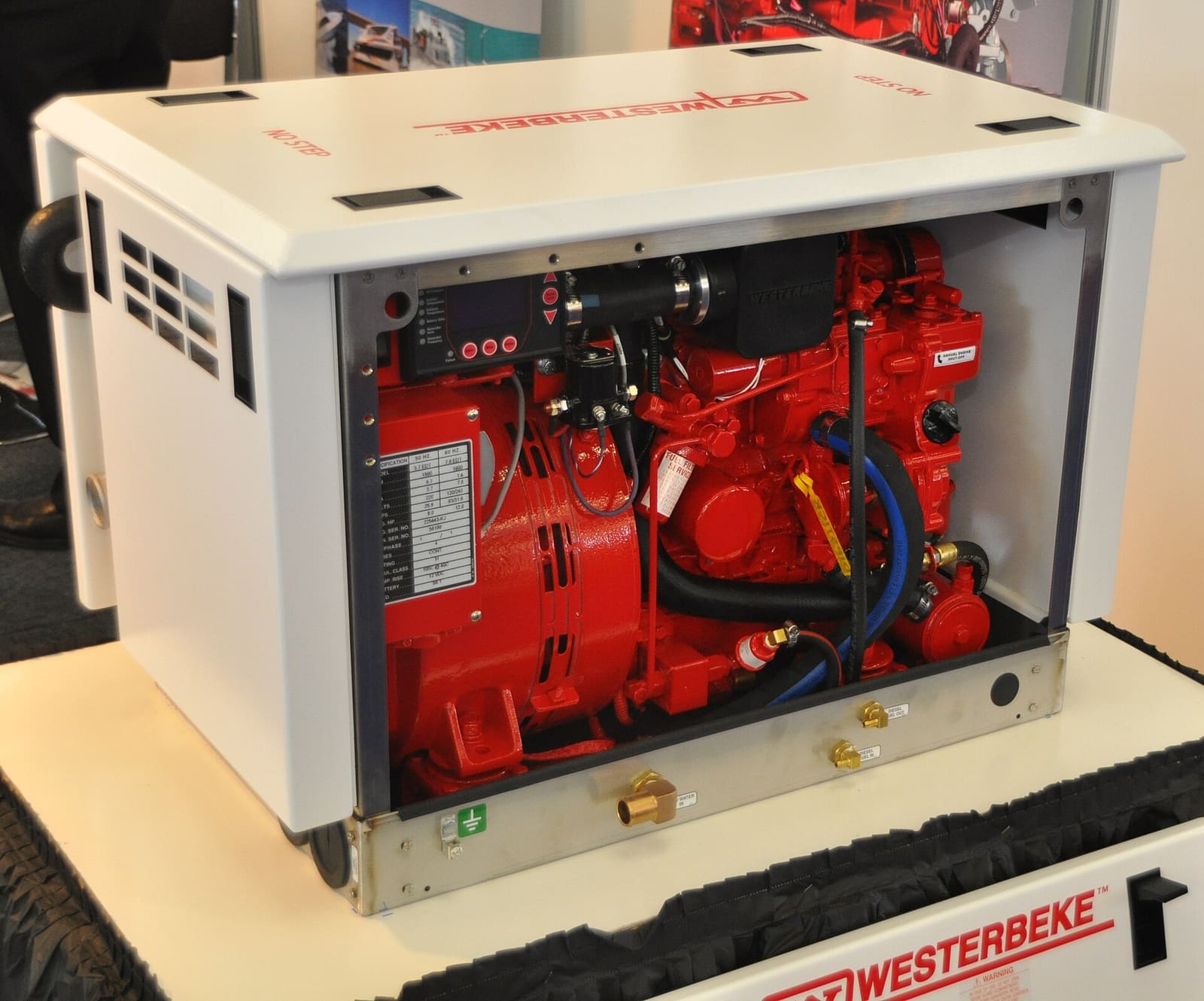
A marine generator (genset) is a small gas or diesel engine driving an AC alternator. When it won't run, the cause is almost always one of a few things: the start battery or switches, fuel, cooling water, oil, or one of its automatic safety shutdowns. Westerbeke, for example, explains that its gensets shut themselves down on low oil pressure, high coolant (fresh water) temperature, or high exhaust temperature caused by a loss of sea water flow. Most brands use similar protection, and many generators have no warning horn: they just stop.
First, note exactly what happens. It decides where you start:
- Nothing when you press start: switches, battery, fuses (steps 2 to 4)
- Cranks but won't fire: fuel, preheat on diesels (steps 5 to 7)
- Starts, then dies within seconds or minutes: safety shutdowns (steps 8 to 11)
- Runs, but no AC power: breakers and selector (step 13)
Also note any fault light or code on the generator's panel or remote display and look it up in your owner's manual. Newer sets with a digital controller may lock out after a shutdown and refuse to crank until the fault is cleared; your manual explains the reset. Clear a fault only once you know what caused it.
Steps
Turn off the generator at the remote panel and at the set if it has a local switch. Make sure your boat's CO detectors are working before you test-run anything (see the CO detector guide). BoatUS's CO advice applies every time the set runs: keep people off the swim platform and out of the water near the generator exhaust outlet, keep exhaust outlets clear of debris, and stay well away (BoatUS suggests at least 20 feet) from other boats running engines or generators.
Many no-starts are a switch in the wrong position. Check:
- The battery switch that feeds the generator (some boats have a separate generator battery or switch).
- The local/remote switch or stop button on the generator itself.
- Any emergency stop or fuel shutoff switch.
- The generator's DC breaker or fuse, usually on the set or near its start battery.
Yachting magazine lists a dead battery, dirty or loose connections and a breaker in the wrong position as the most common reasons a genset won't start.
With everything off, measure the battery that starts the generator with a multimeter. A healthy, fully charged 12-volt battery typically reads around 12.6 volts at rest (confirm for your battery type). If it reads low, or the starter clicks or cranks slowly, charge it and try again. Check that cables are tight and clean at the battery, the starter and the ground connection on the engine block. See the marine battery guide for testing and cleaning.
BoatUS recommends that a generator have its own dedicated start battery, charged by the generator when it runs and by the shore charger when it doesn't, so it can start even when the house and engine batteries are low. If yours shares a battery with the house bank, a night at anchor with lights and electronics on can leave it too weak to crank. Generator start batteries are often tucked out of sight and forgotten; look for corroded terminals while you're there.
A gasoline generator in an enclosed engine room is a vapor risk like any gas engine. Run the bilge blower for at least four minutes and sniff the compartment before cranking, every time. If you smell fuel, stop: find the leak or call a mechanic before any cranking.
Starvation is one of the most common reasons a genset won't start or sputters to a stop, according to Yachting.
- Fuel level: on many boats the generator's pickup in the tank is shorter than the main engines', so the generator runs dry first. Check the actual tank level, not just the gauge.
- Fuel valve: make sure the generator's supply valve is open; it is easy to close one by mistake when servicing filters.
- Filters: gensets often sit unused, and old fuel clogs filters. Yachting recommends always carrying a spare generator fuel filter. Check the filter bowl (if it has one) for water or debris and change the filter as your manual describes.
- Diesel that ran out of fuel usually needs the fuel system bled of air before it will run. Your manual explains how for your model; many have an electric lift pump that helps.
- Gasoline sets suffer from stale or ethanol-damaged fuel and gummed carburetors. Yachting suggests treating the fuel and not letting it sit for long periods.
Diesel gensets use glow plugs to start cold. Most need you to hold a PREHEAT button for several seconds before and during cranking; check your manual for the timing. If preheat doesn't seem to work (no voltage drop on the battery, no change when you press it), the preheat circuit may have a fault worth a technician's look.
This is the step that saves engines. A generator's raw-water pump turns every time you crank, pushing cooling water toward the wet exhaust. Boating Magazine explains that a cranking engine that won't start can't build enough exhaust pressure to push that water out, so it collects and can flow back into a cylinder when you stop. Water in a cylinder (hydrolock) can bend or break engine parts.
- Crank in short bursts only, as your manual specifies, and let the starter rest between attempts.
- If it hasn't started after a few tries, stop and find the cause (fuel, preheat, battery).
- If someone has already cranked it for a long time, don't keep trying: have a mechanic check for water in the cylinders first.
Water can also get in while the set just sits. Many generators are mounted near or below the waterline and have an anti-siphon valve (vented loop) in the raw-water line to stop sea water siphoning into the wet exhaust. Boating Magazine says these valves need taking apart and cleaning at least once a year, because salt and gunk make them stick. If a generator that ran fine last time now won't turn over, or stops with a thump, suspect water in a cylinder: stop cranking and call a technician.
Westerbeke notes that its gensets can shut down if you release the ON switch (gas) or PREHEAT switch (diesel) too soon; holding it a few seconds after the engine starts lets oil pressure build so the safety circuit doesn't trip. Many other brands work the same way. If it still dies after you hold the switch, a safety shutdown is the likely cause: go on to steps 9 to 11. Repeated restarts without finding the cause can damage the engine.
With the generator off and level, pull the dipstick.
- Low oil: top up with the oil your manual specifies, to the correct mark, and look for leaks in the drip pan under the set.
- Oil level correct but it keeps shutting down for oil pressure: stop restarting it. That points to a sensor, wiring or a real oil pressure problem, and running it again risks the engine. Call a technician.
- Oil level too high, milky or smelling of fuel: don't run it; see the oil-level-rising guide and call a pro.
Loss of cooling water trips the high exhaust temperature or high coolant temperature shutdown, often a minute or two after starting.
- Seacock: make sure the generator's raw-water intake valve is open. On a ball-valve seacock, the handle lines up with the valve and hose when open and sits across it when closed.
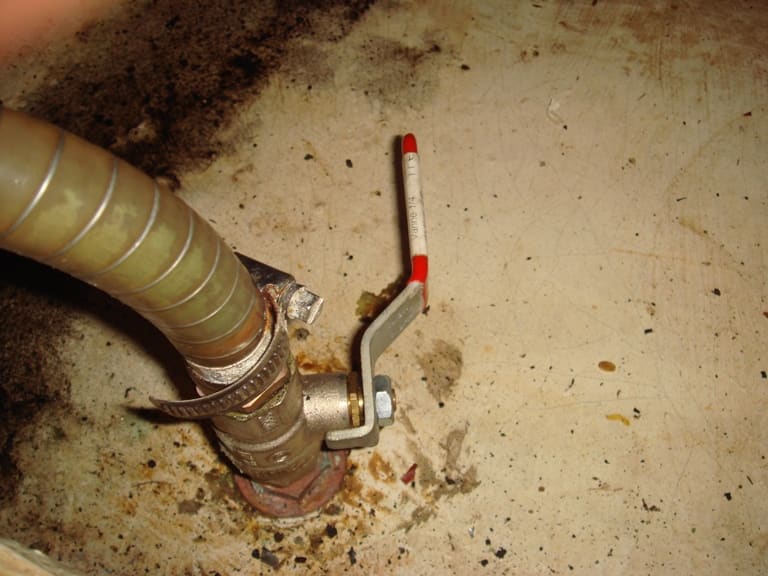
This seacock is closed: the handle sits across the valve. Open, it would point along the hose. Photo: PHGCOM / Wikimedia Commons · CC BY-SA 3.0 - Strainer: close the seacock, open the strainer, clean the basket, reassemble with a good seal and reopen the seacock.
- Intake blocked from outside: Yachting notes that a bag or weed can be sucked against the through-hull while the boat sits still. Shutting the generator down and moving the boat can clear it.
- Water at the exhaust outlet: when it runs, there should be steady water mixed with the exhaust at the generator's hull outlet. Westerbeke cautions that it is hard to judge flow by eye; a weak-looking stream can still be too little.
- Impeller: a failed raw-water pump impeller is a classic cause. Replacing it is a routine job on many sets (see the diesel raw-water impeller guide). Westerbeke points out that missing impeller pieces often lodge in the heat exchanger and must be removed.
Many generators are freshwater-cooled with a heat exchanger. Only with the engine cold, check the coolant level at the expansion tank or fill cap; never open a hot cap. Low coolant, a sticking thermostat or a heat exchanger clogged with scale or impeller bits can all trip the high-temperature shutdown. Westerbeke lists a clogged sea water strainer, a dirty heat exchanger or a clogged water-injection fitting on the wet exhaust elbow as the most common causes of overheating.
Power & Motoryacht passes on a technician's advice: turn off the AC breakers before switching from shore power to generator power, start the generator, then turn loads on one at a time. Never shut it down with loads still on. Starting several big loads at once (air conditioning, water heater, electric stove) can overload the set, which may bog it down or trip its breaker. If it only shuts down when a particular appliance comes on, the problem may be that appliance or simply too much load.
- Generator output breaker: most sets have a main breaker on the generator itself. Check whether it has tripped.
- Source selector: make sure the AC panel is switched to the generator (not shore power) and the main breaker is on.
- No output at all after long storage: Yachting explains that a generator can lose the residual magnetism it needs to produce power after sitting unused for a long time or running for long periods without load. Restoring it ("flashing the field") is a job for a technician who knows your model.
Do not open the generator's AC junction box or measure AC voltage yourself unless you are trained to; stop here and call a marine electrician.
If your panel has an AC voltmeter or a frequency (hertz) meter, glance at it once the set is warm. BoatUS explains that the output frequency depends on the engine holding a fixed speed, and wrong voltage or hertz can damage electronics; readings that wander or sit off the normal US values (120/240 volts, 60 Hz) point to a governor, voltage regulator or brush problem for a technician. BoatUS suggests checking voltage and hertz before each cruise, or at least every three months.
Westerbeke warns that a diesel left unused for a year or more may not start because stale, varnished fuel can stick the injection pump and injectors, and the raw-water impeller may have taken a set or gone brittle. That calls for a proper recommissioning: fuel system check, new impeller and filters, and turning the engine over carefully. A technician should handle anything beyond the impeller and filters.
Common mistakes
- Cranking over and over until the battery dies, which can fill the exhaust and cylinders with water.
- Assuming the fuel gauge is right, when the generator's shorter pickup ran dry first.
- Restarting again and again after a low oil pressure shutdown with the oil level showing full.
- Releasing the start or preheat button the instant it fires, then chasing a "fault" that is really the oil pressure safety.
- Starting the generator with the air conditioning and water heater already switched on.
- Forgetting to reopen the raw-water seacock after cleaning the strainer.
- Swimming or sitting on the swim platform near the generator exhaust while it runs.
- Ignoring an intermittent CO alarm as a "false alarm."
When to call a pro
- Any CO alarm or CO symptoms aboard: ventilate, get people to fresh air and call 911 if anyone feels unwell
- Fuel smell around a gasoline generator, or fuel in the drip pan or bilge
- Repeated low oil pressure or high temperature shutdowns with oil, coolant and raw-water flow all checked
- Suspected water in the cylinders after long cranking, or the engine won't turn over freely
- No AC output, flickering power or tripping breakers (AC electrical work)
- Recommissioning after a long layup, or any work on the injection pump, injectors or governor
- Exhaust leaks, soot or water inside the sound shield
Tips
- Exercise the generator regularly under a reasonable load rather than letting it sit; Power & Motoryacht suggests running it for at least an hour at a time, and your manual will give a recommended loading.
- Keep a spare fuel filter, impeller and the correct oil aboard.
- Label the generator's seacock, fuel valve and battery switch so anyone aboard can check them quickly.
- Write down normal readings (oil pressure, temperature, voltage and frequency) in your BoatMend boat profile so you can spot changes.
- Keep the generator's manual and wiring diagram aboard; Power & Motoryacht also recommends downloading the installation manual for your model, which explains how the system should be set up.
Official references
We read these to write this guide. Your engine's own manual always wins.
- Westerbeke – Frequently Asked Questions, Troubleshooting
- Yachting – Top Five Common Marine Generator Issues
- Power & Motoryacht – Pro Strategies, Extending Your Genset's Life Through Smart Maintenance
- Boating Magazine – How to Prevent Hydrolock
- BoatUS – What You Can't See (carbon monoxide)
- BoatUS – Don't Let Neglected Maintenance Sink Your Boat Generator
Safety: BoatMend is for information only and does not replace a certified marine technician. You are responsible for your safety and your boat. Read the full disclaimer.
Last updated 2026-10-24
Related guides
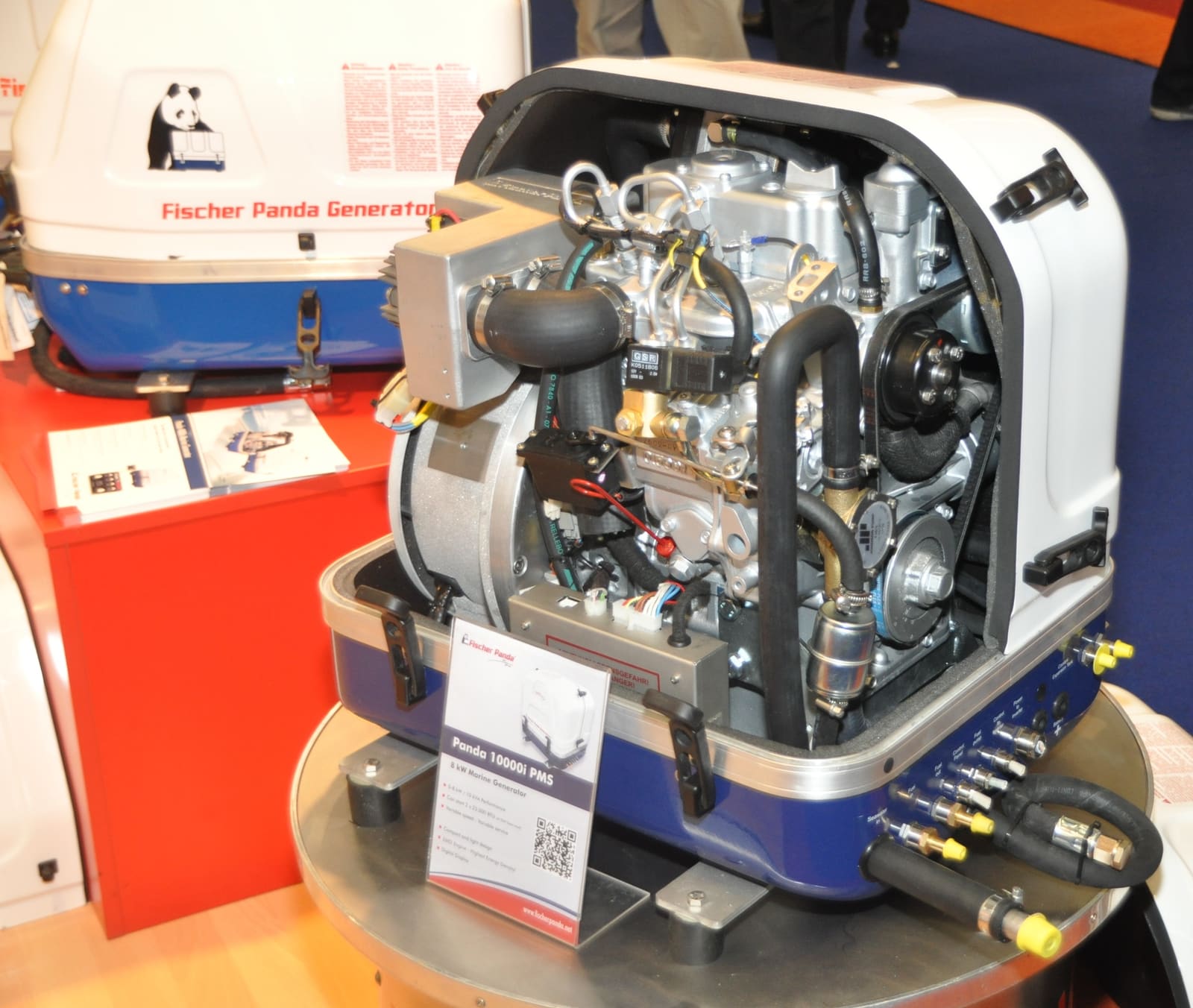
Marine Generator Routine Maintenance and CO Safety
Keep an Onan, Kohler/Rehlko, Northern Lights, Westerbeke or similar marine generator reliable with regular checks of oil, raw-water cooling, fuel, exhaust and the start battery, plus a monthly run under load. Generator exhaust is a leading source of carbon monoxide on boats, so safety checks come first.
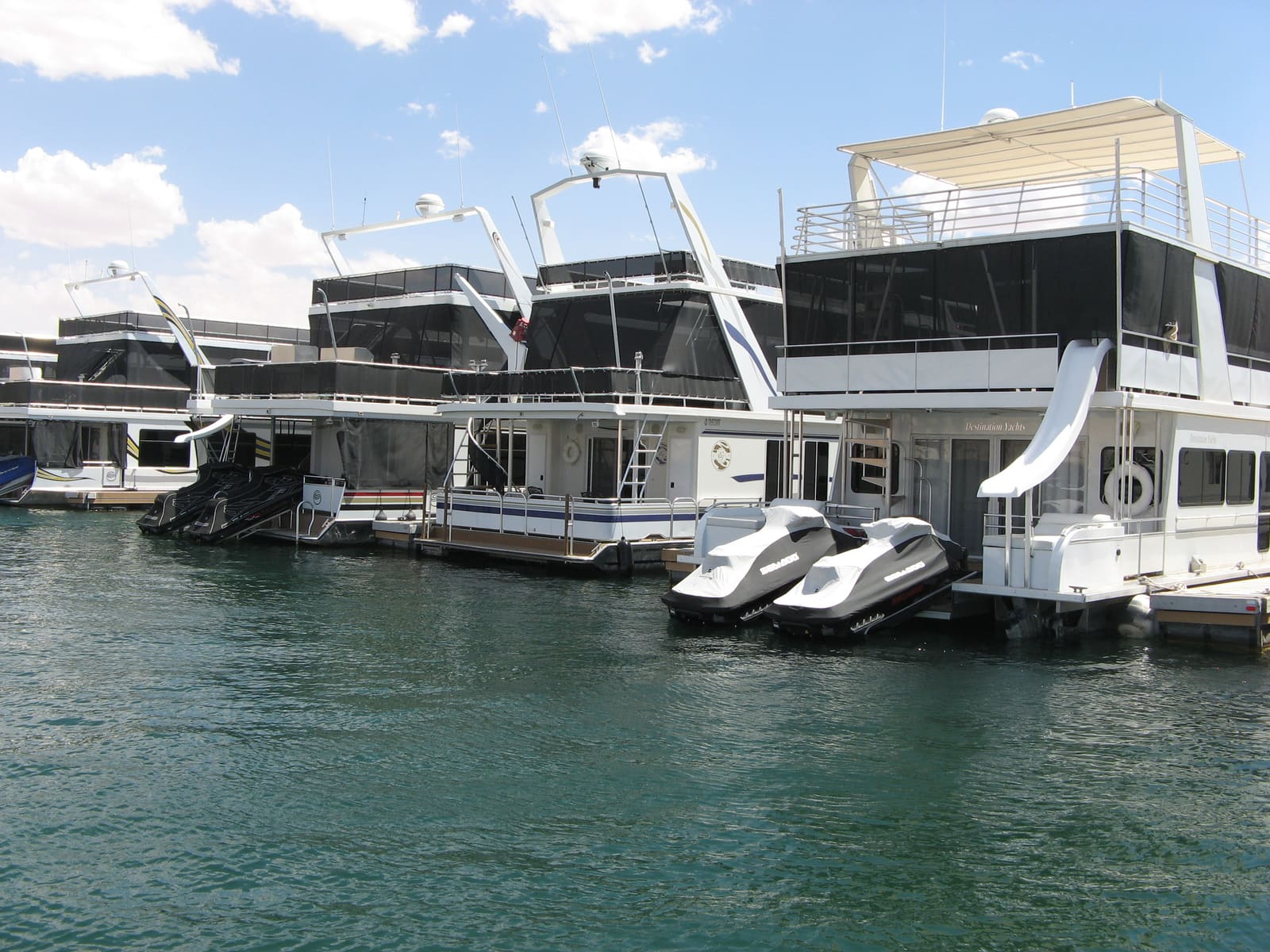
Carbon Monoxide on Boats: Where It Comes From, CO Alarms and Warning Signs
Carbon monoxide can build up in cabins, under canvas and around the swim platform, and its first symptoms look like seasickness. Learn the danger zones, where to mount marine CO alarms, how to test and replace them, and exactly what to do if an alarm sounds or someone feels sick.
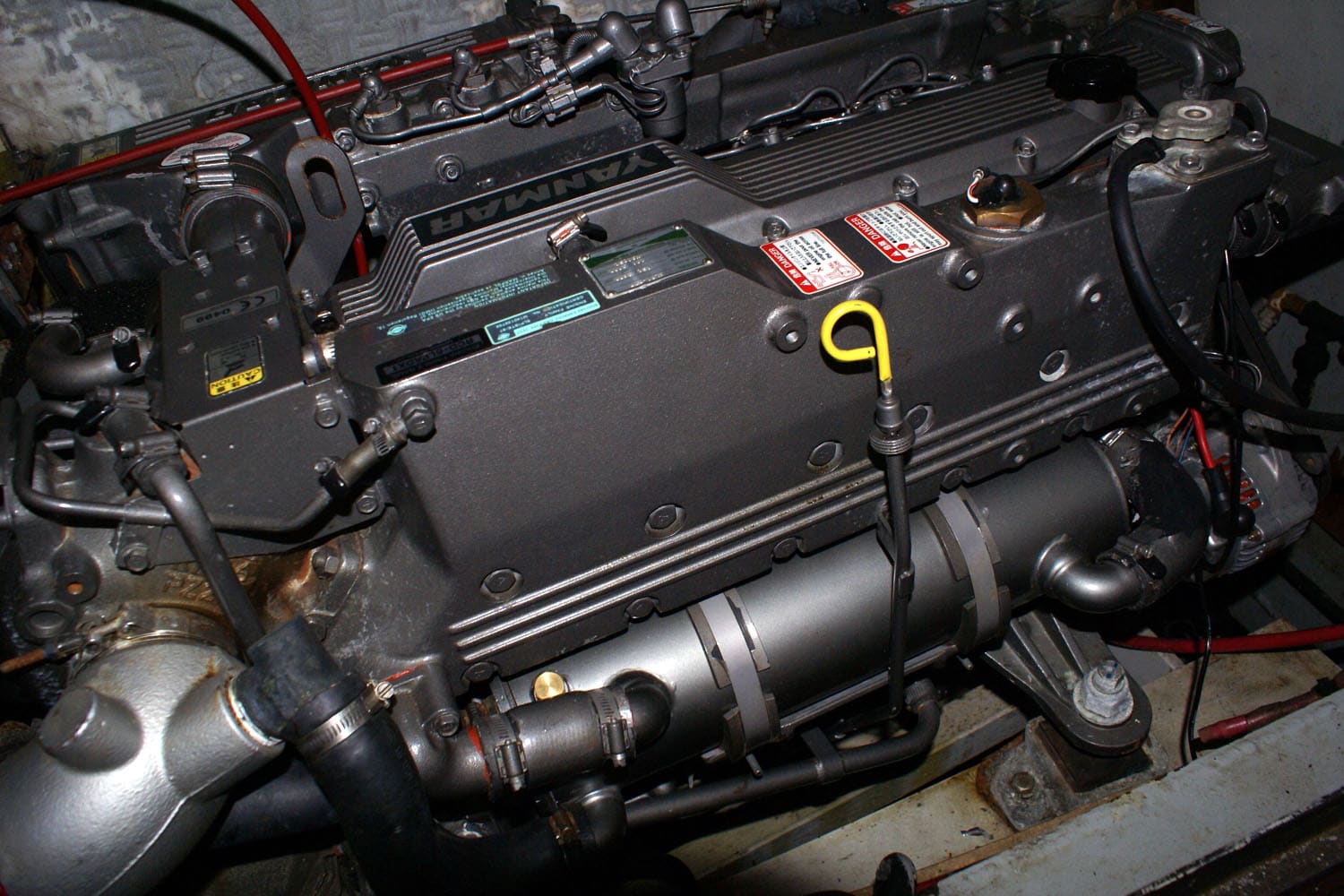
Marine Diesel Won't Start: Troubleshooting From Battery to Fuel
Work through the usual reasons a Yanmar, Volvo Penta, Westerbeke, Beta or similar marine diesel won't crank, or cranks but won't fire, starting with the free and simple checks. Most no-starts come down to the battery, preheat, air in the fuel or a fuel shutoff solenoid.
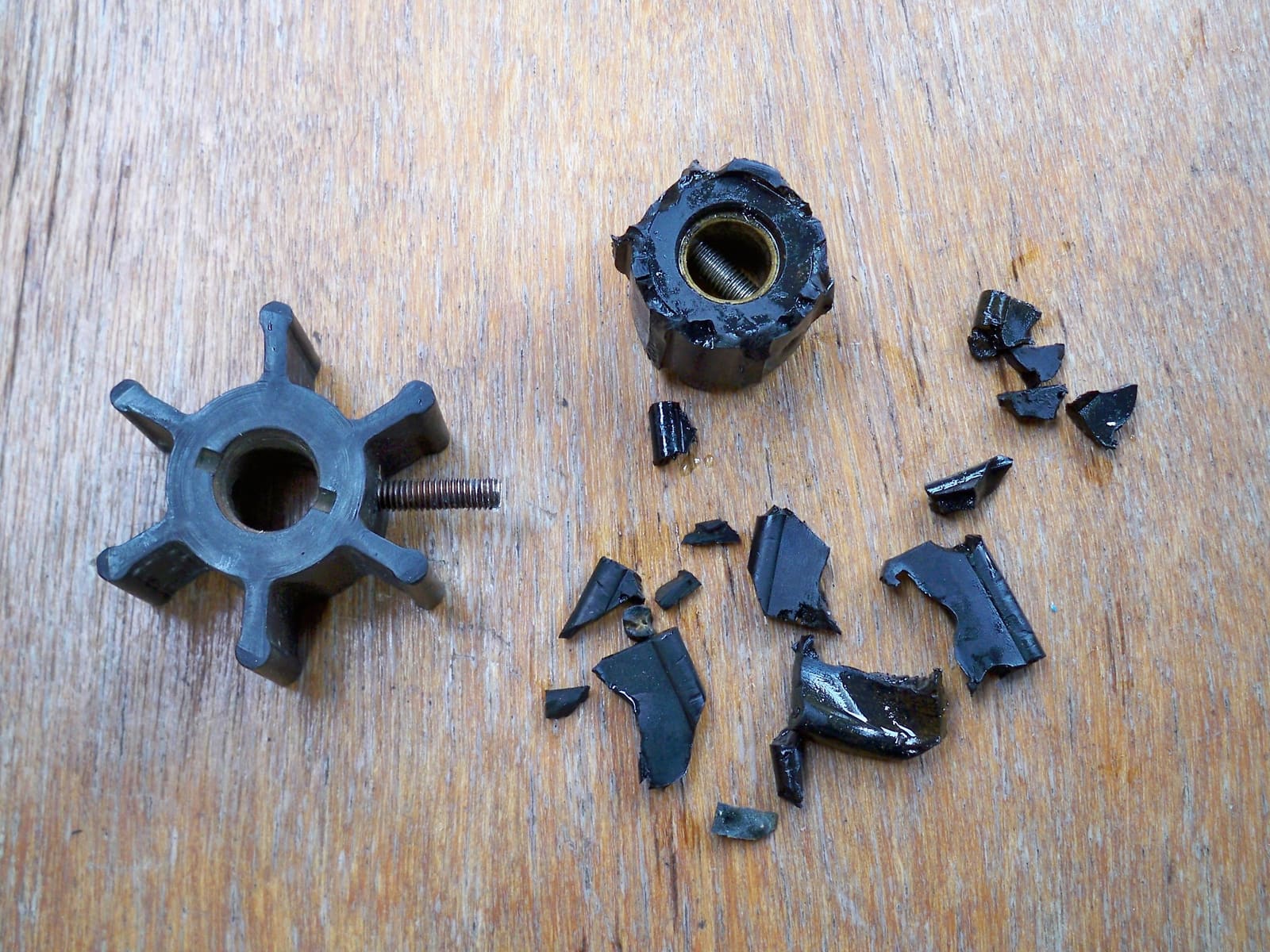
How to Clean the Raw-Water Strainer and Replace the Impeller on a Marine Diesel
Clean the sea strainer and swap the rubber impeller in the raw-water pump of a Yanmar, Volvo Penta, Westerbeke, Beta or similar inboard diesel. A worn impeller is one of the most common reasons a diesel overheats, and this job takes about an hour with basic tools.
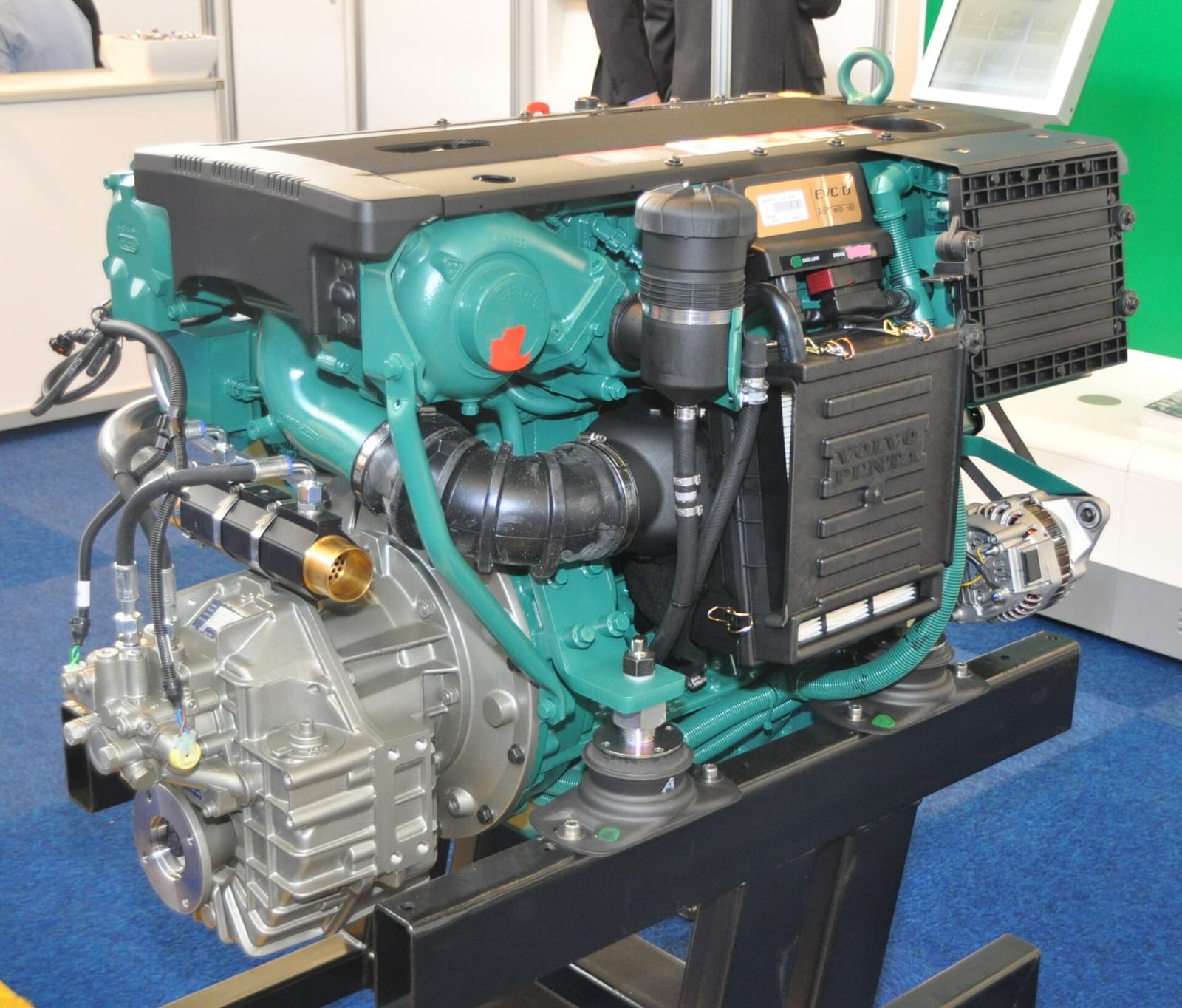
How to Check and Change Coolant in a Closed Cooling System
Check, test and change the coolant in a freshwater-cooled (closed cooling) inboard, sterndrive or diesel, and learn the heat exchanger basics that keep it working. Old coolant quietly eats hoses, pumps and engine passages, and many boats go a decade without a change.
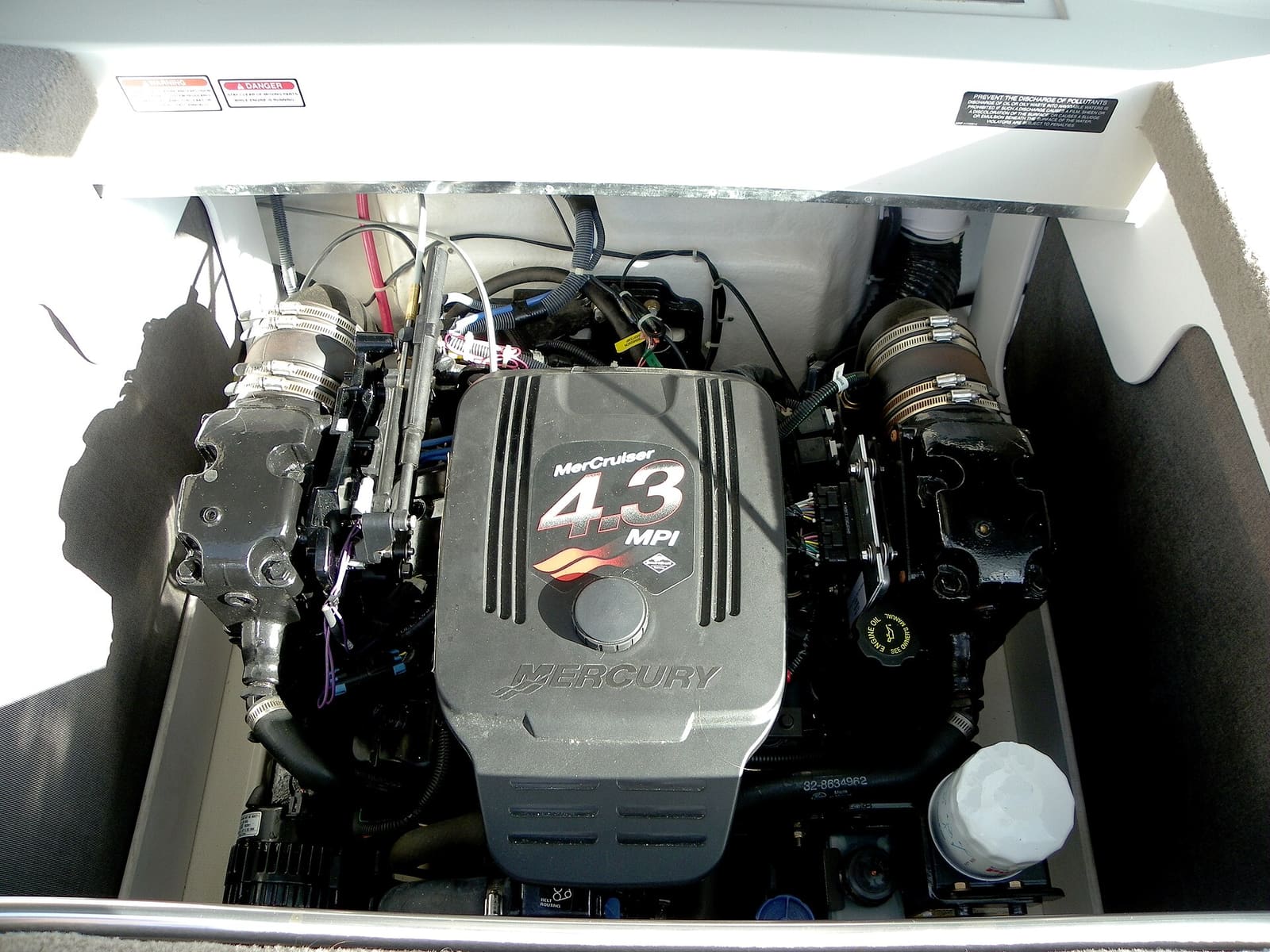
How to Inspect Exhaust Manifolds and Risers on a Sterndrive or Inboard
Cast-iron exhaust manifolds and risers rust from the inside, and when they fail they can let water into the cylinders and ruin the engine. Learn the warning signs, how often to inspect them in salt and fresh water, how to check a riser yourself, and when replacement is a job for a pro.
Four-Stroke Outboard Oil Level Rising or Smelling Like Gas: What It Means and What to Do
If the oil on your four-stroke outboard's dipstick keeps going up or smells like gasoline, fuel is probably getting into the crankcase. Learn how to check the level the right way, why lots of idling, trolling, short runs and cold water cause it, what you can do yourself, and when a fuel-system fault needs a dealer.
Bilge Blower and Engine Compartment Ventilation on Gas Inboards and Sterndrives
Learn why gas boats have a "run the blower 4 minutes" label, how to check that the blower and vent ducts actually move air out of the engine compartment, and how to replace a blower safely with an ignition-protected marine unit.
Shore Power Safety: Cords, Inlets, Burned Plugs and Electric Shock Drowning
An owner's inspection routine for your shore power cord, plugs, boat inlet, galvanic isolator and ground-fault protection, plus the right way to plug in and the facts about Electric Shock Drowning. This guide is for looking and testing only; any electrical repair belongs to an ABYC-certified marine electrician.
Marine Battery Care: Test, Charge and Store for Winter
Check your boat battery's health, charge it the right way for its type (flooded, AGM or lithium), and store it so it is ready in spring. Most "boat won't start" calls start with a neglected battery.