Outboard Stator and Rectifier/Regulator: Symptoms, Safe Owner Checks and When to Hand Off
Most outboards charge the battery with a stator under the flywheel and a rectifier/regulator. Learn how to read the symptoms of undercharging, overcharging and intermittent charging, what voltage checks and inspections an owner can safely do, and which tests and repairs belong to a technician with the service manual.
Time
45 min
Shop would charge
$200-900
Applies to
Outboard
Safety first: Voltage checks are done with the engine running, so run it only in the water, on external flush muffs or in a test tank (not on the built-in flush port unless your manual allows it), keep everyone clear of the propeller, and keep hands, hair, sleeves and meter leads away from the flywheel and belts. Never disconnect a battery cable or switch the battery off while the engine runs; the voltage spike can destroy the rectifier/regulator and other electronics. A battery that is hot, swollen, hissing or smells like rotten eggs is being overcharged or has failed: shut the engine off, ventilate and call a technician. Stranded on the water, call TowBoatUS or Sea Tow, or VHF 16 / 911 in an emergency.
Owners often ask
- How do I know if my outboard stator or rectifier is bad?
- My battery keeps boiling and needs water. Is the outboard overcharging it?
- My tach stopped working and the battery isn't charging. Are they related?
This guide walks you through it. Still stuck? Ask the AI Mechanic about your engine.
Tools
- Digital multimeter (DC volts)
- Flush muffs or a test tank if the boat is out of the water
- A helper to run the throttle
- Flashlight
- Phone camera to photograph connectors before you touch them
- Safety glasses
Parts & supplies
- Nothing for the checks
- Fuse, stator or rectifier/regulator only if testing proves it bad, matched to your engine's serial number
Before you start
How an outboard makes electricity. Magnets inside the flywheel spin past a ring of wire coils called the stator, which sits under the flywheel. The stator makes alternating current (AC). A rectifier turns that into direct current (DC) the battery can use, and a regulator keeps the voltage from climbing too high. On most modern outboards the rectifier and regulator are one finned box, usually bolted to the engine. Many larger outboards use a belt-driven alternator instead; for those, and for sterndrives and inboards, use the charging system test guide.
This guide builds on the charging system test. That guide covers charging and load-testing the battery, cleaning connections, the basic voltage test and what the numbers mean, and the stator and rectifier bench tests in outline. Do those first steps before this one. Here we focus on reading the symptoms, what is safe to inspect on a stator-and-rectifier engine, and how to hand off to a technician with useful information.
Know your engine's output. Charging output varies a lot by model. Yamaha's own jet drive lineup, for example, lists a 16-amp charging system on one model and 35 amps on others. Mercury points out that the rated number is the maximum, and that the engine's own ignition, fuel pumps and steering take a share before anything reaches the battery. Look up your engine's rating in the owner's manual, and expect much less at idle.
Steps
Look in your owner's manual and at the engine:
- No charging system: some small rope-start outboards have none at all.
- Lighting coil: a small coil under the flywheel of many rope-start motors. Practical Boat Owner explains it makes AC mainly to run navigation lights on small open boats, and that its power is deliberately limited. To charge a battery it needs a rectifier, often sold as an option.
- Stator with rectifier/regulator: most electric-start outboards.
- Belt-driven alternator: many big outboards. Use the charging system test guide.
Write down exactly what you see. Each pattern points in a different direction:
- Undercharging: the battery slowly goes flat over a day of running, the engine cranks slowly after a stop, the helm voltmeter barely rises when the engine starts.
- Overcharging: the helm voltage climbs high at cruise, a flooded battery needs water often or smells, bulbs or electronics fail early, the battery feels warm.
- Intermittent: voltage jumps up and down with bumps, rpm changes or turning the wheel. This is usually a loose or corroded connection.
- Tach dead or jumpy along with charging trouble: on many outboards the tach signal comes from the stator or rectifier, so the two problems often share a cause.
Do steps 1 to 3 of the charging system test guide: charge and load-test the battery, check the battery switch position, and clean and tighten every terminal and ground. Yamaha warns that a battery terminal can be corroded underneath even when it looks clean, so take the connection apart. A tired battery or a bad ground is behind a large share of "bad stator" complaints. If you also suspect something draining the battery while the boat sits, see the parasitic battery drain guide.
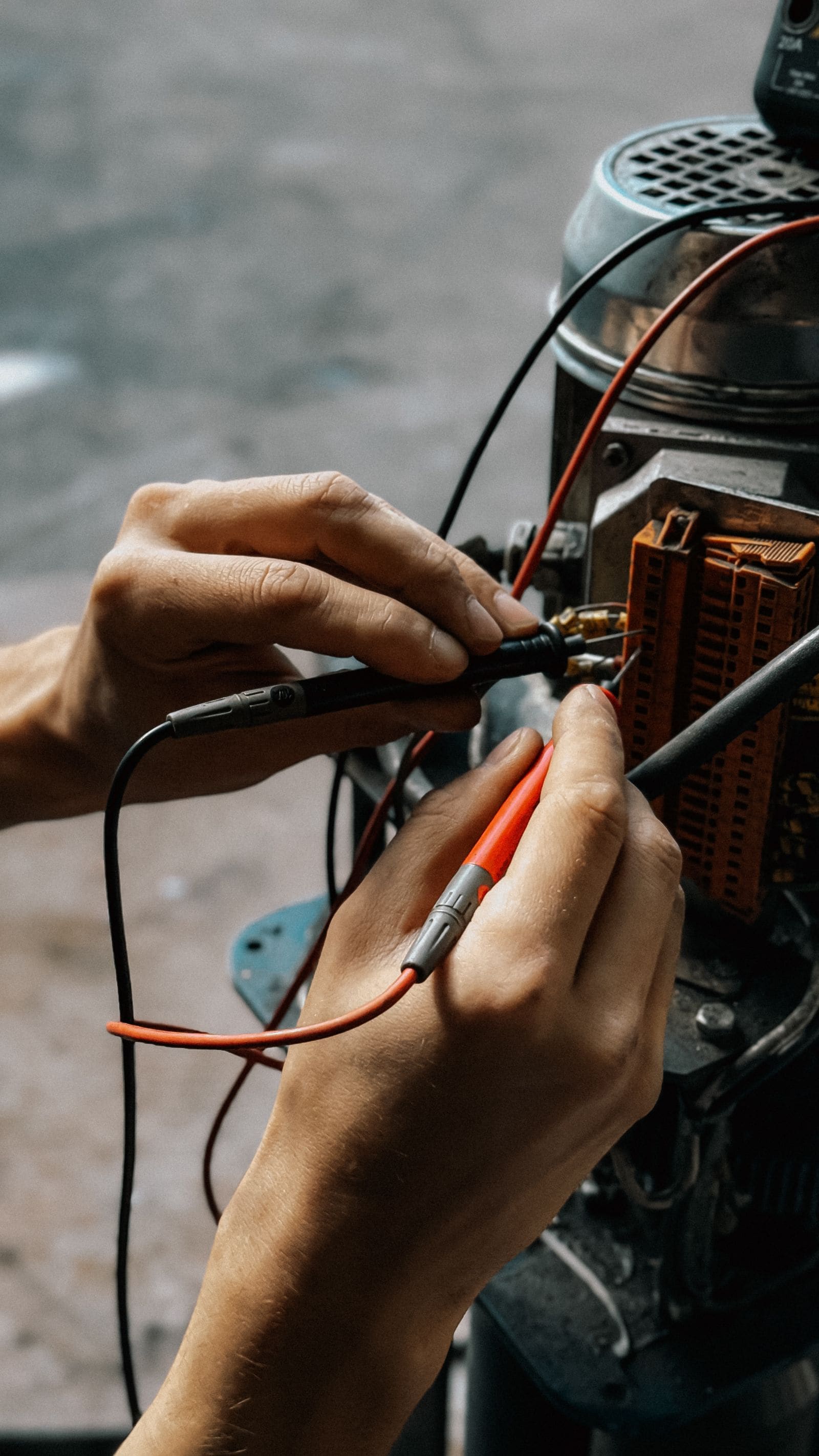
With the engine in the water (or on muffs or in a test tank) and a helper on the throttle, put your meter on the battery posts and record:
- Engine off, after the battery has rested.
- Idle, in neutral.
- Fast idle at the rpm your service manual uses for its charging test, in neutral.
If you can do it safely on the water, also note the reading at your normal cruise rpm, with the helper driving.
The trend tells you more than any single number:
- Voltage never rises above the resting reading at any rpm: nothing is reaching the battery. Suspect a fuse, connection, rectifier or stator, in that order.
- Voltage rises a little at idle, then sags at higher rpm or with bumps: a loose or corroded connection is likely.
- Voltage keeps climbing with rpm and goes well past the normal charging range: the regulator is probably not regulating. Stop the test.
The charging system test guide lists typical voltage ranges; your service manual has the exact ones.
One thing that can fool you: some newer outboards raise their own idle speed when the battery is low, to get more charge in. Mercury, for example, lists an "idle charge" feature on its 150 hp FourStroke that bumps idle rpm automatically. If your idle reading was taken at a higher-than-usual idle, note the rpm next to the voltage so the comparison stays fair.
Overcharging damages batteries fast and can boil the electrolyte out of flooded batteries. If your readings are high, or the battery is hot or smells, stop running the engine until it's checked. Don't keep "topping up" a flooded battery that boils dry every few trips: the cause is usually the regulator, and the next victim can be your electronics.
Take the key out and pull the lanyard. Remove the cowling and find the finned box with wires going to it (your manual's wiring diagram shows where it is). Look, but don't unplug anything yet:
- Mounting: it should be bolted firmly. Its finned body or base gets rid of heat, so a loose or missing bolt lets it overheat.
- Body: cracks, bulges, scorch marks or a burnt-electronics smell mean it has failed or is failing.
- Connector and wires: melted plastic, browned or brittle insulation, or green corrosion at the plug.
A rectifier that overheated may also have damaged the stator, or the reverse. If you find burn damage, have both tested.
With the engine off, first wiggle each wire and plug gently; Yamaha suggests this as a quick way to find a loose connection, and corrosion can also rot the strands inside a wire where you can't see it. Then photograph each connector, unplug them one at a time and look inside. Green or white powder, pushed-back pins or water in the plug all cause intermittent charging. Clean and dry them as described in the electrical corrosion guide, reconnect each one firmly, and protect them the way your manual recommends. Never stab through wire insulation with meter probes; the hole lets water in.
Many outboards have a fuse or fusible link in the charging circuit. Your wiring diagram shows where. A blown fuse means no charge at all, but it blew for a reason: a short, a reversed battery or a failing rectifier. Mercury notes that if the battery was ever connected backward, the fuse or fusible link is the first thing to check, and that the damage varies by model, so a dealer should inspect the engine. If a new fuse blows again, stop and have the circuit checked.
If the tach went dead or erratic at the same time the charging stopped, the shared source (stator or rectifier) is the prime suspect, not the gauge. If the tach works and the battery still isn't charging, the problem is more likely in the regulator's output side, the fuse or the wiring to the battery. The gauges and tach guide covers gauge-only faults.
On rope-start motors with a lighting coil, charging is modest even when everything works. Practical Boat Owner describes a small outboard giving only a few amps at the speeds a sailboat typically runs, and notes that the simple single-diode "chargers" often sold for these motors waste half the available power. If you need more charging, ask a dealer about the correct charging kit or rectifier for your engine, or charge the battery from shore or solar between trips. Don't rig home-built circuits on the engine unless you know exactly what you're doing.
A healthy stator can still lose the race if loads grew over the years:
- More electronics: add up the amps you run and compare with your engine's output at the rpm you usually use (see step 7 of the charging system test guide).
- House batteries: some larger outboards have separate charging leads for a second battery. Yamaha notes many of its outboards of 150 hp and up have them, charging the starting battery first. Others need an isolator or charging relay; the battery isolator guide explains the options.
- Lithium batteries: charging profiles differ from lead-acid. Before fitting a lithium battery, check that your engine maker approves it with your engine's charging system (see the lithium battery conversion guide).
If the battery, connections, fuse and wiring all check out, the stator or rectifier/regulator needs testing with the service manual's procedure. That usually means:
- measuring the stator's resistance and AC output (often with a peak-voltage adapter) against the specs for your exact engine
- testing the rectifier's diodes in a specific sequence
- removing the flywheel with a puller to replace the stator
Bring the technician your three-speed voltage readings, the symptom notes from step 2, and photos of any damage. It saves diagnostic time and keeps you from paying for parts you don't need.
Common mistakes
- Buying a stator first, when the problem was a corroded ground or a tired battery
- Disconnecting the battery or switching it off with the engine running to "test" the charging
- Topping up a boiling battery again and again instead of fixing the regulator
- Running the engine on the trailer without water to check voltage
- Fitting a cheap universal regulator or one meant for a different engine
- Piercing wire insulation with probes, which invites corrosion later
- Using spec numbers from a forum post for a different model
When to call a pro
- Readings above the normal charging range, or a hot, swollen or smelly battery
- Melted connectors, burned wires or a scorched rectifier
- A fuse that blows again after replacement
- Stator and rectifier tests that need the service manual, a peak-voltage adapter or flywheel removal
- Charging problems after a battery was connected backward
- Adding a lithium battery, a second bank or a charging relay
Tips
- Note your normal helm voltage at idle and cruise in your BoatMend log. A change of a few tenths over the season is your early warning.
- A small battery monitor at the helm catches both undercharging and overcharging before the battery suffers.
- In salt water, keep the cowling connectors clean and protected; Yamaha recommends spraying the powerhead with a corrosion protectant (keeping it off any oxygen sensor).
- If the engine came with an optional charging kit, keep its part number in your boat profile for future orders.
Official references
We read these to write this guide. Your engine's own manual always wins.
- Practical Boat Owner – Charging a Battery from an Outboard Motor's Lighting Coil
- Yamaha Outboards – Maintenance Matters, Electrical System
- Yamaha Outboards – Jet Drive Outboards (alternator output differs by model)
- Mercury Marine – The Mercury Alternator Advantage (rated output versus net power)
- Mercury Marine – FourStroke 75-150hp (alternator output by model, idle charge battery management)
- Mercury Marine – Owner FAQs (reversed battery connections)
Safety: BoatMend is for information only and does not replace a certified marine technician. You are responsible for your safety and your boat. Read the full disclaimer.
Last updated 2026-10-26
Related guides
Is My Engine Charging the Battery? Test the Charging System With a Multimeter
A step-by-step way to find out whether your outboard's stator and rectifier/regulator or your inboard's alternator is really charging the battery, what the voltage readings usually mean, and when the problem is just a dirty connection. Exact test specs come from your engine's service manual.
Marine Battery Care: Test, Charge and Store for Winter
Check your boat battery's health, charge it the right way for its type (flooded, AGM or lithium), and store it so it is ready in spring. Most "boat won't start" calls start with a neglected battery.
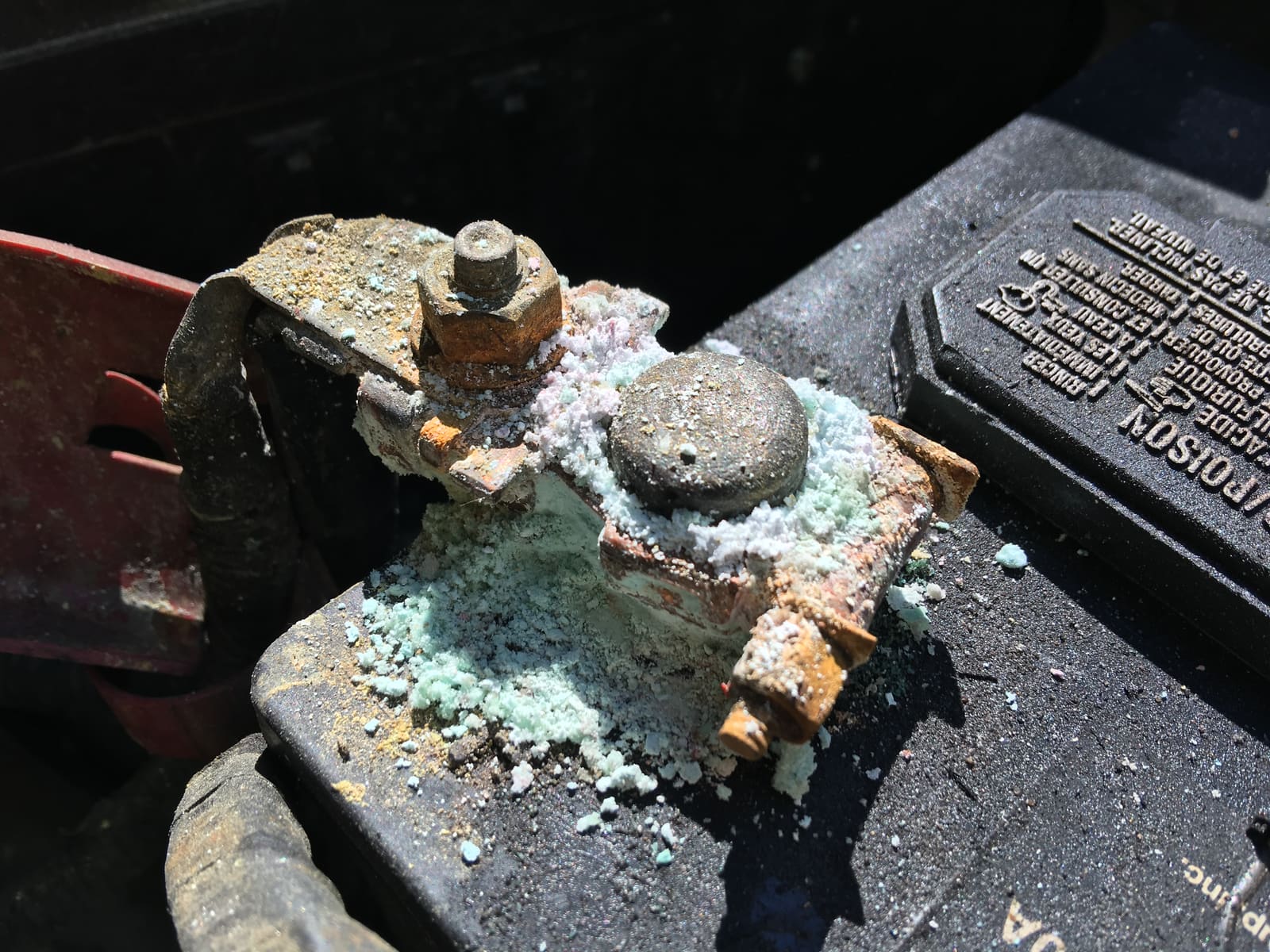
How to Find and Fix Corroded Electrical Connections on a Boat
Track down the green crust and loose terminals behind flickering lights, dead gauges and slow cranking with a simple voltage-drop test, then remake the connection the marine way: tinned wire, a proper crimp, adhesive-lined heat shrink and a protective coating.
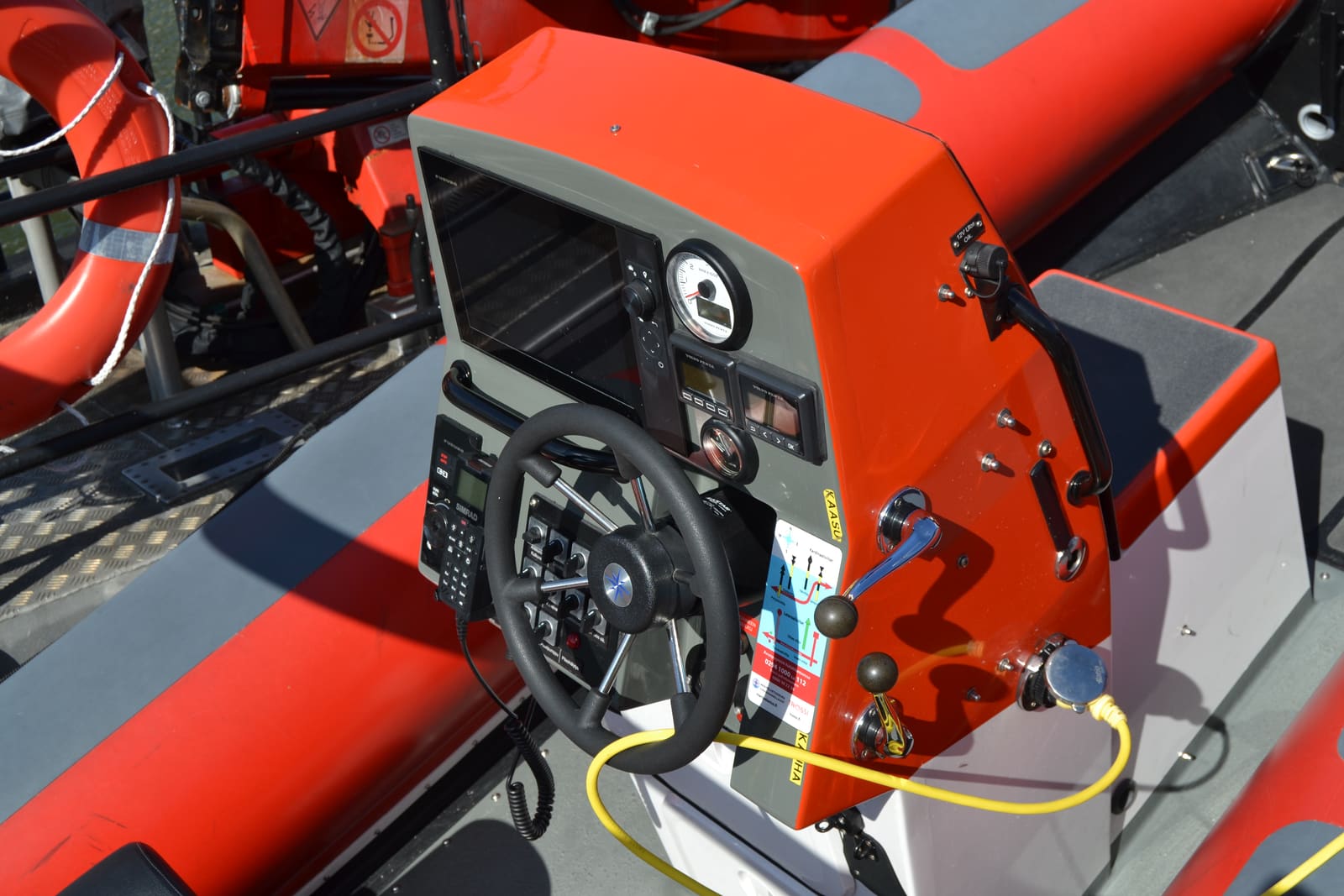
How to Troubleshoot Dash Gauges, a Dead Tachometer or a Wrong Fuel Gauge
Work through dead or wrong dash gauges from the cheapest check to the most involved: fuses and breakers, power and ground, the gauge-versus-sender test, the tachometer's pulse setting and the extra checks for digital network gauges. Most gauge problems turn out to be a bad connection, not a bad gauge.
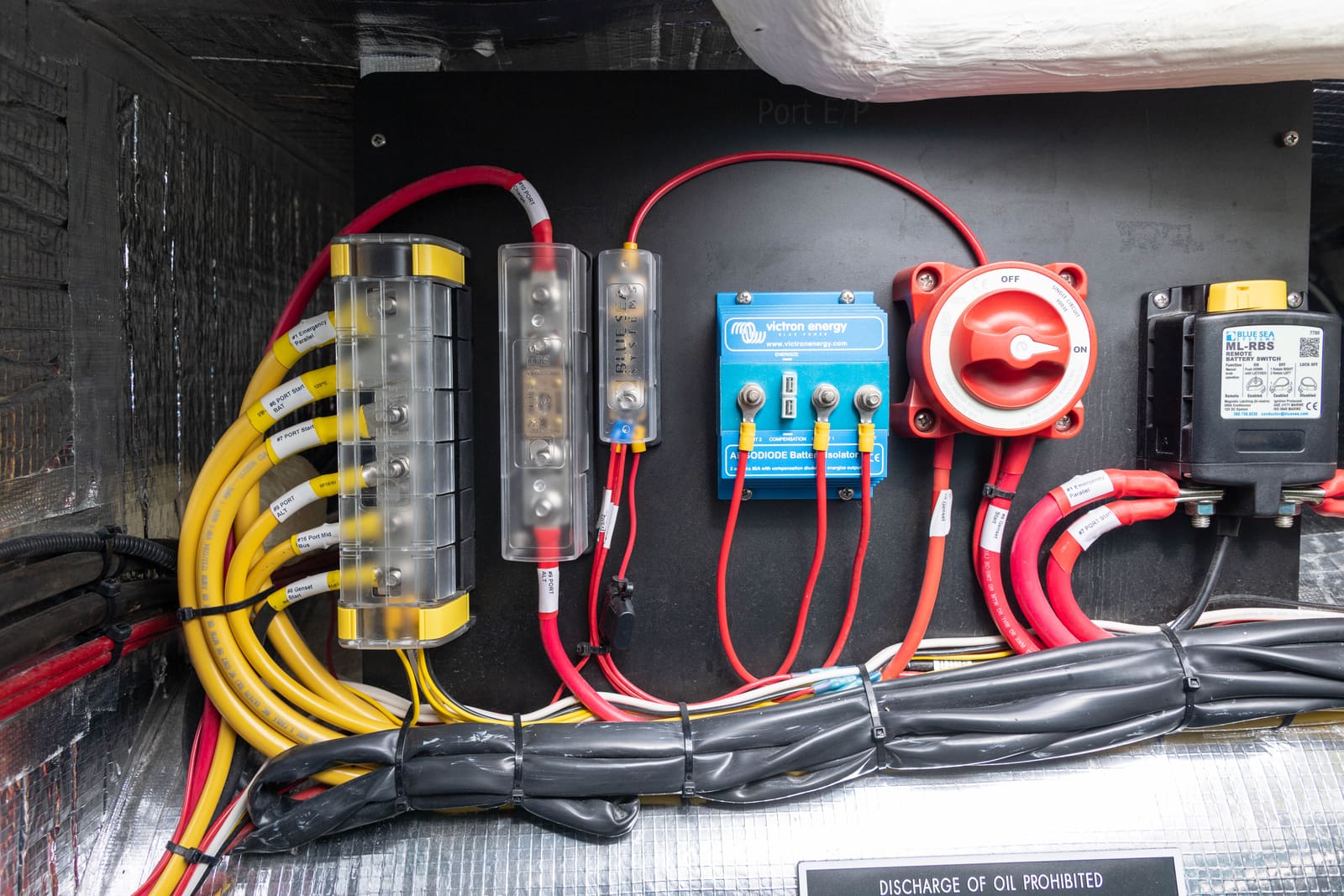
Battery Isolators Compared: Diode, ACR, Combiner and DC-DC Charger
Learn what the box between your engine and your batteries actually does, why an old diode isolator can leave batteries never quite full, and which charging setup suits an outboard, an inboard or a lithium house bank, plus a simple meter check of the one you have.
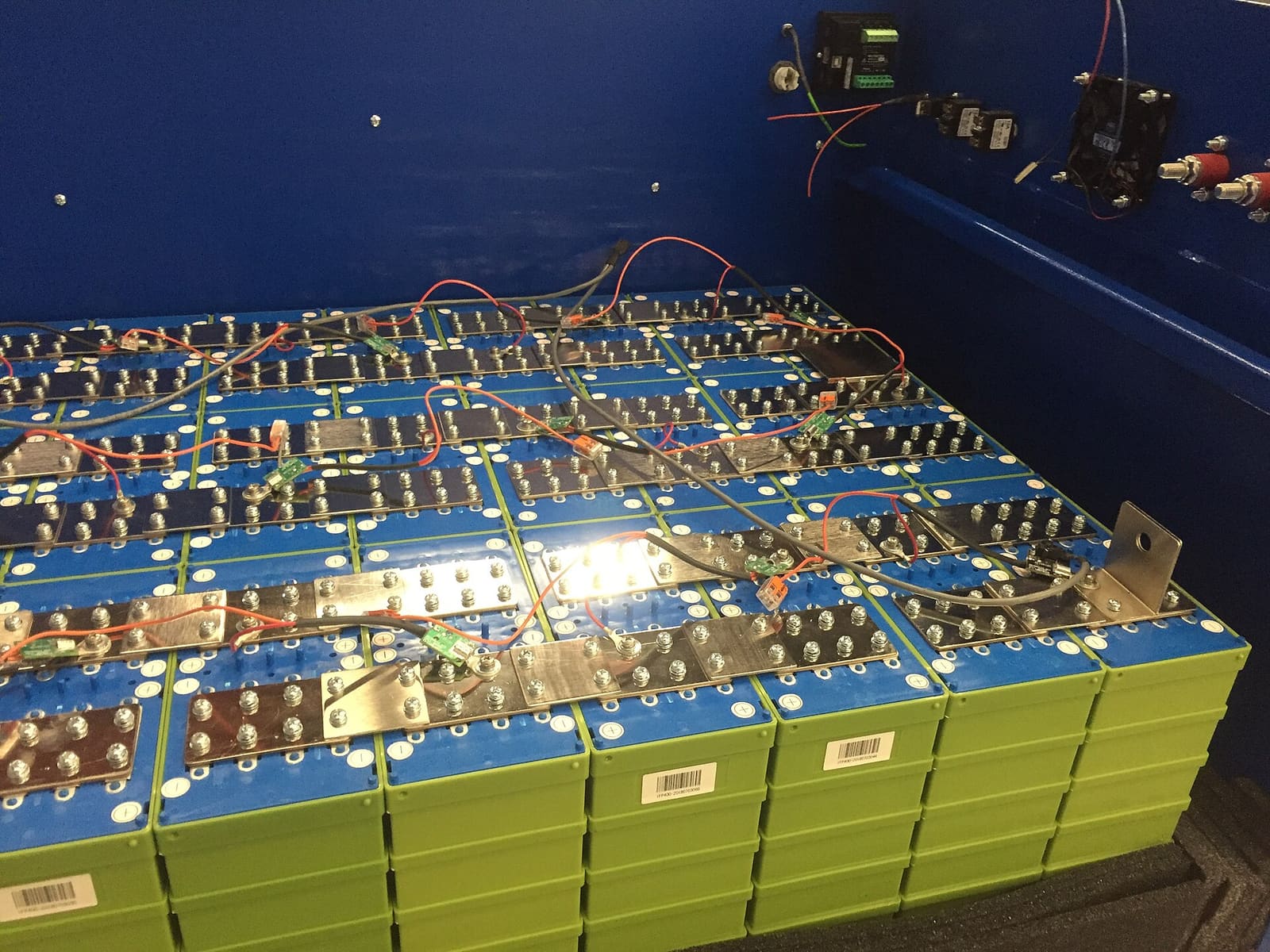
Switching to Lithium (LiFePO4) Boat Batteries: What Changes and When It's Worth It
What really changes when you swap lead-acid for lithium iron phosphate (LiFePO4) batteries on a boat: the battery management system, charger settings, protecting the alternator with a DC-DC charger, not mixing chemistries, cold-weather charging, and which jobs (trolling, house, starting) suit lithium. House-bank conversions should be designed and installed by a qualified marine electrician.
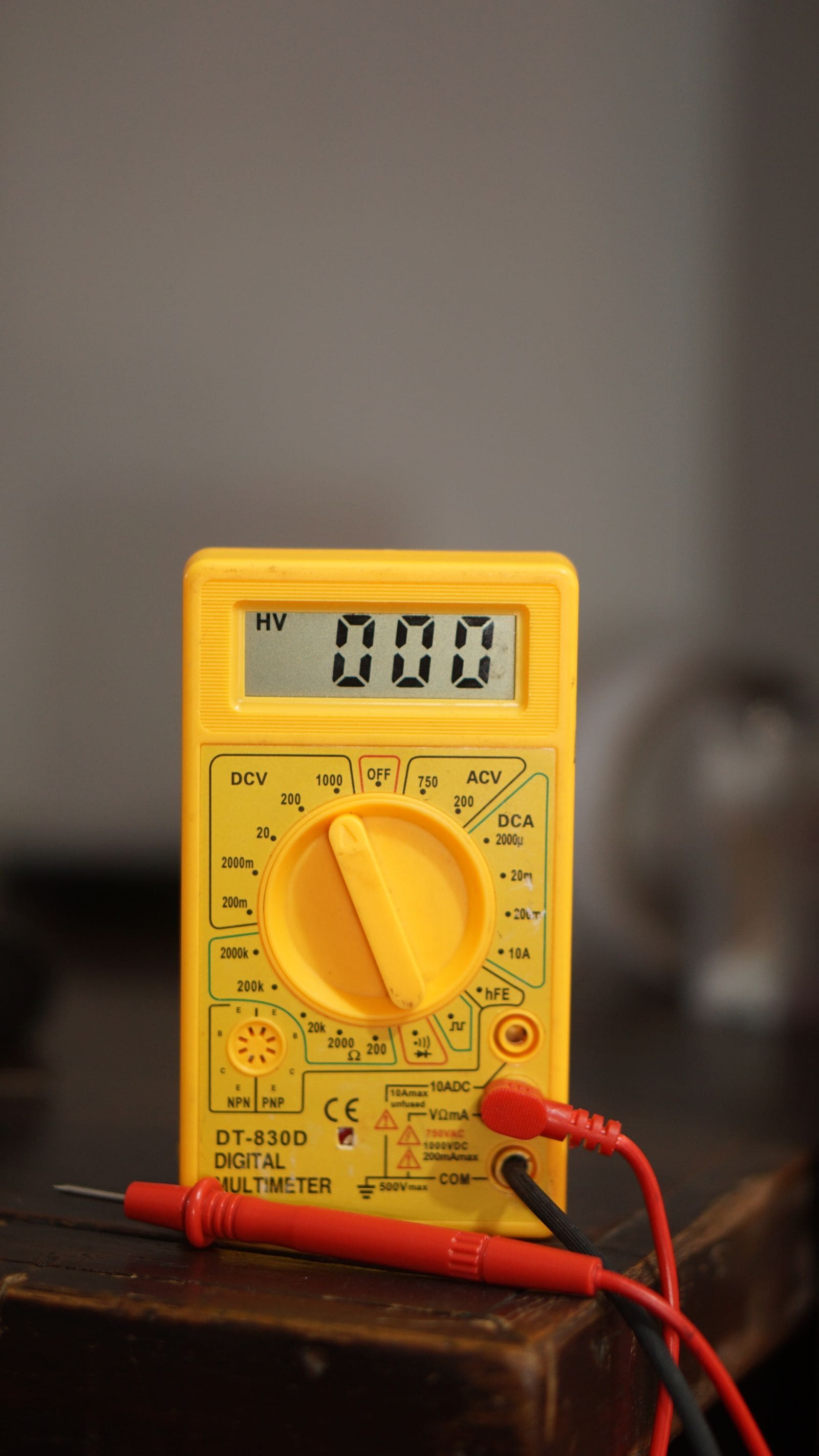
Battery Goes Dead While the Boat Sits - How to Find a Parasitic Drain
If your boat battery is flat every time you come back, something may be quietly drawing power while you are away. Learn how to tell a bad battery from a drain, find the circuit with a multimeter and the fuse panel, and fix the usual culprits without disabling your bilge pump.
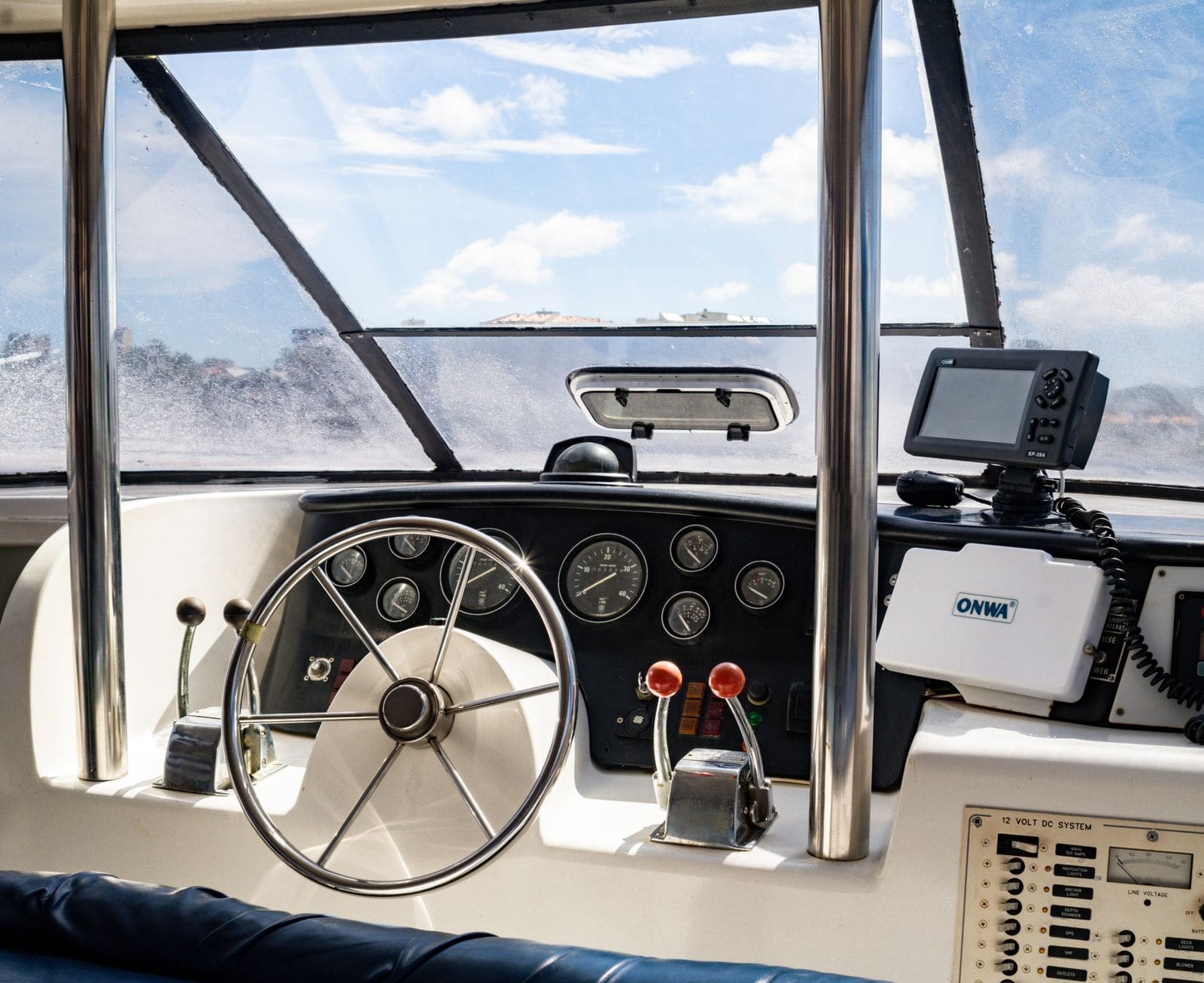
Engine Warning Horn and Dash Lights: What They Usually Mean and What to Do
Learn what a warning horn, beeps or a dash light usually mean on a boat engine, from overheating and low oil pressure to water in the fuel and reduced-power (limp) mode. Find out what to do right away and when to stop the engine. Patterns differ by brand, so match what you hear and see to your owner's manual.
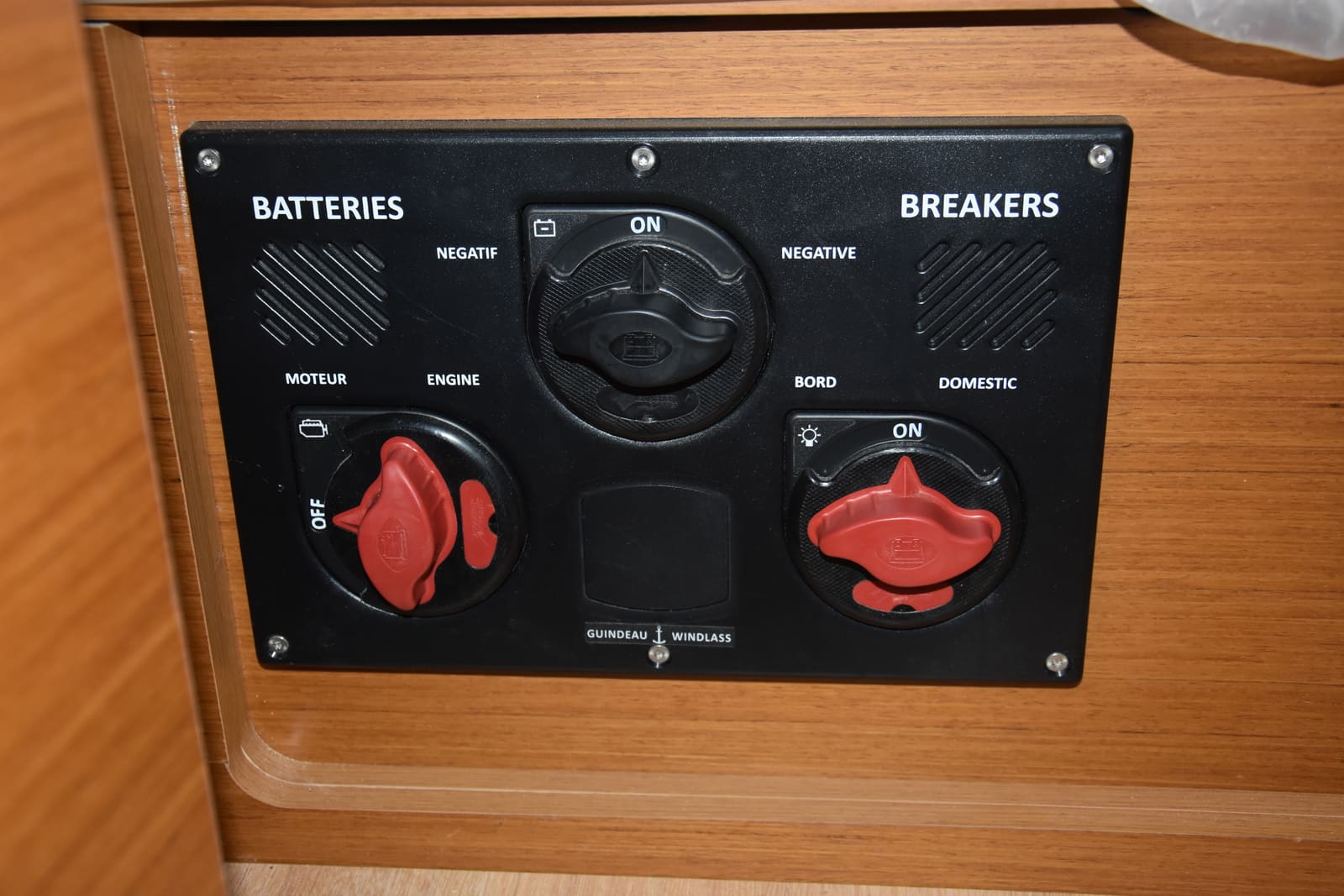
How to Use a 1-2-Both Battery Switch and Run Two Batteries
Learn what the 1, 2, Both and Off positions really do, a simple routine that keeps one battery ready to start the engine, how to check that both batteries are charging, and when an automatic charging relay makes life easier. Rewiring high-current cables is a job for a marine electrician.