Portable Toilets on Boats: Emptying, Chemicals, Odor, Seals and Winter Storage
A portable toilet (Porta Potti type) is the simplest legal head for a small boat, as long as it is emptied the right way. Learn where to dump it, which chemicals to use, how to stop odor and leaks, how to secure it aboard, and how to store it for winter.
Time
30 min
Applies to
All engines
Safety first: The waste tank holds raw sewage. Wear gloves, keep it off your skin and away from food areas, and wash your hands well afterward. Carry a full tank level and close to your body, with the valve closed and the spout cap on; a full tank is heavy, so take care on docks, ramps and boarding ladders. Never empty it over the side, into a storm drain, a lake, a fish-cleaning sink or a campground water spigot area.
Owners often ask
- Where can I legally empty my boat's portable toilet?
- How do I store a Porta Potti for the winter so it doesn't crack or stink?
- I replaced the seal on my portable toilet and water still drains into the waste tank. What else should I check?
This guide walks you through it. Still stuck? Ask the AI Mechanic about your engine.
Tools
- Nitrile gloves (long cuff)
- Paper towels and a trash bag
- Soft brush or sponge used only for the toilet
- Hose with fresh water (at the dump station or at home)
Parts & supplies
- Holding-tank additive made for portable toilets (follow the label dose)
- Flush-water additive, if your toilet maker recommends one
- Quick-dissolving toilet paper made for RVs or boats
- Seal lubricant from your toilet maker
- Tank cleaner approved by your toilet maker (a few times a year)
- Hold-down kit or floor plate for your model
Before you start
How it works: a portable toilet comes apart into two sections. Thetford describes its Porta Potti this way: the top holds the bowl, a fresh-water tank and a hand pump for flushing; the bottom is the waste tank. Flushing sends waste through a sealed valve into the bottom tank. To empty it, you separate the halves, carry the waste tank to a disposal point or a regular toilet, and pour it out through a rotating spout. Other brands work much the same way.
Why boaters use them: they need no through-hulls, hoses or pump-out fitting, which makes them common on small cabin boats, pontoons, center consoles and daysailers.
The rules: federal law prohibits discharging untreated sewage within 3 nautical miles of shore, and in no-discharge zones nothing may go overboard at all (see the EPA's state-by-state list). States and lake authorities can add their own sanitation rules, so check with your state boating agency or marina. The Coast Guard's rules (33 CFR 159.3) define a marine sanitation device as equipment for installation on board, so a carry-off portable toilet usually isn't treated as an installed head that needs a certified device; that doesn't make dumping it legal anywhere. Clean Vessel Act grants help pay for pump-out and dump stations; North Carolina's wildlife agency notes that dump stations are the ones built for emptying portable toilets.
Steps
Read the manual for your model. Fill the fresh-water tank and add the flush-water additive if your maker recommends one. Add the holding-tank additive to the waste tank, with the small amount of water the label calls for, so the bottom of the tank is covered. Thetford says its waste-tank additive controls odor, reduces gas buildup and breaks down waste for easier emptying.
A loose toilet slides and tips in a wake. Use the maker's hold-down kit or floor plate (Thetford sells both and says the toilet can still be released quickly for emptying), or strap it into a cabinet or a locker built to fit. Put it where the user is stable and has a handhold, and where a spill won't run into the bilge.
- Open the valve, use the toilet, flush with a few pumps of water, then close the valve to keep odor in the tank.
- Use quick-dissolving paper made for RVs or boats. Wipes, paper towels, feminine products and trash go in a bag, never in the tank.
- Keep an eye on the level indicator if yours has one (Thetford's uses a float with a magnet) and empty it before it's full.
Thetford recommends emptying the waste tank every 4 to 5 days, depending on the additive you use. On a hot boat, more often is better: heat speeds up odor and gas. Don't let a partly full tank sit in a closed boat all week.
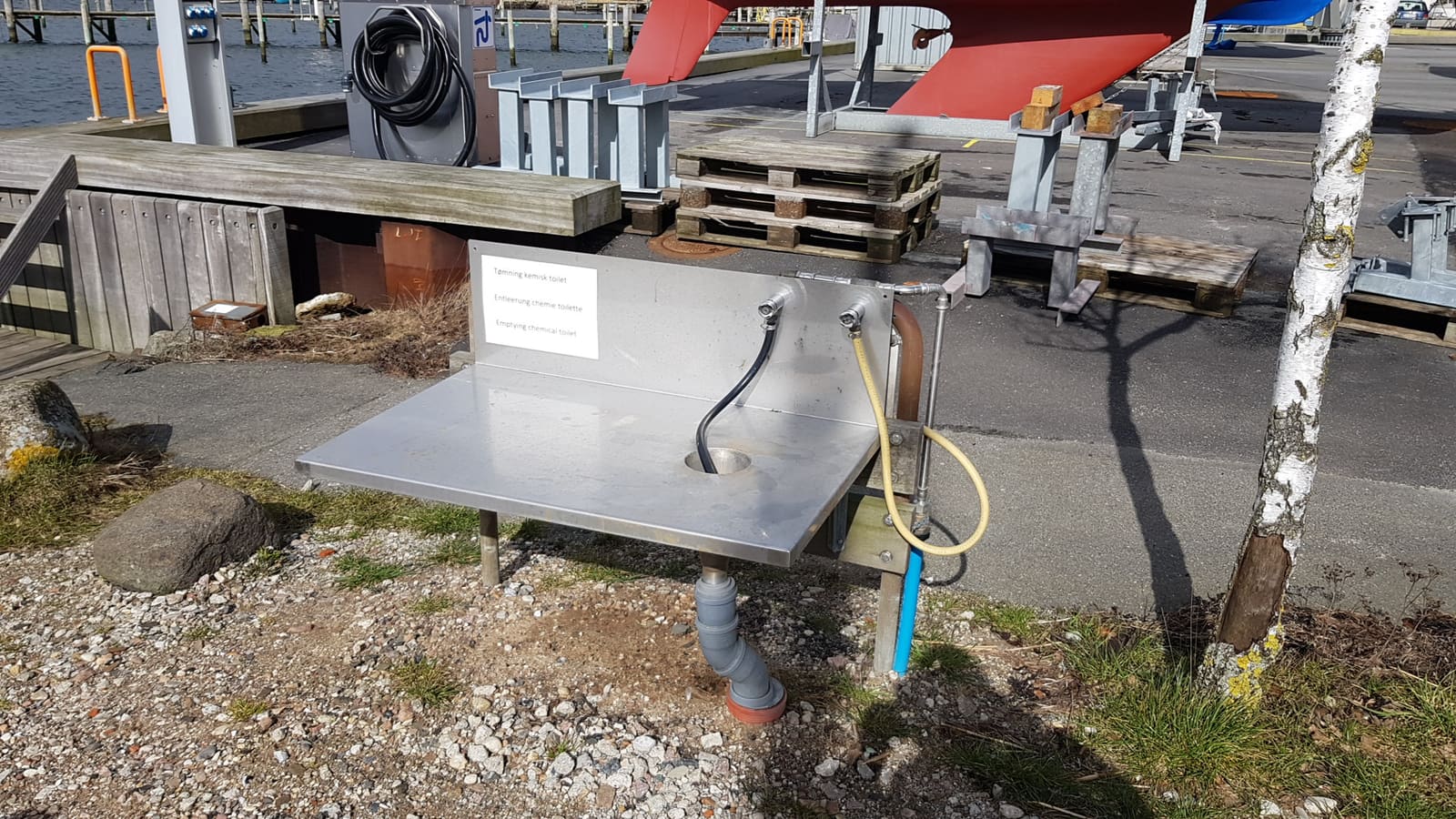
Look for a dump station (sometimes called a porta-potty dump or "portable toilet dump") at marinas and launch ramps; many are listed in state Clean Vessel Act maps and pump-out apps. Oregon Sea Grant notes that its state's dump stations take waste from portable toilets, buckets and similar containers, that many are free, and that some charge a small fee. Some areas also have floating restrooms. If there's no dump station, a regular flush toilet at home or an RV dump can usually take it; check that the facility allows it. The pump-out station guide explains how marina stations work.
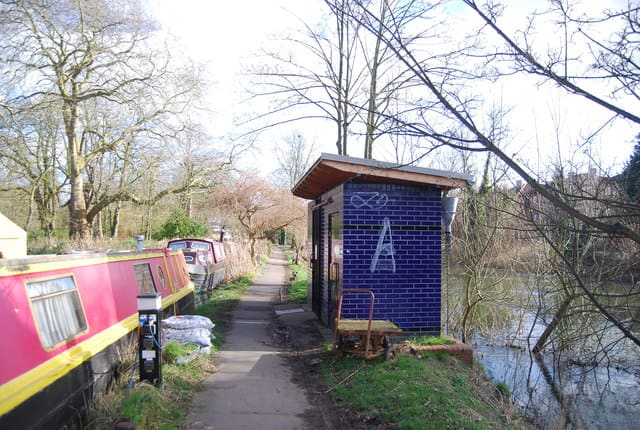
Disposal points like this one on England's Oxford Canal exist so boaters can empty portable toilets ashore. In the US, look for signs saying dump station or porta-potty dump. Photo: N Chadwick / Wikimedia Commons · CC BY-SA 2.0 - Close the valve and unlatch the waste tank from the top section.
- Carry it upright to the dump station.
- Turn the spout toward the opening and remove its cap.
- Pour slowly with the spout low. If your model has a vent button on the spout, press it only once the spout points down; it lets air in so the tank empties without splashing (check your manual).
- Rinse the tank with a little fresh water, swish and pour again until it runs clear.
- Cap the spout and add fresh additive before reattaching.
Oregon Sea Grant asks boaters to keep trash, including personal wipes, out of dump stations and put it in a garbage can instead. Rinse the station's sink if there's a hose for it.
Use additives made for portable toilets and dose them as the label says; household cleaners aren't designed for this, Thetford warns. NC Wildlife points out that deodorizers containing formaldehyde, chlorine and ammonium compounds are harmful in the water, which is one more reason never to dump a tank illegally. Some marinas and septic-based dump stations ask for biodegradable, formaldehyde-free products; check local rules and use those where required. Never mix different chemicals in the same tank.
If it smells:
- Empty and rinse it more often, especially in hot weather.
- Make sure the valve is fully closed after each use.
- Check the dose of additive; too little is common.
- Clean under the rim and around the valve with a toilet-only brush.
- Check the seals (step 9). A tired valve seal lets odor escape.
- Ventilate the cabin; the mold and mildew guide helps with general boat odor.
The sliding valve and its rubber seals keep odor in and prevent leaks. Thetford recommends its seal lubricant to keep seals soft. Use only the maker's lubricant or one it approves; don't use petroleum jelly or cooking oil, which can damage rubber. If the valve sticks, leaks or the tank smells even when closed, clean the valve area and lubricate it; replace worn seals or parts with the ones for your model.
Thetford advises cleaning the waste tank with its tank cleaner 2 to 3 times a year to remove scale and deposits. Rinse well afterward. Clean the bowl with a mild cleaner approved for the toilet; harsh household products can damage seals and plastic.
Thetford lists its Porta Potti models as working between about 34°F (+1°C) and 140°F (+60°C), and safe in storage down to about -40°F (-40°C). The catch is water: anything left inside can freeze and crack tanks, the pump or the valve. Don't leave it in direct sun in a closed, hot cabin either.
- Empty, rinse and clean the waste tank at a dump station.
- Empty the fresh-water tank and pump the flush pump until no more water comes out.
- Let both sections dry fully with the caps off.
- Lubricate the seals as your maker suggests.
- Store it indoors, somewhere dry. Many manuals say to leave the valve slightly open during storage so the seal doesn't stick, and to loosen the fill cap so the tank can breathe; follow yours.
- If it has an electric flush pump, take out the batteries.
In spring, check the seals, refill, add chemicals and test it at home before the first trip.
Common mistakes
- Dumping it overboard or in a fish-cleaning sink, storm drain or lake.
- Letting it get too full and then trying to carry it across a moving dock.
- Leaving a partly full tank in a hot, closed boat for days.
- Putting wipes or paper towels in it, then clogging the dump station.
- Using household bleach or cleaners that attack the seals.
- Leaving water in it over the winter in a cold garage or the boat.
- No hold-down, so it slides or tips in a wake.
When to call a pro
- You want to upgrade to an installed head with a holding tank and pump-out fitting (through-hulls, hoses and vents need to be done right)
- The boat's layout makes a safe, secure spot for the toilet hard to find
- You're unsure whether your boat or lake requires a specific type of toilet; ask your state boating agency or marina
Tips
- Keep a small kit with the toilet: gloves, paper towels, trash bags, additive and hand sanitizer.
- Empty the tank at the ramp or marina before you trailer home; it's lighter and easier than at home.
- Save the dump station locations for your favorite waters in your phone.
- If your marina has no dump station, ask; Clean Vessel Act grants can help pay for one.
Official references
We read these to write this guide. Your engine's own manual always wins.
- Thetford – Porta Potti Portable Toilets
- Thetford – Support for Porta Potti 100 series (FAQ)
- Oregon Sea Grant – Boater Outreach (pumpouts, porta-potty dump stations, floating restrooms)
- NC Wildlife Resources Commission – Clean Vessel Act
- EPA – Vessel Sewage Frequently Asked Questions
- eCFR – 33 CFR 159.3 (definition of a marine sanitation device)
- EPA – No-Discharge Zones (NDZs) by State
Safety: BoatMend is for information only and does not replace a certified marine technician. You are responsible for your safety and your boat. Read the full disclaimer.
Last updated 2026-10-26
Related guides
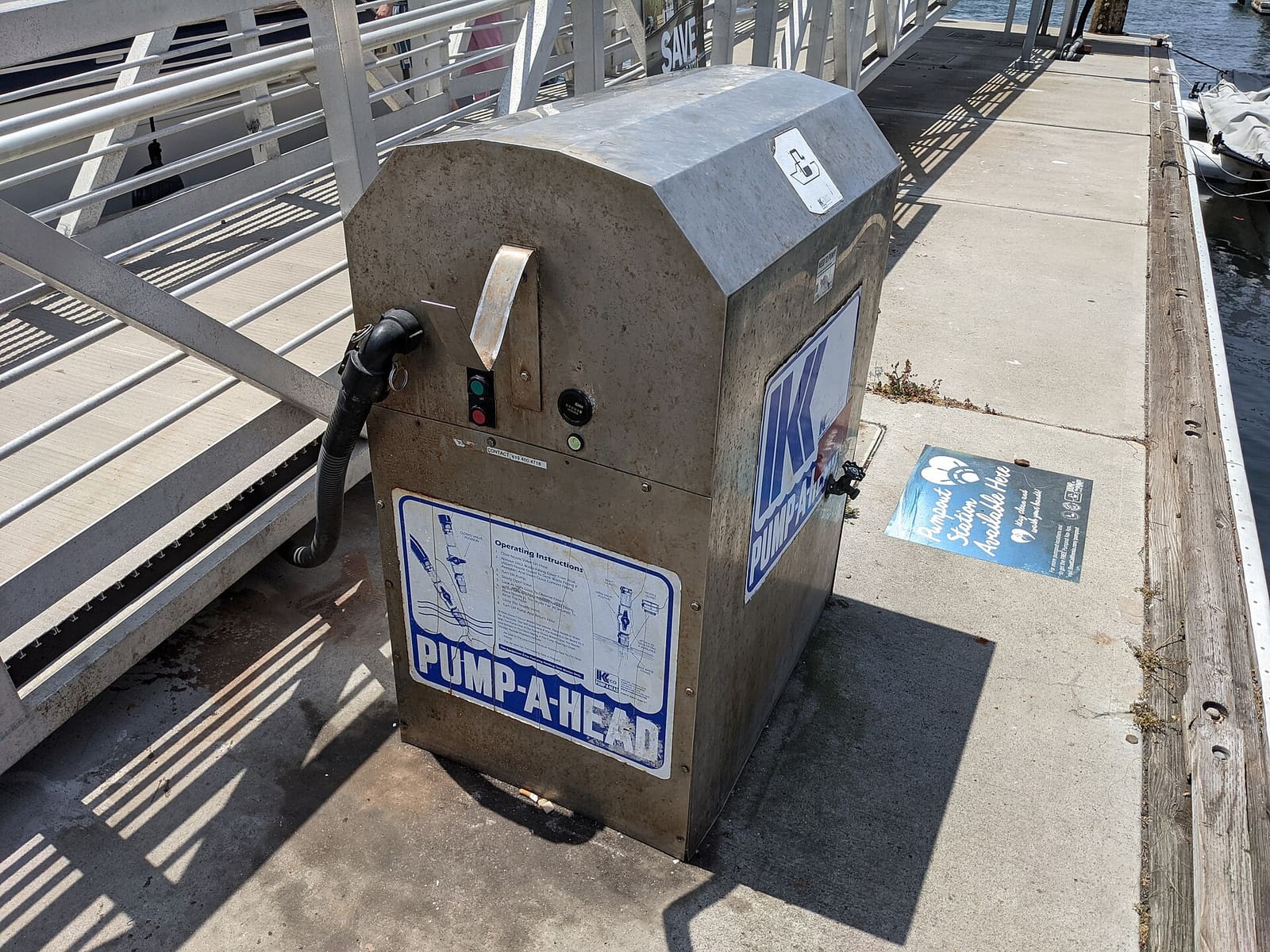
How to Use a Pump-Out Station: Finding One, Hooking Up and Rinsing the Tank
Find a pump-out near you with state maps and free apps, hook up to the deck fitting without spills, rinse the holding tank, leave the station clean for the next boat and know the rules for no-discharge zones and mobile pump-out boats.
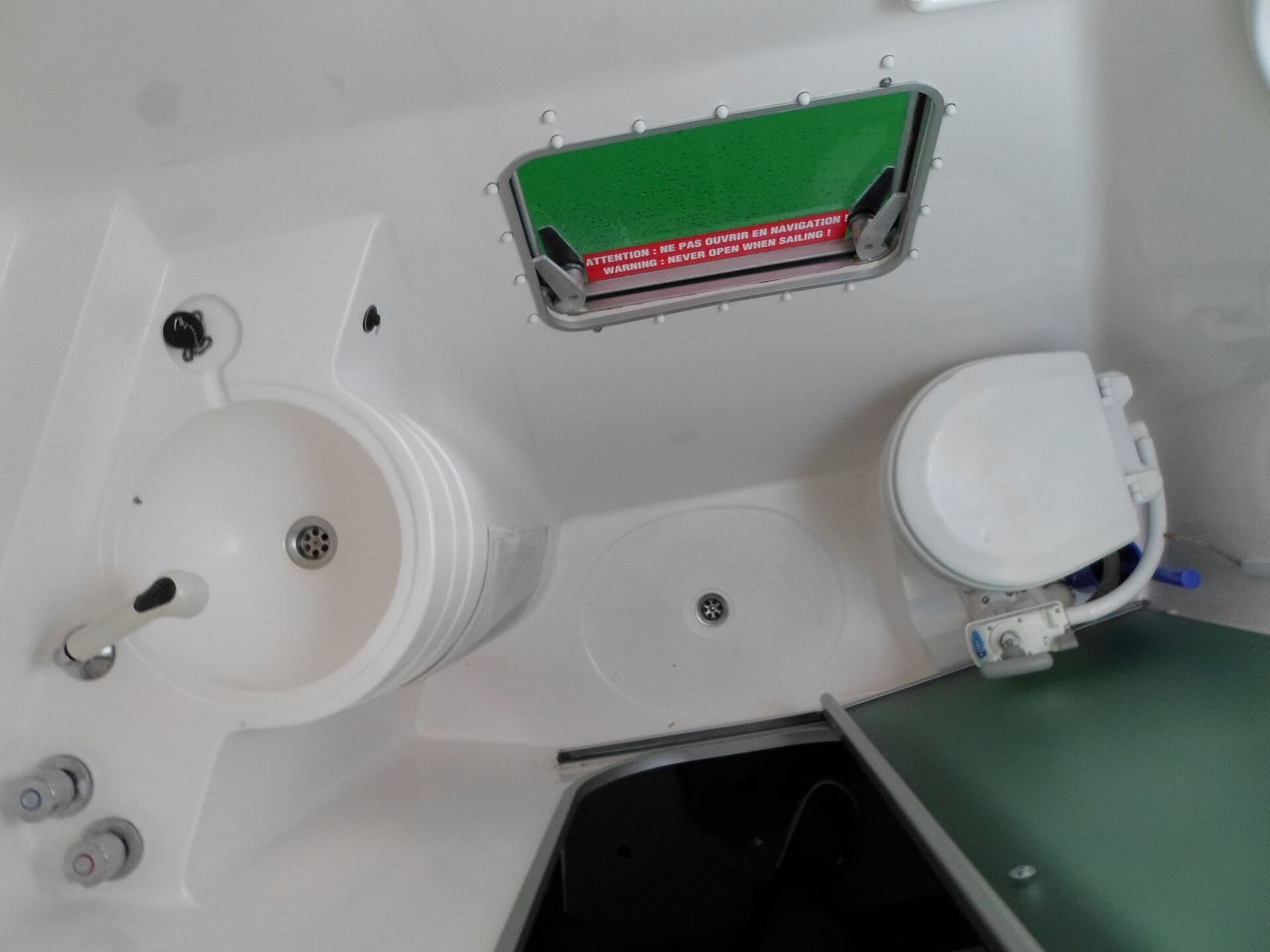
Marine Head and Holding Tank Care: Odors, Clogs, Pump-Outs and Winterizing
Keep your boat's toilet and holding tank working and odor-free, clear common clogs, pump out the right way, and winterize the system. Also covers the Y-valve and the federal no-discharge rules every owner with a head needs to follow.
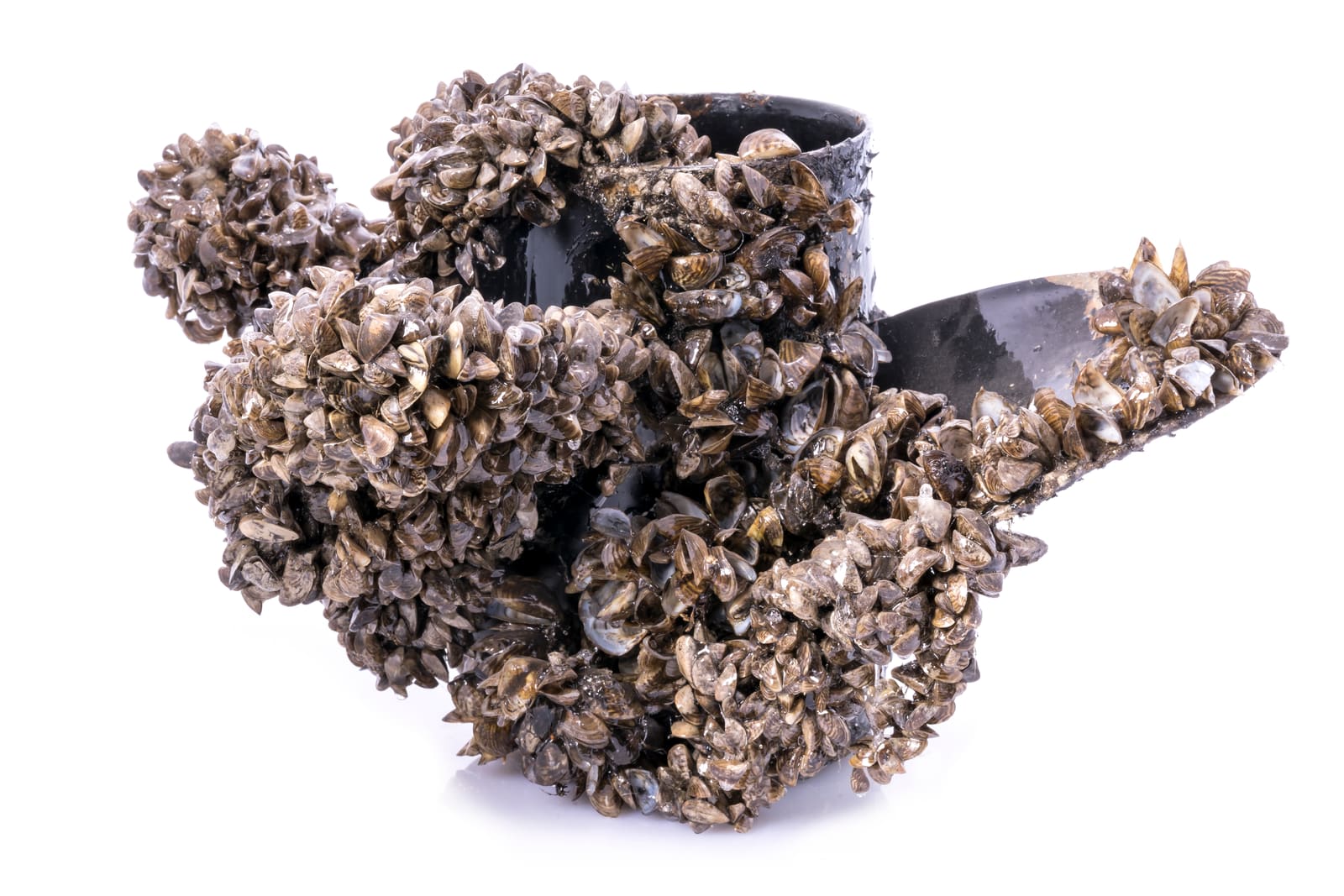
Clean, Drain, Dry: Stopping Zebra and Quagga Mussels and Other Invasive Species
What Clean, Drain, Dry means in practice for your boat, trailer and motor, what to drain before you leave the ramp, what happens at a watercraft inspection or decontamination station, and examples of state rules you may run into when you trailer between lakes.
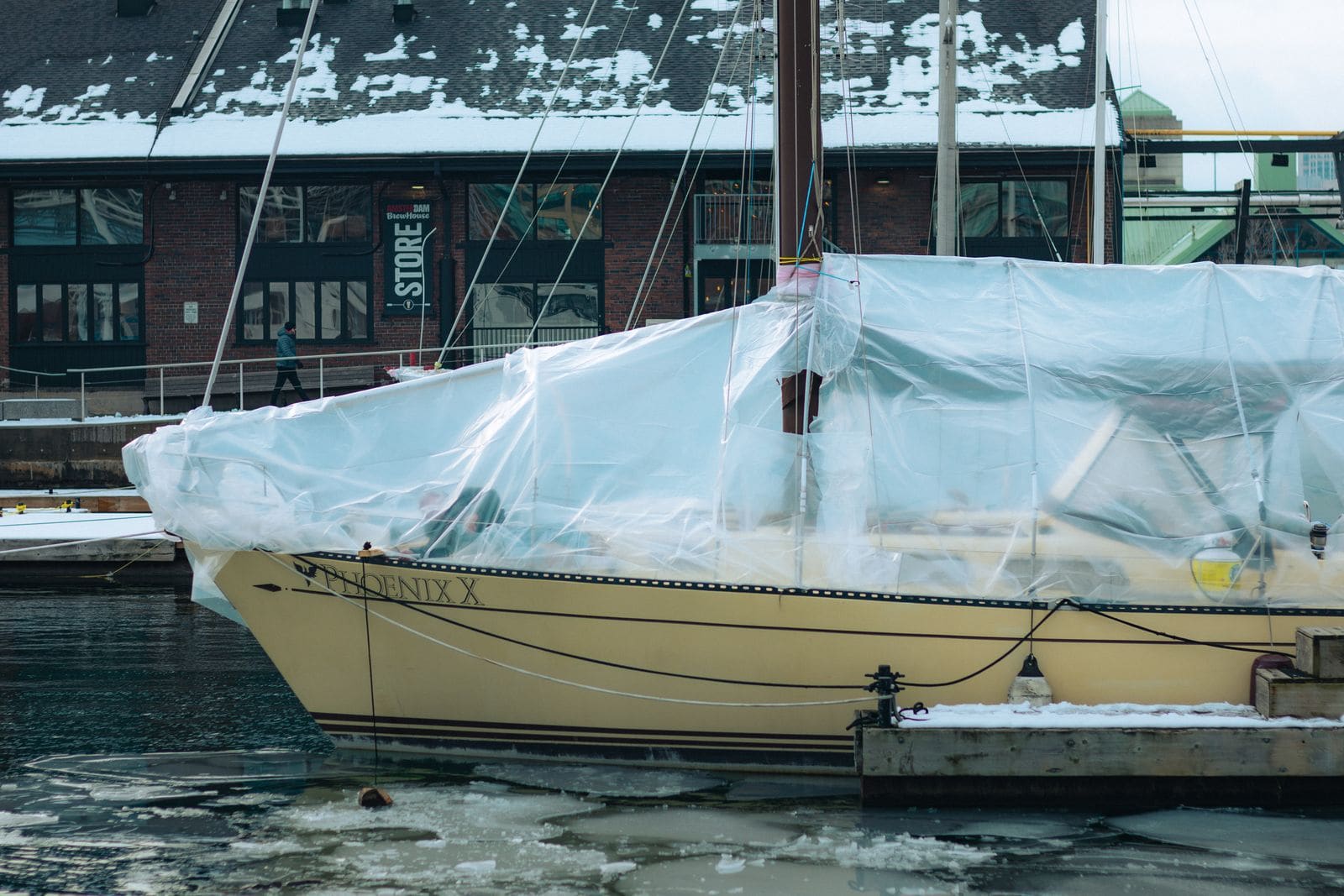
Winter Layup Master Checklist (Step-by-Step, With Links to Each Job)
One ordered checklist for putting any boat away for winter, from booking storage and treating the fuel to winterizing the engine, water systems, head and batteries, then blocking, covering and securing the boat. Each step links to the detailed BoatMend guide for that job.
How to Prevent and Remove Mold and Mildew on Your Boat
Stop the musty smell and black spots before they start. Find and fix the water source, keep air moving, control humidity safely, and clean mold off gelcoat, vinyl and cabin surfaces with products that won't damage them.