Repair & maintenance guides
Plain-English, step by step, written for owners. Pick your engine to see the guides that apply to it.
111 of 509 guides · page 4 of 5
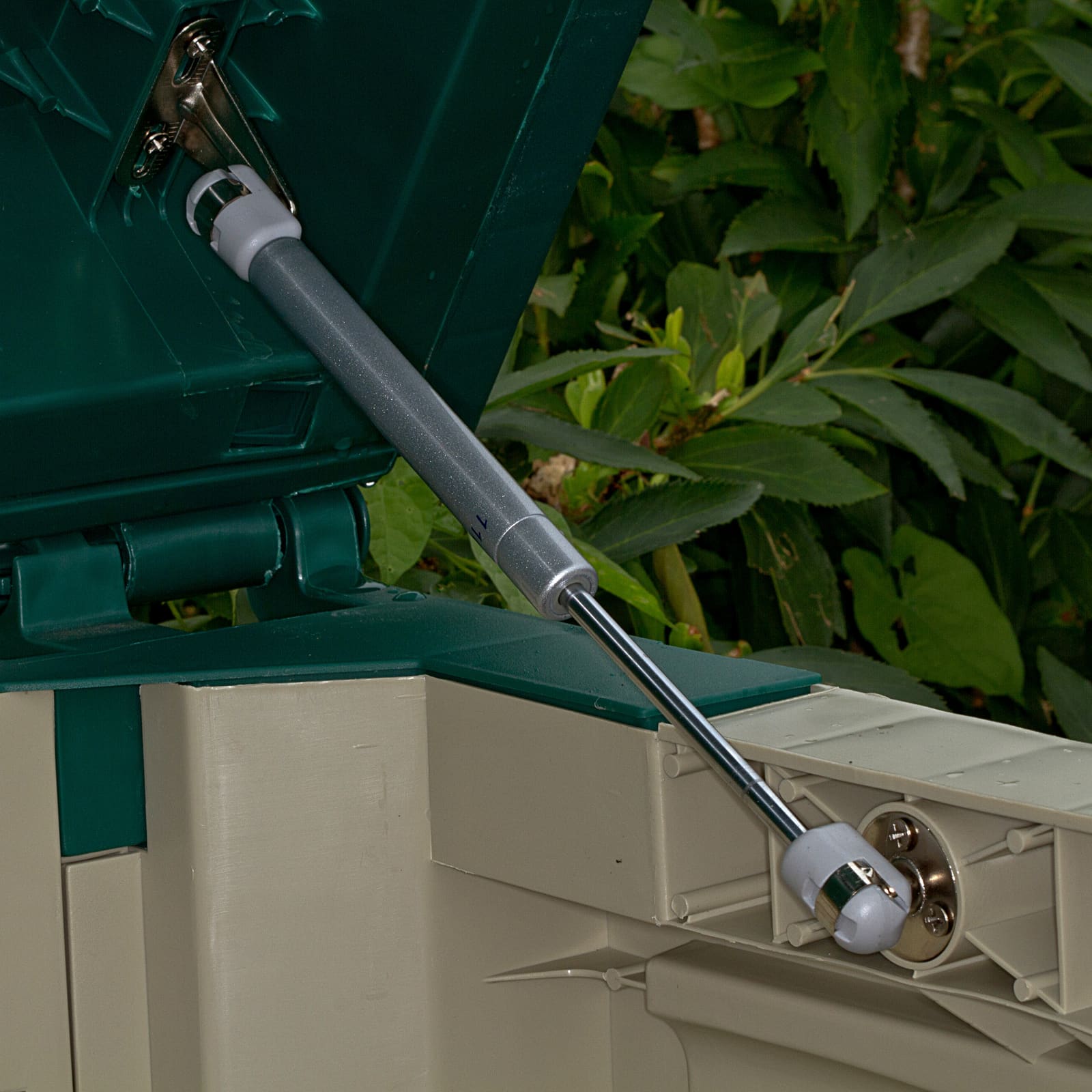
How to Replace Gas Struts on Boat Hatches, Seats and Consoles
Measure, buy and fit the right gas struts (lift supports) so hatches, seat lids and console doors stay open safely instead of dropping on your head or fingers.

How to Replace or Re-Cover a Bimini Top
Decide whether you need new canvas or a whole new top, measure your frame the right way, pick a fabric that will last in the sun, check the frame and hardware, and swap the canvas yourself or brief a canvas shop.
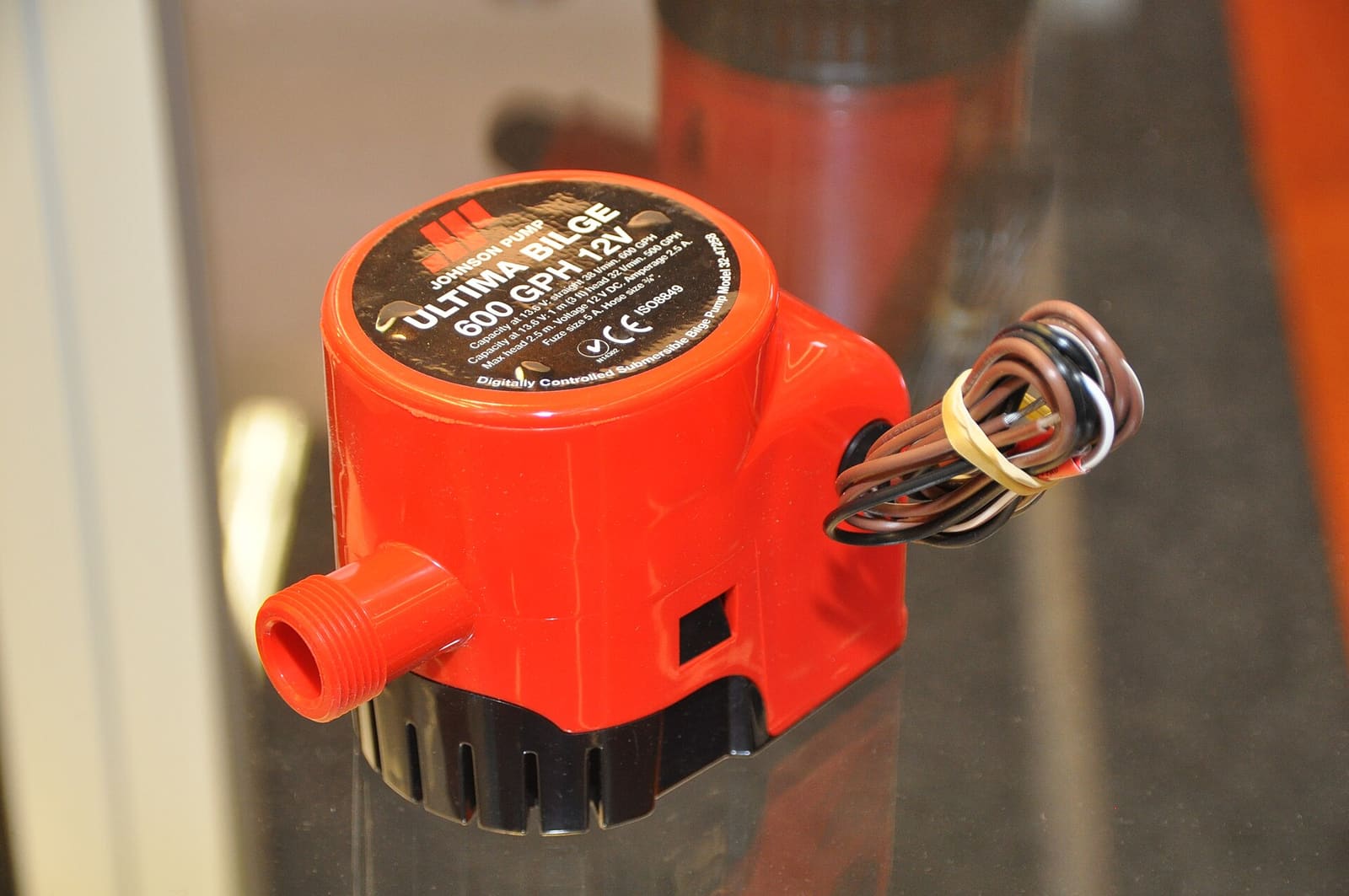
How to Test and Clean Your Bilge Pump and Float Switch
Make sure your bilge pump actually moves water overboard, both on the manual switch and automatically through the float switch. A working bilge pump is one of the most important safety systems on any boat that stays in the water.
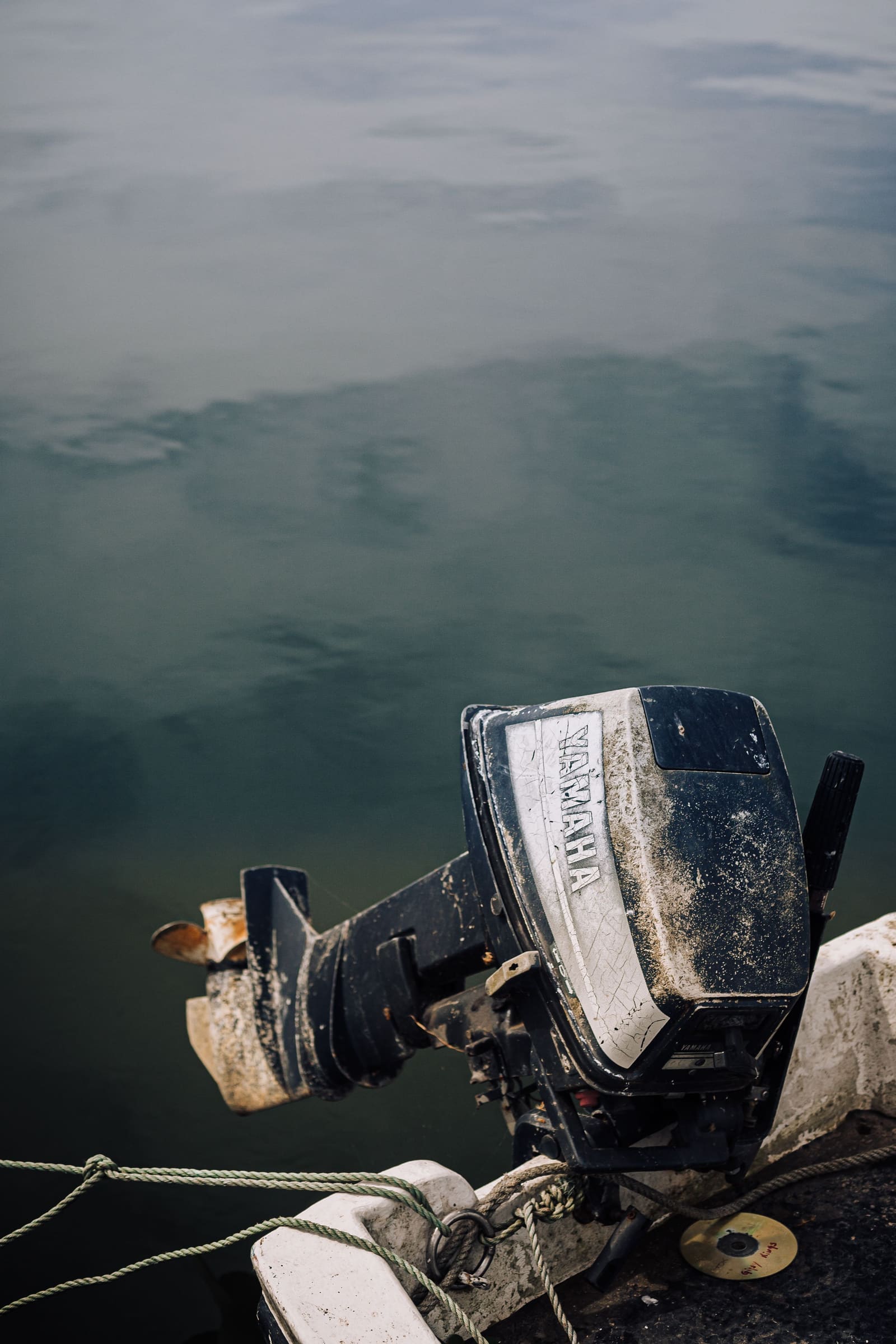
How to Touch Up Paint and Corrosion on an Outboard or Sterndrive
Bare aluminum on a lower unit or sterndrive corrodes fast, especially in salt water. Learn how to find the cause, clean off corrosion, prime and repaint with the right products, and what must never be painted, such as anodes and sensors.
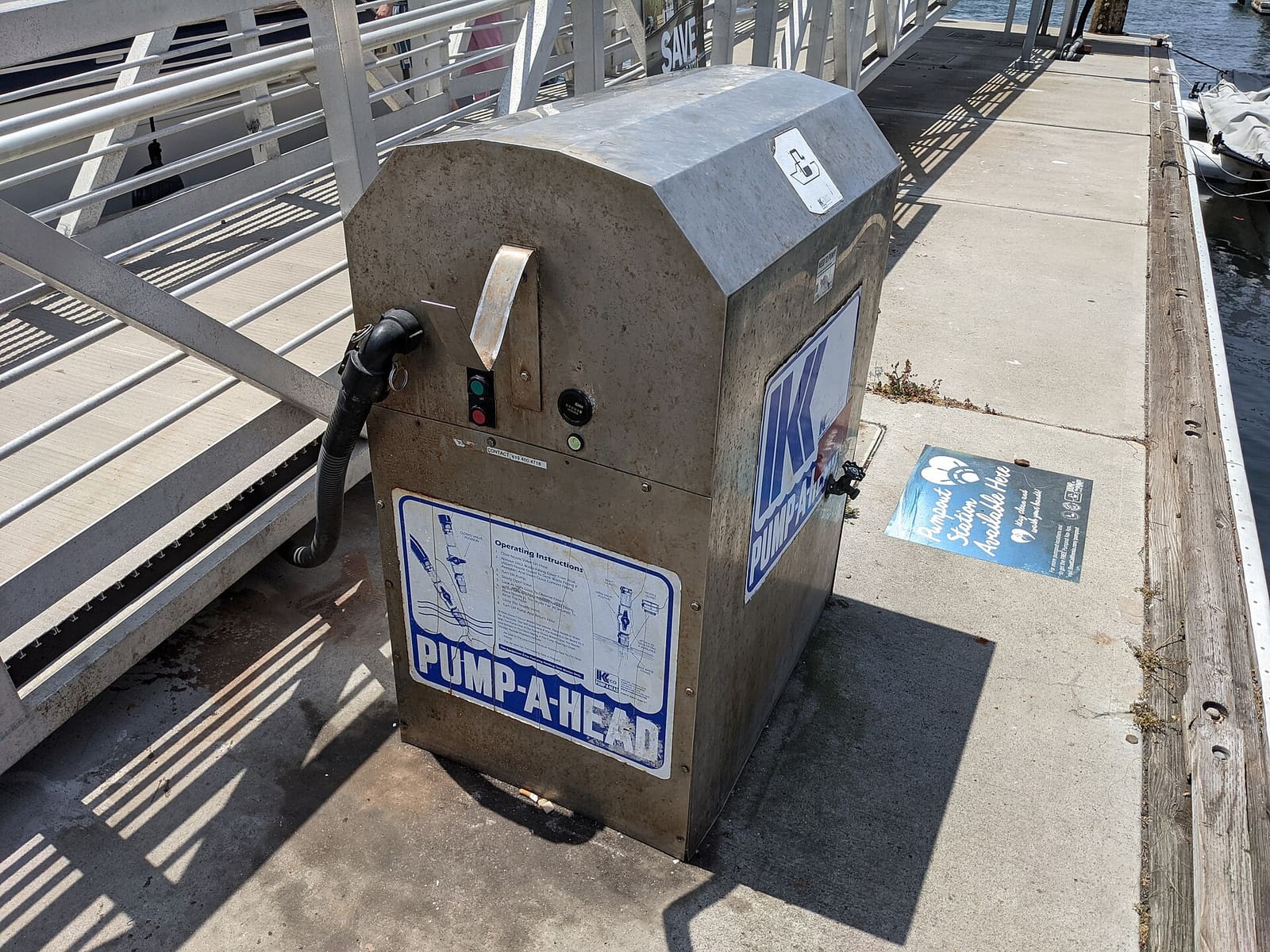
How to Use a Pump-Out Station: Finding One, Hooking Up and Rinsing the Tank
Find a pump-out near you with state maps and free apps, hook up to the deck fitting without spills, rinse the holding tank, leave the station clean for the next boat and know the rules for no-discharge zones and mobile pump-out boats.

Hull Blisters (Osmosis): How to Tell Cosmetic Pimples From Serious Pox
Learn what osmotic blisters are, how to inspect a fiberglass bottom at haul-out, which blisters you can fix yourself with epoxy, what moisture meter readings can and can't tell you, and when to hire an independent surveyor.
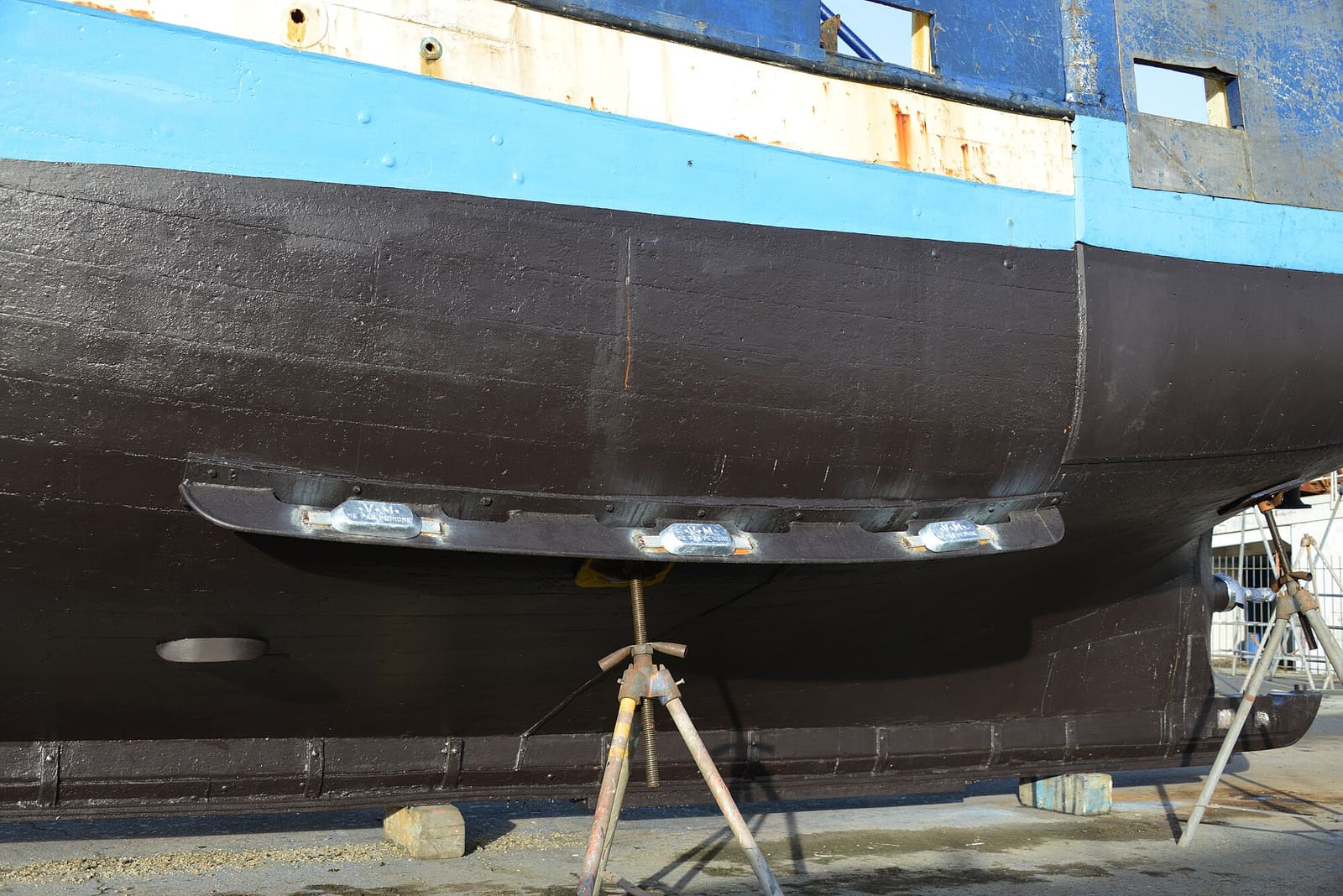
Hull Potential Survey: Checking Corrosion Protection with a Reference Electrode
A silver/silver-chloride reference electrode and an ordinary multimeter show whether your underwater metals are really protected by their anodes, whether every fitting is bonded, and whether shore power or the slip is upsetting things. Learn how to take the readings, what under- and over-protection mean in plain terms, and when to call a marine electrician or corrosion specialist.
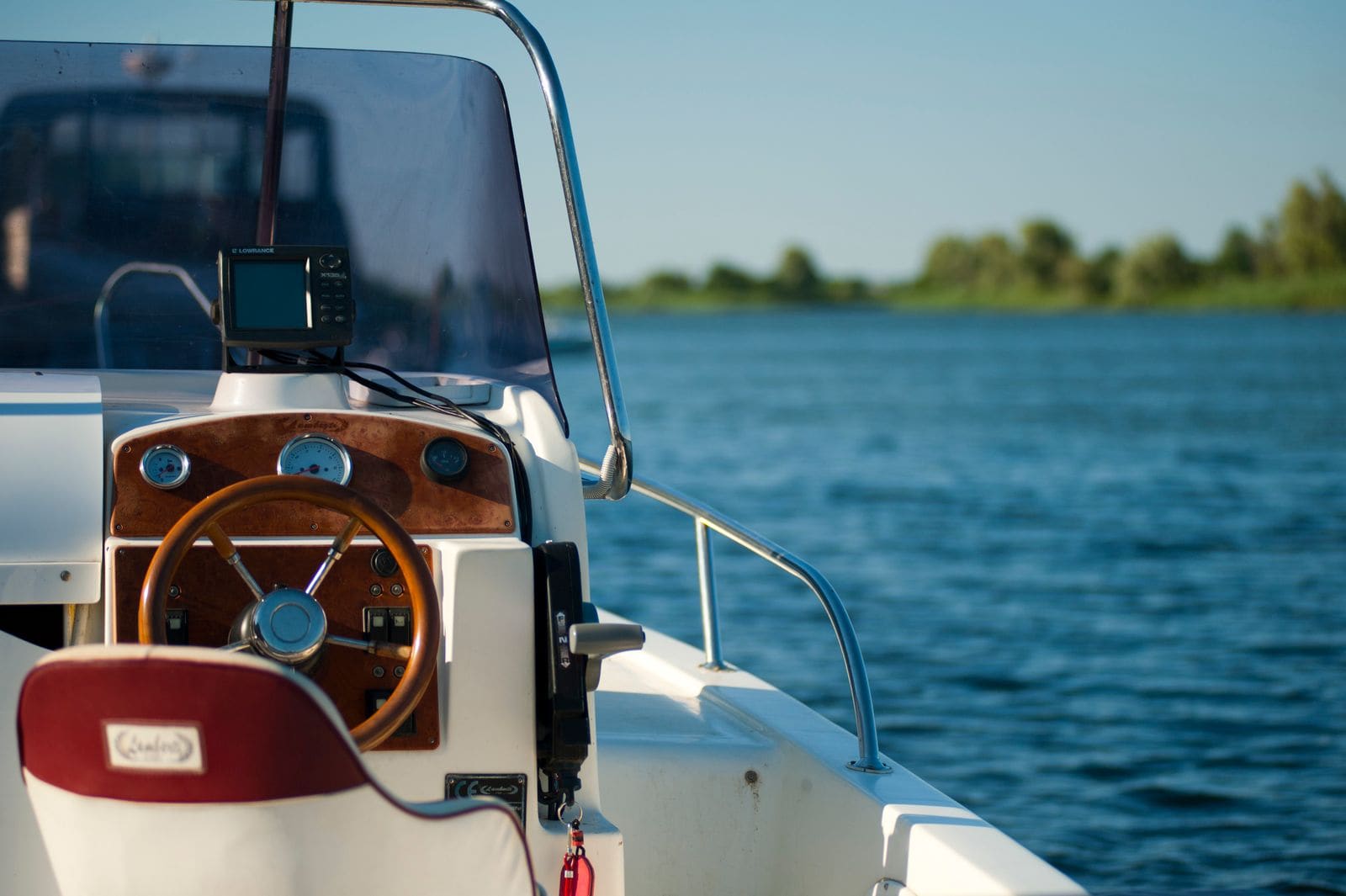
Hydraulic Steering: Check Fluid, Bleed Air and Fix Stiff or Loose Steering
Check the fluid in your hydraulic steering helm, bleed out the air that makes steering spongy, and track down the usual causes of stiff, loose or noisy steering. Includes notes for boats with mechanical cable steering.

Impressed Current Corrosion Protection on Yachts: How It Works and How to Keep an Eye on It
Larger aluminum and steel yachts often use an impressed current system instead of, or alongside, sacrificial anodes. Learn what the control panel, anodes and reference electrodes do, how to log and double-check the readings with a portable reference cell, why over-protection can strip paint and attack aluminum, what to do at haul-out, and when to call a corrosion specialist.
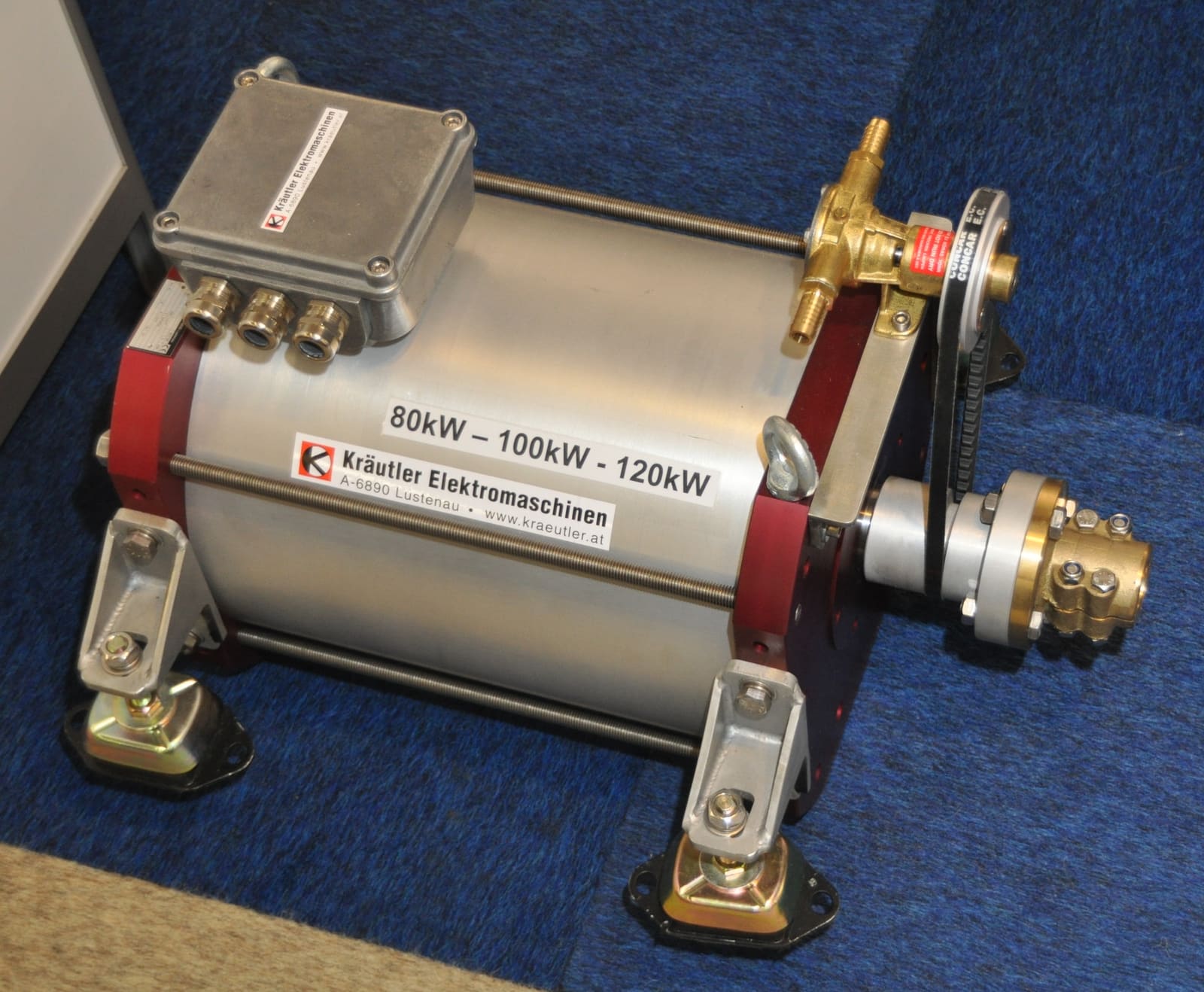
Inboard and Sterndrive Engine Mounts: Signs of Failure and How to Inspect Them
The rubber mounts under an inboard or sterndrive engine soak up vibration and hold the engine in line with the drive. Learn the warning signs of a failing mount, how to inspect all of them in under an hour, and why a mount replacement always ends with an alignment check.

Inflatable Boat and Dinghy Care: Cleaning, UV Protection, Leaks and Storage
Keep your inflatable or RIB tender holding air for years. Rinse and clean it the right way, protect the tubes from sun, check pressure with a gauge, find slow leaks with soapy water, service the valves, patch small holes with the correct glue for PVC or Hypalon, and store it clean and dry.
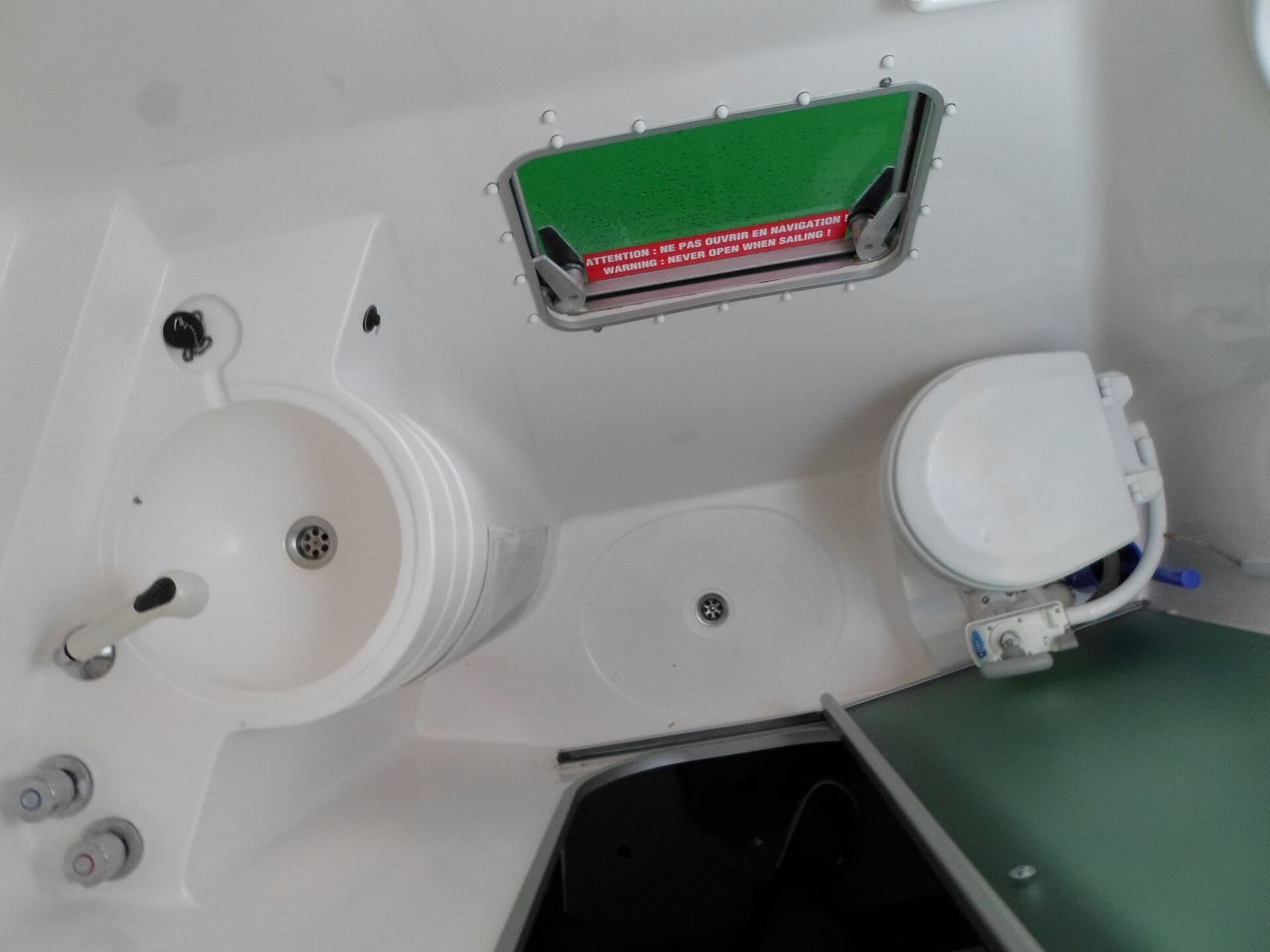
Marine Head and Holding Tank Care: Odors, Clogs, Pump-Outs and Winterizing
Keep your boat's toilet and holding tank working and odor-free, clear common clogs, pump out the right way, and winterize the system. Also covers the Y-valve and the federal no-discharge rules every owner with a head needs to follow.
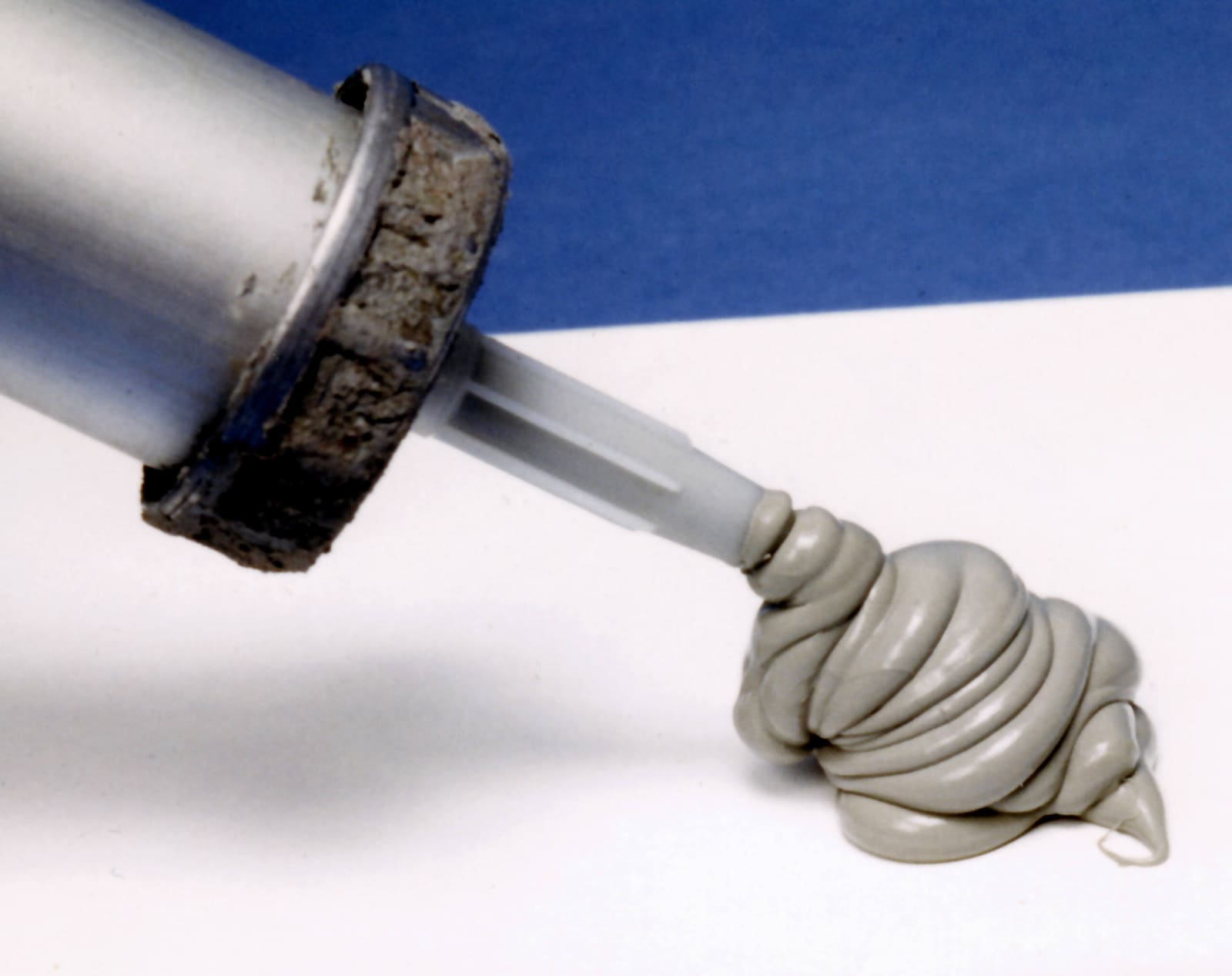
Marine Sealants Explained: 5200, 4200, 4000UV, Polysulfide, Silicone and Butyl Tape
Pick the right sealant before you bed a cleat, a through-hull, a window or a transducer. The wrong goo either leaks in a year or glues a part on so hard you damage the boat getting it off.
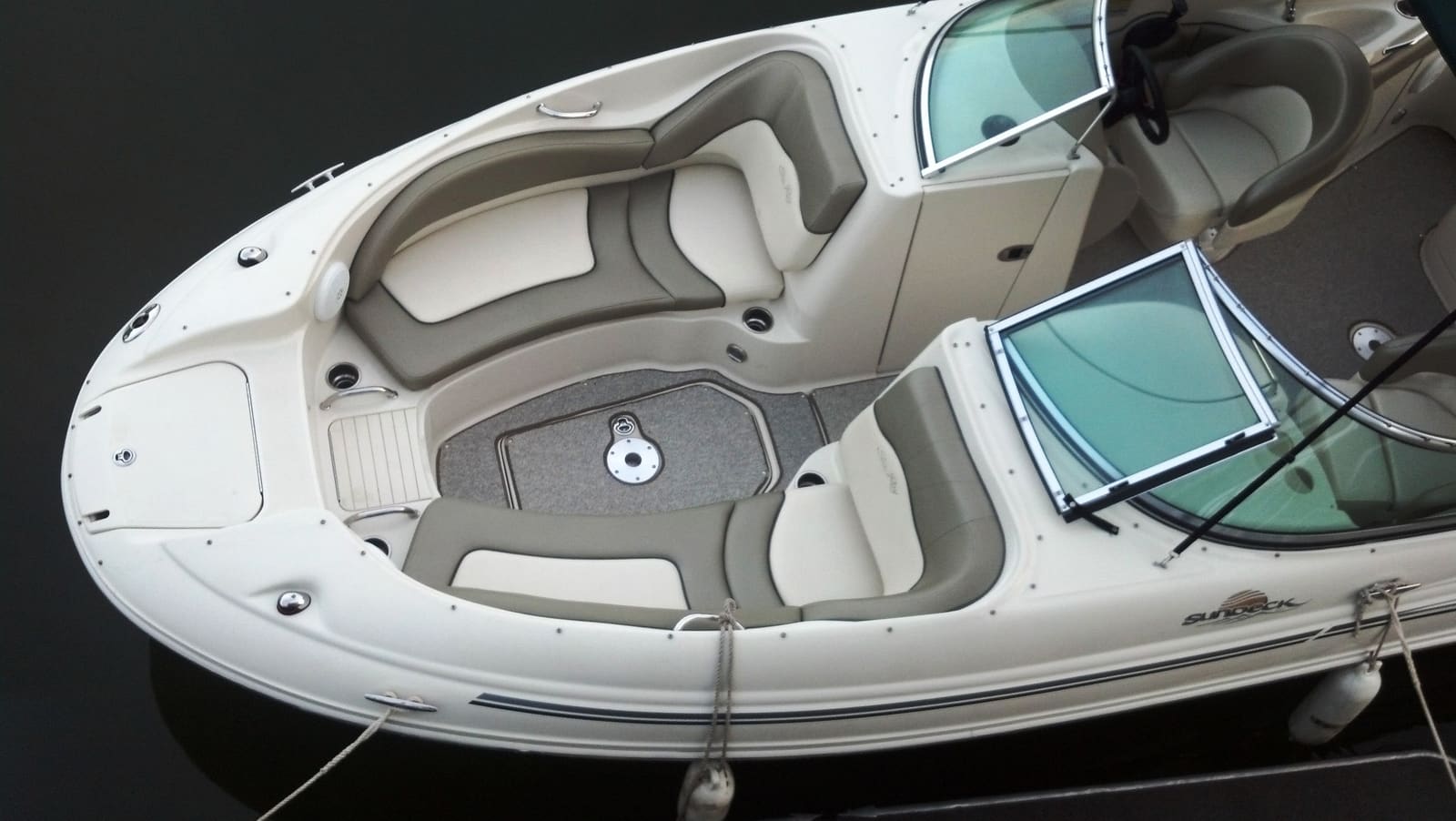
Marine Vinyl Stain Removal: Ink, Sunscreen, Grease, Mildew and Pink Stain
A stain-by-stain plan for boat seat vinyl that follows your vinyl maker's own cleaning list, starts with the mildest method, and keeps you away from the products that strip the protective top coat, rot the stitching or crack the vinyl.

Marine Water Heater Care: No Hot Water, Relief Valve, Anode and Winter Draining
Most boat water heaters warm up two ways: a 120-volt electric element at the dock and a coil that borrows hot coolant from the engine underway. Learn the safe owner checks when the hot water quits, what a dripping relief valve means, and how to drain and bypass the tank for winter.
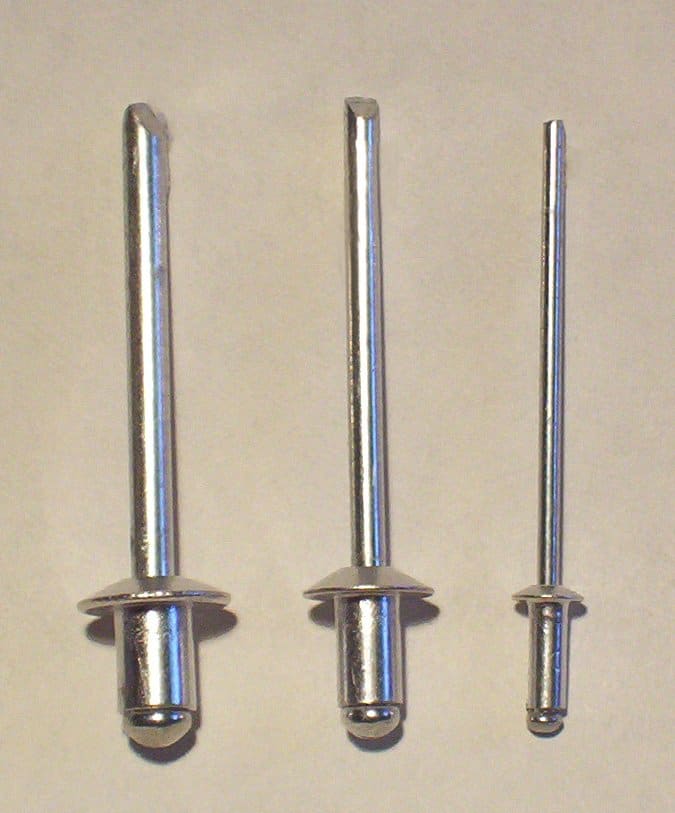
Mounting Hardware Where You Can't Reach Behind: Blind Fasteners
Learn how to mount light accessories on a boat when you can't get a hand behind the panel, using blind rivets, rivet nuts, well nuts, toggle anchors and bonded studs, when to cut an inspection port instead, and what must never be held by a blind fastener.

Oil or Fuel in the Bilge: Safe, Legal Cleanup
What to do when you find oil, diesel or gasoline in your bilge. Soak it up with oil-only absorbents, keep it from being pumped overboard, dispose of it properly, report any sheen on the water to the National Response Center, and find the leak so it does not happen again.
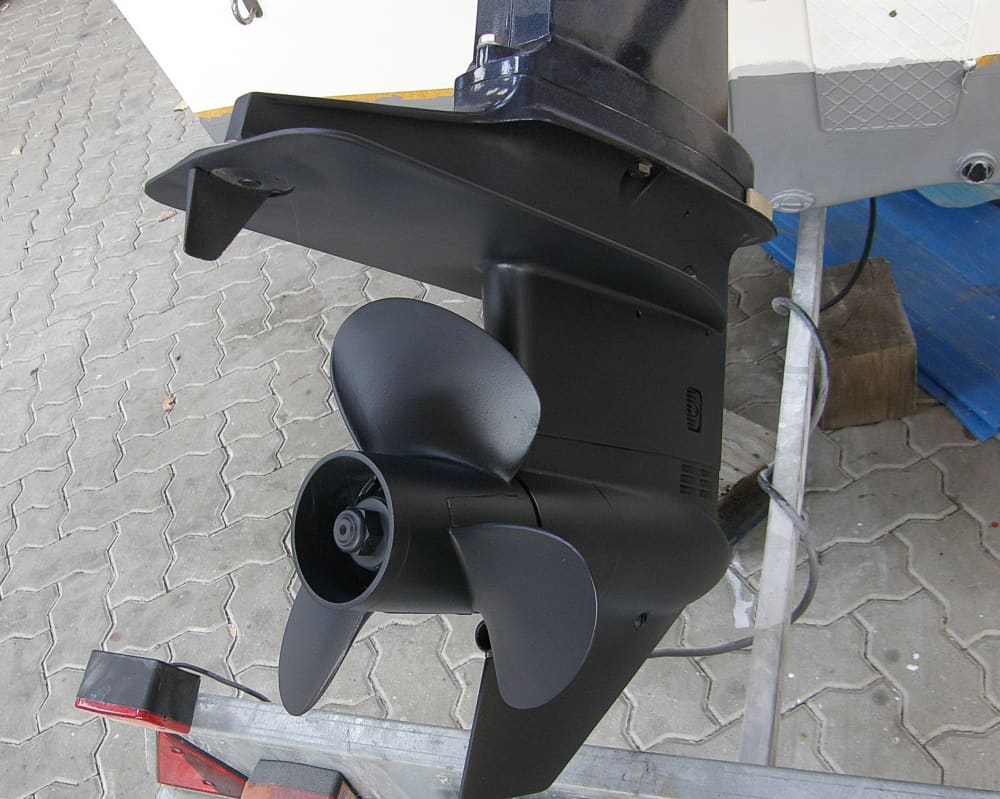
Outboard Hydrofoil Fins: Do They Help, and How to Install One Safely
Learn when a bolt-on hydrofoil (the fin that mounts on the anti-ventilation plate) can help a boat plane sooner or stop porpoising, what it can cost you in top speed and handling, and how to mount one without drilling into an anode, trim tab or speed pickup.

Protecting a Docked Boat: Mooring Whips, Bumpers, Fender Boards and Chafe Gear
Set up your dock or slip so wakes, wind and tides don't grind your hull against it, using mooring whips, dock bumpers, fender boards, spring lines and chafe gear, and know what these can and can't do in a storm.
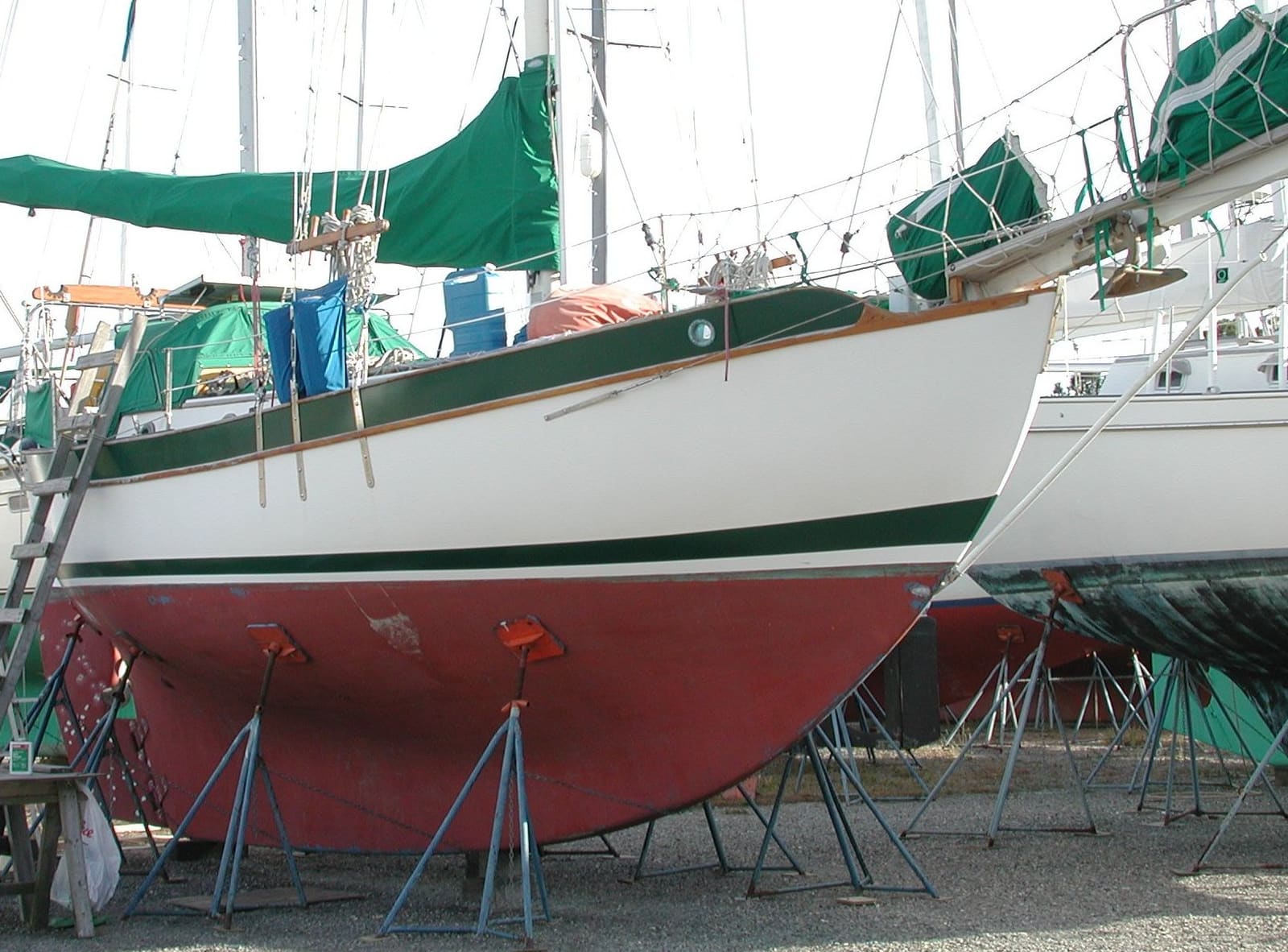
Replacing a Seacock or Through-Hull Fitting
When a seacock is frozen, corroded or really a gate valve, it has to be replaced with the boat out of the water. Learn what a proper seacock is, bronze vs Marelon, why the through-hull and backing block usually get replaced too, how the job is done, and when to hand it to a yard.

Roller Furler Care: Inspection, Drum and Swivel Service, and Halyard Wrap
Keep your headsail roller furler turning easily with a yearly unroll-and-inspect, fresh-water rinses of the drum and swivel, a correct halyard angle and a clean furling line lead. A neglected furler can jam with the sail half out, and a halyard wrap can damage the forestay.
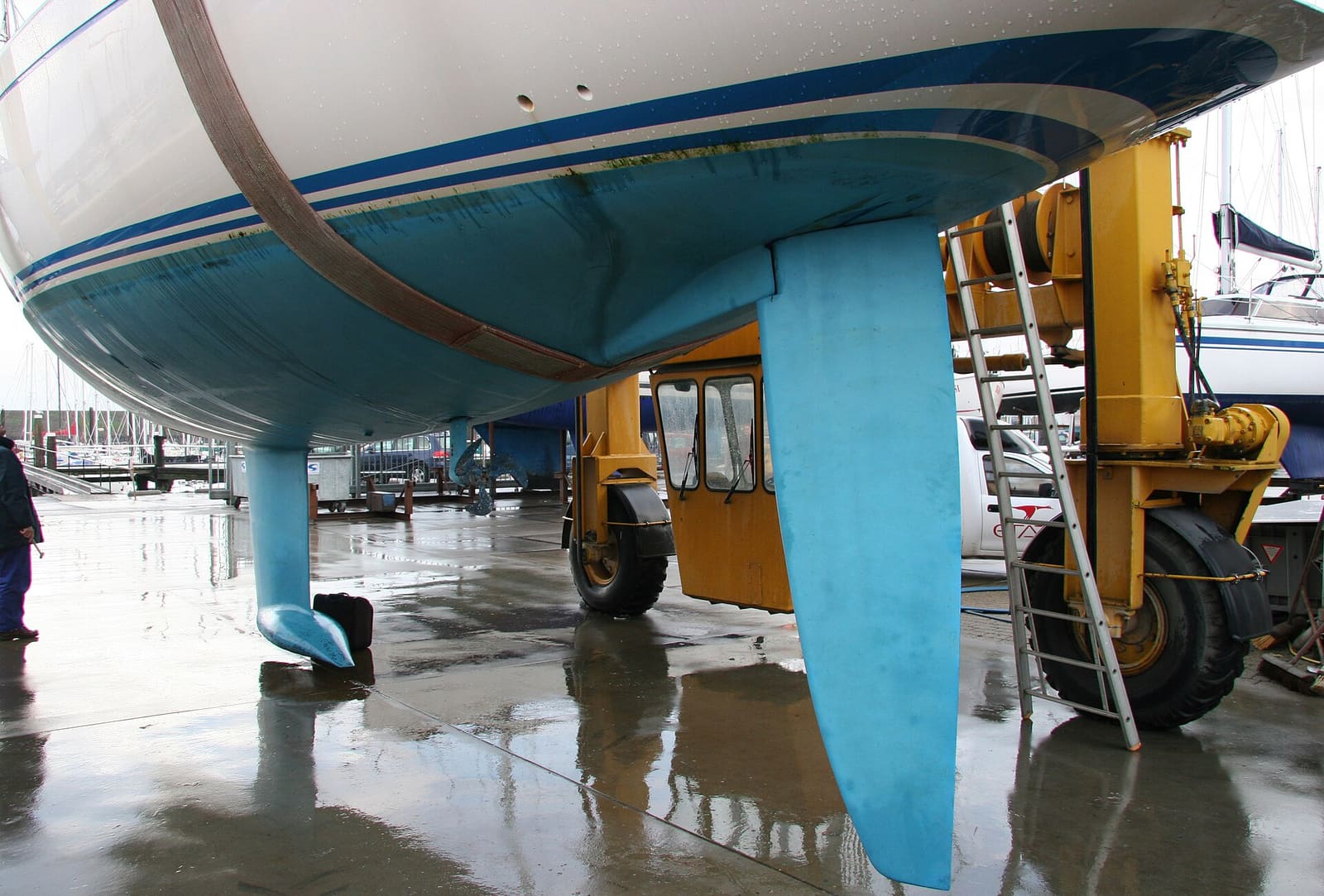
Rudder, Rudder Bearings and Steering Gear Inspection (Sailboats and Inboards)
Check your rudder for play, water inside the blade and stock corrosion, inspect the rudder tube and its seal, and go over cables, sheaves, quadrant and stops so the steering does not fail when you need it. Includes how to find, fit and practice with the emergency tiller.
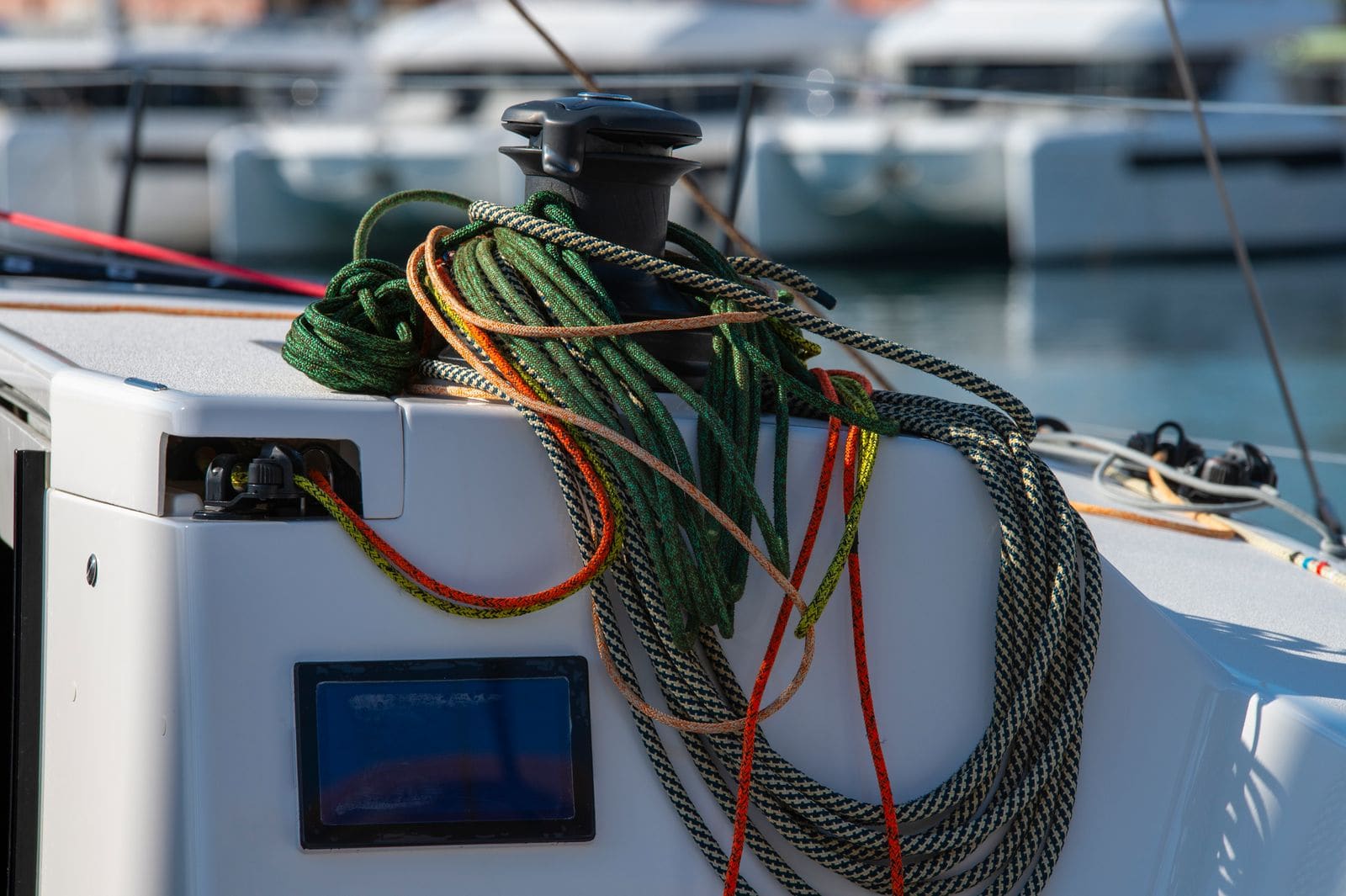
Running Rigging Care: Inspecting Halyards, Sheets and Dyneema Lines
Check your halyards, sheets and control lines for chafe, sun damage, glazing and cover slip, wash them the right way, end-for-end them to spread the wear, and know when a line has to go. A halyard that parts drops a sail; a sheet that parts in a gust can be worse.

Sail Care and Winter Storage: Rinse, Dry, Inspect, Fold and Store
Keep your sails out of the sun, rinse and dry them before they go away, catch small tears and rotten stitching early, and fold and store them so they come back in spring without mildew or hard creases. Good habits can add years to an expensive set of sails.
Safety: BoatMend is for information only and does not replace a certified marine technician. You are responsible for your safety and your boat. Read the full disclaimer.