Repair & maintenance guides
Plain-English, step by step, written for owners. Pick your engine to see the guides that apply to it.
64 of 509 guides · page 1 of 3
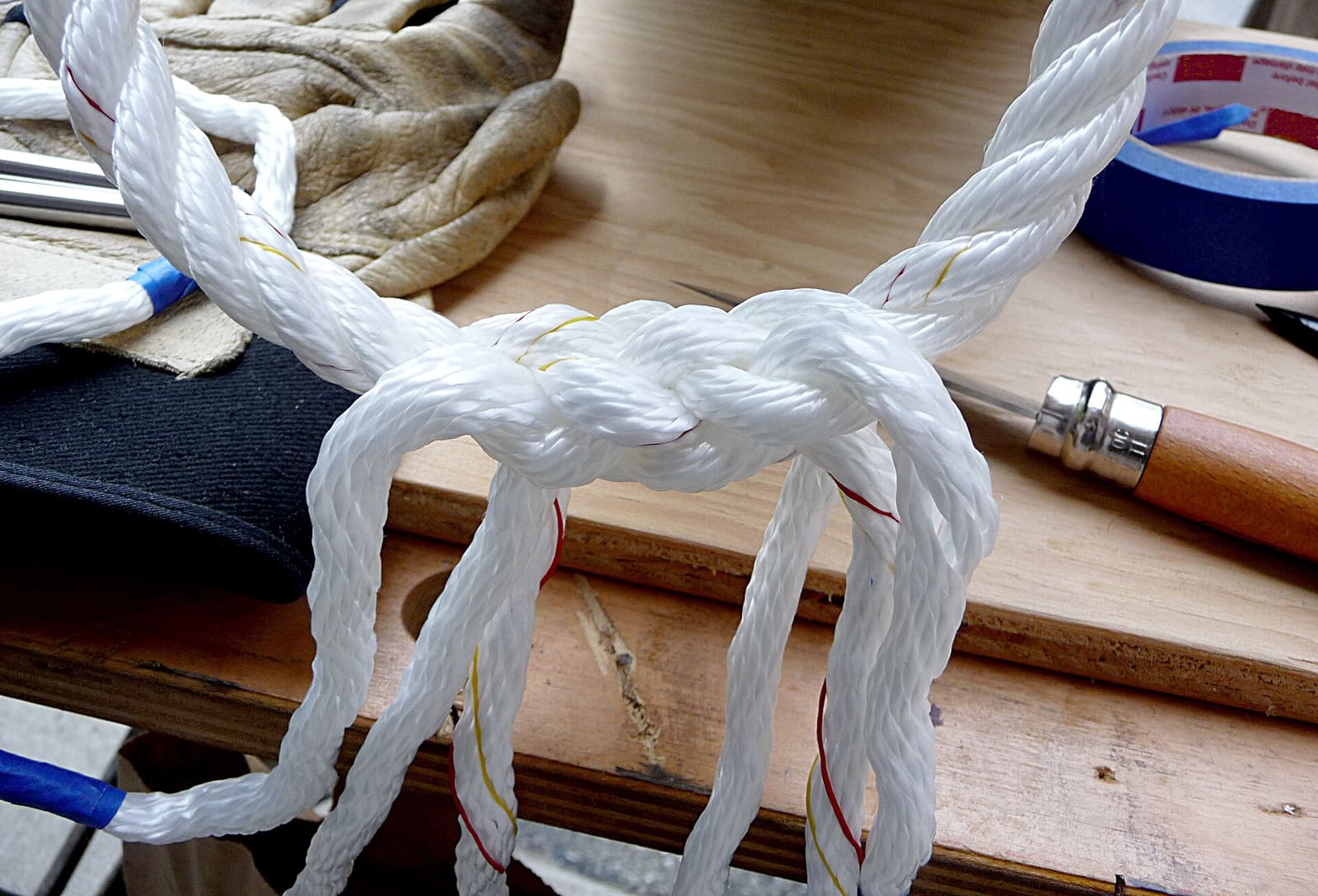
Basic Rope Work for Boat Owners - Eye Splices, Whipping and Sealing Line Ends
Learn the rope skills every owner uses: put an eye splice in three-strand dock or anchor line, stop line ends from unraveling with a whipping or by melting them, know when double-braid splicing is worth it or when to buy pre-spliced line, and inspect splices so you retire a line before it fails.

Bottom Paint (Antifouling): Do You Need It, Which Type, and How to Repaint
Learn whether your boat needs antifouling bottom paint, how ablative and hard paints differ, and how to prep and roll on a fresh coat safely, without poisoning yourself or the water and without ruining an aluminum hull.

Ceramic and Polymer Coatings for Boats: What They Do and How to Apply Them
Understand what ceramic and polymer coatings really do compared with wax, how to prep gelcoat so a coating bonds, how to apply a DIY coating, and how long you can realistically expect it to last.
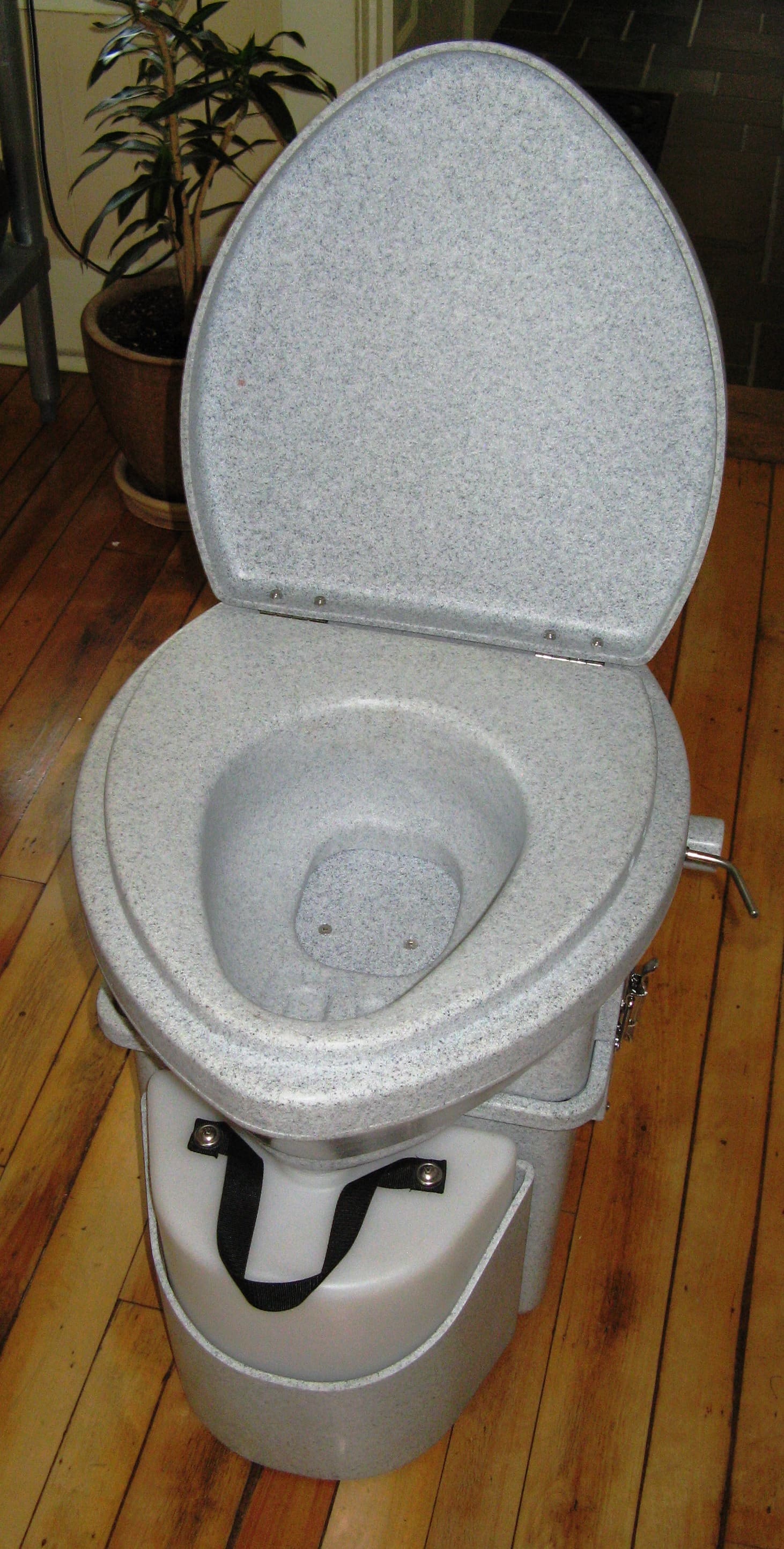
Composting Toilets on Boats: How They Work, the Rules, Emptying and Winter Care
A composting (dry, urine-separating) head can replace a smelly holding tank, but it has its own routine. Learn how these toilets work, how they fit the Coast Guard's sanitation rules, how to prepare the medium, empty the liquids bottle and solids bin legally, keep odors away and handle cold weather and winter layup.
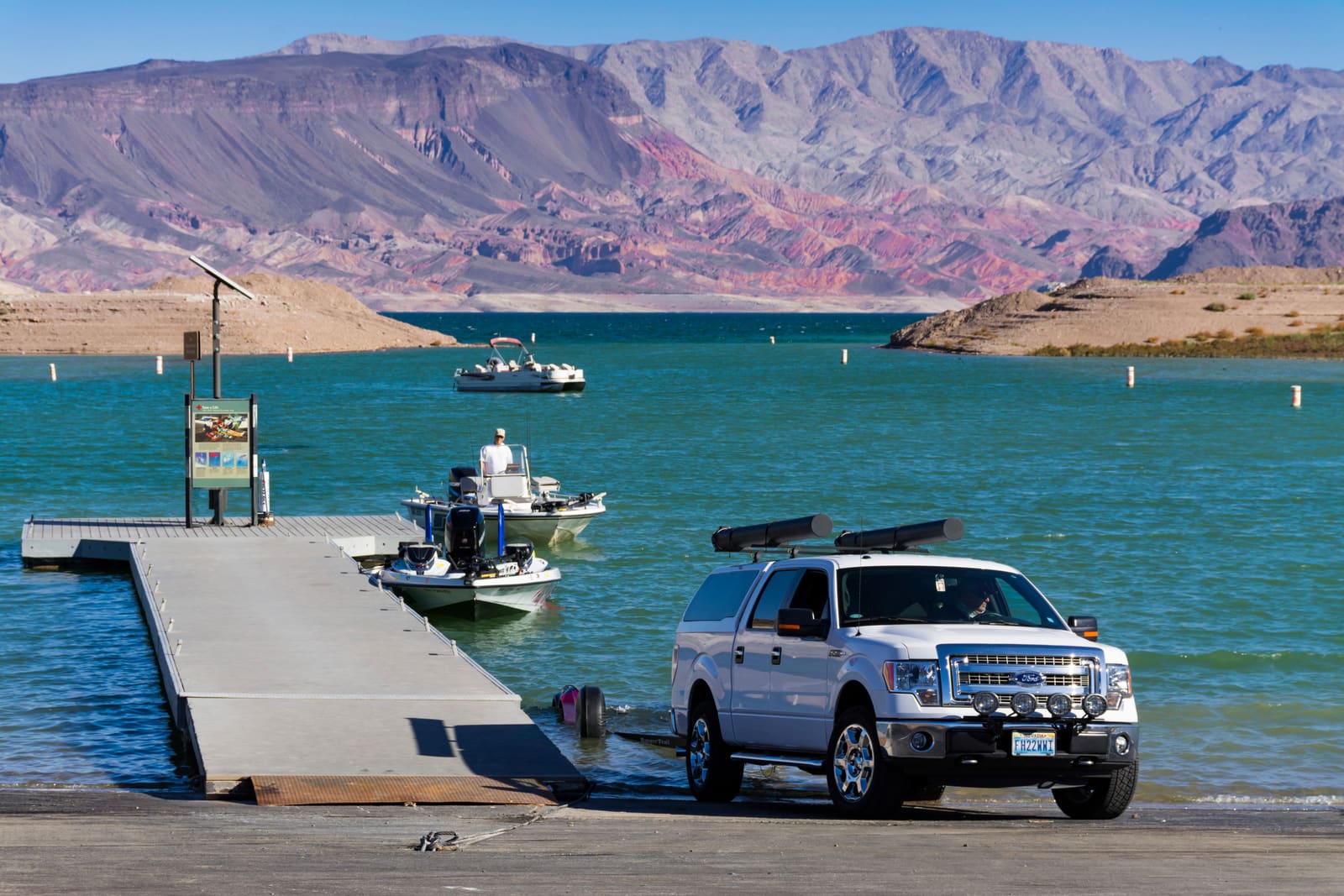
Drain Plugs: Types, Pre-Launch Checks, Spares and Replacing a Garboard Drain
A forgotten or worn drain plug is one of the most common ways a boat floods at the ramp. Learn the plug types, a launch routine that makes it hard to forget, how to look after plugs and fittings, how to replace a garboard drain, and when the plug should come out for storage.
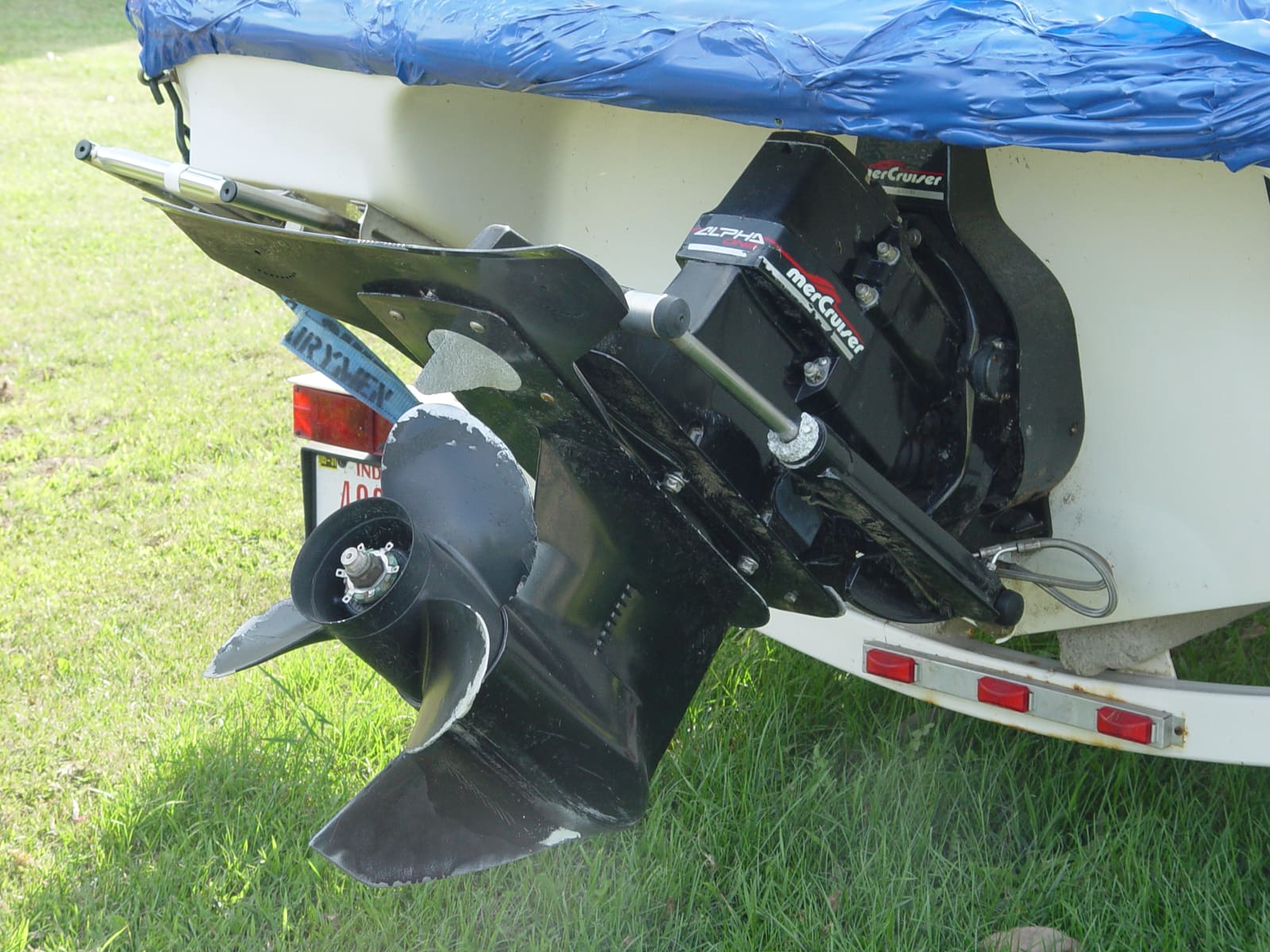
Engine Alignment on Sterndrives and Inboards: What to Check and When
A sterndrive engine must line up with its gimbal bearing and coupler, and an inboard engine with its prop shaft. When it drifts out of line you get vibration, noise and worn-out couplers, bearings and seals. Learn the warning signs, the checks you can do yourself and why the alignment itself is a job for a pro with special tools.
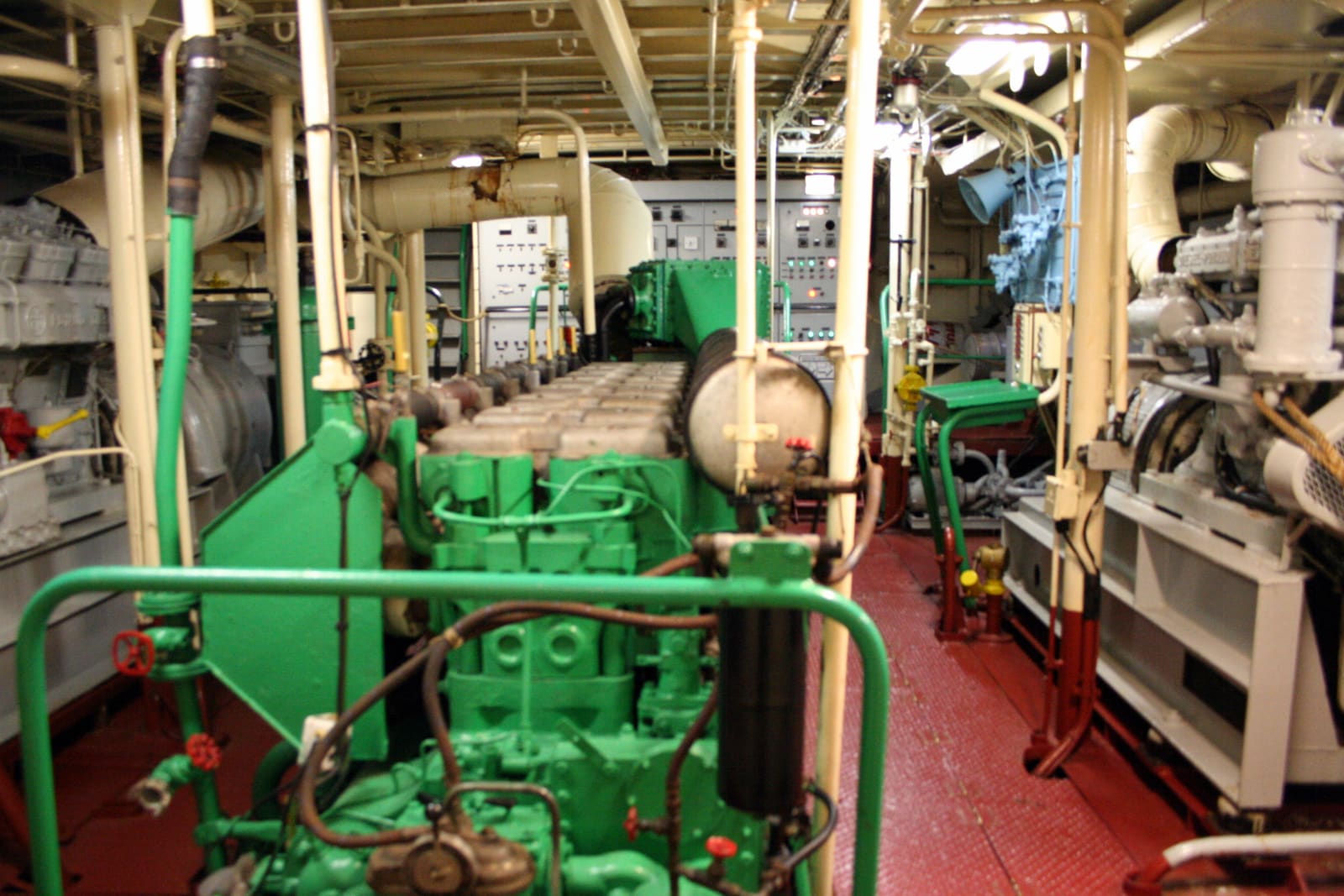
Engine Room Ventilation: Combustion Air, Blowers and Keeping Salt Out
Inboard engines, diesels above all, breathe huge amounts of air, and a hot or starved engine room quietly costs power, fuel and turbo life. Learn how engine-room air works, how to inspect vents, ducts, fans and salt-spray filters, the warning signs of too little air, and the separate gasoline blower rule.
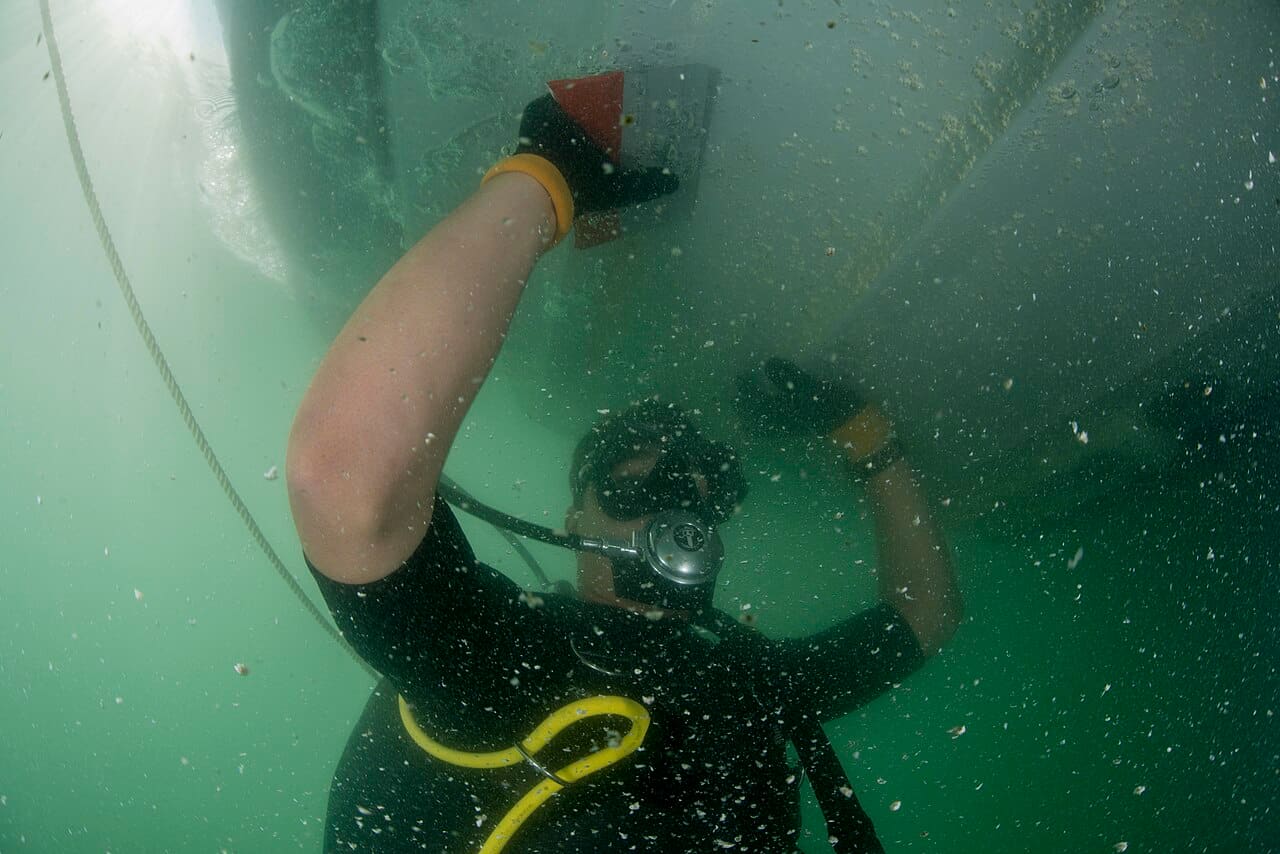
Hiring a Diver for In-Water Hull Cleaning: How Often, What It Does to Your Paint, and What to Ask
If your boat lives in the water, a hull-cleaning diver keeps growth off the bottom, prop and through-hulls between haul-outs. Learn how often to schedule cleanings, why scrubbing wears away ablative paint, the local rules some harbors (like San Diego and Marina del Rey) put on in-water cleaning, and what a good diver report should tell you about zincs, the prop and the paint.
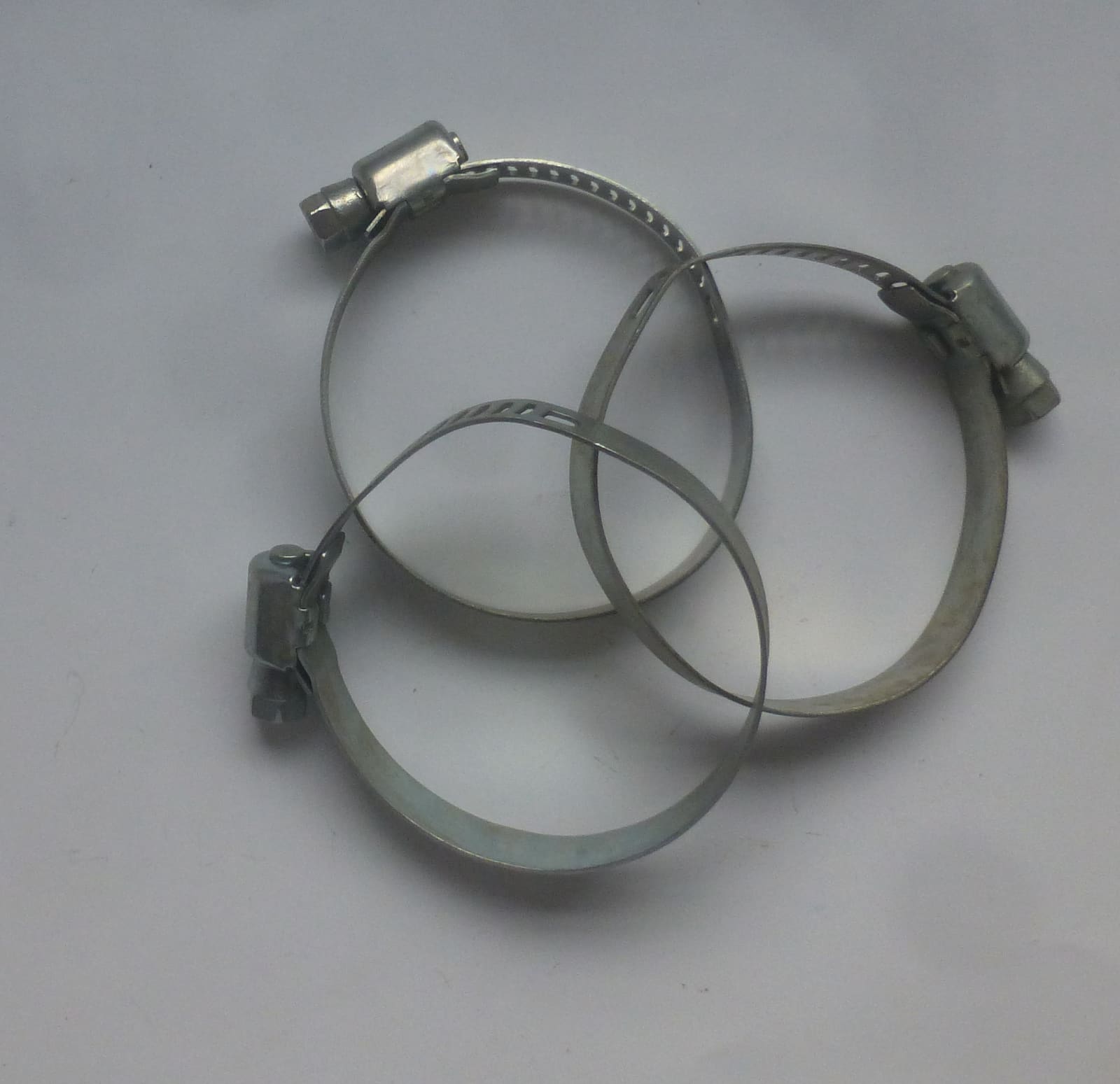
Hose Clamps on Boats: Choosing, Installing and Inspecting Them
A rusted or wrong hose clamp can sink a boat at the dock, leak fuel or let exhaust into the cabin. Learn which clamps belong on a boat (all-316 stainless, embossed band, T-bolt where needed), when to double them, how tight is tight enough, and how to find the ones that are about to fail.

How to Add or Replace a Swim Platform on Your Boat
A swim platform makes swimming, fishing and climbing back aboard far easier, but it hangs off the most heavily loaded part of the hull, right next to the propeller and the exhaust. Learn the bolt-on options, how to check the transom and engine clearance, how to through-bolt with real backing plates, and the propeller and carbon monoxide rules that come with it.
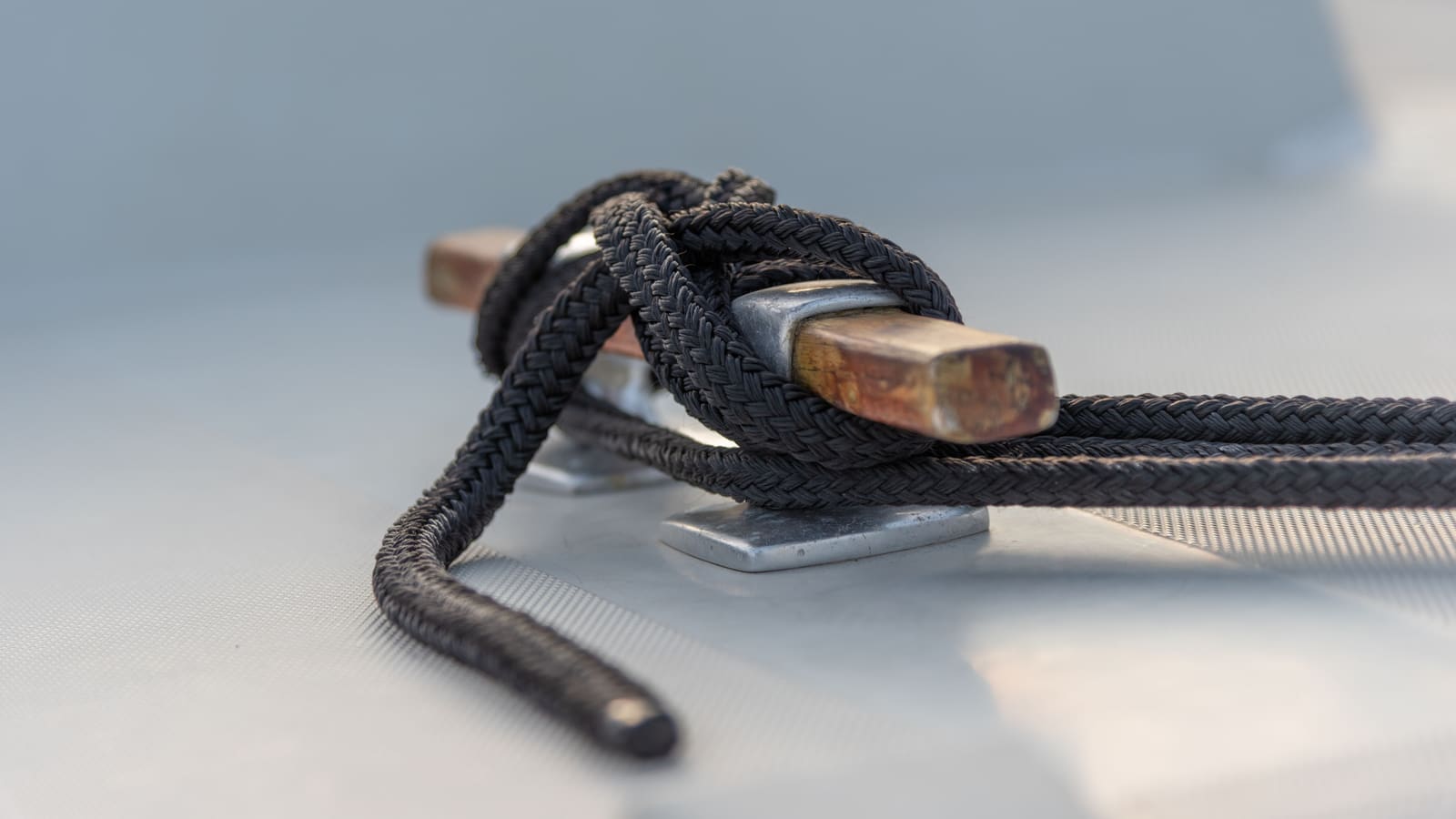
How to Add or Upgrade Boat Cleats (Sizing, Placement and Backing Plates)
Most cleats that fail don't break; they pull out of the deck. Learn how to size a cleat to your dock lines, where to put new cleats for docking and spring lines, how to through-bolt them with real backing plates, how to protect a cored deck, and what's different about pop-up and pull-up cleats.
How to Check a Boat for Transom and Stringer Rot
Many older fiberglass boats have wood inside the transom, stringers and deck, and water that gets in slowly rots it. Learn the tap test, the flex test, how to read a moisture meter and the other warning signs, and why a rotten transom or stringer is a structural job for a pro, not a weekend patch.

How to Clean and Care for a Boat Windshield (Acrylic, Polycarbonate or Glass)
Clean your windshield without scratching it, tell acrylic, polycarbonate and glass apart, deal with haze, crazing and small cracks, stop frame leaks, and keep wipers and the walk-through door working.
How to Clean and Care for Clear Vinyl (Isinglass) and Polycarbonate Enclosure Panels
Keep the clear windows in your dodger, bimini curtains or full enclosure clear for years by cleaning them the right way, storing them without scratches and avoiding the cold-weather and chemical mistakes that ruin them. Covers soft clear vinyl, coated vinyl like Strataglass, rigid panels and zippers.

How to Clean and Protect Boat Canvas, Bimini Tops and Vinyl Seats
Wash your bimini, covers and enclosure the right way, beat mildew without wrecking the stitching, keep vinyl seats soft and stain-free, look after zippers and snaps, and store everything so it comes out clean next spring.
How to Clean Your Boat's Bilge (Legally, and Without the Smell)
Get oil, sludge and debris out of the bilge without pumping pollution overboard, choose absorbents that actually work, track down bilge odors, clear limber holes and the pump pickup, and dispose of the mess the right way.
How to Clean, Protect and Inspect Stainless Steel Boat Hardware
Remove tea stains and rust from rails, cleats and fittings without scratching them, passivate stainless so it stays clean longer, understand why 304 and 316 behave differently, and spot the hidden crevice corrosion that weakens fittings from underneath.
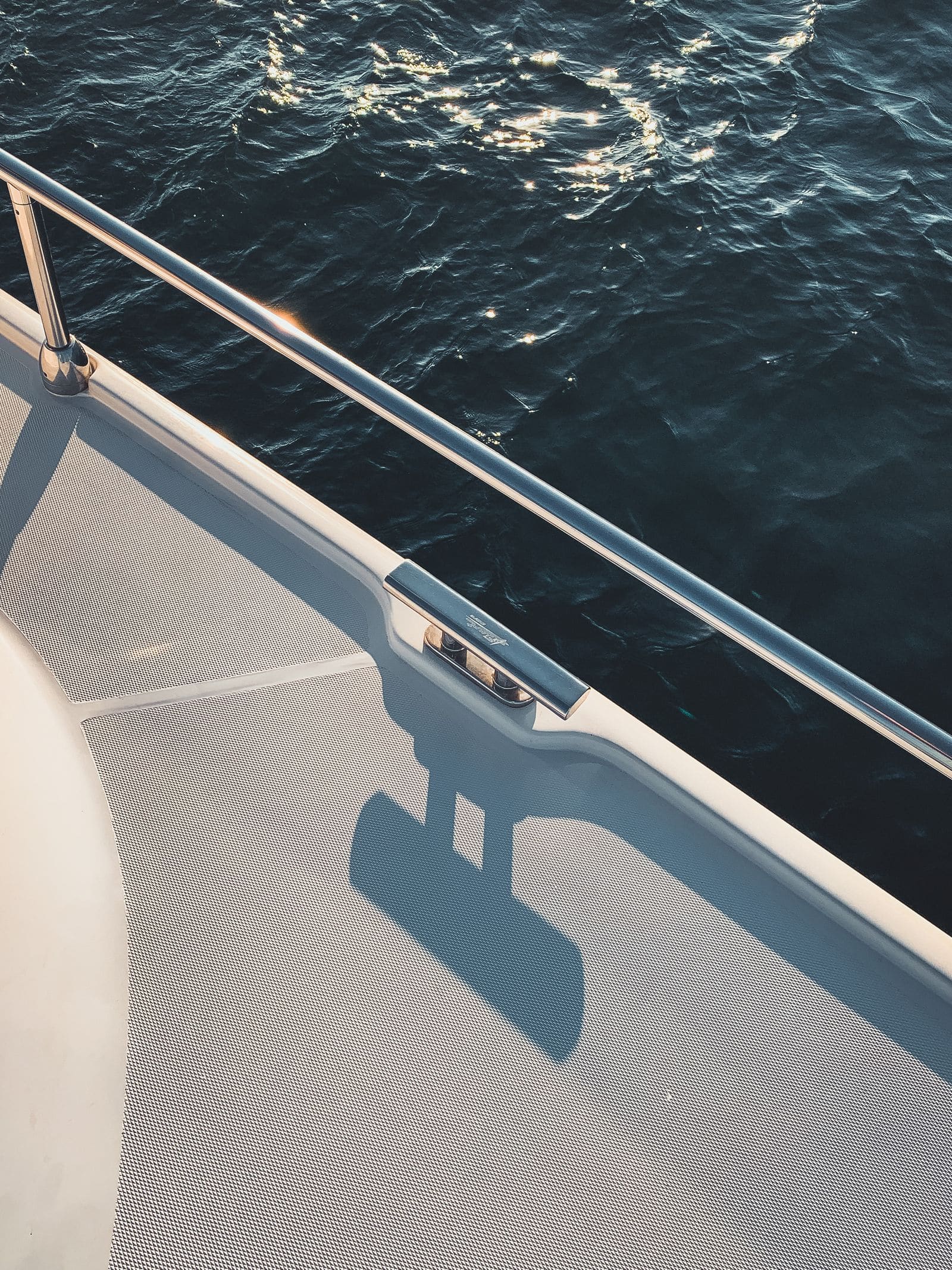
How to Clean, Protect and Restore Non-Skid Decks
Get dirt, fish blood, rust and mildew out of textured non-skid without wearing it away, learn why ordinary wax makes it dangerously slick, and decide when worn non-skid needs a deck paint with grip additive or traction pads instead.

How to Clean, Remove Oxidation and Wax Your Boat's Gelcoat (Plus Pontoon Tubes)
Wash your hull the right way, bring back chalky, faded gelcoat with compound, and seal it with wax so it stays glossy and protected from the sun. Includes how to clean and protect the aluminum tubes on a pontoon boat.
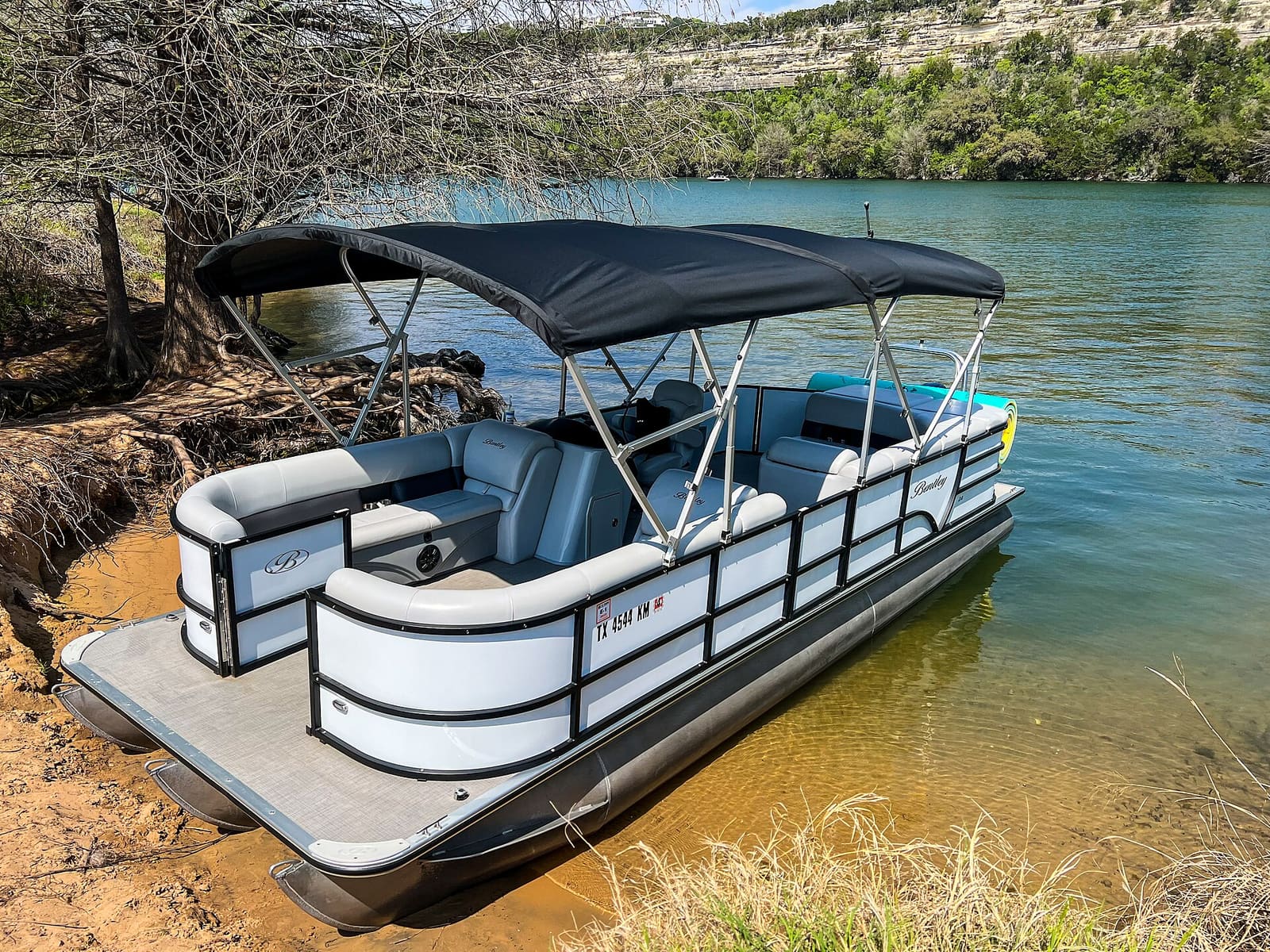
How to Detail Your Boat's Interior (Vinyl Seats, Carpet, Storage and Drains)
Give your cockpit and cabin a proper detail. Clean marine vinyl without stripping its UV protection, wash snap-in and glued-down carpet, clear out cup holders, storage boxes and their drains, beat mildew and pink stains, and know which household cleaners to keep off your boat.
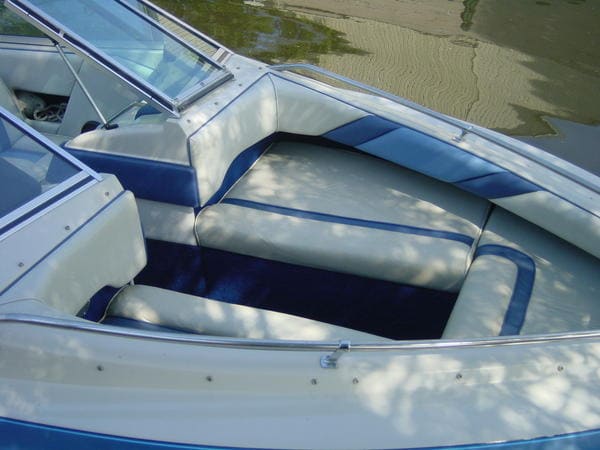
How to Dry or Replace Waterlogged Boat Seat Cushion Foam
Stop the soggy-seat problem: find out why the foam inside boat cushions holds water, dry it out the fast way, and choose the right replacement foam (standard, closed-cell or quick-drying reticulated) so your seats stay dry, firm and mildew-free.
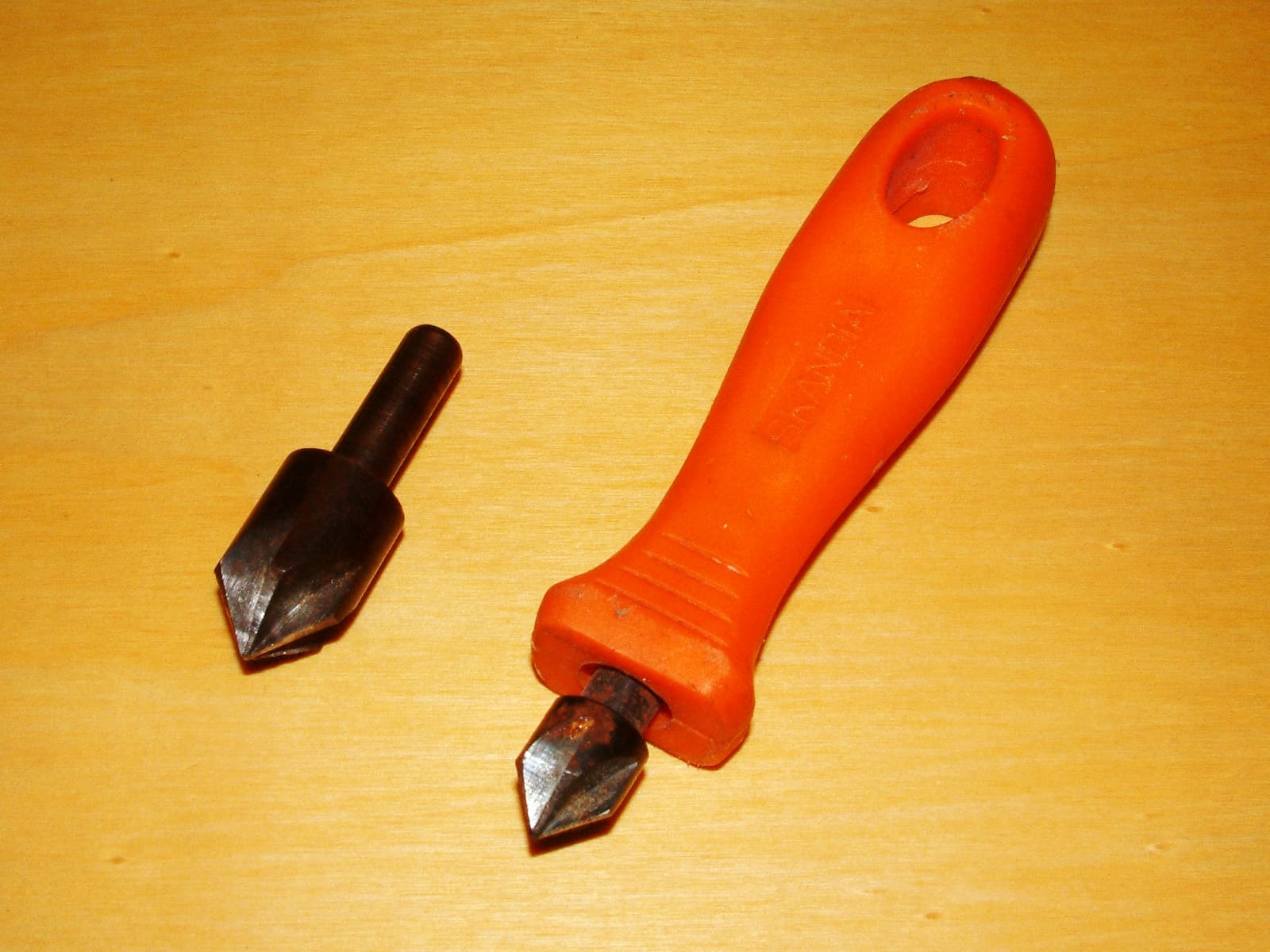
How to Fill Old Screw Holes in Fiberglass Decks and Hulls
Close up the holes left by removed cleats, rod holders, electronics and trim so water can't reach the deck core. Covers simple epoxy fills, the overdrill-fill-redrill method for cored decks, a gelcoat finish, and why holes below the waterline are a haul-out job.
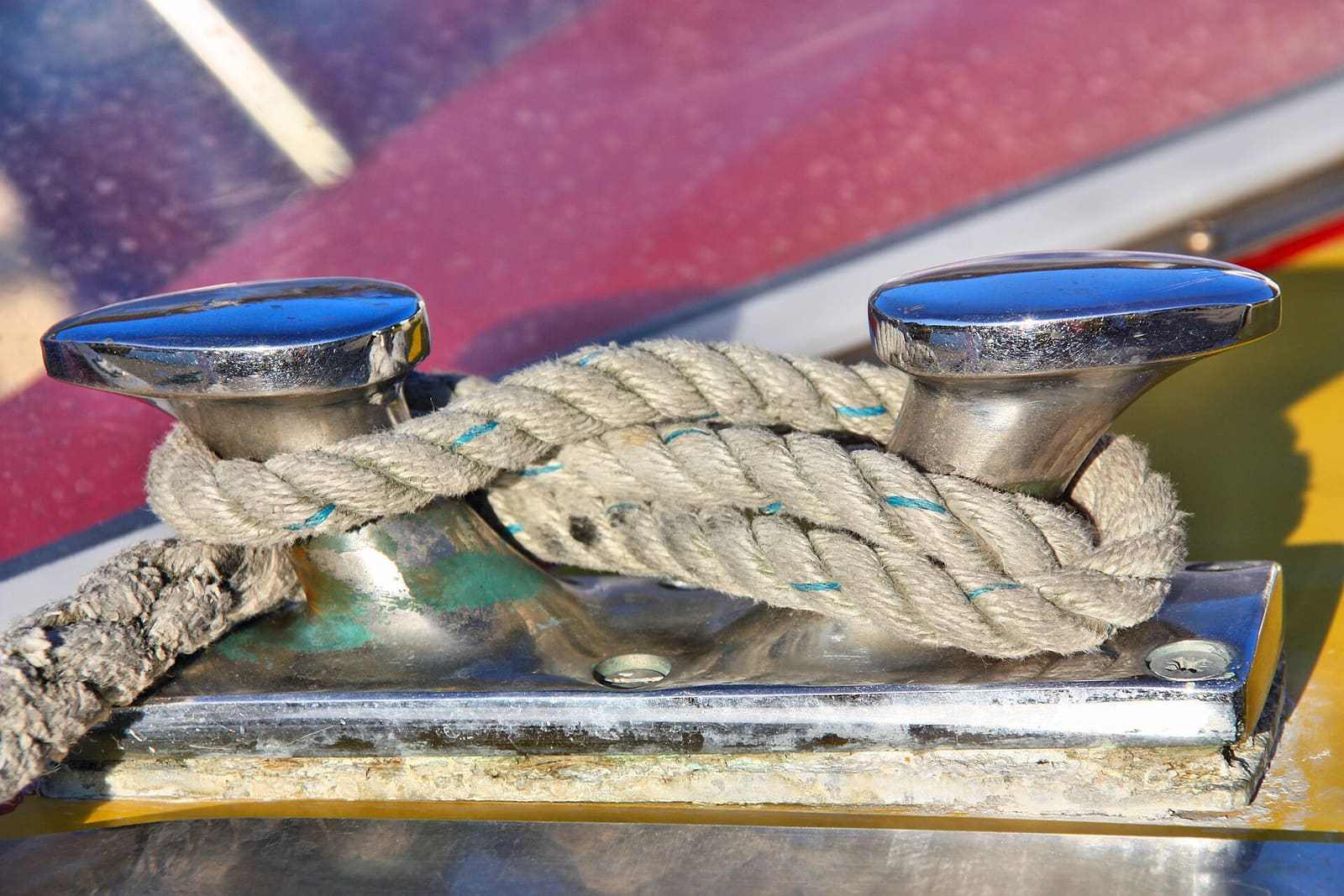
How to Find and Fix Leaking Deck Hardware (Rebedding Cleats, Stanchions and Tracks)
Track down the cleat, stanchion base or track that is dripping into the cabin, then remove it, seal the deck core and bed it again with the right sealant so the leak stops for years instead of weeks. Catching it early protects the deck core from rot.
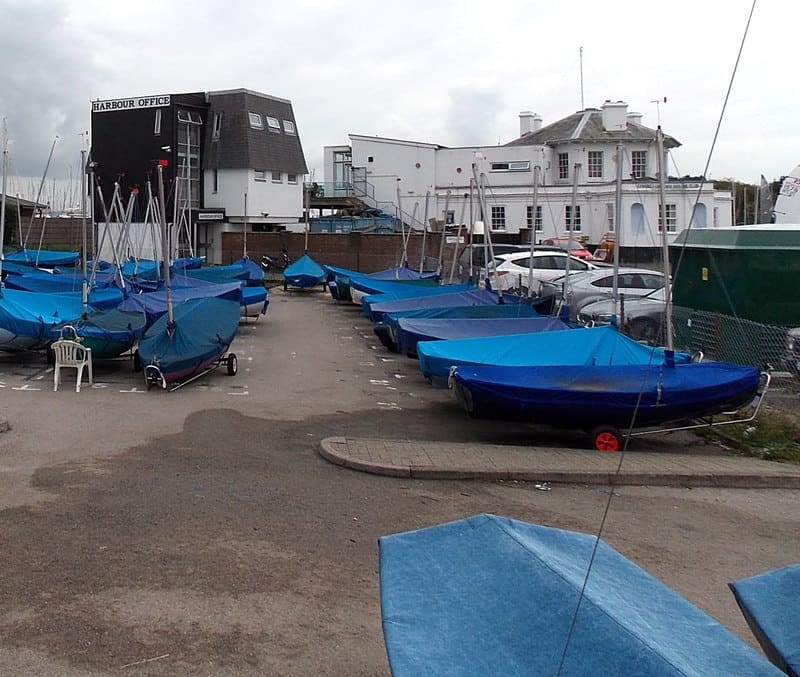
How to Fit, Support, Clean and Store a Boat Cover
Make your mooring or storage cover last for years by getting the fit right, supporting and venting it so water never pools, using a cover that's rated for the highway, cleaning and re-waterproofing it the right way, and fixing small tears before they grow.
Safety: BoatMend is for information only and does not replace a certified marine technician. You are responsible for your safety and your boat. Read the full disclaimer.