Repair & maintenance guides
Plain-English, step by step, written for owners. Pick your engine to see the guides that apply to it.
65 of 509 guides · page 3 of 3
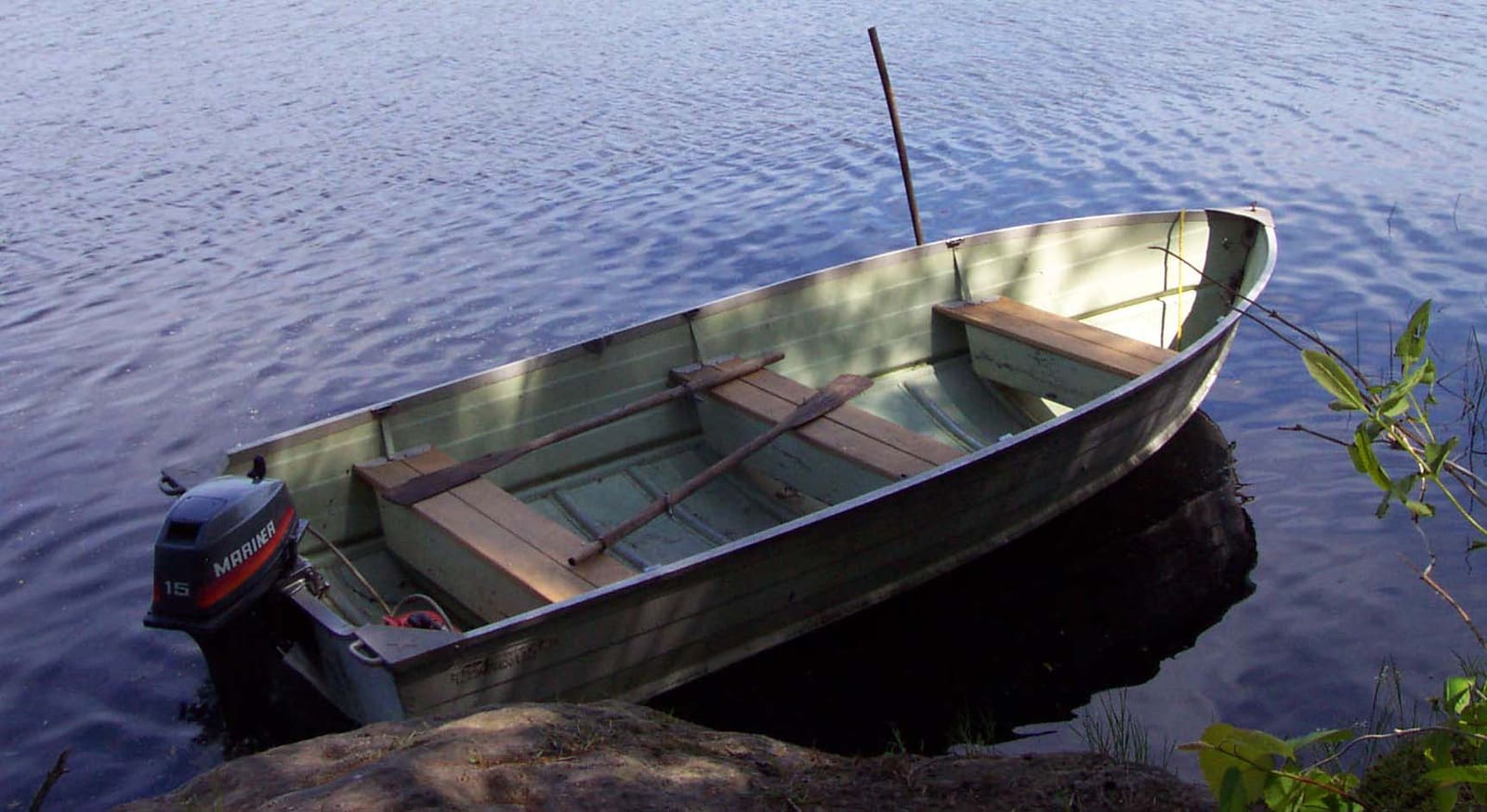
Missing or Faded Capacity Plate: How to Read It and Get a Proper Replacement
The capacity plate tells you how many people, how much weight and how much horsepower your boat can safely handle. Learn what each line means, which boats must have one under 33 CFR 183, how to order a replacement from the builder, what to do if the builder is gone, and why homemade numbers are a bad idea.
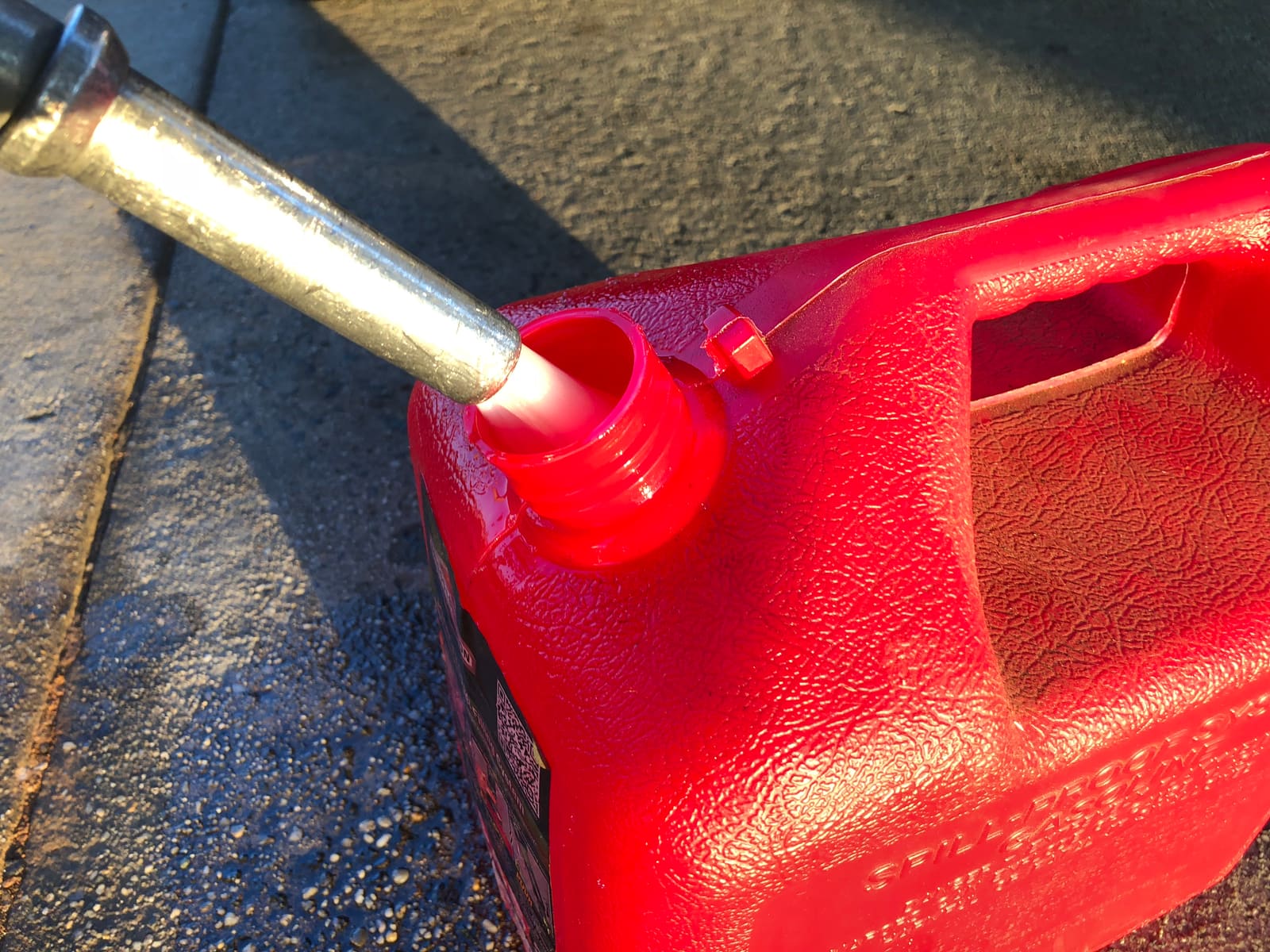
Portable Gas Cans and Fuel Storage: Filling, Storing at Home and Aboard, and Getting Rid of Old Gas
Gas cans and portable boat tanks are handy and dangerous in equal measure. Learn what makes a modern can compliant, why you always fill it on the ground, how to store gasoline at home and on the boat, how long ethanol fuel really lasts, and how to dispose of old gas legally.
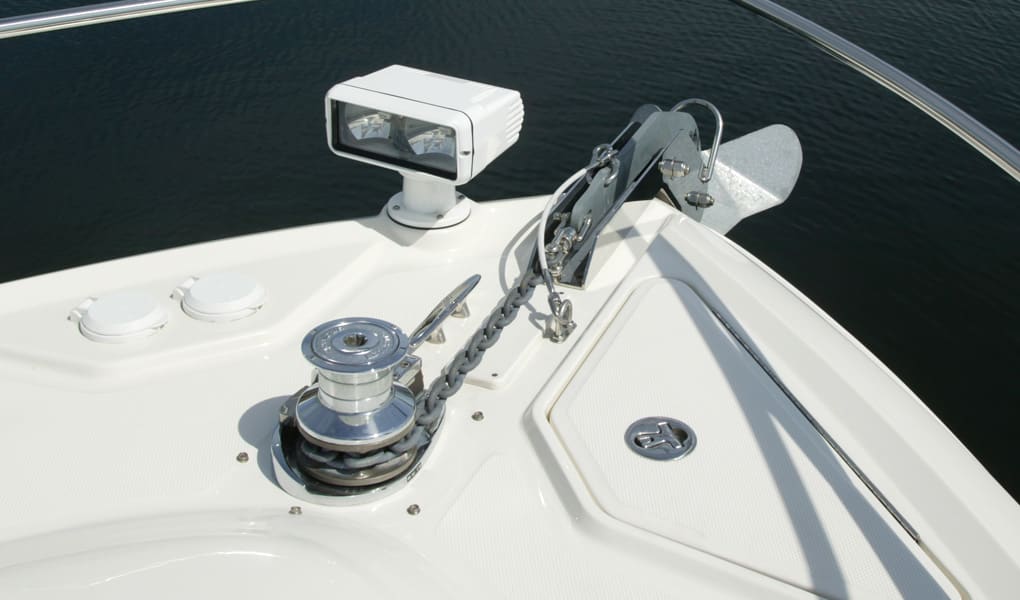
Powered Winch and Windlass Safety: Keep Fingers Clear and Power Within Reach
Electric and hydraulic winches and anchor windlasses can crush hands and pull a person into the drum in seconds. Learn where switches and the emergency power cutoff belong, how to keep hands and lines safe, why the windlass should never hold the boat, and how to brief your crew.
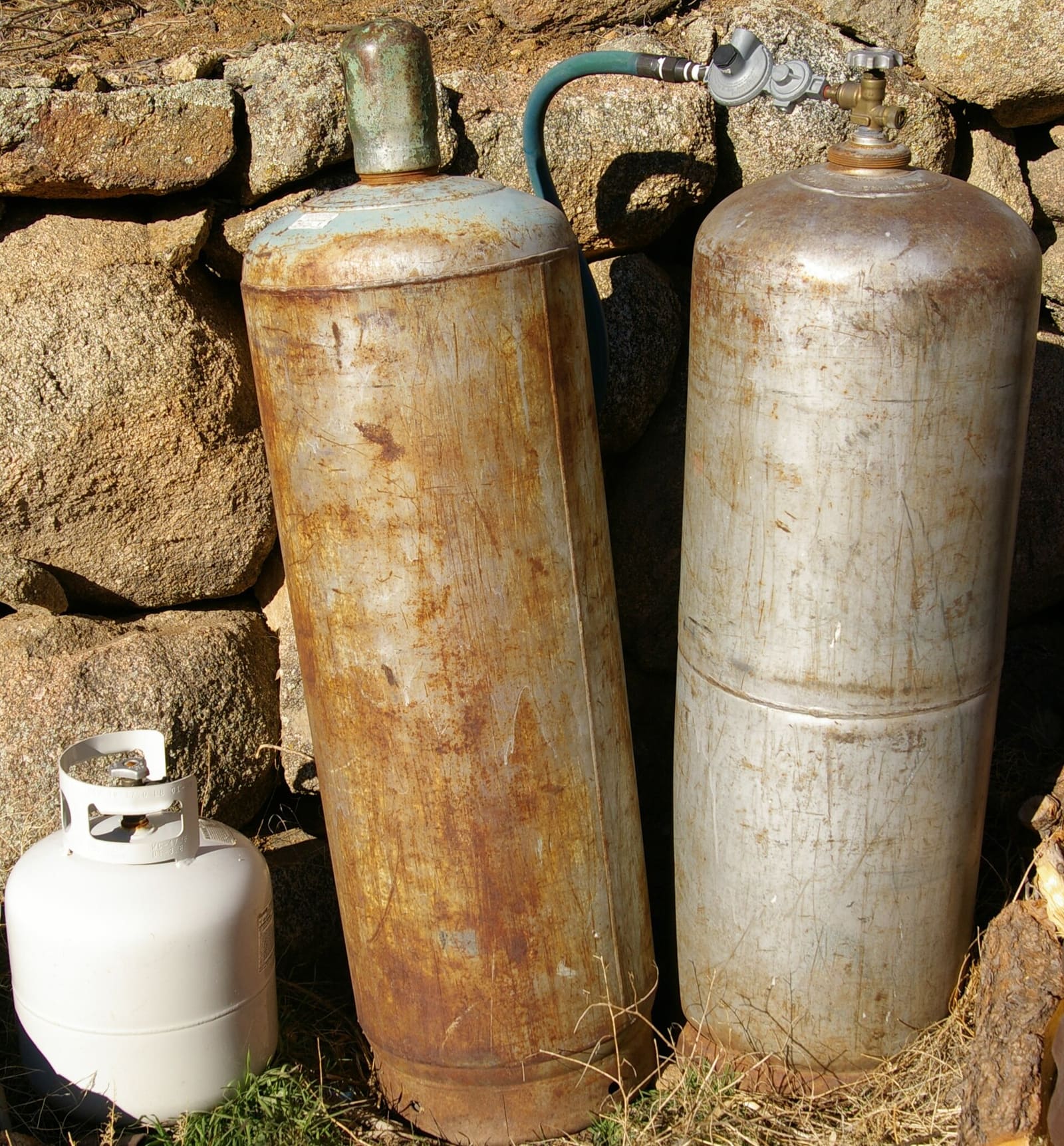
Propane (LPG) Safety on Boats - Locker, Solenoid, Sniffer and Leak Test
Learn why leaking propane sinks into the bilge, how to inspect the locker, cylinders, hoses, solenoid and gas alarm, and how to run a simple leak test. Repairs to a propane system belong to a qualified marine technician.
Reading Your Boat's Capacity Label (Old and New 2026 Format) and What It Means for a Repower
Learn to read every line of your boat's capacity plate, including the new ABYC S-7 label the Coast Guard accepted in July 2026 with its maximum outboard motor running weight, and use it to check a load or a repower before you spend money. Practical guidance, not legal advice.
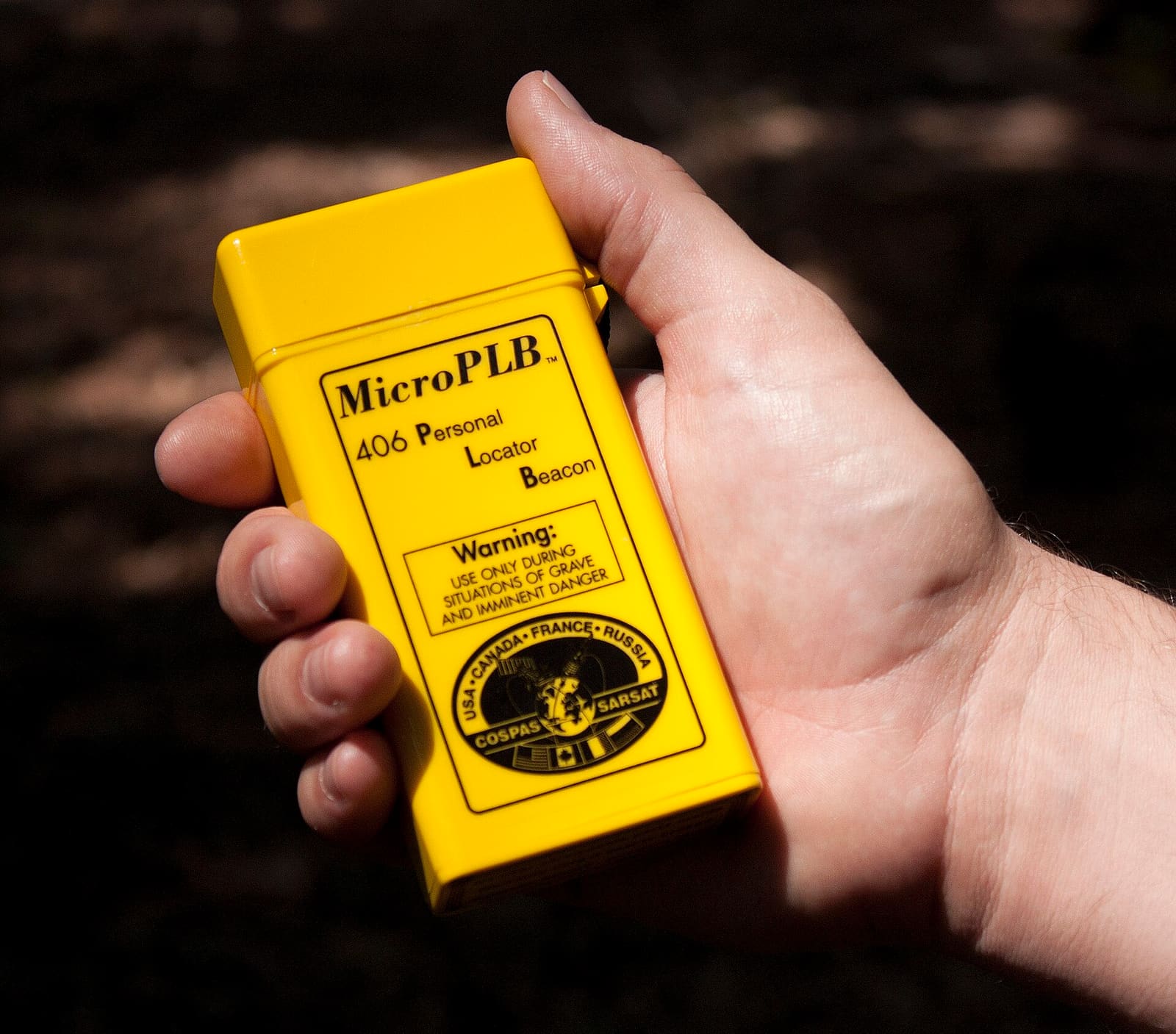
Satellite Messenger vs PLB vs EPIRB: Which Emergency Device Should You Carry?
A PLB or EPIRB calls government search and rescue through the 406 MHz Cospas-Sarsat satellites with no subscription; a satellite messenger like an inReach or SPOT sends an SOS through a private network and adds texting and tracking for a monthly or yearly fee. Learn how each one alerts rescuers, what registration, subscriptions and batteries they need, what to carry for lakes, coastal and offshore boating, and how to test without causing a false alarm.
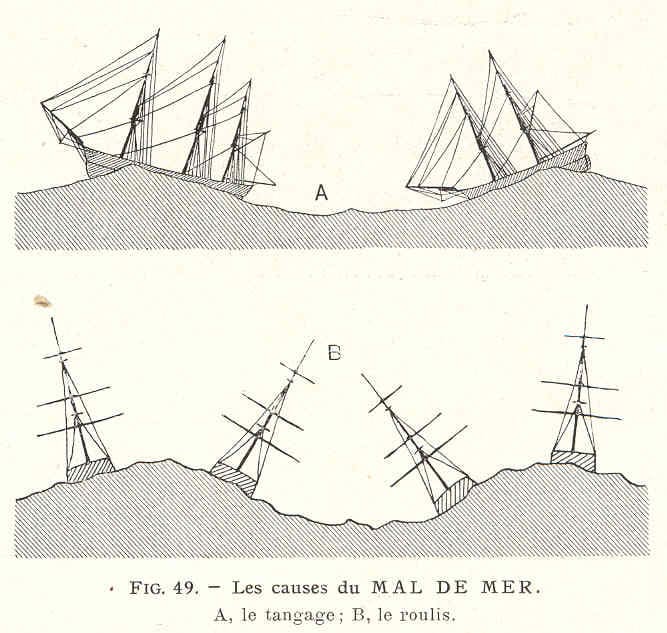
Seasickness: How to Prevent It and Care for Seasick Crew and Guests
Almost anyone can get seasick in the right conditions, but a few habits make a big difference. Learn why it happens, where to sit, what to eat and drink, how over-the-counter remedies fit in (and why the person running the boat must be careful with drowsy ones), how to look after someone who's sick, and when it might be something more serious. General information only, not medical advice.
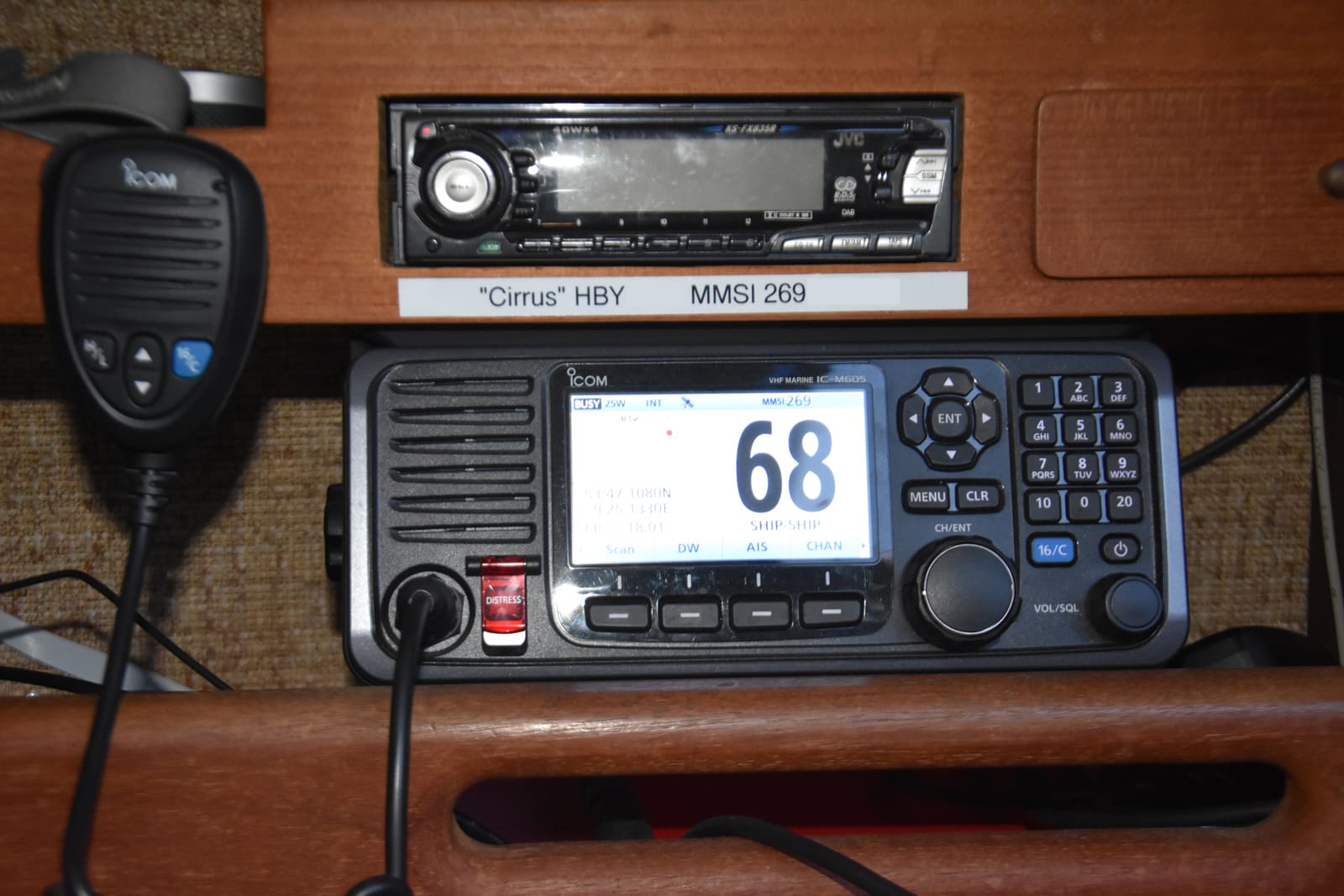
Set Up Your VHF Radio: MMSI, DSC, GPS Hookup and Radio Checks
Get a free or low-cost MMSI number, program it into your DSC radio, connect your GPS so a distress alert sends your exact position, check the antenna, and learn the Channel 16 rules and the right way to do a radio check.
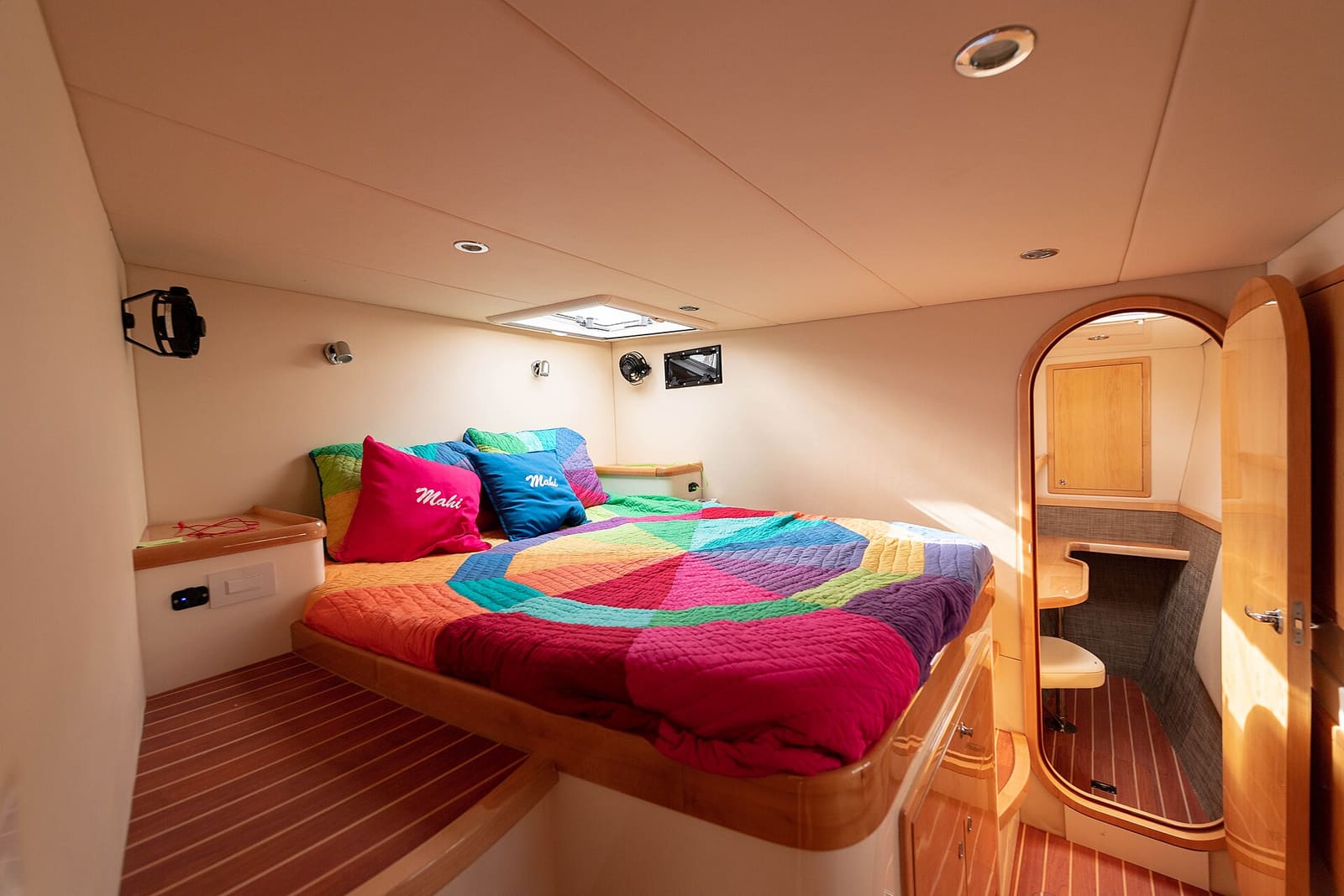
Smoke and Heat Detectors on a Boat: Where They Make Sense, What to Buy and How to Test
A fire in a closed cabin, engine room or lazarette can grow for minutes before anyone notices. Learn where smoke alarms and heat detectors make sense aboard, why boats are hard on household alarms, how to power and test them, how they fit with CO alarms, and how automatic engine-room extinguishers and engine shutdown tie in.
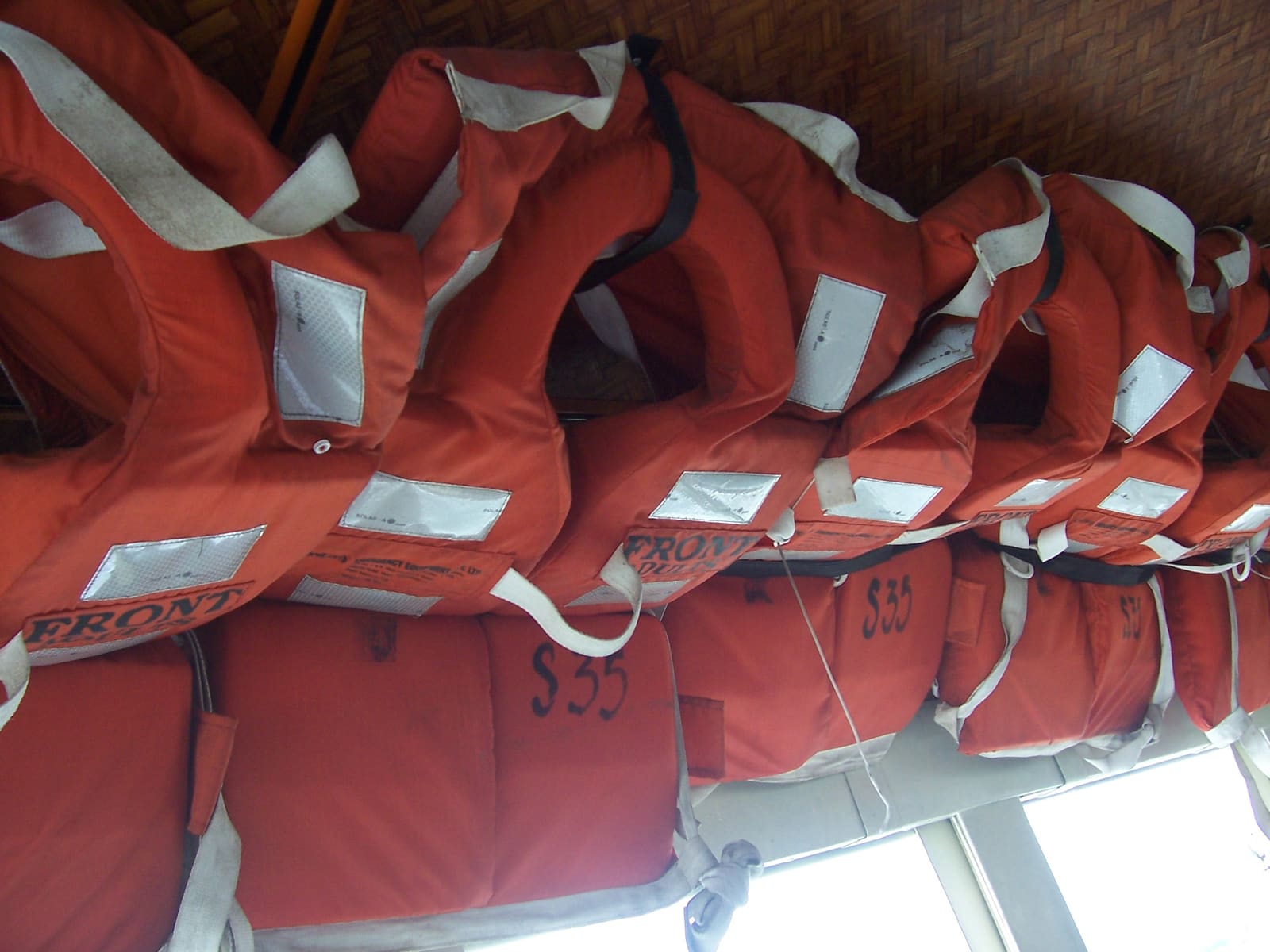
The Pre-Departure Safety Briefing: What to Tell Every Passenger (with a Printable Checklist)
A five-minute talk before you leave the dock turns guests into a crew that can help in an emergency. Cover life jackets, the engine cut-off switch, the fire extinguisher, how to call for help on the VHF, what to do if someone falls overboard, staying seated, seasickness and carbon monoxide near the stern, then use the printable checklist every trip.
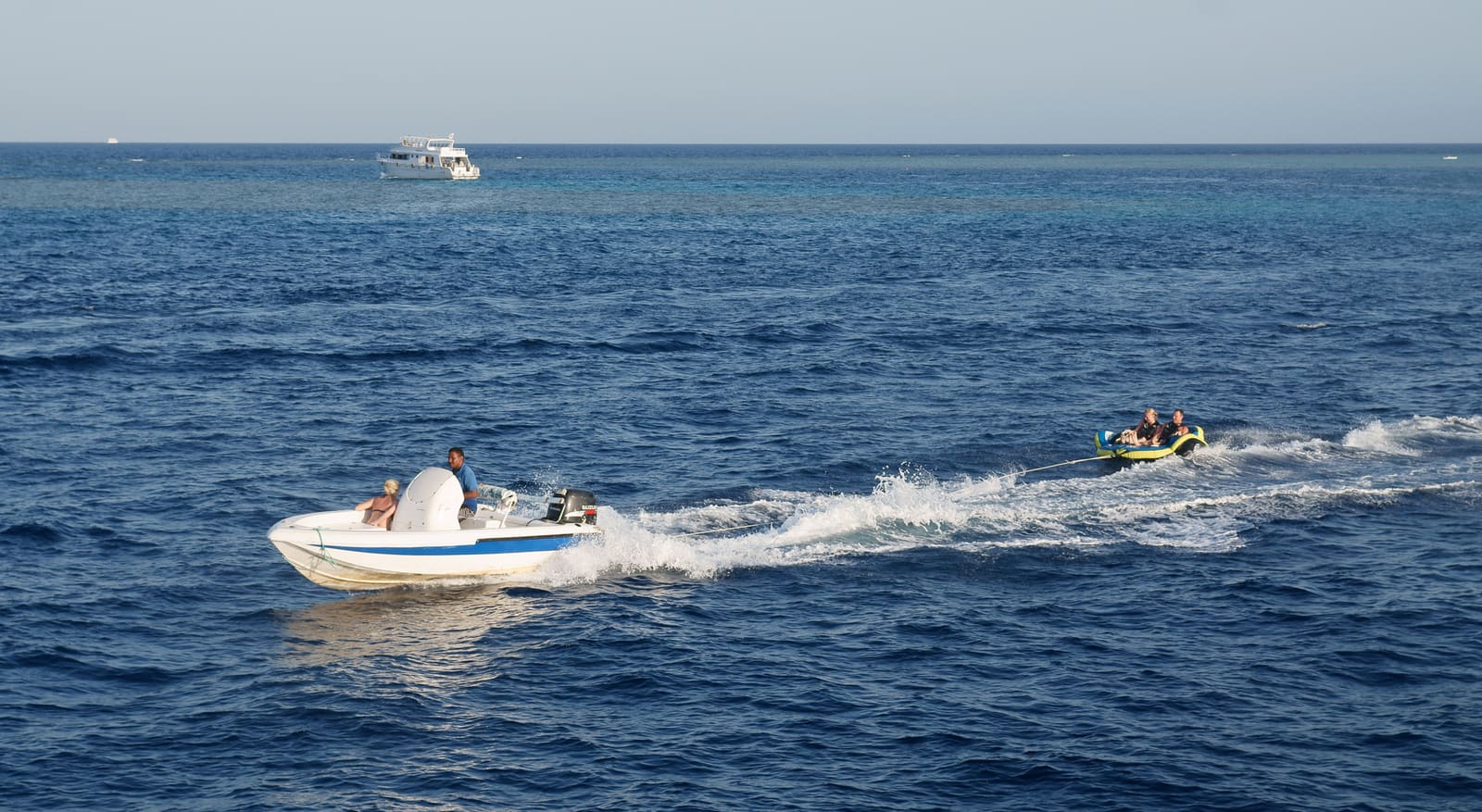
Tow Ropes, Tubes and Watersports Gear: Inspect, Rig and Retire
Check ski, wakeboard and tube ropes, handles, towable tubes and your boat's tow points before every outing, rig them the right way, and know when to throw gear out. Includes the safety basics (spotter, flag, life jackets, prop and carbon monoxide) that vary from state to state.
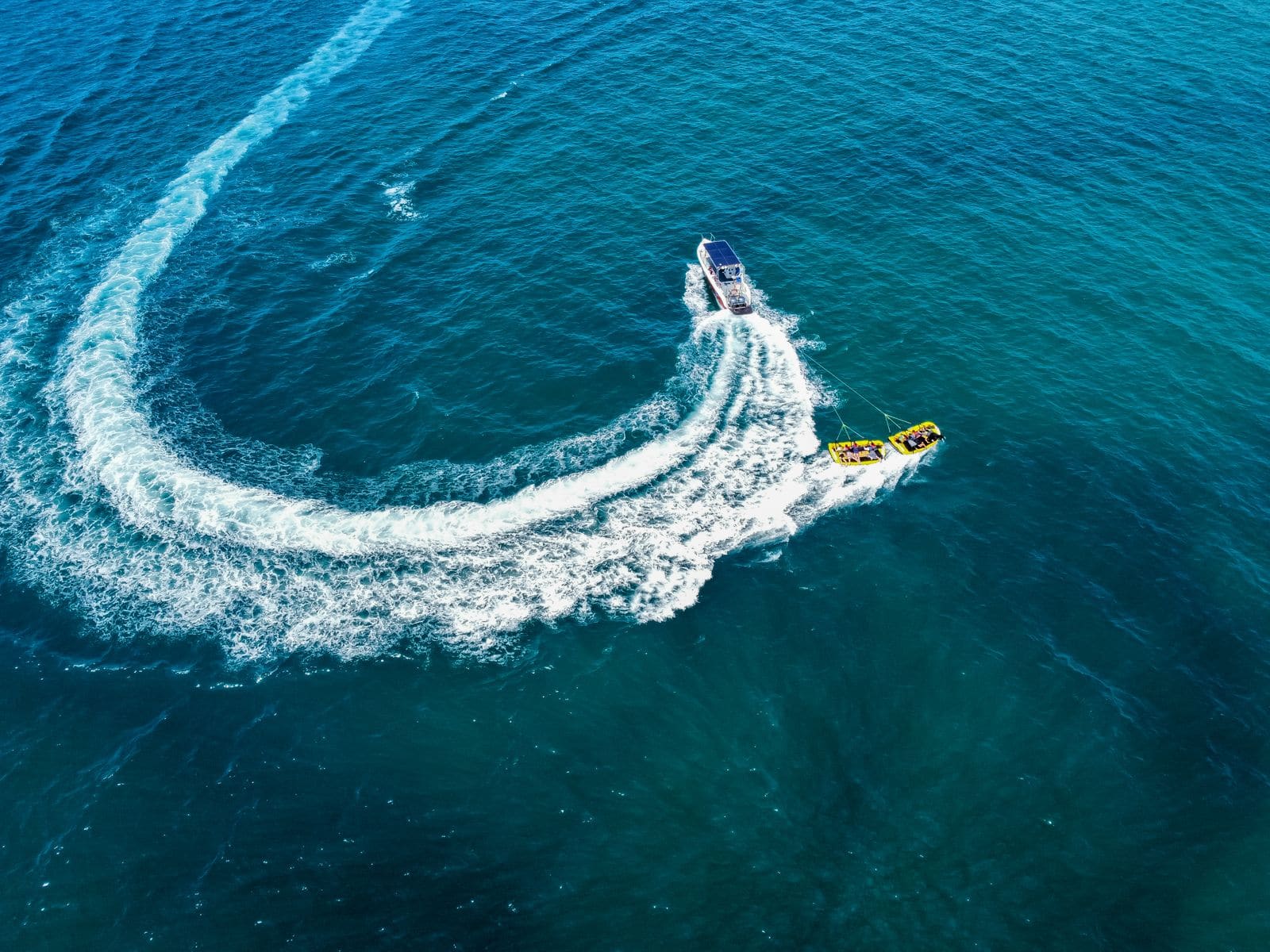
Towable Tube Care and Repair: Find Leaks, Patch the Bladder and Know When to Retire It
Inspect a towable tube's bladder, cover, valves, handles and tow point, find and patch leaks the right way, and dry and store it so it lasts. Also covers rider ratings and the damage that means the tube should be retired, not repaired.
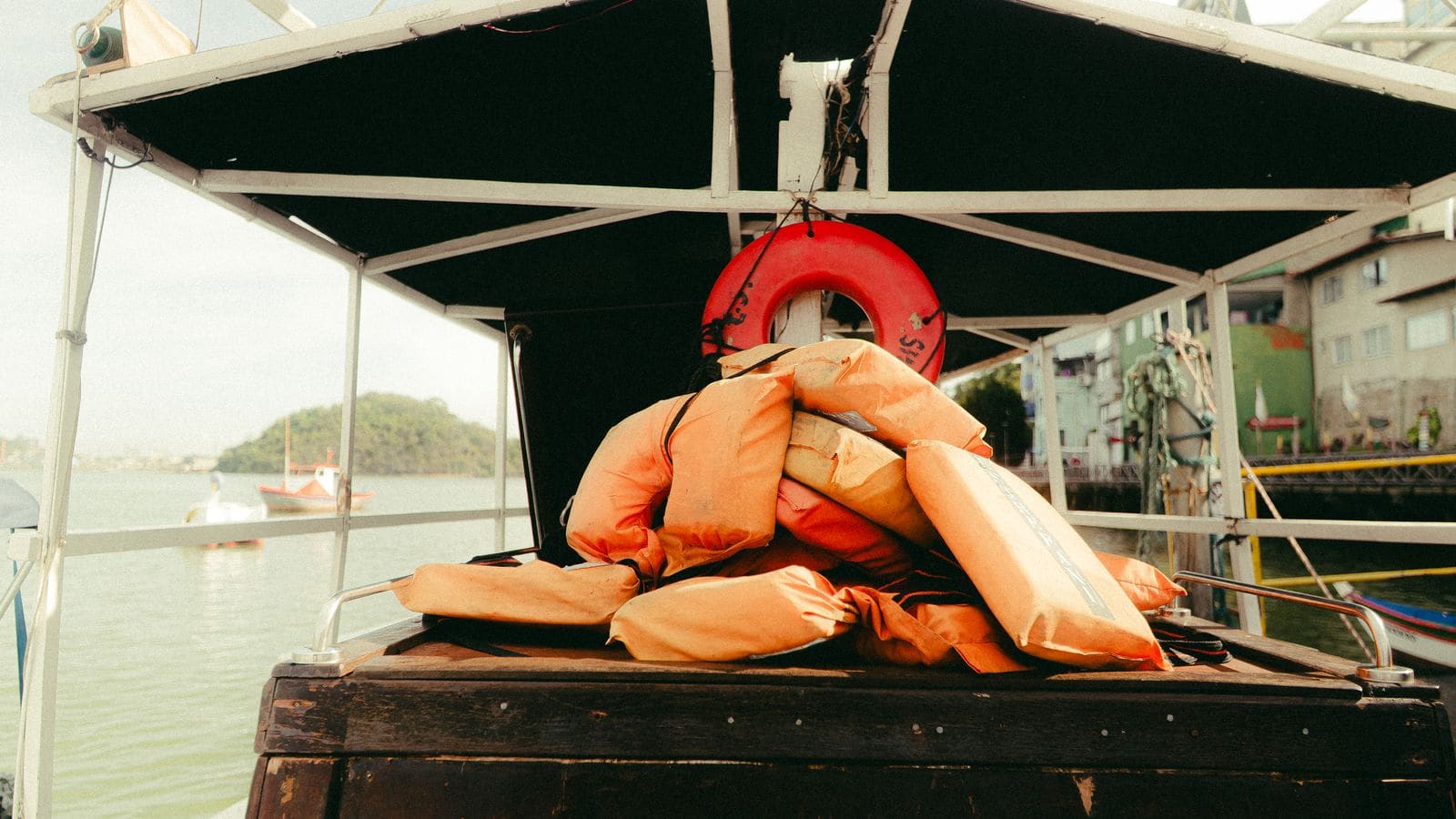
USCG Required Safety Equipment Check by Boat Length
Walk through your boat and confirm you carry every piece of safety gear the US Coast Guard requires for your boat's length and type, and that none of it is expired or worn out. Missing or expired gear is one of the most common tickets on the water, and it is the gear you need when things go wrong.
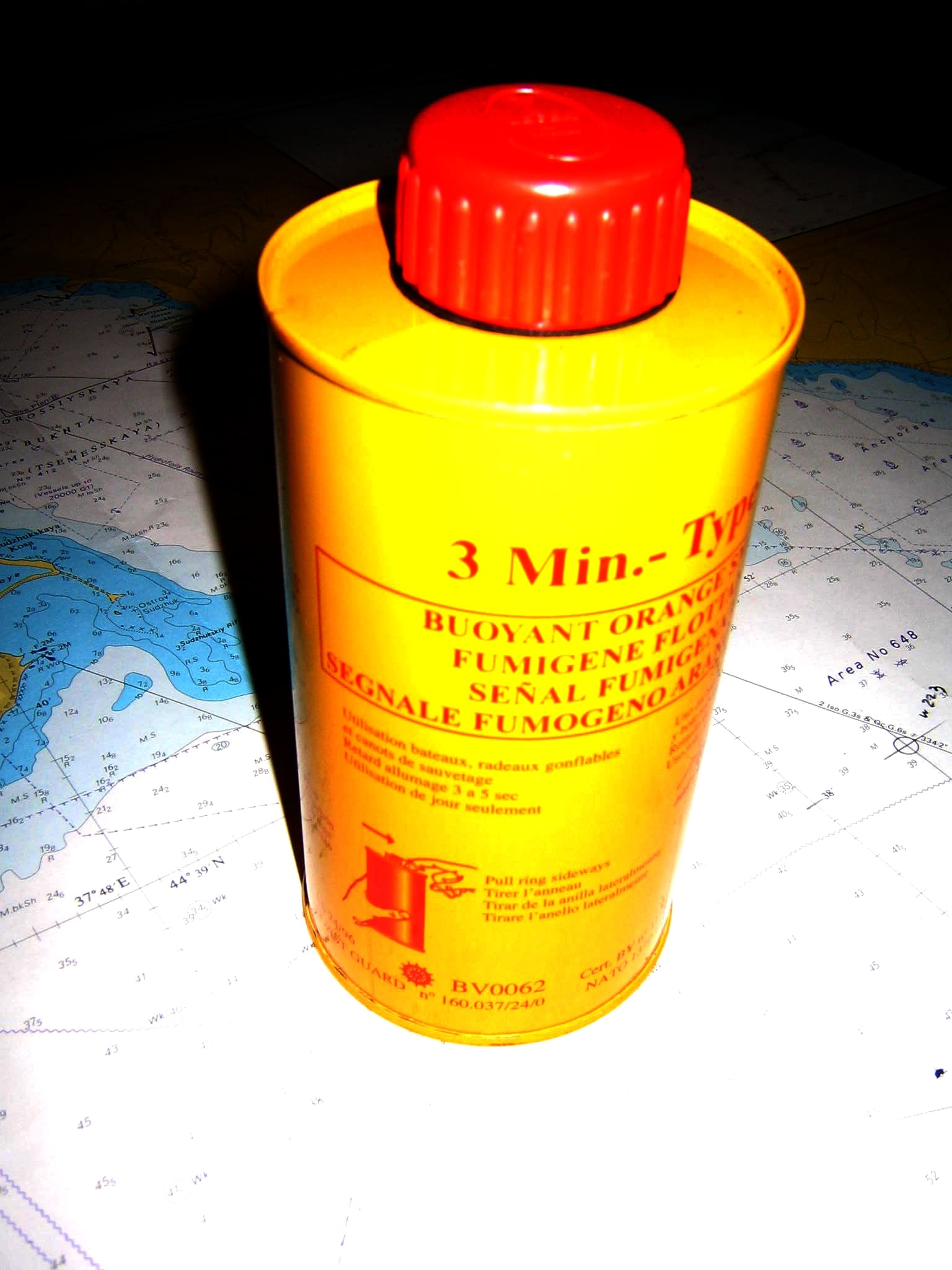
Visual Distress Signals: Flare Expiry, Storage, Practice and Safe Disposal
Make sure your flares, smoke signals, distress flag or electronic distress light meet the Coast Guard rules for day and night, are not past their 42-month date, and are stored where you can grab them. Then get rid of expired flares the safe and legal way instead of letting them pile up in a locker.
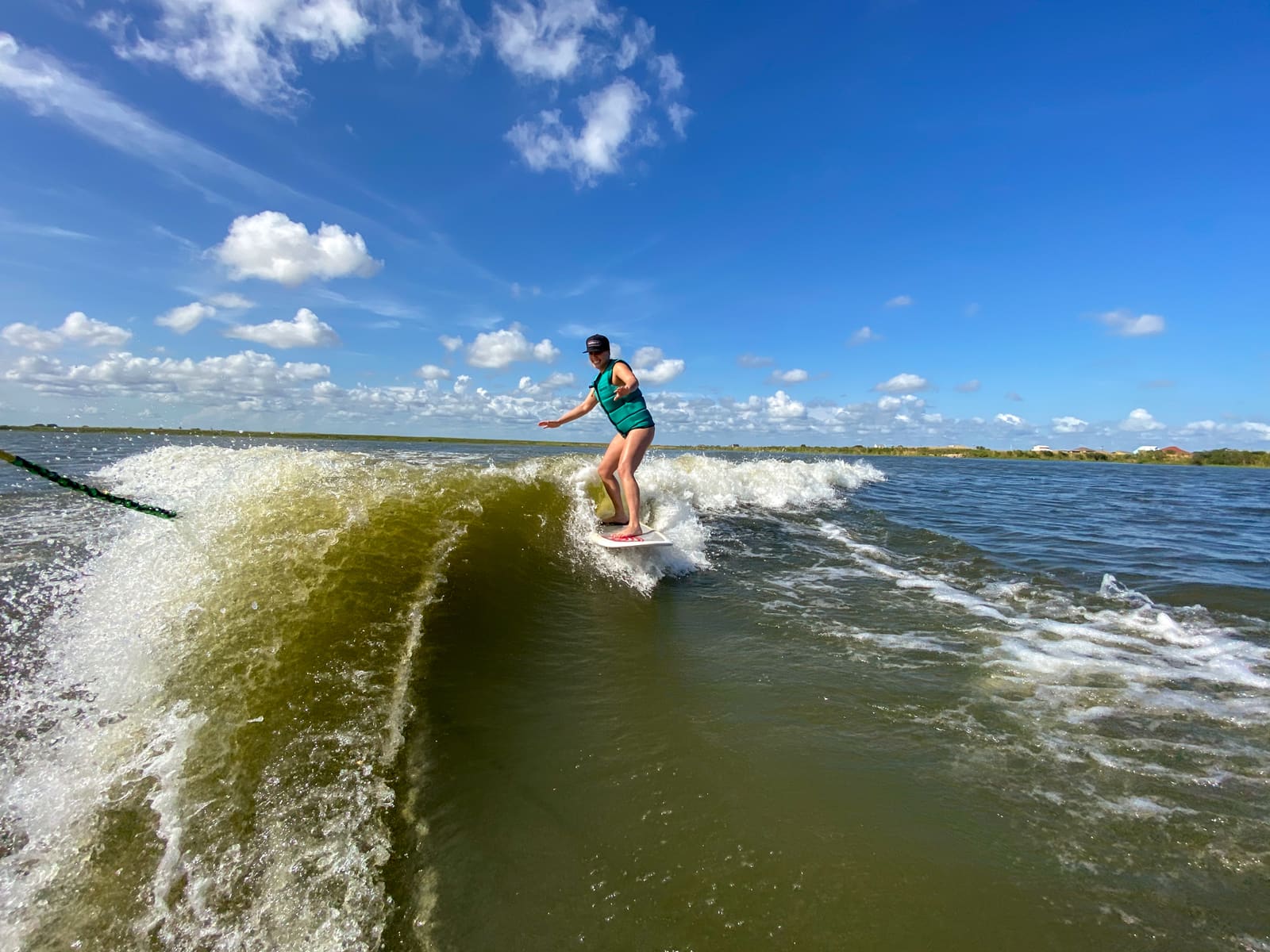
Wakesurf Safety: The Right Boat, Carbon Monoxide, Spotters and Distance
A pre-ride checklist for wakesurfing - surf only behind inboard or V-drive boats built for it, keep riders away from exhaust and the engine off when they board, use a spotter and a short surf rope, stay well away from shore, docks and other boats, and never overload the ballast.
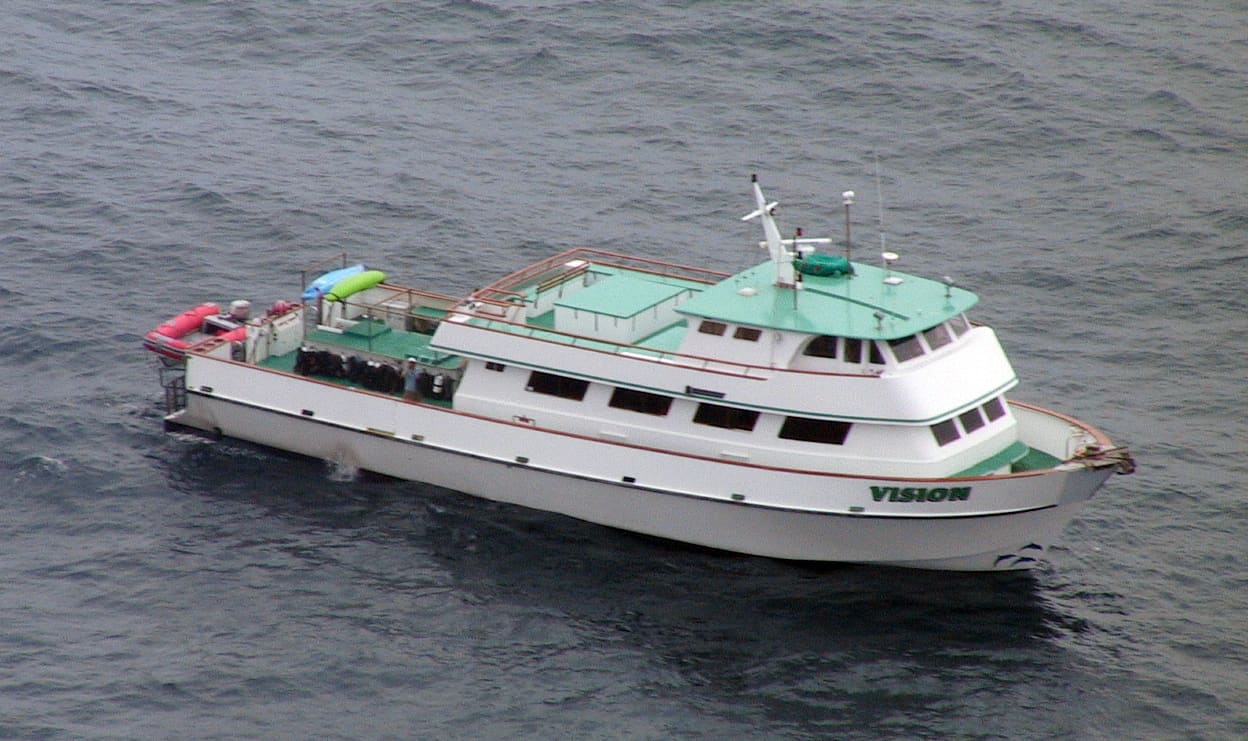
What to Do When Your Boat Is Taking On Water: Emergency Steps and Prevention
A step-by-step emergency plan for water coming into the boat - life jackets on, call for help early on VHF 16, find and slow the leak, pump, and head for shallow water if needed - plus the maintenance checklist that prevents most sinkings.

Wireless Engine Cut-Off (ECOS) Fobs: Pairing, Battery Checks, Testing and the Law
How wireless kill-switch systems such as Fell Marine MOB+, Mercury 1st Mate, Garmin OnBoard and Yamaha's wireless MOB tags work, how to pair and test them, when to change fob batteries, how they fit the federal engine cut-off law compared with a lanyard, and why you should always carry a spare.
Safety: BoatMend is for information only and does not replace a certified marine technician. You are responsible for your safety and your boat. Read the full disclaimer.