Powered Winch and Windlass Safety: Keep Fingers Clear and Power Within Reach
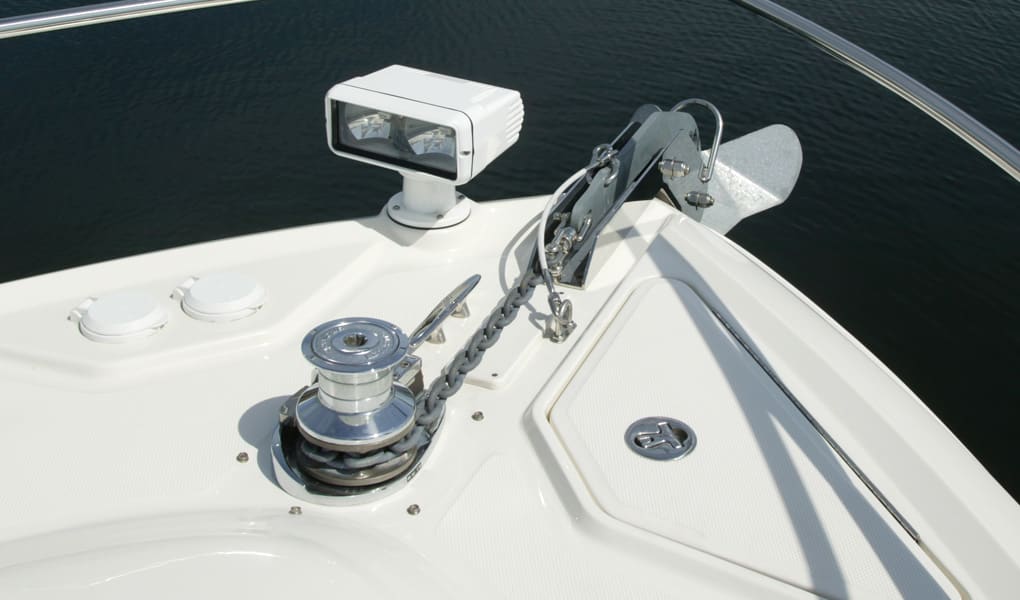
Electric and hydraulic winches and anchor windlasses can crush hands and pull a person into the drum in seconds. Learn where switches and the emergency power cutoff belong, how to keep hands and lines safe, why the windlass should never hold the boat, and how to brief your crew.
Time
1 h
Shop would charge
$150-600
Applies to
All engines · Sailboat, Cabin cruiser, Yacht
Safety first: A powered winch or windlass doesn't feel what it's pulling. If a hand, clothing or a person gets caught, cut the power first (breaker or isolator), then deal with the line. Never use a powered winch to hoist a person unless it's cranked and tailed by hand. For any serious hand or crush injury, call 911 or the Coast Guard on VHF 16.
Fuel smell, water coming in, CO alarm or smoke? Stop, get everyone in life jackets and call USCG on VHF 16 or 911. For a tow: Sea Tow or TowBoatUS.
Owners often ask
- How do I stop an electric winch or windlass fast if someone gets a hand caught?
- Is it OK to leave the boat riding on the windlass at anchor instead of using a chain stopper?
This guide walks you through it. Still stuck? Ask the AI Mechanic about your engine.
Tools
- Flashlight
- Labels or a label maker
- Sharp serrated knife (or rope cutter) in a sheath near each powered winch and the windlass
- Multimeter (optional, to confirm the isolator cuts power)
Parts & supplies
- Chain stopper or chain hook and snubber line sized for your chain
- Labeled breaker or isolator switch within reach of the operator (installed by a marine electrician if missing)
- Recessed or guarded foot switches, or a labeled remote
Before you start
Powered winches on sailboats and anchor windlasses on cruisers and yachts save a lot of effort, but they're as dangerous as a chainsaw if treated casually. That's how Practical Sailor puts it, noting that open, unguarded winches like these would be prohibited in an industrial workplace.
Real accidents show what goes wrong:
- Mollie (UK, 2025). The UK's Marine Accident Investigation Branch (MAIB) reports that a skipper died after his hand was caught in a rope left wrapped on a powered cockpit winch, which started turning and pulled him onto the drum. The winch's control switch had a known intermittent fault that sometimes kept it running after release. There was no local emergency stop and no way to isolate the winches except turning off the batteries in the forward cabin.
- A mast-hoist accident. Practical Sailor describes an electric winch that stuck on while hoisting a person up the mast; the operator and a helper who rushed in were both badly injured.
- Windlasses. Practical Sailor's writer nearly lost fingers when a boat wake threw him onto the windlass foot switch with one hand on the chain.
This guide is a one-hour check of your boat's setup, plus habits for every use. Wiring changes are a job for a marine electrician.
Steps
Walk the boat and list each powered winch (halyard, sheet, mainsheet, furler), the anchor windlass, and every switch that runs them: foot switches, buttons, remotes and helm controls. Note the type: electric or hydraulic. Many boats have more switches than owners realize, including a helm button for the windlass.
In the Mollie case, the only way to stop the winch was a battery switch below deck. Check for each powered unit:
- Where is its breaker or isolator switch?
- Can the person operating the winch, or someone right next to them, reach it in a couple of seconds?
- Is it clearly labeled?
Practical Sailor notes that several winch makers recommend opening the breaker when the winch isn't in use, and suggests a master switch in the cockpit as a practical way to do it. Maxwell says to turn the windlass isolator off before leaving the boat. If your only cutoff is buried in a cabin, have a marine electrician add a labeled isolator or emergency stop near the operator. See fuse and breaker panels.
Practical Sailor's checklist for switch placement:
- You can see what's being hoisted or tensioned.
- Nobody can step on, sit on or fall against the switch by accident. Flip-up guards help, but they're often left open; recessed switches are better.
- The hand or foot working the switch isn't one you need for balance.
- You never reach past the winch or through the line tails to press it.
- The switch is more than 12 inches from the winch.
Remotes should be labeled. If your switches fail these tests, plan to move or guard them.
With the area clear and nobody touching lines, briefly press and release each switch. The winch or windlass must stop immediately every time. If it ever keeps running, sticks, or starts on its own, stop using it and have it repaired. The Mollie winch had exactly this kind of known fault.
Maxwell's guidance:
- Use a chain stopper or a snubber, not the windlass, to take the load at anchor.
- Motor up toward the anchor while retrieving; don't use the windlass to drag the boat forward.
- If the anchor is stuck, take the load on the stopper and use the engine to break it free, not the windlass.
- Never use the windlass or chain stopper as a mooring point.
- Don't rely on the windlass to hold the anchor in its roller underway; secure it with a separate lashing or pin.
- Wait for the windlass to stop before switching direction.
- Run the engine while raising or lowering anchor.
See anchor windlass care and anchor rode and scope.
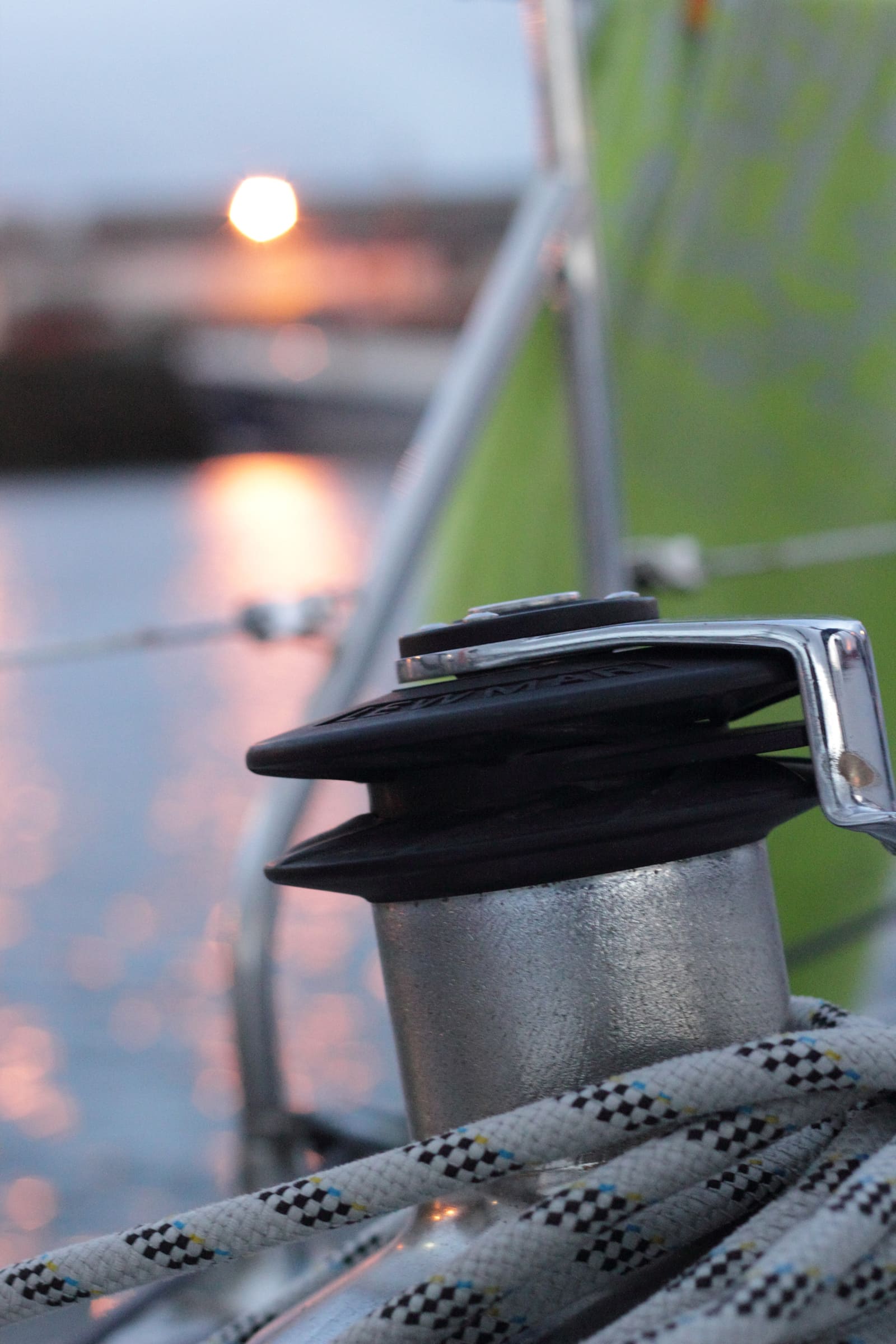
Powered winches look just like manual ones. Treat every drum and self-tailer as a pinch point. Photo: MacFarlaneW / Wikimedia Commons · CC BY-SA 3.0 - Keep hands well away from the drum, the self-tailer, the chain gypsy and the chain pipe whenever the unit could turn.
- Practical Sailor suggests tailing with your hand at least a foot from the winch, and keeping hands about 6 inches clear of the drum when adding a wrap.
- Tie back long hair, tuck in loose clothing, drawstrings and lanyards, and remove rings and bracelets.
- Never stand on a line tail or inside a coil; flake it beside or in front of you.
- Chain jams are a hand trap. A twist in the chain (a "hockle") can jam the gypsy or the chain pipe, and the urge is to reach in and yank it while someone holds the switch. Kill the power at the breaker or isolator first, then clear it by hand or with a tool. Practical Sailor's prevention tips: once a season, pull the whole rode out of the locker, lay it out straight on the dock and feed it back in neatly; a shallow locker or a long chain pipe makes twists more likely.
The Mollie accident started with a hoist rope left wrapped on the winch from an earlier job. When a winch isn't in use, take the turns off. Before clearing a jammed line or override, turn the power off first, then work it free by hand.
Practical Sailor says Lewmar forbids using electric winches to hoist people. If you must send someone aloft on a powered winch, crank it by hand with a winch handle and tail it by hand, with a clear view of the person or a dedicated spotter. Don't use the self-tailer alone. Note the winch handle lockout: inserting the handle cuts power only when it's fully seated, so never leave a handle in an electric winch. The same care applies to any rig work; see mast stepping and unstepping.
Stow a sharp serrated knife or rope cutter in a sheath near the powered winches and at the bow. If someone is trapped and the power is off, cutting the line may free them. Think before you cut a halyard holding a load or a person aloft; have a plan to control what's on the other end.
Before guests or new crew use a powered winch or windlass:
- Show them the switch, the cutoff, and the knife.
- Only one person operates a powered unit at a time, and they can see the line or chain.
- Agree on hand signals between bow and helm when anchoring (up, stop, down).
- Kids and pets stay away from the bow and winches during anchoring and hoisting.
- Before dropping anchor, look around the bow for swimmers, divers and snorkelers; a falling anchor and running chain are dangerous to anyone below.
- Anyone can shout "STOP!" and the operator releases the switch and cuts power.
BoatUS's windlass maintenance advice includes turning off the windlass breaker or main battery switch before working on it, sealing and greasing hand-switch connections, and checking foot switches for failed gaskets, cracks and corrosion underneath. Corroded switches and solenoids are a common cause of units that stick or act up. If the windlass has its own circuit breaker or thermal cutout, never bypass it or replace it with a bigger one to stop it tripping: it protects the motor and wiring from overheating, and frequent trips mean the windlass is being overloaded (often by hauling the boat to the anchor) or has an electrical fault. See anchor windlass care and sailboat winch service.
At the dock, have each regular crew member, on your call, release the switch and then reach and turn off the cutoff. Time it. If it takes more than a few seconds, the cutoff is in the wrong place.
Common mistakes
- No way to cut power except a battery switch below deck.
- Foot switches with their guards flipped up, right where someone kneels.
- Leaving a line wrapped on a powered winch after using it.
- Trying to pull a trapped hand or line free while the winch is still powered.
- Anchoring "off the windlass" with no chain stopper or snubber.
- Using the windlass to pull the boat up to the anchor or break out a stuck anchor.
- Hoisting someone aloft on the electric button with a self-tailer.
- Leaving a winch handle in an electric winch.
When to call a pro
- A winch or windlass that keeps running after the switch is released, starts by itself, or behaves erratically: stop using it and have a marine electrician or the manufacturer's dealer fix it.
- Adding an isolator, emergency stop, cockpit master switch or relocating switches: have a marine electrician do the wiring to ABYC standards.
- Hydraulic winch or windlass leaks or control faults: a hydraulic systems technician.
- Any hand or crush injury: 911 or the Coast Guard on VHF 16, and first aid while you wait (first aid kit).
Tips
- Label every cutoff "WINDLASS OFF" or "WINCH OFF" in big letters.
- Put a small sticker on each powered winch: "Power off before clearing."
- Gloves can protect from chafe but can also be pulled in; keep gloved hands clear of the drum too.
- Practical Sailor's writer prefers hand switches over foot switches, since you need both feet for balance on a moving deck.
- When the season ends, turn off the isolators and check that nothing can be switched on by a curious visitor.
Official references
We read these to write this guide. Your engine's own manual always wins.
- MAIB (UK Marine Accident Investigation Branch) – Fatal accident on board the recreational sailing vessel Mollie (preliminary assessment, 2025)
- Practical Sailor – Electric Winch and Windlass Safety
- Maxwell Marine – Winch Safety and Maintenance
- BoatUS – Windlass Maintenance
- Practical Sailor – Chain Jams and Other Anchor Windlass Woes
Safety: BoatMend is for information only and does not replace a certified marine technician. You are responsible for your safety and your boat. Read the full disclaimer.
Last updated 2026-10-25
Related guides
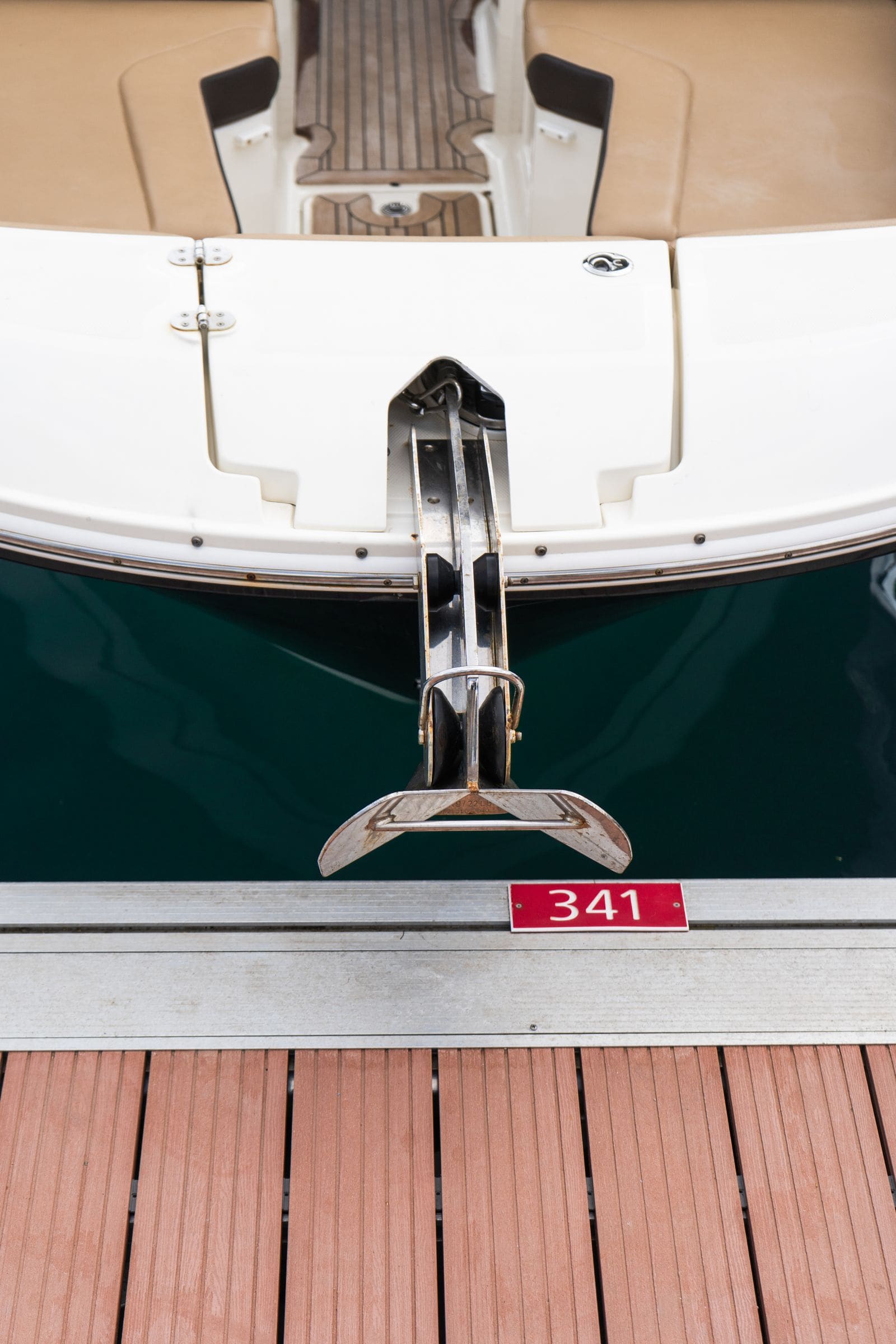
How to Maintain an Anchor Windlass and Inspect and Mark Your Anchor Rode
Keep your electric windlass working with a seasonal clean-and-grease, sort out a dead or slow windlass from the breaker and solenoid to the motor, and inspect, mark and splice your chain and rope rode. Your anchor is a safety system; this guide keeps every link of it ready.
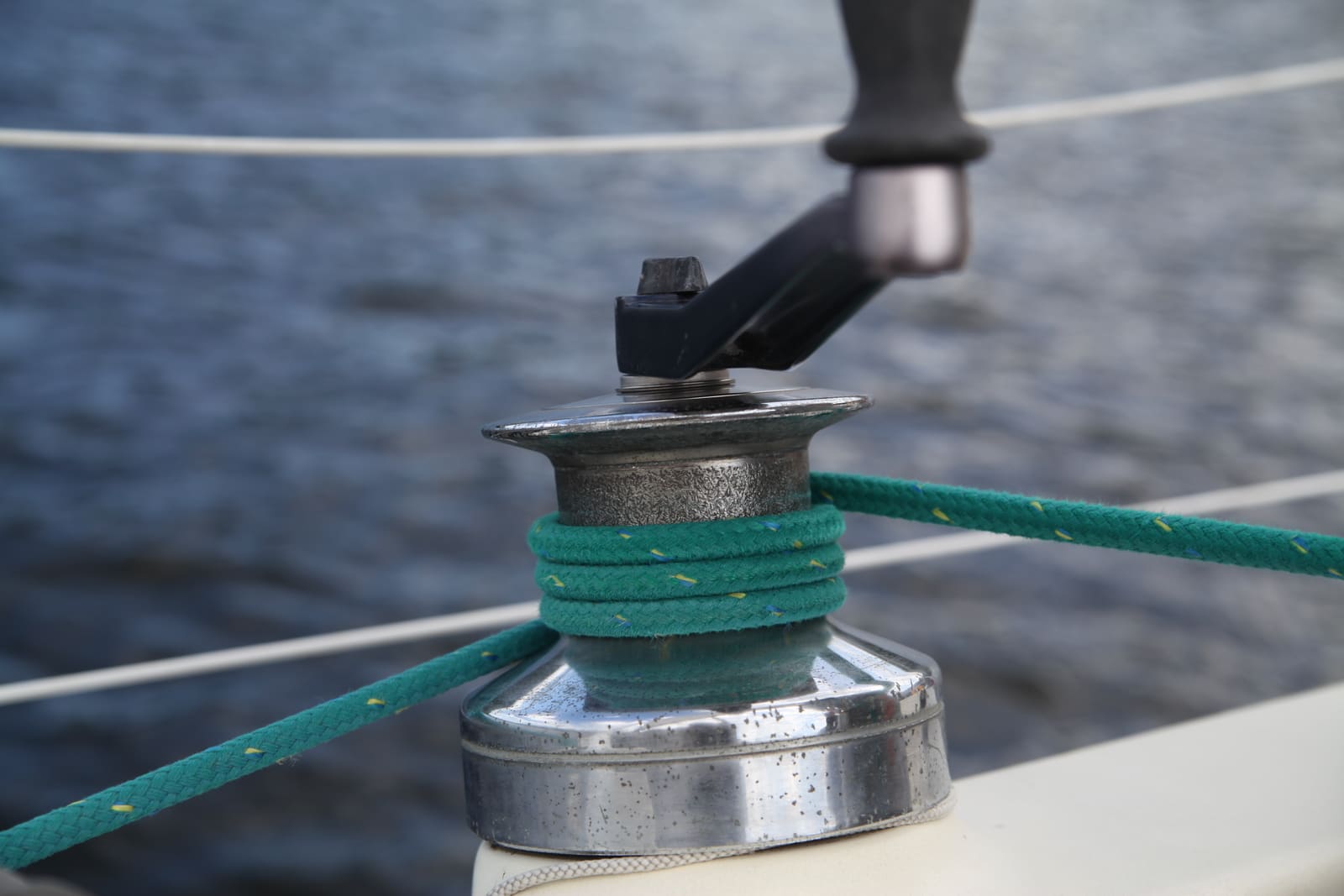
How to Service Sailboat Winches (Clean, Oil the Pawls, Grease the Gears)
Take your sheet and halyard winches apart, clean out old grease and salt, oil the pawls, lightly grease the gears and bearings, and put them back together. A serviced winch turns easily and, more importantly, its pawls catch every time so the drum can't spin backward under load.

Electric and Hydraulic Headsail Furlers: Care, Manual Override and Safety
Keep a powered headsail furler working with simple care: furl the right way, rinse the swivels, check the wiring, breaker and switches, and practice the manual override before you need it.

Roller Furler Care: Inspection, Drum and Swivel Service, and Halyard Wrap
Keep your headsail roller furler turning easily with a yearly unroll-and-inspect, fresh-water rinses of the drum and swivel, a correct halyard angle and a clean furling line lead. A neglected furler can jam with the sail half out, and a halyard wrap can damage the forestay.
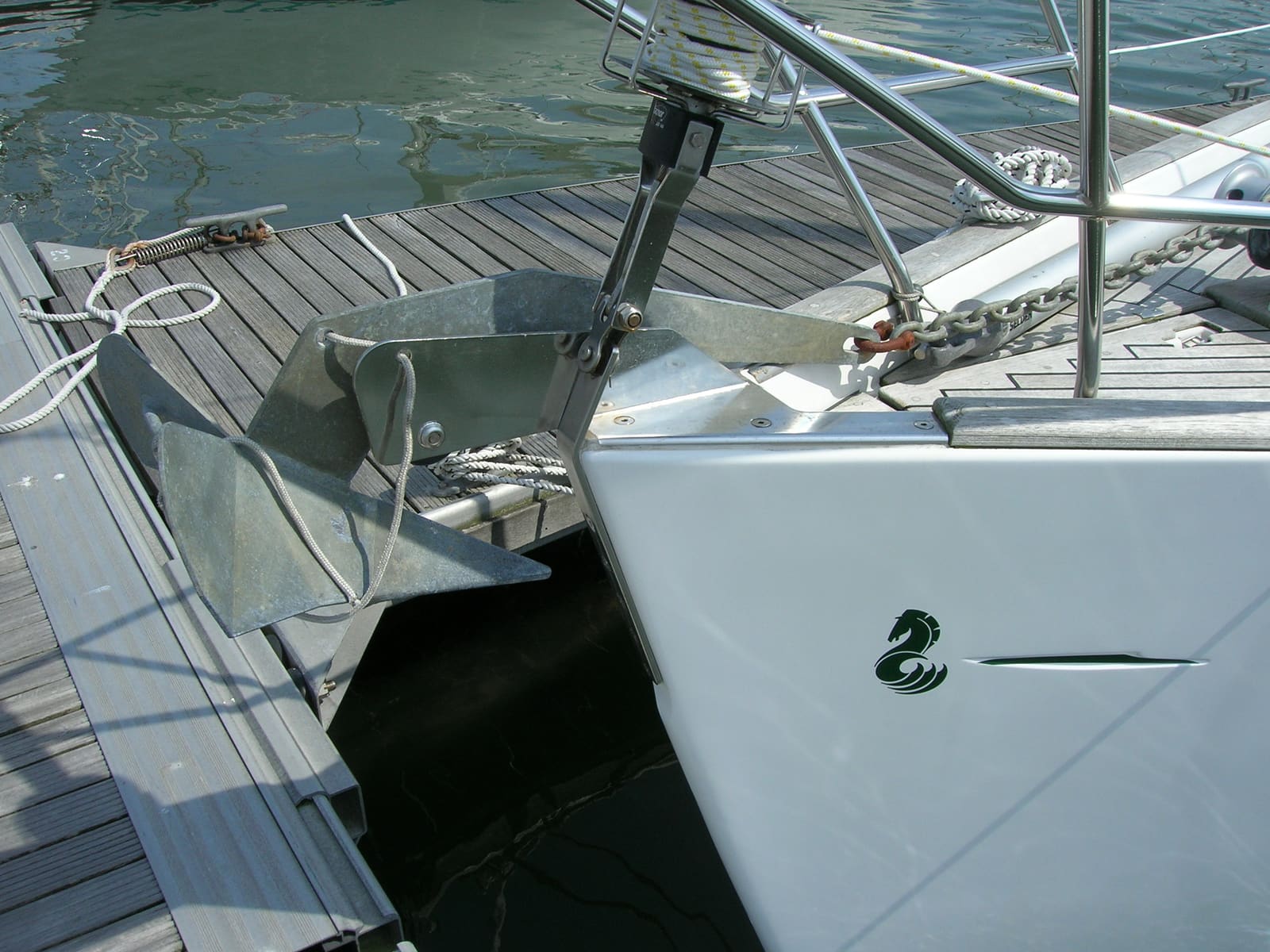
Anchor Basics: Choosing the Anchor, Rode and Scope, Setting It and Checking Your Gear
Match your anchor to the bottom you usually anchor in, put together a chain-and-nylon rode, let out enough scope for the depth and weather, set and check the anchor, use an anchor alarm, and inspect the rode, splices and shackles every season so the weakest link isn't hiding in your ground tackle.

Fuse Keeps Blowing? How to Troubleshoot a Boat Fuse Block or Breaker Panel
Work through a blown fuse or tripping breaker the safe way: confirm it, tell a short from an overload, isolate the device or wire at fault, replace a worn breaker or panel switch with the same rating, and label every circuit, without ever fitting a bigger fuse.
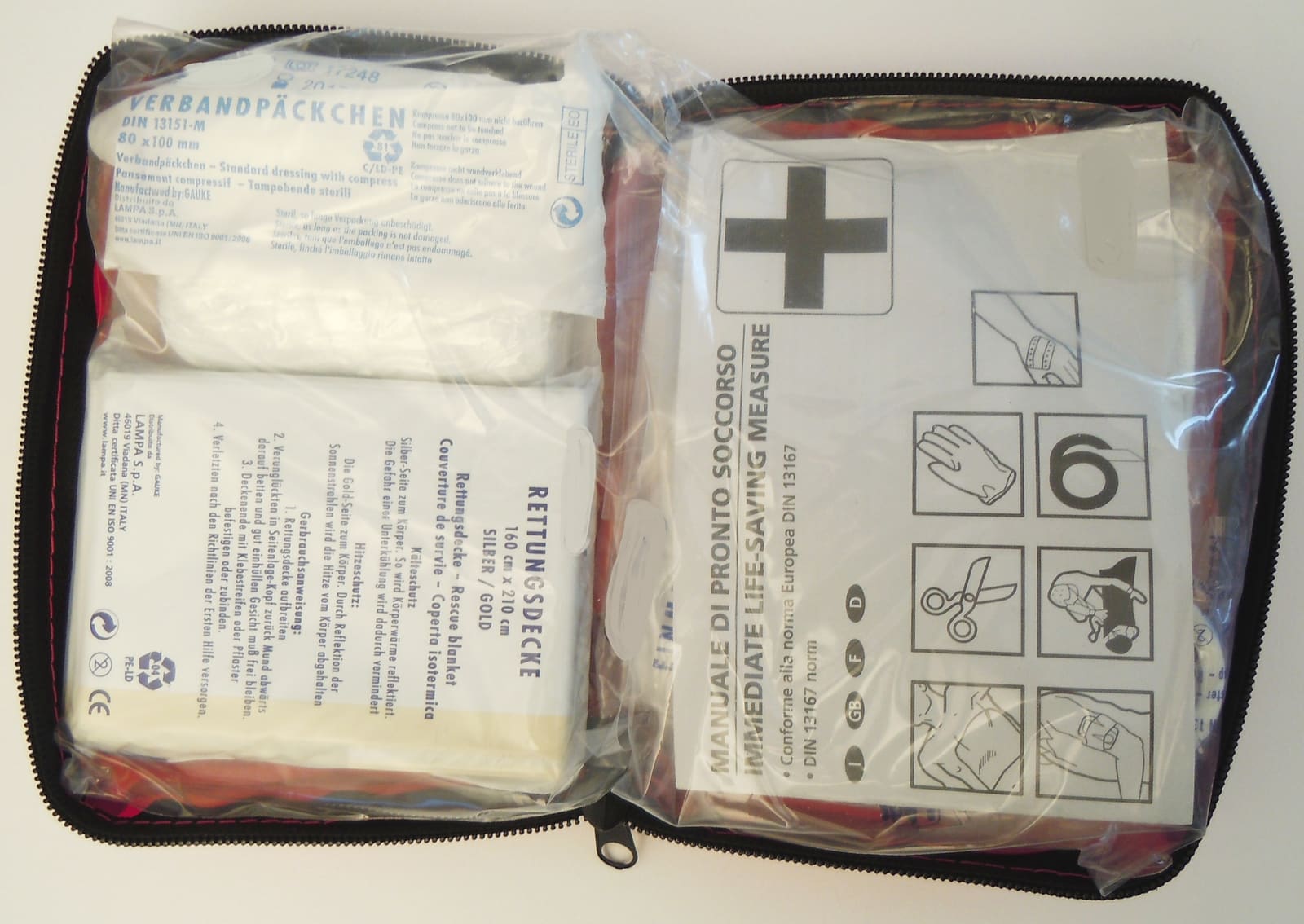
Boat First-Aid Kit and Medical Prep: What to Carry, Day Trips to Offshore
Build and maintain a boat first-aid kit that fits how far from help you go, with the extras boaters actually need for seasickness, fish hooks, cuts, burns, sun, heat and cold, plus a crew briefing, expiration-date checks and training. General preparation only, not medical advice.
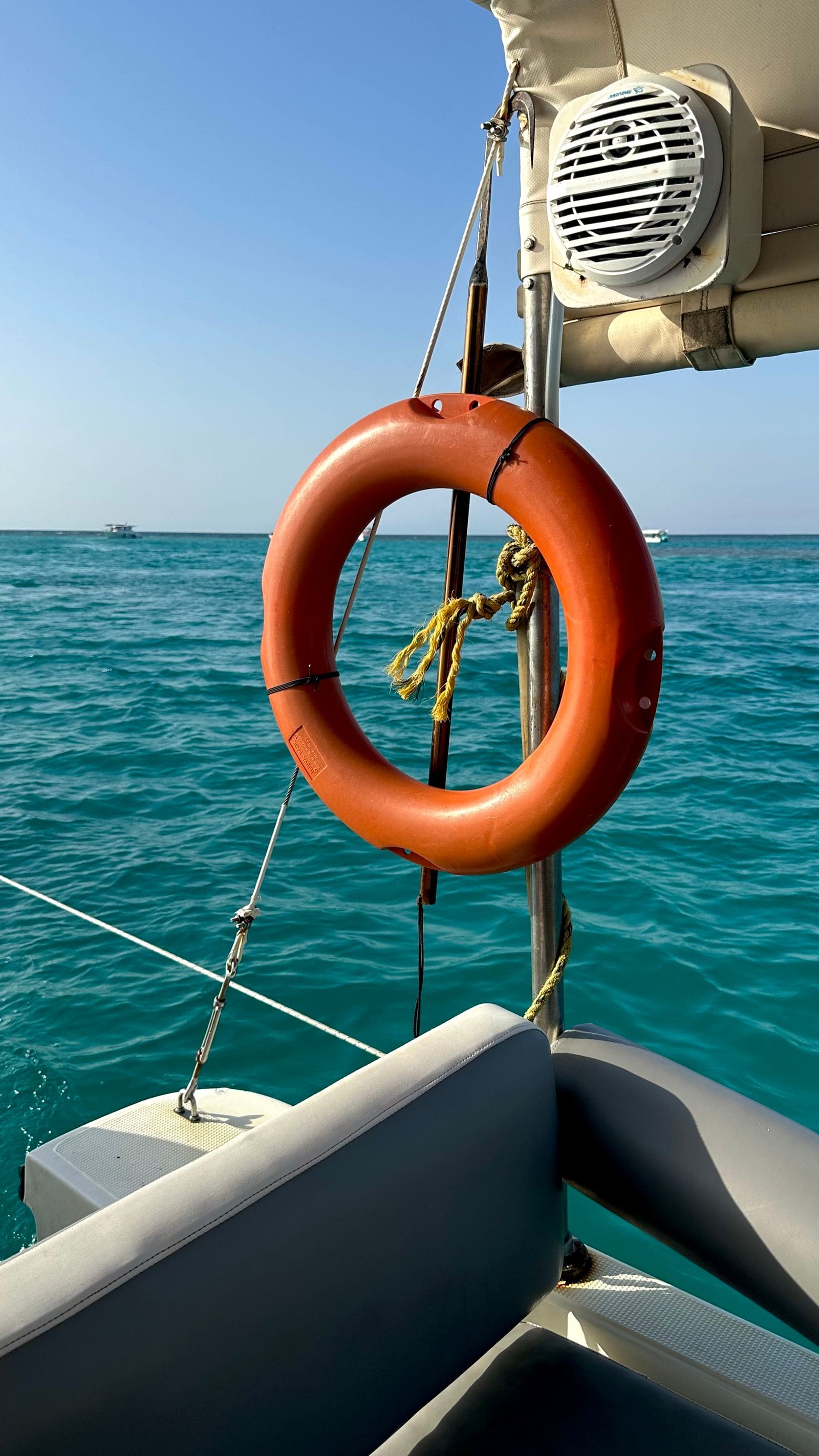
Emergency Drills for Your Crew: Engine Failure, Fire, Steering Loss and Man Overboard
Practice what everyone aboard does when the engine quits, a fire starts, the steering fails or someone falls in. A few short drills each season turn panic into a plan, and teach your crew to anchor, call for help on VHF 16 or DSC, and get a tow.

Stepping and Unstepping a Sailboat Mast: Trailer Sailers and Yard Cranes
How to raise and lower a sailboat mast safely, whether you step a trailer sailer's mast at the ramp or help the yard crane do it, including power-line checks, mast wiring, basic tuning afterward, and when to leave the job to the yard.
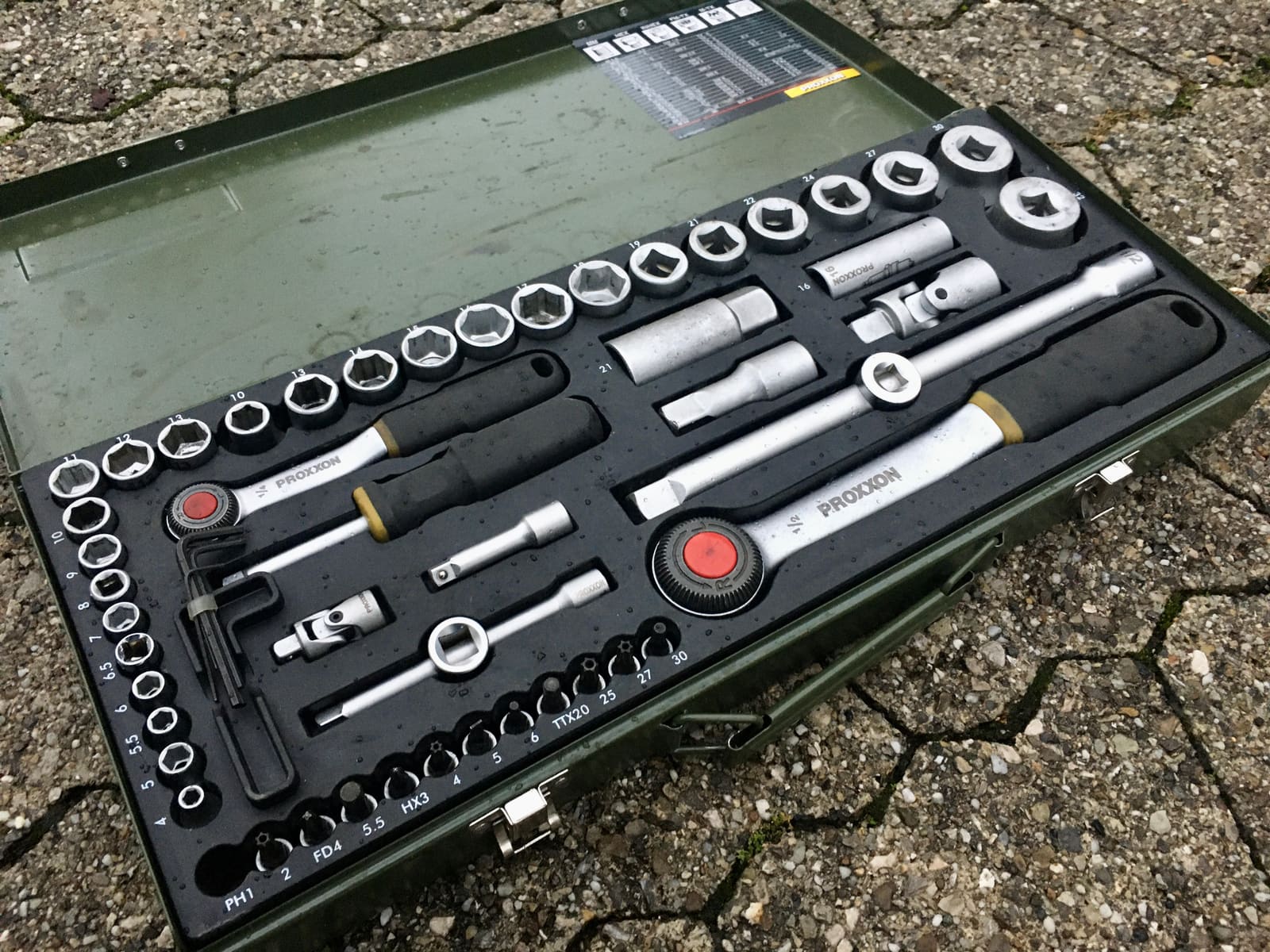
Onboard Tool Kit and Spare Parts: What to Carry on a Day Boat or a Cruiser
Build a tool kit and spares box that fits your boat and how far you go. A blown fuse, a clogged fuel filter or a dinged prop shouldn't end the day or turn into an expensive tow.