Repair & maintenance guides
Plain-English, step by step, written for owners. Pick your engine to see the guides that apply to it.
42 of 459 guides · page 2 of 2
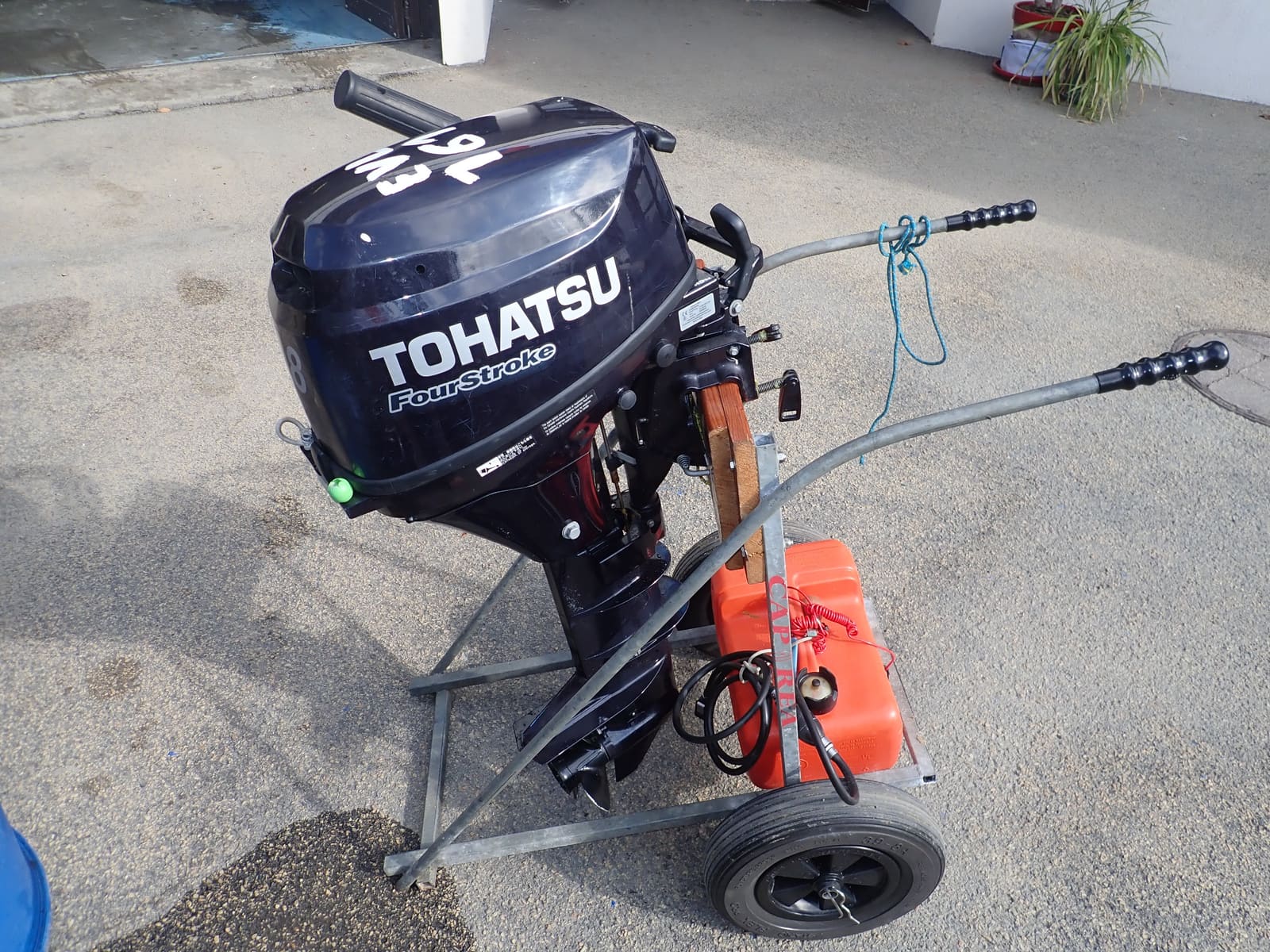
How to Replace an Outboard Fuel Line and Primer Bulb
A cracked hose or a stiff primer bulb can leak gasoline, starve your engine or shed rubber into the fuel. Learn how to choose Coast Guard-rated fuel hose, the right connectors for your engine brand and good stainless clamps, install the bulb pointing the right way, leak-test the job and get rid of the old parts safely.
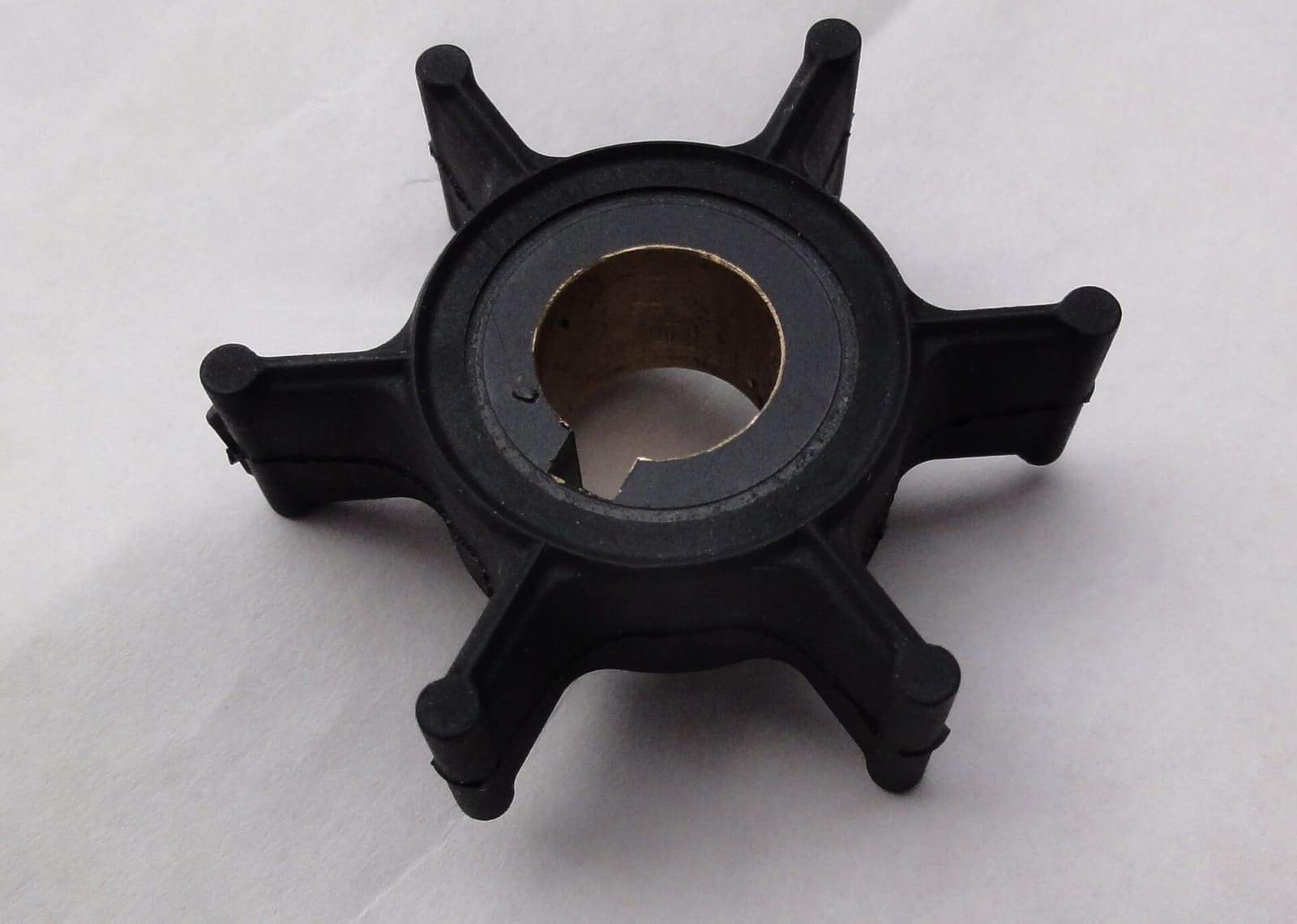
How to Replace the Water Pump Impeller
Replace the rubber impeller that pumps cooling water through your engine, the part most often behind overheating. On many outboards it is a two-hour driveway job that saves a shop bill of several hundred dollars and prevents far costlier heat damage.

How to Sea Trial Your Boat After Maintenance or Repair
A step-by-step test run after service work: dock checks first (leaks, fluids, steering, kill switch), then a gradual climb through the RPM range while you watch temperature and pressure, a wide-open-throttle check against your engine's spec, shifting and trim tests, and a bilge check afterward. Catch a loose clamp or a missed step at the dock, not miles out.
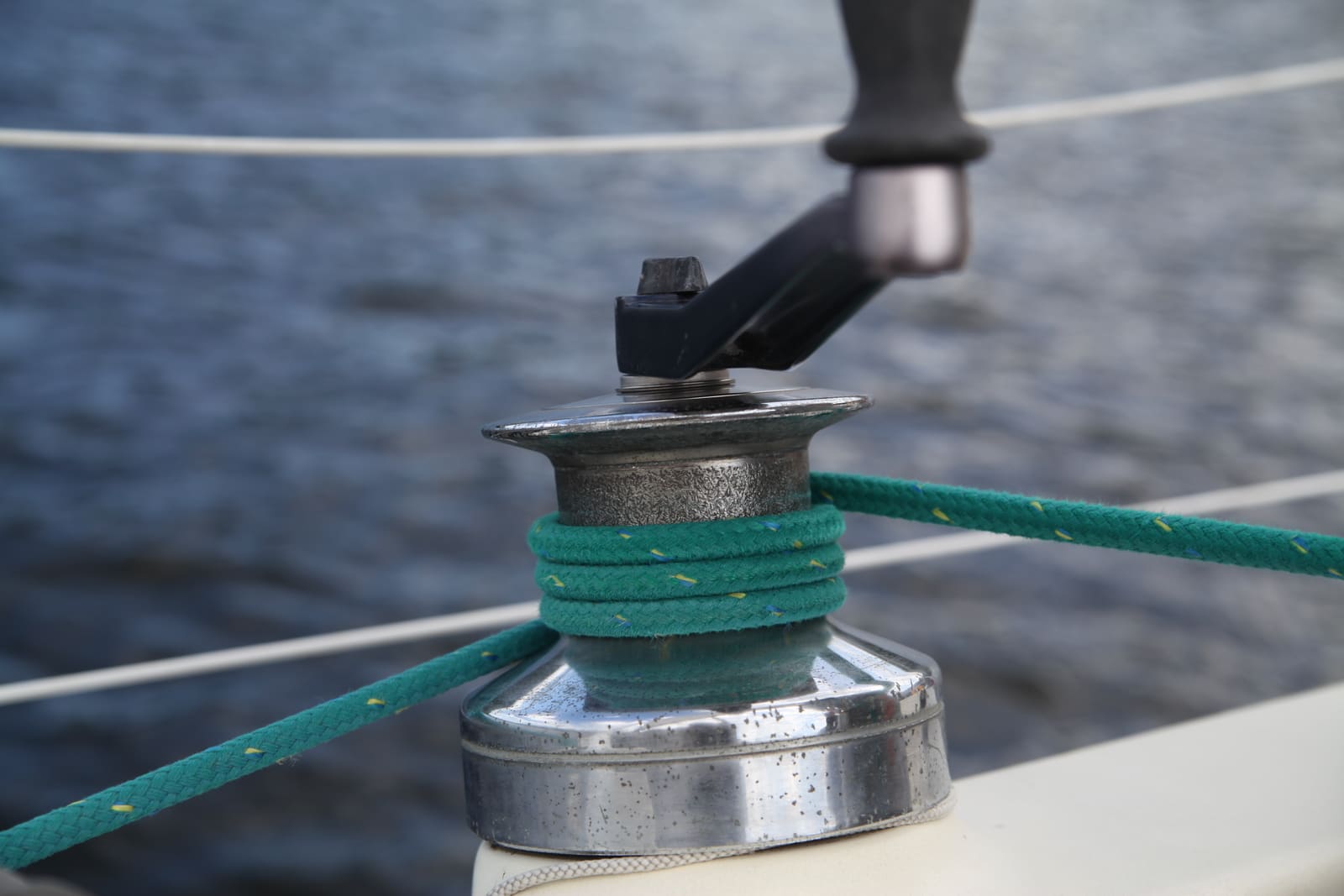
How to Service Sailboat Winches (Clean, Oil the Pawls, Grease the Gears)
Take your sheet and halyard winches apart, clean out old grease and salt, oil the pawls, lightly grease the gears and bearings, and put them back together. A serviced winch turns easily and, more importantly, its pawls catch every time so the drum can't spin backward under load.
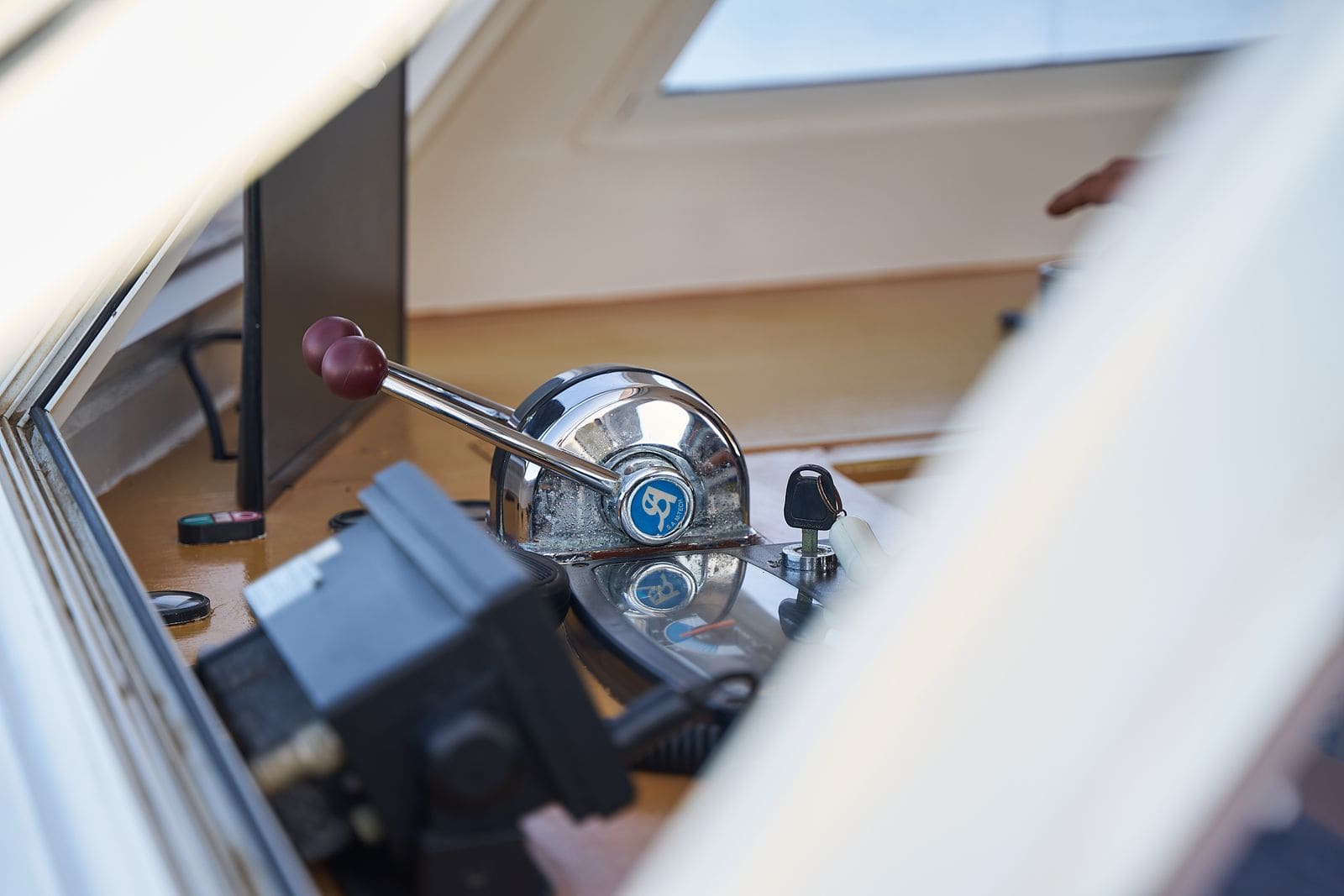
How to Synchronize Twin Engines (RPM and Trim)
Twin engines running at slightly different RPM cause a pulsing drone, extra vibration, uneven wear and wasted fuel. Learn how to sync them by tach, sync gauge or ear, use the one-button sync on digital controls, check that your tachs tell the truth, match trim, and know when uneven engines or cable adjustment are a dealer job.
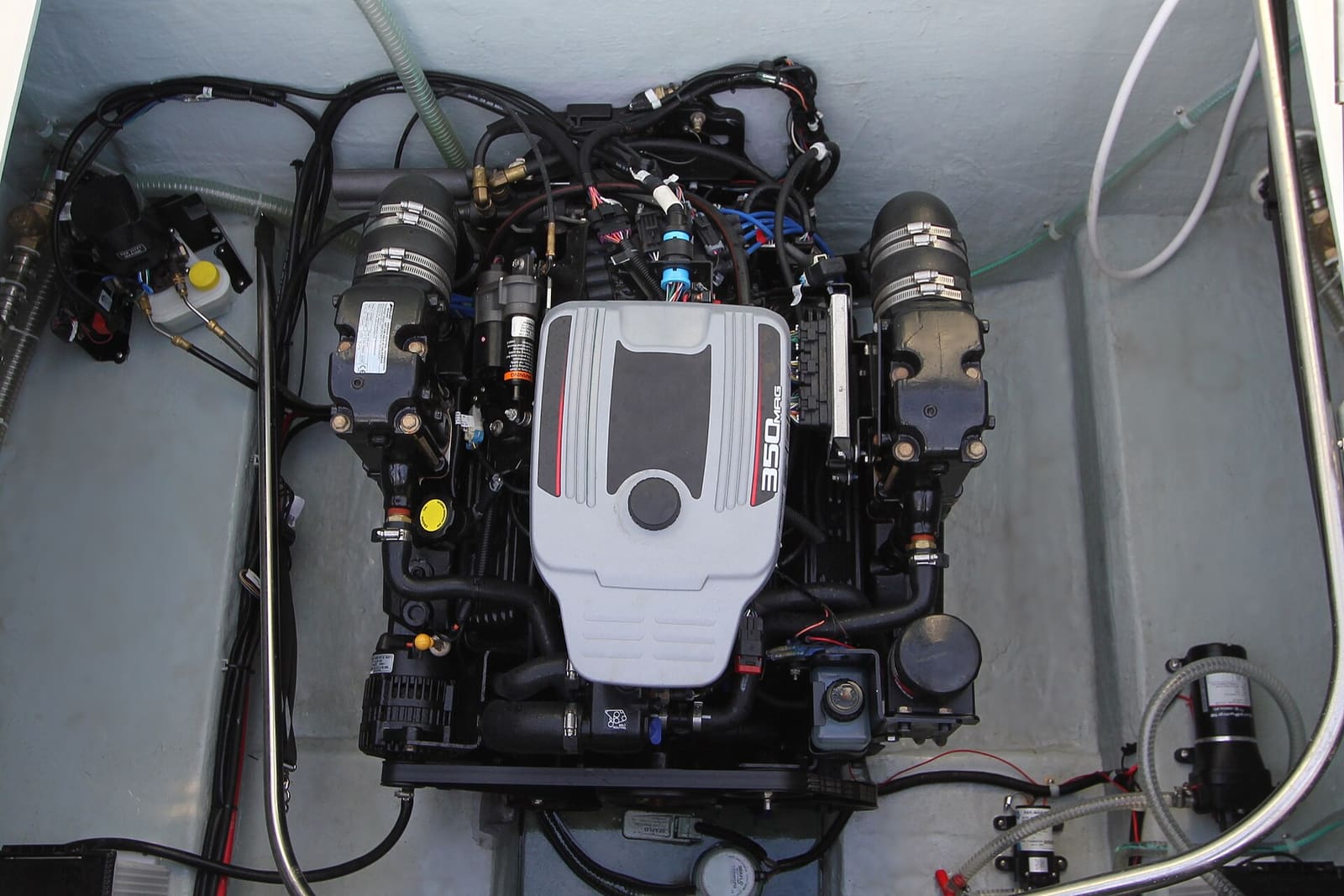
How to Test and Replace the Engine Thermostat
Find, test and replace the thermostat that controls your engine's operating temperature. A stuck thermostat can make an engine overheat or run too cold. On most outboards and many sterndrives it is a one-hour job with basic tools.
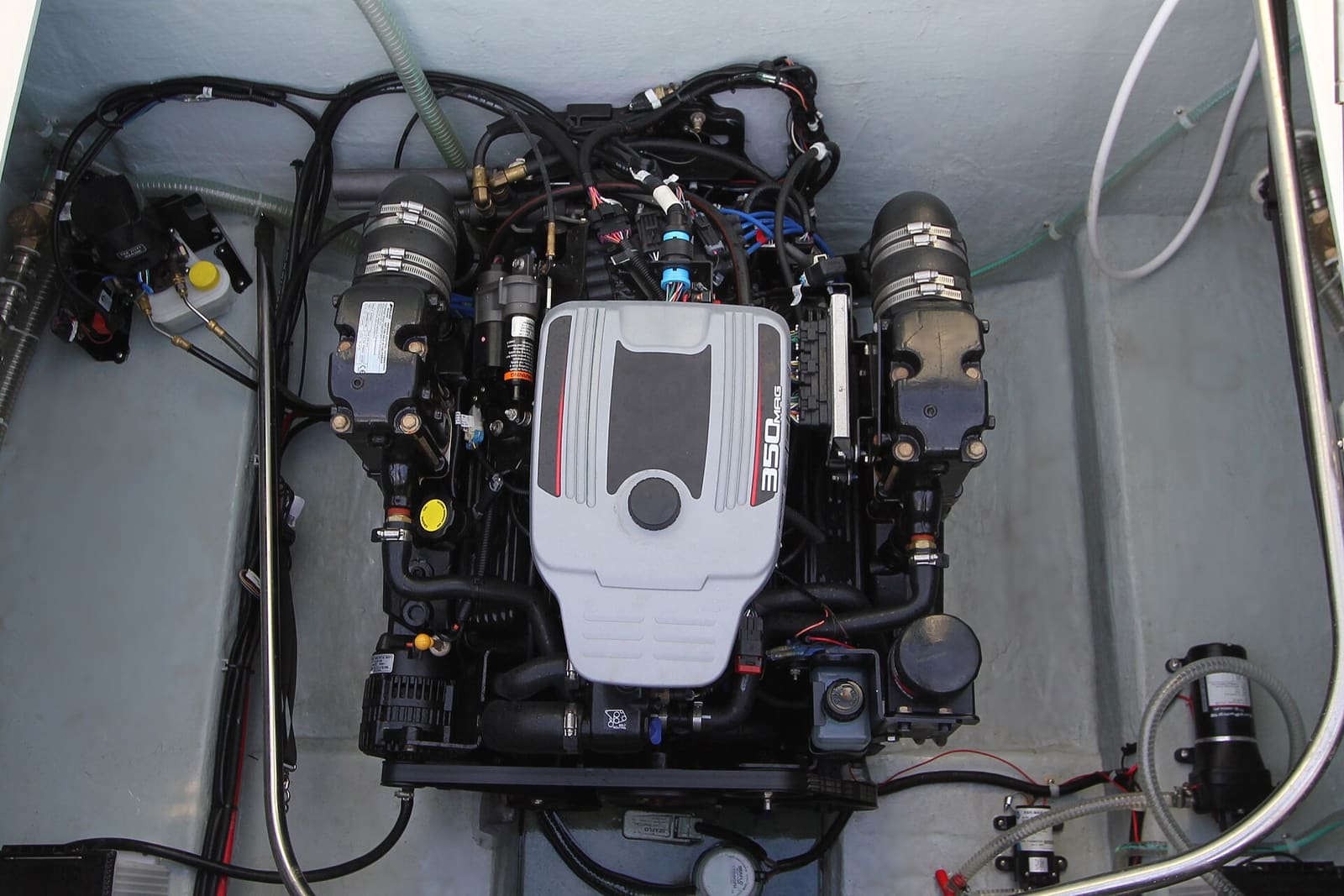
How to Use an Oil Extractor Pump for Boat Oil Changes
Change engine oil cleanly through the dipstick tube with a manual or electric extractor: know which engines it suits, warm the oil first, get as much out as you can, then refill to the dipstick, recycle the old oil and clean the pump so it's ready next time.

Jet Outboard Care: Grease, Intake Grate, Impeller Clearance and Shallow-River Habits
A jet outboard trades the propeller and gearcase for a pump, so it needs different care. Learn how mounting height works, why the pump bearing needs frequent grease, how gravel and a worn impeller steal thrust, how to clear the intake safely, and when an adjustment is a shop job.
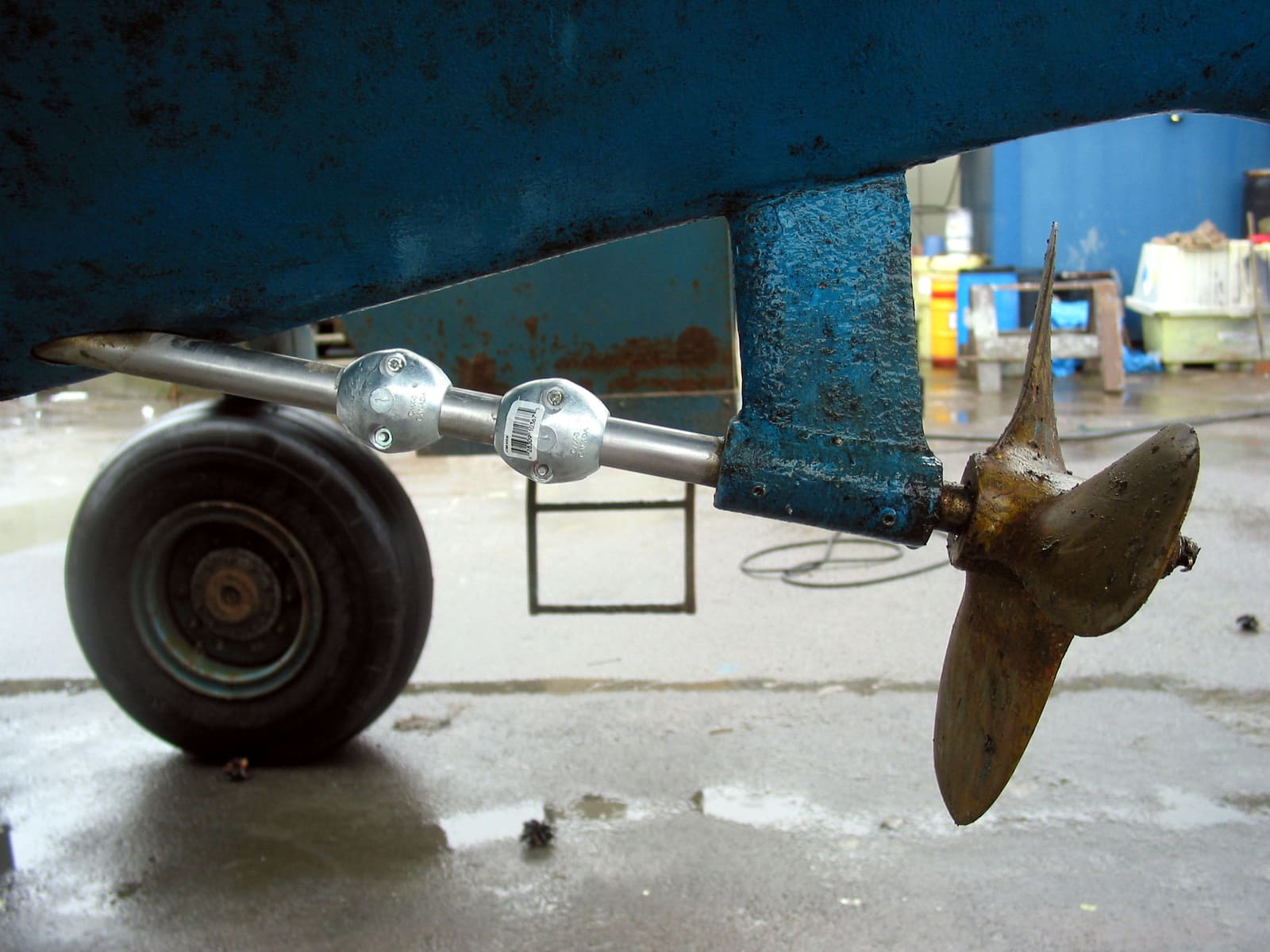
Moving Your Boat From Fresh to Salt Water (or Back): Anodes, Flushing, Corrosion, Bottom Paint and Trailer Upgrades
What to change when a lake boat moves to the coast, or a saltwater boat moves inland: switching anode material, a flush-after-every-trip routine, raw-water and closed cooling parts that wear faster in salt, bottom paint that suits your hull and drive, marine-grade hardware, and trailer upgrades that survive salt dunks. Built from BoatUS, Mercury, Yamaha and Boating Magazine advice.
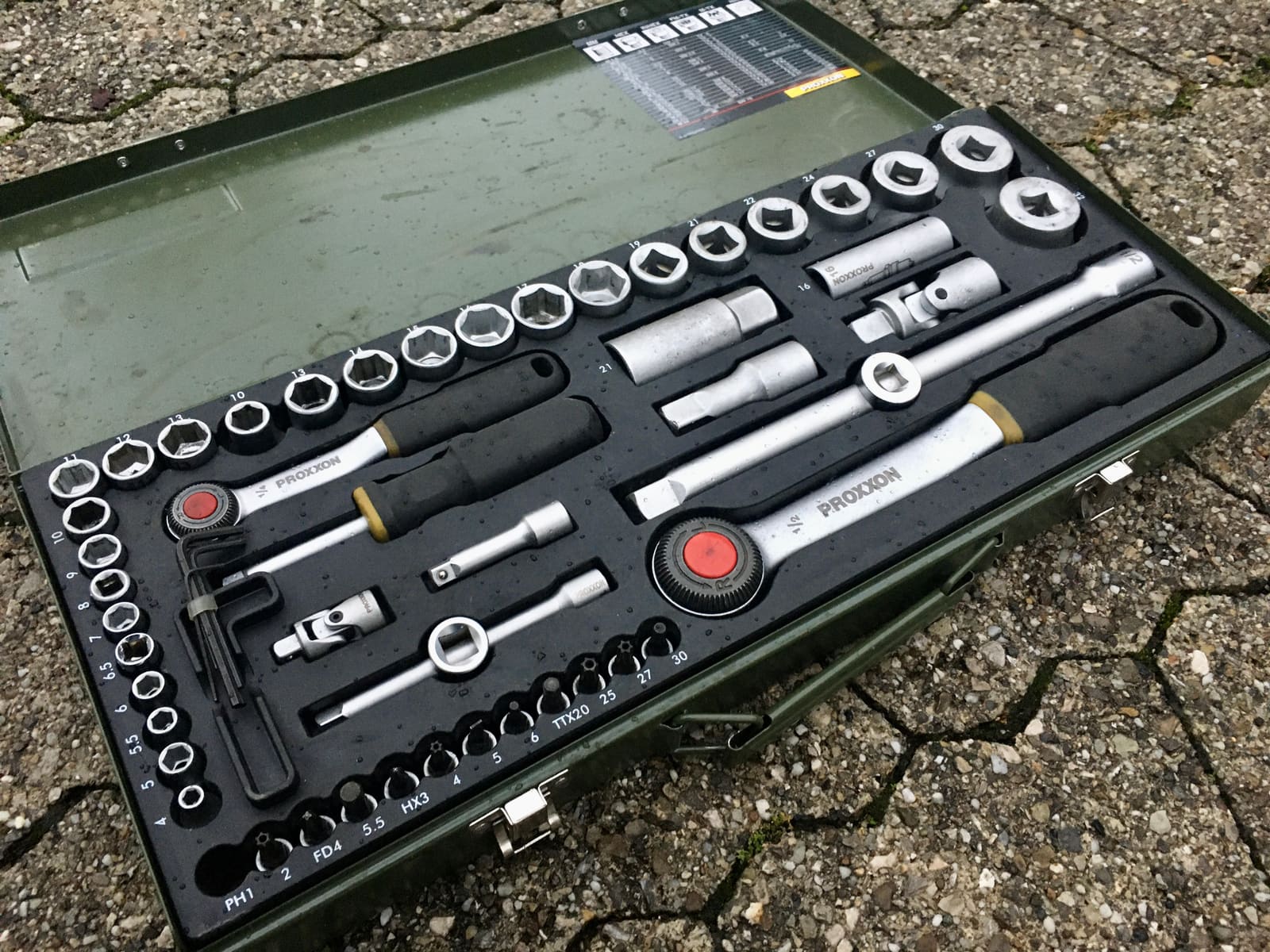
Onboard Tool Kit and Spare Parts: What to Carry on a Day Boat or a Cruiser
Build a tool kit and spares box that fits your boat and how far you go. A blown fuse, a clogged fuel filter or a dinged prop shouldn't end the day or turn into an expensive tow.
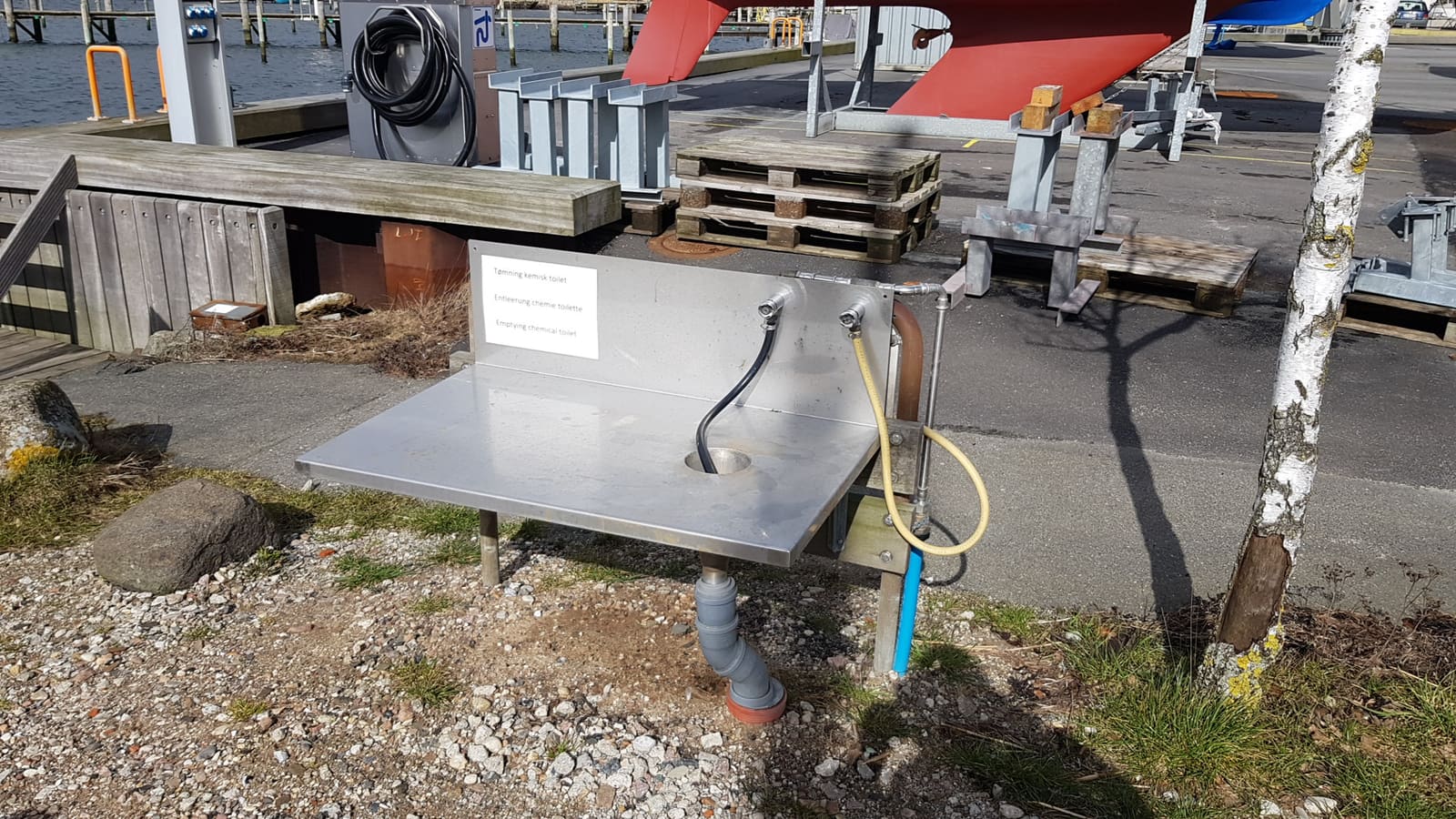
Portable Toilets on Boats: Emptying, Chemicals, Odor, Seals and Winter Storage
A portable toilet (Porta Potti type) is the simplest legal head for a small boat, as long as it is emptied the right way. Learn where to dump it, which chemicals to use, how to stop odor and leaks, how to secure it aboard, and how to store it for winter.
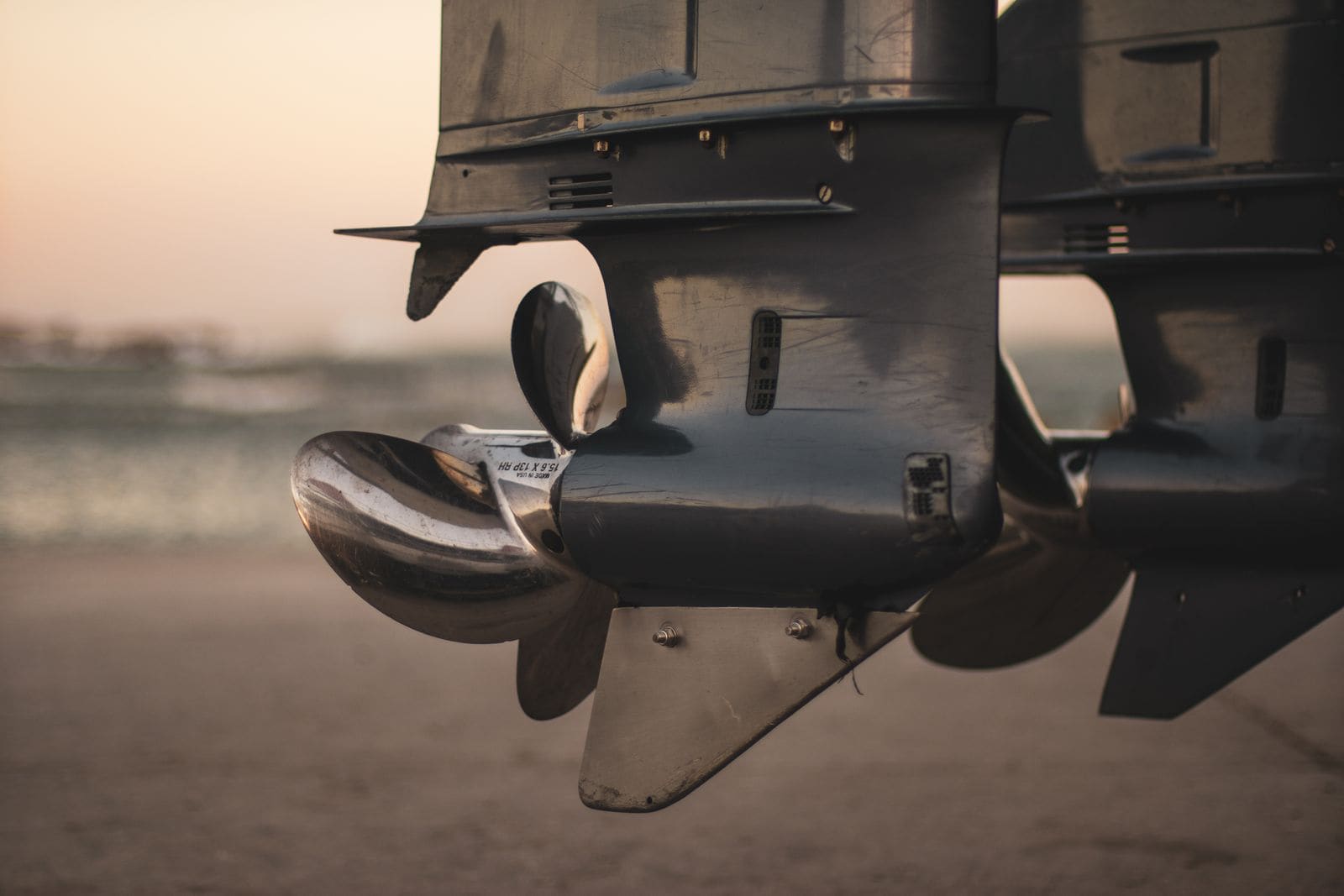
Propeller Care: Inspect, Remove, Replace and Choose the Right Pitch
Check your prop for damage, pull it to clear fishing line and grease the shaft, reinstall it correctly, and learn how pitch affects your engine's wide-open-throttle RPM. The right prop in good shape protects your engine and often makes the boat run better and use less fuel.
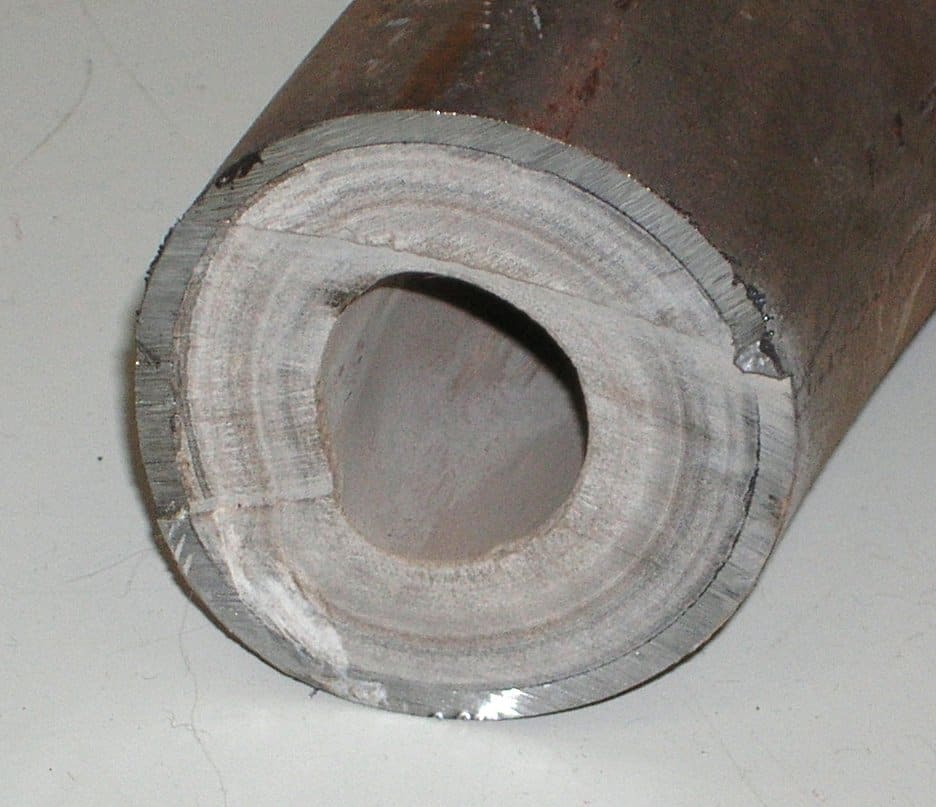
Salt and Scale in Raw-Water Cooling: Flushing Habits, Descaling and When It's a Shop Job
Learn how salt and scale slowly narrow your engine's cooling passages, how to spot the warning signs (a temperature that creeps up over seasons, a weak telltale, thermostats sticking), the flushing habits that prevent it, which descaling products and methods engine makers accept, what never to pour through an engine, and when to hand the job to a shop.
Saltwater Outboard Care: The After-Every-Trip and Monthly Routine
A simple routine that keeps salt from eating your outboard, built from Honda, Yamaha, Mercury and Suzuki advice. It covers flushing after every trip, washing, where to spray anticorrosion (and where never to), monthly greasing, anodes, and tilting up or storing out of the water.
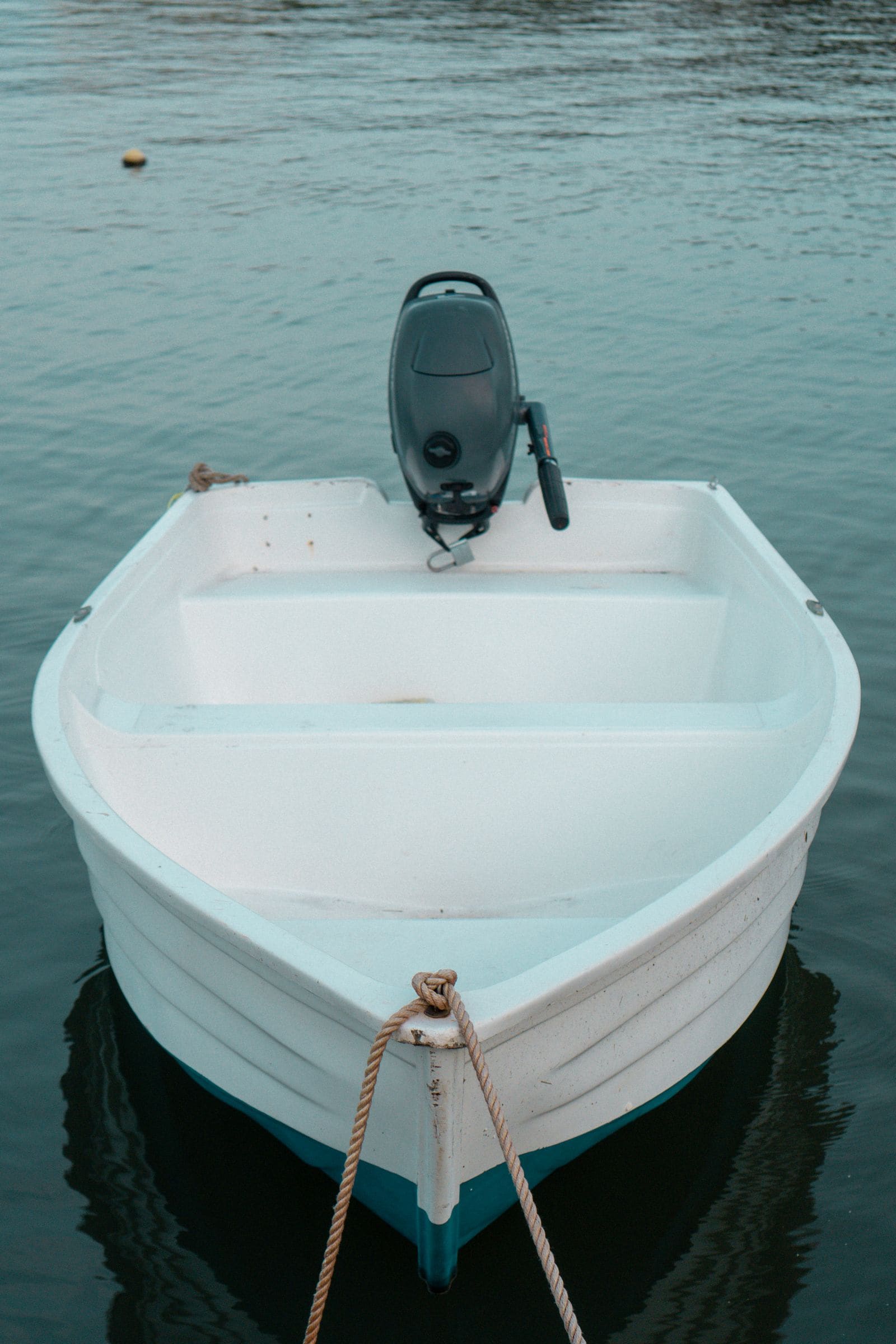
Small Portable Outboard Care (2.5 to 20 hp Kickers and Dinghy Motors)
Keep your dinghy motor or kicker starting on the first few pulls. Use fresh fuel, flush it, run the carburetor dry before you put it away, carry and lay it down on the correct side so oil doesn't flood the cylinders, and check the shear pin or prop, gear oil and engine oil on schedule.
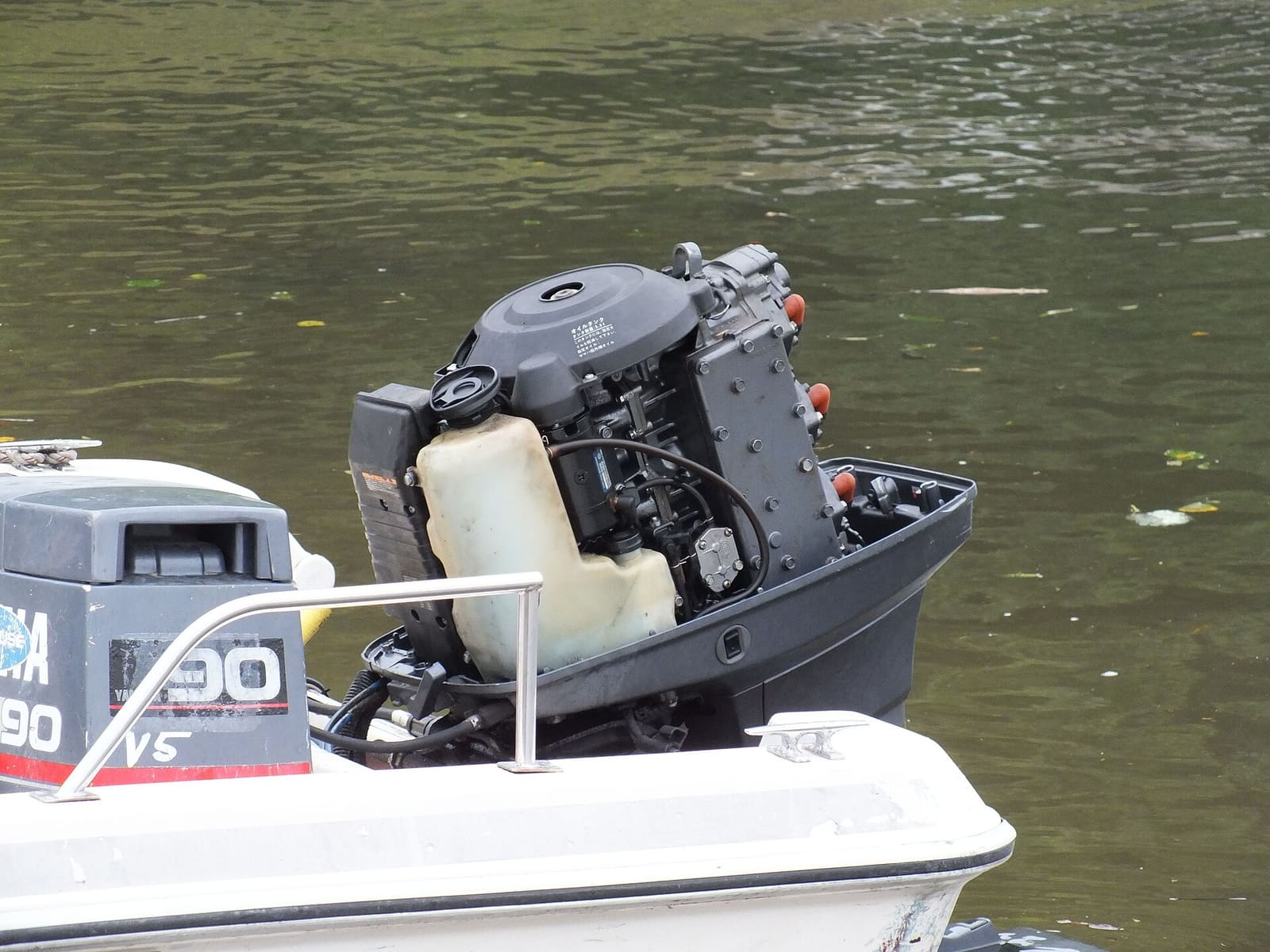
Two-Stroke Oil Injection vs. Premix: How It Works and How to Check It
A two-stroke engine dies quickly without oil in its fuel, so the oil injection system and its alarms deserve regular attention. Learn how injection and premix differ, what the warning horn is telling you, how to check the system, how to premix safely using your manual's ratio, and the real risks of disabling injection.
Two-Stroke Premix Conversion: Living With an Engine That Had Its Oil Injection Removed
Bought a two-stroke outboard or PWC whose oil injection was removed, or thinking of doing it? Learn how to confirm what was done, mix fuel at the ratio from your manual every single time, label your tanks so nobody forgets, choose NMMA TC-W3 oil and understand the real risks.
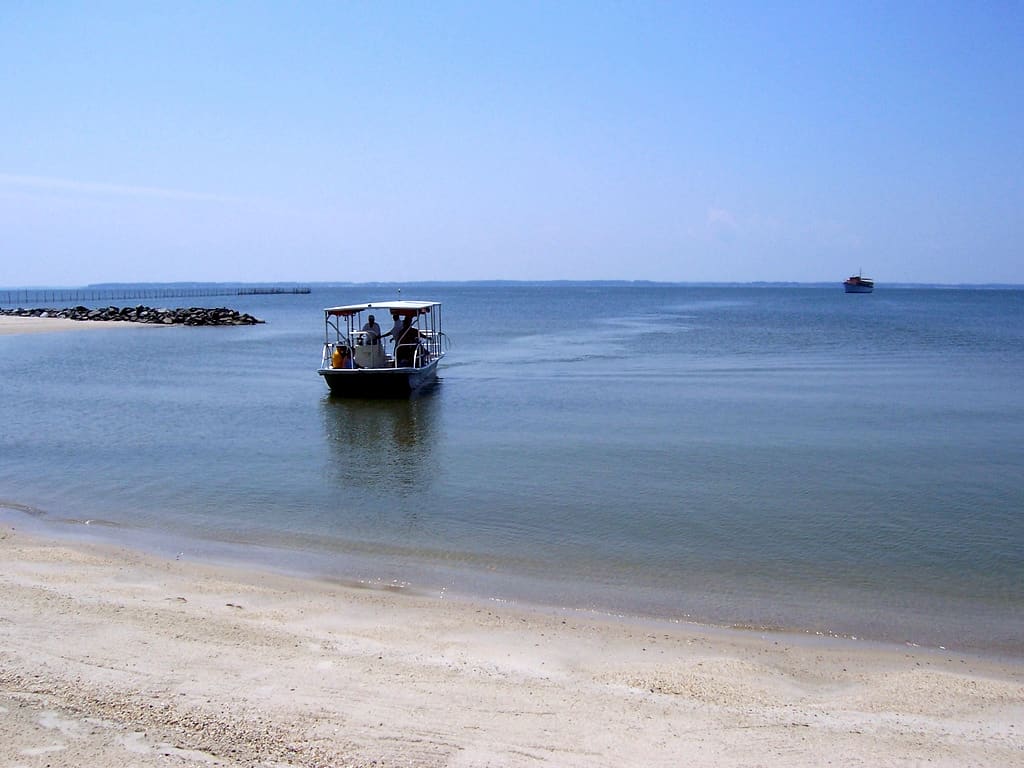
Using a Pontoon Boat in Salt Water: Tubes, Anodes, Flushing, Rinsing and Copper-Free Bottom Paint
Keep an aluminum pontoon alive in salt or brackish water: protect the tubes and hardware from corrosion, use the right anodes, flush the outboard the correct way, rinse the deck, furniture and trailer, cover only when dry, and never let anyone put copper-based (cuprous oxide) bottom paint on aluminum tubes.
Safety: BoatMend is for information only and does not replace a certified marine technician. You are responsible for your safety and your boat. Read the full disclaimer.