Using a Pontoon Boat in Salt Water: Tubes, Anodes, Flushing, Rinsing and Copper-Free Bottom Paint
Keep an aluminum pontoon alive in salt or brackish water: protect the tubes and hardware from corrosion, use the right anodes, flush the outboard the correct way, rinse the deck, furniture and trailer, cover only when dry, and never let anyone put copper-based (cuprous oxide) bottom paint on aluminum tubes.
Time
45 min
Shop would charge
$100-300
Applies to
Outboard · Pontoon
Safety first: Pontoons are built for protected water. Avalon says salt water use should be mainly in bays and inlets, and the open ocean only close to shore when conditions are like an inland lake. Watch tides, currents and wind against tide, which build steep chop fast. An outboard only runs out of the water on external flush muffs or in a test tank; keep people clear of the propeller and use the built-in flush port with the engine off unless your owner's manual says otherwise. If a tube is taking on water or you smell fuel, get to shore and call TowBoatUS, Sea Tow or the Coast Guard on VHF 16.
Owners often ask
- Can I take my aluminum pontoon in salt water, and what do I need to do after?
- The yard wants to put regular copper bottom paint on my pontoon tubes. Is that OK?
- What can I use to clean the stained tubes on my pontoon without damaging the aluminum?
This guide walks you through it. Still stuck? Ask the AI Mechanic about your engine.
Tools
- Garden hose with a spray nozzle (no pressure washer on tubes or decks)
- Soft brushes, including a long-handled one for under the tubes
- Outboard flush muffs or the engine's flush-port hose adapter
- Mild boat soap and an aluminum cleaner made for marine use
- Towels or a chamois
- Socket set and flashlight for checking anodes and hardware
Parts & supplies
- Aluminum (or zinc) anodes approved for your engine and boat, if fitted
- Corrosion inhibitor spray for the engine and hardware (per your engine maker)
- Marine wax or aluminum sealant
- Antifouling paint labeled for aluminum, with its primer system (only if the boat stays in the water)
Before you start
Why salt is hard on pontoons. The tubes, deck structure and motor are mostly aluminum. Boating Magazine explains that aluminum on its own does well in salt water, but when it's electrically connected to almost any other metal in salt water (stainless bolts, a bronze fitting, a copper penny in the bilge) the aluminum is the metal that corrodes. Salt also dries into crusty deposits that hold moisture against metal, vinyl and carpet.
Not all salt water is the same. BoatUS notes salinity differs a lot from place to place: Chesapeake Bay is much less salty than warm Florida or Bahamas water, and it changes with the seasons. The saltier and warmer the water, the faster things corrode.
"Saltwater package" doesn't mean saltwater proof. Avalon says some dealers add saltwater-resistant materials and a "Saltwater Series" sticker, but those boats still need all the same preparation and care. Ask your dealer what your boat actually has.
Will it live in the water or on a trailer? That decides a lot, especially about bottom paint (step 3). A pontoon that's trailered and rinsed after every trip has very different needs from one that sits in a salt water slip all season.
Steps
Your boat builder and engine maker may have specific rules for salt water use, required anodes, approved paint and flushing. Some limit warranty coverage for salt water damage if the steps aren't followed. BoatUS's freshwater-to-saltwater article says to check and follow the manufacturer's warranty instructions before you start using the boat in salt.
Avalon lists three things it recommends for pontoons used in salt water, each a dealer service at extra cost:
- Antifouling paint made for aluminum on the submerged parts (step 3)
- A barrier between the tubes and the trailer bunks (step 10)
- Anodes on the boat, if the dealer recommends them (step 5)
It also recommends a yearly inspection for corrosion and for deterioration of the electrical connections, and states plainly that Avalon and Tahoe do not warrant saltwater corrosion. Avalon suggests asking the dealer about construction details that suit salt water, such as tubes fully welded to the deck structure rather than welded every foot or so.
A Mercury Dockline article on saltwater pontoons describes what builders' saltwater packages typically add: sealing the keel and other hull openings against salt water and barnacles, a sacrificial anode for the aluminum, and upgraded stainless and other materials; one builder adds a water-separating fuel filter for humid climates. A builder quoted there says its protective tube coating suits boats stored out of the water, while boats in full-time slips also need a painted barrier coat. Ask exactly what your package includes, in writing.
This is the mistake that can ruin a pontoon. International Yacht Paint (Interlux) says antifouling for aluminum should not contain cuprous oxide, because the high copper content leads to corrosion. Paints using cuprous thiocyanate are more compatible, but only over the correct primer system at the right film thickness to keep paint and aluminum apart.
- Kept in the water: Avalon recommends painting all submerged parts with an approved aluminum antifouling. Boating Magazine notes ABYC wants aluminum boats to have a protective coating that acts as a high-resistance barrier between the aluminum and the water.
- Trailered and rinsed after each trip: growth has no time to take hold; ask your dealer whether paint is worth it for you.
- Never let a yard use "regular" bottom paint, and never paint straight onto bare aluminum. Read the label: it should say it's for aluminum. If a previous owner used copper paint, get advice from the paint maker or a pro; it usually has to come off.
See our bottom paint and aluminum corrosion guides.
Boating Magazine describes how a Florida builder that markets boats for salt water isolates hardware and stainless bolts from the aluminum with nylon washers, adds dedicated anode brackets and uses thicker metal. When you add a ladder, cleat, fish finder bracket or anything else:
- Use quality stainless (BoatUS notes 316 corrodes slower than 304) with nylon or plastic isolating washers.
- Bed fasteners with a marine sealant so water can't sit in the joint.
- Don't leave sinkers, coins, bottle caps or loose hardware lying on the deck or in the tubes' crevices.
Anodes are metal designed to corrode instead of your motor and tubes.
- Never magnesium in salt. Martyr, an anode maker, says magnesium anodes aren't suitable for salt water because they corrode too quickly. BoatUS says to switch freshwater magnesium anodes to aluminum, or zinc if aluminum isn't available, when moving to salt.
- The outboard has its own anodes; follow the engine maker's alloy recommendation.
- Tube or hull anodes: Avalon says some boats need anodes added to prevent stray-current corrosion; ask your dealer. Boating Magazine notes there's no formula for how many you need at first; it takes some trial and error.
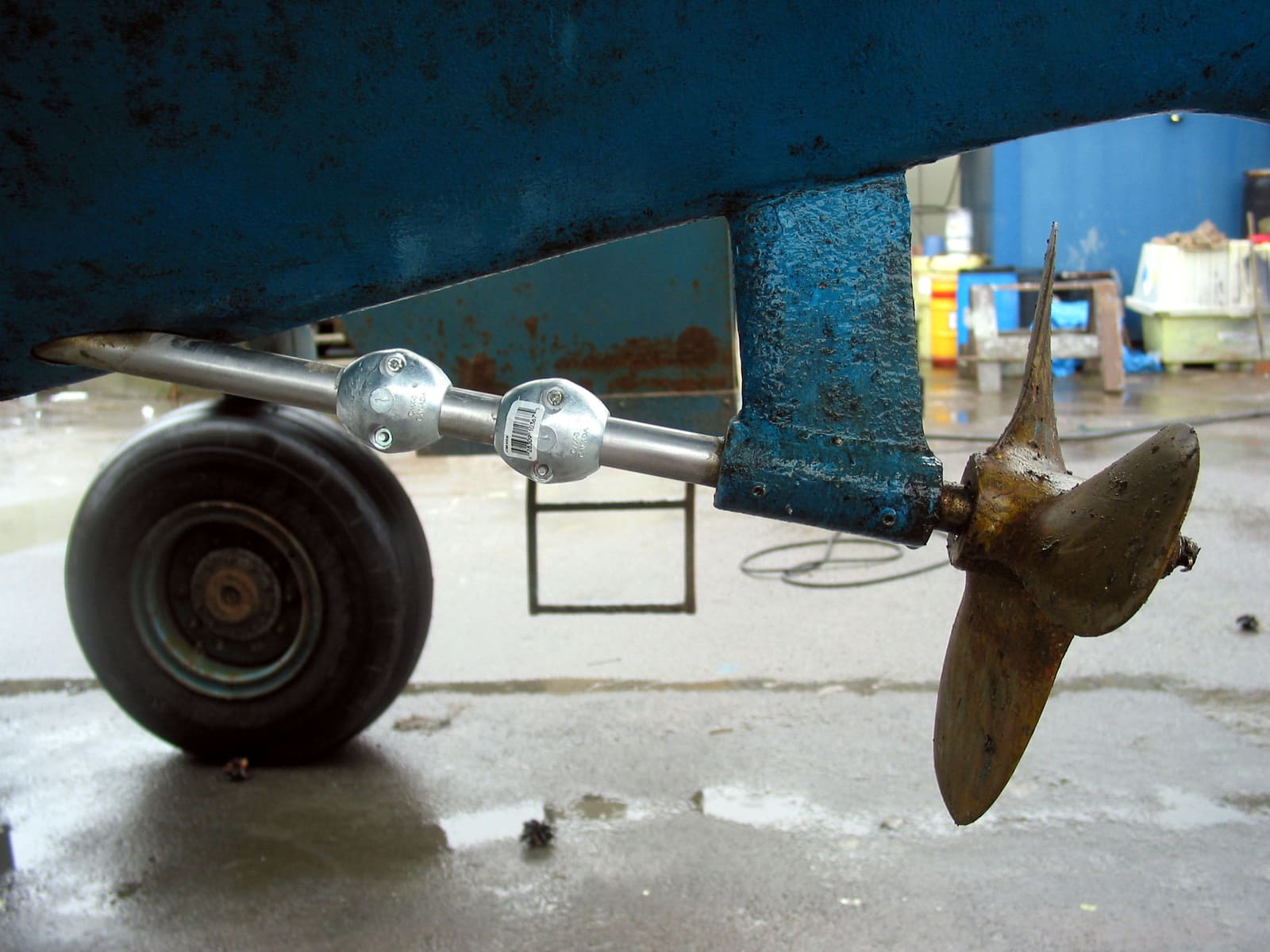
- Inspect at least every month or two in salt water. BoatUS says to replace anodes yearly or when they're more than half gone.
- Don't paint anodes, and make sure each one has bare metal-to-metal contact.
Anodes that disappear in weeks, or never wear at all, are a warning sign; see our aluminum corrosion guide and have it checked.
Kept in a slip for weeks at a time? Look under the waterline regularly, not just at the anodes. A 2026 notice from the Canyon Lake (California) property owners' association, written after many reports of pitted pontoons in its marinas, described early corrosion as rough bumps or small white nodules on bare or scratched aluminum. Its reports came mostly from boats left in the water for long periods, and only from aluminum pontoons, not fiberglass boats. When it inspected a marina, the stray voltage it measured above the docks dropped noticeably once privately owned battery chargers were unplugged from dock outlets. That was fresh water; salt makes every one of these problems faster. Don't run household chargers or extension cords on the dock, and if your marina's tubes are pitting, ask for an electrical check. Many owners on salt water skip the long in-water stay altogether and use a lift or dry storage instead.
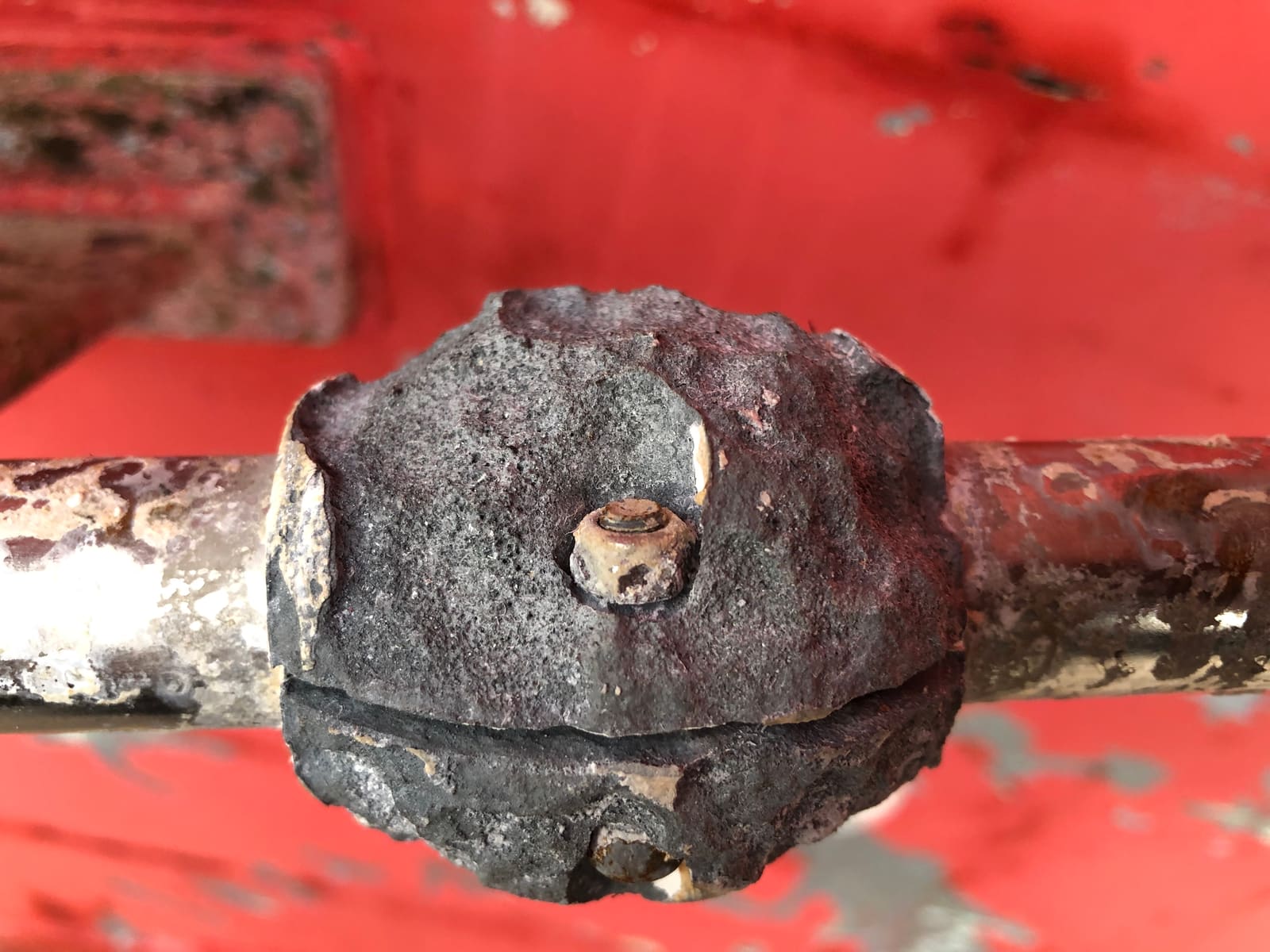
An anode this far gone (here on a yacht's prop shaft) is overdue: BoatUS says to replace anodes once they're more than half gone. Photo: Springnuts / Wikimedia Commons · CC BY-SA 4.0 BoatUS says outboard owners in salt water have to flush with fresh water every time. Two ways:
- Built-in flush port: many modern outboards have a garden-hose fitting. BoatUS describes using it at the dock with the engine off and the motor tilted out of the water, typically for 5 to 10 minutes (a Mercury pro's saltwater tips suggest at least 15 minutes on Mercury's flush port, again without running the engine); check your manual for the exact time and motor position (some makers want it vertical).
- Flush muffs: clamp external muffs over the water intakes, turn the water on fully before starting, and run the engine at idle only, with everyone clear of the prop. Never run it without water flowing.
Then rinse the outside of the motor and spray a corrosion inhibitor under the cowl if your engine maker recommends it. Our freshwater flush and saltwater outboard care guides go step by step.
Discover Boating says to rinse a pontoon with fresh water after each use, especially in salt, because salt speeds corrosion and leaves a white residue on aluminum.
- Pay attention to weld seams, brackets and crossmember joints, where dirt and salt collect.
- If you can, lift the boat slightly (on a lift or trailer) to rinse the bottoms of the tubes, where algae and scum build up most.
- Use a garden hose, not a pressure washer; Avalon advises against pressure washing on its boats.
- Clean oxidation with a cleaner made for marine aluminum. Discover Boating warns against harsh acids like muriatic acid, which can streak and weaken aluminum. Avalon warns against acetone, thinners and gasoline, which strip paint.
Salt spray settles everywhere on a pontoon's big open deck.
- Hose down the deck, rails, fence panels and furniture with fresh water. Rinse soap off completely.
- Avalon says vinyl gets a warm, mild soap solution with a soft brush, then a full rinse and air dry. Carpet gets vacuumed routinely, with deeper cleaning at the end of the season; remove all soap residue or stains come back.
- Lift cushions so the seat bases can drain and dry.
See our pontoon deck and furniture care guide.
Avalon is emphatic: salt water areas are usually hot and humid, so the boat must be dry before you put on the mooring cover or seat covers. Covering it wet means mildew. Once dry, a cover keeps salt and sun off.
Avalon warns that without a barrier, corrosion can start where the trailer bunks touch the tubes. Carpeted bunks soak up salt water and hold it against the aluminum. Ask your dealer about the barrier they recommend; Avalon pairs this with antifouling paint on the tubes. After a salt launch, Avalon also says to flush the salt water out from between the bunks and the tubes with your hose (it adds this doesn't prevent corrosion on its own if the tubes have no antifouling barrier). Owners rebuilding bunks are often warned in forums not to use pressure-treated lumber against aluminum, because the copper-based treatments in modern treated wood can corrode it; ask the trailer maker what wood, carpet or polymer bunk material to use. Inspect the bunk contact areas whenever the boat is off the trailer, and replace soggy or torn bunk carpet (see our trailer bunks and rollers guide).
- Rinse it after every launch. BoatUS recommends doing it within a few hours of leaving the ramp, even stopping at a car wash on the way home. If you use a car-wash wand, Mercury's saltwater cleanup tips say to keep the high-pressure spray off the wheel hubs, where it can disturb the bearing grease.
- Brakes: BoatUS suggests a brake flush kit that connects to a garden hose for drum brakes, and notes disc brakes are generally easier to flush with fresh water.
- Aluminum or galvanized frames still corrode. BoatUS points out that an aluminum trailer's bolts, nuts and spring hangers may be steel, and that any nick in a galvanized frame lets corrosion start.
- Bearings and lights: salt water gets into hubs and connectors. Check bearings, use sealed or protected bearing systems if your trailer allows, and use dielectric grease on light plugs. Our trailer guides cover each job.
BoatUS says to wash aluminum hardware regularly with soap and coat it with wax at least twice a year, and warns that most marine aluminum hardware is anodized, so many polishes will strip that protective layer. Avalon suggests waxing the aluminum tubes and side panels every three to six months. Look over battery terminals, switch panels and wiring connections for green or white corrosion; Avalon recommends a yearly inspection of electrical connections.
Common mistakes
- Letting a yard put cuprous oxide (copper) bottom paint on aluminum tubes.
- Keeping magnesium anodes from freshwater days.
- Skipping the flush "just this once."
- Pressure washing tubes, vinyl or decking.
- Covering the boat while it's still wet and growing mildew.
- Ignoring the bunk contact areas until white crust and pits show up.
- Adding stainless accessories with no isolating washers or sealant.
- Taking a pontoon offshore in conditions it wasn't designed for.
- Scrubbing stained tubes with toilet-bowl cleaner or other strong acids, a tip that shows up in owner forums. They can eat aluminum quickly; use a cleaner made for marine aluminum.
When to call a pro
- Applying antifouling paint to aluminum tubes, or stripping the wrong paint: a dealer or yard experienced with aluminum
- Anodes vanishing fast, pitting on tubes, or a tingle from metal rails at the dock: possible stray current; have a marine electrician check the boat and the dock, and stay out of the water
- A tube taking on water or showing cracks near welds or brackets (see our pontoon tube leak guide)
- Saltwater warranty questions or adding tube anodes: your dealer
- Trailer bearings or brakes that are rusted, seized or noisy
Tips
- Keep a hose with a shutoff nozzle at the ramp parking area or in the truck for a quick first rinse.
- Rinse in the order engine, tubes, trailer, deck, then dry and cover.
- Keep a log of anode checks in the BoatMend app so you learn how fast yours wear.
- Wash the boat more often in summer; heat speeds corrosion.
- If you move between fresh and salt water, see our freshwater-to-saltwater guide and ask your dealer which anode alloy works for both.
Official references
We read these to write this guide. Your engine's own manual always wins.
- Avalon Pontoons – Using a Pontoon Boat in Saltwater
- Avalon Pontoons – How to Clean a Pontoon Boat
- Discover Boating – How to Clean a Pontoon Boat
- International Yacht Paint (Interlux) – What Type of Antifouling Should I Use on Aluminium?
- Boating Magazine – Protecting Aluminum Boats From Salt Water Corrosion
- Martyr Anodes – Understanding Alloy Specifications
- BoatUS Magazine – Moving A Boat From Freshwater To Saltwater (2017)
- BoatUS Magazine – Aluminum Care (2019)
- BoatUS Magazine – How To Wash A Trailer (2013)
- BoatUS Magazine – Trailer Choices (2013)
- Mercury Dockline – Pontoon Popularity Is Spreading to Saltwater Areas
- Mercury Dockline – 5 Tips for Cleaning a Freshwater Boat Used in Saltwater
- Canyon Lake POA – Update to Boat Owners Regarding Aluminum Pontoon Corrosion Reports
Safety: BoatMend is for information only and does not replace a certified marine technician. You are responsible for your safety and your boat. Read the full disclaimer.
Last updated 2026-10-25
Related guides
How to Spot and Prevent Corrosion on an Aluminum Boat
Aluminum hulls and pontoon tubes are tough, but they lose almost every fight with other metals. Learn the warning signs of galvanic and stray current corrosion, keep copper and loose metal away from the hull, choose the right anodes, touch up paint with the proper primer and know when a repair needs a welder.
Saltwater Outboard Care: The After-Every-Trip and Monthly Routine
A simple routine that keeps salt from eating your outboard, built from Honda, Yamaha, Mercury and Suzuki advice. It covers flushing after every trip, washing, where to spray anticorrosion (and where never to), monthly greasing, anodes, and tilting up or storing out of the water.
How to Flush Your Engine With Fresh Water
Rinse salt, silt and sand out of your outboard or sterndrive cooling system using the built-in flush port, flush muffs or a flush bag. Flushing after every saltwater trip is one of the easiest ways to prevent corrosion and overheating.
How to Inspect and Replace Sacrificial Anodes (Zincs)
Check the anodes on your outboard, sterndrive or inboard running gear, replace them when they are half gone, and choose the right metal for the water you boat in. Fresh anodes are cheap insurance against expensive corrosion damage to your lower unit, drive and prop.
Moving Your Boat From Fresh to Salt Water (or Back): Anodes, Flushing, Corrosion, Bottom Paint and Trailer Upgrades
What to change when a lake boat moves to the coast, or a saltwater boat moves inland: switching anode material, a flush-after-every-trip routine, raw-water and closed cooling parts that wear faster in salt, bottom paint that suits your hull and drive, marine-grade hardware, and trailer upgrades that survive salt dunks. Built from BoatUS, Mercury, Yamaha and Boating Magazine advice.

How to Care for a Pontoon Deck, Flooring, Fence and Furniture
Keep a pontoon's carpet or vinyl floor clean and dry, find soft spots in the plywood deck before they spread, check fence rails, gates and seat bases, care for furniture vinyl, and cover and store the boat so mildew and sun do not win.
How to Find a Leak When Water Gets Into a Pontoon Tube
A pontoon that sits low on one side, lists or sloshes when you rock it probably has water in a tube. Learn how to confirm it, drain it, track down the pinhole or cracked weld, and choose between a temporary patch and a proper weld repair.
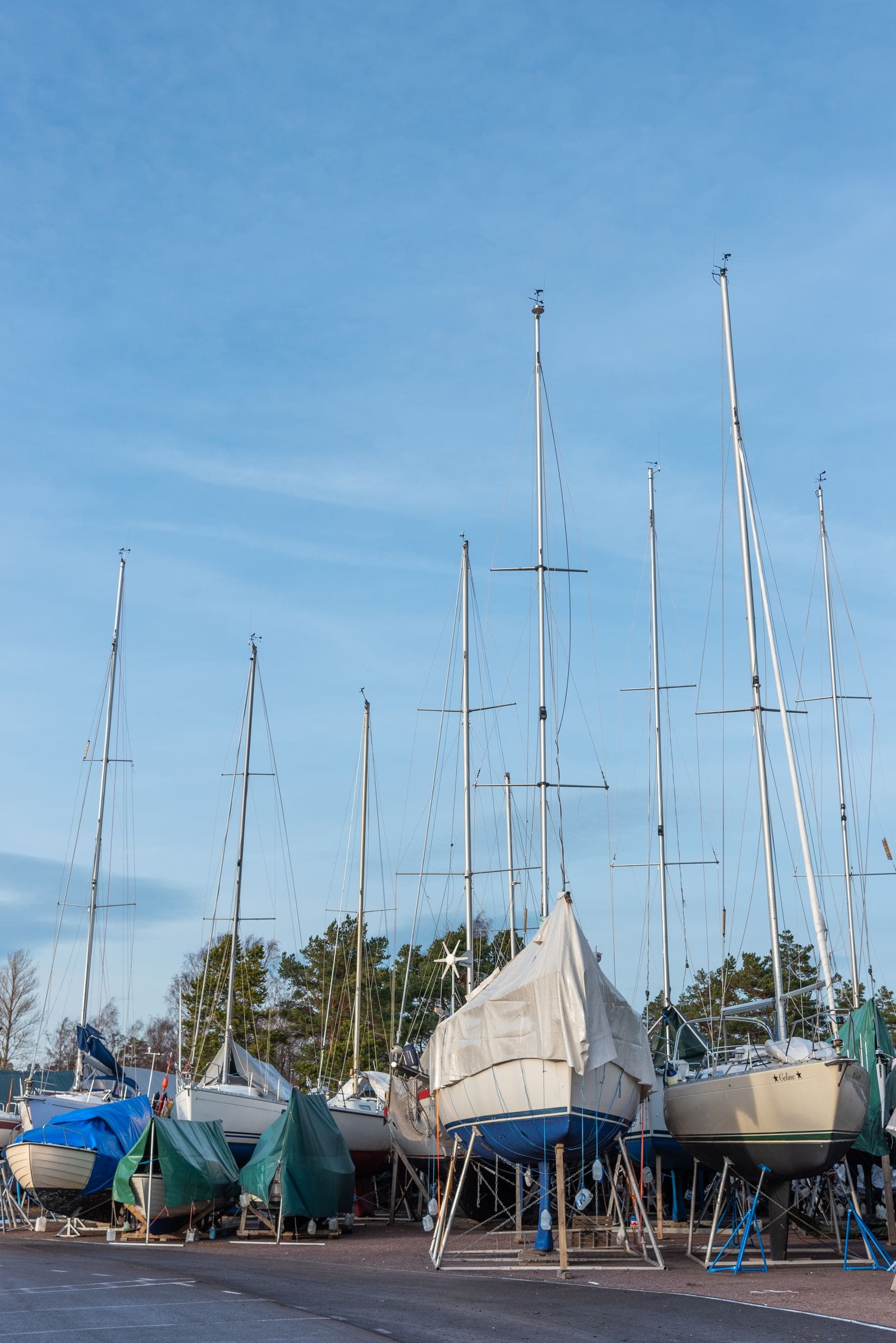
Bottom Paint (Antifouling): Do You Need It, Which Type, and How to Repaint
Learn whether your boat needs antifouling bottom paint, how ablative and hard paints differ, and how to prep and roll on a fresh coat safely, without poisoning yourself or the water and without ruining an aluminum hull.
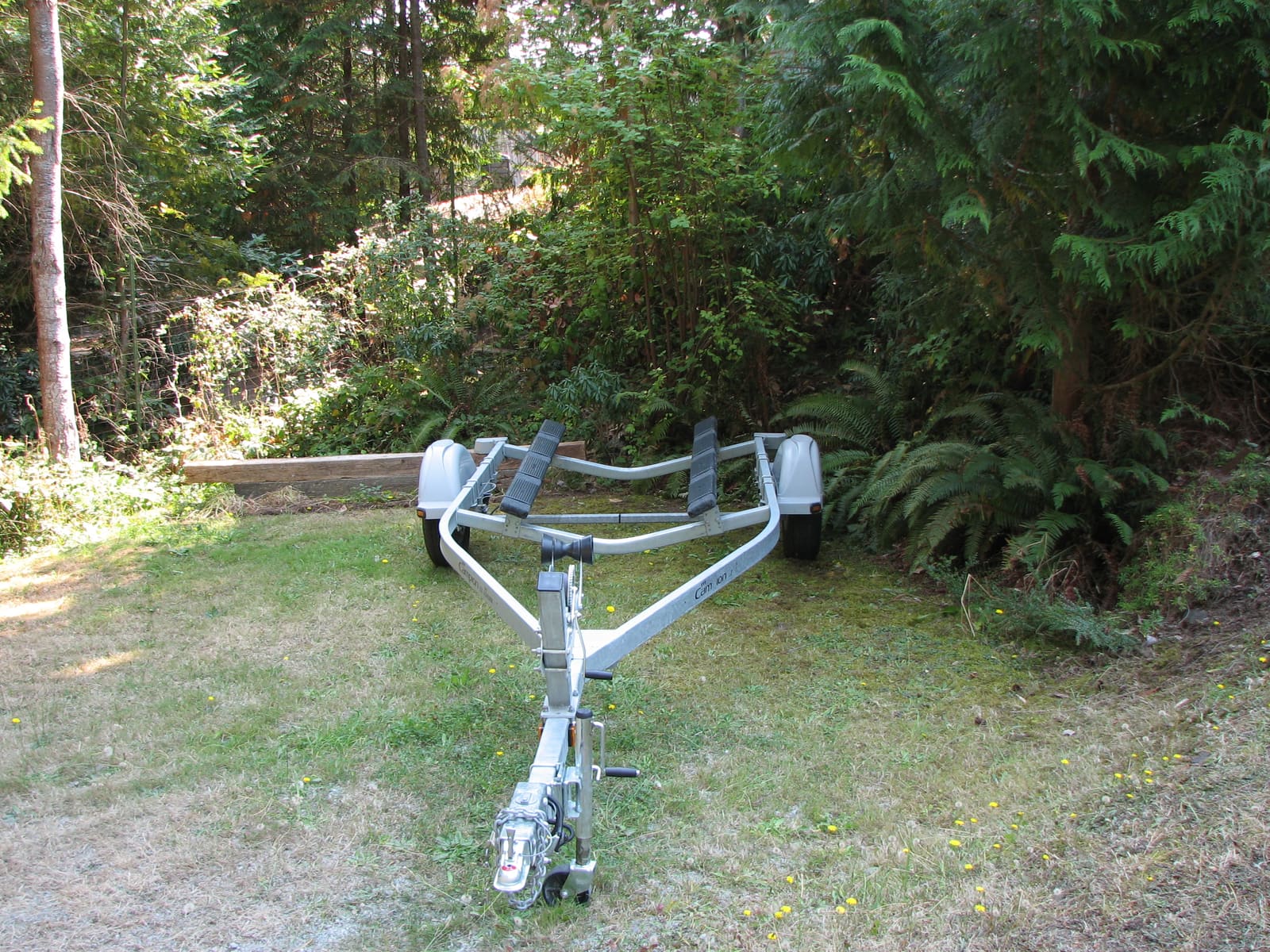
How to Adjust and Replace Trailer Bunks and Rollers So Your Boat Sits Right
Set up your boat trailer so the hull is supported in the right places: bunks and rollers clear of the strakes, the transom fully supported, the bow snug against the winch stop and the weight balanced on the tongue. Also covers replacing rotten bunk boards and worn carpet or rollers.
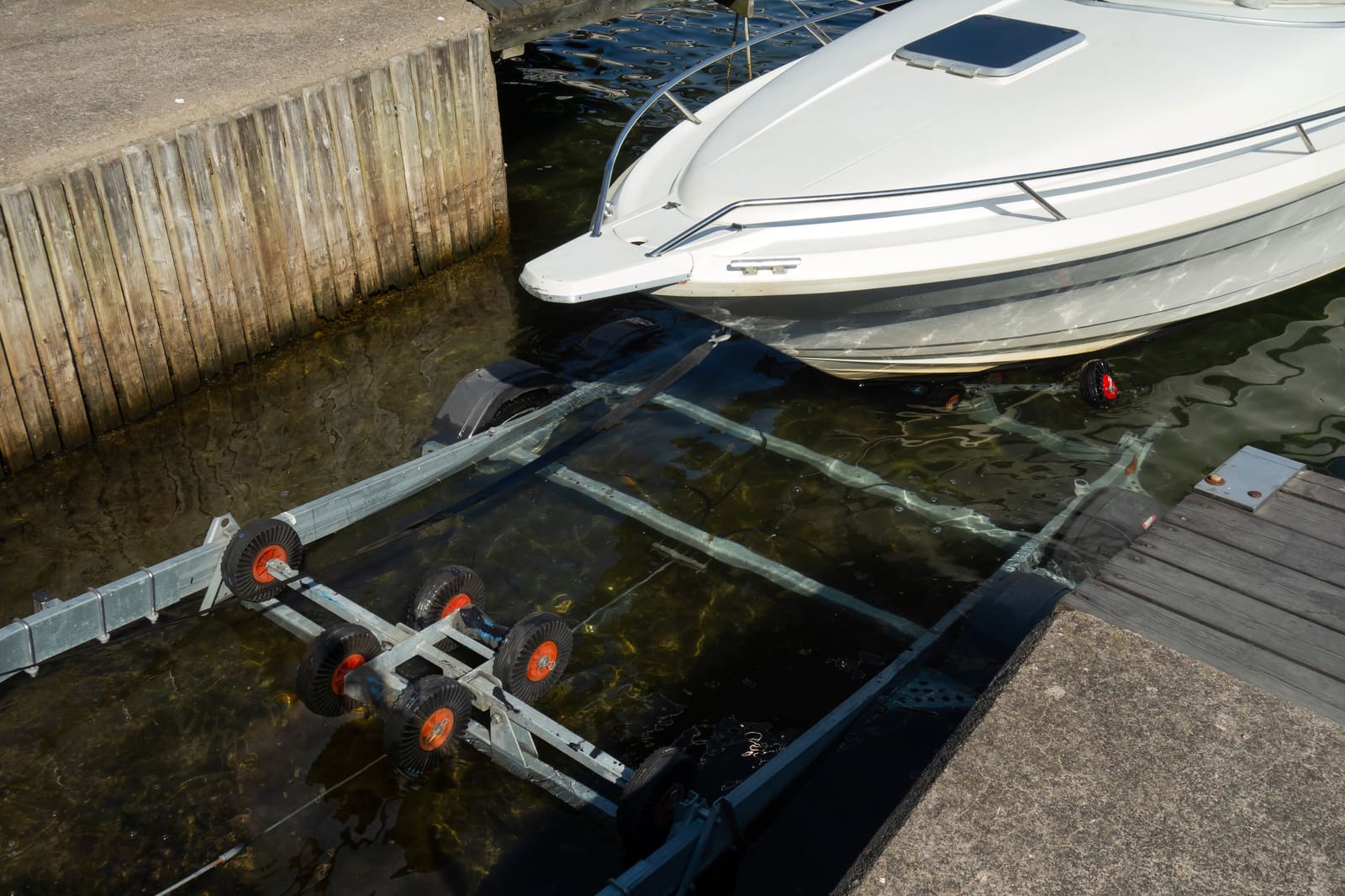
How to Check and Care for Boat Trailer Surge Brakes
Understand how the hydraulic surge brakes on your boat trailer work, check the fluid, use the reverse lockout correctly and rinse salt out of them after every dunk. Simple habits that keep the brakes from seizing, dragging or failing when you need them.