Two-Stroke Premix Conversion: Living With an Engine That Had Its Oil Injection Removed
Bought a two-stroke outboard or PWC whose oil injection was removed, or thinking of doing it? Learn how to confirm what was done, mix fuel at the ratio from your manual every single time, label your tanks so nobody forgets, choose NMMA TC-W3 oil and understand the real risks.

Time
1 h
Shop would charge
$150-500
Applies to
Outboard, Jet ski / PWC
Safety first: A two-stroke that gets gasoline without oil can scuff its pistons and seize in minutes, sometimes at speed. After a conversion to premix, every drop of fuel that reaches the engine must already contain oil at the ratio in your manual. Mix fuel outdoors, away from sparks and flames, never inside the boat or a closed garage. If you smell gas in the boat or see fuel leaking, don't start the engine: get everyone off and call a mechanic, or 911 if the leak is large.
Owners often ask
- I bought a used two-stroke and the seller says the oil injection was removed. How do I know it's safe to run on premix?
- Should I remove the oil injection pump on my old two-stroke and just premix?
This guide walks you through it. Still stuck? Ask the AI Mechanic about your engine.
Tools
- Owner's or service manual for your exact engine (model and serial number)
- Flashlight and an inspection mirror
- Graduated oil measuring container (marked in ounces and milliliters)
- Approved gasoline can (or cans) used only for premix
- Waterproof labels or a paint marker
- Clean rags, nitrile gloves and safety glasses
- Fire extinguisher within reach
Parts & supplies
- Two-stroke oil of the type your manual specifies (most water-cooled outboards call for NMMA TC-W3 certified oil)
- Fresh gasoline and marine fuel stabilizer
- Water-resistant "PREMIX ONLY" decal or label for the engine cowl and every tank
Before you start
What "premix conversion" means. Many two-stroke outboards and older two-stroke PWCs came from the factory with oil injection: an oil tank and a pump that meters oil into the engine automatically. Some owners remove or disconnect that system and switch to premix, where you pour oil into the gasoline yourself. People do it because an old pump or oil line failed, because they distrust the system, or because the previous owner did it and now you own the result. Our guide on two-stroke oil injection explains how the factory system works and how to keep it healthy; this guide is for engines that are (or may soon be) running on premix only.
The honest trade-off.
- What you gain: you no longer depend on an aging pump, oil lines and sensors.
- What you lose: the engine now gets a fixed amount of oil at every speed, the factory oil alarm no longer protects you, and the whole system depends on a human remembering to mix every can, every time. One tank of straight gas can ruin the powerhead.
- What it does to value: some buyers and surveyors see a disabled injection system as a red flag, and an engine still under any warranty or service plan should never be modified without the dealer's agreement.
Not every engine should be converted. Direct-injection two-strokes (for example Mercury OptiMax and Evinrude E-TEC) use computer-controlled oiling. Do not disable or bypass those systems; talk to a dealer instead. The same goes for any engine whose manual gives no premix ratio for normal running.
Ratios come only from the manual. The correct premix ratio, and any special ratio for break-in, is set by the engine maker and changes with model and year. Use the number in your owner's manual. Don't copy it from a can label, a friend, a forum or the sticker the last owner left on the cowl unless it matches the manual.
Steps
Find the model and serial number on the tag on the clamp bracket or transom bracket (on a PWC, check the hull and engine plates; see our engine serial number guide). Download or buy the owner's manual and, if you can, the service manual for that exact model. Look up three things: whether the engine was built with oil injection, the premix ratio for normal running, and the break-in ratio if the powerhead is new or rebuilt.
If you bought the boat used, don't trust a seller's "it's been converted to premix" without looking. With the engine off and cold and the cowling removed, check:
- The oil tank(s): removed, empty, disconnected, or still full? On many larger outboards there is also a remote tank in the boat.
- The oil pump area: is the pump still there, or is there a cover plate where it used to be?
- The oil lines: removed and the fittings properly capped, or just cut and left loose?
- The warning wiring: many injection systems have a low-oil or no-oil-flow sensor tied to the warning horn. Note whether its wiring was disconnected, taped or left hanging.
- Labels: any "premix" stickers on the cowl or tanks.
If you can't tell for sure, assume the engine needs premix and have a mechanic confirm how the conversion was done before relying on it. A half-finished job (open oil fittings, loose wiring, parts left in an odd state) can leak, suck air or confuse the warning system.
If the conversion was done cleanly and you're happy to mix every tank, you can keep running premix. If you'd rather have the factory system back, a dealer can tell you which parts are missing and what it takes to restore and bleed it. Never run the engine with the injection system half-connected while also using plain gas, and never assume a reconnected pump is working until a mechanic has checked it with the method in the service manual.
Use the two-stroke oil your manual calls for. For water-cooled outboards that is usually oil carrying the NMMA TC-W3 symbol; Yamaha and Mercury both point owners to TC-W3 for their two-stroke outboards. The NMMA certifies the additive package, registers oil brands every year and publishes the list of certified TC-W3 oils on its website, so you can check a store brand. Don't use automotive oil or two-stroke oil meant for air-cooled chainsaws or dirt bikes unless your manual specifically allows it. TC-W3 is a minimum, not the whole story: Mercury's oil guide, for example, sells a basic TC-W3 oil for low- and mid-horsepower two-strokes, a richer blend for high-horsepower engines, and a separate oil developed for its OptiMax and other direct-injection (DFI) engines. If your engine is a DFI model (OptiMax, E-TEC, HPDI and similar), use the oil its maker specifies; those engines shouldn't be converted to premix at all (see "Before you start"). Stick to one oil brand and type. Tohatsu, for example, advises against mixing different brands (or even different kinds from the same brand), because some combinations can gel and block fuel filter screens, starving the engine of oil.
Work out how much oil goes into the amount of gas you'll buy, using the ratio from your manual. Write the result on a card you keep with the gas can, for example: "X gallons of gas = Y ounces of oil." Use a graduated measuring container, not the "glugs" from a bottle. Too little oil risks scuffing; too much can foul spark plugs, build carbon and make the engine smoke and run poorly.
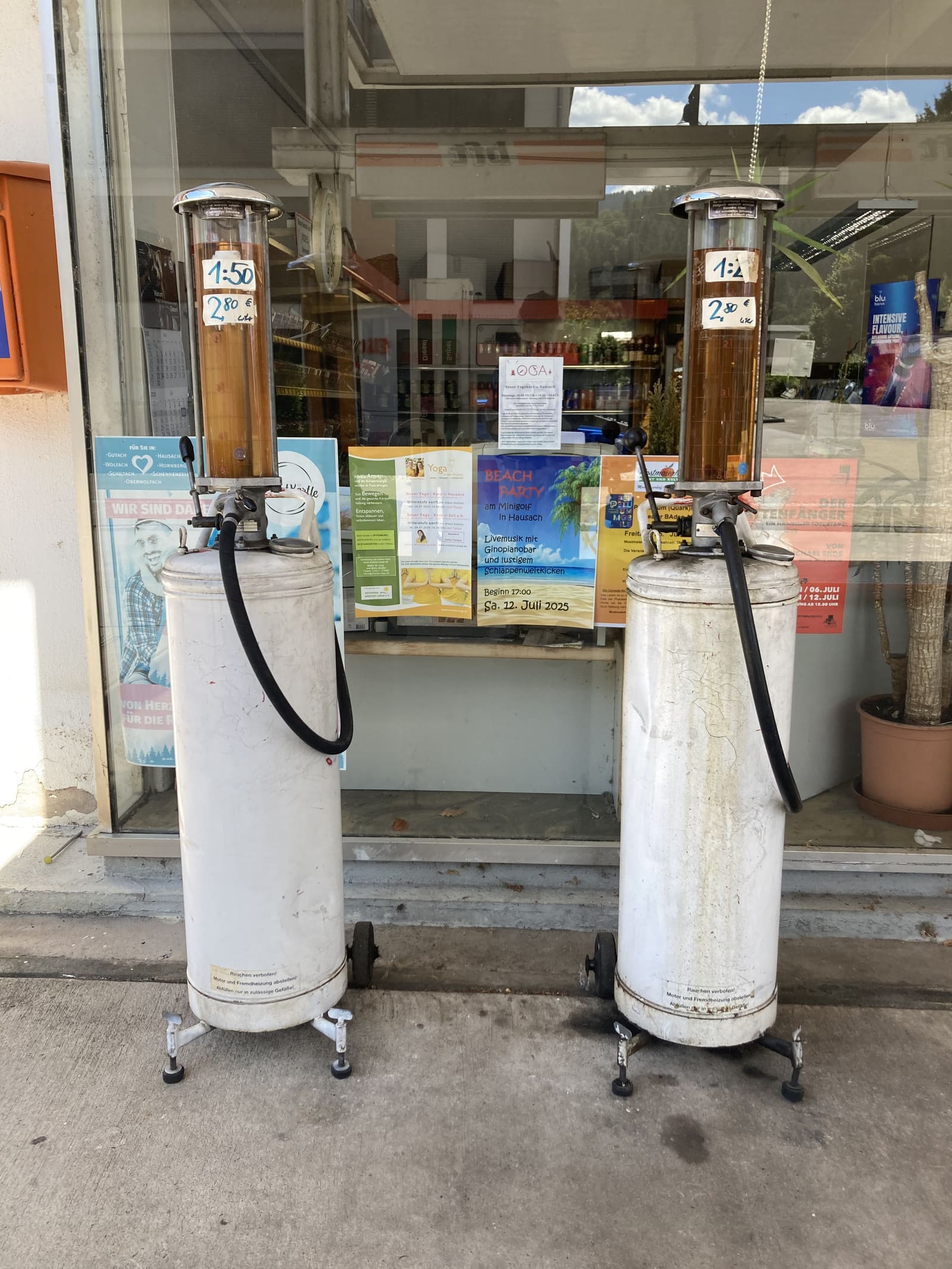
Premix pumps in Germany selling two ratios side by side. There is no single 'right' mix: use the ratio in your engine's manual. Photo: Hfst / Wikimedia Commons · CC BY 4.0 - Set an approved gasoline can on the ground outdoors, never in a truck bed or on the boat deck (static can build up there).
- Pour the measured oil into the can first, then add part of the gasoline.
- Close the cap and shake or swirl to blend.
- Add the rest of the gasoline and mix again.
- Add marine fuel stabilizer at the rate on its bottle.
If you fill a built-in tank directly at a fuel dock, you'll have to add oil to the tank in proportion to the gas you pump. That's easy to get wrong; many premix owners switch to portable tanks for that reason. Whatever you do, mix only the amount of fuel you'll use within a few weeks, since gas starts to age quickly.
Mark the engine cowl, every portable tank, every gas can and the fuel fill (if you have a built-in tank) with a clear label such as "PREMIX ONLY: [ratio] TC-W3." Use a waterproof label or paint marker. This protects you on a tired day, and it protects anyone who borrows, services or buys the boat. Keep your premix cans separate from cans of plain gas for the lawn mower or car, and use a different color or a big label so they're never mixed up.
Find out from your manual or a mechanic what the warning horn on your engine still does after the conversion. On many engines the same horn also warns of overheating, so don't simply disconnect the horn. If the oil warning was disabled, you no longer have any alert for missing oil: your mixing habit is now the only protection. Ask a mechanic to make sure the overheat and other warnings still work (most sound briefly at key-on as a self-test; see our engine warning alarms guide).
For the first few outings after a conversion (or after buying a converted engine), keep an eye on how it runs:
- Smoke: a bit of light smoke at start-up is normal for many two-strokes on premix. Heavy blue smoke that never clears may mean too much oil.
- Spark plugs: oily, black or wet plugs, or frequent fouling during long idling or trolling, are common on premix because the engine gets the same oil-to-gas ratio at idle as at full throttle.
- Power and sound: any knocking, tightening up, sudden power loss or unusual metallic noise means stop the engine right away.
Run the engine only in the water, in a test tank, or (outboards) on external flush muffs with the water on before you start. Never run an outboard on its built-in flush port; that port is for flushing with the engine off unless your manual says otherwise.
A compression test after a season on premix gives you a baseline and catches trouble early. Our compression test guide explains how. Compare the cylinders to each other and to the spec in your service manual. Pull the plugs, too: their color tells you a lot about how the mixture is working.
Premix gasoline ages like any other gas. Add stabilizer when you mix, keep cans out of the sun, and use mixed fuel within the time your stabilizer and manual suggest. Before winter, follow your manual's storage steps for a two-stroke (usually fogging and stabilized fuel) and either run the carburetor dry or leave it full of treated fuel, whichever your manual says. Don't pour old premix into a four-stroke engine, a car or modern lawn equipment unless that equipment's manual allows it; take it to a household hazardous waste site instead.
Write the conversion details in your log: when it was done, by whom, what was removed, which ratio and which oil you use. If you sell the boat, give the buyer that information and the labels stay on. In BoatMend, note the conversion on the engine's record so your reminders and the AI Mechanic know it runs on premix.
Common mistakes
- Filling up at the fuel dock and forgetting the oil, even once.
- Using a ratio from the oil bottle or a friend instead of the engine's own manual.
- Assuming "converted to premix" means the job was done properly without checking.
- Disconnecting the warning horn entirely and losing the overheat alarm along with the oil alarm.
- Using the same unmarked can for premix and for plain gas.
- Adding oil "by eye" or using automotive or air-cooled two-stroke oil.
- Converting a direct-injection two-stroke (OptiMax, E-TEC) or an engine still under warranty.
- Mixing a big batch of fuel and letting it sit for months.
When to call a pro
- You can't tell whether the oil injection is still working, disconnected or half removed
- You want to remove or restore an oil injection system (the pump, its drive, lines and sensors need the service manual and the right parts)
- The engine has a direct-injection oiling system
- Low or uneven compression, knocking, scuffing noises or sudden power loss
- Any gasoline smell or leak in the boat (stop and call; don't start the engine)
- The engine ran on plain gas, even briefly: have it checked before the next run
Tips
- Keep a small laminated mixing chart for your ratio and the can sizes you use taped inside the console.
- Pre-measured oil bottles sized for one can of gas take the math out of mixing, as long as the size matches your ratio.
- Make "Did I mix this?" part of your pre-launch checklist, and tell anyone who refuels your boat.
- If several people use the boat, keep the oil and measuring cup next to the gas can so the job is never skipped.
Official references
We read these to write this guide. Your engine's own manual always wins.
- NMMA – Marine Oil Certification Program (TC-W3, FC-W)
- Tohatsu – Outboard Break-In Charts (TC-W3 oil, break-in premix, oil-injected models)
- Yamaha Outboards – Maintenance Matters, Engine Oil & Lube
- Mercury Marine – Marine Lubricants & Tips, More Than Just Oil
- Mercury Marine – Guide to Precision Oils and Lubricants (two-stroke oil types)
- Mercury Marine – Service and Support FAQs (ethanol and two-stroke engines)
- BoatUS Foundation – Fueling Tips (portable containers)
- BoatUS Foundation – Boating Safety Course, Fueling
Safety: BoatMend is for information only and does not replace a certified marine technician. You are responsible for your safety and your boat. Read the full disclaimer.
Last updated 2026-10-24
Related guides
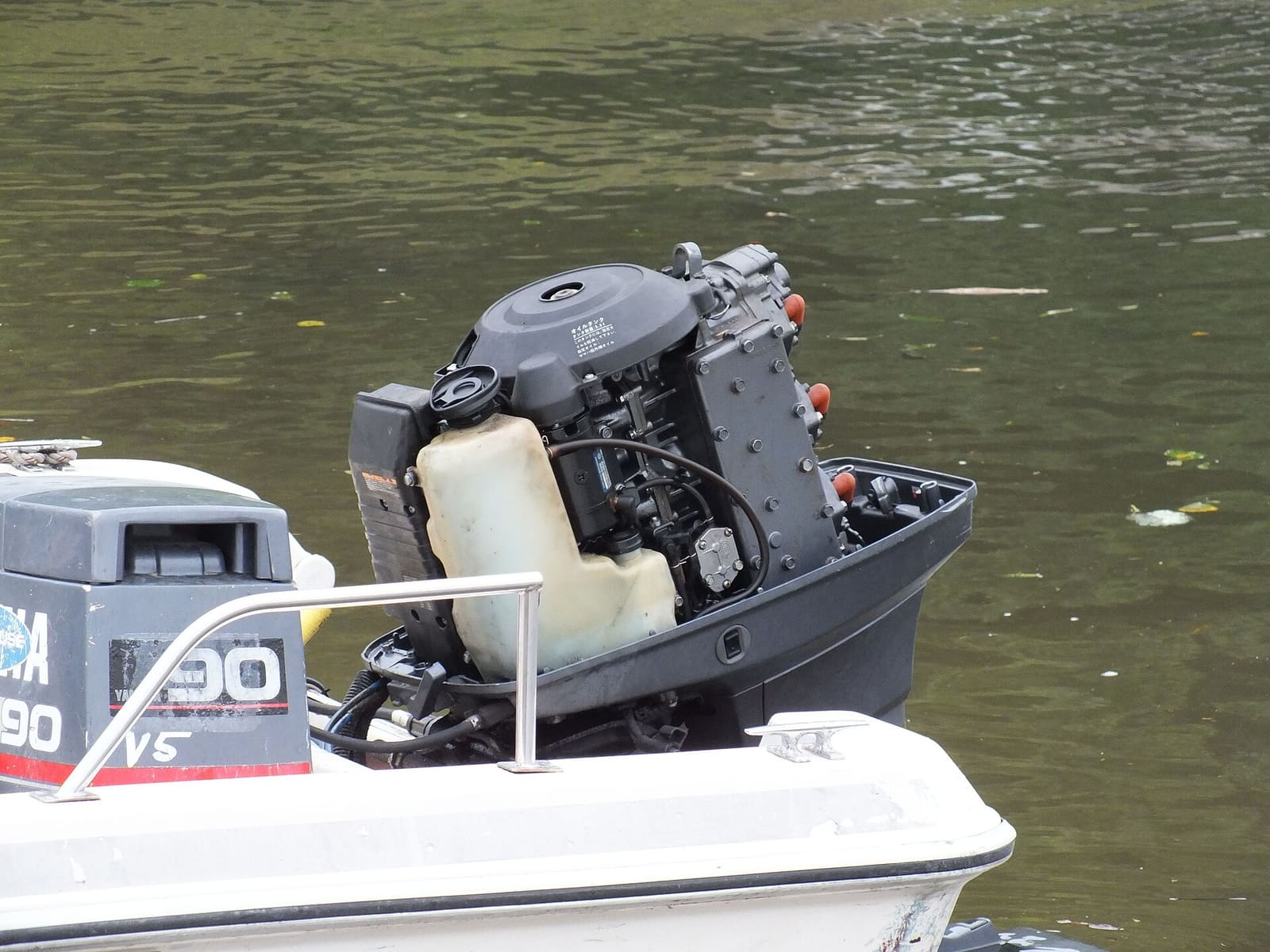
Two-Stroke Oil Injection vs. Premix: How It Works and How to Check It
A two-stroke engine dies quickly without oil in its fuel, so the oil injection system and its alarms deserve regular attention. Learn how injection and premix differ, what the warning horn is telling you, how to check the system, how to premix safely using your manual's ratio, and the real risks of disabling injection.

Engine Warning Horn and Dash Lights: What They Usually Mean and What to Do
Learn what a warning horn, beeps or a dash light usually mean on a boat engine, from overheating and low oil pressure to water in the fuel and reduced-power (limp) mode. Find out what to do right away and when to stop the engine. Patterns differ by brand, so match what you hear and see to your owner's manual.
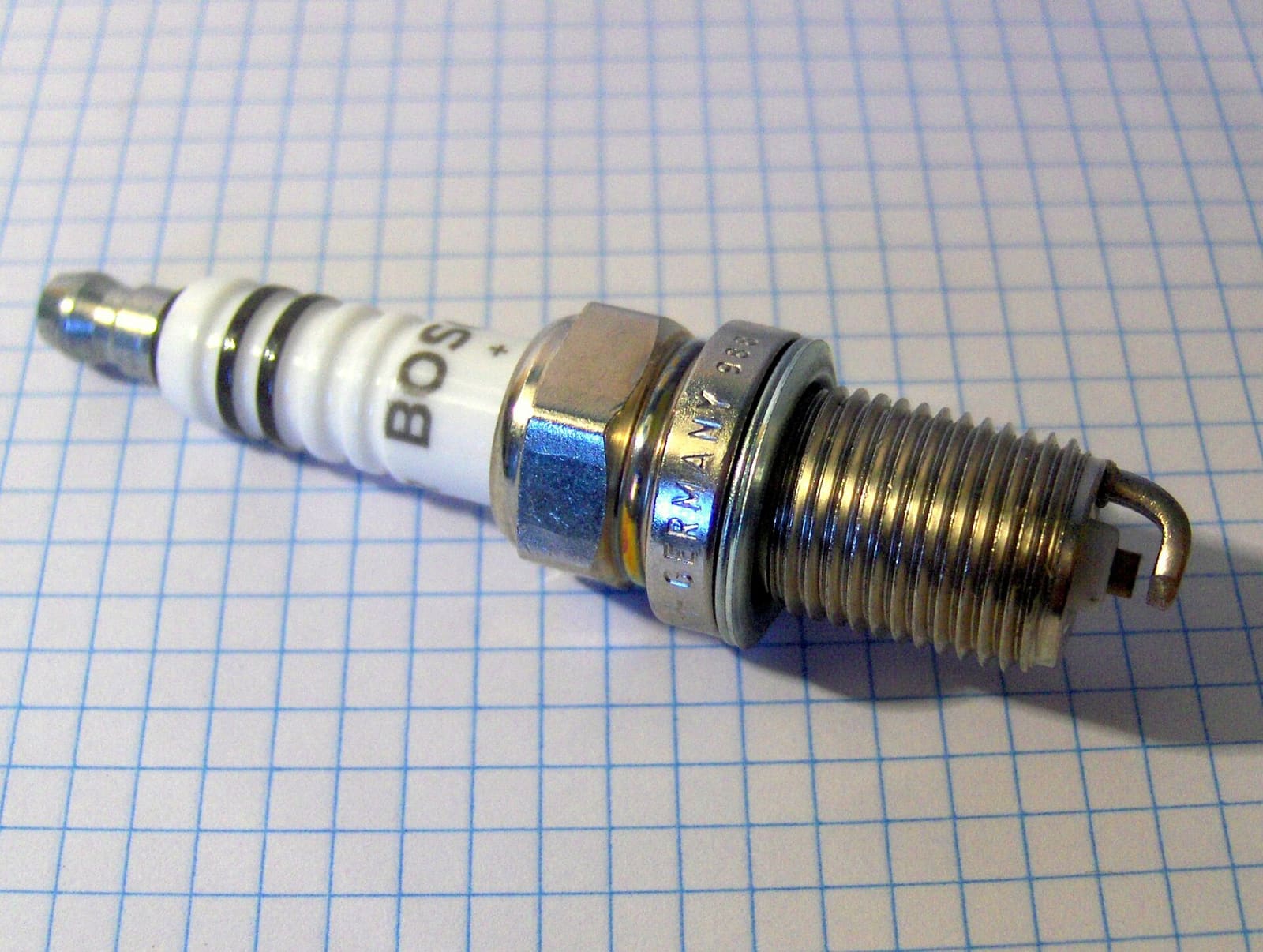
How to Inspect and Replace Spark Plugs
Pull, read and replace the spark plugs on a gas outboard, sterndrive, inboard or PWC. Fresh, correctly gapped plugs help the engine start easily and run smoothly, and the old plugs tell you a lot about the engine's health.
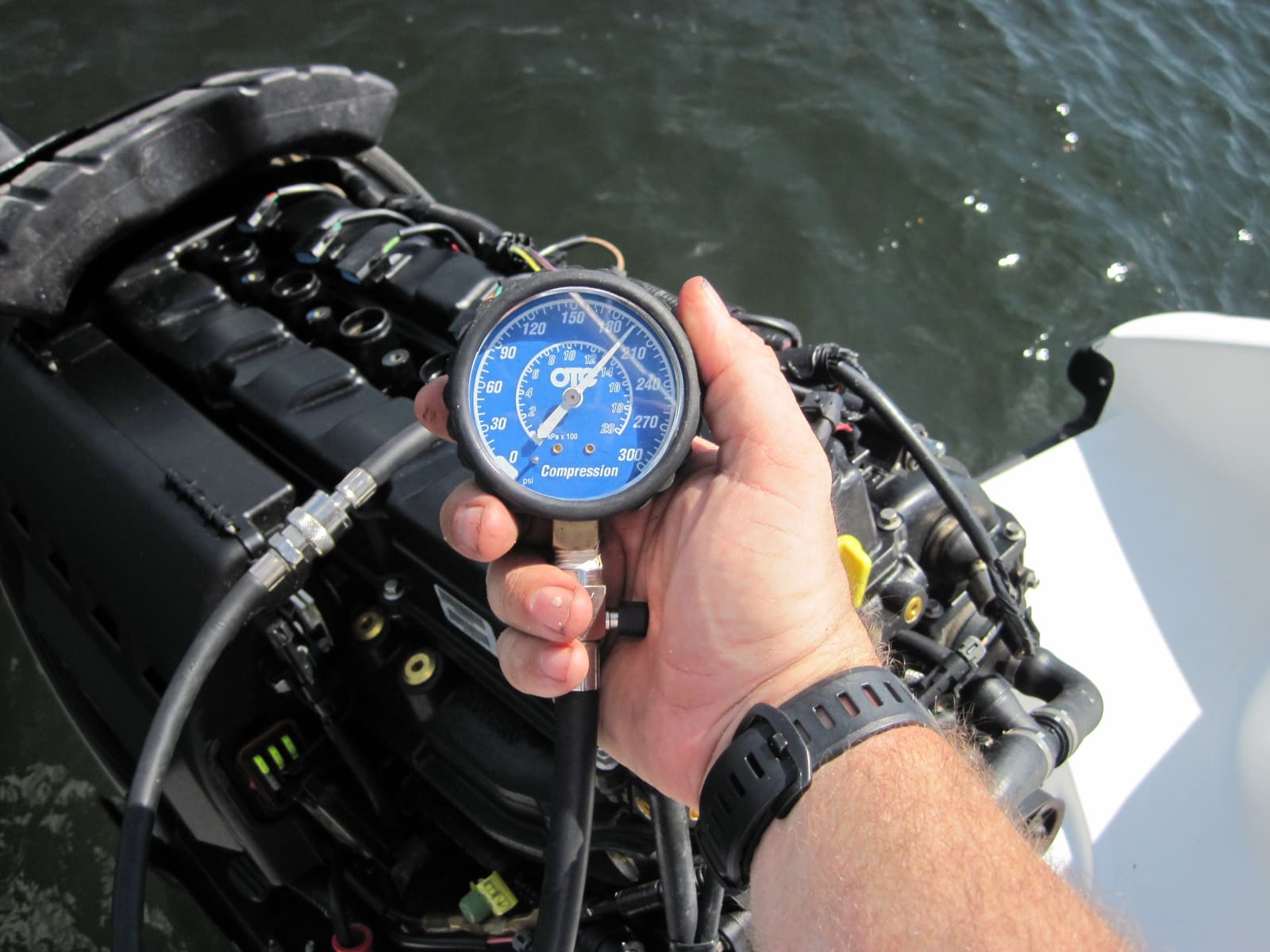
How to Do a Compression Test on an Outboard, Sterndrive, Inboard or PWC
A compression test tells you whether the pistons, rings, valves and head gasket in each cylinder are sealing. Learn when to do one, how to do it safely, how to read the numbers by comparing cylinders, and what a wet test and a leak-down test add.

Ethanol (E10) Fuel Care: Stabilizer, Phase Separation, Fuel Lines and Tank Vents
Keep E10 gasoline from damaging your boat engine. Learn how to use stabilizer, test for water and phase separation, and inspect the fuel lines, primer bulb, anti-siphon valve and tank vent. Most fuel-related breakdowns start with one of these.
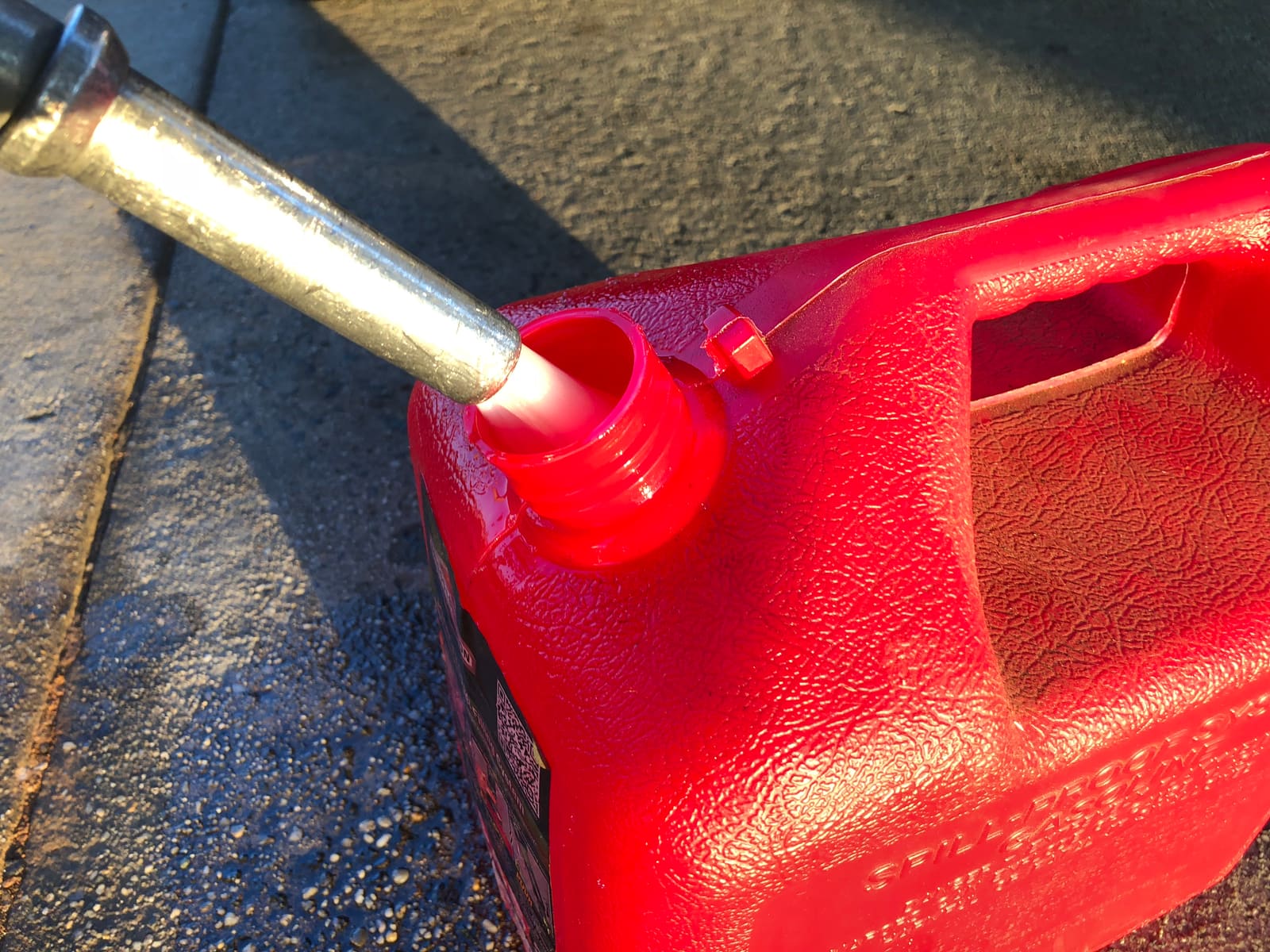
Portable Gas Cans and Fuel Storage: Filling, Storing at Home and Aboard, and Getting Rid of Old Gas
Gas cans and portable boat tanks are handy and dangerous in equal measure. Learn what makes a modern can compliant, why you always fill it on the ground, how to store gasoline at home and on the boat, how long ethanol fuel really lasts, and how to dispose of old gas legally.
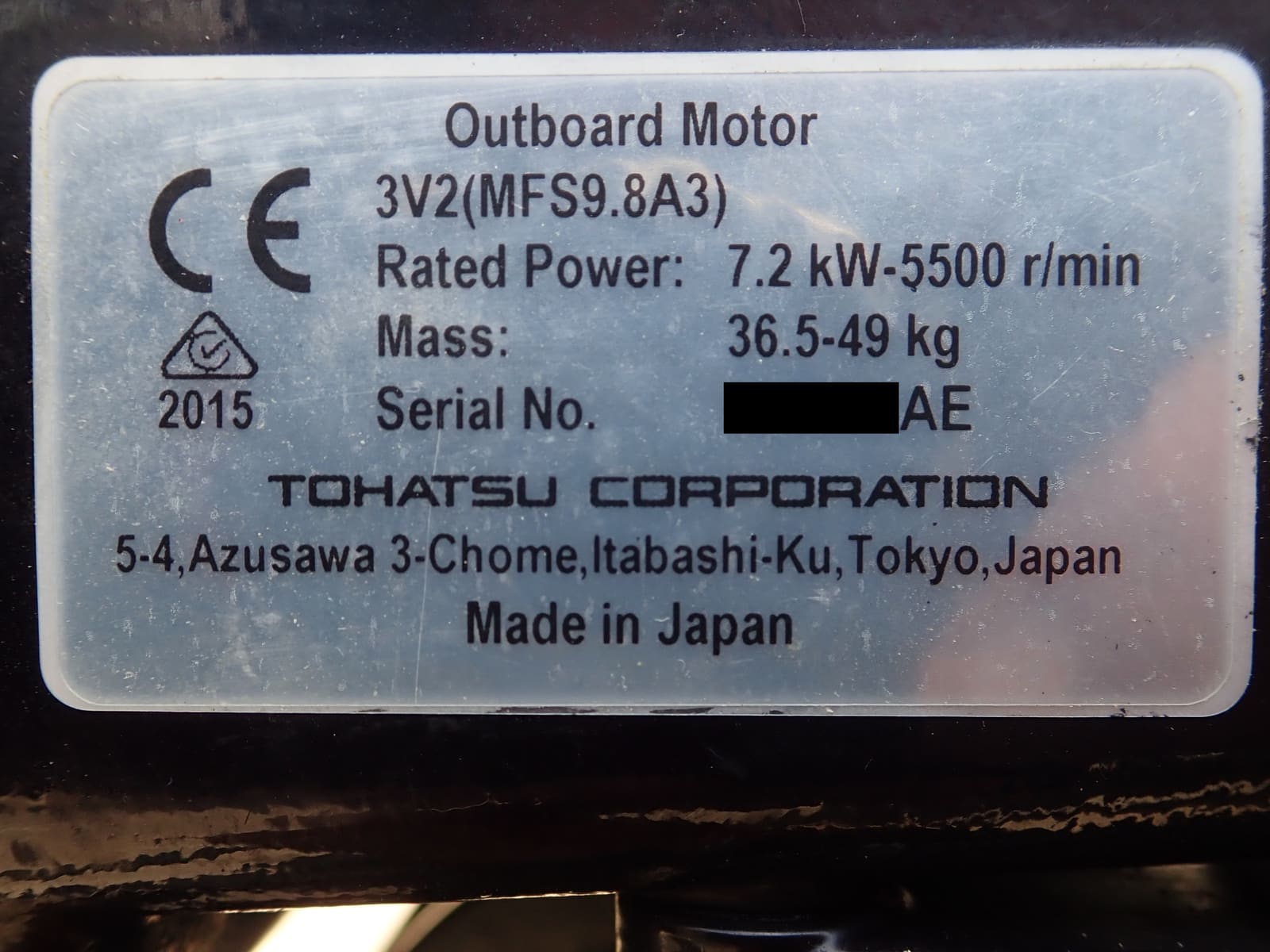
How to Find Your Engine's Serial Number, Model and Year (and Get the Official Manual)
Find the ID label on your outboard, sterndrive, inboard diesel or PWC, read the model and serial number correctly, tell it apart from the boat's HIN, and use it to open the free official owner's manual. It's the first step for ordering the right parts and following the right maintenance plan.

How to Inspect a Used Boat Before You Buy
A step-by-step checklist for looking over a used boat, from paperwork and the hull ID number to the transom, engine, compression test, sea trial and trailer. Know what to check yourself, what the red flags mean, and when to pay a marine surveyor.
Boat Fuel Additives Explained: What Stabilizers, Ethanol Treatments and Boosters Really Do
The marine store shelf is full of bottles that promise to fix fuel problems. Learn what stabilizers, ethanol treatments, water removers, octane and cetane boosters, cleaners and diesel biocides actually do, what no additive can do, how to dose them by the label and why you should not stack several products in one tank.