Repair & maintenance guides
Plain-English, step by step, written for owners. Pick your engine to see the guides that apply to it.
51 of 459 guides · page 1 of 3
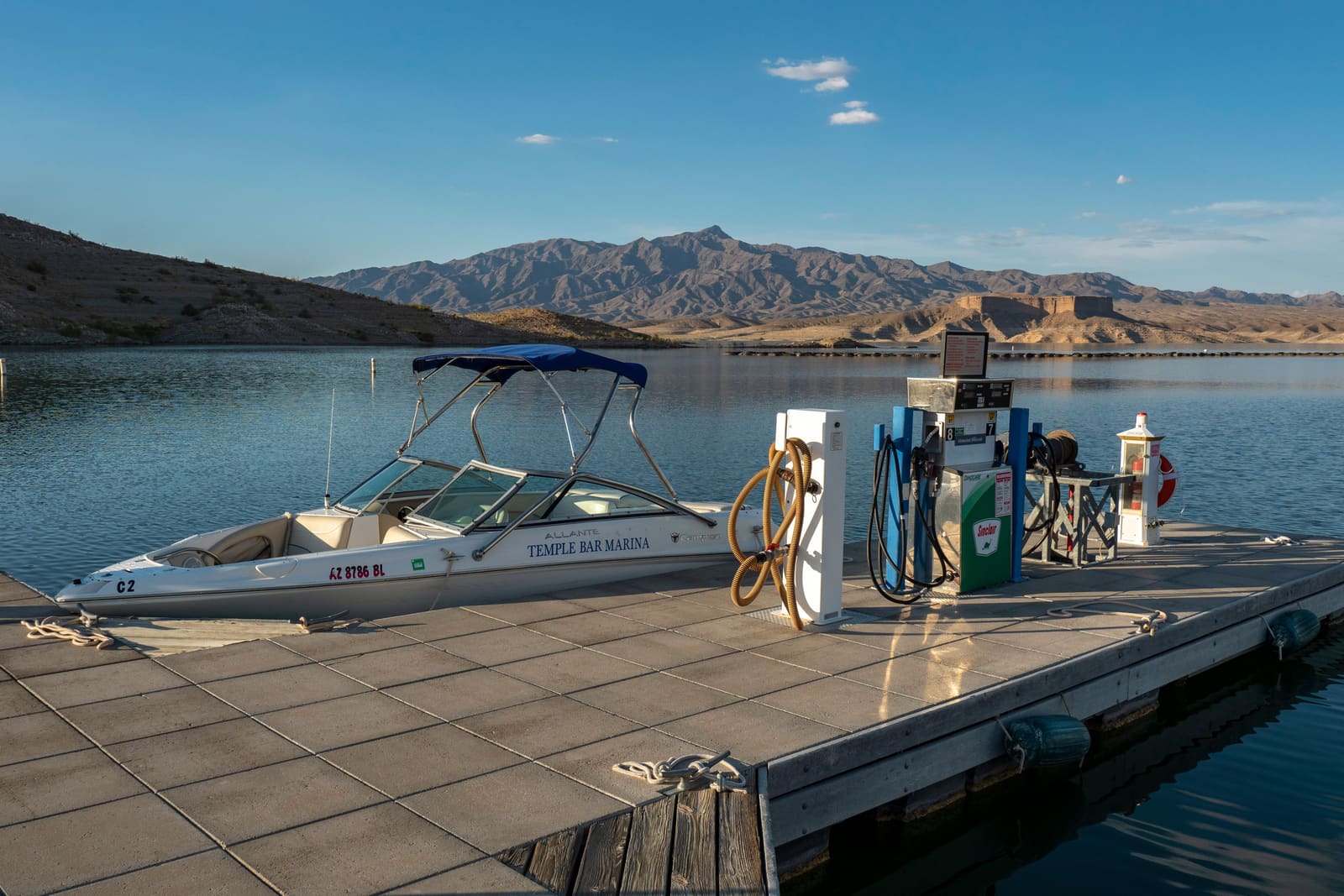
Boat Fuel Additives Explained: What Stabilizers, Ethanol Treatments and Boosters Really Do
The marine store shelf is full of bottles that promise to fix fuel problems. Learn what stabilizers, ethanol treatments, water removers, octane and cetane boosters, cleaners and diesel biocides actually do, what no additive can do, how to dose them by the label and why you should not stack several products in one tank.

Boating on High-Altitude Lakes: Power Loss, Prop Changes, Cold Water and Mountain Weather
Engines lose roughly 3% of their power for every 1,000 feet of elevation, so a boat that flew at sea level can struggle on a mountain lake. Learn what's normal, when a lower-pitch prop or a dealer adjustment helps, and how to handle the strong sun, cold water and fast-changing weather up high.

Damaged Propeller: Repair It or Replace It?
Decide whether a bent, chipped or spun prop is worth sending to a prop shop or should be replaced, what a shop can actually fix on aluminum and stainless props, and how to keep the boat running the same afterward.
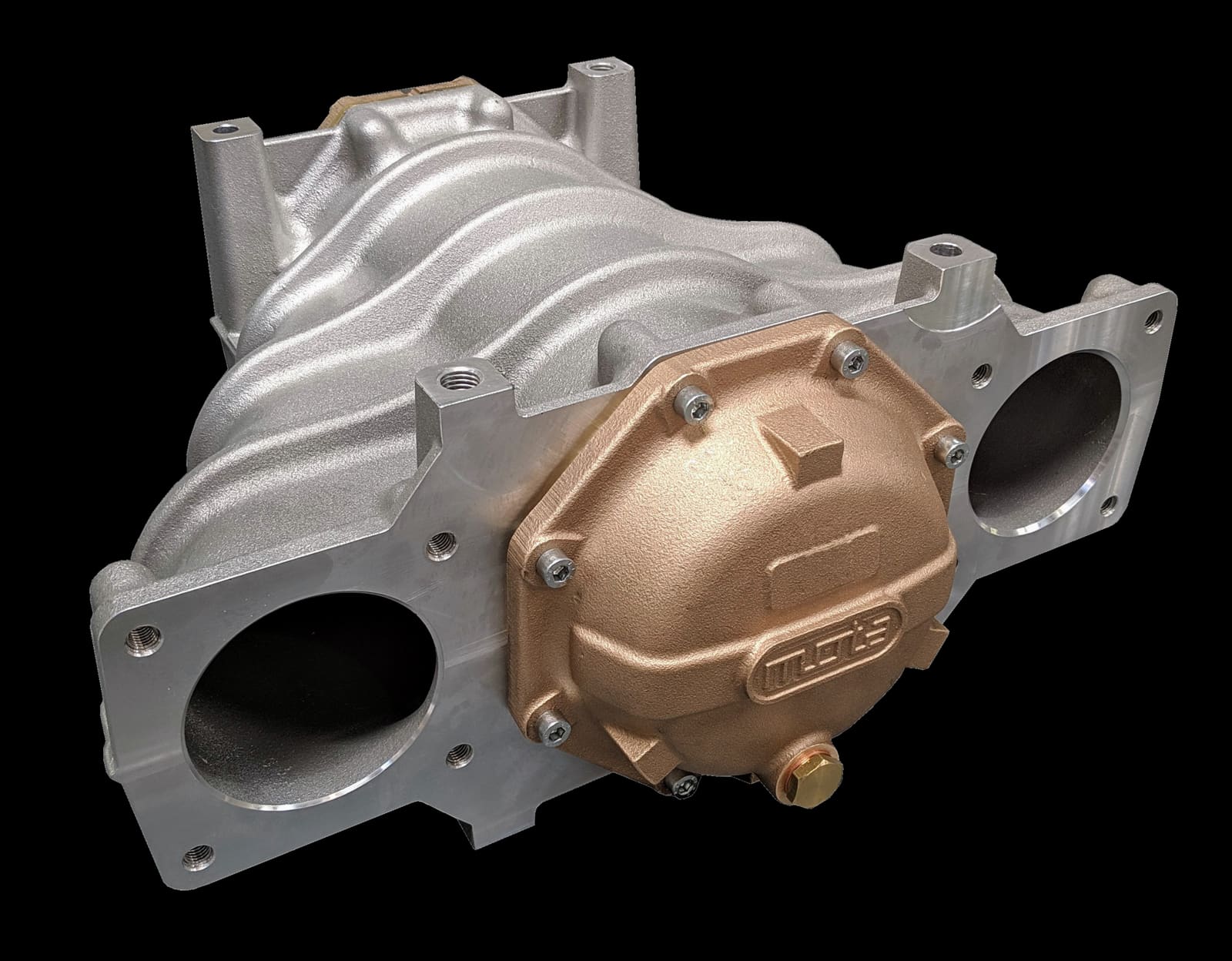
Diesel Aftercooler (Charge-Air Cooler) Care: Why It Needs Service and Warning Signs
Many turbo diesels cool their intake air in an aftercooler with raw seawater running through it. If that cooler corrodes through, seawater can reach the cylinders and wreck the engine. Learn how to tell which type you have, the warning signs, the owner checks, and why the periodic removal and cleaning is a job for a pro.
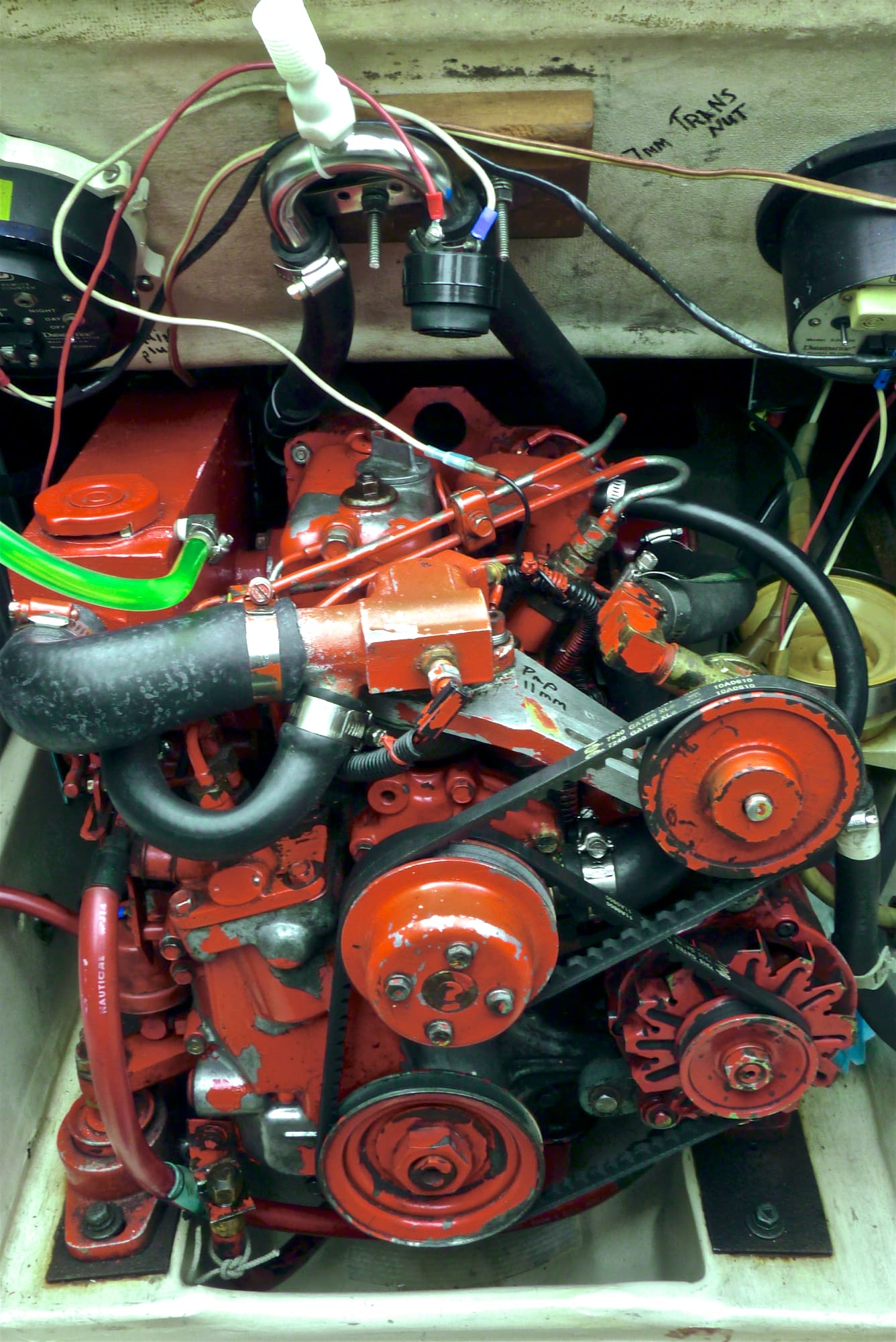
Diesel Heat Exchanger Service: Zincs, End Caps, Tube Cleaning and Pressure Testing
Your diesel's heat exchanger moves engine heat into the seawater, and it slowly fills with scale, broken zinc pencils and impeller pieces. Learn how to check the zincs, open the end caps, clean the tubes safely, and when to have the core removed, descaled and pressure-tested by a shop.
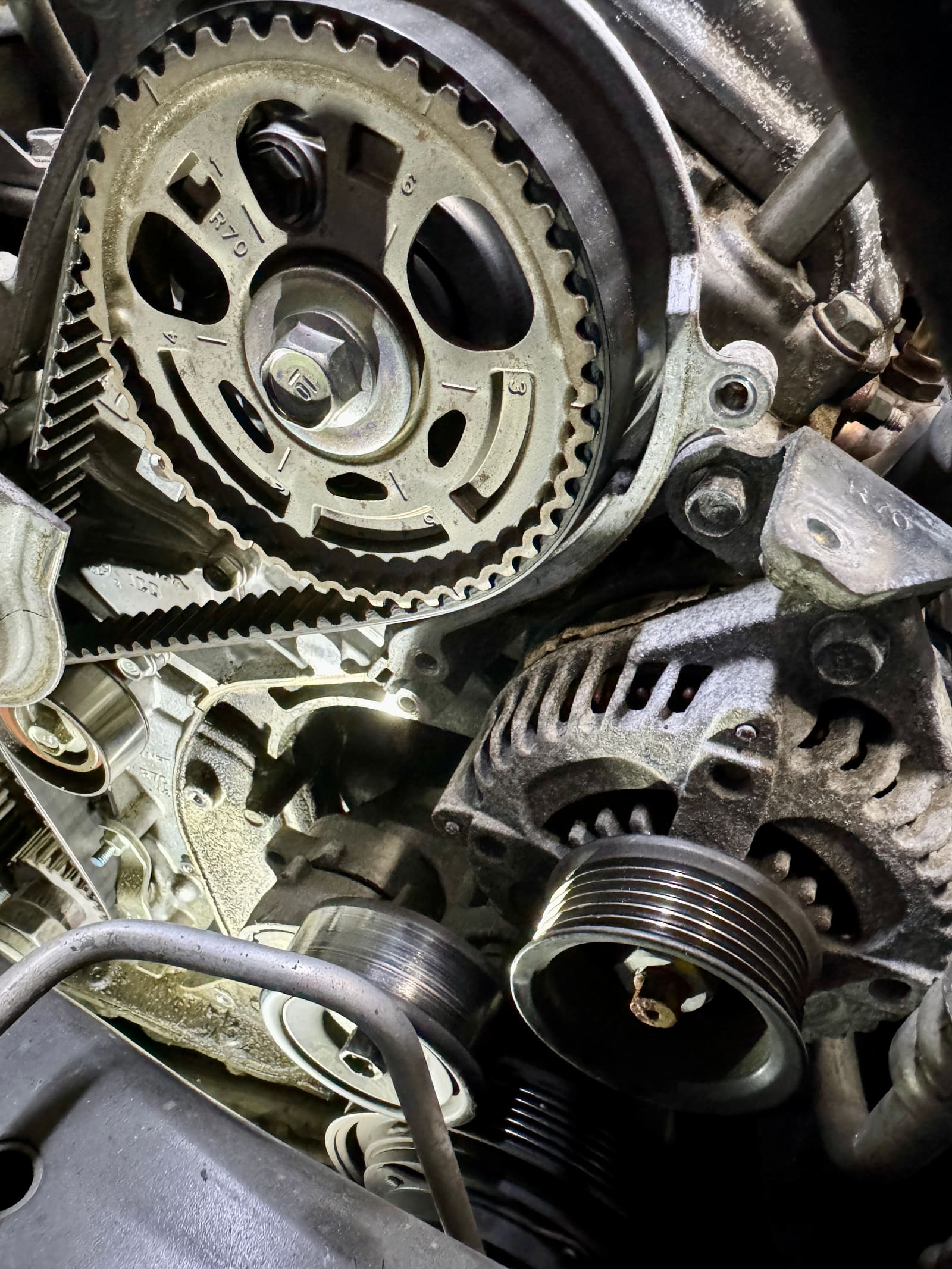
Diesel Timing Belt: Does Your Engine Have One and When to Replace It
Find out whether your marine diesel's camshaft is driven by a rubber timing belt, a chain or gears, and if it is a belt, plan its replacement by hours and by age. A broken timing belt usually wrecks the engine and stops the boat on the spot, so this is one of the few jobs where "it seems fine" is not good enough.
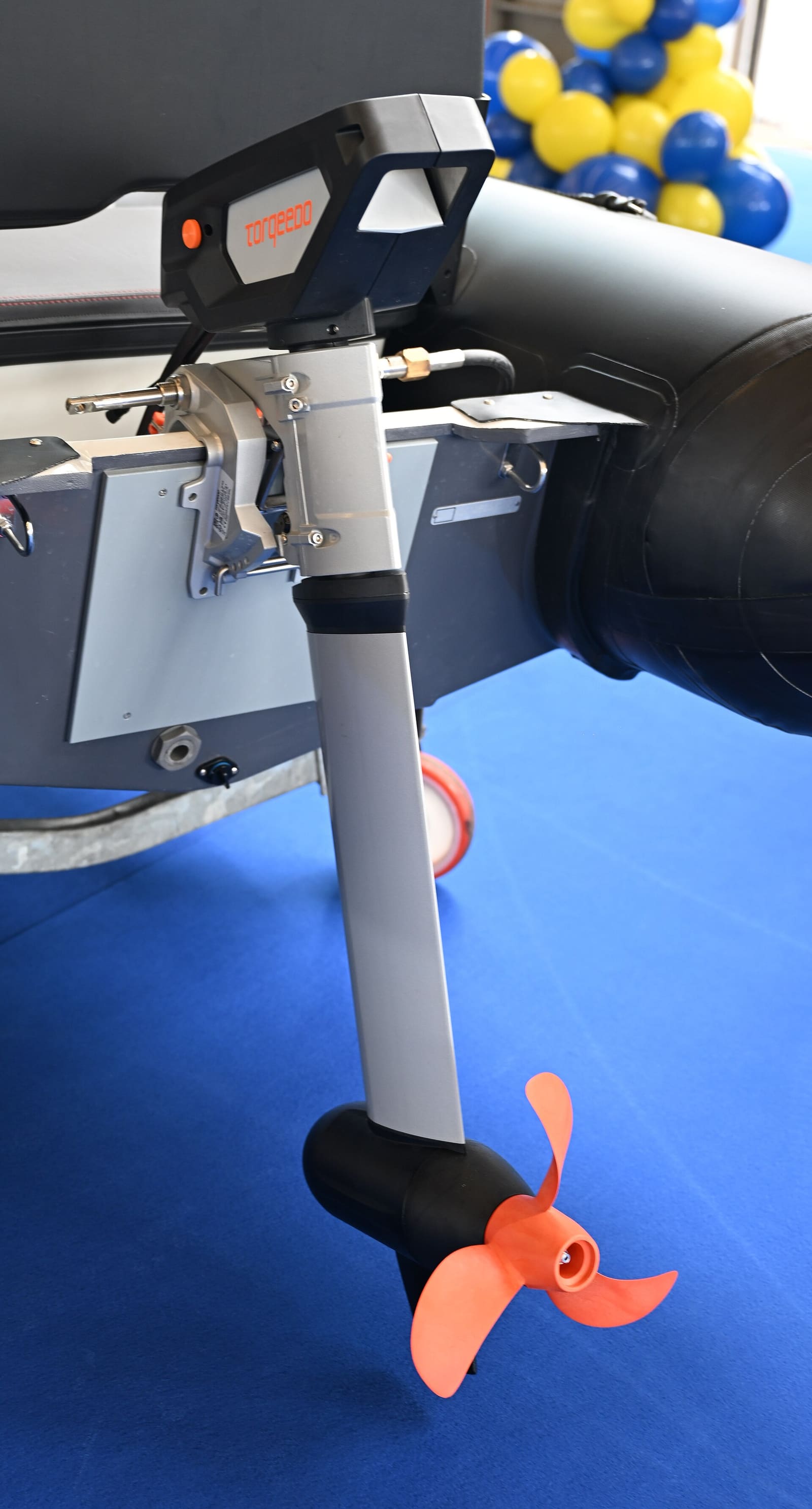
Electric Outboard Care: Battery Storage, Connectors, Saltwater Rinse and Updates
Electric outboards like Torqeedo, Mercury Avator and ePropulsion need far less work than gas engines, but the lithium battery, the connectors and the prop still need care. Charge and store the battery the way the maker says, keep plugs dry and clean, rinse after salt water, check the prop, fin and anodes, install updates, and follow the rules for transporting lithium batteries.
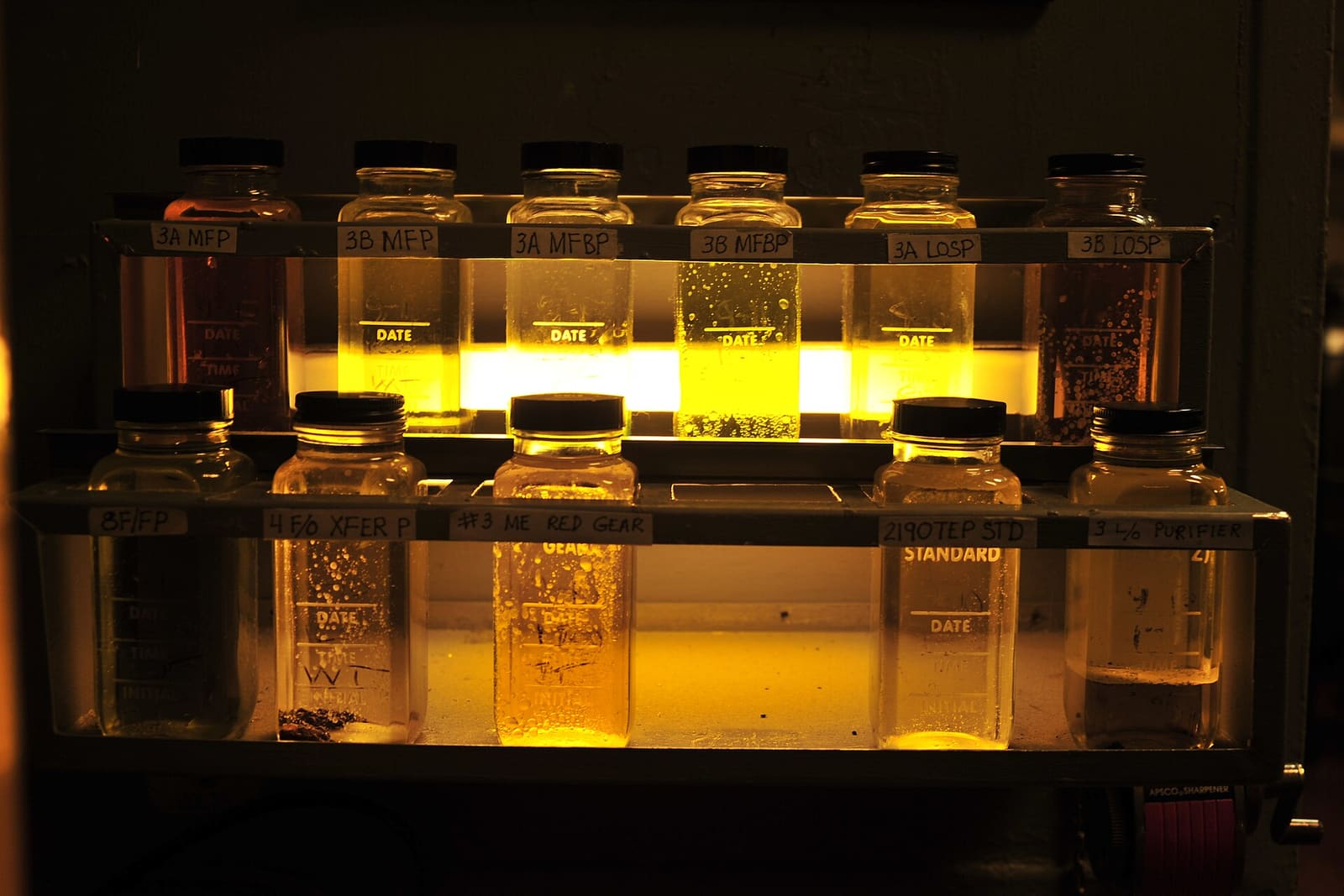
Engine and Gearbox Oil Analysis: How to Take a Clean Sample and Read the Report
A lab oil analysis is like a blood test for your engine, transmission or lower unit. Learn how to pull a clean sample, what the lab measures, what wear metals, coolant, sea water and fuel in the oil can mean, and why the trend over several samples matters more than any one number.
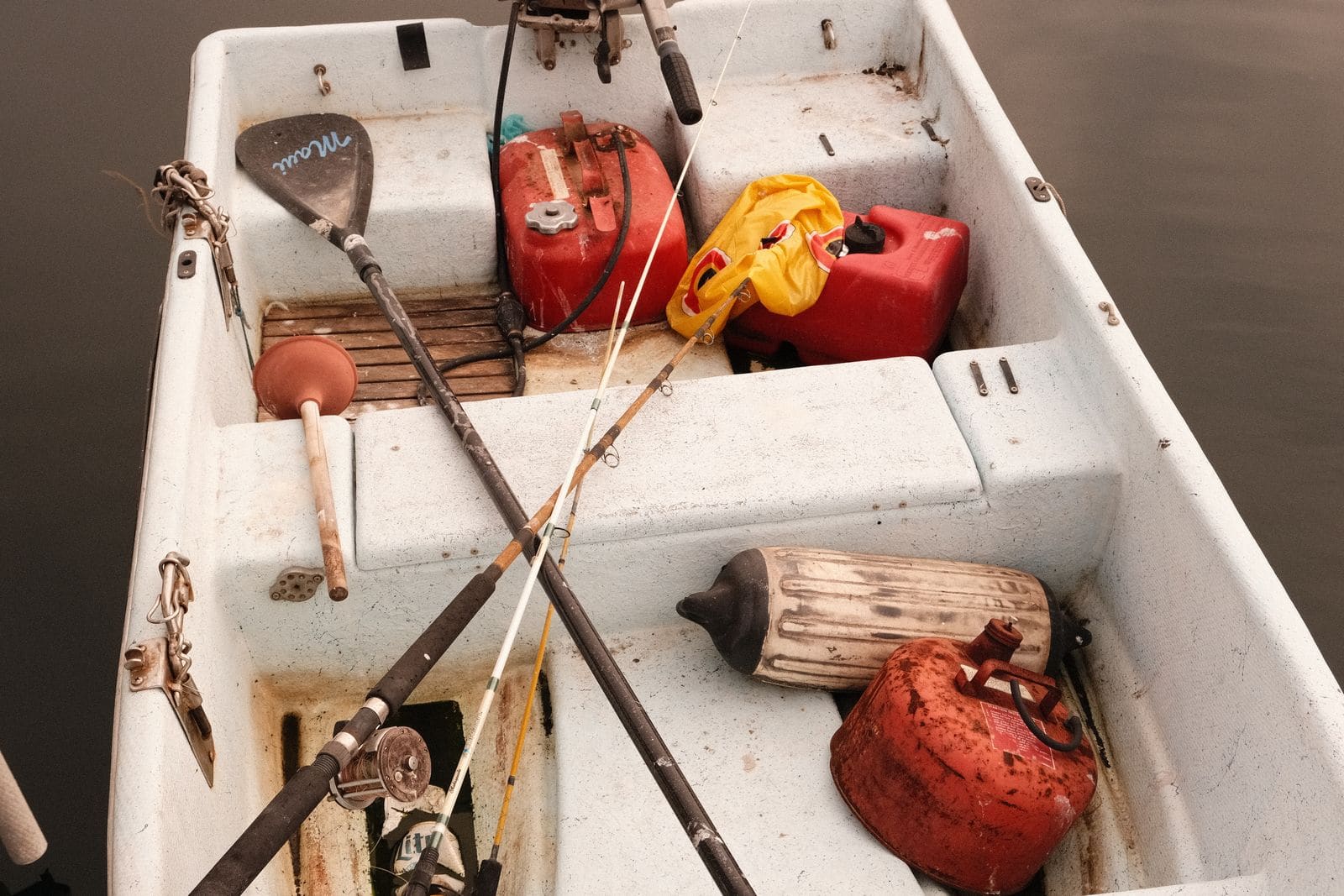
Ethanol (E10) Fuel Care: Stabilizer, Phase Separation, Fuel Lines and Tank Vents
Keep E10 gasoline from damaging your boat engine. Learn how to use stabilizer, test for water and phase separation, and inspect the fuel lines, primer bulb, anti-siphon valve and tank vent. Most fuel-related breakdowns start with one of these.
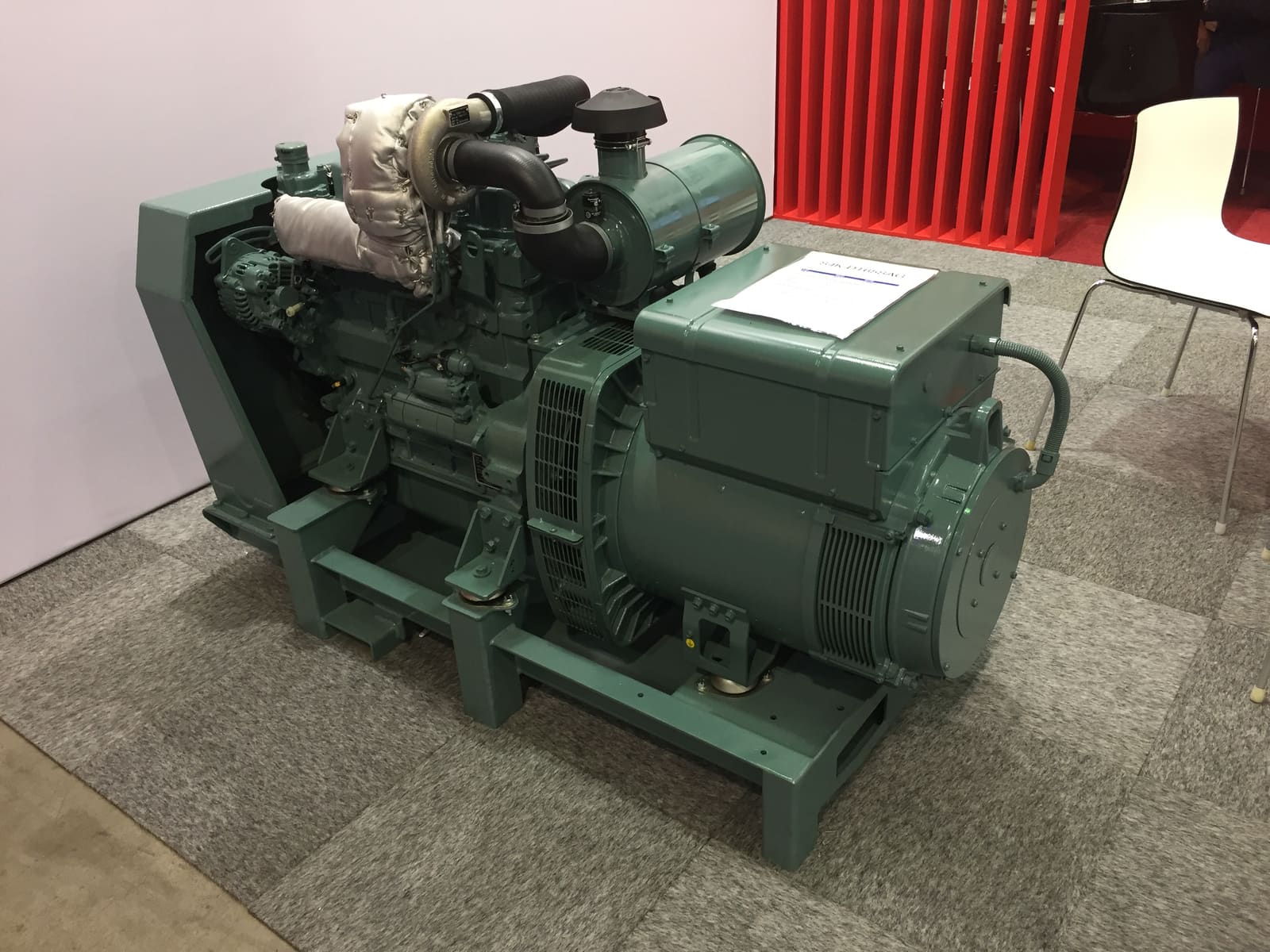
Generator Pre-Trip Check: What to Inspect and Test Before a Cruise
A marine generator that quits on the first hot night of a cruise usually gave warning signs at the dock. Use this pre-departure checklist, based on generator makers' own advice, to inspect the oil, coolant, belt, raw-water side, exhaust and CO alarms, run the set under real load, and pack the right spares.
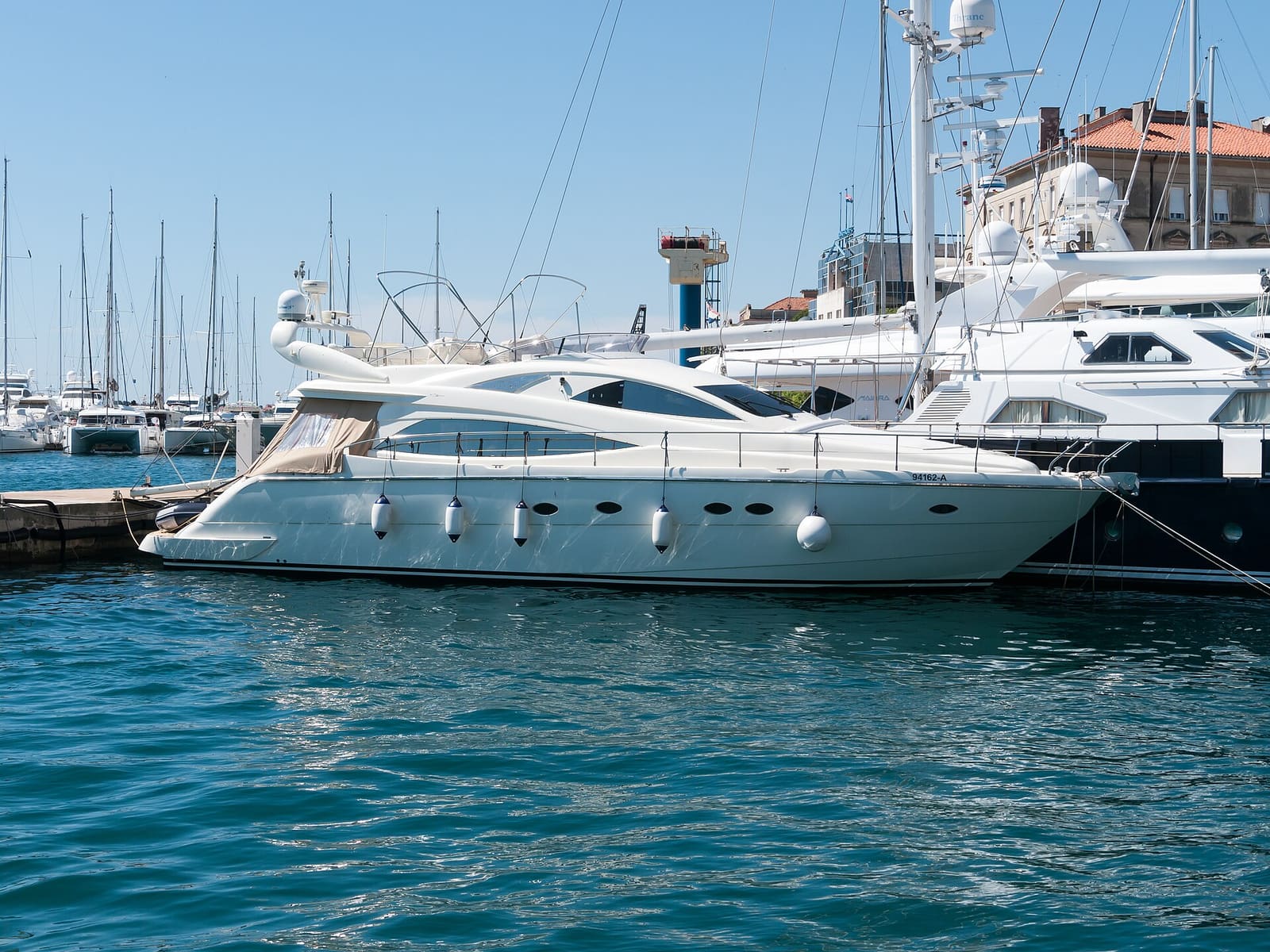
Gyro Stabilizer Care: Owner Checks for Seakeeper and Other Boat Gyros
A gyro stabilizer needs little from you, but what it needs matters. Learn how to start and shut it down correctly, keep its seawater cooling and zinc in shape, rinse it, read its hours and alarms, winterize it, and know which jobs belong to a certified dealer.
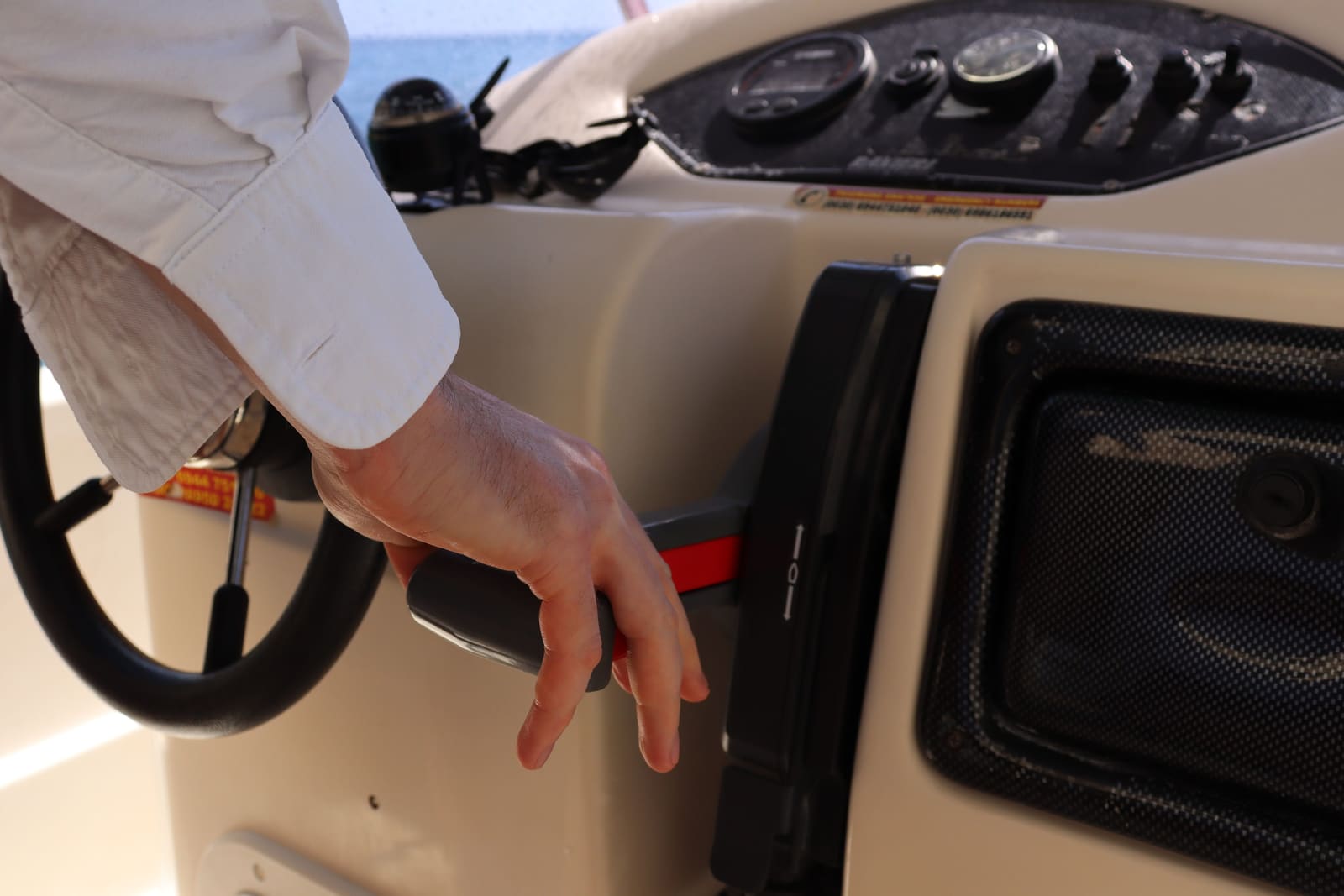
How to Break In a New or Rebuilt Boat Engine
The first hours on a new or rebuilt engine decide how well its piston rings seat and how long it lasts. Learn how to follow your maker's hour and RPM schedule, why you should keep changing the throttle, what to avoid (constant RPM, early full throttle, long idling), what to check every trip and when to do the first oil change.
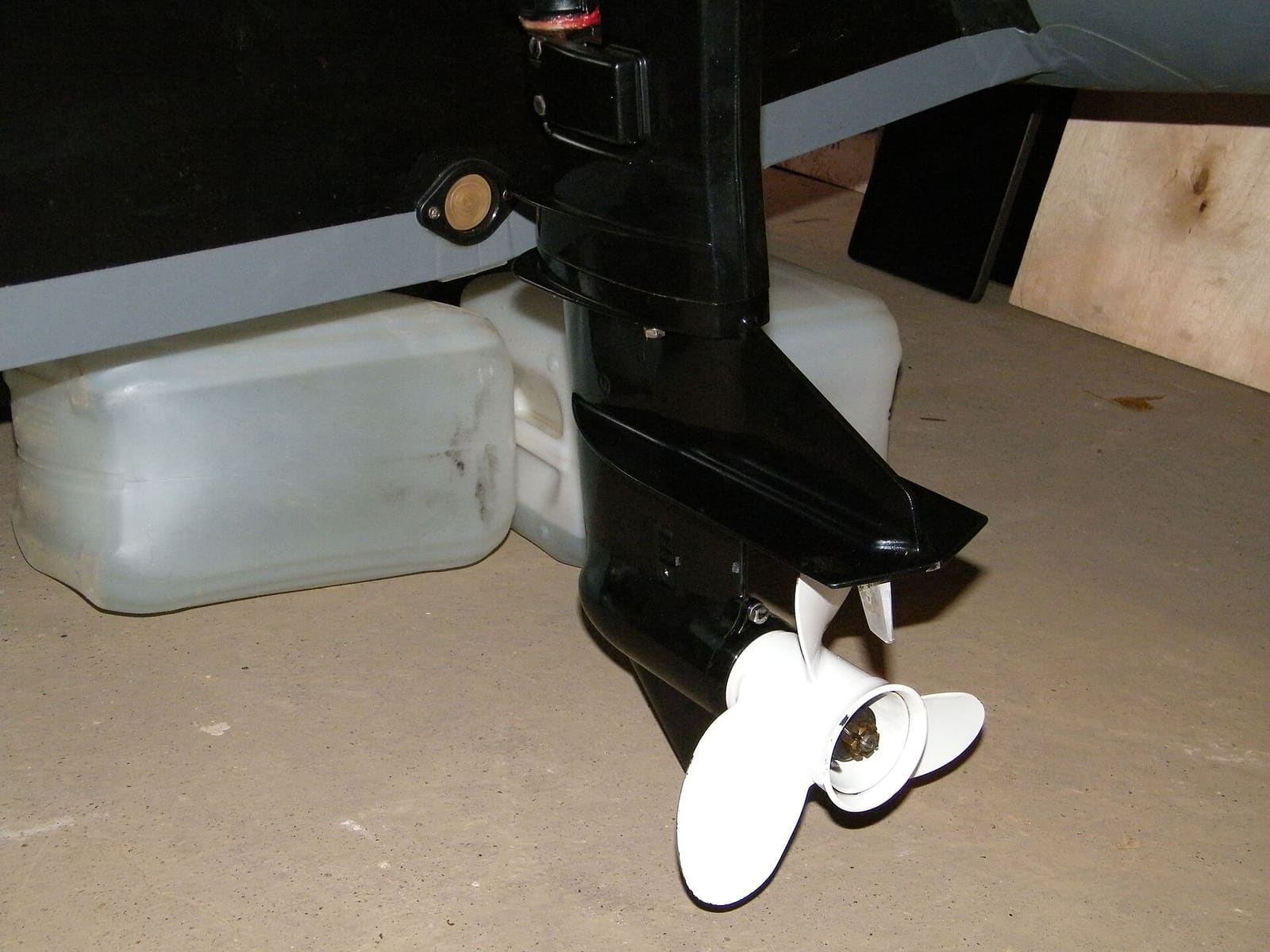
How to Change Lower Unit (Gearcase) and Sterndrive Oil
Drain and refill the gear oil in your outboard lower unit or sterndrive, and learn to spot water intrusion before it destroys the gears. It is a 30-minute job that protects a gearcase costing thousands to replace.
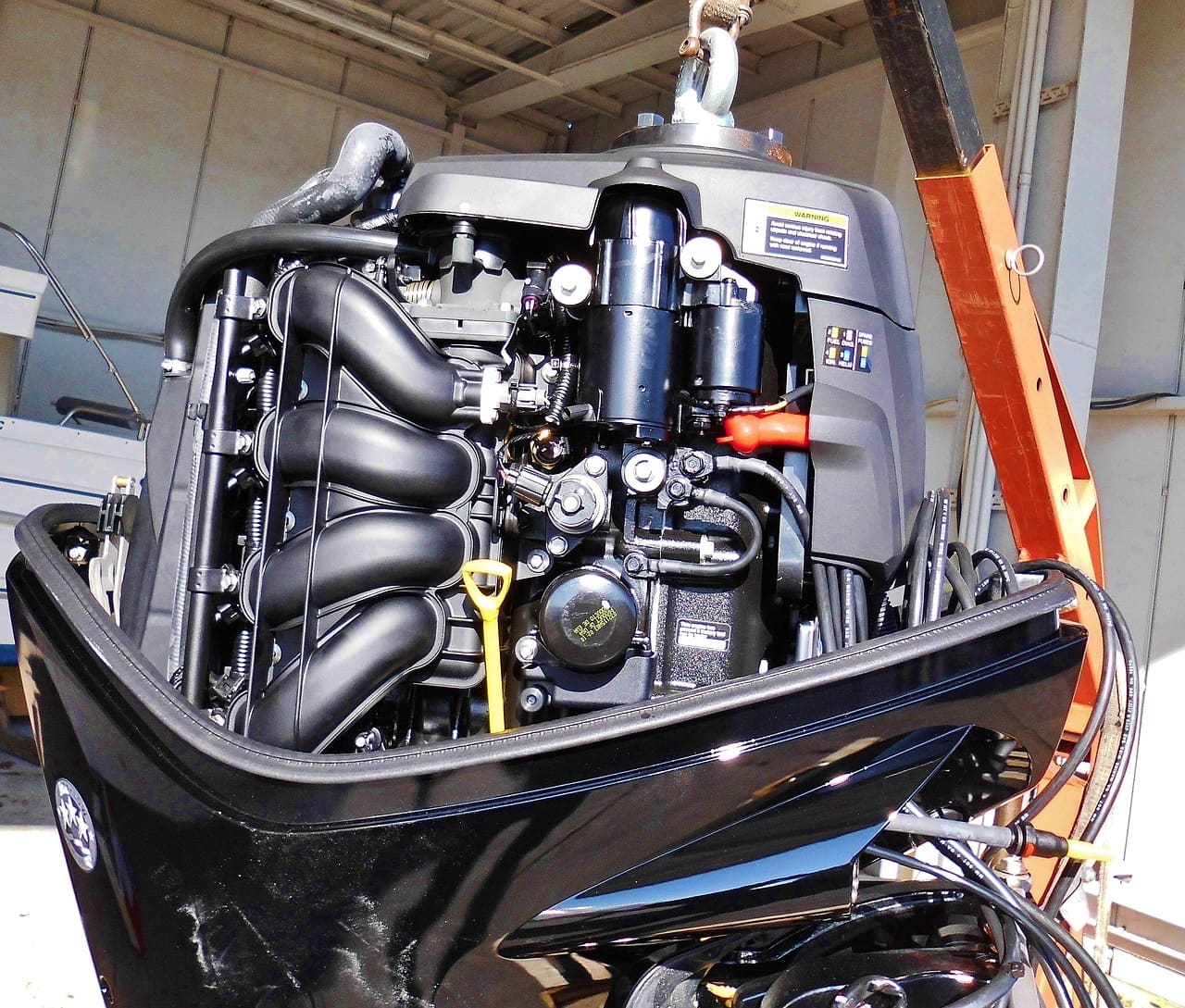
How to Change the Oil and Filter on a 4-Stroke Outboard
Drain the old oil, swap the filter and refill with the right marine oil on your 4-stroke outboard. It is the most common service job, takes about an hour, and costs a fraction of the dealer price.
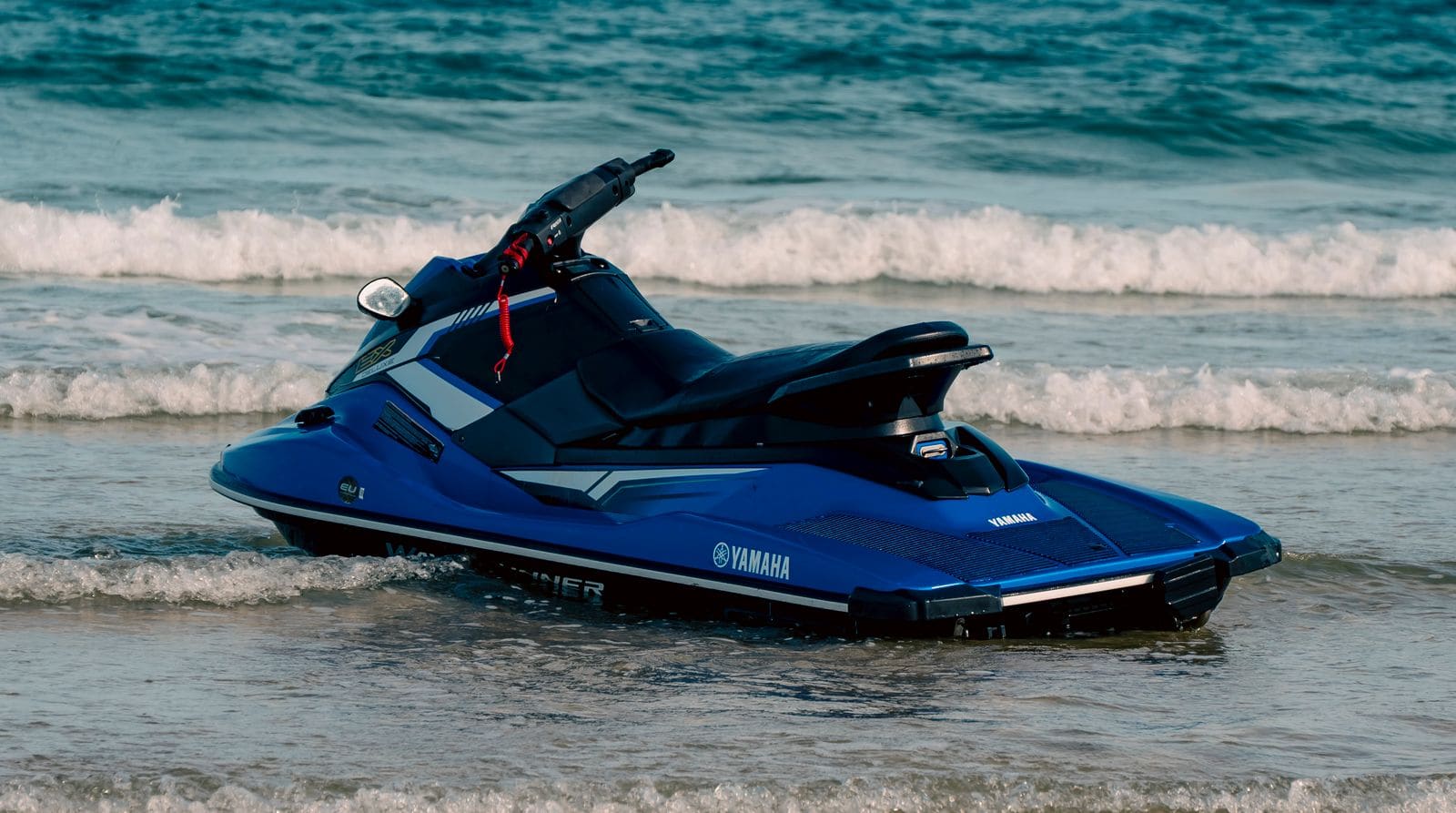
How to Change the Oil and Filter on a Four-Stroke Jet Ski (PWC)
Pump the old oil out through the dipstick tube, swap the filter, refill and check the level the way your model requires. A yearly oil change (or at the hours your manual lists) is the single most important service for a four-stroke Sea-Doo, Yamaha WaveRunner or Kawasaki Jet Ski.
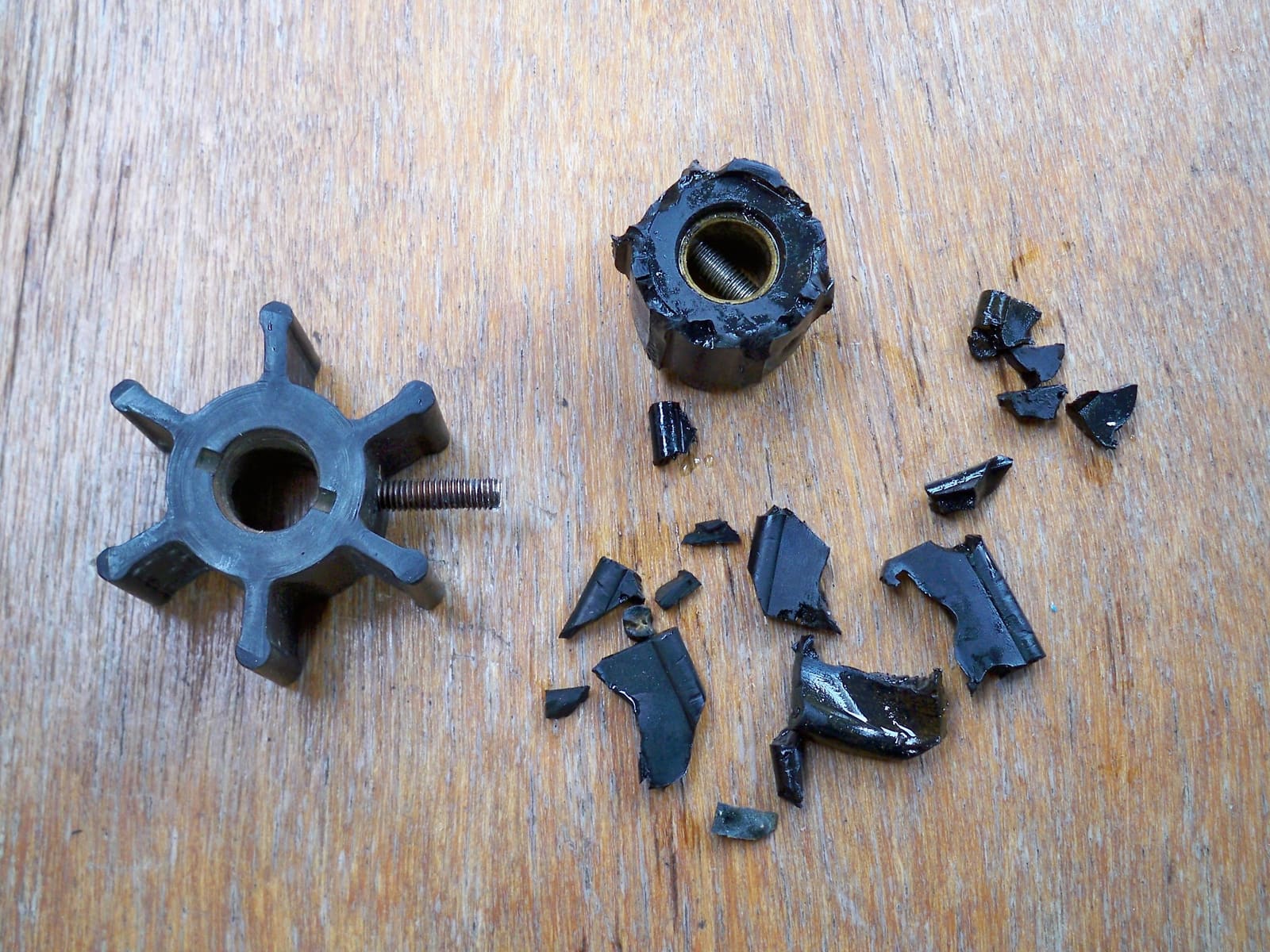
How to Clean the Raw-Water Strainer and Replace the Impeller on a Marine Diesel
Clean the sea strainer and swap the rubber impeller in the raw-water pump of a Yanmar, Volvo Penta, Westerbeke, Beta or similar inboard diesel. A worn impeller is one of the most common reasons a diesel overheats, and this job takes about an hour with basic tools.
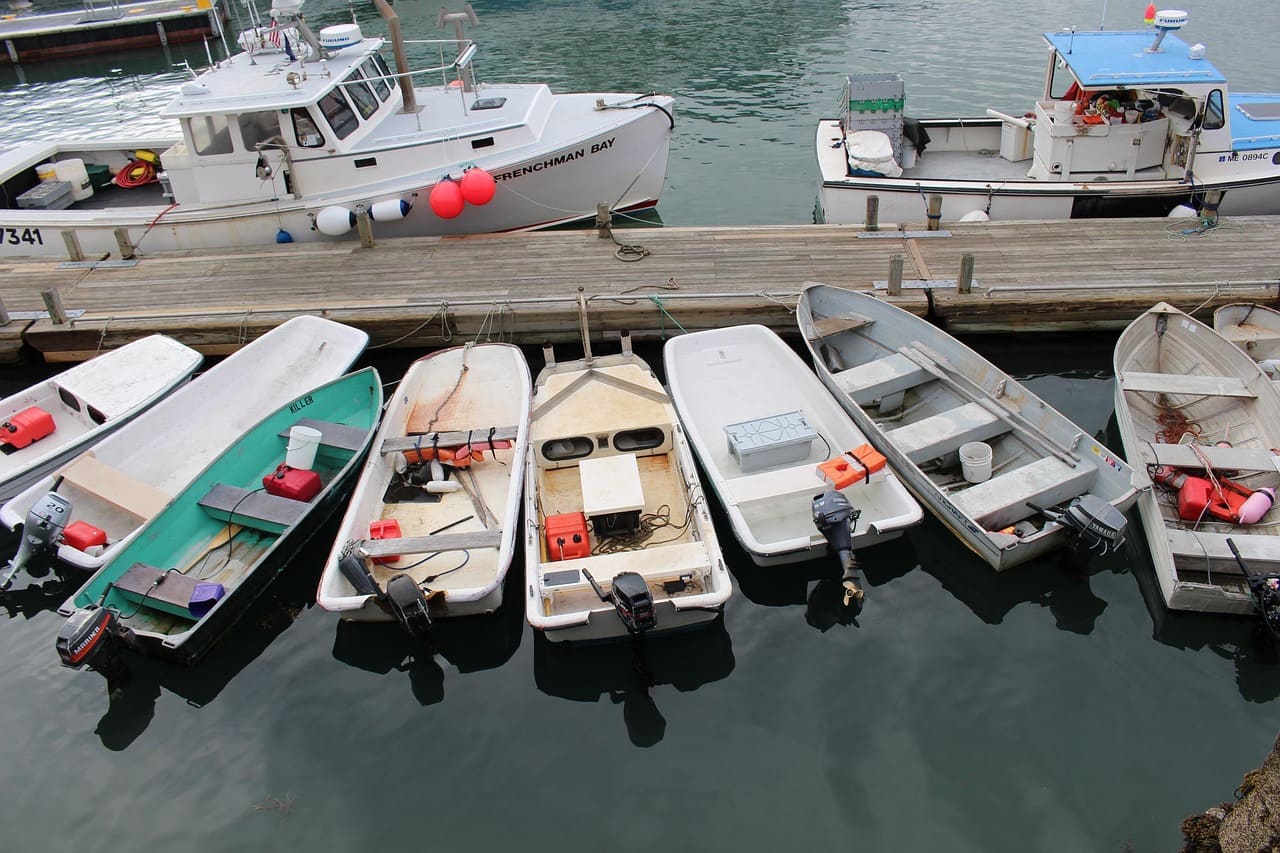
How to Diagnose and Replace an Outboard Primer Bulb
A primer bulb that won't firm up, collapses while you run, stays rock hard or weeps fuel is telling you something. Learn what each symptom means, how to rule out the tank vent and connectors first, then fit a low-permeation bulb with the arrow toward the engine, clamp it right and test it.
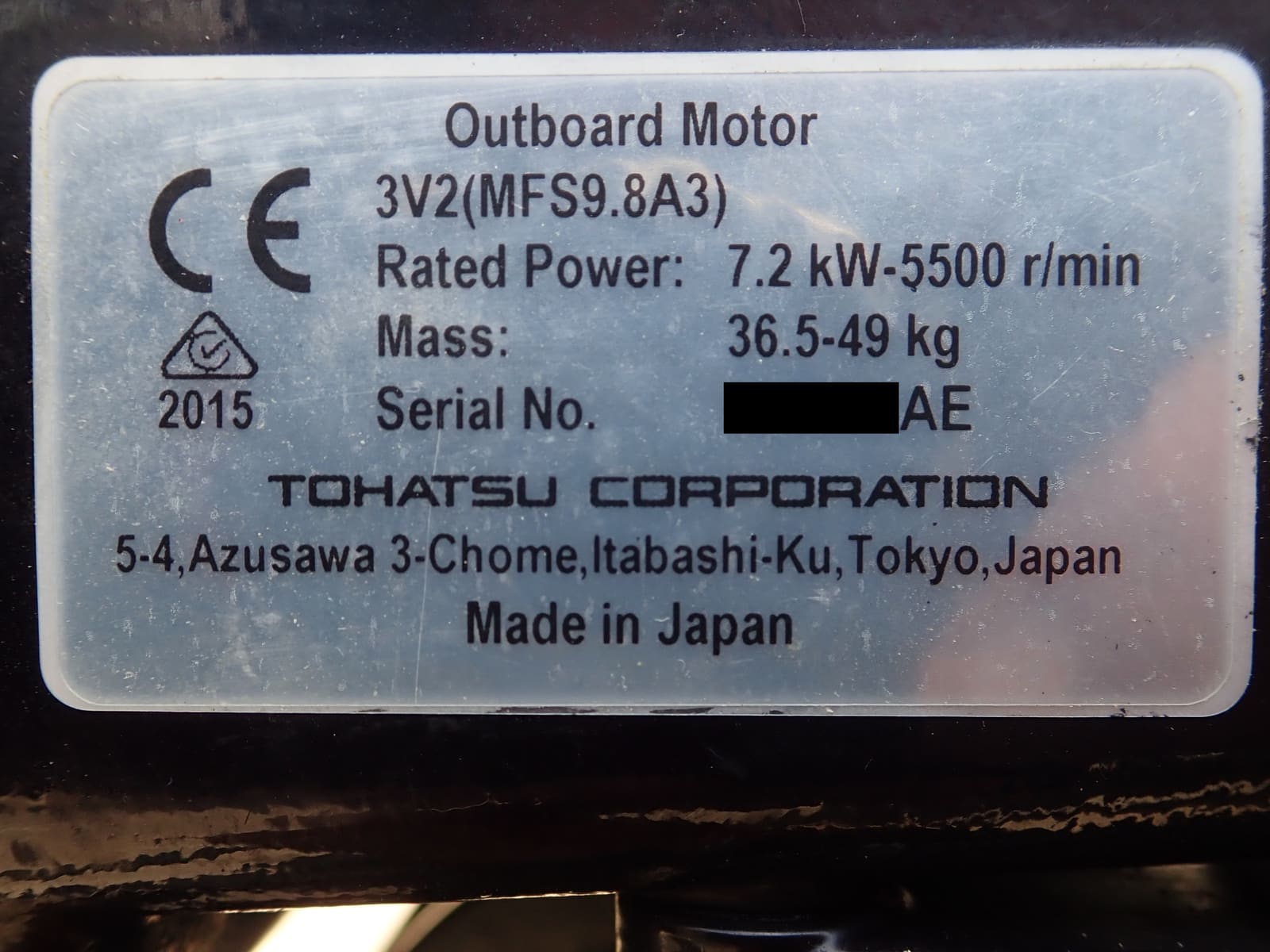
How to Find Your Engine's Serial Number, Model and Year (and Get the Official Manual)
Find the ID label on your outboard, sterndrive, inboard diesel or PWC, read the model and serial number correctly, tell it apart from the boat's HIN, and use it to open the free official owner's manual. It's the first step for ordering the right parts and following the right maintenance plan.
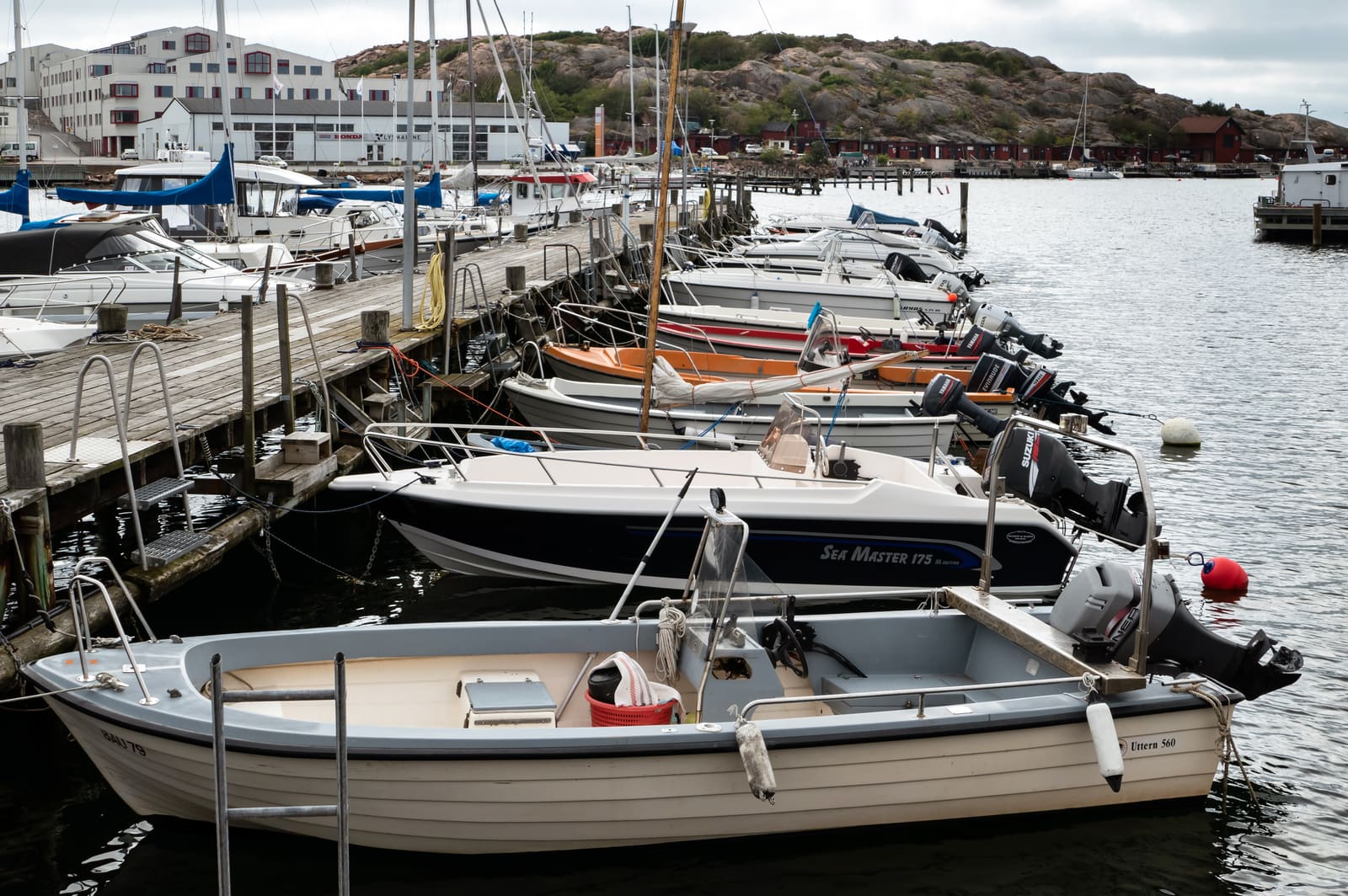
How to Flush an Engine While the Boat Stays in the Water
Boats kept in a saltwater slip, on a mooring or on a lift can't always use flush muffs. Learn how built-in outboard flush ports, sterndrive and inboard flush kits and flush-valve seacocks work, which engines can use them in the water, how to avoid back-flow and hydrolock, and a simple after-every-trip routine.
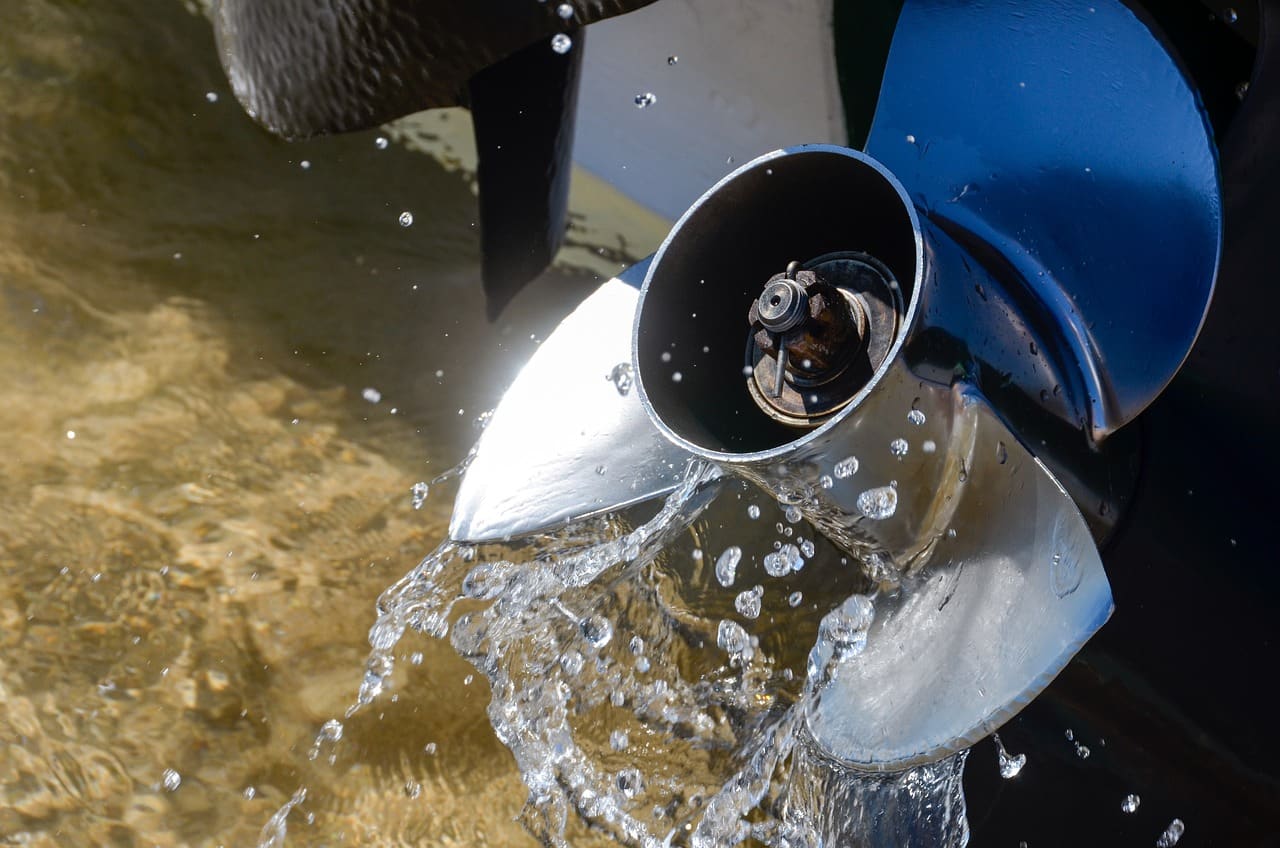
How to Flush Your Engine With Fresh Water
Rinse salt, silt and sand out of your outboard or sterndrive cooling system using the built-in flush port, flush muffs or a flush bag. Flushing after every saltwater trip is one of the easiest ways to prevent corrosion and overheating.
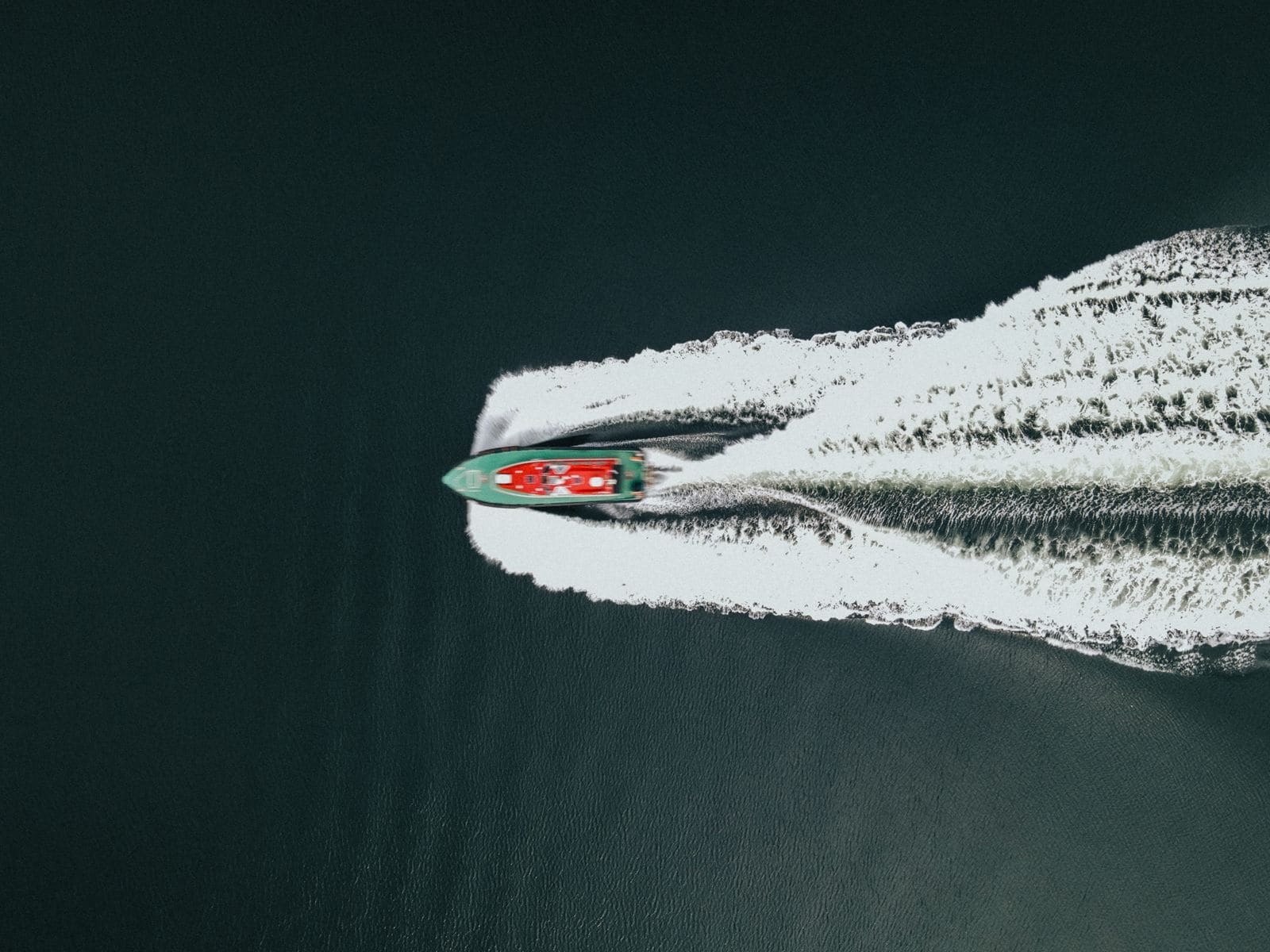
How to Get Better Fuel Economy From Your Boat
Boat fuel is expensive, but most owners can stretch every gallon further without buying anything. Learn how to find your boat's most efficient cruise RPM, why a clean bottom, the right prop, good trim and less weight matter most, which tune-up items count, how fuel flow data helps, and which fuel-saving myths to ignore.
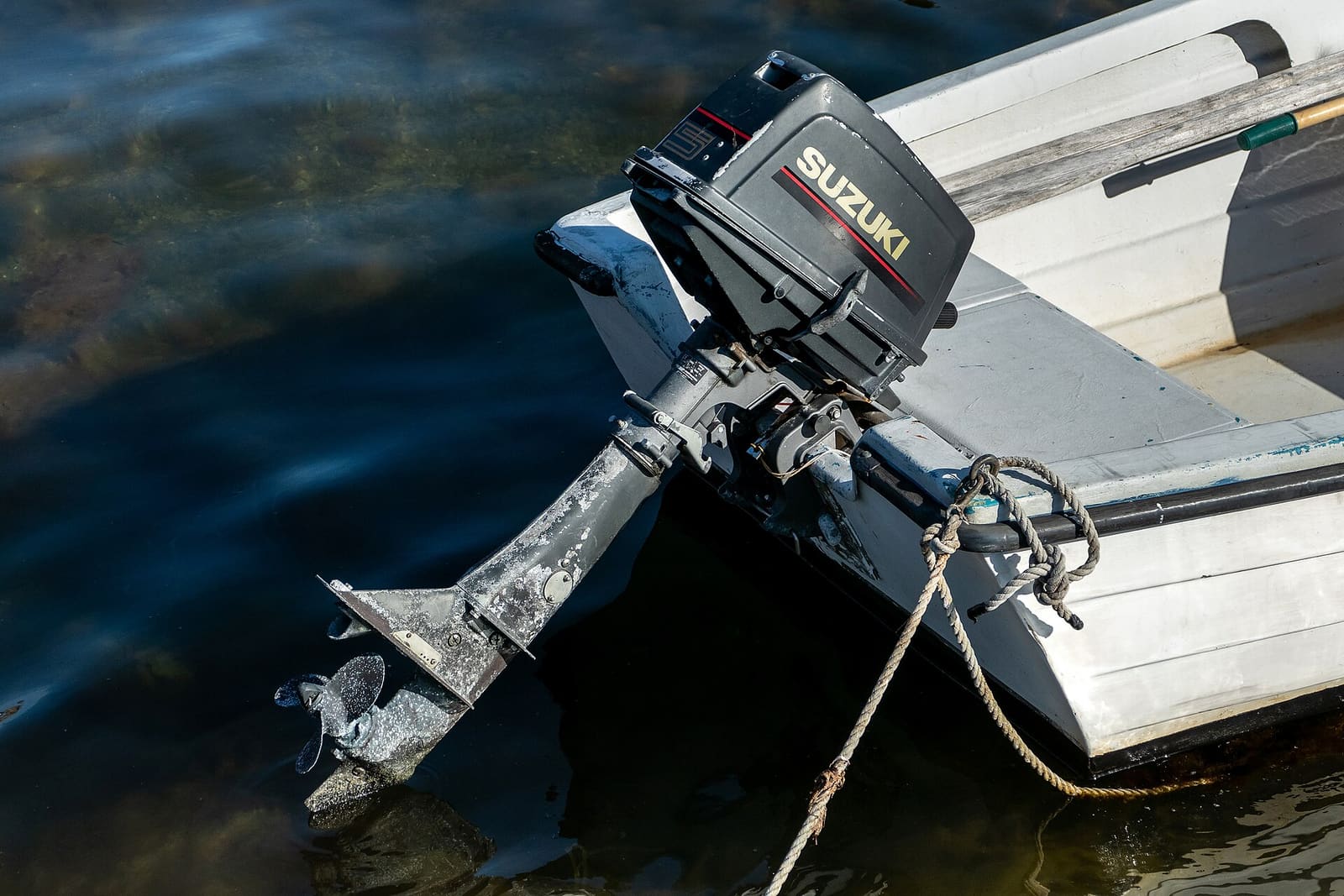
How to Grease Your Outboard's Lubrication Points
Grease the swivel bracket, tilt tube, steering and shift linkages, trim rams and prop shaft splines on your outboard. Grease keeps salt and water out of the moving joints. A 30-minute job once or twice a season prevents seized steering, stuck props and corroded brackets.
How to Inspect and Clean a Raw-Water (Sea) Strainer
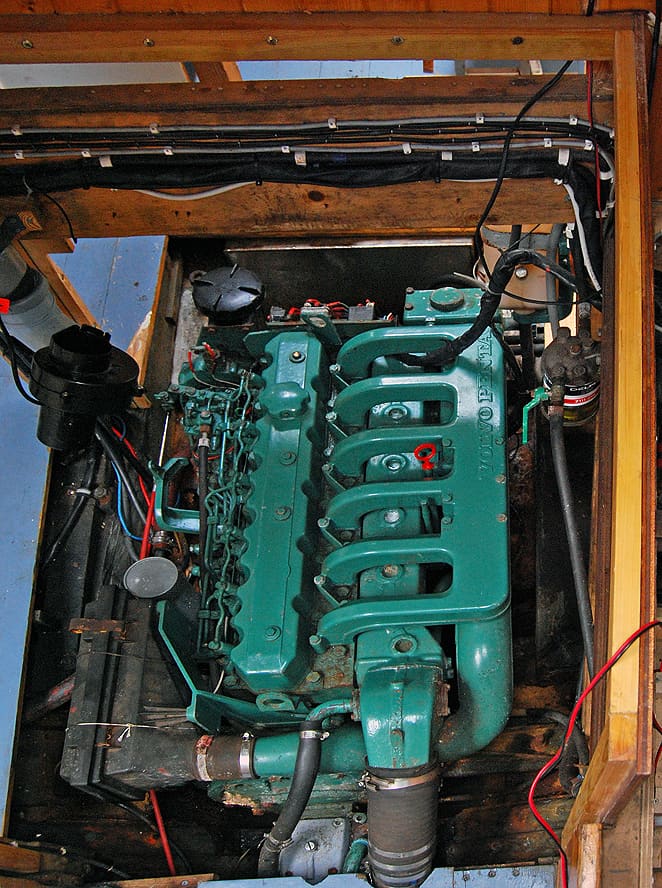
The sea strainer is the cheap screen that keeps weeds, shells and plastic out of your engine, generator and A/C pumps. Learn how to clean it safely with the seacock closed, reseal the lid so it can't suck air, spot a cracked bowl before it floods the boat, and winterize it.
How to Inspect and Replace Exhaust Shutters and Flapper Valves
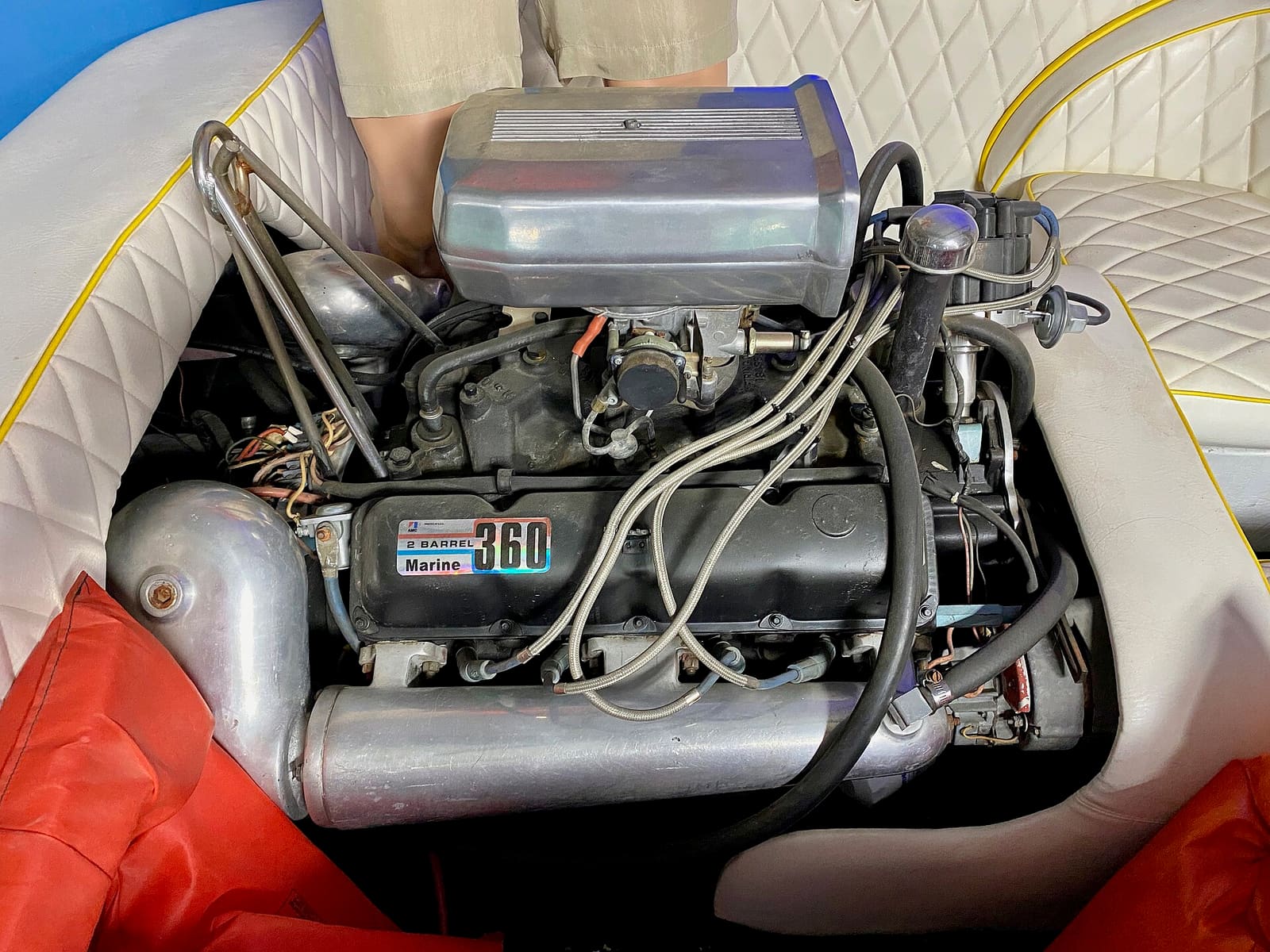
The rubber shutters inside a sterndrive's exhaust and the flappers at an inboard's exhaust outlet are one-way valves that keep water from washing back into the engine. Learn where they are, how they fail, how to check them every year, and why riser service is the perfect time to replace them.
Safety: BoatMend is for information only and does not replace a certified marine technician. You are responsible for your safety and your boat. Read the full disclaimer.