Repair & maintenance guides
Plain-English, step by step, written for owners. Pick your engine to see the guides that apply to it.
459 guides · page 2 of 20
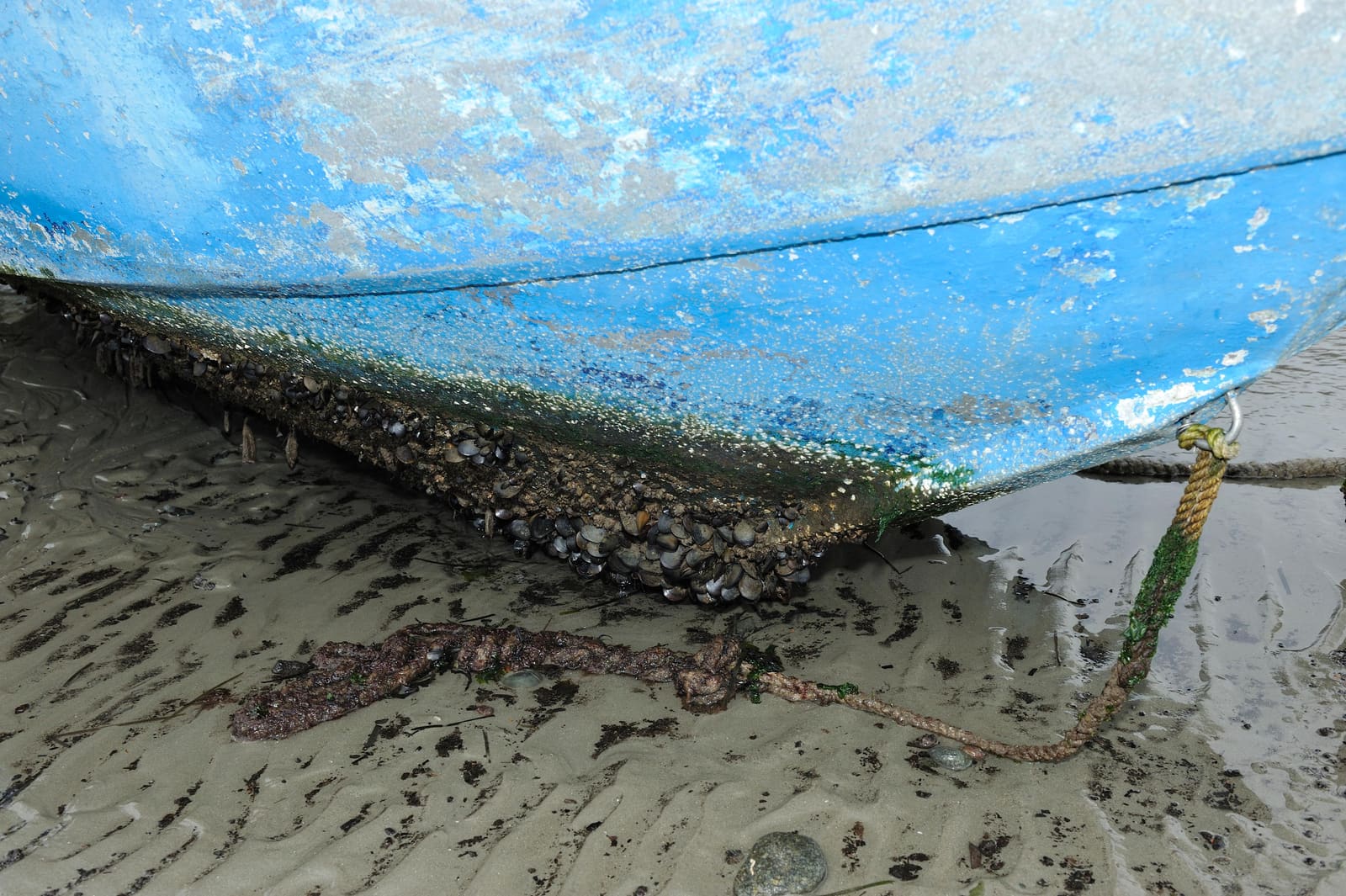
Boat Slower Than It Used to Be? How to Find the Cause
When your boat loses top speed or takes longer to get on plane, the cause is usually something you can check yourself: extra weight, water in the hull, trim, a dinged or fouled prop, or a dirty bottom. This step-by-step diagnosis goes from the cheapest checks to the harder ones and explains what your RPM and GPS speed are telling you.
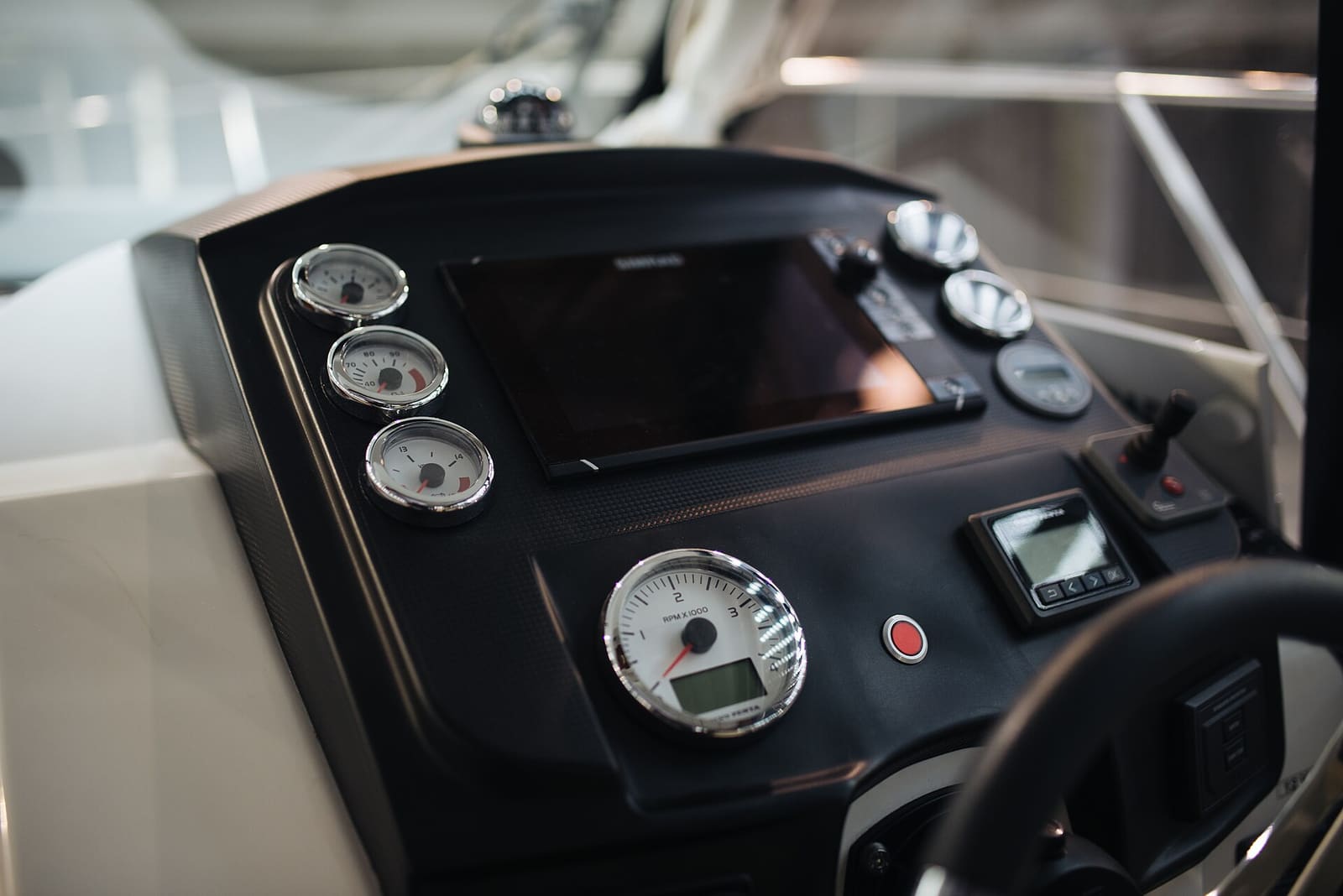
Boat Speedometer Reads Zero or Wrong: Pitot Pickups, Paddlewheels and GPS Speed
Fix a speedometer that reads zero, too low or jumps around. Learn which kind you have, clear a clogged pitot pickup and hose, clean and calibrate a paddlewheel, check the speed source on digital gauges, and decide whether switching to a GPS speedometer makes sense.
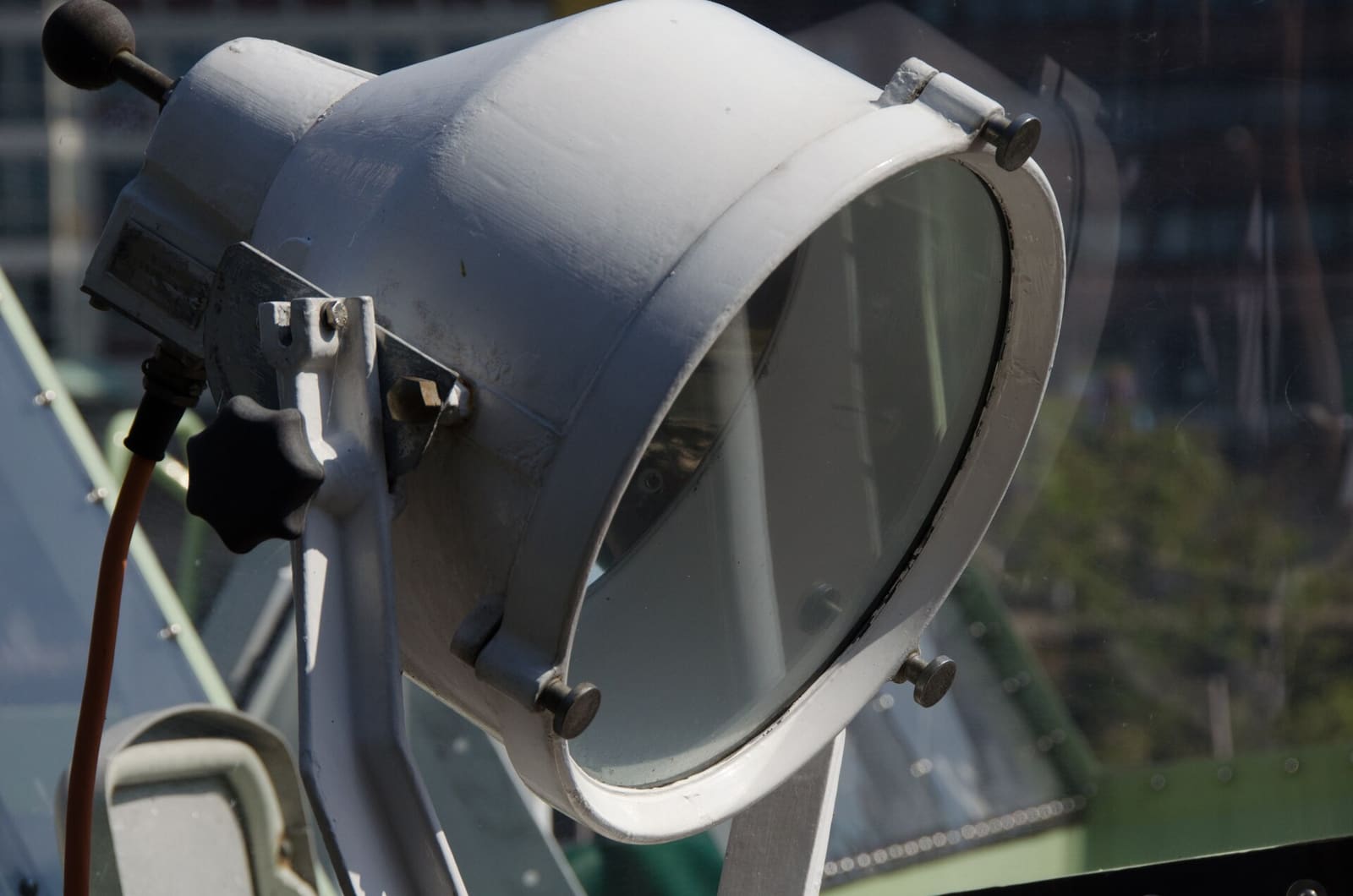
Boat Spotlights and Searchlights: Care, Wiring Checks and Using Them Without Blinding Anyone
A good spotlight helps you find markers, moorings and debris at night and signal for help, but only if it works and you use it carefully. Learn how to care for remote-control searchlights and handheld spotlights, clean lenses, check fuses and wiring, and use the beam in short sweeps that never blind other boaters.
Boat Taxes by State: Sales and Use Tax, Yearly Property or Excise Tax, Visiting Limits and Moving
Understand the taxes a boat can trigger in the US (sales or use tax when you buy, a yearly property or excise tax where you keep it, and deadlines when you visit or move to another state) so you can budget for them and avoid penalties. General information, not legal or tax advice.
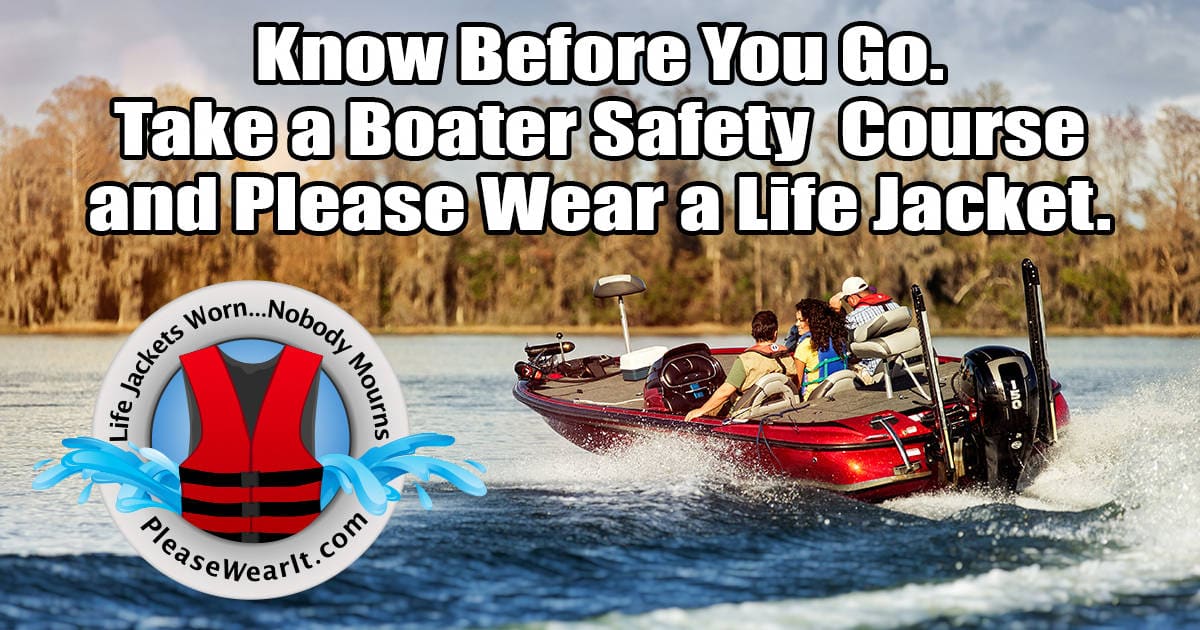
Boater Education Cards: Who Needs One, How to Get It and When It Works in Other States
Most states require some boat operators to complete an approved boating safety course and carry proof. Learn how to find your state's rule (age, horsepower, boat type), pick a NASBLA-approved course, get the card, use it when you visit other states, and what rental and other exemptions usually look like. Practical guidance, not legal advice.
Boating Accident Reports: When You Must File and What to Collect
Know when federal rules require a written boating accident report, how fast it is due, who to send it to and what details and photos to gather at the scene, so you meet the deadline and your insurance claim goes smoothly. Practical help, not legal advice.
Boating at Night: Lights, Speed, Night Vision and Reading Other Boats
Get ready for a safe run after dark, from checking your navigation lights and dimming the helm to slowing down, reading other boats' lights and buoys, keeping life jackets on and leaving the alcohol ashore.
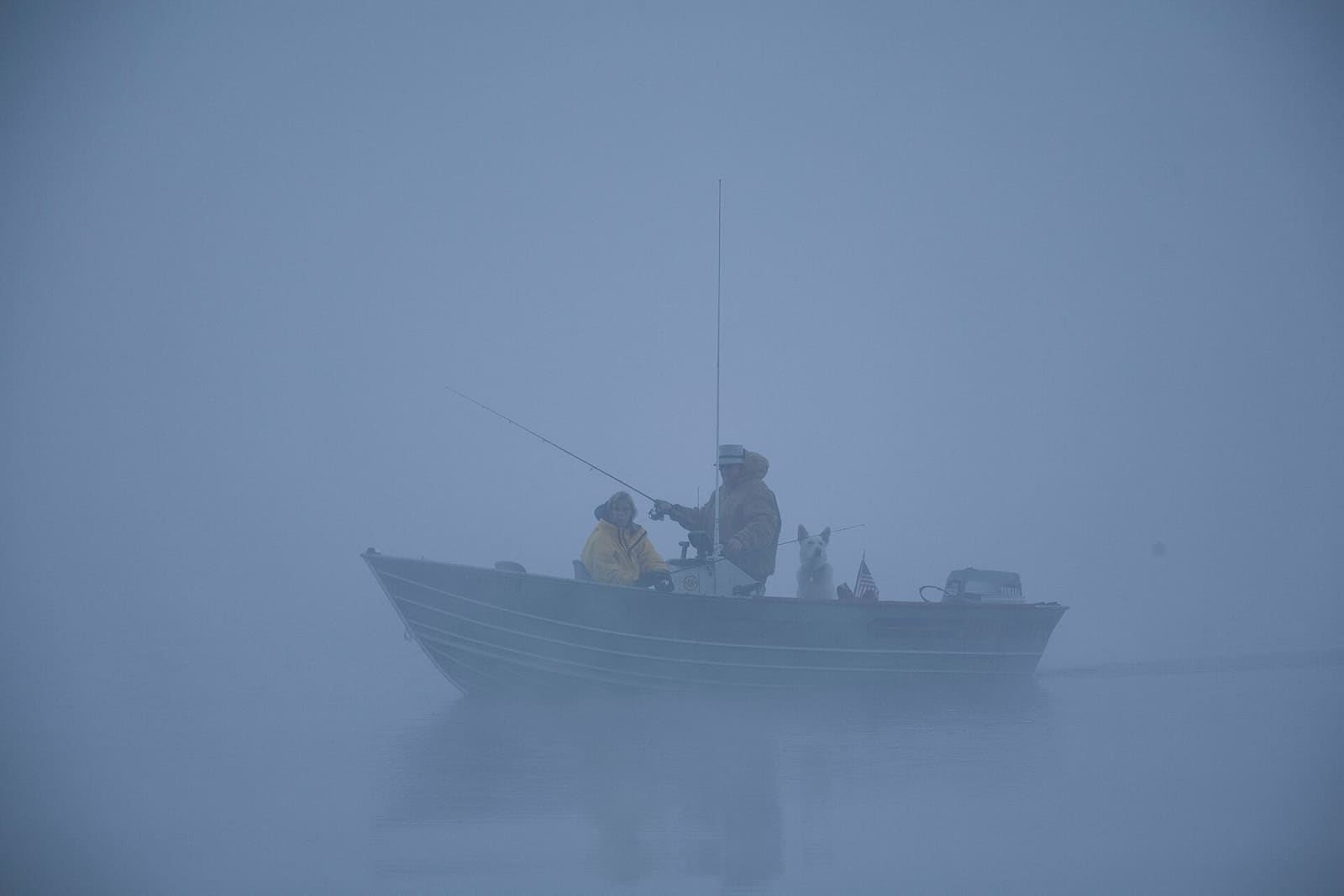
Boating in Fog: When to Stay In, Sound Signals, Safe Speed and Using Your Electronics
Fog can roll in on any lake, bay or coast. Learn when to stay at the dock, the fog signals the Coast Guard rules require, how slow is slow enough, how to use radar, AIS and your chartplotter without trusting them blindly, and when to simply anchor and wait it out.
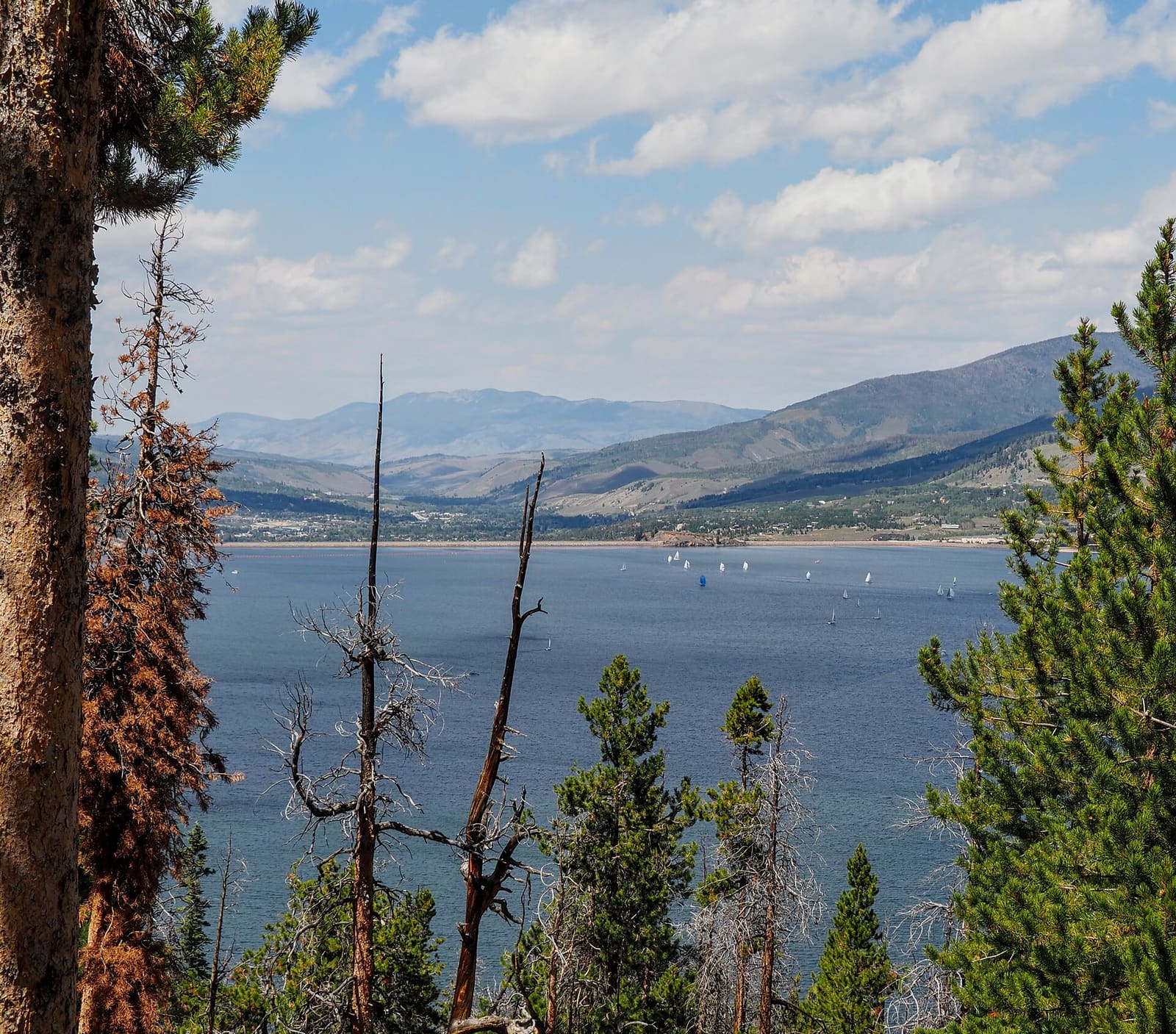
Boating on High-Altitude Lakes: Power Loss, Prop Changes, Cold Water and Mountain Weather
Engines lose roughly 3% of their power for every 1,000 feet of elevation, so a boat that flew at sea level can struggle on a mountain lake. Learn what's normal, when a lower-pitch prop or a dealer adjustment helps, and how to handle the strong sun, cold water and fast-changing weather up high.
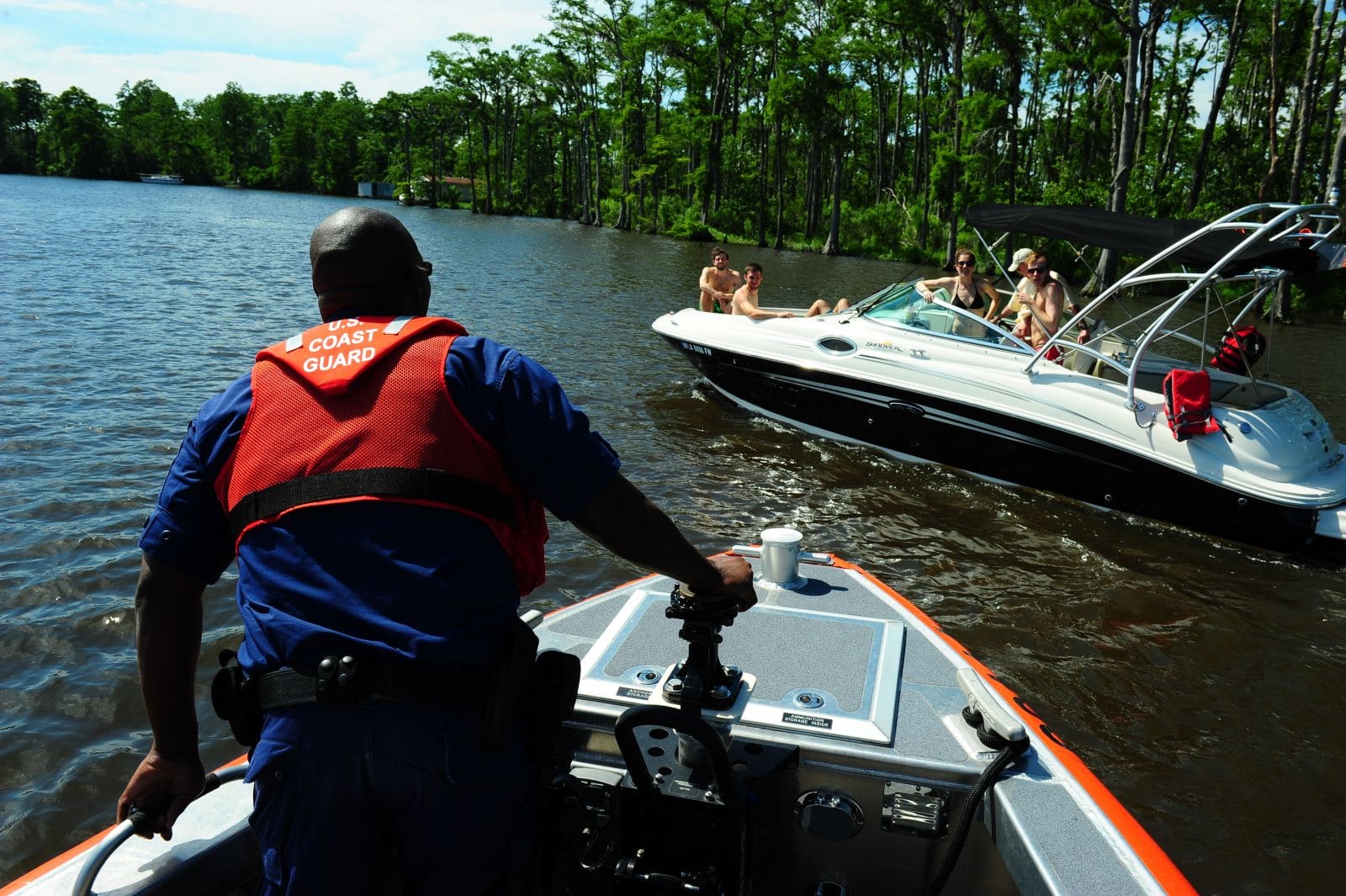
Boating Under the Influence (BUI): The Law, the Limits and How to Plan a Sober Skipper
Operating a boat drunk or high is illegal in every state and under federal law, with a 0.08 BAC standard for recreational boats under 33 CFR Part 95. Learn why the sun, wind, noise and motion make alcohol hit harder on the water, what happens at a boarding (field sobriety tests, chemical tests and implied consent), the penalties, and how to plan a designated skipper. Practical guidance, not legal advice.

Boats With No HIN: State-Assigned Hull Numbers for Homebuilt, Pre-1972 and Damaged-HIN Boats
What to do when a boat has no hull identification number, a homemade or kit boat needs one, an older boat predates the 1972 rule, or the number has been damaged or altered: the federal rules, how a state assigns a HIN, the inspection, the proof of ownership and build receipts to bring, how to fix the number to the hull, and the red flags that mean walk away. Practical help, not legal advice; every state runs its own process.
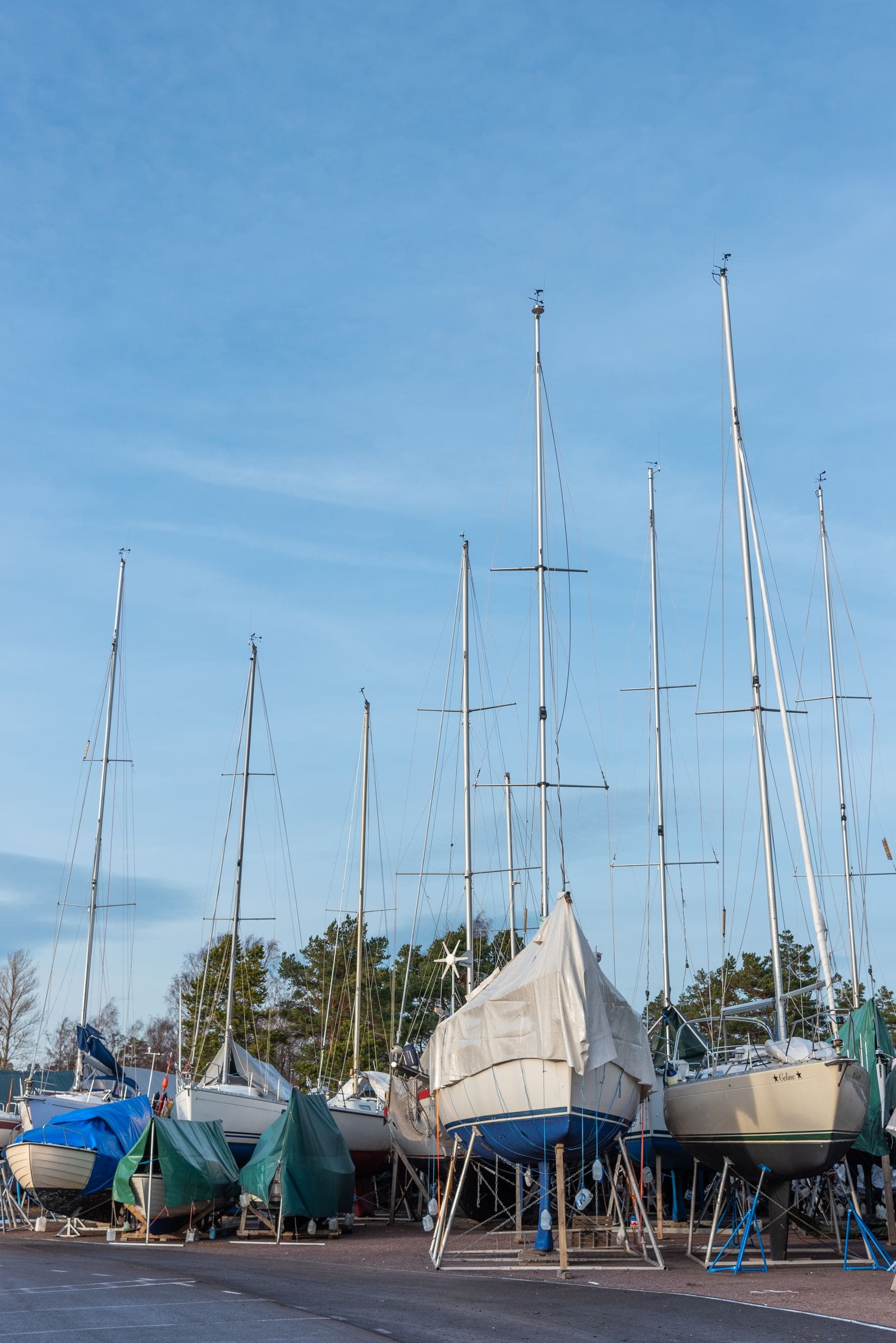
Bottom Paint (Antifouling): Do You Need It, Which Type, and How to Repaint
Learn whether your boat needs antifouling bottom paint, how ablative and hard paints differ, and how to prep and roll on a fresh coat safely, without poisoning yourself or the water and without ruining an aluminum hull.
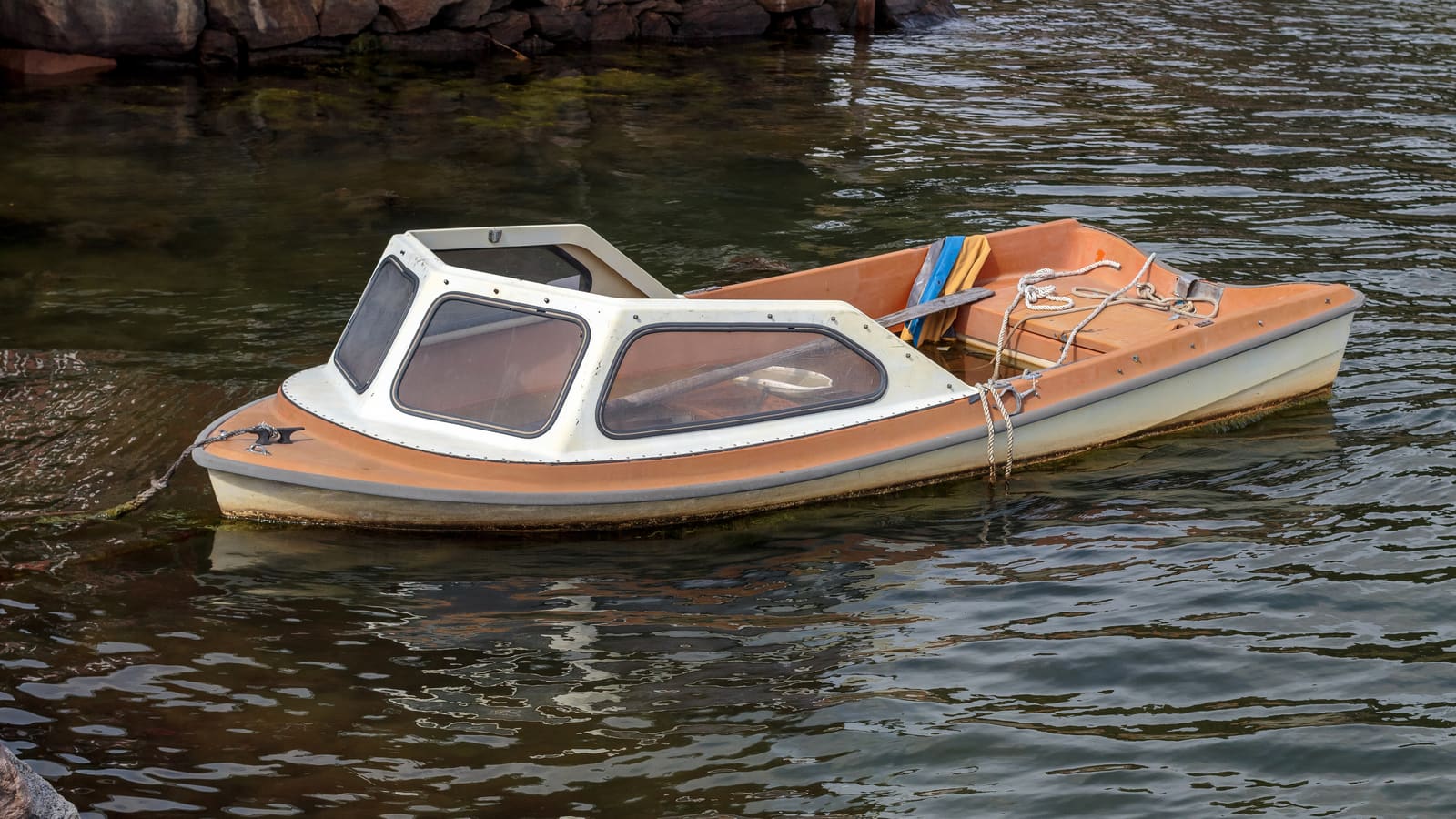
Buying a Boat at Auction: Insurance Salvage, Impound and Lien-Sale Boats Without Nasty Surprises
How insurance salvage, impound, lien-sale and government boat auctions work, what kind of title you'll actually get, why the engine warranty may not follow the boat, how to inspect when you can't sea trial, and how to budget for liens, fees and getting the boat home. General information, not legal advice.
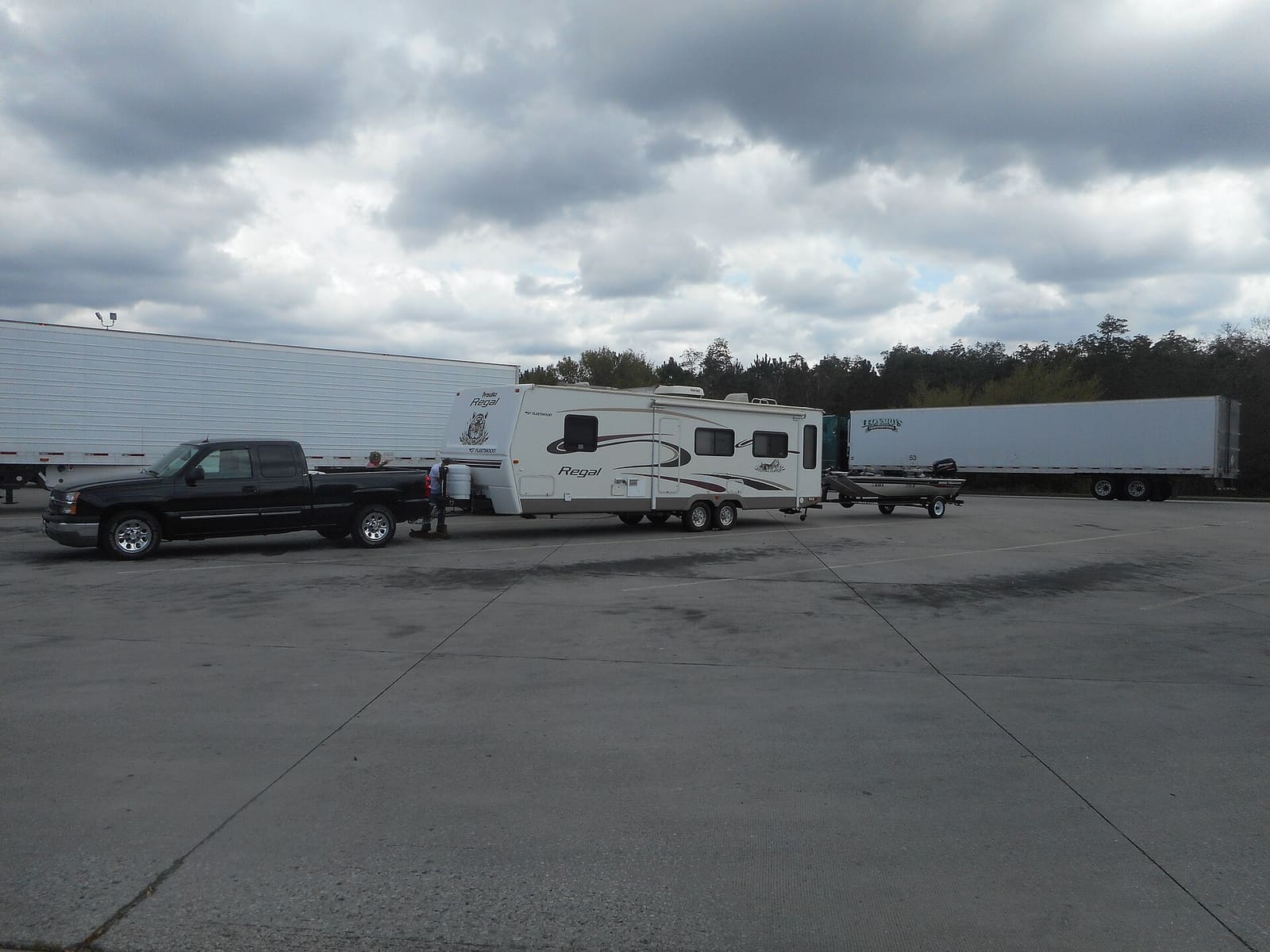
Buying a Boat in Another State: Survey, Paperwork, Taxes, Registration and Getting It Home
A step-by-step plan for buying a boat that is hundreds of miles away: checking it remotely with a local surveyor, matching the HIN and VIN to the title, avoiding long-distance scams, paying the right sales or use tax, registering in your home state, the trailer's own paperwork, temporary permits, and legal towing or professional transport for wide boats. Rules vary by state, so confirm each step with the agencies involved.
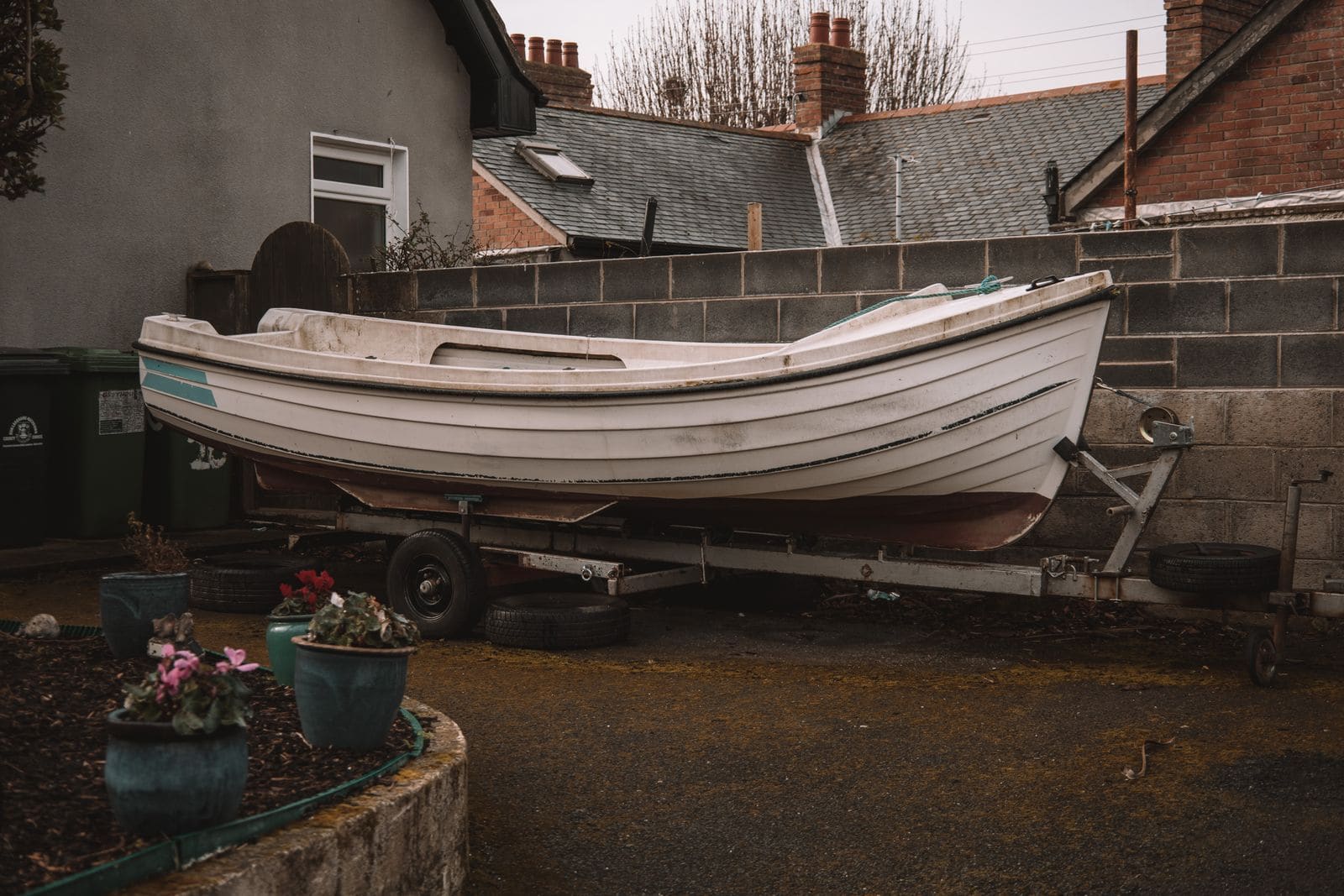
Buying a Boat That Sat Outside for Years: What Fails, How to Inspect It and What It Really Costs
A boat that sat in a yard for years can be a bargain or a money pit. Learn what usually fails (fuel system, waterlogged foam, stringers and transom, wiring, upholstery, trailer), how to inspect and weigh it, when to pay for a survey, and how to price the repairs before you make an offer.
Buying a Documented Boat With an Expired or Deleted Coast Guard Certificate
What an expired or deleted Certificate of Documentation means when you buy a used boat, how to check the record and any mortgage with an Abstract of Title, your two paths (keep it documented or move it to a state title), and how to spot private sites that look like the Coast Guard. General information, not legal advice.
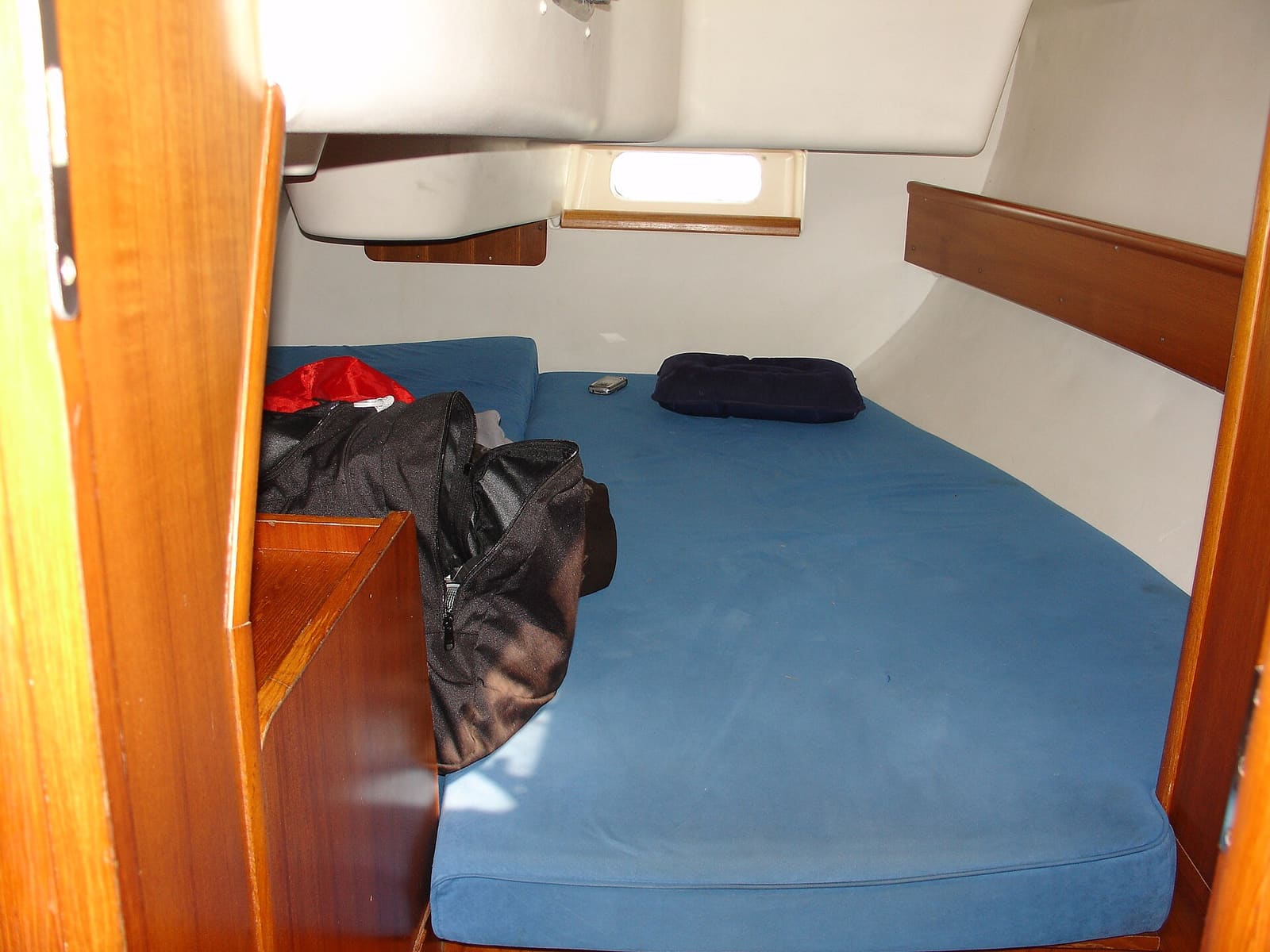
Cabin Heater Safety Aboard: Diesel, Propane and Electric Heaters
Heat your cabin without poisoning the crew or burning the boat. Covers carbon monoxide alarms, exhaust and through-hull checks for diesel and propane heaters, fuel and ventilation, why household and camping heaters don't belong in a closed cabin, and how to use electric space heaters on shore power safely.
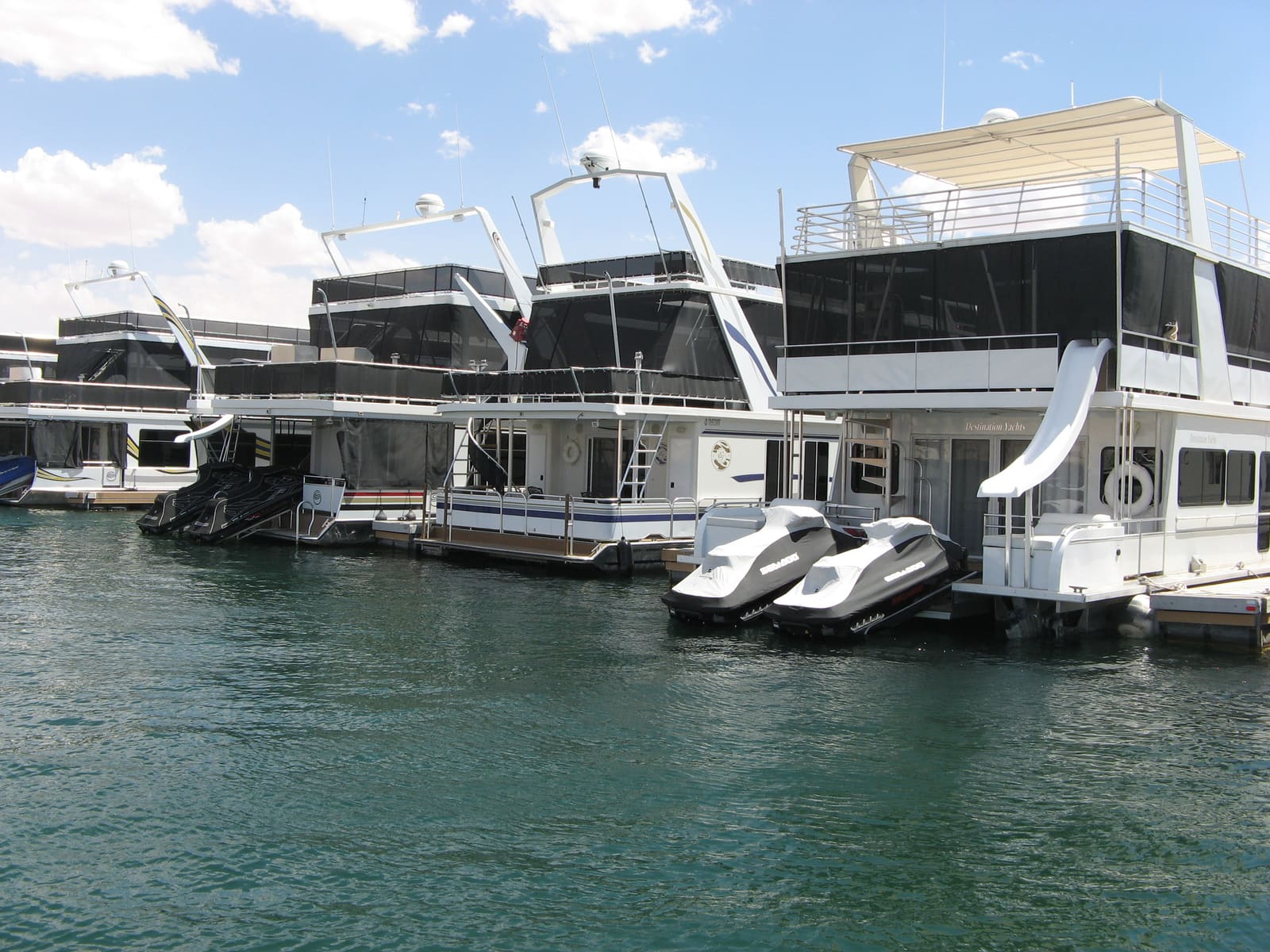
Carbon Monoxide on Boats: Where It Comes From, CO Alarms and Warning Signs
Carbon monoxide can build up in cabins, under canvas and around the swim platform, and its first symptoms look like seasickness. Learn the danger zones, where to mount marine CO alarms, how to test and replace them, and exactly what to do if an alarm sounds or someone feels sick.
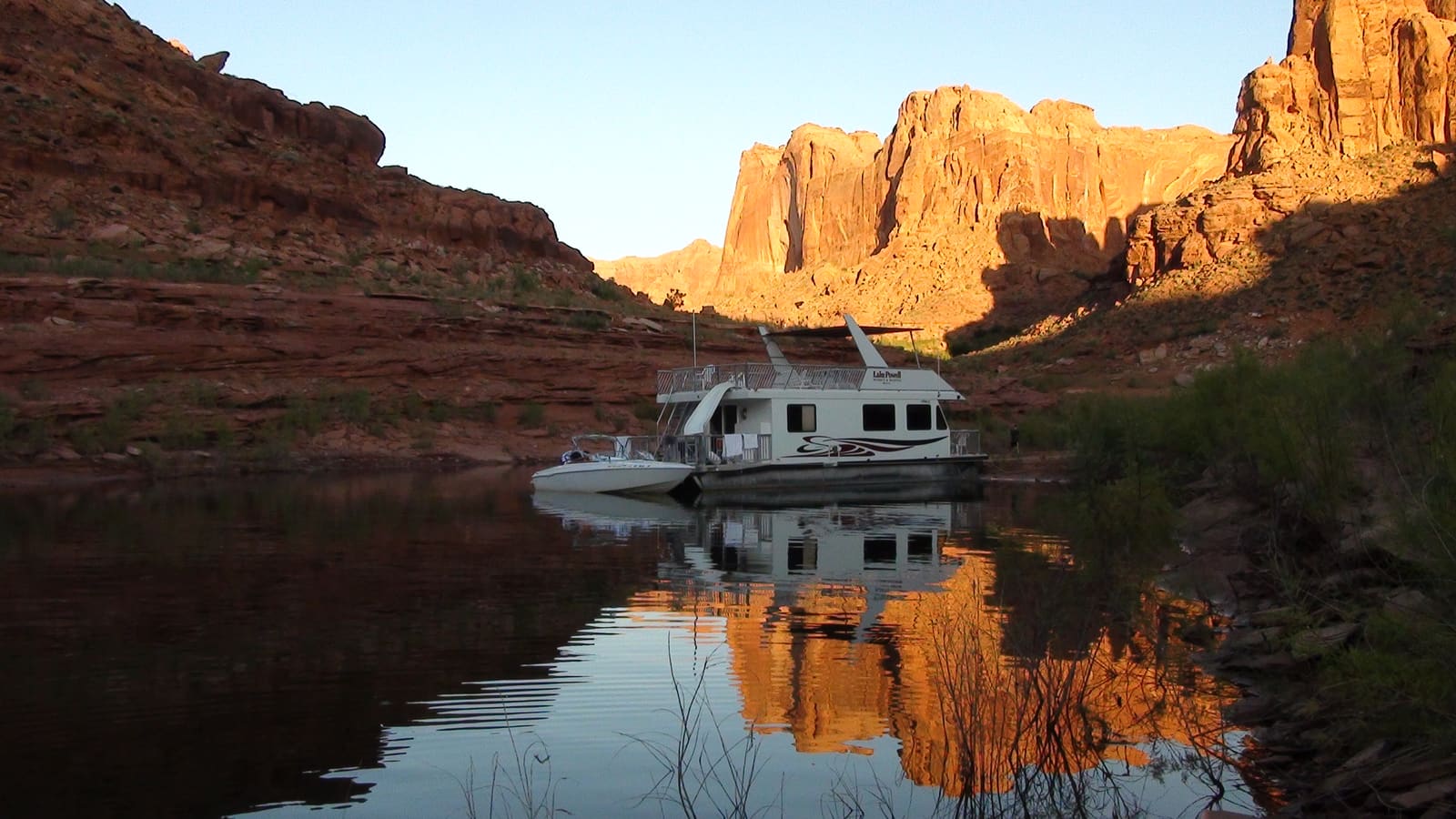
Carbon Monoxide Outside the Boat: Teak Surfing, Swim Platforms, Generators and Raft-Ups
Carbon monoxide doesn't only build up in cabins. People die in open air behind the boat: teak surfing, sitting on the swim platform with the engine idling, swimming near a running generator, or rafted next to someone else's exhaust. Learn where the gas collects, what the law says in states that ban teak surfing, and the simple rules that keep everyone safe.
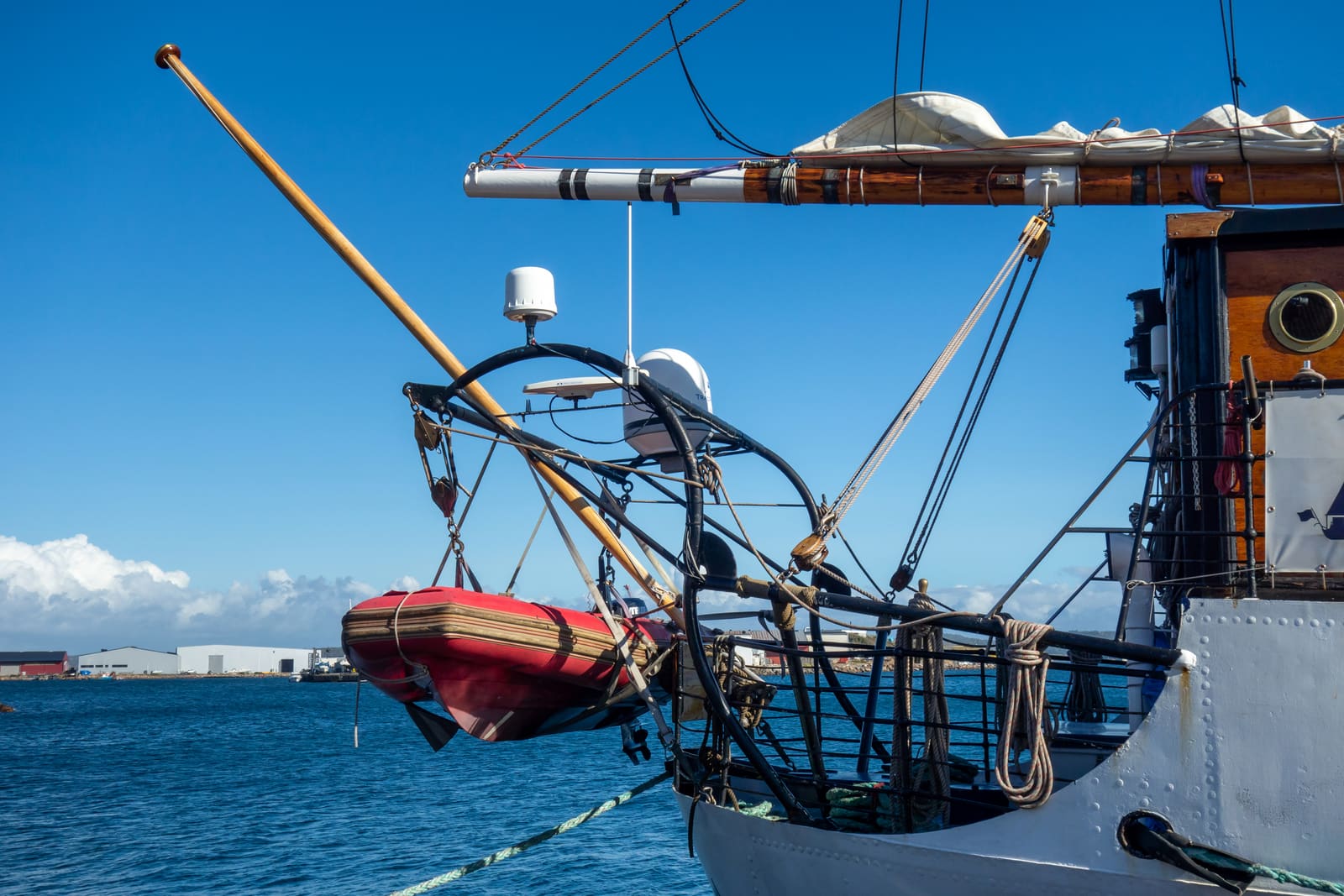
Carrying Your Dinghy: Davits, Swim Platform Mounts and Safe Towing
How to check davits and swim-platform dinghy mounts against the maker's load limit, secure the tender so it can't swing or fill with water, and tow it safely when you have to, with the right bridle, line length and speed, and the outboard off.
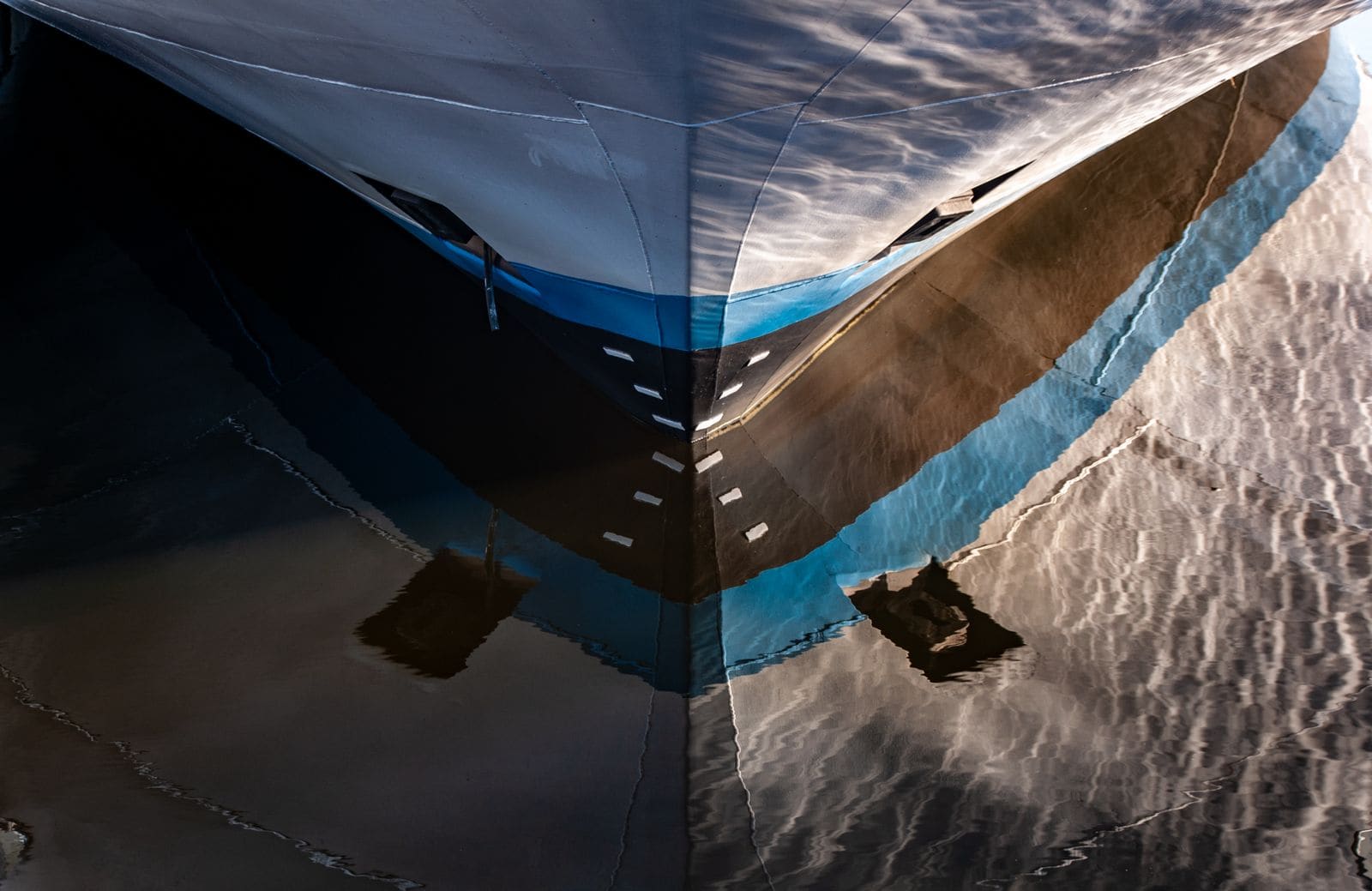
Ceramic and Polymer Coatings for Boats: What They Do and How to Apply Them
Understand what ceramic and polymer coatings really do compared with wax, how to prep gelcoat so a coating bonds, how to apply a DIY coating, and how long you can realistically expect it to last.
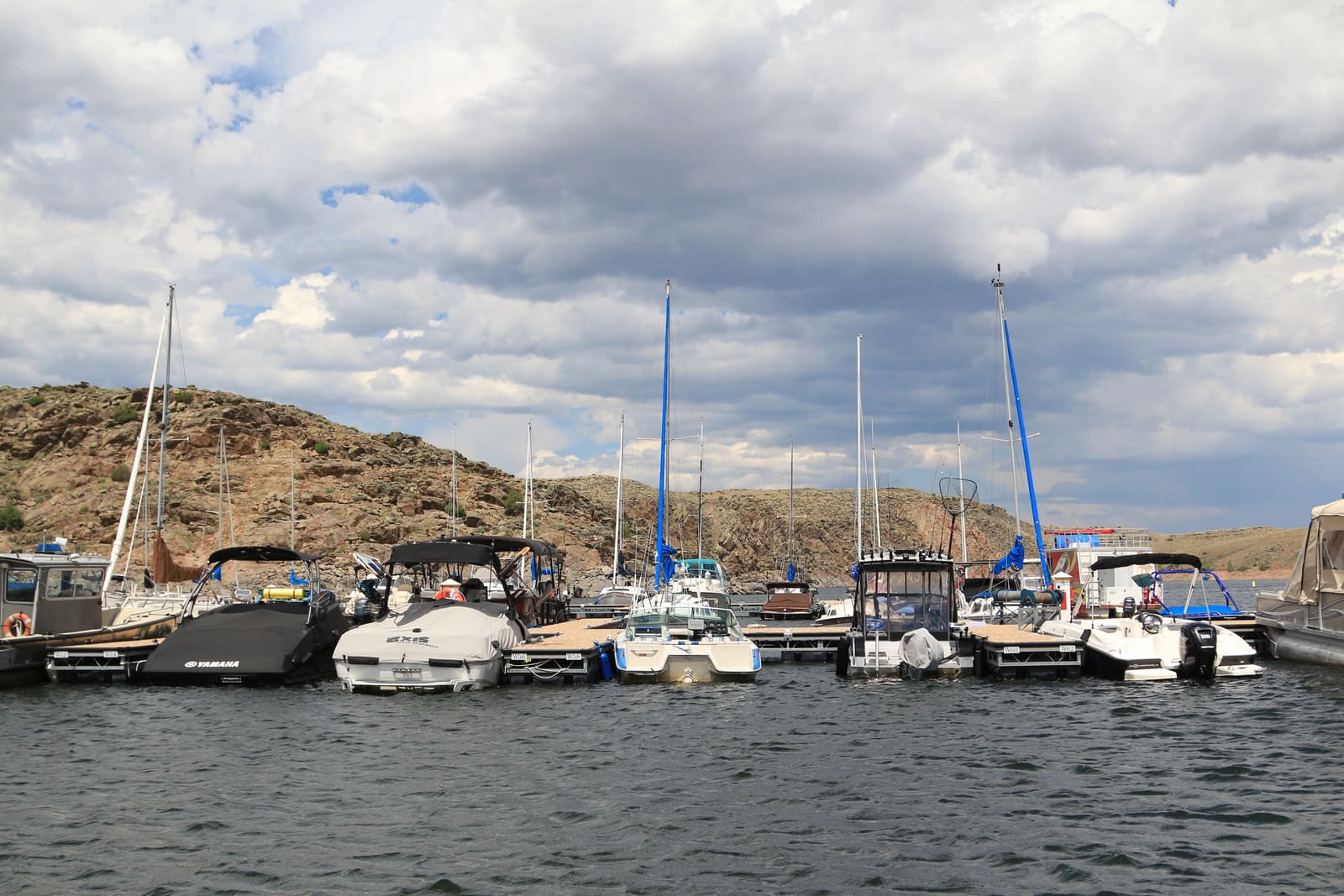
Choosing How to Store Your Boat: Trailer at Home, Dry Stack, Lift, Wet Slip, Mooring or Indoors
Compare the main ways to keep a boat in season and over winter: on a trailer at home or in a lot, in a dry stack, on a lift, in a wet slip, on a mooring or indoors. See what each costs, how it affects growth, corrosion, UV and upkeep, what to check about insurance, HOA rules and security, and how winter changes the choice.

Clean, Drain, Dry: Stopping Zebra and Quagga Mussels and Other Invasive Species
What Clean, Drain, Dry means in practice for your boat, trailer and motor, what to drain before you leave the ramp, what happens at a watercraft inspection or decontamination station, and examples of state rules you may run into when you trailer between lakes.
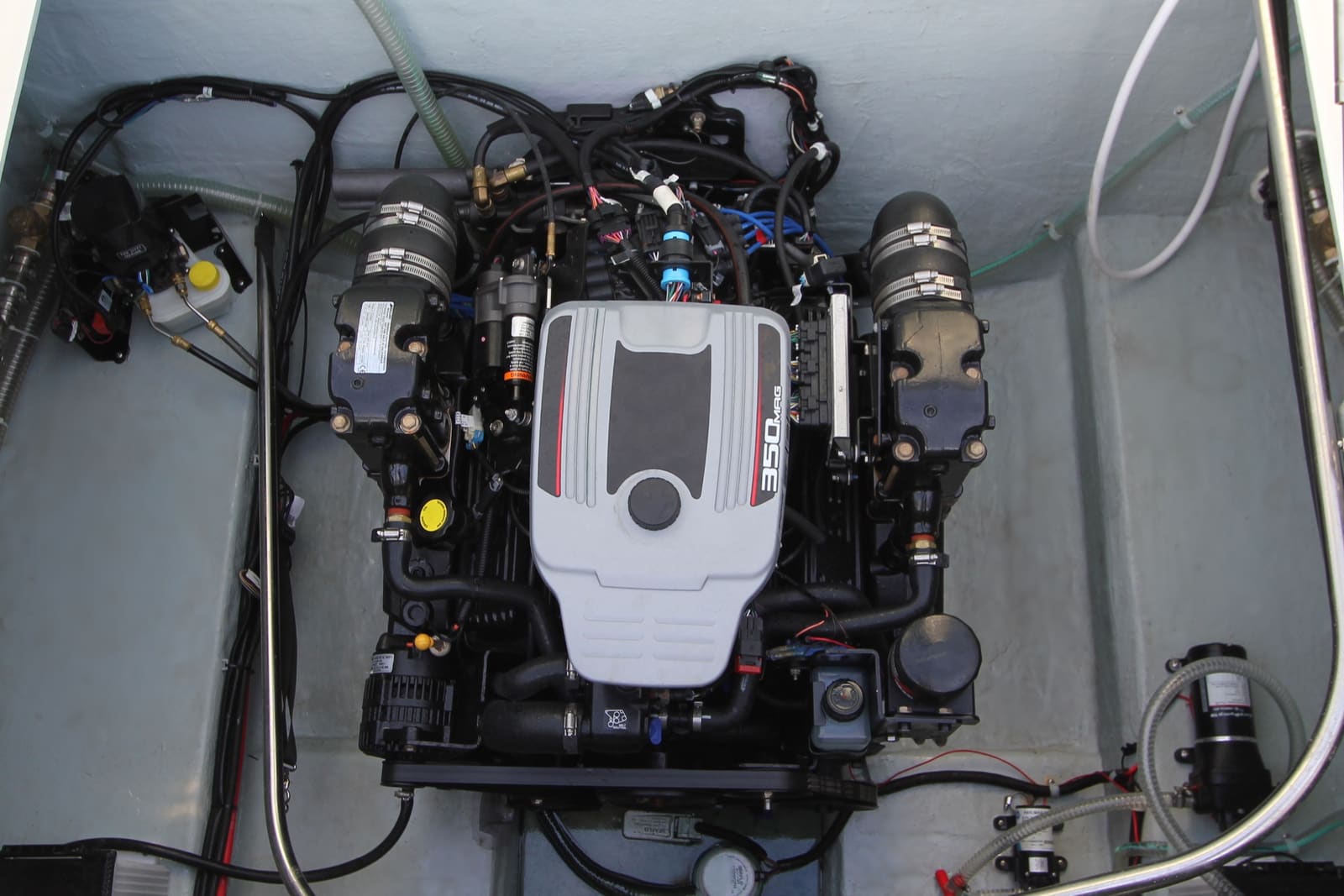
Closed-Cooled Gas Engines: Why the Exhaust Elbows Still Need Checking
Closed (freshwater) cooling protects the block, but on gas sterndrives and inboards the exhaust elbows or risers, and on some systems the manifolds, are still cooled by raw water. Learn which parts still see salt or lake water, the warning signs, what the engine makers and BoatUS say about intervals, and how to inspect and look after them.
Safety: BoatMend is for information only and does not replace a certified marine technician. You are responsible for your safety and your boat. Read the full disclaimer.