Clean, Drain, Dry: Stopping Zebra and Quagga Mussels and Other Invasive Species
What Clean, Drain, Dry means in practice for your boat, trailer and motor, what to drain before you leave the ramp, what happens at a watercraft inspection or decontamination station, and examples of state rules you may run into when you trailer between lakes.
Time
30 min
Applies to
All engines
Safety first: Pull well out of the launch lane before you clean and drain, set the parking brake and chock the trailer. Hot-water rinsing works best at 120°F or more, which can scald skin: keep it off your body and check that your boat's finish, canvas and motor can take the heat. Do not improvise chemical "disinfectants" for your boat; the Stop Aquatic Hitchhikers campaign does not recommend them. A few states (Michigan, for example) suggest a weak bleach solution for livewells and bilges only: if you follow that, use the state's exact mix, never combine bleach with other cleaners, rinse well, and keep it out of the lake. In many states, stopping at a watercraft inspection station is required by law when it is open.
Owners often ask
- What do I have to drain before leaving the ramp to stop zebra and quagga mussels?
- Do I have to stop at a boat inspection station when I am just passing through a state?
This guide walks you through it. Still stuck? Ask the AI Mechanic about your engine.
Tools
- Stiff brush and a small hand brush for the trailer
- Trash bag for weeds and mud
- Towels or sponges for wiping out compartments
- Flashlight for looking into wells, bunks and the motor's water intakes
- Garden hose; access to hot water (at least 120°F) or a car wash with a hot rinse, if available
Parts & supplies
- Spare drain plug kept in the tow vehicle (never in the boat)
- Spring water or dechlorinated tap water if you keep live bait
Before you start
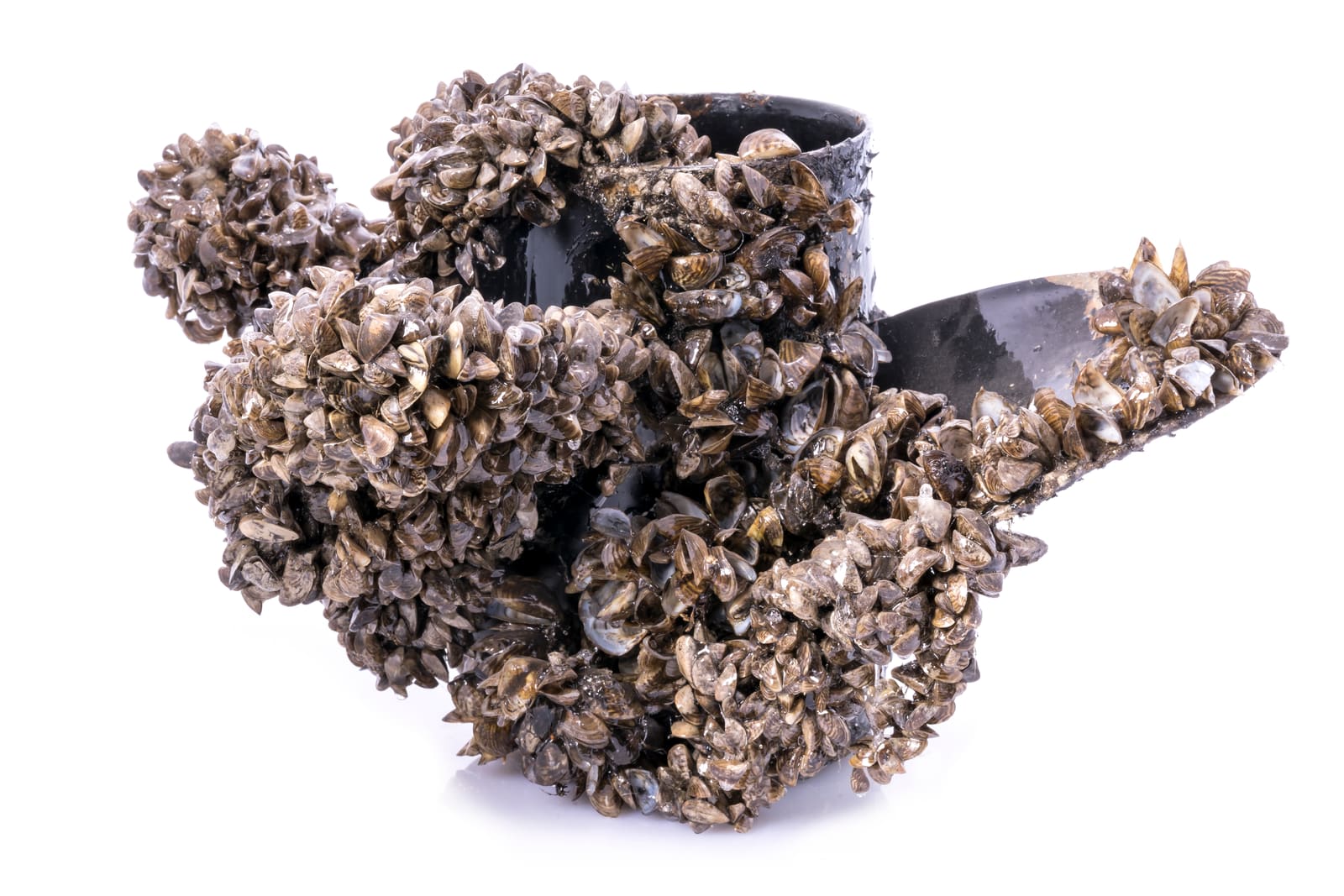
Why this matters to you, not just the lake. Zebra and quagga mussels are small, striped shellfish that hitch rides on boats. The U.S. Geological Survey notes they can foul hulls, add drag, and get into engine cooling systems, causing overheating and damage. Their larvae, called veligers, are too small to see and drift in any water left in your boat. USGS reports that zebra mussels can survive several days out of water in cool, humid conditions, and that trailered boats are how they reach lakes that are not connected to infested water. Invasive weeds such as Eurasian watermilfoil can also start a new infestation from a single plant fragment, according to Colorado Parks and Wildlife.
Every lake, every time. Clean, Drain, Dry is a habit you do each time you leave the water, even if you think the lake is clean. Infestations are often found years after they begin.
Rules vary by state, and they change. Before a trip to a new state or lake, check the state wildlife or natural resources agency website for inspection stations, required stickers or decals, and drain-plug rules. Examples are in Step 9.
Steps
Once the boat is on the trailer, drive up to the parking or staging area so you are not blocking the ramp. Walk around the boat and trailer with a flashlight. Pay attention to places where weeds and mussels hide: trailer bunks and rollers, axles, lights and license plate bracket, the motor's lower unit and water intakes, trim tabs, transducers, the anchor and its rope.
Pull off every bit of weed, mud and anything that looks like a mussel or snail, and put it in the trash on land, away from the water. Scrub the hull with a stiff brush if needed. Specific spots by boat type, based on the Stop Aquatic Hitchhikers steps:
- Outboards and sterndrives: the gearcase, water intakes, prop and trim tabs.
- Jet boats and PWCs: the intake grate and steering nozzle.
- Sailboats: the centerboard or daggerboard well, rudder and rudder post.
- Everyone: anchors, ropes, fenders, fishing gear, nets and downrigger cables.
- Trolling motors: the prop, shaft and mount collect weeds; Mercury's AIS quick tip calls them out by name.
Before you leave the ramp area:
- Pull the drain plug(s) and let the bilge run dry. Mercury suggests parking on a slight incline, if you can, so the water runs out more completely, and making sure nothing in the bilge blocks the flow to the drain.
- Empty livewells and baitwells, and run the livewell pump briefly to clear the lines.
- Empty ballast tanks or bags on wake boats; run the ballast pumps until they run dry.
- Drain the motor: lower an outboard or sterndrive fully so water can run out of the cooling passages and gearcase housing.
- PWCs and jet boats: Colorado Parks and Wildlife and Stop Aquatic Hitchhikers say to run the engine for 5 to 10 seconds on the trailer to blow water and weeds out of the drive. Follow your owner's manual; never run a jet drive longer than it allows without water.
- Coolers, buckets, bait containers and anything else that held lake water.
Many states require plugs and drain devices to stay out while you travel. Keep the plug in your tow vehicle with your keys so you never forget to put it back before the next launch.
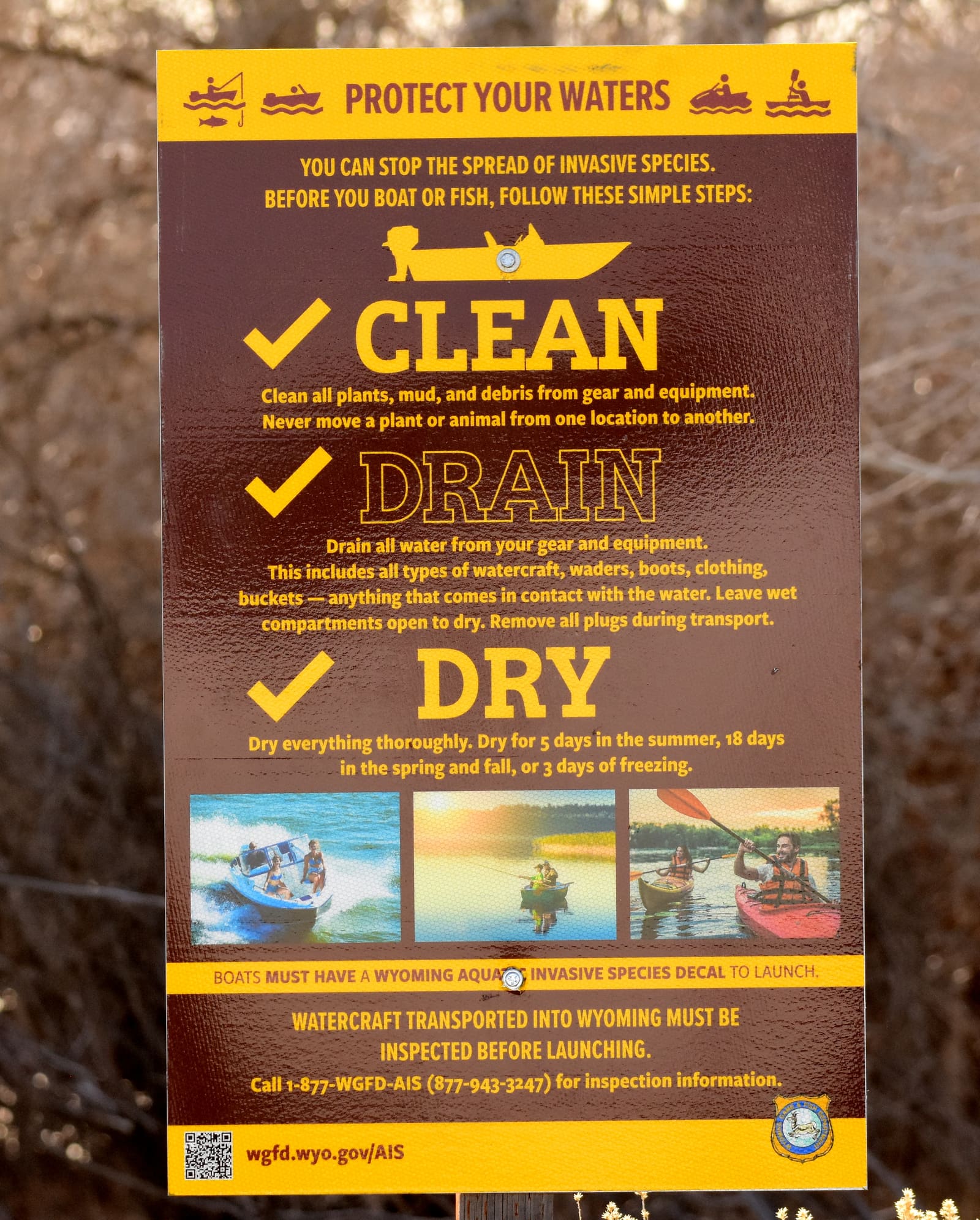
Photo: USFWS Mountain-Prairie / Wikimedia Commons · Public domain Put unwanted bait, worms and fish parts in the trash. Never dump bait, fish or plants from one body of water into another. If you keep live bait, Stop Aquatic Hitchhikers suggests draining the bait water and replacing it with spring water or dechlorinated tap water before you leave. Some states have extra live-bait rules, so check yours.
Small organisms survive in standing water and damp corners. Stop Aquatic Hitchhikers recommends drying everything for at least five days, unless local or state law requires longer, or wiping everything down with a towel before reuse. Open hatches, livewell and storage lids, and pull up floor or bilge covers so air can move. Drying takes longer in cool or wet weather; some states publish seasonal drying times (the Wyoming sign above, for example, lists longer times in spring and fall). Wake-boat ballast systems, wet bilges and inboard cooling systems are hard to dry completely; plan on an inspection or professional decontamination if you move them between waters quickly.
If you have access to hot water, the Stop Aquatic Hitchhikers steps are:
- Rinse the hull, trailer and equipment with high-pressure hot water when possible.
- Rinse interior compartments with low-pressure hot water (120°F).
- Flush the motor with hot water (120°F) for 2 minutes, or as your owner's manual directs.
Check your engine, canvas and electronics makers' heat limits first. If hot water is not available or could cause damage, a tap-water rinse followed by complete drying still helps. Do not let rinse water run straight into a storm drain or lake; a lawn or gravel area is better.
Roadside and ramp inspection stations are now common in the West and are spreading elsewhere. From the Idaho and Colorado programs:
- You must stop if you pass an open station with a boat, kayak or paddleboard.
- Pull in where directed, put the vehicle in park and shut off the engine.
- An inspector asks where the boat has been and how recently it was in the water.
- A boat that is clean, drained and dry usually gets a quick inspection. Standing water, mud or weeds mean a longer look and possibly a hot-water decontamination.
- Colorado asks you to arrive with the drain plug out, tarps and straps off, anchor and ropes out of their lockers, the battery switch on so the motor can be lowered and pumps run, and all compartments open, including livewells and bilge areas.
Some states issue a seal or receipt after an inspection that can speed up your next launch. In Colorado, for example, an intact green seal with a matching receipt is your proof the boat has not launched since its last inspection.
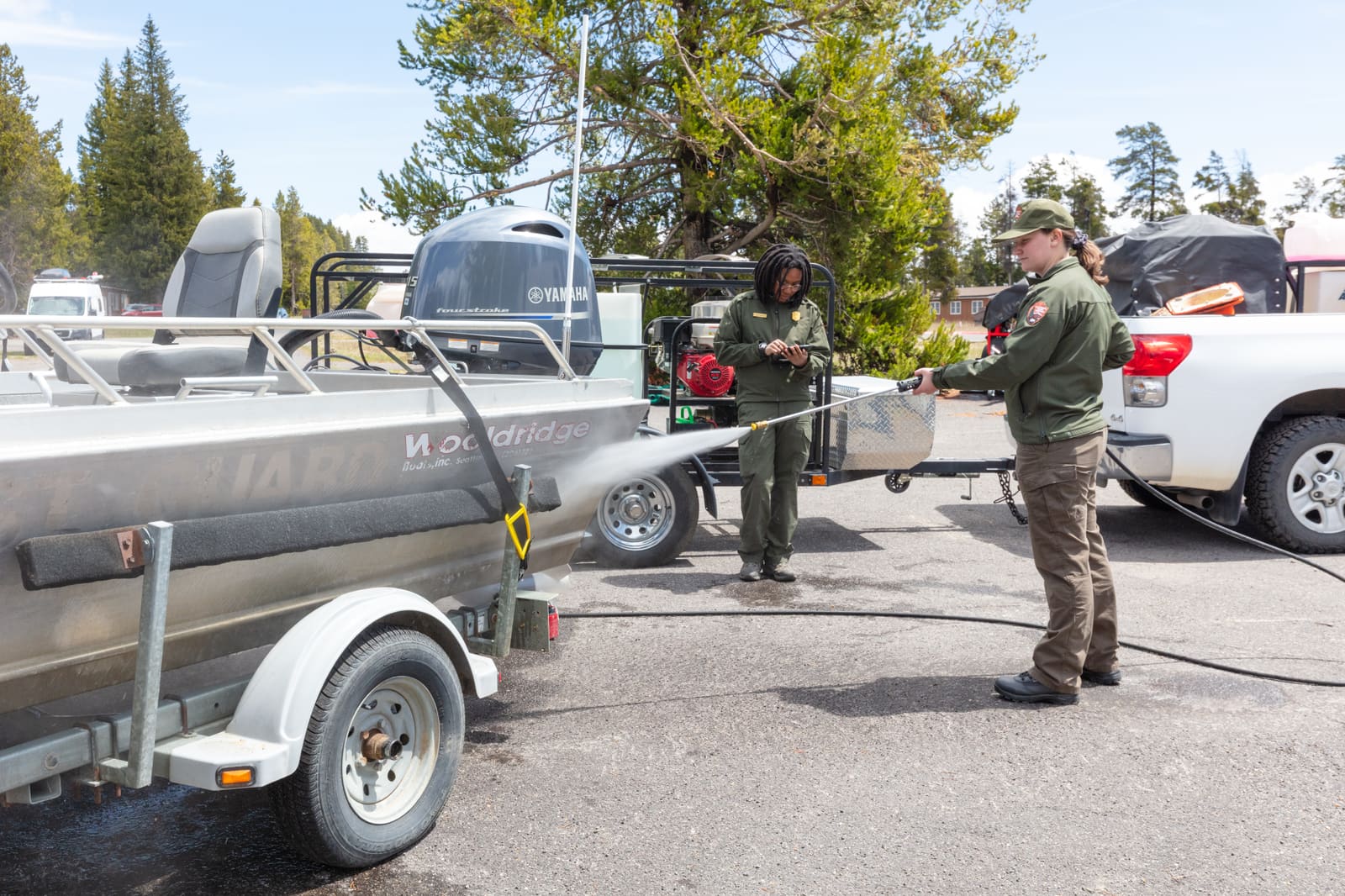
Photo: Jacob W. Frank, NPS / Wikimedia Commons · Public domain If an inspector finds mussels, standing water or plant material, they use hot water to decontaminate the motor, hull, compartments, bilge, ballast and gear. Idaho's program says its inspections and decontaminations are free to the public, and that in its mandatory decontamination area boaters should not try to decontaminate on their own. Ask the inspector what was done to your boat, and whether you need to wait before launching. If you know your boat has been in infested water, call the state program before your next trip.
These are examples from official pages as of October 2026. Always check the current rules before you travel.
- Colorado is a mandatory inspection state: trailered and motorized boats, sailboats and PWCs must be professionally inspected before launch, motorized boats and sailboats need an Aquatic Nuisance Species (ANS) stamp, and the law requires motorized boats, PWCs and sailboats to Clean, Drain and Dry every time they enter or leave any water.
- Idaho requires anyone passing an open watercraft inspection station with a boat to stop. All out-of-state watercraft must be inspected and decontaminated at an inspection station before launching, nonresident owners must also buy an invasive species sticker, and possessing or carrying invasive species is illegal. Parts of the Snake River also have mandatory hot-wash decontamination on entry and exit.
- Wyoming requires an AIS decal on most watercraft, motorized or not. A boat brought into the state from March 1 through November 30 must be inspected before its first launch, and a boat that was in zebra or quagga mussel water within the last 30 days must be inspected in any month. Everyone hauling a boat must stop at any open check station on their route, even if they are only passing through.
- Oregon requires every boater hauling a motorized or non-motorized boat, including kayaks on a roof rack, to stop at an open inspection station. Stations sit at points of entry and at random locations, and an inspection takes about 10 to 15 minutes. Out-of-state motorboats (and sailboats 12 feet or longer) need an AIS Prevention Permit, and paddlecraft need a Waterway Access Permit. Fines apply for skipping either.
- Michigan law requires removing all aquatic organisms, including plants, from the boat and trailer before launching or transporting; removing all drain plugs and draining bilges, ballast tanks and livewells before you move the boat over land; and putting unused bait in the trash. The state also recommends washing the boat and trailer, drying for five days before launching in a different lake, and disinfecting livewells and bilges with a weak bleach solution.
- Other Midwest and Great Lakes states commonly require you to remove plants and animals, drain all water and keep drain plugs out while trailering. Fines apply in many states.
If you find what looks like a mussel, snail or invasive plant on your boat or at a lake where it has not been reported, note the exact location, take a photo, and report it to your state wildlife agency or through the USGS sighting report form. Do not carry specimens to another lake; some states prohibit possessing them, so ask the agency what to do.
Kayaks, paddleboards, inflatables, waders, life jackets and fishing gear carry hitchhikers too. Clean, drain (sponges, bailers, kayak hatches) and dry them the same way. Felt-soled boots are especially hard to clean and dry.
Common mistakes
- Thinking Clean, Drain, Dry only matters when leaving a lake known to be infested.
- Putting the drain plug back in before driving away, which keeps lake water in the bilge for the whole trip.
- Forgetting the livewell lines, ballast tanks, bait buckets or the motor's cooling water.
- Tossing weeds back into the water at the ramp instead of into a trash can.
- Driving past an open inspection station because the boat "is already clean". In many states that is illegal.
- Using bleach or other chemicals on the boat beyond what your state's program spells out; they can damage equipment and harm the environment.
- Forgetting the ballast tank drains. Michigan's law names ballast tanks along with bilges and livewells, and wake boats hold the most water of all.
- Launching in a new lake the day after leaving another one, before the boat has had time to dry.
When to call a pro
- You find mussels attached to the hull, motor or trailer (call the state wildlife or invasive species agency before moving the boat to another water)
- The engine overheats after use in mussel-infested water (mussels can block cooling passages; have a marine mechanic inspect the cooling system)
- Your boat has ballast tanks, an inboard cooling system or other spaces you cannot fully drain or dry
- An inspector tells you the boat needs decontamination, or you need proof of decontamination before your next launch
- You plan to move a dock, lift or boat that stayed in the water for a season to a different lake
Tips
- Make Clean, Drain, Dry part of your retrieve routine: trailer, pull up, plug out, wells drained, walk-around, then strap down.
- Keep a small brush, towel and trash bag in the tow vehicle.
- Save inspection receipts and seals in your glove box and log them in BoatMend.
- If you boat on several lakes, a short drying break between trips is the simplest protection.
Official references
We read these to write this guide. Your engine's own manual always wins.
- Stop Aquatic Hitchhikers – How You Can Help (Clean Drain Dry steps by activity)
- USGS Nonindigenous Aquatic Species – Zebra mussel (Dreissena polymorpha) species profile
- Colorado Parks and Wildlife – Boat Inspections
- Invasive Species of Idaho (Idaho State Department of Agriculture) – Watercraft Inspections and Requirements
- Colorado Parks and Wildlife – Aquatic Nuisance Species
- Michigan Invasive Species Program – AIS Awareness Week 2024 (required and recommended actions for boaters)
- Mercury Marine – Quick Tip, How to Remove Aquatic Invasive Species from Your Boat
- Wyoming Game and Fish Department – Aquatic invasive species prevention (inspections and AIS decal)
- Oregon State Marine Board – Aquatic Invasive Species Program (inspection stations and permits)
Safety: BoatMend is for information only and does not replace a certified marine technician. You are responsible for your safety and your boat. Read the full disclaimer.
Last updated 2026-10-24
Related guides
Livewell, Baitwell and Washdown Pumps - Clean, Troubleshoot and Winterize
Find out why a livewell or washdown pump runs but moves no water, from a closed valve or clogged pickup to an airlock, then clean the system and winterize both sides of every pump so nothing cracks over the winter.
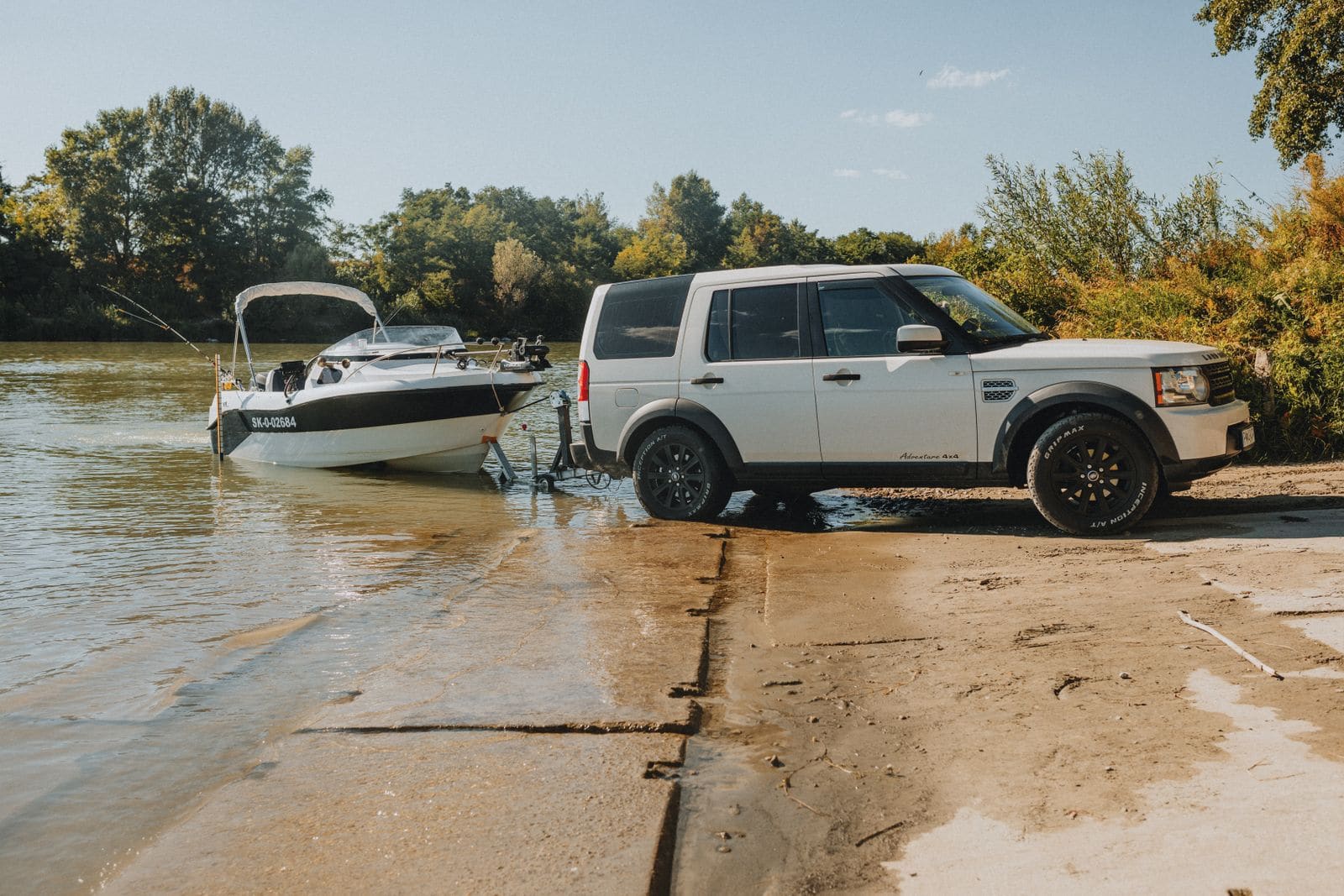
Launch Day and Haul-Out Checklist for Trailer Boats
A step-by-step checklist for getting your boat off the trailer and back on again safely and quickly, from the drain plug and tie-downs to the blower and ramp etiquette. Following it in order prevents the classic mistakes that sink boats and back up the ramp.
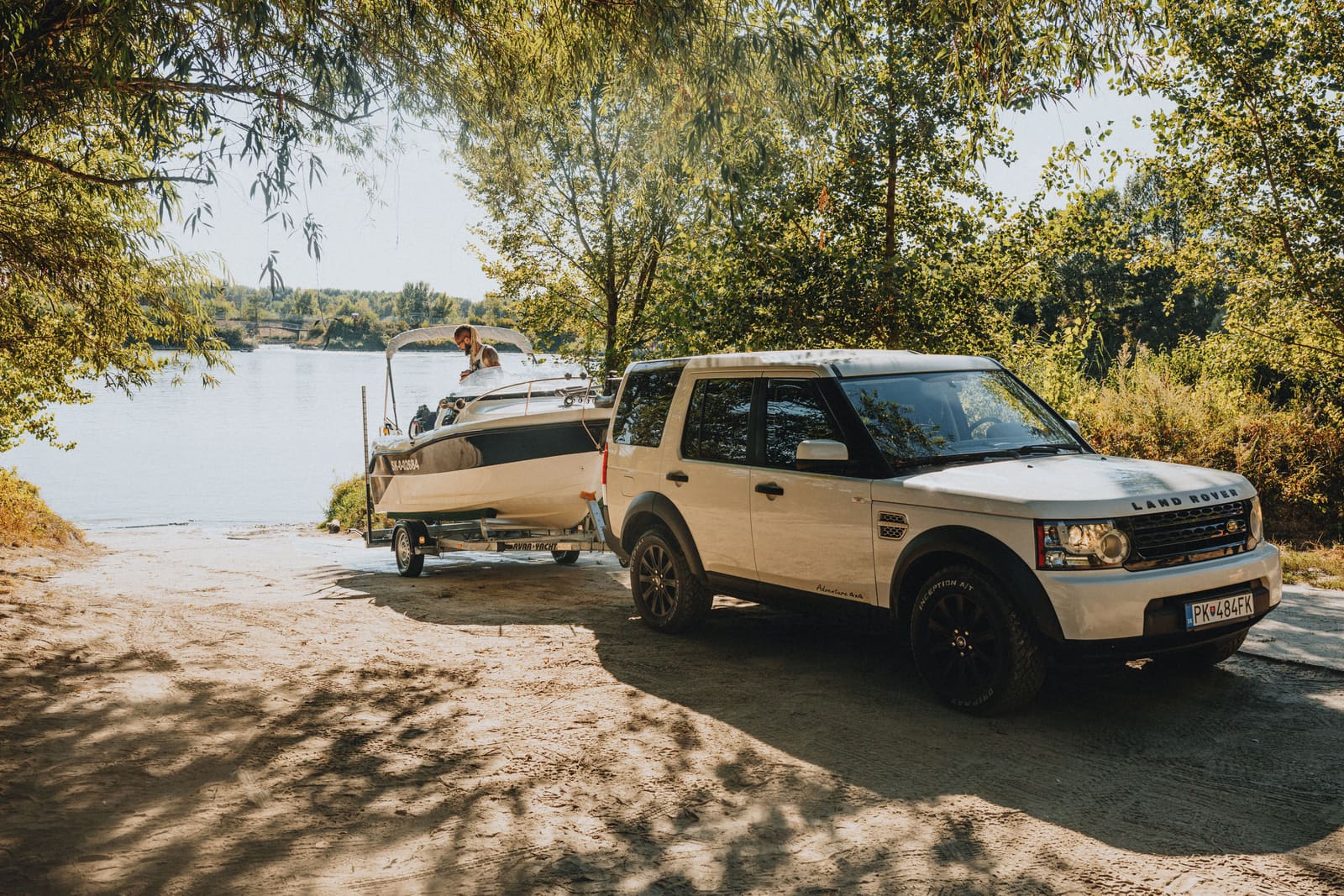
Get Your Boat Ready for the Road: Pre-Trailering Checklist
Most trailering trouble starts in the driveway: an engine left without support, a loose strap, a cover that balloons at 60 mph, gear that blows out or tongue weight that makes the rig sway. Work through this checklist before every trip and do a quick walkaround at each stop.
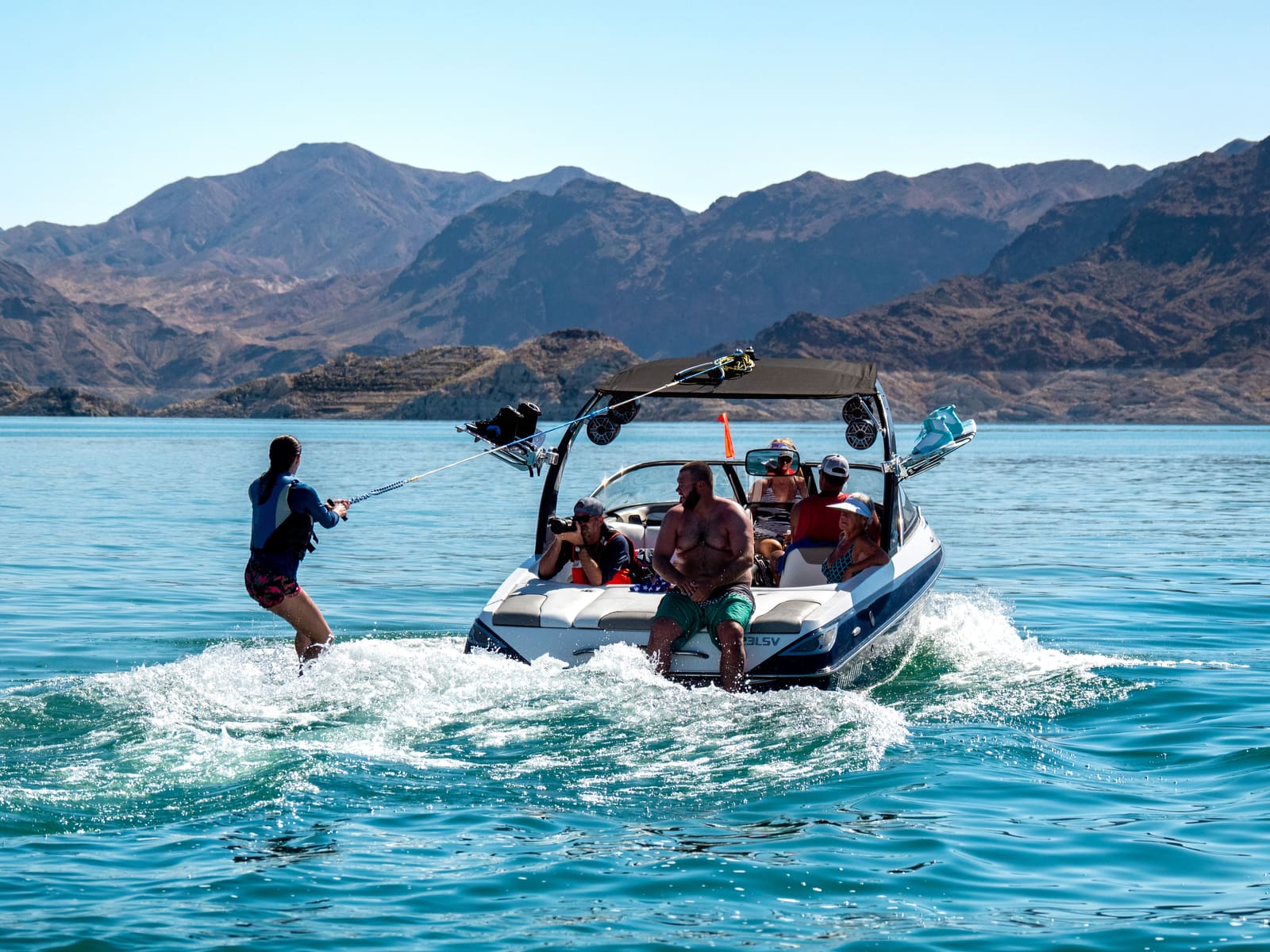
Wake Boat Ballast Systems - Care, Troubleshooting, Weight Limits and Winterizing
Keep your wake boat's ballast tanks, bags and pumps working: fill and drain them the right way, stay under the boat's weight capacity, fix tanks that won't fill or empty, change the pump impellers, stop invasive species from riding along, and protect the system from freezing.
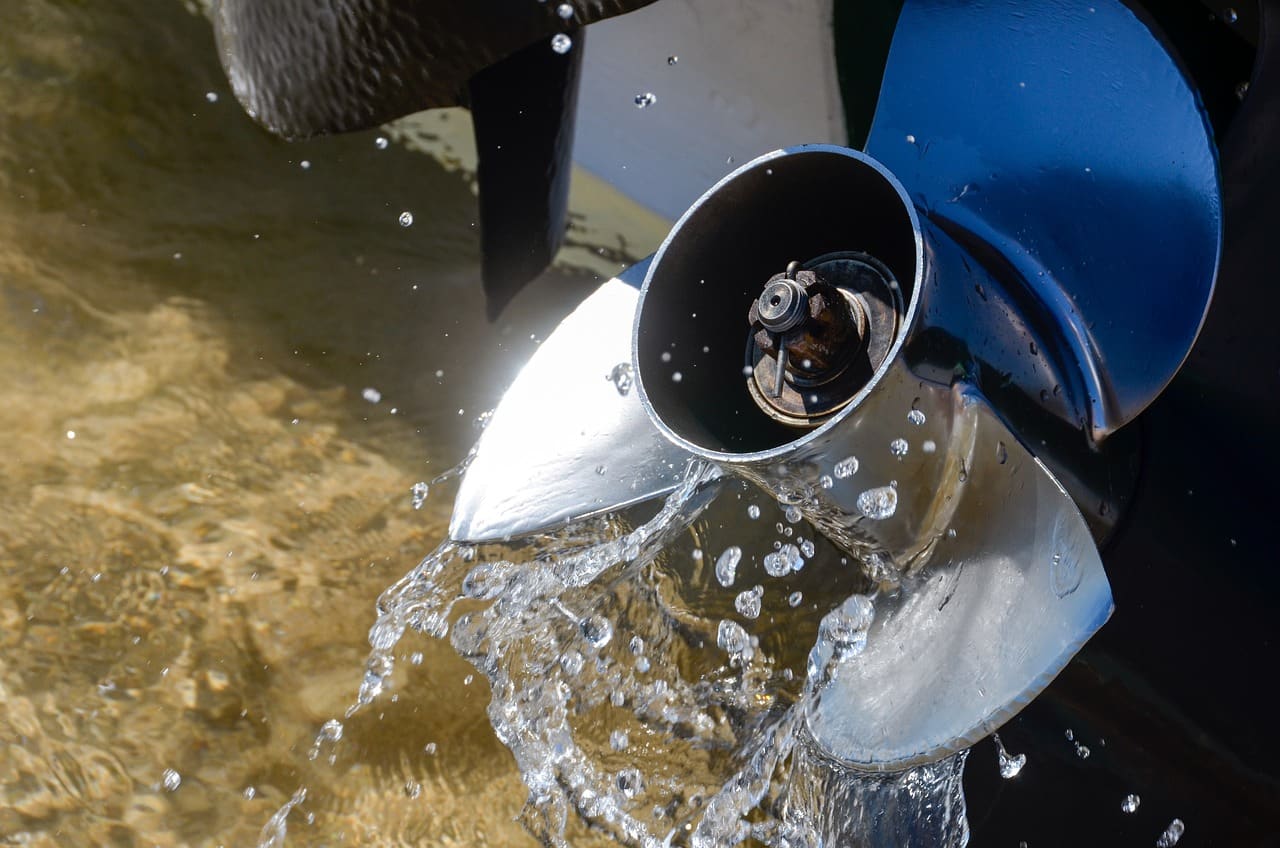
How to Flush Your Engine With Fresh Water
Rinse salt, silt and sand out of your outboard or sterndrive cooling system using the built-in flush port, flush muffs or a flush bag. Flushing after every saltwater trip is one of the easiest ways to prevent corrosion and overheating.
Jet Ski and Jet Boat Pump Care: Clearing the Intake Grate and Checking the Impeller and Wear Ring
Clear weeds, rope and rocks from the intake grate of a Sea-Doo, Yamaha WaveRunner, Kawasaki Jet Ski or jet boat, and learn to spot a damaged impeller or worn wear ring. A clogged or worn pump is the usual reason a jet craft revs high but goes slow.