Boating Under the Influence (BUI): The Law, the Limits and How to Plan a Sober Skipper
Operating a boat drunk or high is illegal in every state and under federal law, with a 0.08 BAC standard for recreational boats under 33 CFR Part 95. Learn why the sun, wind, noise and motion make alcohol hit harder on the water, what happens at a boarding (field sobriety tests, chemical tests and implied consent), the penalties, and how to plan a designated skipper. Practical guidance, not legal advice.
Time
15 min
Applies to
All engines
Safety first: If you see a boater who seems impaired and is putting people at risk, call 911 or hail the Coast Guard on VHF channel 16, as the Coast Guard advises. If your own operator has been drinking, don't argue at the helm: stop the boat, take the key and the engine cut-off lanyard, and let a sober, qualified person bring everyone in. If anyone falls in the water, follow your man-overboard plan and call for help.
Fuel smell, water coming in, CO alarm or smoke? Stop, get everyone in life jackets and call USCG on VHF 16 or 911. For a tow: Sea Tow or TowBoatUS.
Owners often ask
- Is it legal to drink a beer while driving my boat if I stay under 0.08?
- Can I get a BUI if I only smoked weed or took allergy medicine?
This guide walks you through it. Still stuck? Ask the AI Mechanic about your engine.
Tools
- Cooler stocked with water and non-alcoholic drinks
- Food and snacks for the whole day
- Sun protection (hats, shade, sunscreen)
Before you start
The short version: whoever runs the boat stays sober, the same as driving a car. The Coast Guard says it's illegal to operate a boat under the influence of alcohol or drugs in every state, and it also enforces a federal BUI law that covers all boats, from canoes and rowboats to the largest ships, including foreign boats in U.S. waters.
Why it's a big deal. Alcohol was the leading known contributing factor in fatal recreational boating accidents in 2024, accounting for 92 deaths, or 20% of all boating deaths, according to the Coast Guard. The Coast Guard also notes that in alcohol-related boating deaths, over half the victims capsized or fell overboard.
"Drugs" includes more than illegal drugs. Federal rules define a drug as any substance other than alcohol with known mind- or function-altering effects. That can include marijuana (even where it's legal on land), some prescription medicines and some over-the-counter sleep or allergy medicines. Read the warning label; if it says not to drive or operate machinery, that includes a boat.
Steps
Under the Coast Guard's BUI rule (33 CFR 95.020), a person operating a recreational boat is under the influence if:
- their blood alcohol concentration (BAC) is 0.08% or more, or
- the effect of alcohol or drugs is apparent by observation: their manner, speech, movement, appearance or behavior shows it.
That second part matters: you can be charged below 0.08 if you're visibly impaired. For commercial vessels the federal limit is lower, 0.04%. NASBLA's Operation Dry Water campaign puts it simply: the federal legal limit for operating a boat is 0.08.
States enforce their own BUI laws on their waters, and the Coast Guard and states cooperate. Federal rules say that where a state has set its own BAC level for boating, that level applies within the state instead of the federal 0.08 (33 CFR 95.025). States may also have stricter limits for young operators. Look up your state's BUI law on its boating agency site or through NASBLA's state laws page.
Federally, a person is operating a recreational boat if they have an essential role in its operation while underway, including navigating or controlling the engine (33 CFR 95.015). Swapping seats with a sober friend after you see a patrol boat doesn't erase what officers already saw. Some state laws also cover people towing skiers or operating PWCs and paddlecraft; check yours.
The Coast Guard explains that sun, wind, noise, vibration, spray and motion are "stressors" that cause fatigue and speed up impairment, so a boat operator is likely to become impaired more quickly than a driver, drink for drink. NASBLA's Operation Dry Water adds that these stressors intensify the effects of alcohol, drugs and some medications. Alcohol also:
- slows reaction time and dulls judgment, balance and coordination
- reduces peripheral and night vision, depth perception and the ability to tell red from green (navigation lights and buoys)
- can make a person who falls in unable to tell up from down
- creates a false sense of warmth, raising the risk from cold water (see our cold-weather guide)
The Coast Guard says most recreational boaters average only about 110 hours on the water a year, so they have less experience to fall back on than they do in a car.
The Coast Guard publishes a chart of approximate BAC by drinks and body weight, but it warns there is no safe threshold for drinking and operating a boat. Medications, fatigue, food and heat all change how alcohol affects you. If you stop for lunch and have a drink, the Coast Guard suggests waiting a reasonable time, at least about an hour per drink, before operating, and the safest choice is no alcohol for the operator at all.
- Decide at the dock who will run the boat all day, and that person drinks nothing.
- The designated skipper should be qualified: old enough and holding any boater education card your state requires (see our education card guide).
- Make sure at least one other sober adult knows how to stop the engine and call for help (our passenger briefing guide covers this).
- Keep the key and the engine cut-off lanyard or fob with the designated skipper.
The Coast Guard's tips: bring plenty of water, sodas, iced tea, lemonade or non-alcoholic beer, plus food and snacks; dress to stay cool; and plan a reasonable trip length because people tire faster on the water. If you want a party, plan it ashore at the dock, a picnic area or your backyard, with time between the fun and getting back in the car or boat.
Passenger drinking isn't illegal in many places, but it's dangerous. The Coast Guard and NASBLA both note that intoxicated passengers are at risk of slips, falls overboard and injuries. Set house rules in your pre-departure briefing:
- Life jackets on for anyone who's been drinking, especially near the rails or when swimming
- No riding on the bow, gunwales or swim platform
- No swimming after drinking without someone sober watching and the engines off
- Kids are supervised by a sober adult
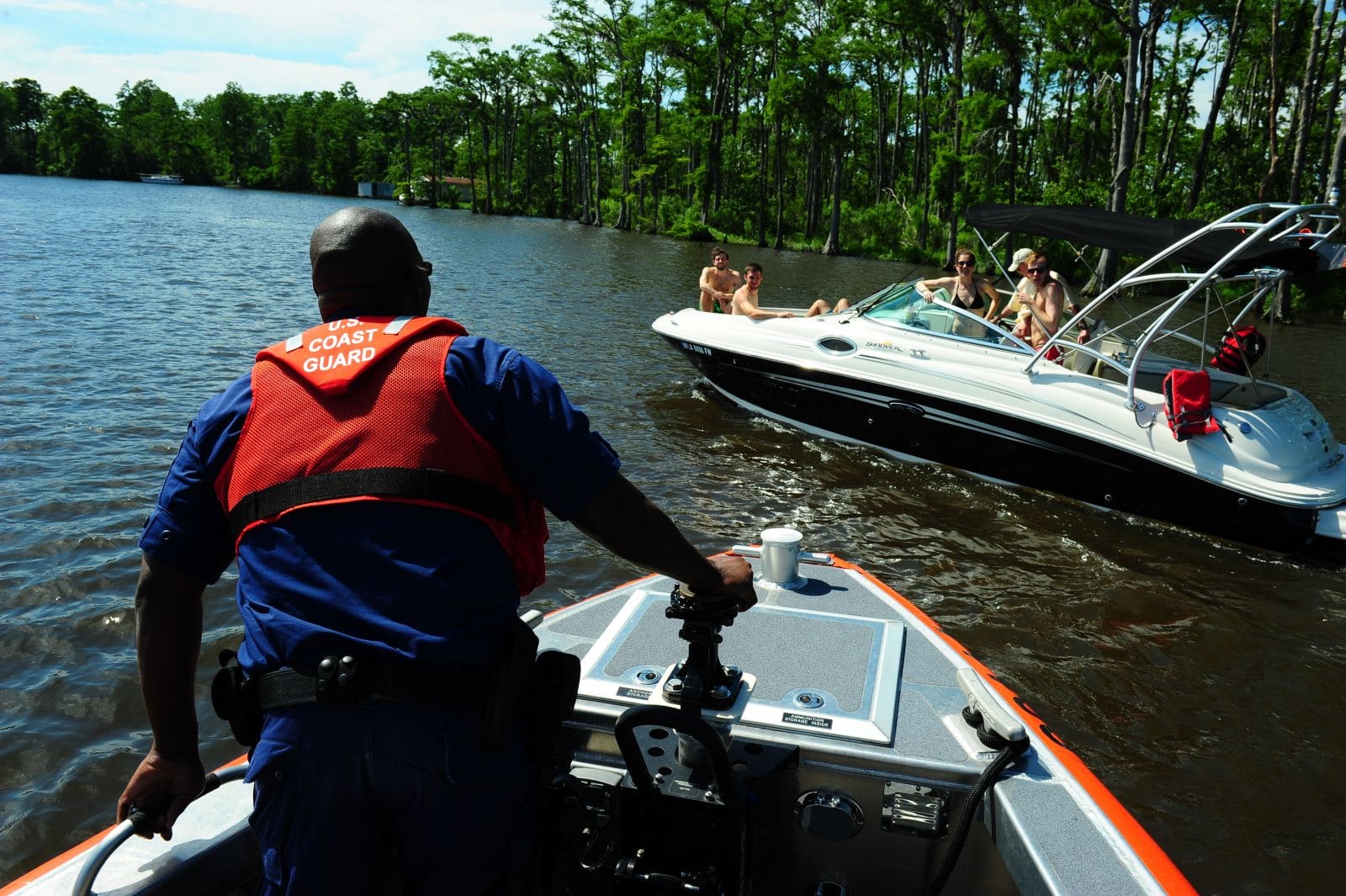
Coast Guard and state officers can stop and board recreational boats. If they suspect impairment:
- They may run field sobriety tests. On the water these are often seated tests designed for a moving boat (NASBLA trains officers in a seated standardized field sobriety test).
- They may ask for a chemical test (breath, blood or other) when there's reasonable cause, such as being involved in an accident or suspected of violating the BUI standard (33 CFR 95.035).
- When the Coast Guard decides an operator is impaired, it can terminate the voyage: the boat is taken to a mooring by the Coast Guard or a competent, sober person aboard, and the operator may be arrested, held until sober, or turned over to state or local police.
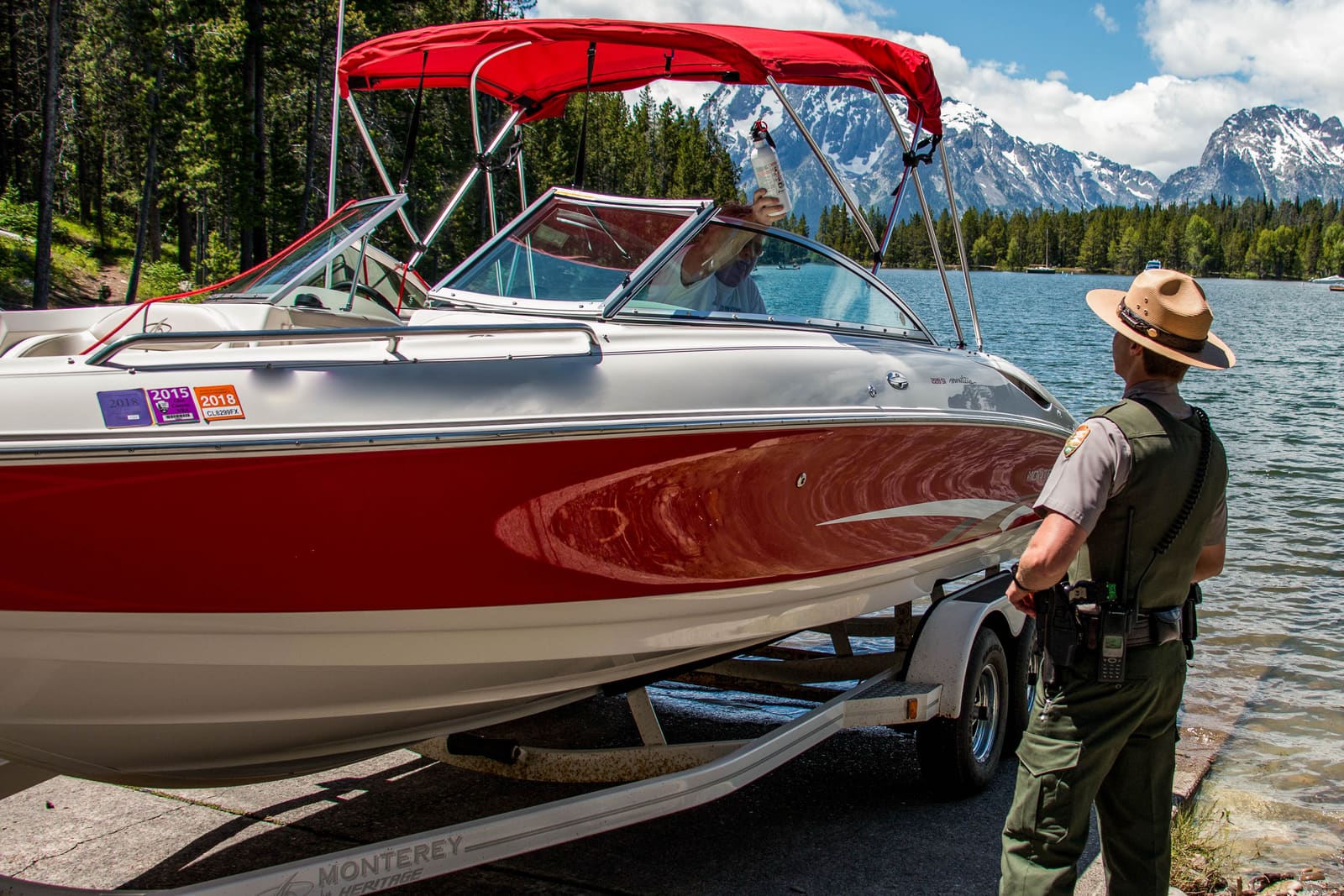
Operation Dry Water patrols happen at ramps as well as on the water. Photo: Grand Teton NPS / Wikimedia Commons · Public domain Most states have implied consent laws for boating: by operating a boat on state waters, you're considered to have agreed to a chemical test if an officer has lawful grounds to ask. Refusing can bring its own penalties, which in some states can include losing your boating privileges or even affect your driver license. Under the federal rule, if you refuse a test directed by an officer with reasonable cause, the refusal can be used as evidence in an administrative proceeding, and you're presumed to be under the influence (33 CFR 95.040). Each state's process differs; read your state's law.
- Federal: 46 U.S.C. 2302(c) makes BUI either a civil penalty or a class A misdemeanor. The statute says up to $5,000; the Coast Guard's inflation-adjusted maximum in 33 CFR 27.3 is currently $9,624.
- State: penalties vary but, as the Coast Guard and NASBLA describe, can include large fines, jail, loss of boat operating privileges and, in some states, an effect on your driver license. One example: the Tennessee Wildlife Resources Agency says a BAC of 0.08% or higher is illegal on Tennessee waters, the same as for driving, and penalties may include fines, jail, boat impoundment and loss of boat driving privileges. Its game wardens made 24 BUI arrests over the 2025 Fourth of July weekend alone.
- After an accident: if someone is hurt or killed, the charges become much more serious. You may also face civil lawsuits, and your insurer may deny or fight the claim.
If the operator is impaired, the safest move is to stop, anchor or tie up, and wait or get a sober, qualified person to take over. If no one aboard is fit to operate, call TowBoatUS, Sea Tow or a friend with a boat to come get you; it's far cheaper than an accident. If you see an impaired boater endangering others, report it on VHF 16 or by calling 911.
Common mistakes
- Thinking a few beers don't matter "because it's a boat, not a car."
- Assuming you're legal if you're under 0.08. You can still be charged if impairment is visible.
- Forgetting that cannabis and some medicines count as drugs.
- Choosing the designated skipper after the drinking has started.
- Letting tipsy guests ride the bow or swim from a running boat.
- Swapping seats when a patrol boat approaches.
When to call a pro
- Anyone overboard, injured or unresponsive: Coast Guard on VHF 16 or 911, then follow your man-overboard plan
- No sober, qualified operator aboard: call TowBoatUS, Sea Tow or a friend; don't "risk it" back to the ramp
- You see an impaired boater endangering others: 911 or VHF 16
- You've been cited or arrested for BUI: talk to a local attorney who handles boating cases
- There was an accident: see our boating accident report guide; reports have deadlines
Tips
- Make "the skipper stays dry" part of your pre-departure briefing every trip.
- Keep a dedicated cooler of water and non-alcoholic drinks that's always full.
- If friends want to celebrate, end the boat day at the dock and start the party ashore.
- Shade and water do more for a long hot day than anything else; heat and dehydration make impairment worse.
- Operation Dry Water runs a heightened-enforcement weekend every year around the Fourth of July (in 2026 it was July 3 to 5); expect extra patrols, and remember that officers also watch passengers' safety, not just the operator.
Official references
We read these to write this guide. Your engine's own manual always wins.
- U.S. Coast Guard Boating Safety – BUI Initiatives
- eCFR – 33 CFR Part 95, Operating a Vessel While Under the Influence of Alcohol or a Dangerous Drug
- Cornell LII – 46 U.S. Code 2302, Penalties for negligent operations and interfering with safe operation
- eCFR – 33 CFR 27.3, Penalty adjustment table (inflation-adjusted civil penalties)
- NASBLA Operation Dry Water – About BUI
- NASBLA Operation Dry Water – State Laws
- Tennessee Wildlife Resources Agency – 2026 Operation Dry Water Set for July 4th Holiday Period
- U.S. Coast Guard News – Coast Guard reports fewest boating fatalities in more than 50 years (2024 statistics, July 2025)
Safety: BoatMend is for information only and does not replace a certified marine technician. You are responsible for your safety and your boat. Read the full disclaimer.
Last updated 2026-10-26
Related guides
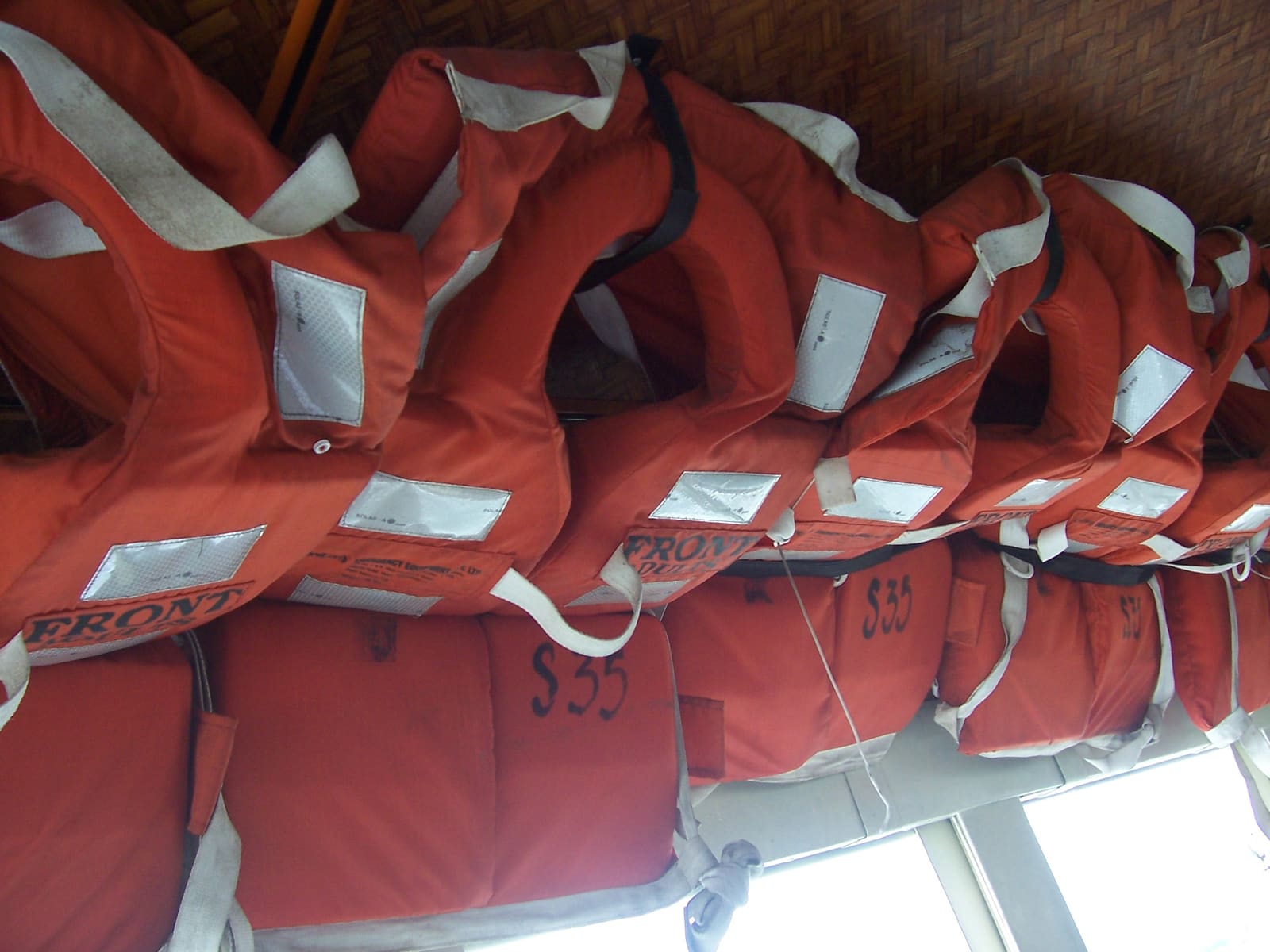
The Pre-Departure Safety Briefing: What to Tell Every Passenger (with a Printable Checklist)
A five-minute talk before you leave the dock turns guests into a crew that can help in an emergency. Cover life jackets, the engine cut-off switch, the fire extinguisher, how to call for help on the VHF, what to do if someone falls overboard, staying seated, seasickness and carbon monoxide near the stern, then use the printable checklist every trip.
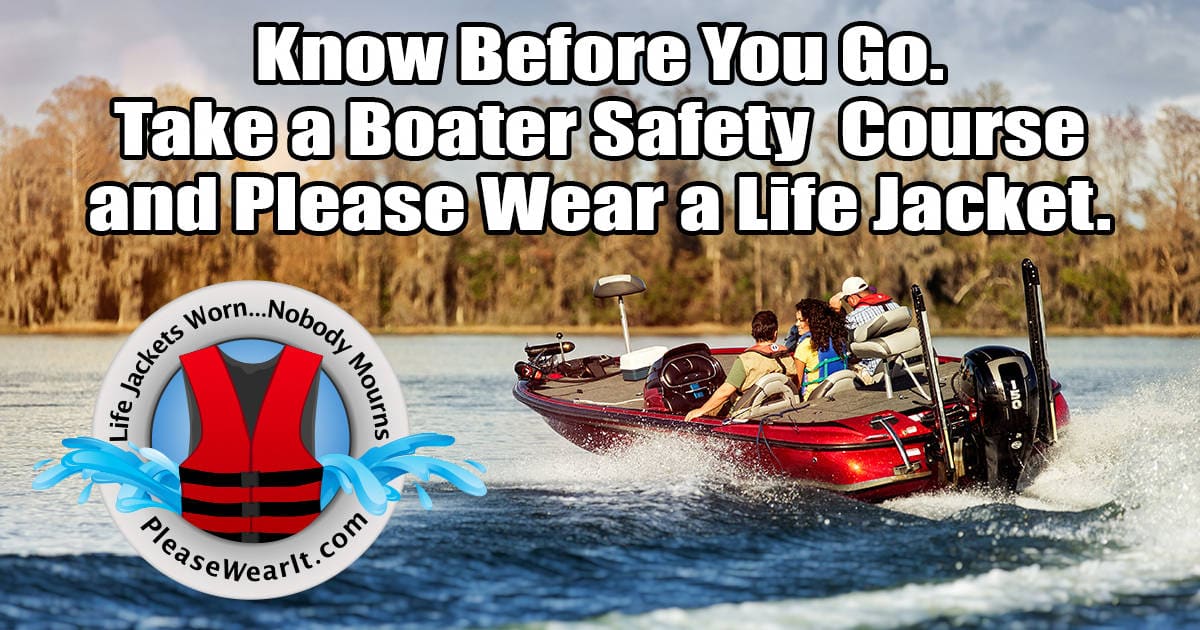
Boater Education Cards: Who Needs One, How to Get It and When It Works in Other States
Most states require some boat operators to complete an approved boating safety course and carry proof. Learn how to find your state's rule (age, horsepower, boat type), pick a NASBLA-approved course, get the card, use it when you visit other states, and what rental and other exemptions usually look like. Practical guidance, not legal advice.
Engine Cut-Off Switch (Kill Switch) and Lanyard: The Law, Testing and Daily Use
How the engine cut-off switch (ECOS) and its lanyard or wireless fob work, when federal law requires you to wear it (boats under 26 feet, 3 hp or more, on plane), how to test it before every trip, and why a spare clip aboard matters.
Man-Overboard Recovery Gear: Throwables, Lifesling, Ladders and MOB Alarms
Set up and check the gear that gets a person in the water back aboard - a throwable within reach, a floating rescue line or Lifesling-style sling, a boarding ladder someone in the water can pull down, and MOB alarms or AIS beacons - and practice the drill so it works when it counts.
Set Up Your VHF Radio: MMSI, DSC, GPS Hookup and Radio Checks
Get a free or low-cost MMSI number, program it into your DSC radio, connect your GPS so a distress alert sends your exact position, check the antenna, and learn the Channel 16 rules and the right way to do a radio check.
Boating at Night: Lights, Speed, Night Vision and Reading Other Boats
Get ready for a safe run after dark, from checking your navigation lights and dimming the helm to slowing down, reading other boats' lights and buoys, keeping life jackets on and leaving the alcohol ashore.
Cold-Weather Boating: Cold Water Safety, Gear and Engine Care in Late Fall and Winter
Boating after the crowds leave can be beautiful, but cold water changes the risks. Learn why cold shock is the first danger, why the popular 1-10-1 rule needs caution, what to wear, how to plan, and how to care for the engine, battery and anything that holds water between trips.
Boating Accident Reports: When You Must File and What to Collect
Know when federal rules require a written boating accident report, how fast it is due, who to send it to and what details and photos to gather at the scene, so you meet the deadline and your insurance claim goes smoothly. Practical help, not legal advice.
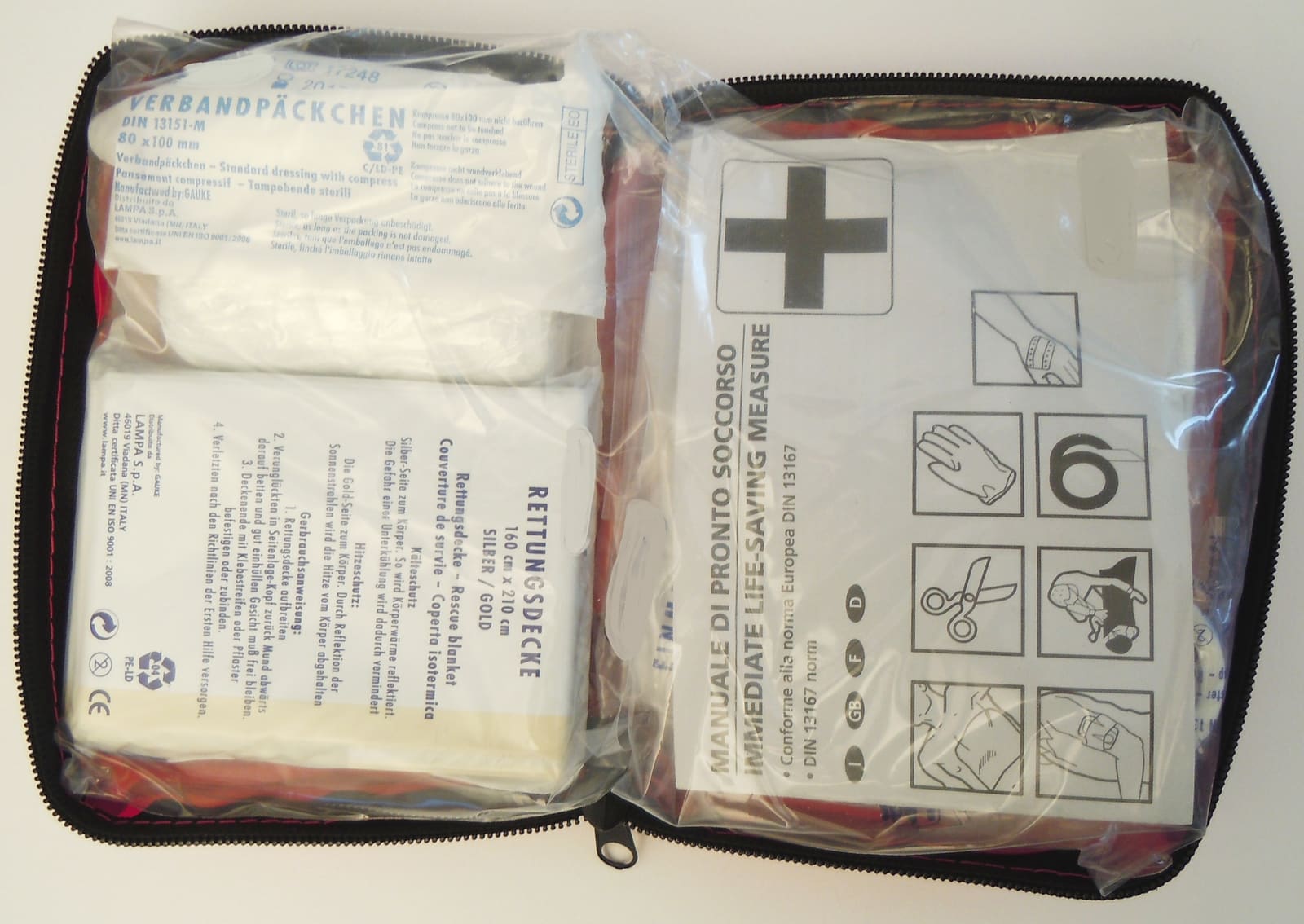
Boat First-Aid Kit and Medical Prep: What to Carry, Day Trips to Offshore
Build and maintain a boat first-aid kit that fits how far from help you go, with the extras boaters actually need for seasickness, fish hooks, cuts, burns, sun, heat and cold, plus a crew briefing, expiration-date checks and training. General preparation only, not medical advice.