Boating in Fog: When to Stay In, Sound Signals, Safe Speed and Using Your Electronics
Fog can roll in on any lake, bay or coast. Learn when to stay at the dock, the fog signals the Coast Guard rules require, how slow is slow enough, how to use radar, AIS and your chartplotter without trusting them blindly, and when to simply anchor and wait it out.
Time
30 min
Applies to
All engines
Safety first: If you can't see and you're not sure where you are, slow down or stop. Never race to beat fog home. If you're lost near hazards, about to be run down, or aground and taking on water, call the Coast Guard on VHF channel 16 (or press the DSC distress button) or 911. If you're simply stuck, anchor out of the channel and call Sea Tow or TowBoatUS.
Fuel smell, water coming in, CO alarm or smoke? Stop, get everyone in life jackets and call USCG on VHF 16 or 911. For a tow: Sea Tow or TowBoatUS.
Owners often ask
- Fog rolled in and I can barely see the bow. Should I keep going slowly or stop and anchor?
- What horn signal am I supposed to give in fog on a small boat, and how often?
This guide walks you through it. Still stuck? Ask the AI Mechanic about your engine.
Tools
- Working horn (fixed, handheld air horn with spare canisters, or a refillable pump horn)
- Loud whistle (backup for the horn)
- Compass you can read at the helm
- Chartplotter or GPS app with your waters loaded, plus a paper chart as backup
- Depth sounder
- VHF radio, ideally with DSC and AIS receive
- Radar, if your boat has one
Parts & supplies
- Spare horn canisters or batteries
- Radar reflector (for boats without radar or AIS transmit)
Before you start
Fog is "restricted visibility" under the Navigation Rules, the same category as heavy rain, snow, haze or smoke. It forms fast over cool water on warm, humid days, and it can sit in a harbor while the open water is clear (or the reverse). Mercury's advice is the simplest one: the safest answer to a dense fog is to wait it out on shore or in your slip.
This guide covers what to do before you leave, and what to do if fog catches you on the water. Practice the electronics parts (steps 7 and 8) on a clear day; fog is the worst time to learn your radar.
Steps
Check the marine forecast for fog, dense fog advisories or "visibility less than 1 nautical mile." The National Weather Service says fog is usually considered dense for mariners once visibility drops below 1 mile, and its marine forecasts describe visibility as very poor (under 0.5 nautical mile), poor (0.5 to under 2), moderate (2 to 5) or good (over 5). On land, a Dense Fog Advisory usually means visibility of a quarter mile or less. NOAA Weather Radio on your VHF's weather channels also broadcasts updates on fog forming, moving or lifting. Look out at the water too: if you can't see the far channel markers from the dock, stay put or wait for it to burn off. Morning fog often lifts by late morning; Mercury notes it commonly sets in early and clears as the day goes on.
If you go out on a day when fog is possible, plan a route that keeps you in water you know, away from shipping lanes, with a sheltered spot where you could anchor.
Do this at the dock, not when the fog is already around you:
- Horn: test it. A canister air horn runs out fast when you're giving a long blast every two minutes; BoatUS recommends buying canisters several at a time. Keep a loud whistle as a backup.
- Lights: check that navigation lights work. The rules require them in restricted visibility, day or night.
- Electronics: chartplotter and depth sounder on, radar warmed up if you have one, VHF on channel 16.
- Compass: make sure you can read it at the helm and know your heading home.
- Life jackets on. In fog, a person who falls in can vanish from sight in seconds.
The rules say every vessel must go at a safe speed for the conditions, and a power boat must have its engine ready to maneuver right away. There's no fixed number. Mercury's rule of thumb: go about half as fast as you think you could, so you have time to see and avoid another boat that may be coming at you just as fast. If you can only see 100 feet, you need to be able to stop well inside 100 feet.
Going slower also keeps the engine quieter so you can hear other boats (step 5).
Under Rule 35 (33 CFR 83.35), in or near restricted visibility, day or night, at intervals of not more than 2 minutes:
- Power boat moving through the water: one prolonged blast (4 to 6 seconds).
- Power boat stopped and drifting, engine running but no way on: two prolonged blasts about 2 seconds apart.
- Sailboat, fishing vessel, boat towing, or boat that can't maneuver: one prolonged blast followed by two short blasts.
- At anchor: ring a bell rapidly for about 5 seconds at least every minute. You may also give one short, one prolonged and one short blast to warn an approaching boat.
Small boats: a boat under 12 meters (about 39 feet) isn't required to give these exact signals, but if it doesn't, the rule says it must make "some other efficient sound signal" at intervals of not more than 2 minutes. In practice, most small-boat owners simply use the signals above with a horn, which other boaters will recognize. Boats 12 to 20 meters don't have to carry out the bell signals but must then use another efficient sound signal.
Set a phone timer so nobody forgets. See boat horn and sound signals for the full list.
Rule 5 requires a proper lookout by sight and hearing at all times. In fog:
- Put one person on lookout who does nothing else, ideally at the bow if it's safe.
- Turn off the stereo and keep conversation down. BoatUS notes fog tends to hold sound close to the water, so you may hear engines and buoys sooner than on a clear day, but the direction can be deceiving.
- Every so often, stop and shut the engine off for a minute to listen. The BoatUS Foundation recommends this for getting your bearings near big ships.
Under Rule 19, if you hear another boat's fog signal apparently ahead of your beam, slow to the minimum speed that keeps you on course, stop completely if needed, and go with extreme caution until the danger is past.
With nothing to look at, it's easy to steer in slow circles. Mercury suggests watching the line where the water meets the fog rather than staring into the gray, and asking a crew member to watch your wake astern and tell you if you're curving. Don't keep turning around yourself; you'll lose your reference each time. Follow a compass or chartplotter heading, and keep checking it.
Your plotter shows where you are, but it doesn't show other boats (unless they send AIS) or every rock. BoatUS describes a cruiser that went hard aground in fog at about 5 knots while the skipper navigated by radar; radar doesn't see underwater ledges. Watch the depth sounder constantly and know what depth means you're getting too close to shore. A bottom-view fish finder makes shoaling easy to spot.
Lay a track or route from the harbor mouth to your dock on a clear day. A BoatUS writer whose radar failed in thick fog inside a crowded harbor later set an autopilot track down the middle of the channel for exactly this situation.
Two traps owners have written about:
- A frozen plotter looks normal. A Practical Sailor contributor sailing in zero visibility found his chartplotter had stopped updating his position, while it still let him zoom and scroll the chart. Every few minutes, check that your position, speed and the depth sounder agree with each other, and keep a second GPS source (a phone app or handheld) ready to compare.
- GPS heading wanders at very low speed. A Boating Magazine reader creeping through dense fog found the boat was drifting so much that the GPS "heading" kept changing, and he had no compass aboard. At a crawl, steer by the compass and use the plotter for position.
- Radar shows boats, buoys and shorelines, but only if you know how to read it. BoatUS stresses that a single look doesn't tell you where a target is heading; you need several observations over time (plotting) to see whether it's a collision course. Rain and waves create clutter, and small boats can be hard to see on it.
- AIS shows ships and many larger boats with name, course and speed, but only those that transmit. Most small recreational boats don't, so an empty AIS screen doesn't mean empty water. See AIS setup.
- Be seen: a properly mounted radar reflector helps ships pick you up, but BoatUS says not to rely on it alone.
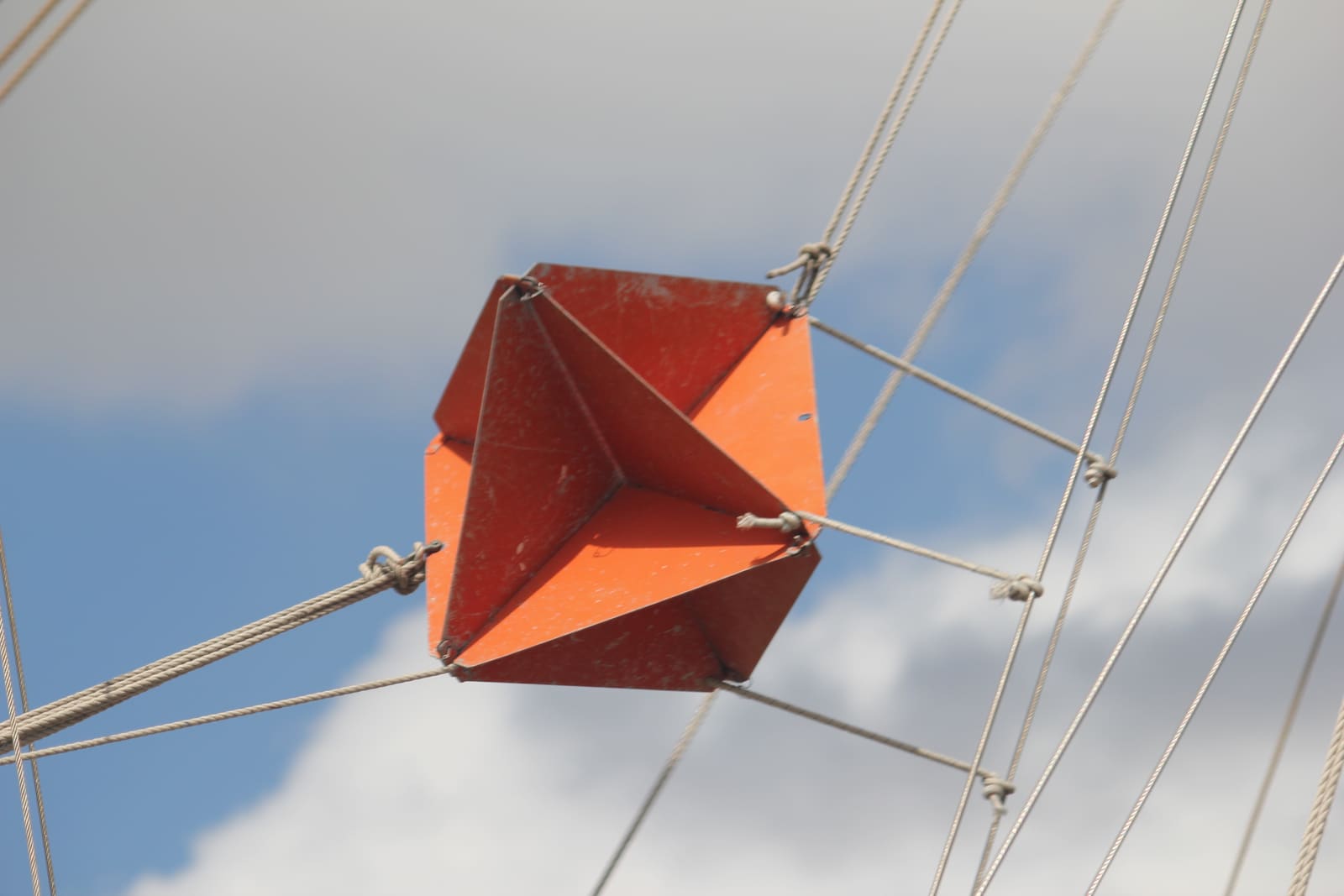
Mount a radar reflector as high as you can so ships' radar can pick out a small fiberglass boat. Photo: Tim Sheerman-Chase / Wikimedia Commons · CC BY 2.0 If you don't already know your radar well, treat it as a bonus, not your main tool. See radar care.
Mercury warns that boats navigating by electronics in fog tend to steer straight for the channel markers on their plotters, which funnels traffic there. Don't stop next to a marker, in a channel or in a shipping lane. Big ships can't stop or turn quickly, and the BoatUS Foundation says to avoid crossing a ship channel in fog if you can. If you must cross, cross at a right angle, quickly and at a safe speed, after listening carefully.
Also stay away from the shoreline unless you know it's clean. BoatUS describes a boater who hugged the beach to avoid getting lost and ended up on a reef; open water free of hazards was the safer choice.
If you're not comfortable continuing, the best move is often to stop. Get well clear of channels, traffic, surf and strong current, set the anchor with plenty of scope (BoatUS suggests 5:1 is better than 3:1), and wait. Keep your anchor light on, keep sounding your anchored signal, keep a lookout and keep listening. See anchor rode and scope.
If you're drifting with no anchor that will reach bottom, sound the "stopped" signal (two prolonged blasts) and keep watch.
- Lost and drifting toward hazards, or a near-collision you can't sort out: call the Coast Guard on VHF 16 and give your best position (your plotter's latitude and longitude).
- Engine trouble or low fuel in fog: anchor first, then call your tow service.
- Overdue: if you planned to be back and won't be, call or text the person holding your float plan so they don't panic.
Common mistakes
- Speeding up to get home before the fog gets worse. Faster means less time to react and more engine noise drowning out other boats.
- Stopping right next to a channel marker because it's "something to hold onto." That's where other boats are headed.
- Trusting the AIS screen. Most small boats don't transmit AIS.
- Running the stereo or chatting loudly, then missing another boat's horn.
- Running out of horn canister after twenty minutes of signals.
- Leaving the navigation lights off because it's daytime.
- Following another boat closely through fog. You don't know where they're going or if they know the water. A Boating Magazine reader who trailed a larger boat out of a Lake Michigan harbor drifted off the channel center while staring at its transom, and stopped about 25 feet short of the breakwall only because the other skipper sounded his horn.
When to call a pro
- If your radar, AIS or chartplotter acts up (drops out, drifts, wrong heading), have a marine electronics tech check it before your next foggy trip. A heading-offset or power problem is worse than no radar at all.
- If you boat where fog is common, take a radar course or an on-water lesson with an instructor; they can teach plotting and collision avoidance.
- For any real emergency, the Coast Guard on VHF 16, or 911, then your tow service.
Tips
- Write the fog signals on a card near the horn.
- Put your home harbor's entrance waypoints and a safe anchoring spot in your plotter as favorites.
- A refillable pump horn never runs out of gas; BoatUS mentions them as an option.
- Practice: on a clear day, have someone else drive while you navigate from buoy to buoy using only the radar or plotter. You'll quickly find out what you don't know.
- Fog plus cold water is a dangerous mix. Dress for the water temperature; see cold-weather boating.
Official references
We read these to write this guide. Your engine's own manual always wins.
- eCFR – 33 CFR 83.35, Sound signals in restricted visibility (Rule 35)
- eCFR – 33 CFR 83.19, Conduct of vessels in restricted visibility (Rule 19)
- eCFR – 33 CFR 83.05, Look-out (Rule 5)
- eCFR – 33 CFR 83.20, Lights and shapes, application (Rule 20)
- Mercury Marine – 5 Tips for Safe Boating in Foggy Conditions (Dockline)
- BoatUS – Coping With Sudden Fog
- BoatUS – Thick Fog, No Radar, Now What? (2026)
- National Weather Service – Boating in Fog (marine visibility terms)
- National Weather Service – Fog Advisories
- BoatUS Foundation – Commercial Shipping and You
- Practical Sailor – The Fog of Chartplotter Complacency
- Boating Magazine – I Learned About Boating From This, Boating Danger in the Fog
- Boating Magazine – Lessons for Boating in Fog (reader account)
Safety: BoatMend is for information only and does not replace a certified marine technician. You are responsible for your safety and your boat. Read the full disclaimer.
Last updated 2026-10-25
Related guides
Boat Horns and Sound Signals: Requirements, Testing and the Signals Every Skipper Should Know
Every boat needs a way to make an efficient sound signal, and bigger boats need a proper whistle or horn. Learn the Coast Guard requirements by boat length, how to test and fix an electric horn, why a canister air horn makes a good backup, and the basic passing, danger and fog signals.
How to Test and Fix Your Boat's Navigation Lights
Learn which navigation lights your boat must show and when, then test them and fix the usual culprits such as corroded sockets, loose pole-light plugs and blown bulbs. Working lights are legally required at night and in poor visibility and are how other boats see which way you are heading.
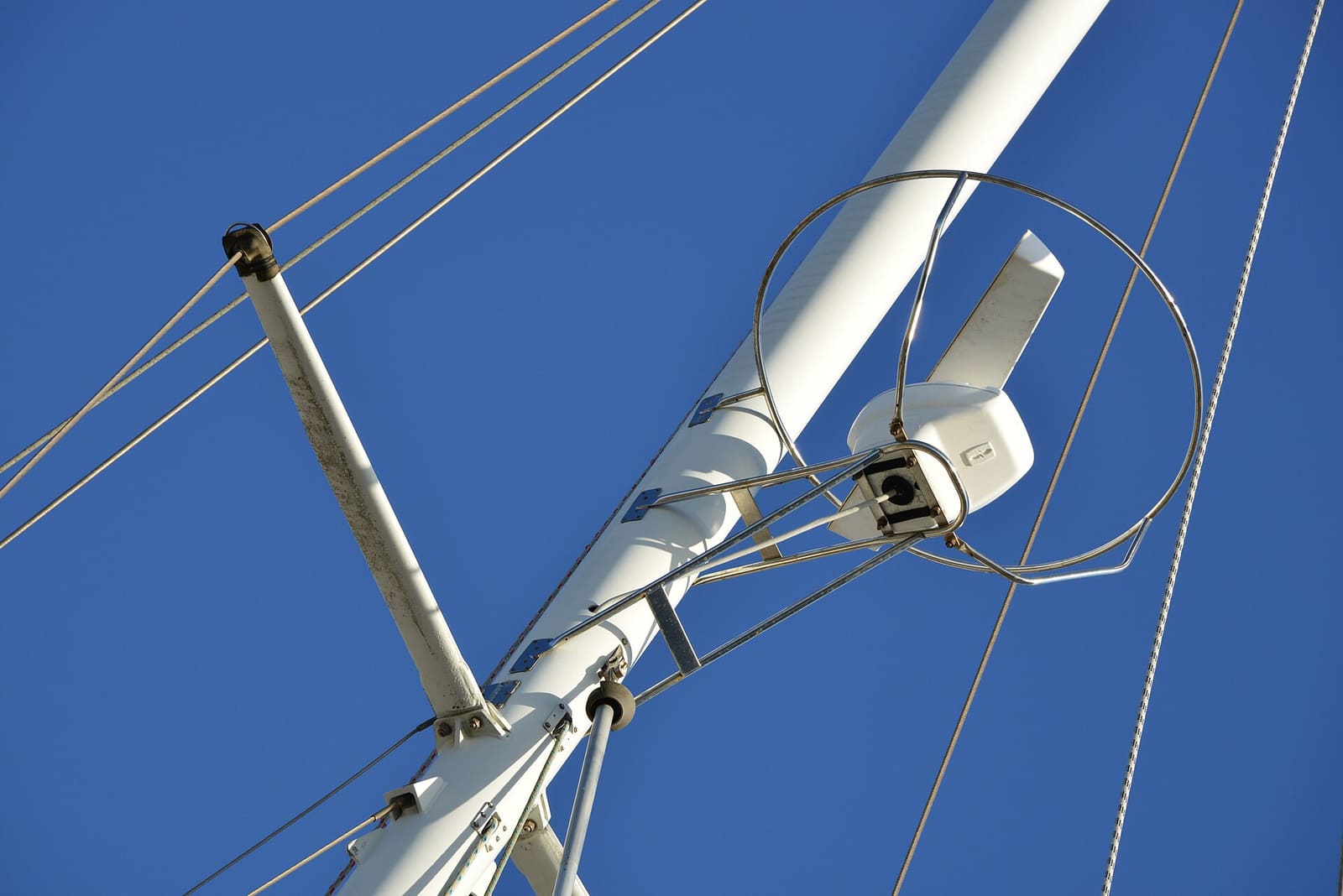
Recreational Radar Care: Radome and Open-Array Cleaning, Mounts, Cables and Alignment
Keep your boat's radar seeing small targets by cleaning the radome or open array the right way, checking the mount, cable and connectors for corrosion, and confirming that targets line up with the bow. Includes the safety rules for working near a radar that might transmit, plus winter care.
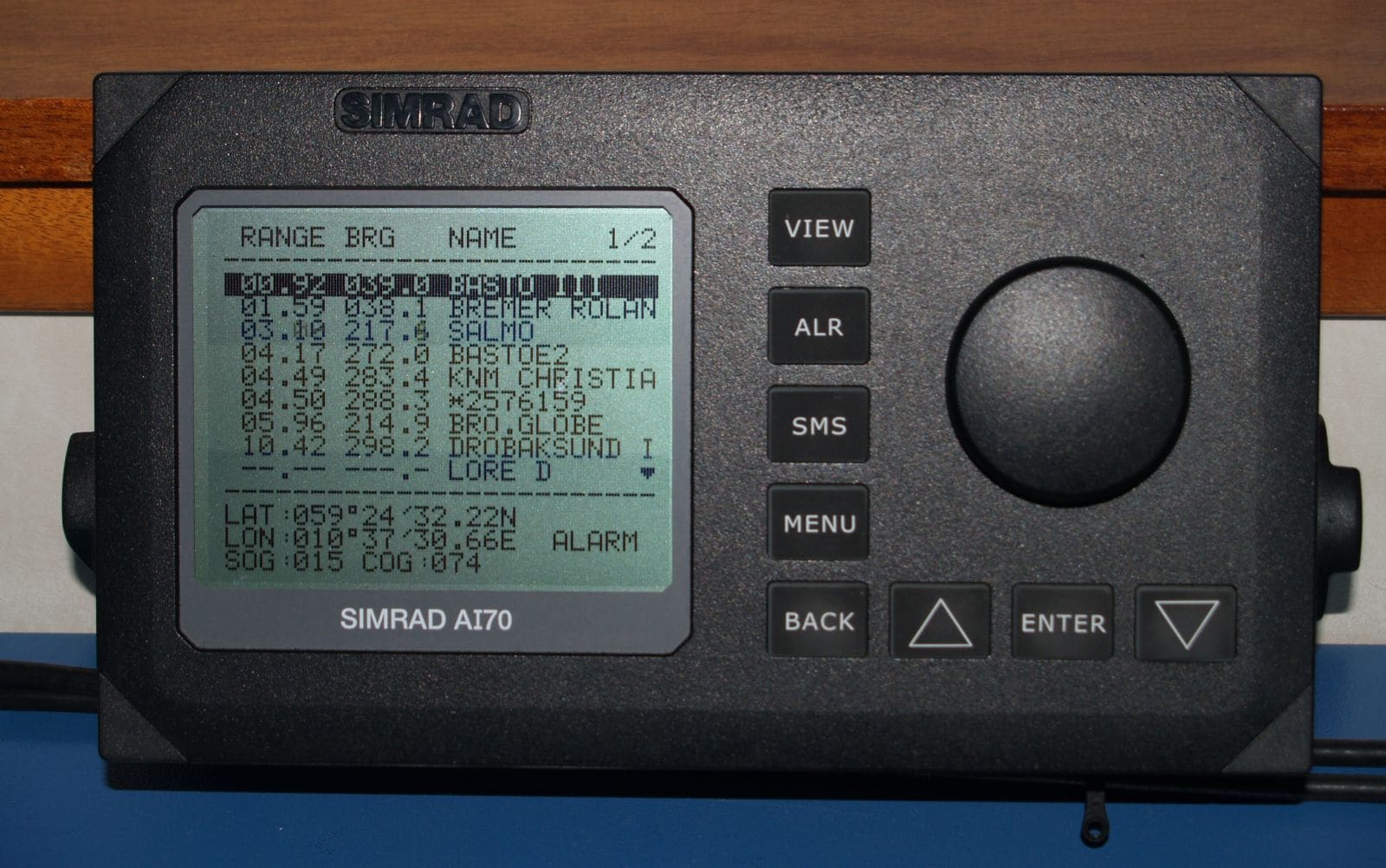
AIS on Your Boat: Receiver vs. Class B, MMSI Programming, Antennas and Checking You're Seen
Choose between a receive-only AIS and a Class B transponder, get the MMSI programmed the legal way, sort out the GPS and VHF antenna (or splitter), confirm other boats and the Coast Guard actually see you, and understand silent mode and AIS man-overboard beacons.
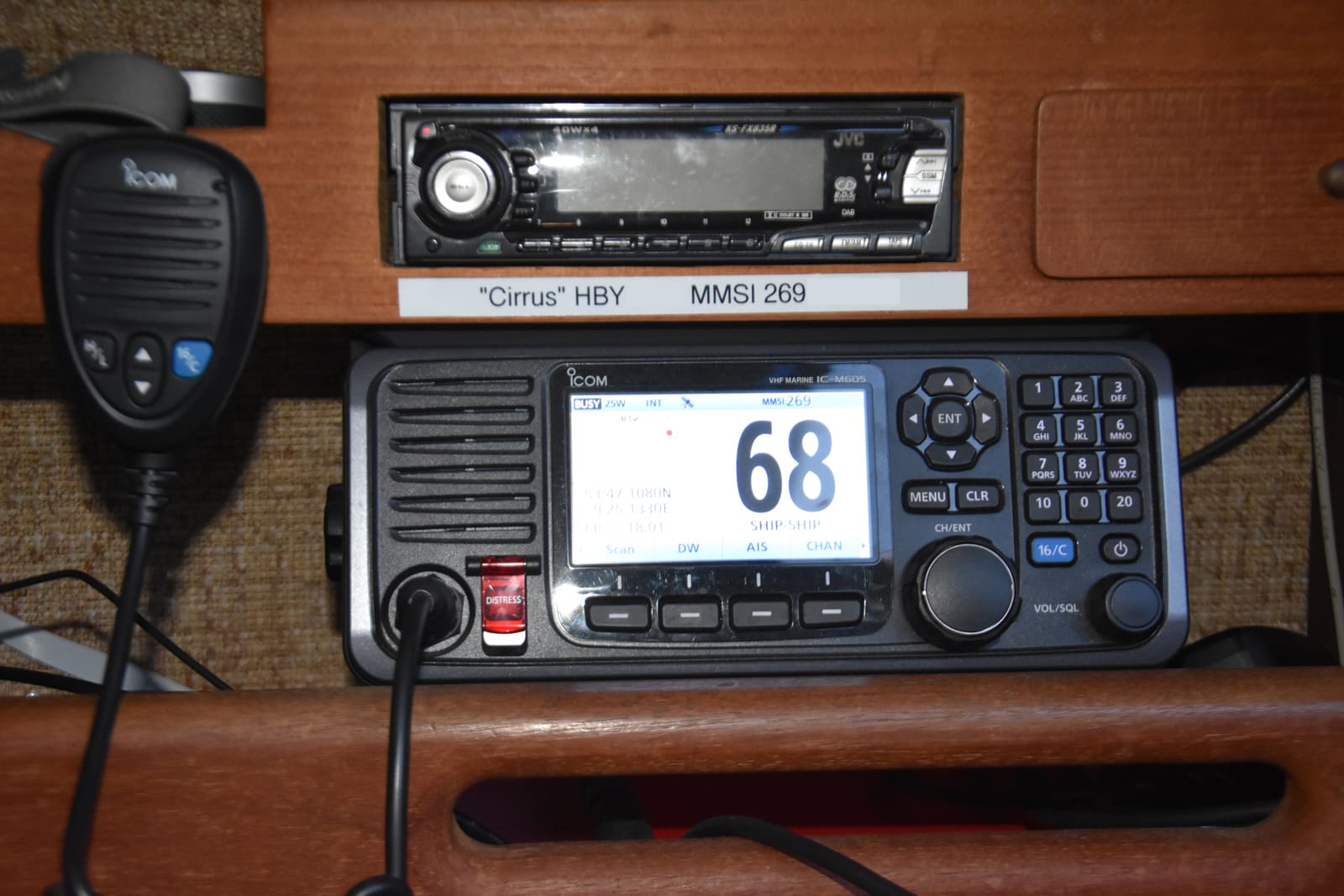
Set Up Your VHF Radio: MMSI, DSC, GPS Hookup and Radio Checks
Get a free or low-cost MMSI number, program it into your DSC radio, connect your GPS so a distress alert sends your exact position, check the antenna, and learn the Channel 16 rules and the right way to do a radio check.
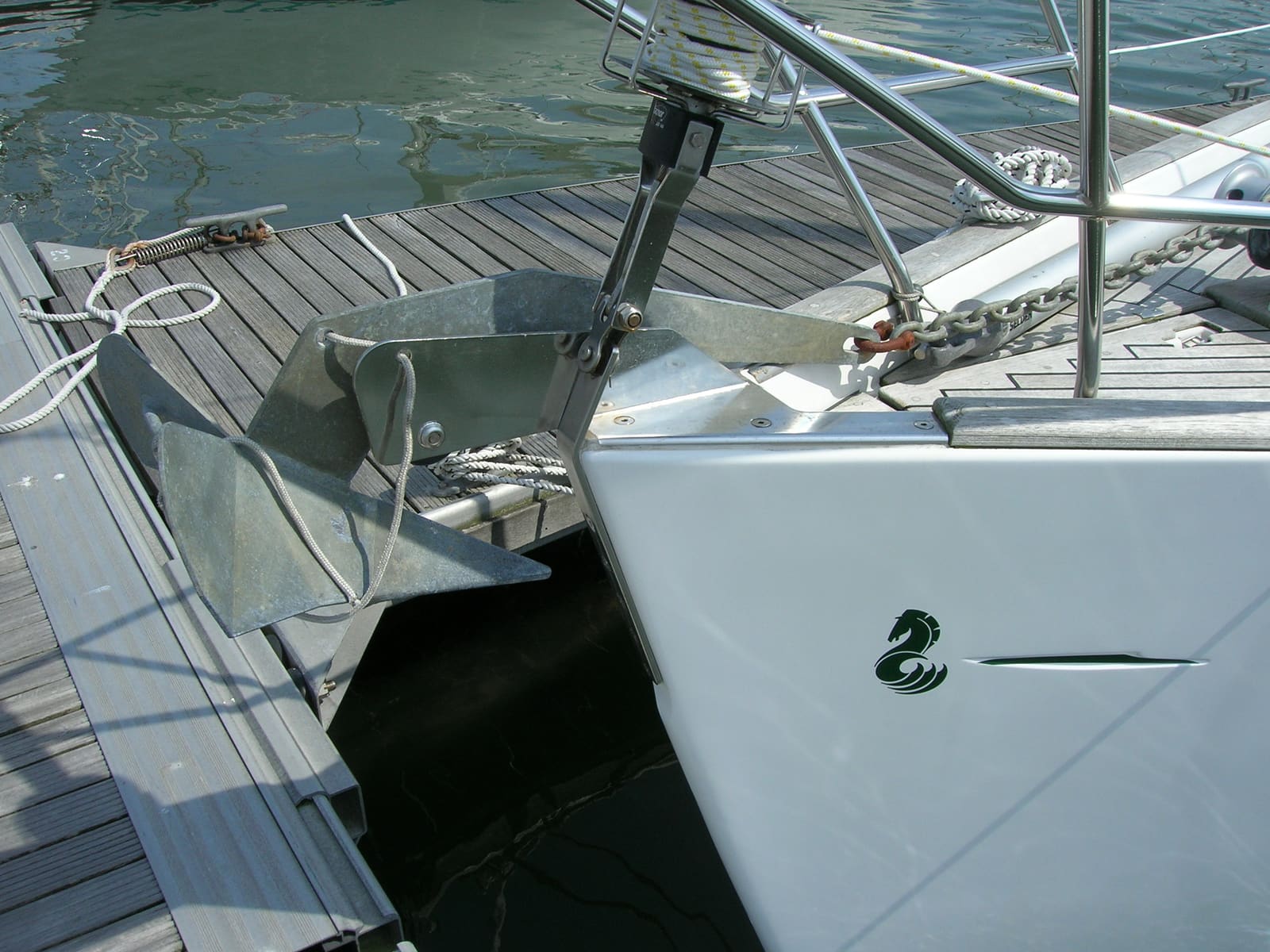
Anchor Basics: Choosing the Anchor, Rode and Scope, Setting It and Checking Your Gear
Match your anchor to the bottom you usually anchor in, put together a chain-and-nylon rode, let out enough scope for the depth and weather, set and check the anchor, use an anchor alarm, and inspect the rode, splices and shackles every season so the weakest link isn't hiding in your ground tackle.
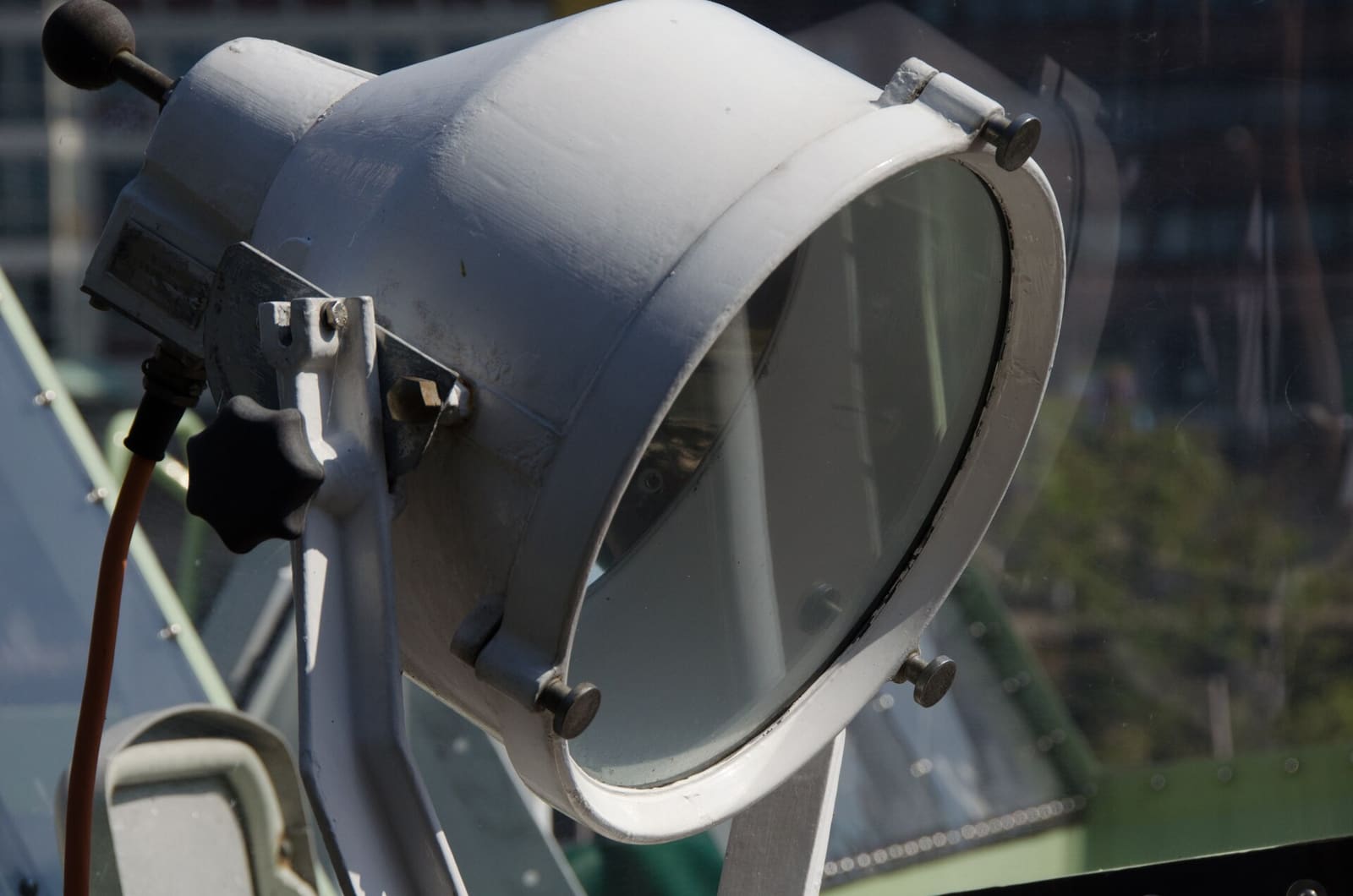
Boat Spotlights and Searchlights: Care, Wiring Checks and Using Them Without Blinding Anyone
A good spotlight helps you find markers, moorings and debris at night and signal for help, but only if it works and you use it carefully. Learn how to care for remote-control searchlights and handheld spotlights, clean lenses, check fuses and wiring, and use the beam in short sweeps that never blind other boaters.
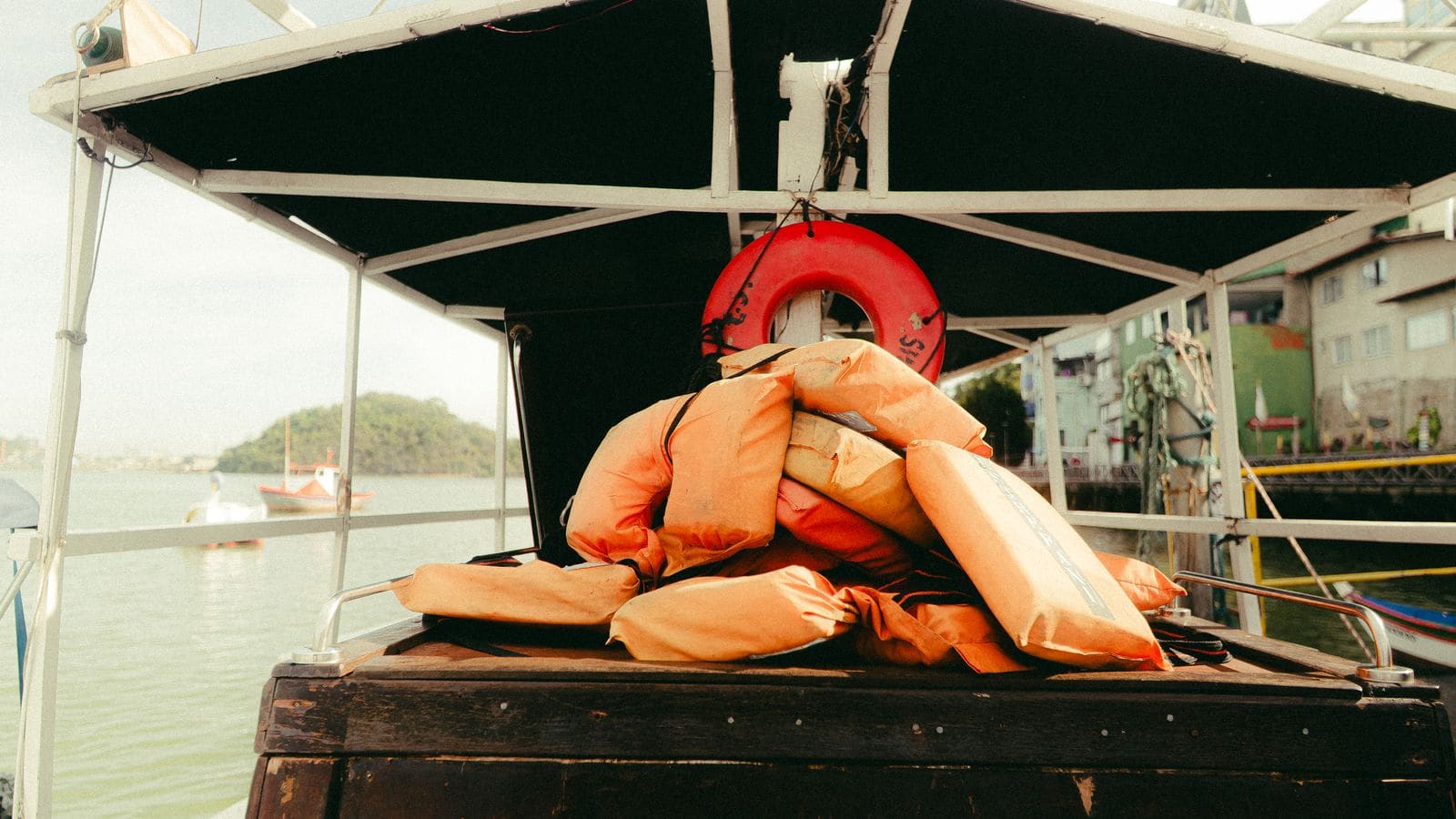
USCG Required Safety Equipment Check by Boat Length
Walk through your boat and confirm you carry every piece of safety gear the US Coast Guard requires for your boat's length and type, and that none of it is expired or worn out. Missing or expired gear is one of the most common tickets on the water, and it is the gear you need when things go wrong.
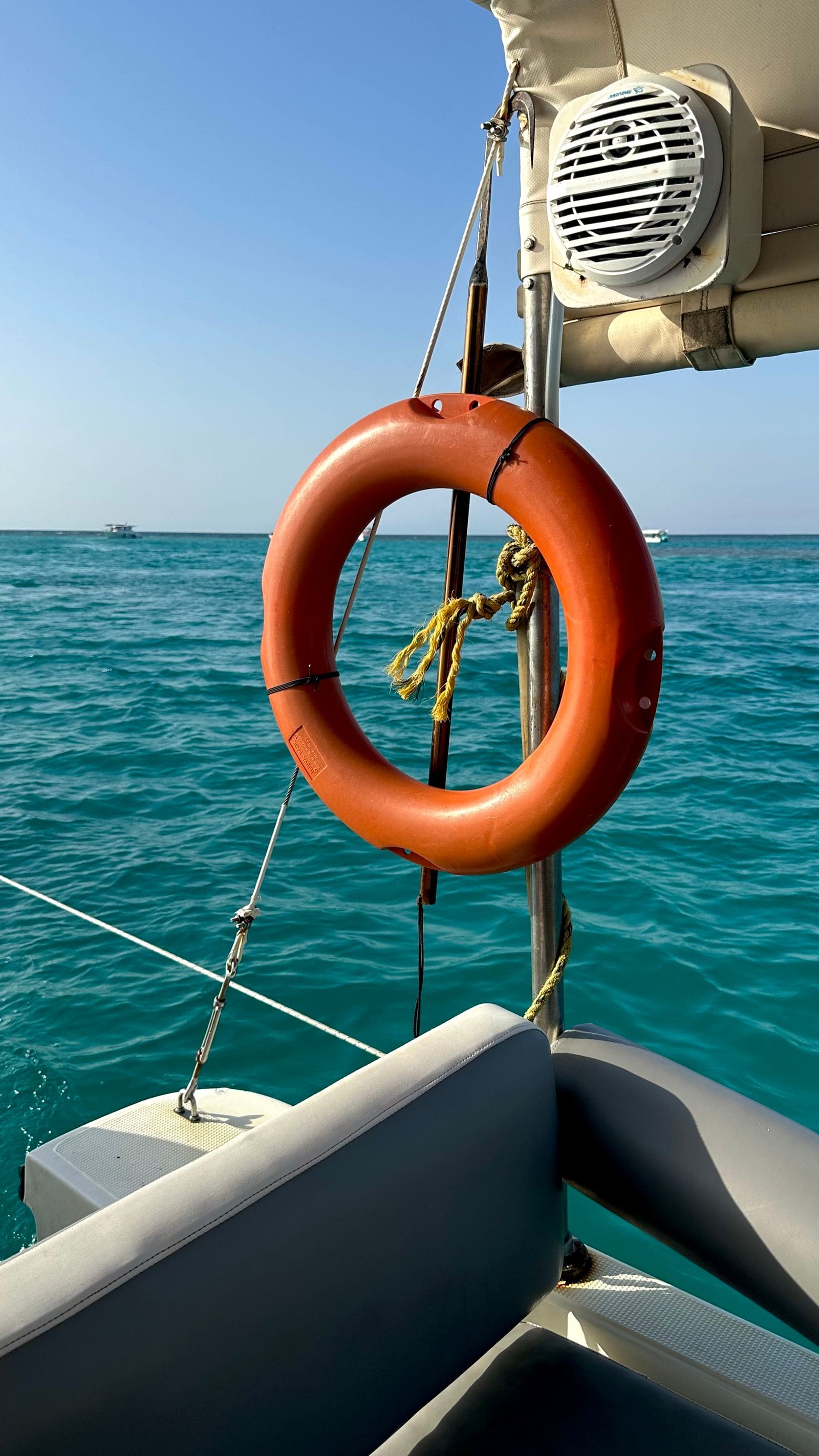
Emergency Drills for Your Crew: Engine Failure, Fire, Steering Loss and Man Overboard
Practice what everyone aboard does when the engine quits, a fire starts, the steering fails or someone falls in. A few short drills each season turn panic into a plan, and teach your crew to anchor, call for help on VHF 16 or DSC, and get a tow.
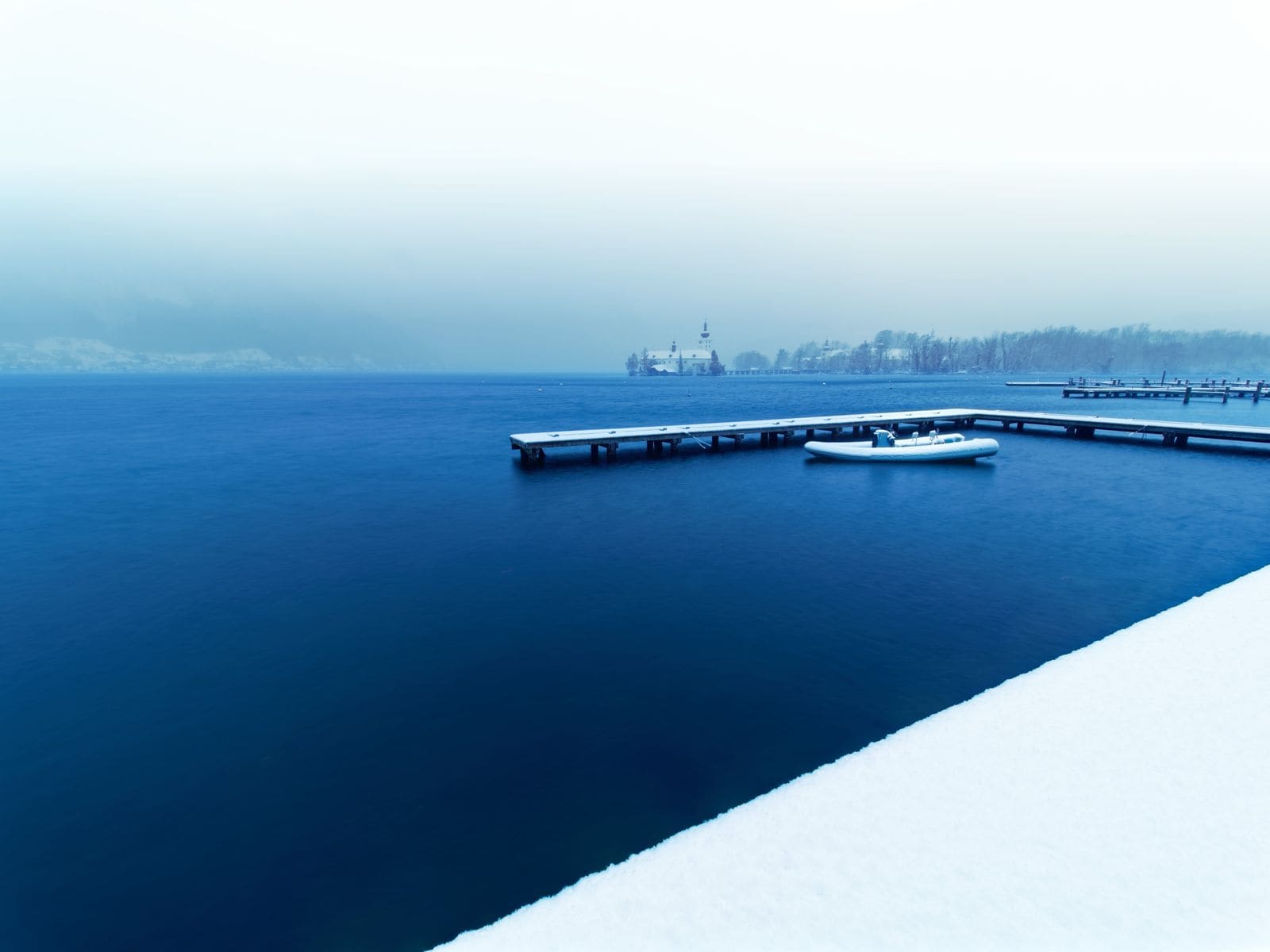
Cold-Weather Boating: Cold Water Safety, Gear and Engine Care in Late Fall and Winter
Boating after the crowds leave can be beautiful, but cold water changes the risks. Learn why cold shock is the first danger, why the popular 1-10-1 rule needs caution, what to wear, how to plan, and how to care for the engine, battery and anything that holds water between trips.