Boat Slower Than It Used to Be? How to Find the Cause
When your boat loses top speed or takes longer to get on plane, the cause is usually something you can check yourself: extra weight, water in the hull, trim, a dinged or fouled prop, or a dirty bottom. This step-by-step diagnosis goes from the cheapest checks to the harder ones and explains what your RPM and GPS speed are telling you.
Time
2 h
Shop would charge
$100-500
Applies to
Outboard, Sterndrive (I/O), Gas inboard, Jet boat
Safety first: Do speed runs only in open water with no traffic, calm conditions and a passenger keeping watch while you read the gauges. Wear the engine cut-off lanyard. Never run wide-open throttle near other boats, swimmers or in a no-wake zone. If the hull is taking on water, stop testing and get the boat to the dock or out of the water.
Owners often ask
- My boat lost a few mph of top speed this season. Where do I start?
- The engine revs to the top of its range but the boat is slower than before. Is it the prop?
This guide walks you through it. Still stuck? Ask the AI Mechanic about your engine.
Tools
- GPS speed readout (chartplotter or phone app)
- Tachometer or engine display
- Notebook or phone for a speed and RPM log
- Flashlight
- Owner's manual (WOT RPM range and gear ratio)
Parts & supplies
- None for diagnosis
Before you start
Gather your "before" numbers if you have them: top speed (GPS, not a paddlewheel speedo), top RPM, and the RPM at your usual cruise. Yamaha calls top speed and the RPM the engine reaches the most telling performance numbers, as long as you compare them with the same load and similar conditions.
Two readings guide the whole diagnosis:
- RPM normal or high, speed low: the engine is fine but the push isn't reaching the water (prop, slip, ventilation, drag).
- RPM low and speed low: the engine is either overloaded (weight, drag, too much prop pitch) or not making full power.
Find your engine's wide-open-throttle (WOT) RPM range in the owner's manual. Discover Boating notes that engine RPM at full throttle should be near the top of that range.
Steps
Test with your usual load: same number of people, similar fuel level, same gear. Run the speed in two opposite directions and average them to cancel wind and current. A full fuel tank, a crowd aboard or a headwind can easily take a few mph off without anything being wrong.
Discover Boating has seen owners remove around 250 pounds of things they didn't need. Empty every locker and put back only the essentials. Remember liquids: gasoline weighs a little over 6 pounds per gallon and water about 8. Drain livewells, ballast tanks, freshwater and holding tanks if they are full, and move heavy gear off the bow.
Open the bilge and every hatch:
- Is the drain plug in? Is the bilge pump keeping up?
- Is water sitting in the bilge or in hidden compartments, a fishbox or a pontoon tube?
- Does the boat sit lower at the dock than it used to, with the bottom paint line under water? Water inside the boat is just heavy cargo you didn't mean to bring. If water keeps coming back, see the boat taking on water guide before you go out again.
Trim matters more than most owners think. Discover Boating's method: run up to full throttle, then bump the trim up in small taps while watching GPS speed. When RPM climbs but speed stops rising or drops, the prop is starting to ventilate; trim down a touch until it bites again. Make sure trim tabs are fully up for the test, and check that the trim gauge reads correctly. Over-trimming and tabs left down both cost speed.
Tilt the motor up (or look at the drive or running gear from a dinghy or with the boat on the trailer):
- Dings, bent or curled blade tips, missing chunks. Yamaha notes even small nicks can affect performance.
- Fishing line wrapped behind the prop, which can also damage the gearcase seal.
- The right prop? A spare or a "deal" prop of the wrong pitch or diameter changes everything. Read the size stamped on the hub and compare with what the boat had when it ran well.
- Worn edges and tips. Yamaha notes that sand, grit and silt slowly eat away blade edges, so a prop can look fine and still cost performance. BoatUS adds that tips worn down or rounded off shrink the diameter and blade area, which raises RPM and wastes fuel.
- Corrosion. On a bronze prop, a pinkish color and a dull "thud" instead of a ring when you tap a blade are signs of corrosion eating the alloy (BoatUS). That prop usually has to be replaced, and the cause found.
- Used boat? BoatUS warns that a freshly spray-painted prop can hide nicks and bends; look for the edge of the new paint. For dings and repair, see the propeller guide.
If the engine revs up but the boat doesn't accelerate to match, especially under hard load, the rubber or plastic hub inside the prop may have spun. Ventilation (air getting to the prop) looks similar: RPM flares and speed drops, often in turns or when trimmed high. See the spun hub and ventilation guides to tell them apart.
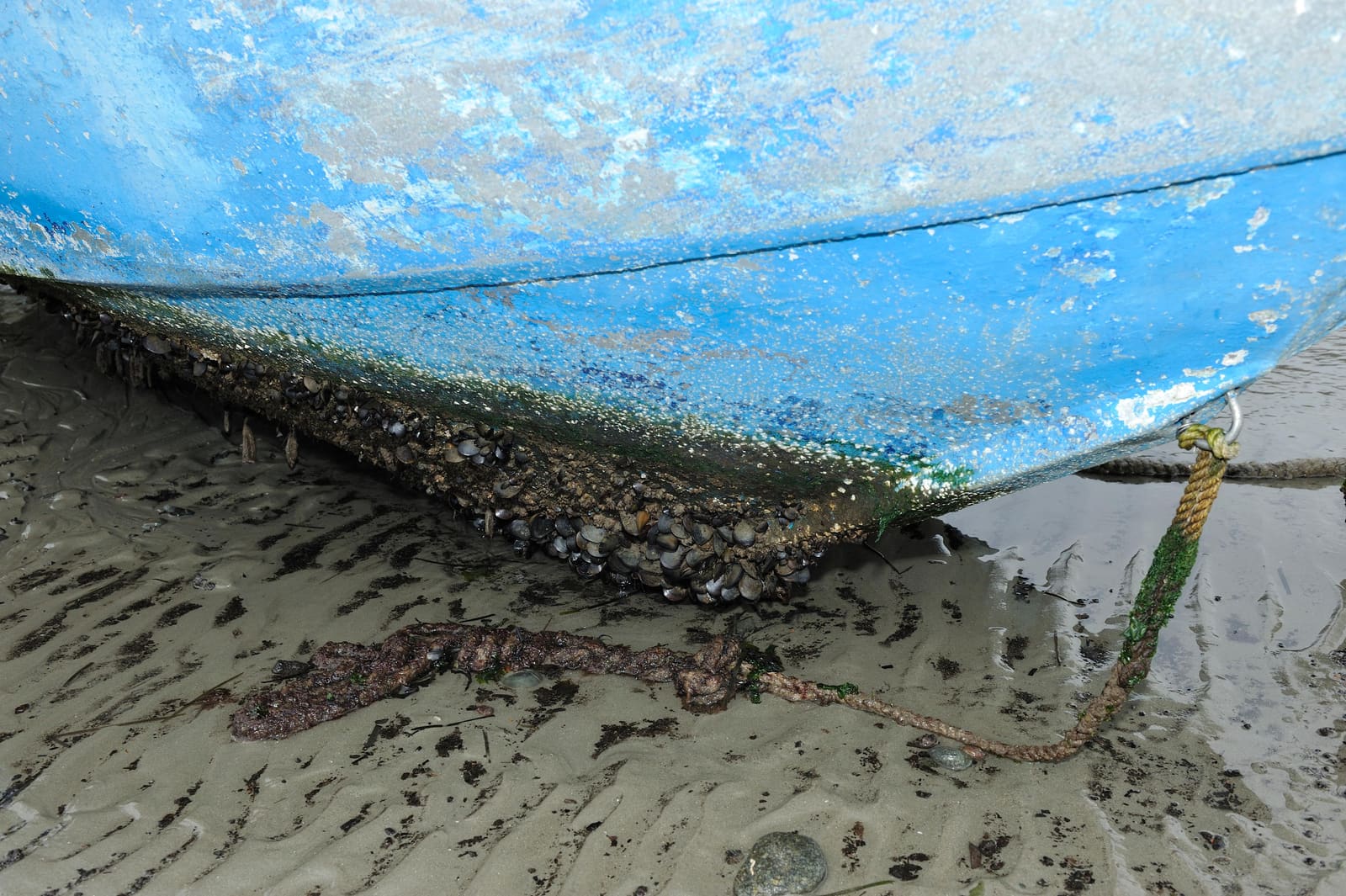
Haul the boat or have a diver look. BoatTEST describes how barnacles, grass, tube worms and slime quickly build up into a "fuzzy carpet" that slows the boat. Also check:
- Growth on the prop, gearcase, trim tabs, water intakes and the transducer.
- Peeling or rough bottom paint, or paint built up in thick layers over many seasons.
- In fresh water, zebra or quagga mussels on trailered boats left in the water for weeks. Clean the bottom (see the hull cleaning and bottom paint guides), then test again before chasing anything else.
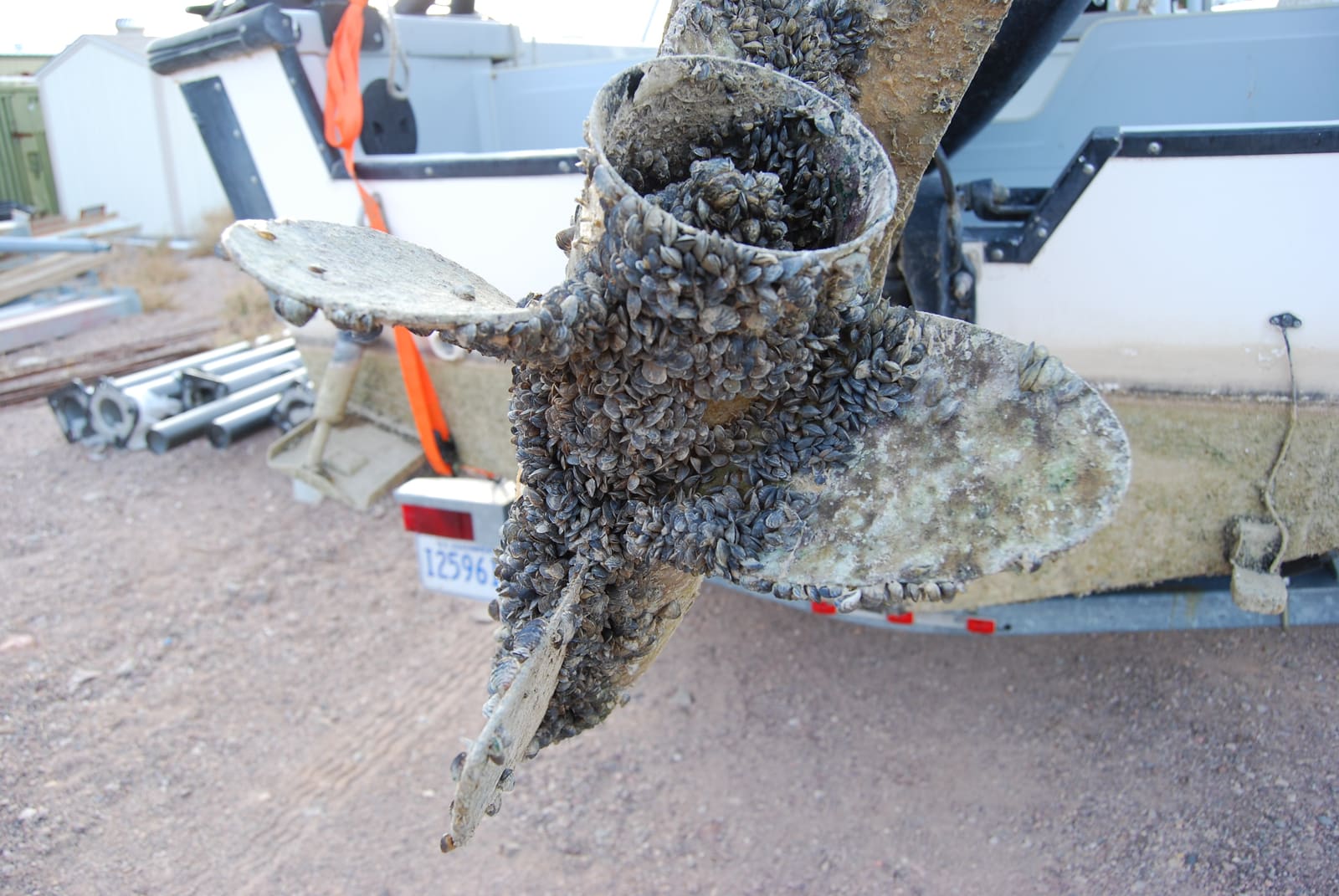
Heavy growth on the prop and gearcase adds drag and spoils the blade shape. Photo: National Park Service (via USFWS) / Wikimedia Commons · Public domain With a clean bottom and normal load, run at wide-open throttle briefly and note the RPM:
- Inside the range, speed still low: look at prop slip (next step) and drag.
- Below the range: the engine is overloaded or down on power. Too much pitch, too much weight or growth, or an engine problem. Discover Boating explains that more pitch lowers WOT RPM and less pitch raises it. BoatUS's rule of thumb is that if a healthy engine with a clean hull can't get within about 100–200 RPM of its rated WOT, the prop is the likely issue, and that each inch of pitch changes WOT by very roughly 175–225 RPM (typical; your dealer or prop shop has the real numbers for your setup). Most props can be re-pitched at a prop shop.
- Above the range: the prop may be ventilating, slipping or have too little pitch, or the motor may be mounted too high. Running an engine below its WOT range for a long time is hard on it, so don't just live with it.
Slip is the difference between how far the prop would move the boat in theory and how far it actually goes. You need RPM, the gear ratio (owner's manual), the prop pitch in inches (stamped on the prop) and GPS speed in mph:
- Theoretical speed (mph) = (RPM ÷ gear ratio × pitch) ÷ 1056
- Slip % = (1 − actual speed ÷ theoretical speed) × 100 Mercury says calculated slip between about 5% and 25% is typical. Above 25%, something is likely wrong with the prop: it may be damaged, badly mismatched to the boat, or ventilating because the drive or outboard is mounted too high. Mercury's online slip calculator does the math for you.
If RPM is low even with a clean bottom, light load and the right prop, the engine may be sick. Work through the loss of power guide: fuel filters and water separator, old fuel, spark plugs, a clogged fuel vent, overheating or a warning light that limits power. Note any alarm or "guardian" mode message on your display. An engine that runs up fine and then slows itself down at high throttle, over and over, is often protecting itself (overheating or low oil pressure, for example) rather than "running out of power." Yamaha notes most outboards have an RPM reduction mode that limits engine speed when they detect overheating. Back off and check before running it hard again.
A boat that slowly gets heavier year after year, with no water in the bilge, may have water soaked into flotation foam or a wet core. Signs: it sits lower, feels sluggish and "heavy," the bilge never quite dries, or there are soft spots in the deck or transom. A trailer boat can be weighed at a certified truck scale and compared with the builder's dry weight plus engine, fuel and gear. See the waterlogged flotation foam guide, and ask a surveyor to confirm before you start cutting anything.
Think about what changed since the boat was fast: a new prop, a jack plate or engine height change, a new transducer or trolling motor bracket throwing spray, a T-top or tower, new bottom paint, more passengers than usual. Undo one change at a time and test.
Don't forget the air and the lake itself:
- Altitude. Mercury says engines lose about 3% of their horsepower for every 1,000 feet above sea level, so a boat that ran fine at a sea-level lake can feel tired on a mountain reservoir even when nothing is wrong. Fuel injection adjusts the mixture but can't make up the lost power; dealers in high country usually fix it with a lower-pitch prop, and sometimes a different gear ratio on sterndrives.
- Heat. Mercury also notes that cool spring and fall air is denser, so the engine makes more power than in the heat of summer. Some owners run a higher-pitch prop in cool months and a lower one in summer to stay inside the WOT RPM range. A small speed loss on a hot summer day is normal.
If you still can't find it, a dealer can run a compression test, read engine data, and sea-trial the boat with the right test props. Bring your log of speeds, RPM, load and what you have already checked; it saves diagnostic time.
Common mistakes
- Comparing a full-tank, full-crew run against a solo run on an empty tank.
- Trusting a paddlewheel speedometer instead of GPS.
- Buying a new prop before cleaning the bottom and removing extra weight.
- Leaving trim tabs down or over-trimming the motor during the test.
- Living with an engine that can't reach its WOT range.
- Ignoring a bilge that never seems to dry.
When to call a pro
- The engine can't reach its WOT range with a clean bottom and the right prop.
- Warning lights, alarms, power-limiting modes or rough running.
- Water keeps getting into the hull, or you find soft or wet structure.
- Suspected spun hub, bent prop shaft or damaged gearcase.
- The hull is taking on water: head in, and call TowBoatUS, Sea Tow or the USCG on VHF 16 if you can't keep up with it.
Tips
- Keep a simple performance log at the start of each season: WOT RPM, top speed, cruise RPM and speed, load and fuel level.
- A boat kept in the water slows down slowly over weeks; trailered boats usually point to weight, prop or engine instead.
- Ask your dealer whether they lend test props before you buy one.
- Speedometer suddenly reads low but GPS says you're fine? Many outboards use a water-pressure (pitot) speedometer fed by a tiny hole on the leading edge of the gearcase. Mercury says weeds and grit clog it and shows clearing it by working a drill bit that fits the hole through it (engine off, key out). GPS speed is still the number to trust for this diagnosis.
Official references
We read these to write this guide. Your engine's own manual always wins.
- Yamaha Outboards – Damaged Boat Prop 101
- Discover Boating – How to Make a Boat Faster
- Mercury Marine – Prop Bite, Understanding Propeller Slip (Dockline)
- BoatTEST – See What Happens with Boat Bottom Cleaning Efficiency
- BoatUS – Troubleshooting Boat Vibrations
- Yamaha Outboards – Maintenance Matters, Propeller Solutions
- BoatUS – Fixing Boat Propeller Problems
- Mercury Marine – How to Fix Speedometer Reading Issues (Dockline)
- Mercury Marine – Prep Your Boat for High Elevations (Dockline)
- Mercury Marine – Why Fall Is the Best Time to Evaluate Your Boat Propeller (Dockline)
- BoatUS – Five Reasons You May Need To Change Your Prop
- Yamaha Outboards – Maintenance Matters, Additional Tasks (telltale and overheat RPM reduction)
Safety: BoatMend is for information only and does not replace a certified marine technician. You are responsible for your safety and your boat. Read the full disclaimer.
Last updated 2026-10-25
Related guides
Loss of Power, Hesitation or Misfire - Troubleshooting Guide
Figure out why your engine bogs down, stumbles, will not reach full rpm or runs rough. Work from simple checks like trim, prop and fuel filter to ignition and engine protection modes before paying for diagnostics.
Propeller Care: Inspect, Remove, Replace and Choose the Right Pitch
Check your prop for damage, pull it to clear fishing line and grease the shaft, reinstall it correctly, and learn how pitch affects your engine's wide-open-throttle RPM. The right prop in good shape protects your engine and often makes the boat run better and use less fuel.
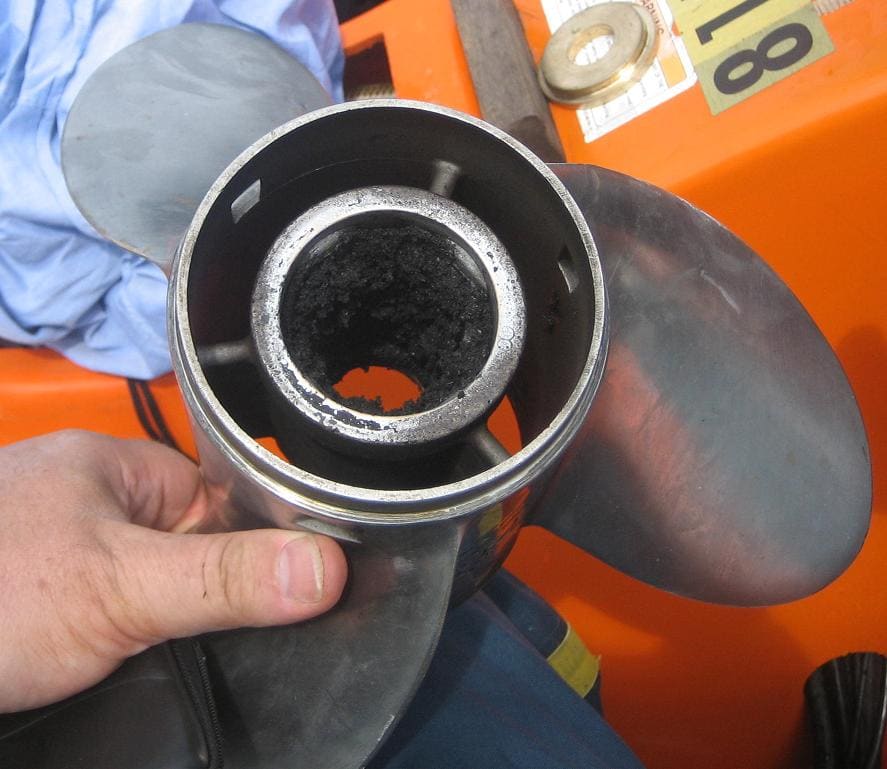
Spun Prop Hub - How to Tell, Quick Marker Test and Repair Options
If the engine revs up but the boat barely accelerates, the rubber or plastic hub inside your propeller may be slipping. Learn how a spun hub feels, how to confirm it with a simple marker test, the difference between pressed rubber hubs and replaceable hub kits, and your repair options.
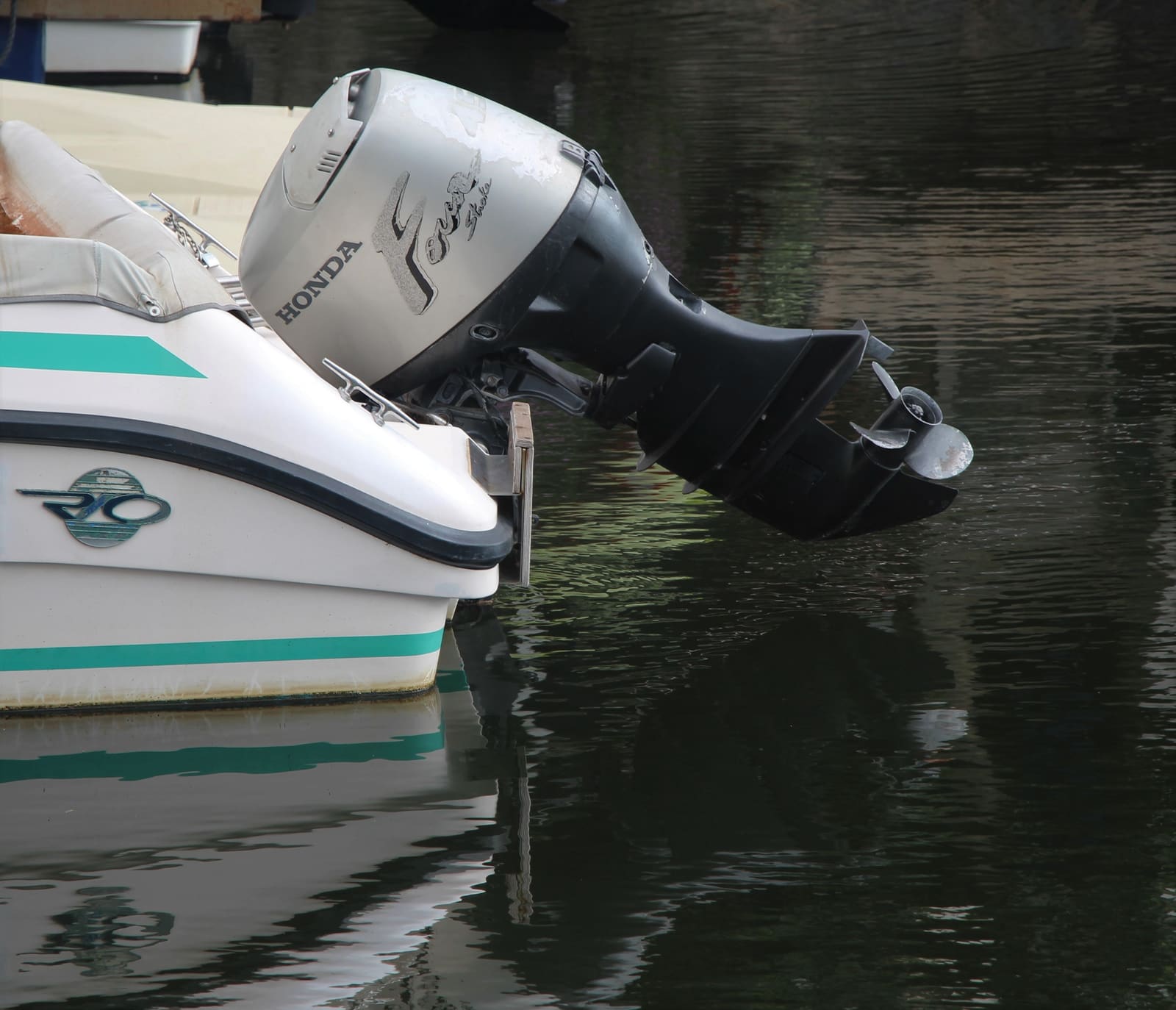
Prop Ventilation vs. Cavitation - Why Your Engine Revs Up and the Boat Loses Grip
Sudden RPM spikes, blowouts in turns, or a prop that slips when you accelerate are usually ventilation, not cavitation. Learn to tell them apart, then work through the fixes in order: trim, load, prop damage, the hull ahead of the prop, engine height, and finally a different prop.

Bottom Paint (Antifouling): Do You Need It, Which Type, and How to Repaint
Learn whether your boat needs antifouling bottom paint, how ablative and hard paints differ, and how to prep and roll on a fresh coat safely, without poisoning yourself or the water and without ruining an aluminum hull.
How to Clean, Remove Oxidation and Wax Your Boat's Gelcoat (Plus Pontoon Tubes)
Wash your hull the right way, bring back chalky, faded gelcoat with compound, and seal it with wax so it stays glossy and protected from the sun. Includes how to clean and protect the aluminum tubes on a pontoon boat.

How to Tell if Your Boat's Flotation Foam Is Waterlogged
Learn the signs that the foam under the floor or seats of a small boat has soaked up water, how to check without tearing the boat apart, what the Coast Guard flotation rules mean for you, and why replacing foam is usually a big job for a pro.
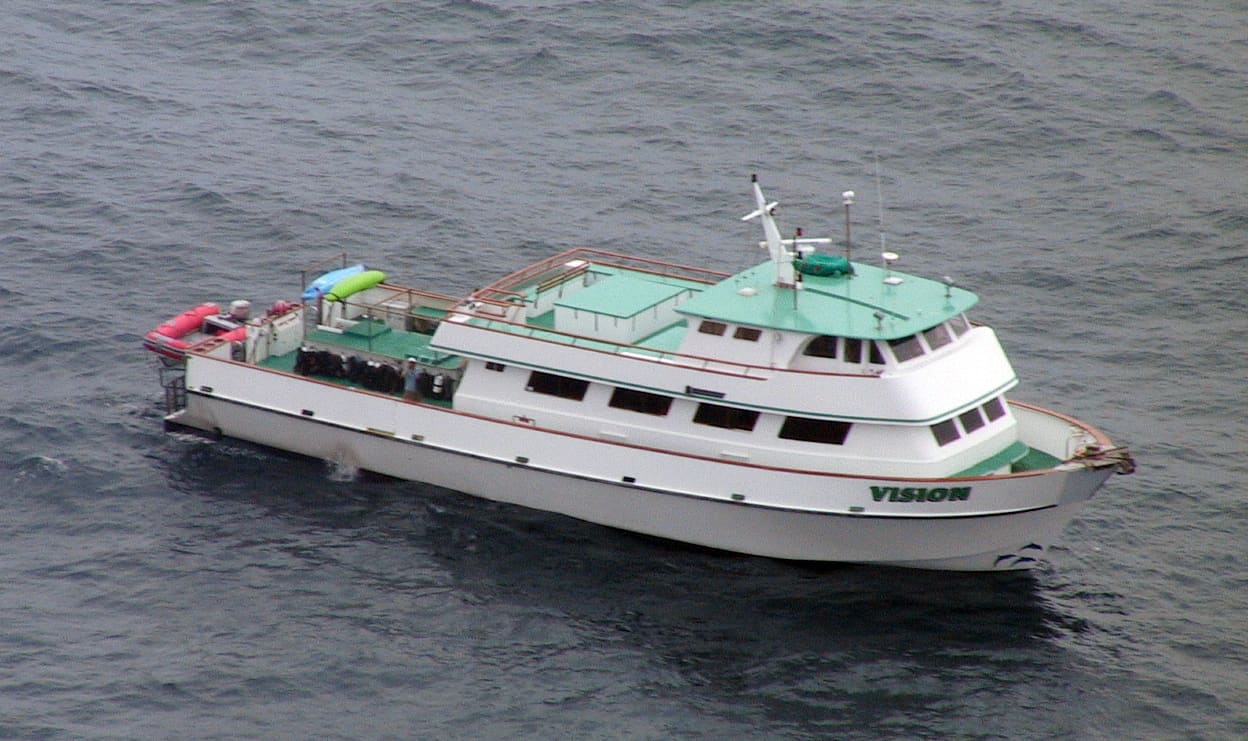
What to Do When Your Boat Is Taking On Water: Emergency Steps and Prevention
A step-by-step emergency plan for water coming into the boat - life jackets on, call for help early on VHF 16, find and slow the leak, pump, and head for shallow water if needed - plus the maintenance checklist that prevents most sinkings.

How to Get Better Fuel Economy From Your Boat
Boat fuel is expensive, but most owners can stretch every gallon further without buying anything. Learn how to find your boat's most efficient cruise RPM, why a clean bottom, the right prop, good trim and less weight matter most, which tune-up items count, how fuel flow data helps, and which fuel-saving myths to ignore.
How to Troubleshoot Dash Gauges, a Dead Tachometer or a Wrong Fuel Gauge
Work through dead or wrong dash gauges from the cheapest check to the most involved: fuses and breakers, power and ground, the gauge-versus-sender test, the tachometer's pulse setting and the extra checks for digital network gauges. Most gauge problems turn out to be a bad connection, not a bad gauge.