Carbon Monoxide Outside the Boat: Teak Surfing, Swim Platforms, Generators and Raft-Ups
Carbon monoxide doesn't only build up in cabins. People die in open air behind the boat: teak surfing, sitting on the swim platform with the engine idling, swimming near a running generator, or rafted next to someone else's exhaust. Learn where the gas collects, what the law says in states that ban teak surfing, and the simple rules that keep everyone safe.

Time
15 min
Applies to
All engines
Safety first: If anyone near the stern or in the water feels dizzy, gets a headache, seems drunk or sleepy, or goes limp, shut off every engine and generator, get them to fresh air and call 911 or the Coast Guard on VHF channel 16. Someone who passes out in the water without a life jacket drowns right away. Never swim under a swim deck or into the space beneath the stern to "rescue" someone without the engines and generator off; you can be overcome too.
Fuel smell, water coming in, CO alarm or smoke? Stop, get everyone in life jackets and call USCG on VHF 16 or 911. For a tow: Sea Tow or TowBoatUS.
Owners often ask
- Is it OK for kids to sit on the swim platform while the engine is idling?
- Can you get carbon monoxide poisoning outside the boat, like when swimming near a houseboat generator?
This guide walks you through it. Still stuck? Ask the AI Mechanic about your engine.
Tools
- Flashlight (to find exhaust outlets)
- Marker and tape or a small sign for the transom
Parts & supplies
- Marine-rated CO alarm(s) for any cabin or enclosed space
- CO warning label for the transom (optional; some states require them on boats sold there)
Before you start
Carbon monoxide (CO) can kill in open air. The Coast Guard says CO can harm or kill you inside or outside the boat, underway, moored or anchored, and that in high enough concentrations a few breaths can be fatal. You can't see, smell or taste it. If you do smell exhaust, CO is there too.
This isn't theory. A CDC report written with the National Park Service looked at Lake Powell and found nine boat-related CO deaths since 1994, and 111 boat-related poisonings in park medical records from 1990 to 2000. Most of the deaths happened outdoors: people who swam into the air space under a houseboat's swim deck, or stood on or swam near the swim platform, while a generator or engine was running or had just been shut off. Two brothers, 8 and 11, lost consciousness within an estimated one to two minutes of swimming under the deck. Investigators measured CO under the stern deck at 6,000 to 30,000 ppm with the generators running, up to 7,200 ppm on and near the swim platform, and 200 ppm at water level 10 feet away.
Why it's missed: the early symptoms (irritated eyes, headache, nausea, weakness, dizziness) look like seasickness, too much sun, or too many drinks, the Coast Guard says. Physical exertion, like swimming, makes the body absorb CO faster.
This guide covers CO outside the boat. For cabin alarms and testing, see our CO detector guide.
Steps
Walk around the boat and find every place exhaust comes out: outboard (through the prop hub and the idle relief port on the leg), sterndrive or inboard (through the prop or transom outlets), and the generator exhaust (often on the side or transom). The Coast Guard's first rule is to know where they are and keep everyone away. Point them out to your regular crew.
The Coast Guard lists these spots and situations:
- The swim platform and back deck while engines or a generator run.
- Under the swim platform or swim deck, where exhaust outlets are. The Coast Guard says never go there unless the area has been properly ventilated.
- Canvas enclosures that don't vent well.
- Blocked exhaust outlets, such as a boat nosed against a seawall or another boat.
- Another vessel's exhaust: CO from the boat docked next to you can be just as deadly.
- The "station wagon effect" (back-drafting): moving forward, the boat drags a low-pressure pocket behind it that pulls exhaust back into the cockpit. Connecticut's boating agency describes the same suction trapping fumes behind the boat.
- Slow speed, idling, or stopped. CO can stay at dangerous levels even after the engine is off.
"Teak surfing" or "platform dragging" means holding onto the swim platform or transom of a moving boat and riding its wake, often without a life jacket. The Coast Guard is blunt: teak surfing is NEVER a safe activity. The swimmer's face is right in the exhaust pocket, a few feet from the propeller, and if they pass out they sink.
Body surfing directly in the wake behind a moving boat has the same problem. Wakesurfing on a proper surf boat, with the rider on a board well behind the boat, is a different activity with its own rules; see our wakesurf guide.
Several states have made teak surfing illegal, and some go further. Washington's law (RCW 79A.60.660, the Jenda Jones and Denise Colbert Safe Boating Act of 2006) is a good example of how these laws read:
- No one may operate a boat, or even let the engine idle, while someone is teak surfing, platform dragging or bodysurfing behind it.
- No one may operate a boat or let the engine idle while someone occupies or holds onto the swim platform, swim deck, swim step or swim ladder.
- Brief exceptions: helping dock or depart, getting on or off the boat, and law enforcement or rescue.
- Fine up to $100.
California's law (Harbors and Navigation Code 681) reads almost the same: it's unlawful to operate a motorized boat or let its engine idle while someone is teak surfing, platform dragging or bodysurfing behind it, or while someone occupies or holds onto the swim platform, deck, step or ladder, with the same brief exceptions for docking, boarding and rescue. It defines teak surfing as holding onto the platform, ladder or any part of the outside of the transom while the boat is underway at any speed, so a slow idle through a no-wake zone counts.
California also requires two CO warning stickers when a new or used motorized boat is sold there (Harbors and Navigation Code 683): a small one inside where the operator sees it right away, and a larger one facing out on the stern or transom. A dealer must put them on before the sale is complete; in a private sale, the DMV includes them with the new owner's registration papers and the owner must put them on. If you bought a boat in California and the stickers are missing or faded, ask your state boating agency (the Division of Boating and Waterways) about replacements. Other states have similar rules. Check your state boating agency's handbook before the season. Even where it's legal, it isn't safe.
Make it a house rule: nobody sits on, stands on, or hangs from the swim platform or ladder while an engine or generator is running. That includes:
- Kids dangling feet off the platform while you idle into a cove
- Swimmers waiting on the ladder while the skipper "just repositions"
- Someone holding the boat off at the dock from the platform
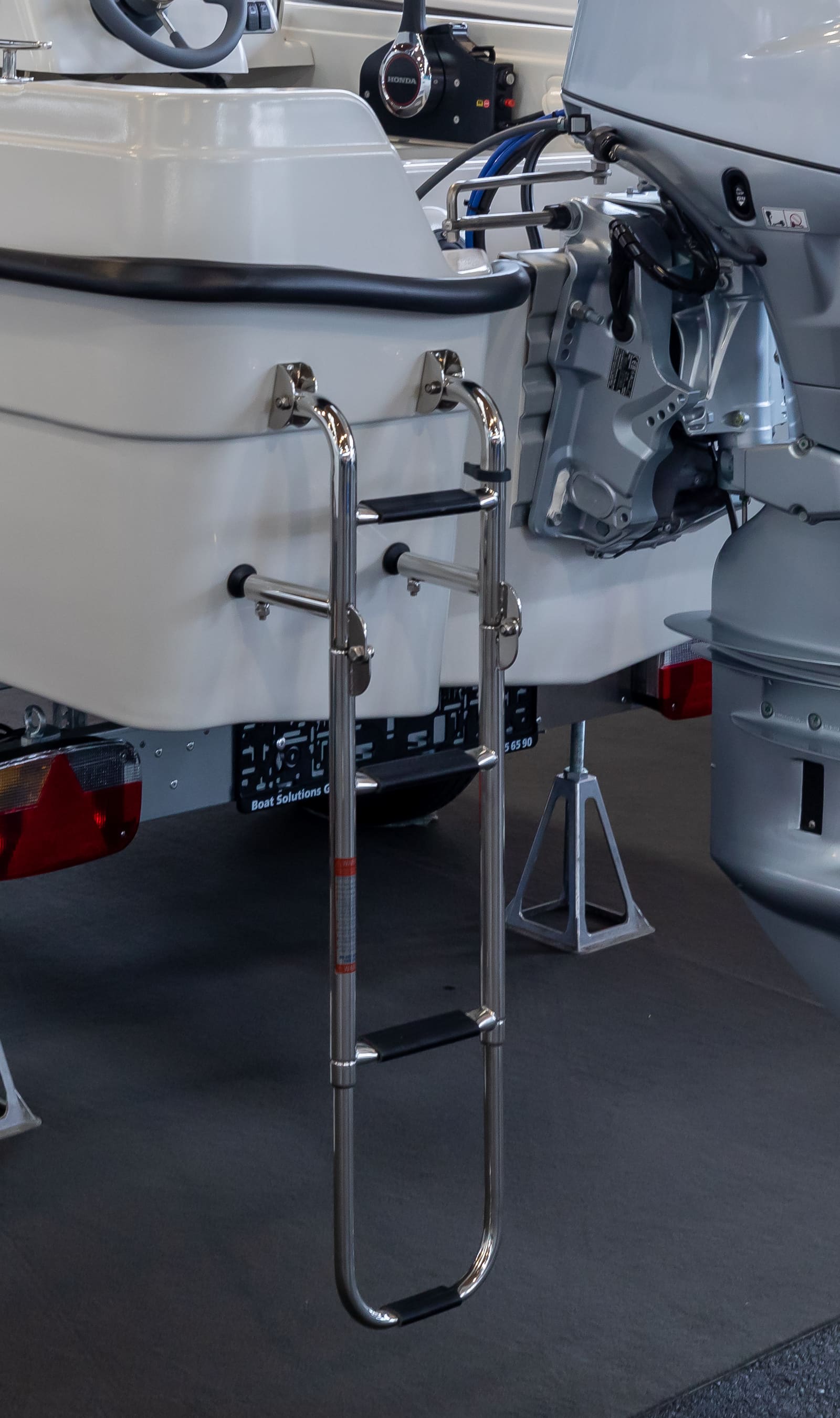
On many small boats the swim ladder sits right beside the outboard, where exhaust and the propeller are. Photo: Matti Blume / Wikimedia Commons · CC BY-SA 4.0 Turn the engine off before anyone uses the ladder, and keep the key out until everyone is back aboard and accounted for. That also protects them from the propeller.
The Lake Powell deaths were mostly tied to generators running for air conditioning or TV while people swam at the stern. If anyone is in the water, on the swim platform, or near the stern, turn the generator off. Remember the Coast Guard's warning that CO can linger after shutdown: give the area time to air out before anyone swims near the outlet, and never let anyone swim under a swim deck or into the space beneath the stern. The Coast Guard also says to run exhaust blowers whenever the generator is operating.
When boats tie up together or anchor close:
- The Coast Guard's trip checklist says to be aware of exhaust from boats you're docked or rafted with.
- Agree as a group: no engines or generators running while people swim among the boats. If one boat must run a generator, it goes on the outside end, downwind.
- Keep swimmers and floats away from every boat's stern, not just yours.
- A neighbor idling to recharge batteries can fill your cockpit with exhaust; ask them to stop or move.
- Running slowly with the stern canvas or enclosure closed is the classic setup. Open the forward panels or hatches so fresh air flows through.
- Don't idle for long periods in one spot, especially in calm air.
- If you smell exhaust in the cockpit, change speed or heading, open up the canvas, and get people forward.
- Tie-ups against a seawall or another boat's hull can block your exhaust; don't run engines for long there.
A leaking exhaust puts CO where it shouldn't be. The Coast Guard's checklists:
- Each trip: confirm water comes out of the exhaust when the engines and generator start, and listen for a change in exhaust sound.
- Monthly: check exhaust clamps, look for rust or black streaks, water leaks, and cracked fittings; check rubber exhaust hoses for burned, cracked or stiff sections.
- Yearly, by a qualified technician: replace bad hoses, inspect manifolds, risers and elbows, check the water pump impeller, and clean the generator's anti-siphon valve if it has one.
Our exhaust riser and elbow guides cover what to look for.
Treat any seasick-looking symptoms near the stern as possible CO poisoning, as the Coast Guard advises. Its emergency steps:
- Move the person to fresh air, and keep rescuers safe; the area may still be full of CO.
- Shut off the engines and generator.
- Give oxygen if you have it.
- Call for medical help (911, or VHF 16 offshore). If they aren't breathing, start rescue breathing or CPR.
The CDC adds that people who have been drinking or are asleep can die before they ever notice symptoms.
- A simple sign or label on the transom ("Engine off before using the swim platform") works well.
- Add "stay off the swim platform when engines run" to your pre-departure briefing (see our briefing guide).
- On houseboats and rentals, ask where the generator exhaust is before you swim.
- Install CO alarms in any cabin and test them each trip, as the Coast Guard's checklist recommends. They won't protect people outside, but they protect sleepers inside.
Common mistakes
- Thinking open air is always safe. Most of the Lake Powell deaths were outdoors.
- "It's only idling." Washington's law covers an idling engine for a reason.
- Running the generator for AC while kids swim off the back of a houseboat.
- Ducking under the swim deck to clear a rope from the prop with the generator on.
- Rafting up next to a boat that runs its generator all afternoon.
- Writing off a swimmer's headache and wobbliness as too much sun or beer.
- Disabling a CO alarm because it "keeps going off." The CDC report found disabled alarms on boats where people got sick inside.
When to call a pro
- Anyone shows CO symptoms: fresh air, engines and generator off, then 911 or VHF 16.
- You smell exhaust in the cockpit or cabin regularly: have the exhaust system, risers and hoses inspected by a marine technician before using the boat again.
- Your generator exhaust exits under a swim deck or where swimmers gather: ask a marine technician or the builder about rerouting it or adding a vertical stack.
- Your CO alarm sounds: treat it as real, ventilate, shut down, and have the source found before you run the engines or generator again.
Tips
- Keep the ignition key in your pocket while people are swimming. No key, no accidental restart.
- A bright tag hung on the helm when the ladder is down reminds the skipper someone is in the water.
- Rent a houseboat? Ask at checkout where the generator exhaust is and whether there's a CO warning at the stern.
- Get a free Vessel Safety Check from the Coast Guard Auxiliary or U.S. Power Squadrons; the examiner can help you spot exhaust problems.
Official references
We read these to write this guide. Your engine's own manual always wins.
- U.S. Coast Guard Boating Safety – Carbon Monoxide
- U.S. Coast Guard Boating Safety – Where Carbon Monoxide May Accumulate
- U.S. Coast Guard Boating Safety – Carbon Monoxide, How to Protect Others and Yourself
- U.S. Coast Guard Boating Safety – The Dangers of Carbon Monoxide
- U.S. Coast Guard Boating Safety – Carbon Monoxide Helpful Checklists
- CDC MMWR – Houseboat-Associated Carbon Monoxide Poisonings on Lake Powell, Arizona and Utah, 2000 (with the National Park Service)
- CDC – Carbon Monoxide Poisoning Basics
- Washington State Legislature – RCW 79A.60.660, teak surfing, platform dragging, bodysurfing
- California Legislative Information – Harbors and Navigation Code 681 (teak surfing, platform dragging, swim platform)
- California Legislative Information – Harbors and Navigation Code 683 (carbon monoxide warning stickers)
- Connecticut DEEP – Teak Surfing and Carbon Monoxide Poisoning
Safety: BoatMend is for information only and does not replace a certified marine technician. You are responsible for your safety and your boat. Read the full disclaimer.
Last updated 2026-10-26
Related guides
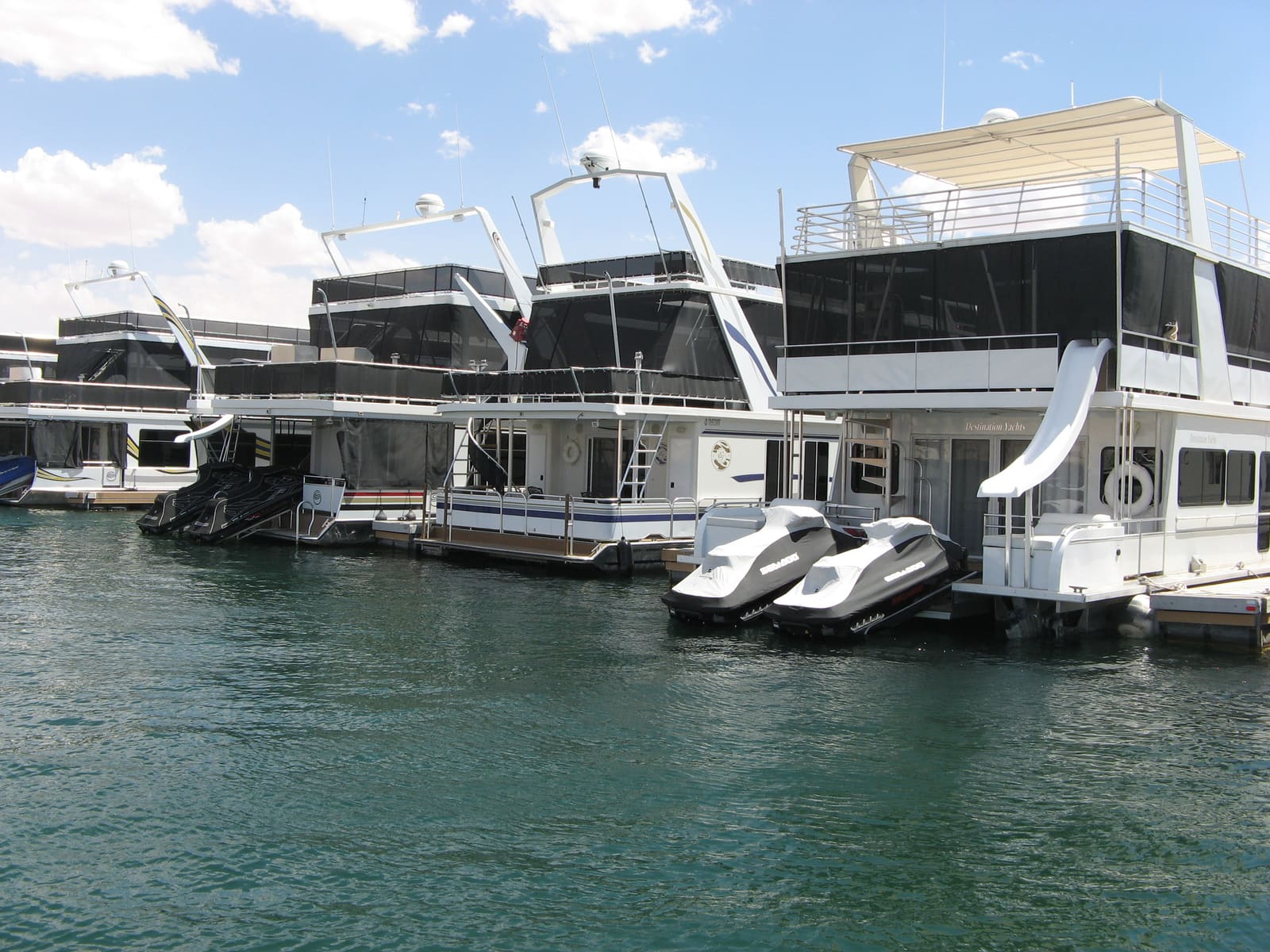
Carbon Monoxide on Boats: Where It Comes From, CO Alarms and Warning Signs
Carbon monoxide can build up in cabins, under canvas and around the swim platform, and its first symptoms look like seasickness. Learn the danger zones, where to mount marine CO alarms, how to test and replace them, and exactly what to do if an alarm sounds or someone feels sick.
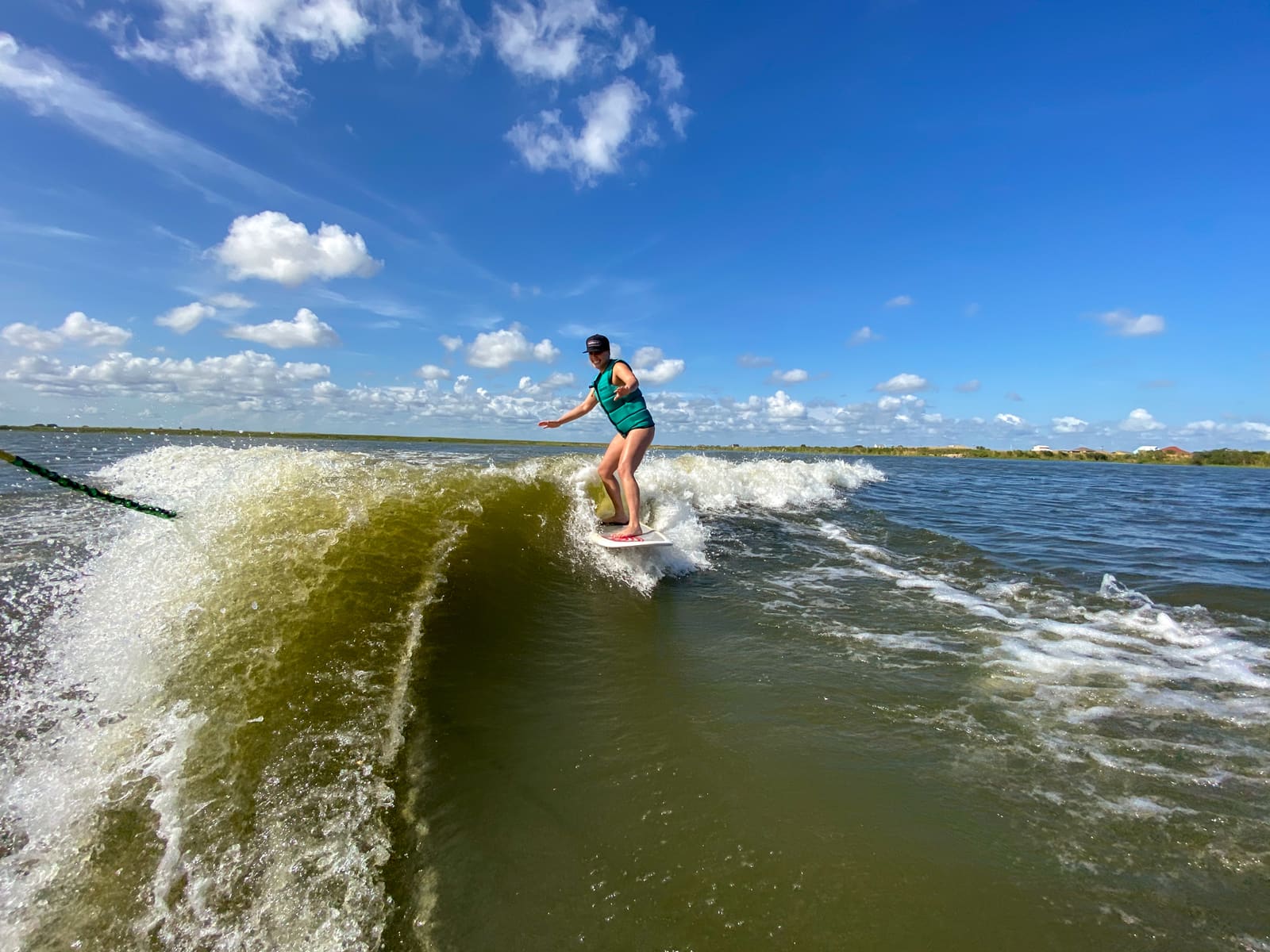
Wakesurf Safety: The Right Boat, Carbon Monoxide, Spotters and Distance
A pre-ride checklist for wakesurfing - surf only behind inboard or V-drive boats built for it, keep riders away from exhaust and the engine off when they board, use a spotter and a short surf rope, stay well away from shore, docks and other boats, and never overload the ballast.
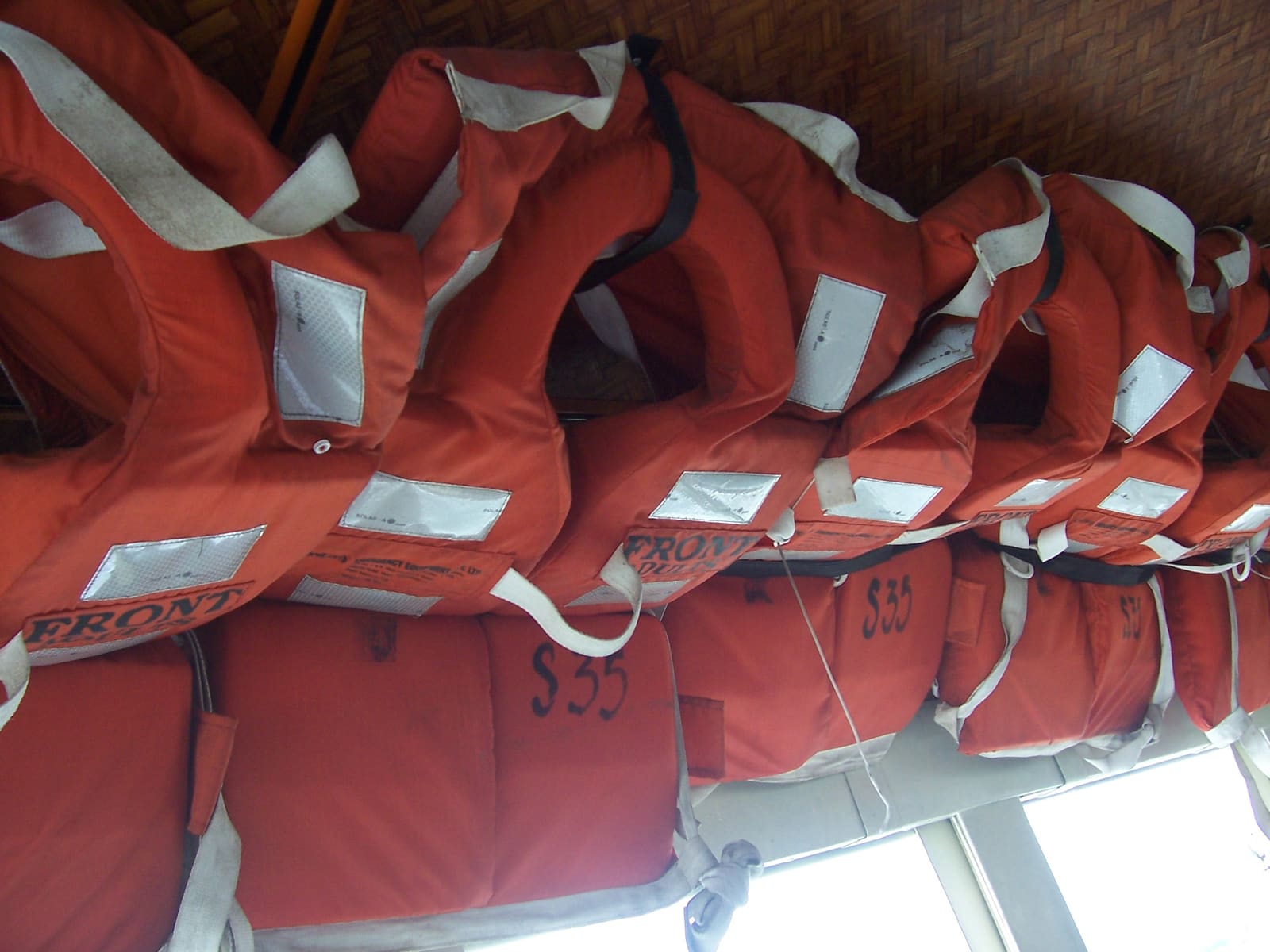
The Pre-Departure Safety Briefing: What to Tell Every Passenger (with a Printable Checklist)
A five-minute talk before you leave the dock turns guests into a crew that can help in an emergency. Cover life jackets, the engine cut-off switch, the fire extinguisher, how to call for help on the VHF, what to do if someone falls overboard, staying seated, seasickness and carbon monoxide near the stern, then use the printable checklist every trip.
Marine Generator Routine Maintenance and CO Safety
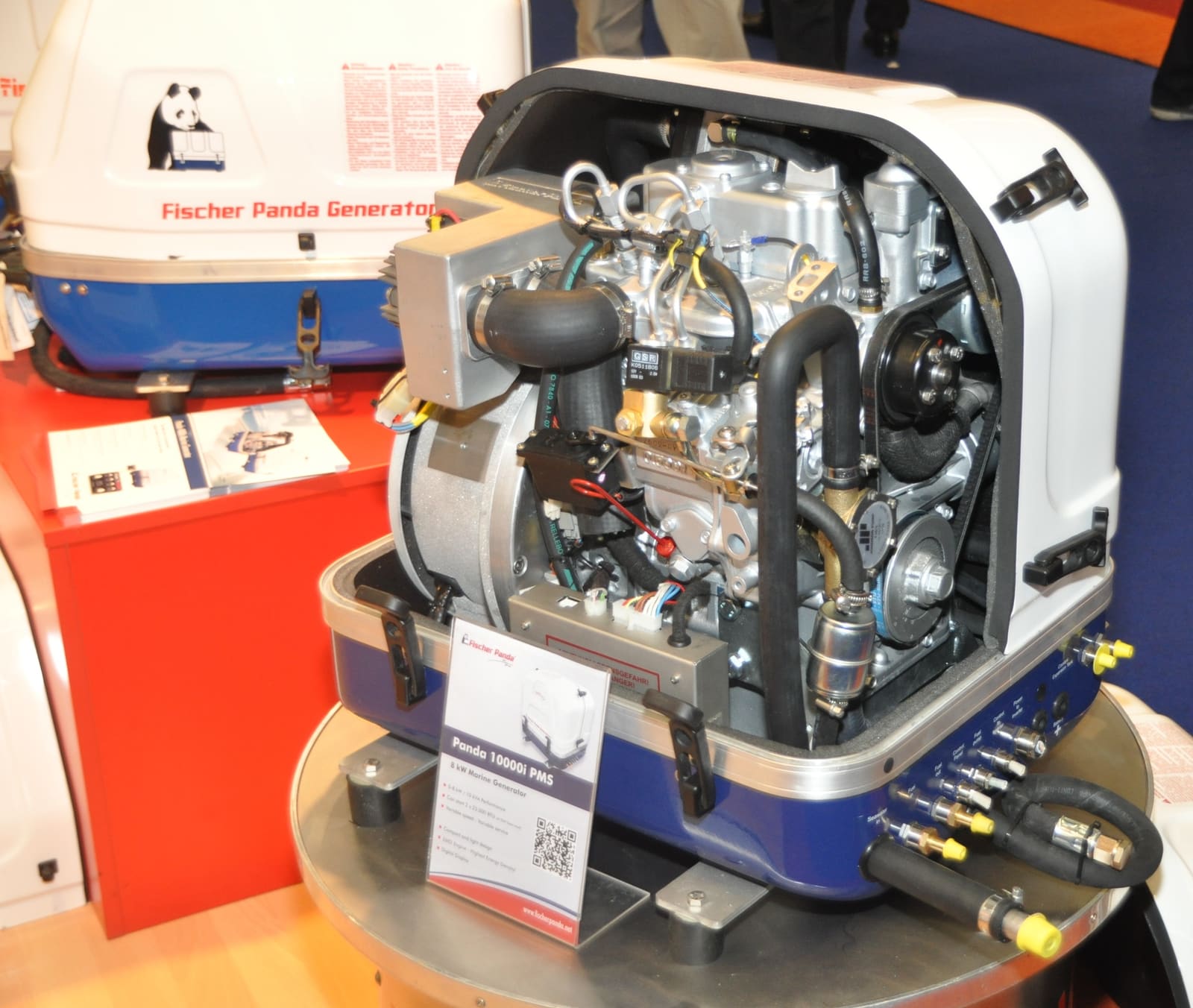
Keep an Onan, Kohler/Rehlko, Northern Lights, Westerbeke or similar marine generator reliable with regular checks of oil, raw-water cooling, fuel, exhaust and the start battery, plus a monthly run under load. Generator exhaust is a leading source of carbon monoxide on boats, so safety checks come first.
How to Inspect Exhaust Manifolds and Risers on a Sterndrive or Inboard
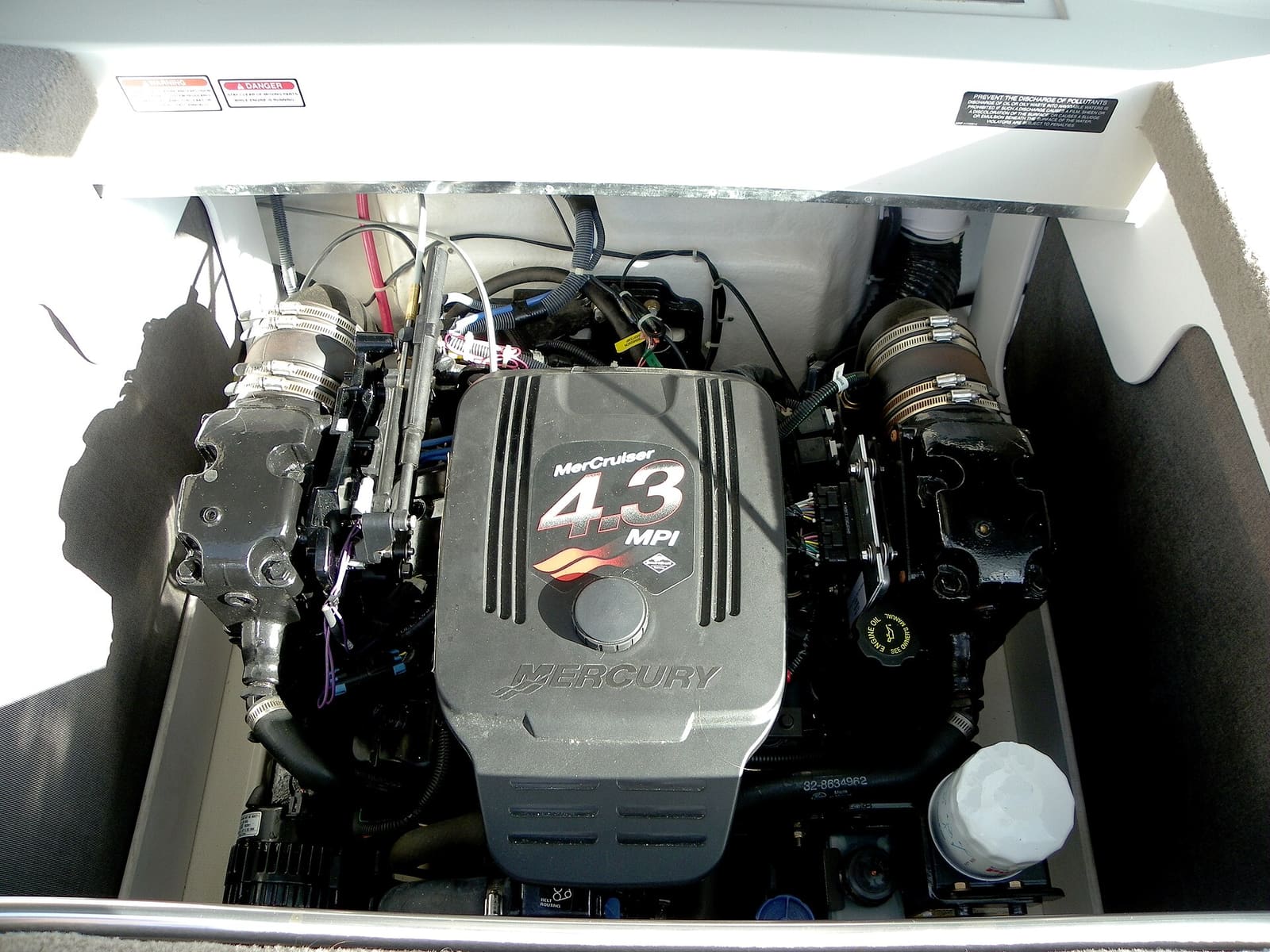
Cast-iron exhaust manifolds and risers rust from the inside, and when they fail they can let water into the cylinders and ruin the engine. Learn the warning signs, how often to inspect them in salt and fresh water, how to check a riser yourself, and when replacement is a job for a pro.
Closed-Cooled Gas Engines: Why the Exhaust Elbows Still Need Checking
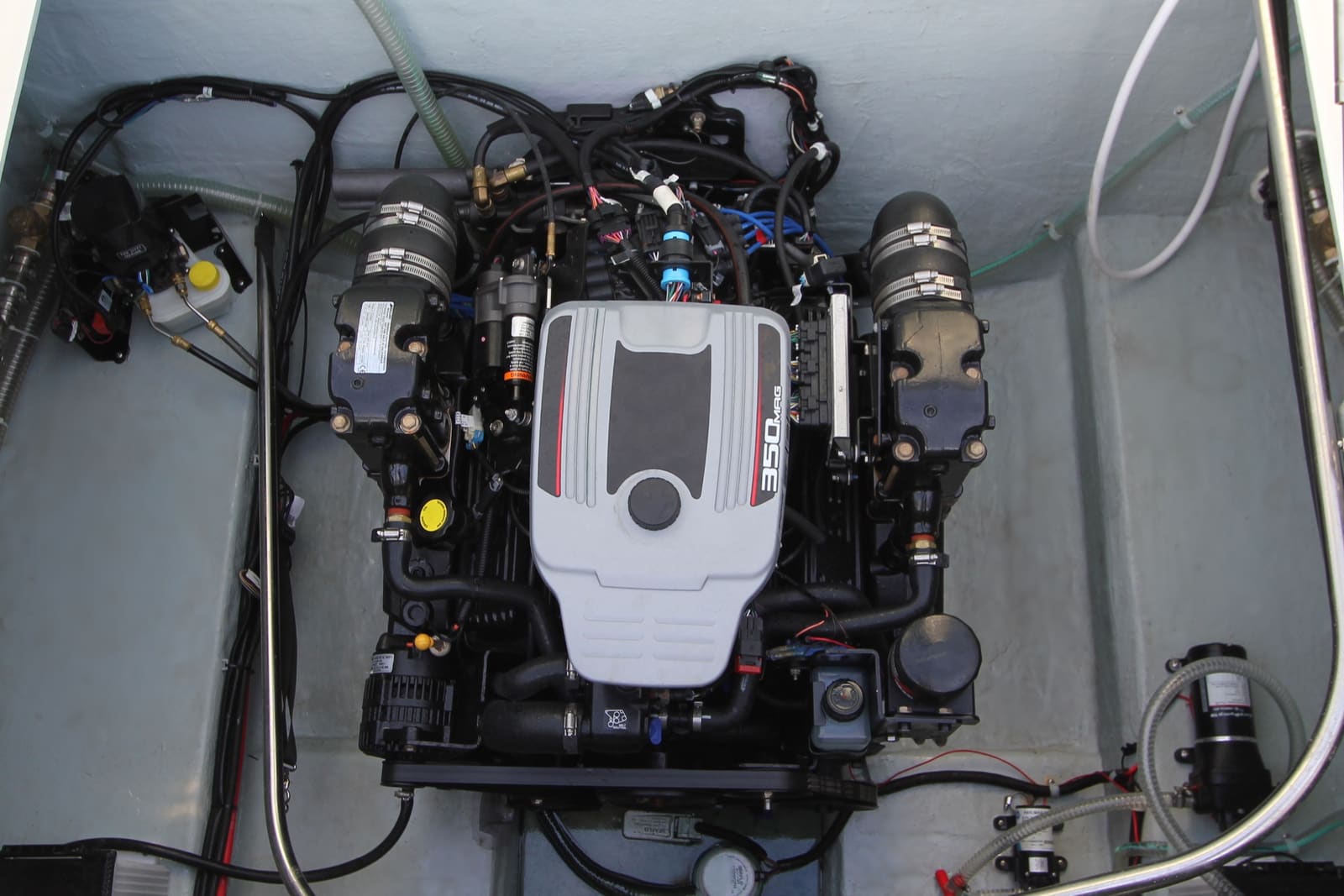
Closed (freshwater) cooling protects the block, but on gas sterndrives and inboards the exhaust elbows or risers, and on some systems the manifolds, are still cooled by raw water. Learn which parts still see salt or lake water, the warning signs, what the engine makers and BoatUS say about intervals, and how to inspect and look after them.
How to Clean and Care for Clear Vinyl (Isinglass) and Polycarbonate Enclosure Panels
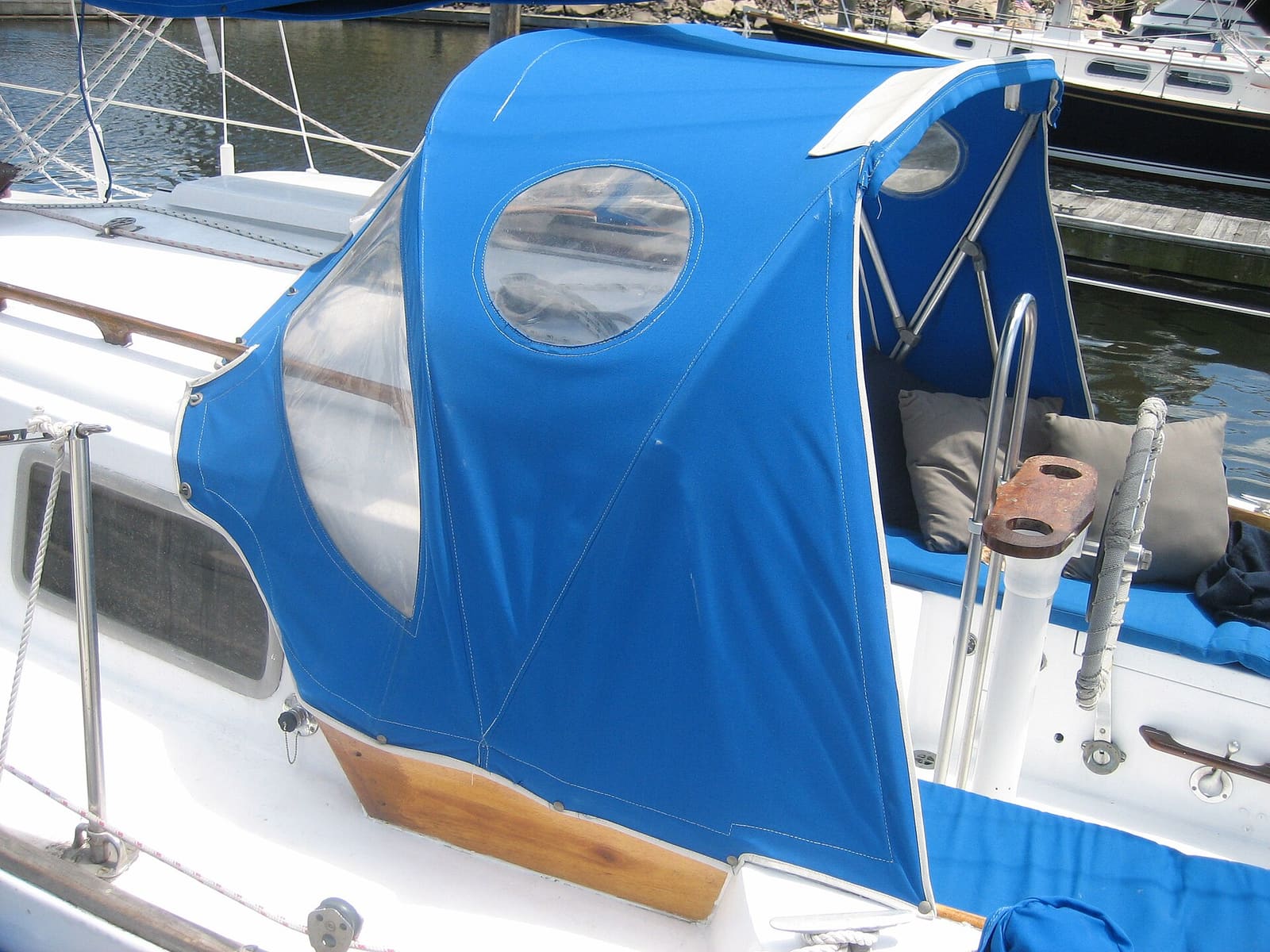
Keep the clear windows in your dodger, bimini curtains or full enclosure clear for years by cleaning them the right way, storing them without scratches and avoiding the cold-weather and chemical mistakes that ruin them. Covers soft clear vinyl, coated vinyl like Strataglass, rigid panels and zippers.
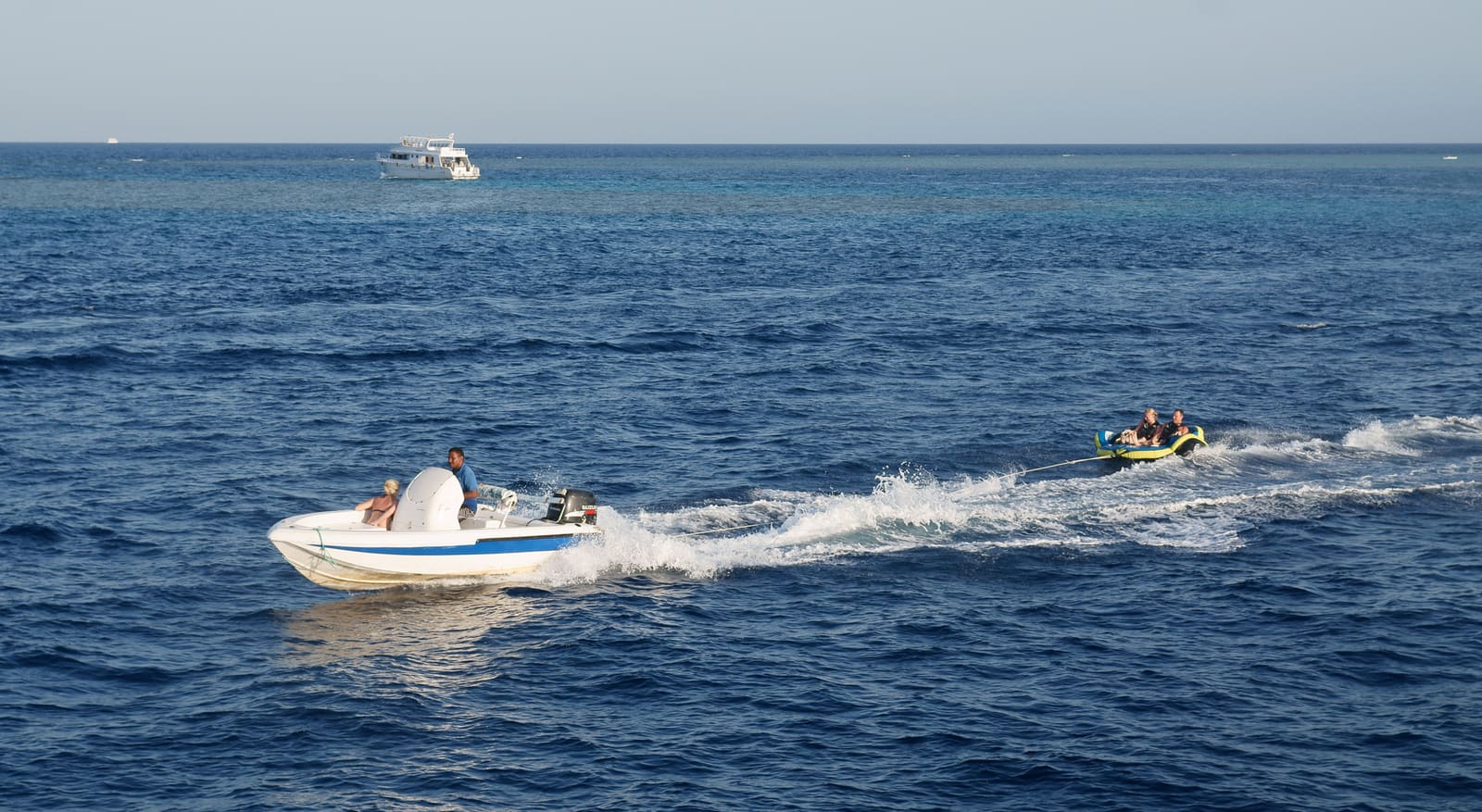
Tow Ropes, Tubes and Watersports Gear: Inspect, Rig and Retire
Check ski, wakeboard and tube ropes, handles, towable tubes and your boat's tow points before every outing, rig them the right way, and know when to throw gear out. Includes the safety basics (spotter, flag, life jackets, prop and carbon monoxide) that vary from state to state.
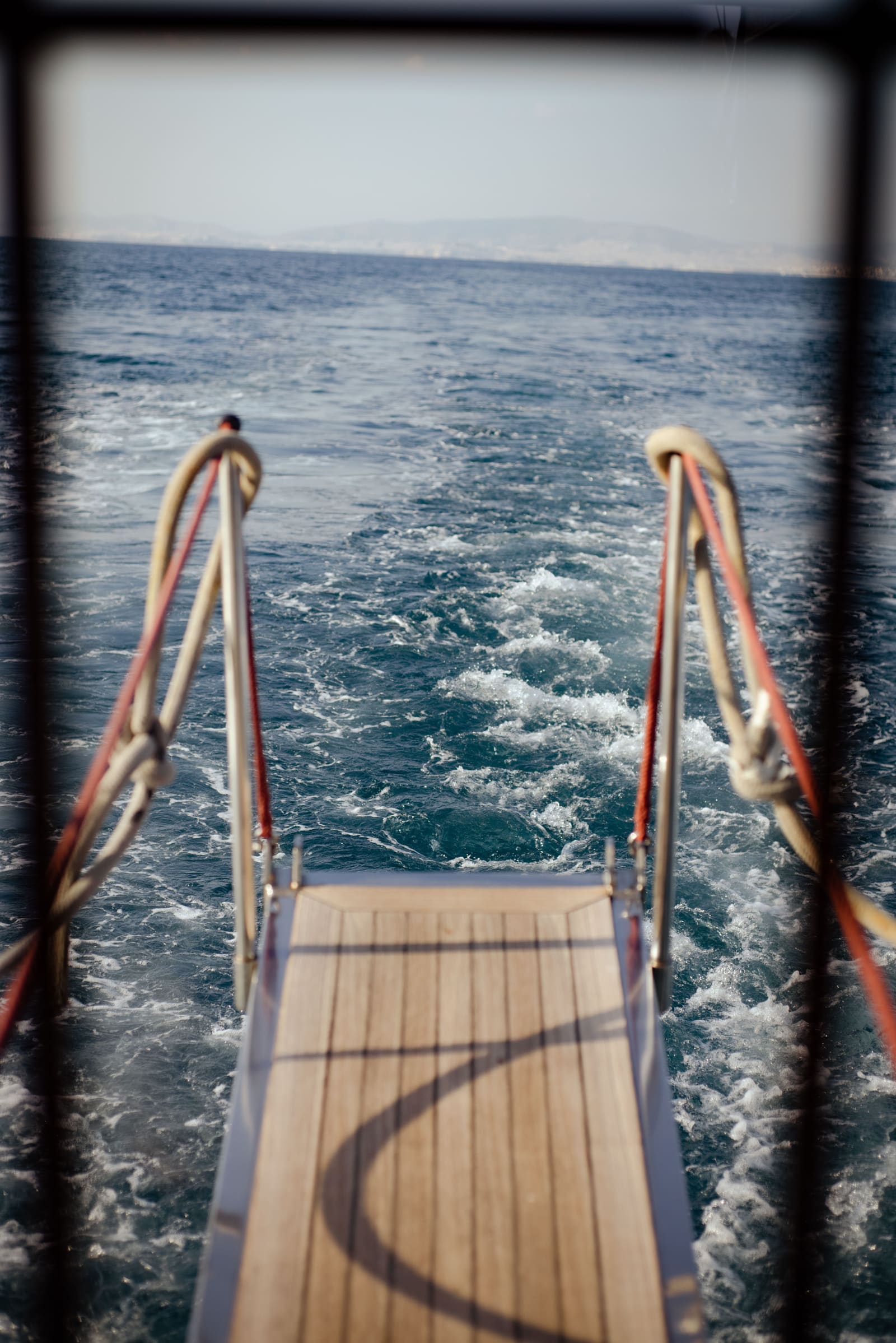
How to Add or Replace a Swim Platform on Your Boat
A swim platform makes swimming, fishing and climbing back aboard far easier, but it hangs off the most heavily loaded part of the hull, right next to the propeller and the exhaust. Learn the bolt-on options, how to check the transom and engine clearance, how to through-bolt with real backing plates, and the propeller and carbon monoxide rules that come with it.