Marina Slip and Storage Contracts: What to Read Before You Sign
Walk through a slip, mooring or winter storage contract clause by clause: insurance and additional-insured requirements, hold-harmless and waiver-of-subrogation language, liveaboard and work rules, DIY and outside-contractor limits, storms, termination, refunds and lien rights, plus the questions to ask the marina and your insurer. Practical guidance, not legal advice.
Time
1 h
Applies to
All engines
Safety first: This is practical background, not legal advice. Marina contracts can shift serious liability onto you and can conflict with your insurance policy; BoatUS warns that some clauses may leave you with no coverage for a loss. Enforceability depends on your state and on maritime law. Have your insurer review the liability language before you sign, and talk to a maritime attorney about anything that worries you.
Owners often ask
- My marina wants to be named as an additional insured and wants me to waive subrogation. Should I sign?
- Can my marina stop me from doing my own work or bringing in my own mechanic?
This guide walks you through it. Still stuck? Ask the AI Mechanic about your engine.
Tools
- The full contract and the marina's rules or yard information sheet
- Your boat insurance policy (declarations page and full policy wording)
- Highlighter and notepad
Before you start
BoatUS calls the marina contract as important as any other major contract you'll sign, and points out a few things that make it unusual:
- It's usually written by the marina's lawyers, so the terms tend to favor the marina.
- It may bring in maritime law rather than ordinary state consumer law, with different remedies and specialist lawyers.
- Liability language can be spread throughout the document, not just in one "insurance" section.
The good news, per BoatUS: most marinas act fairly, reputable ones often pay when they damage a customer's boat, and in many areas there are more slips than boats, so you can shop around or negotiate. Read the contract before you move the boat in, when you still have choices.
Ask for the full contract, the marina rules (often a separate document the contract "incorporates by reference"), the rate sheet and any hurricane or storm plan. You're agreeing to all of them.
Steps
Check the boat's name, length (how the marina measures it: overall, including swim platform and pulpit?), the slip or space number, the term (season, annual, month-to-month), the price and what it includes (electricity, water, pump-out, Wi-Fi, launch or haul fees, winter bubblers). BoatUS notes contracts usually spell out fees and the consequences of not paying, and often bar subleasing the slip or running a business from it.
BoatUS says marina contracts almost always require a liability policy with a minimum limit, and many also require hull (physical damage) insurance. Write down:
- The minimum liability limit, and whether your policy meets it
- Whether hull coverage is required
- Whether you must send a certificate of insurance each year
- Whether the marina must be named as an additional insured (see step 4)
You'll also usually need current state registration or a decal, and some contracts require the boat to be operable, or even to leave the slip once or twice a year.
Look for words like "release," "hold harmless," "indemnify," "defend" and "exculpatory." BoatUS describes three common kinds:
- Exculpatory (release) clauses try to excuse the marina from its own ordinary negligence, sometimes listing fire, theft, vandalism, equipment failure and storms.
- Indemnity for third parties means if a guest or a worker on your boat is hurt at the marina, even through the marina's fault, you agree to defend the marina and pay.
- Broad "defend and indemnify" language covering any claim arising from your use of the boat.
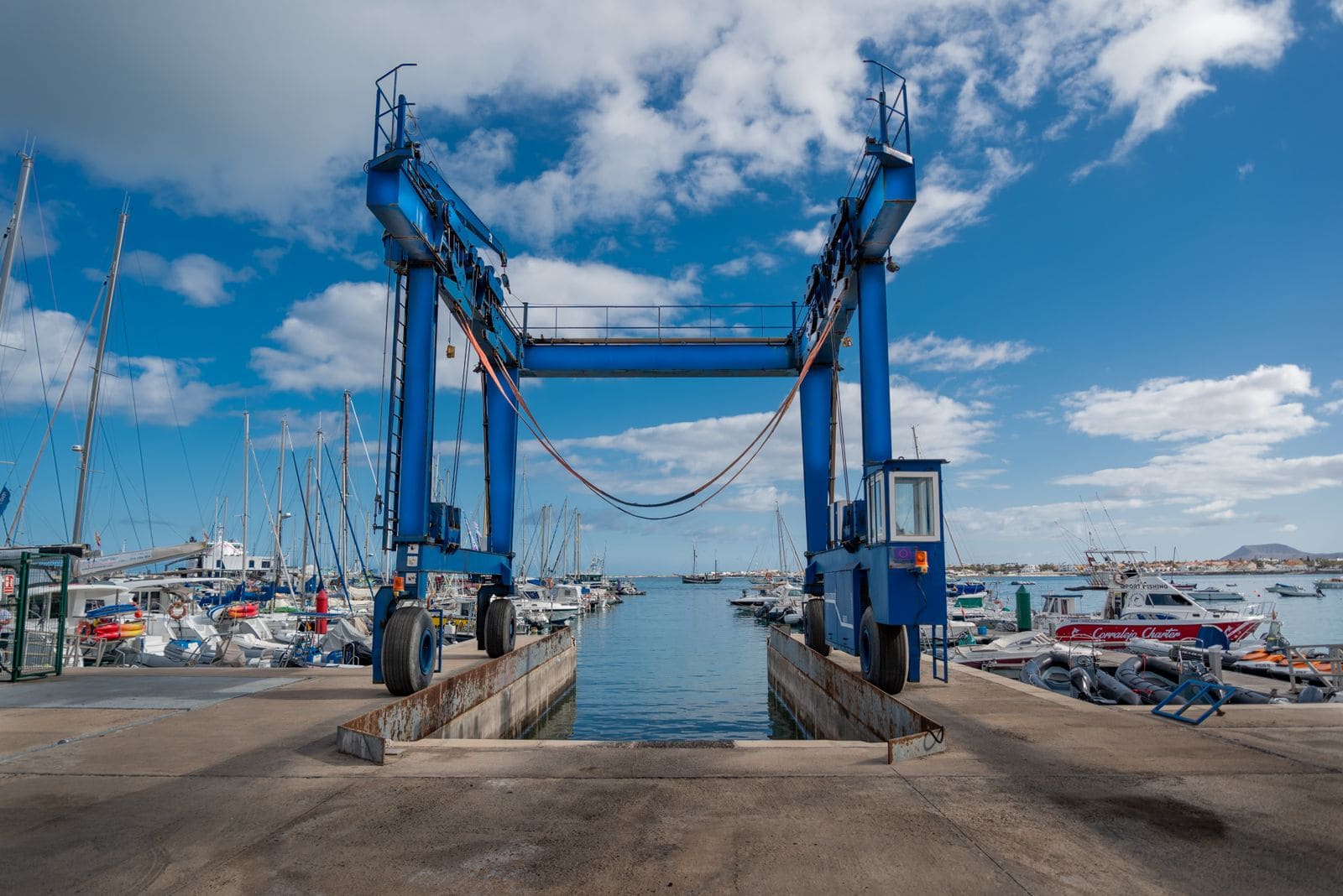
BoatUS's 2012 article cites an admiralty lawyer who notes that such waivers are generally enforceable only when they don't conflict with public policy, and that courts have tended not to enforce them for gross negligence. BoatUS's example: ordinary negligence would be gouging gelcoat during haul-out; gross negligence would be a yard worker running the Travelift drunk. Don't count on a court to rescue you from ordinary-negligence waivers.
Many boat policies exclude liability you take on by contract. BoatUS says its own policies include contractual liability coverage for slip and storage contracts, but yours may not. Ask your insurer directly.
- Additional insured: BoatUS compares adding the marina to your policy to adding "Uncle Bob": your insurer then protects the marina much as it protects you. Claims paid for the marina's negligence can land on your claims history and raise your premium. Whether your insurer will add the marina, and at what cost, is the insurer's decision.
- Waiver of subrogation: normally, after your insurer pays a claim the marina caused, it can go after the marina to recover. A waiver gives that right away. BoatUS warns that most policies don't let you limit your insurer's recovery rights, so signing a waiver may let your insurer deny the claim for that incident, and at best you're still out your deductible.
BoatUS's advice: review these clauses with your insurance company before signing. Some insurers will work out compromise language or a special endorsement with the marina.
Practical Sailor notes that most yards publish a do's-and-don'ts sheet listing what owners may do themselves, and that rules on subcontracted work are a frequent source of friction. Find out:
- Can you do your own maintenance in the slip or on the hard? Which jobs (sanding, bottom paint, fiberglass, engine work) are banned or restricted?
- Can you bring in an outside mechanic, canvas maker or detailer? BoatUS says many contracts require outside workers to show proof of liability insurance and workers' comp before starting.
- Is there a fee for outside contractors?
- Environmental rules: drop cloths, vacuum sanders, no bilge discharge, hazardous waste disposal.
Practical Sailor says yards have clamped down on DIY partly because owners sneaked in unauthorized subcontractors. Follow the rules and tell the office who is coming. On the hard, BoatUS notes the yard is responsible for blocking and owners generally may not move or adjust jack stands.
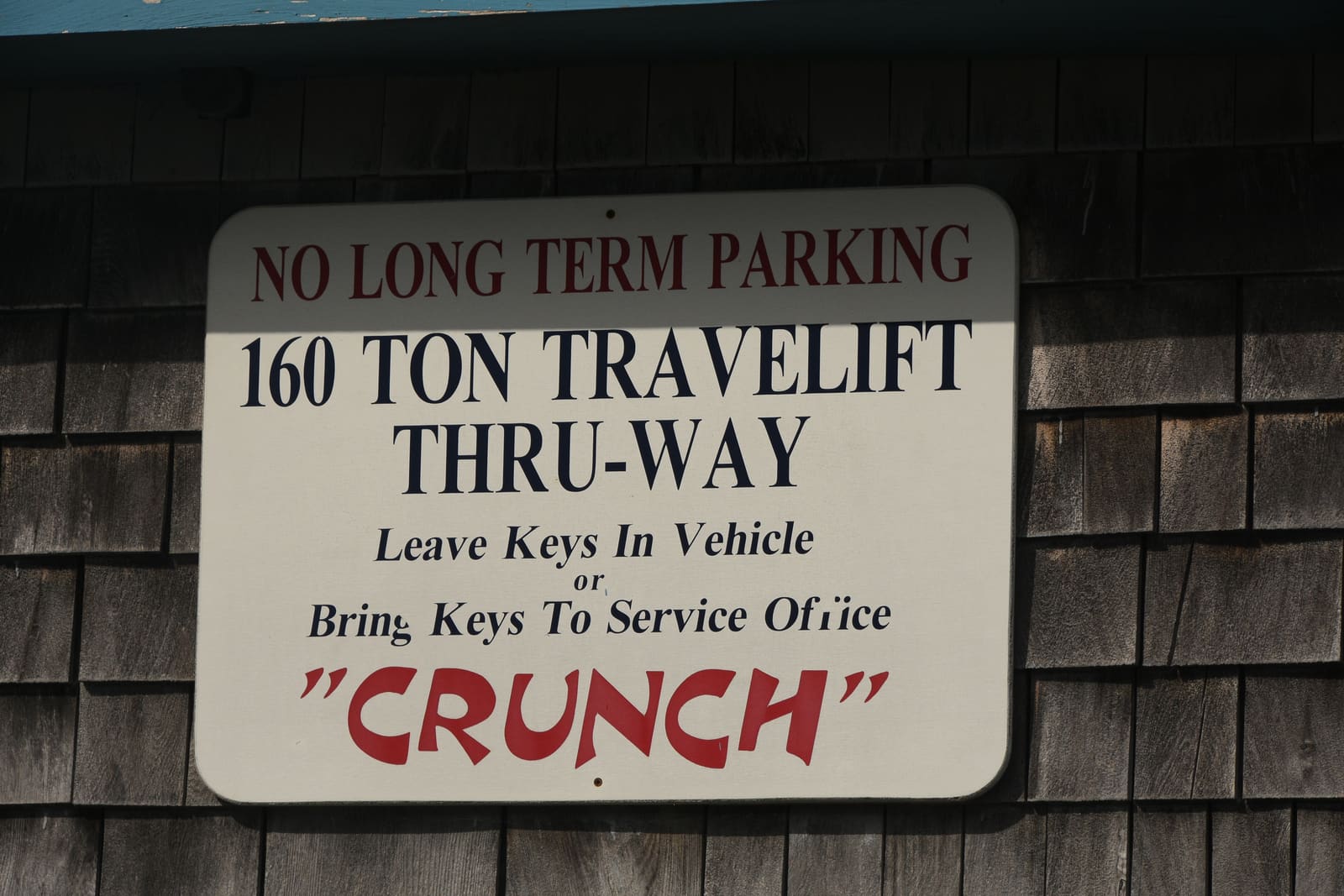
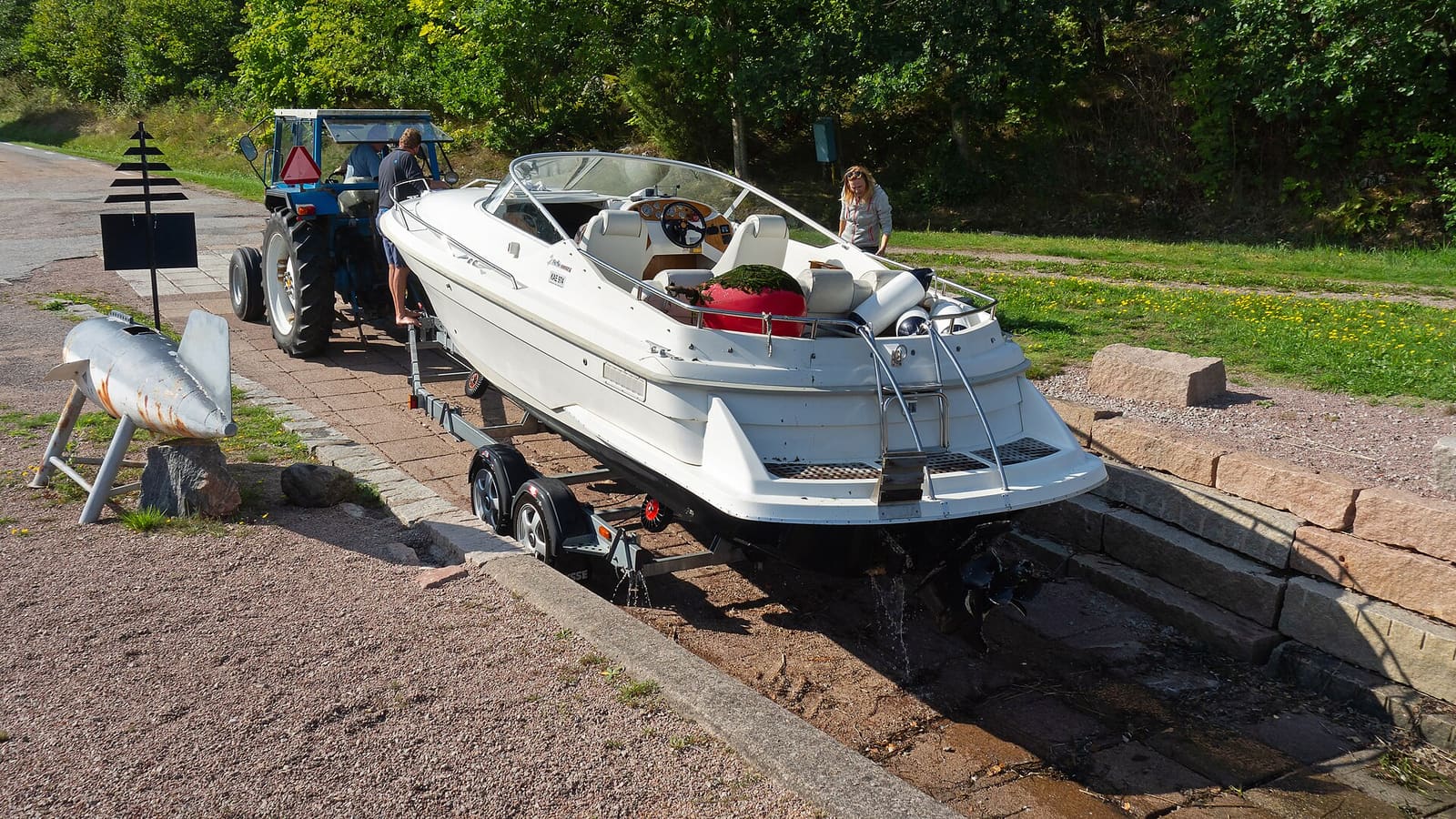
Yard rules on signs and info sheets are part of the deal too. Photo: Amaury Laporte / Wikimedia Commons · CC BY 2.0 Discover Boating says most marinas require an application to live aboard, some areas don't allow liveaboards or have long waiting lists, liveaboard slip fees are usually higher, and your insurance may change if the boat becomes your primary residence. Even if you don't plan to live aboard, check limits on overnight stays, guests, parties, pets, and running generators or heaters. BoatUS notes you can be terminated if your guests break the rules.
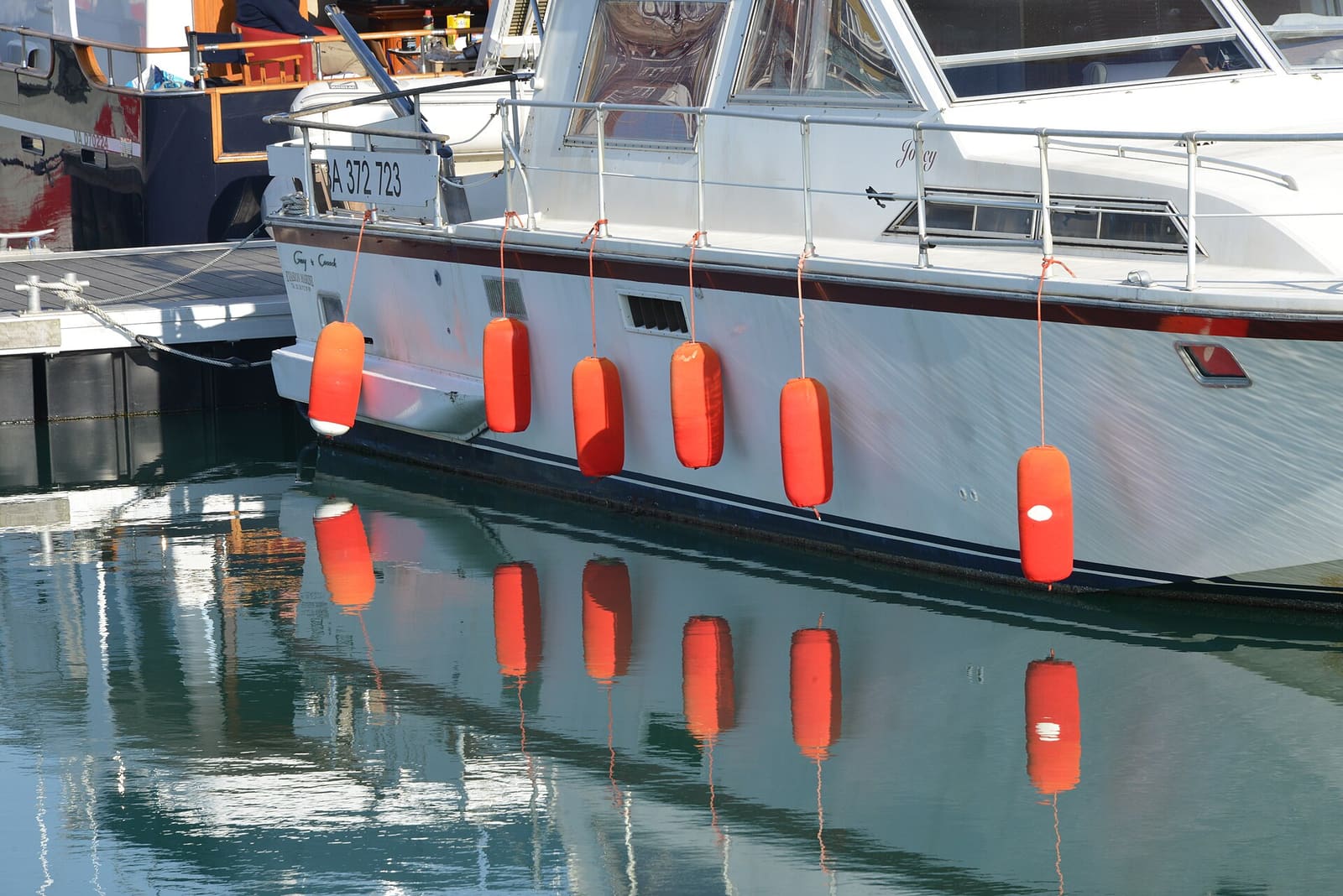
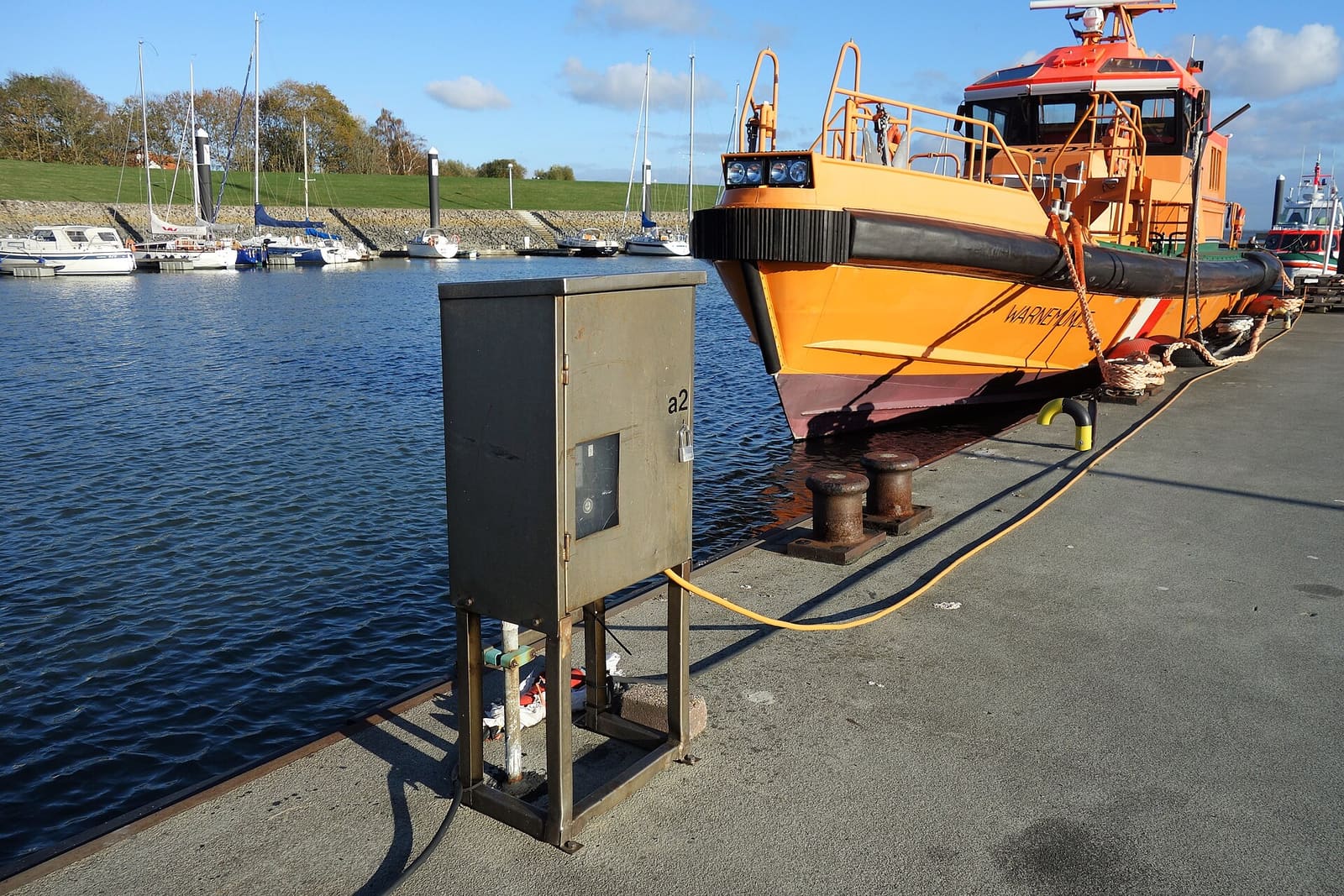
BoatUS says some contracts let the marina charge you for fenders or dock lines it decides are inadequate, and make you pay to pump out and raise your boat if it sinks. Look for rules on shore power cords and adapters, unattended heaters, dock boxes, fueling, and keeping the boat clean and seaworthy. Our dock lines and shore power guides help you meet these.
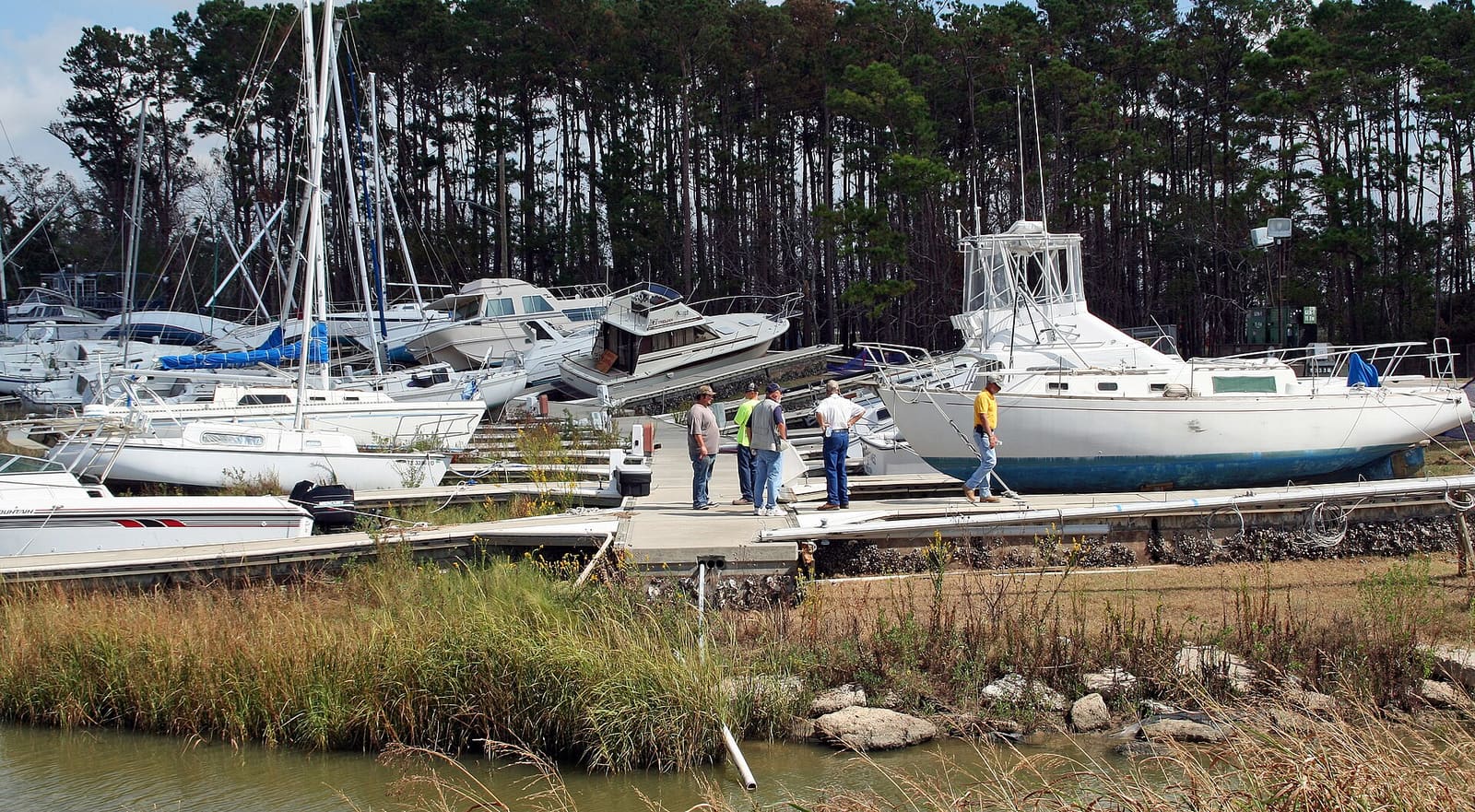
In storm-prone areas, read what happens when a named storm approaches:
- Must you remove the boat, haul it, or double up lines? By what deadline?
- Will the marina move or haul your boat if you can't, and at what charge?
- Can you stay aboard during a storm? (Usually not, and you shouldn't.)
- Does the marina reserve the right to cancel the contract after storm damage? BoatUS notes this right often isn't given to the slip holder.
State law can change the answer. Florida section 327.59, for example, bars marinas from requiring boats to leave after a hurricane watch or warning is issued, to put people's safety ahead of property. But a Florida contract may include a notice, in at least 10-point type, letting the marina move or secure your boat and charge a reasonable fee if you don't remove it promptly after a watch. Look for that notice in your contract.
BoatUS also suggests asking the marina what hurricane plan it has, since some marinas require owners to file their own. Some yards run a "hurricane club" that hauls members' boats when a warning is posted; sign-up usually closes well before the season and may need a nonrefundable deposit. Match all of this to your own hurricane plan and to your insurer's requirements.
BoatUS points out common one-sided terms: the marina can cancel for reasons beyond its control, can terminate for cause (late fees, rule violations, even guests' behavior), and may owe no prorated refund. Check:
- Notice periods for you and for the marina
- Automatic renewal and rate increases
- Whether you can transfer the slip if you sell the boat (usually not)
- Deposits and when they're returned
If you fall behind on fees, BoatUS says the contract may let the marina put a lien on the boat, "arrest" it so it can't leave until you pay, and charge you its legal costs. Many states also give marinas a statutory lien and a process to sell the boat: Florida section 328.17, for example, gives a marina a possessory lien for storage and dockage fees, repairs and related charges from the day the boat arrives, and sets out a process for selling the boat without going to court after the required notices. Rules and deadlines vary by state. Our storage-lien guide explains how it works. If money gets tight, talk to the marina early; don't let it reach a sale notice.
BoatUS's 2012 article notes that terms are negotiable before you sign, and that walking away is a real option a marina in business has to consider. Some marinas will strike clauses for a higher fee. Ask:
- "Can you remove or narrow the waiver of subrogation?"
- "Will you accept my insurer's standard additional-insured language?"
- "What DIY work is allowed, and can I bring my own mechanic?"
- "What exactly happens when a hurricane watch is posted?"
- "What's included in the rate, and how much did rates rise last year?"
Get any agreed changes in writing, signed or initialed by the marina.
BoatUS stresses this one: if the marina damages your boat, or you or a guest are hurt at the marina, notify your insurer immediately, even if the marina says it will handle it. Marinas sometimes change their minds, and by then it may be too late for your insurer to help. Take photos and keep copies of your contract, rules and correspondence. Our insurance claim guide walks through the process.
Common mistakes
- Signing the slip agreement on the dock without reading the incorporated rules.
- Assuming the marina's insurance covers your boat if its staff damage it.
- Agreeing to a waiver of subrogation without asking your insurer, then losing coverage for a marina-caused loss.
- Bringing in an outside mechanic without telling the office or showing their insurance certificate.
- Moving aboard "part-time" without the marina's approval or telling your insurer.
- Ignoring the hurricane clause until a storm is two days out.
- Letting slip fees pile up and learning about lien and sale rights the hard way.
When to call a pro
- The contract has hold-harmless, indemnity, additional-insured or waiver-of-subrogation language you don't understand: call your insurance agent or underwriter first
- The marina refuses to change clauses your insurer says create a coverage gap: consider a maritime attorney before signing
- You've received a lien or sale notice: contact the marina and a maritime attorney right away, and check your state's process
- Your boat was damaged at the marina or someone was hurt: report to your insurer the same day
Tips
- Keep a "slip file" with the signed contract, rules, certificate of insurance, rate sheet and storm plan, and set renewal and insurance-certificate reminders.
- Compare two or three marinas' contracts, not just their prices; the cheaper slip can come with the worse liability terms.
- Photograph the boat and the slip (lines, fenders, cords) the day you move in.
- Ask neighbors on the dock how the marina handled the last storm or damage claim.
- If a group of slip holders shares the same concern, BoatUS notes that changes one person wins don't apply to everyone unless customers press together.
Official references
We read these to write this guide. Your engine's own manual always wins.
- BoatUS – What's Really In Your Marina Contract (2015)
- BoatUS – Boat Marina Liability (2012)
- BoatUS Magazine – Safety Rules For The Boatyard (2023)
- Practical Sailor – Do-It-Yourself Boatyards
- Discover Boating – Beginner's Guide to Living on a Boat
- Discover Boating – Costs of Boat Ownership
- Florida Statutes – 328.17, Nonjudicial sale of vessels (marina liens)
- Florida Statutes – 327.59, Marina evacuations
- BoatUS Magazine – How To Develop A Hurricane Prep Plan (2019)
Safety: BoatMend is for information only and does not replace a certified marine technician. You are responsible for your safety and your boat. Read the full disclaimer.
Last updated 2026-10-25
Related guides
Choosing How to Store Your Boat: Trailer at Home, Dry Stack, Lift, Wet Slip, Mooring or Indoors
Compare the main ways to keep a boat in season and over winter: on a trailer at home or in a lot, in a dry stack, on a lift, in a wet slip, on a mooring or indoors. See what each costs, how it affects growth, corrosion, UV and upkeep, what to check about insurance, HOA rules and security, and how winter changes the choice.
Marina and Storage Liens: How Lien Sales Work, Buying a Lien-Sale Boat, and Not Losing Yours
How unpaid slip, storage or repair bills turn into a lien and then a sale, using Florida and California as examples; what an owner can do to stop it; and how a buyer checks that a lien-sale or abandoned boat comes with paperwork the state will actually title. Every state has its own process and deadlines, so confirm with your state agency.
How to File a Boat Insurance Claim: Safety, Mitigation, Documentation and Settlement
What to do from the moment something goes wrong until the check arrives: make everyone safe, stop further damage, report right away, document with photos and your maintenance log, handle towing versus salvage, work with the adjuster or surveyor, and understand agreed value, actual cash value and the common exclusions. Policies differ, so your own policy wording always wins.
How to Prepare Your Boat for an Insurance or Condition Survey
Get ready for a marine survey your insurer or lender asked for: what a SAMS or NAMS surveyor looks at, the common findings you can fix beforehand (hose clamps, seacocks, bilge, fire extinguishers, wiring), the paperwork to have ready, and how to handle the recommendations afterward.

How to Prepare Your Boat for a Hurricane or Tropical Storm
Make a written storm plan before the season, then haul out or secure the boat with doubled lines and chafe gear, strip off everything that catches wind, and check it safely after the storm. Never ride out a hurricane aboard.
How to Size, Rig and Inspect Dock Lines and Fenders
Pick the right dock line diameter and fender size for your boat, set up bow, stern and spring lines in a slip, add chafe gear, inspect for wear and UV damage, and double everything up before a storm.
Shore Power Safety: Cords, Inlets, Burned Plugs and Electric Shock Drowning
An owner's inspection routine for your shore power cord, plugs, boat inlet, galvanic isolator and ground-fault protection, plus the right way to plug in and the facts about Electric Shock Drowning. This guide is for looking and testing only; any electrical repair belongs to an ABYC-certified marine electrician.
The Real Cost of Owning a Boat: Building a Yearly Budget and Cutting Costs with DIY
Add up what a boat really costs each year (storage, insurance, fuel, maintenance, winterizing, registration, depreciation and the surprise repair), check it against the common rules of thumb, and find the places where do-it-yourself work and smarter choices save real money. Practical planning help, not financial advice.
Sharing a Boat: Co-Ownership Agreements, Partnerships and Boat Club Alternatives
How to share a boat without losing a friend: choosing a partner, what a written agreement should cover (shares, costs, scheduling, maintenance standards, insurance, title, decisions and the exit), how to handle the inevitable disagreements, and when a boat club, rental or peer-to-peer option makes more sense. Practical guidance, not legal or tax advice.
Winter Layup Master Checklist (Step-by-Step, With Links to Each Job)
One ordered checklist for putting any boat away for winter, from booking storage and treating the fuel to winterizing the engine, water systems, head and batteries, then blocking, covering and securing the boat. Each step links to the detailed BoatMend guide for that job.