How to Check, Mount and Replace Boat Fire Extinguishers
A monthly five-minute check of every fire extinguisher aboard, plus how the 2022 Coast Guard rule changes affect you, where to mount them, and when to recharge or replace. A boat fire spreads in seconds, and an extinguisher with a dead gauge, missing pin or expired date will not help you or pass a boarding.
Time
30 min
Applies to
All engines
Safety first: If a fire is bigger than a small trash-can blaze, or you smell fuel and see smoke from the engine compartment, do not open the hatch and do not try to be a hero. Shut off the engines and fuel, get everyone into life jackets, call USCG on VHF channel 16 (or 911), and be ready to leave the boat. Never test-discharge an extinguisher to "see if it works": once used, even briefly, it must be recharged or replaced.
Owners often ask
- My fire extinguisher gauge is still in the green but it's over 12 years old. Do I have to replace it?
- Are my old B-I and B-II fire extinguishers still legal on a newer boat?
This guide walks you through it. Still stuck? Ask the AI Mechanic about your engine.
Tools
- Flashlight
- Clean rag
- Screwdriver or drill (for brackets)
- Marker or label maker
Parts & supplies
- USCG-approved marine fire extinguishers (5-B or 20-B on newer boats)
- Mounting brackets that fit your extinguishers
- Stainless screws or through-bolts for the brackets
Before you start
Know which rule applies to your boat. Recreational boats follow the Coast Guard fire protection rule in 33 CFR Part 175, Subpart E, which took effect on April 20, 2022. The number of extinguishers you need did not change, but the type and age rules did. If you carry paying passengers (for example a six-pack charter), your boat is an uninspected vessel under 46 CFR Part 25, which adds monthly inspection and annual maintenance rules based on the NFPA 10 standard.
Find your boat's model year. It is on your registration, title or the hull identification number (HIN). The last two digits of a modern HIN are the model year. Model year 2018 and newer boats have stricter extinguisher rules.
Count what you need. Our USCG safety equipment guide has the table by boat length. In short: most boats under 26 feet need one 5-B, 26 to 40 feet need two 5-B or one 20-B, and 40 to 65 feet need three 5-B or one 20-B plus one 5-B. A fixed system in the engine room reduces the count by one 5-B.
Not sure you need one at all? The USCG FAQ lists the only exemption: a boat under 26 feet with an outboard, fuel only in portable tanks, and no spaces where vapors can collect (no closed compartments under seats where a portable tank is stored, no unsealed double bottom, no cabin, no closed locker holding flammables). Most owners of small outboard boats are surprised to learn that a closed seat locker with the gas can inside makes an extinguisher required. Carrying one is smart either way.
Steps
Pull every extinguisher off the boat: the ones in brackets, the one in the cabin, and the forgotten one under the V-berth. You will check each one against the same list. If you find more than you need, keep the best ones in service. The USCG says expired or older units can stay aboard as extras, as long as you also carry the required number of good ones.
Look for the words "Marine Type – USCG Approved" on the label. Underwriters Laboratories (UL) approves marine extinguishers for the Coast Guard, so you will also see the UL mark. A household extinguisher without the marine approval does not count toward the requirement, even if it is the same size.
- Model year 2018 and newer: you may only count extinguishers rated 5-B or 20-B (they may also show A and C ratings) that have a date of manufacture stamped on them. Older labels that say only "B-I" or "B-II" do not count on these boats.
- Model years 1953 to 2017: you may carry 5-B or 20-B units, or older B-I or B-II units, as long as they are in good and serviceable condition.
- A 10-B counts as one 5-B, not two. Only a 20-B replaces two 5-B units.
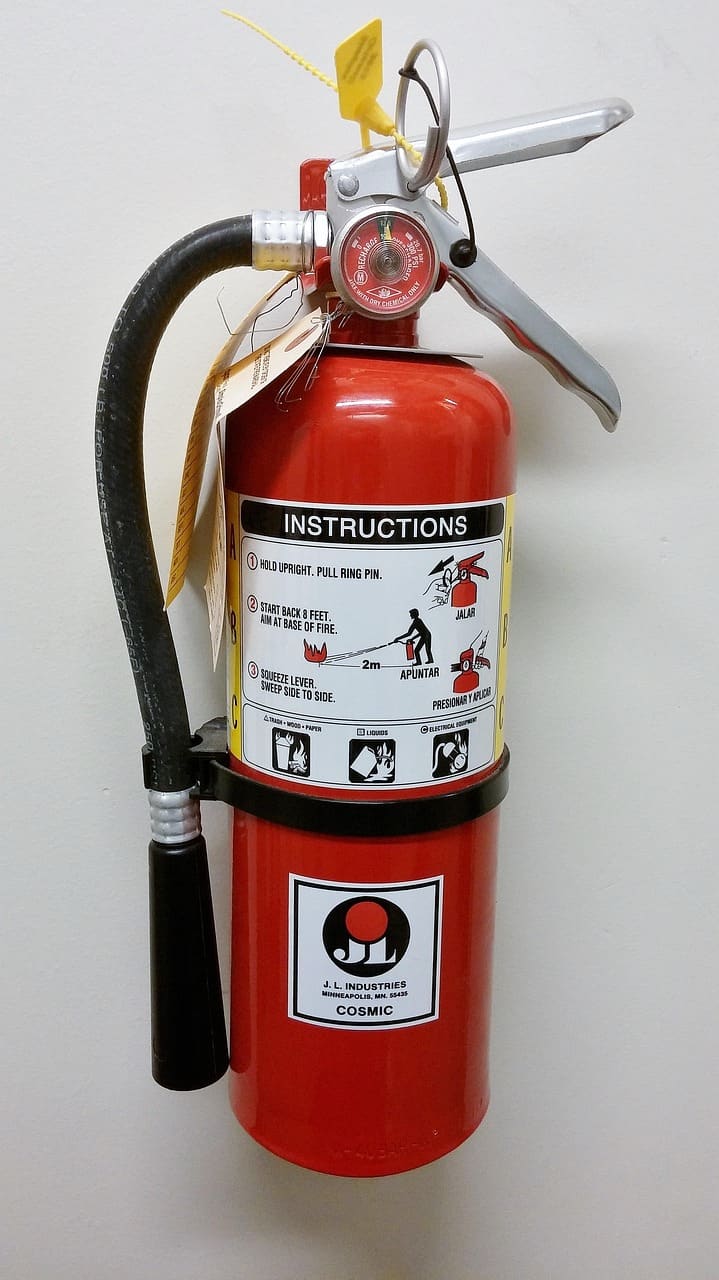
Disposable (non-rechargeable) extinguishers must be removed from service 12 years after the date of manufacture. The date is usually stamped on the bottom of the bottle or printed near the UL label, sometimes as just two digits for the year. Many labels say outright that the unit must be removed from service within 12 years. A 13-year-old disposable bottle is expired even if the gauge still reads green.
Rechargeable extinguishers (usually metal valve heads, a service tag and a label saying rechargeable) do not expire at 12 years, but they need annual maintenance by a certified technician. The first service is due one year after the date of manufacture, and the tag should show it.
Hold the extinguisher upright and look at the gauge. The needle must sit in the green "operable" range. If it is in the red (either side: undercharged or overcharged), a disposable unit must be discarded and replaced, and a rechargeable unit must be serviced and re-tagged. Some small units use a push-button pressure indicator instead of a needle; follow the label for how to read it.
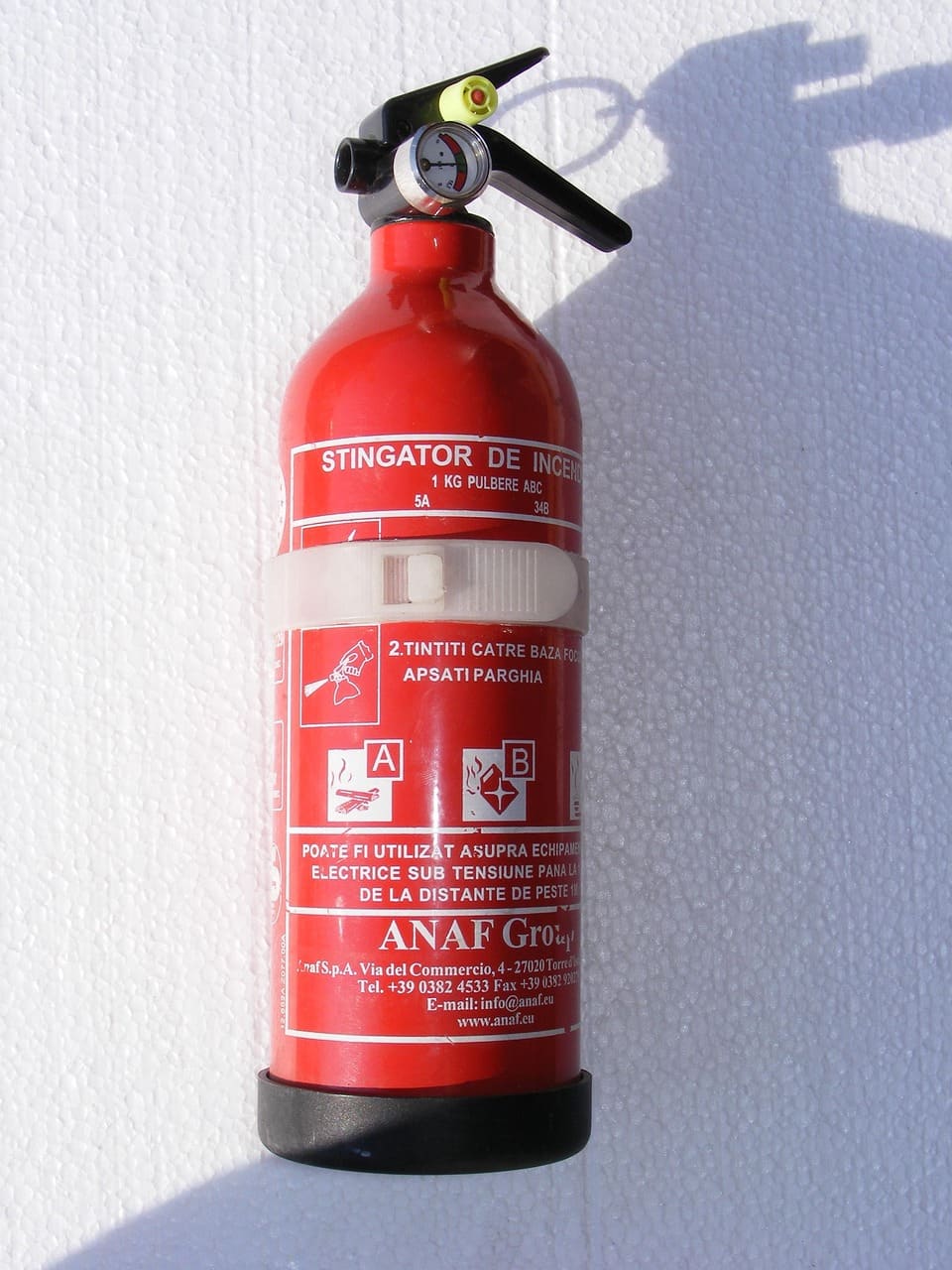
Photo: byrev / Pixabay · Pixabay Content License Run through the other Coast Guard "serviceable" checks:
- Locking pin firmly in place, with the plastic tamper seal unbroken. A missing seal can mean someone squeezed the handle.
- Nozzle or hose clean and clear: no mud dauber nests, spider webs, salt crust or cracked hose. Powder in the nozzle means it has been used.
- Body without heavy rust, deep dents, or a swollen or cracked bottom. Light surface rust can be cleaned; corrosion that pits the metal means replace it.
- Label still readable, including the instructions.
Most small marine extinguishers are dry chemical. Engine vibration and pounding over waves can pack the powder into a solid cake at the bottom, which may not come out when you need it. Many fire equipment technicians suggest turning dry chemical units upside down once a month and feeling or listening for the powder to shift. Check your extinguisher's label and manual: some makers recommend a gentle shake or tap with your hand, and none recommend hitting the bottle with a hammer. If the powder never seems to move, have it inspected or replace it.
The USCG strongly recommends mounting extinguishers in brackets, although it is not required; what is required is that they are readily accessible. If the label says the unit is approved only with its bracket, use that bracket. Good locations:
- Near the helm, where the driver can grab it without leaving the controls
- Near the cabin or galley exit, so you can fight a fire on your way out, not trapped behind it
- Outside the engine compartment, never inside it (you cannot reach it if that is where the fire is)
Use stainless screws or through-bolts into solid material, not just a thin liner. Mount the bottle so the gauge faces out and the quick-release strap opens with one hand. Keep extinguishers out of direct sun if you can, and away from where people sit and kick them.
Some extinguishers (mostly water or foam types) must be protected from freezing; the label will say so. If you store the boat in a cold climate, take those home for the winter. Dry chemical units are generally fine in cold storage, but check the temperature range on the label.
- Disposable unit used, in the red, expired, damaged or missing its seal: replace it. Ask your local fire department or household hazardous waste program how to dispose of the old one; many take them, and some ask you to discharge it fully first in a safe place.
- Rechargeable unit used or out of range: take it to a certified fire extinguisher service company to be recharged and tagged. Also take it in once a year for its annual maintenance, even if it was never used.
- Older B-I or B-II unit on a 2018 or newer boat: replace it with a date-stamped 5-B or 20-B.
Larger boats often have an automatic clean-agent system in the engine room. These are designed to discharge on their own when the space reaches about 175°F and to empty in under 10 seconds. What you can check yourself:
- The helm status light or panel shows "charged" or green, and nothing shows "discharged" or a fault
- The bottle is secure in its bracket and has no obvious damage or corrosion
- The engine shutdown system (if fitted) has not been bypassed with the override switch left on
Clean-agent gas does not stop a running engine. If the engines and generator keep running, they can suck the agent out of the space and the fire can come back. That is why many systems include automatic engine shutdown. Weighing or servicing the bottle is a job for an authorized service technician; follow the schedule in the system's manual.
Show everyone aboard where the extinguishers are and how to use them: Pull the pin, Aim at the base of the fire, Squeeze the handle, Sweep side to side. Write the check date on a tag or label on each unit and log it in BoatMend so you get a monthly reminder.
Common mistakes
- Trusting a green gauge on an old bottle. Disposable units expire 12 years after manufacture no matter what the gauge says.
- Old B-I and B-II units on a 2018 or newer boat. They do not count on newer boats, even in perfect condition.
- Counting a 10-B as two 5-B units. It only counts as one.
- Mounting the only extinguisher inside the engine compartment or behind the fire's most likely spot, so you cannot reach it.
- "Testing" an extinguisher with a quick squeeze. It will slowly lose pressure afterward and no longer counts.
- Keeping a half-used extinguisher "for later." In BoatUS Foundation tests, a partly discharged dry chemical unit stopped working within seconds, so it may be useless if the fire flares up again. Replace or recharge it right after any use.
- Using a household bracket. Non-marine brackets can corrode or let the bottle shake loose; use the marine-rated bracket made for your extinguisher.
- Opening the engine hatch wide to fight a fire. The rush of air feeds the fire. If you must use a portable unit, use a fire port or crack the hatch just enough to aim, and stay back.
- Restarting the engines right after a fixed system discharges. Let the space cool and follow the system manual before you open hatches or restart anything.
When to call a pro
- Any rechargeable extinguisher is due for its annual service, has been used, or reads out of range
- The fixed engine-room system shows "discharged" or a fault, or you are not sure it is charged
- There has been a fire of any size in the engine room or electrical panel: have a marine electrician and mechanic inspect before you run the boat again
- You run paying passengers and need NFPA 10 inspection records for your boat
Tips
- Write the date of manufacture in big numbers on each bottle with a marker so you can spot an expiring unit at a glance.
- Buy extinguishers a size up from the minimum. A 20-B holds much more agent than a 5-B and counts double.
- The BoatUS Foundation suggests carrying more than the Coast Guard minimum and choosing a tri-class (A, B and C) dry chemical unit, which also works on wood, cloth and electrical fires. In the galley, mount it where you do not have to reach over the stove to grab it.
- Owners often ask which dry chemical powder is "better." Most marine tri-class (A-B-C) units use monoammonium phosphate; many B-C units use sodium bicarbonate. Either is fine for the requirement as long as the label says marine type, USCG approved. After any discharge, clean up the powder the same day: dry chemical residue, especially A-B-C powder, can corrode metal and electronics once it picks up moisture. Follow the cleanup advice on the label and tell your insurer if there was a real fire.
- Keep one extinguisher near the fuel fill area at the dock and on the trailer when you fuel up at a gas station.
- A free USCG Auxiliary Vessel Safety Check will confirm your count, ratings and dates.
Official references
We read these to write this guide. Your engine's own manual always wins.
- USCG Boating Safety – Fire Extinguishers Requirements for the Recreational Boater FAQ
- eCFR – 46 CFR Part 25 Subpart 25.30 (Fire Extinguishing Equipment, uninspected vessels)
- BoatUS Foundation – Fire Extinguishers
- BoatUS Foundation – Required Equipment
- Fireboy-Xintex – Marine Fire Extinguishing Systems
- Fireboy-Xintex – Automatic Marine Engine Shutdown Systems
Safety: BoatMend is for information only and does not replace a certified marine technician. You are responsible for your safety and your boat. Read the full disclaimer.
Last updated 2026-10-24
Related guides

USCG Required Safety Equipment Check by Boat Length
Walk through your boat and confirm you carry every piece of safety gear the US Coast Guard requires for your boat's length and type, and that none of it is expired or worn out. Missing or expired gear is one of the most common tickets on the water, and it is the gear you need when things go wrong.
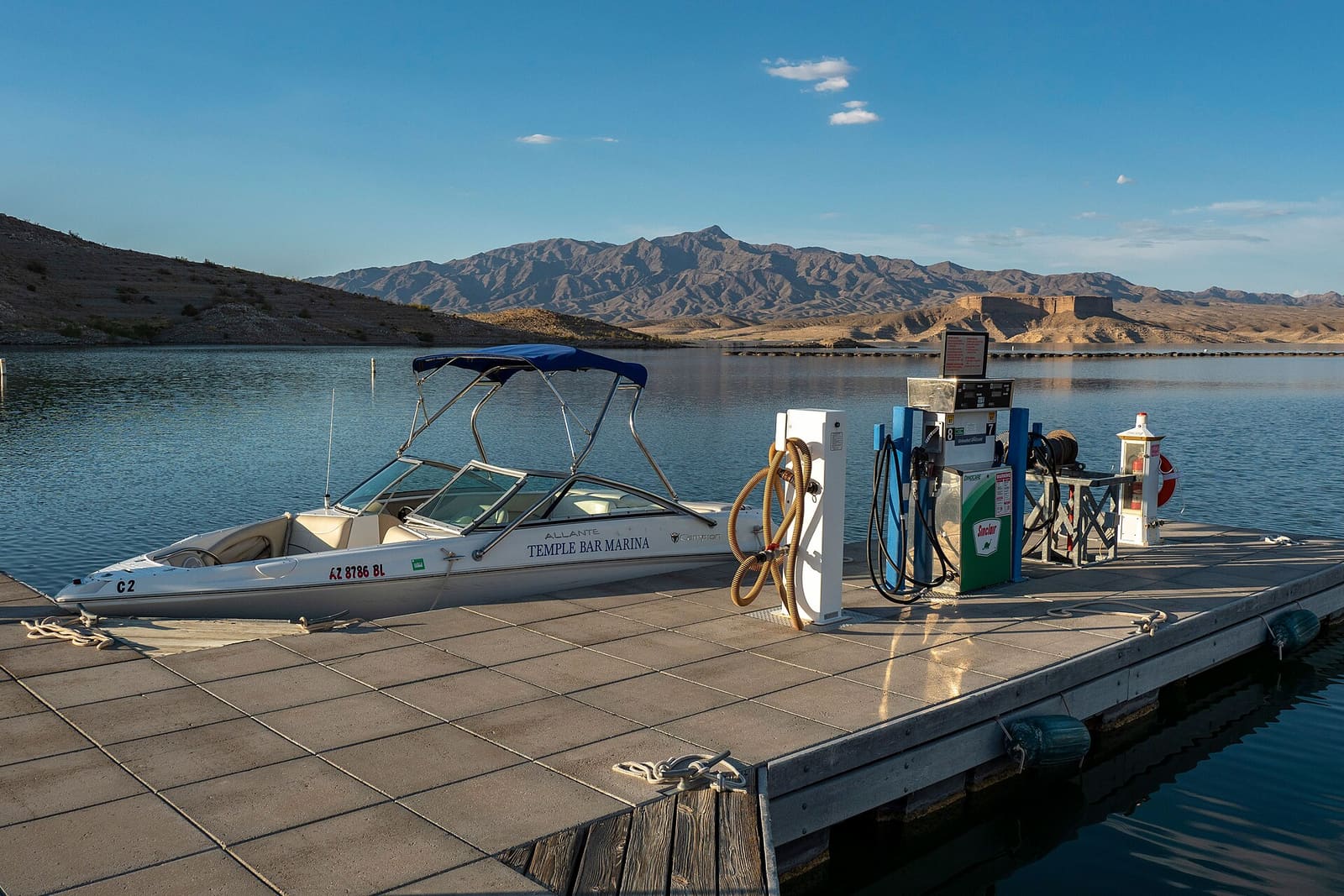
How to Refuel a Boat Safely (Gas Dock, Gas Station and Portable Tanks)
A step-by-step fueling routine that keeps gasoline vapor out of your bilge and fuel out of the water: shut everything down, close up, keep the nozzle in contact, stop short of full, ventilate, run the blower and sniff before you start. Includes portable tanks, personal watercraft and what to do about a spill.
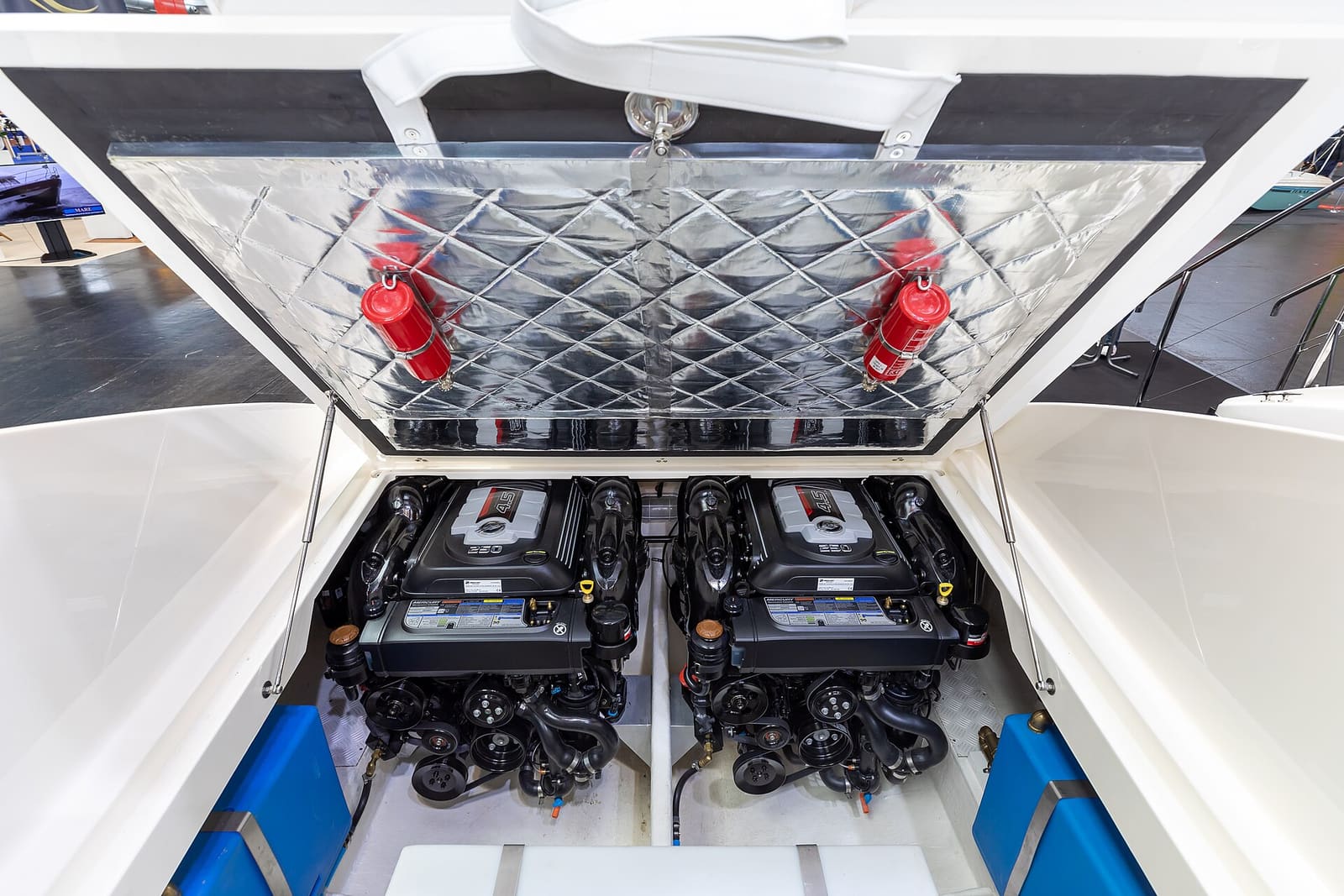
Bilge Blower and Engine Compartment Ventilation on Gas Inboards and Sterndrives
Learn why gas boats have a "run the blower 4 minutes" label, how to check that the blower and vent ducts actually move air out of the engine compartment, and how to replace a blower safely with an ignition-protected marine unit.
Propane (LPG) Safety on Boats - Locker, Solenoid, Sniffer and Leak Test
Learn why leaking propane sinks into the bilge, how to inspect the locker, cylinders, hoses, solenoid and gas alarm, and how to run a simple leak test. Repairs to a propane system belong to a qualified marine technician.
Carbon Monoxide on Boats: Where It Comes From, CO Alarms and Warning Signs
Carbon monoxide can build up in cabins, under canvas and around the swim platform, and its first symptoms look like seasickness. Learn the danger zones, where to mount marine CO alarms, how to test and replace them, and exactly what to do if an alarm sounds or someone feels sick.