How to Prepare for a Free Vessel Safety Check
Volunteers from the Coast Guard Auxiliary and America's Boating Club will inspect your boat's safety gear for free, with no ticket if something is missing. Learn how to request a Vessel Safety Check, what the examiner looks at, how to get your boat ready and what to do with the fix list.
Time
1 h
Applies to
All engines
Safety first: A Vessel Safety Check is a good time to find problems, but some cannot wait for the exam. If you smell gasoline or see fuel in the bilge, do not start the engine or run any electrical equipment; ventilate the boat and call a marine mechanic. If the blower does not work on a gasoline inboard or sterndrive, do not start the engine until it is fixed. Never test-fire flares; doing so can trigger a search and rescue response. In an emergency on the water, call the Coast Guard on VHF channel 16 or dial 911.
Owners often ask
- How do I get a free Coast Guard Auxiliary vessel safety check?
- Does a vessel safety check decal mean I will not get boarded by the Coast Guard?
This guide walks you through it. Still stuck? Ask the AI Mechanic about your engine.
Tools
- Flashlight
- Your boat's registration or documentation papers
- A pen and this checklist (or the BoatMend checklist on your phone)
Parts & supplies
- Only what your own pre-check shows is missing or expired (life jackets, flares, extinguisher, fuses, bulbs, placards)
Before you start
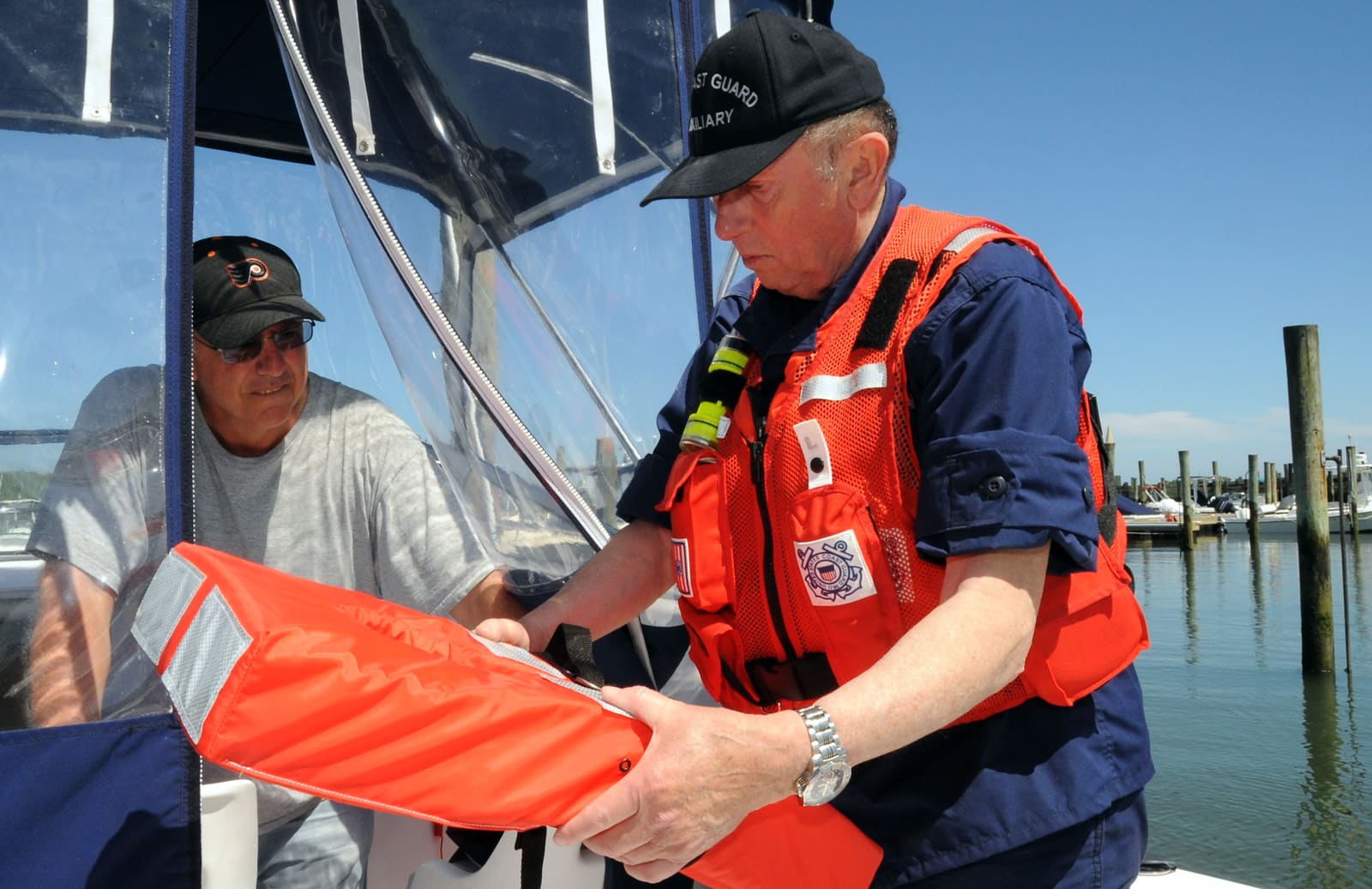
What it is. The USCG describes a Vessel Safety Check (VSC) as a courtesy examination that verifies the presence and condition of safety equipment required by federal and state rules. Trained volunteer examiners from the U.S. Coast Guard Auxiliary or the United States Power Squadrons / America's Boating Club (and in some states, state volunteers) do it for free, and they can also answer questions and suggest improvements.
What it is not. It is not a law enforcement boarding. The USCG says no citations are given if the boat does not pass; you get a copy of the examiner's evaluation so you can fix things. A boat that passes can display the VSC decal. The decal does not exempt you from being boarded by the Coast Guard or state officers; the USCG says it only shows that the boat was examined and met the equipment rules, and the BoatUS Foundation says there is no data showing a decal makes a random boarding less likely.
Why bother. Being ready for an emergency is the real value, as the BoatUS Foundation puts it. If officers board you and find the same problems, you can get a citation or a fine.
Our USCG safety equipment guide explains each federal requirement in detail. This guide focuses on getting the exam and getting ready for it.
Steps
Ways to find an examiner:
- safetyseal.net: the USCG FAQ says to choose "I want a VSC" and enter your ZIP code to find nearby examiners.
- cgaux.org/vsc: the request page that BoatUS points boaters to.
- The U.S. Coast Guard mobile app, which includes a free boating safety check request and a safety equipment checklist.
- Your local Auxiliary flotilla or America's Boating Club squadron, or look for VSC days at launch ramps, marinas and boat clubs, which are common in spring.
BoatUS notes you can also make an appointment for an examiner to come to your boat, and that exams typically take under an hour. Marinas and clubs can ask the local units to hold a VSC day on their property. In its 2026 release BoatUS describes the check as a 15- to 30-minute inspection that can be done at your dock, in your driveway or at your marina, so a trailer boat at home qualifies too. March is promoted as Vessel Safety Check Month, a good time to book before the spring rush.
Go through steps 3 to 12 a week or two before the exam, so you have time to buy anything that is missing or expired. Write down your boat's length and where you boat (inland lake, river, coastal water or the Great Lakes); many requirements change with length and location. Check your state boating agency too: the examiner checks state requirements as well as federal ones, for the state where the exam happens.
- Registration (or Coast Guard documentation) aboard and current
- Registration numbers and the state validation decal displayed the way your state requires: usually on both sides of the forward half of the boat, in plain block letters that contrast with the hull (check your state's size and spacing rules)
- Documented boats: name and hailing port marked as the documentation rules require
One USCG-approved, wearable life jacket for each person, in good condition, the right size, and readily accessible (out of the plastic bags, not locked away). Children's sizes for any kids. Inflatables must be armed, with a full cylinder and a green indicator. Boats 16 feet and over also need a throwable device that is immediately available. See the USCG safety equipment and inflatable PFD guides.
The right number and type for your boat, mounted and easy to reach, with gauges in the green, pins and seals in place, and disposable units no older than the limit printed in the rules (date on the bottle). Boats model year 2018 and newer need the newer-style ratings. See the fire extinguisher guide.
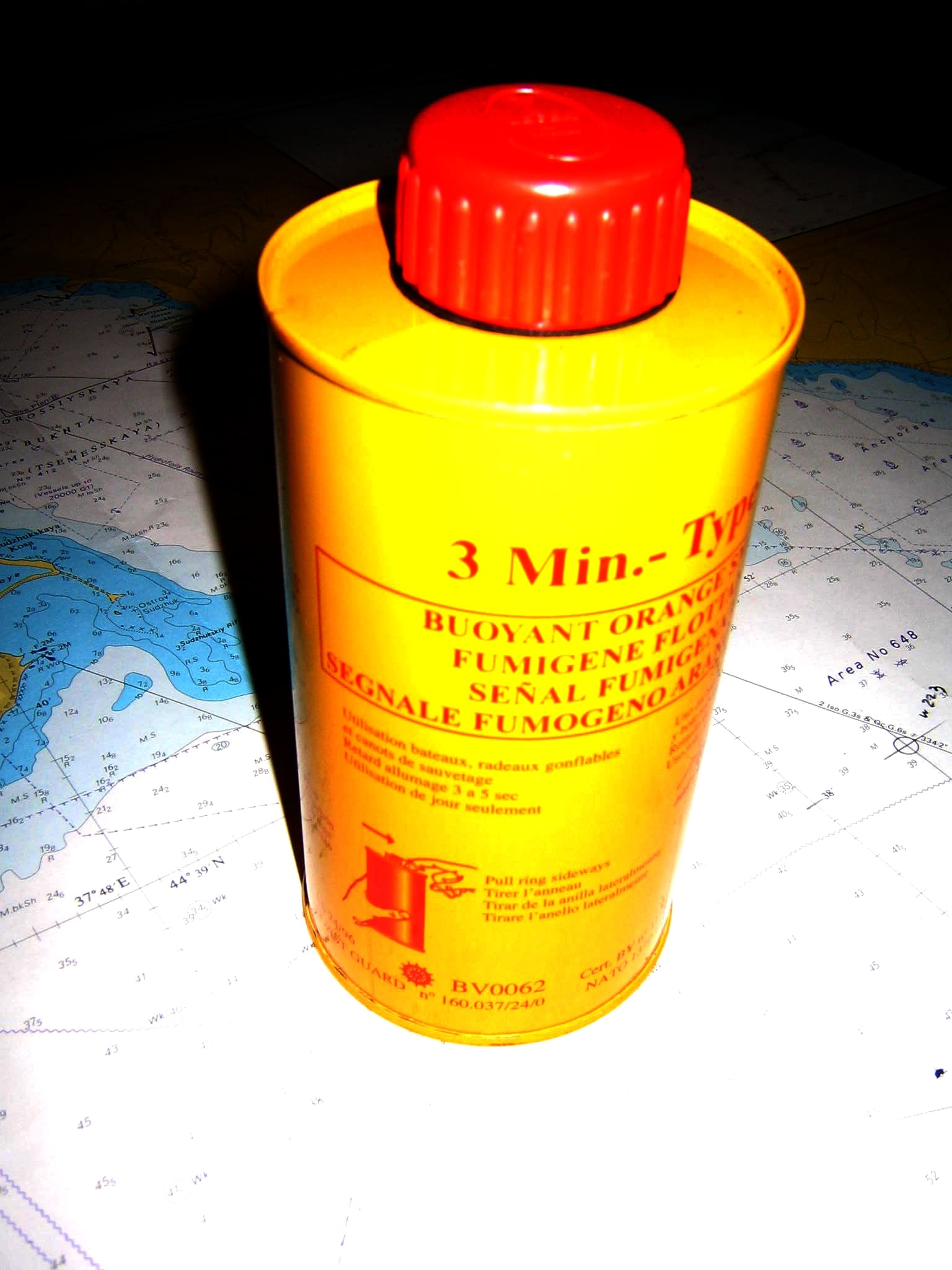
- On coastal waters and the Great Lakes, carry the required day and night signals and check the expiration dates on flares (see the flares guide).
- Carry a horn or whistle that works; test it.
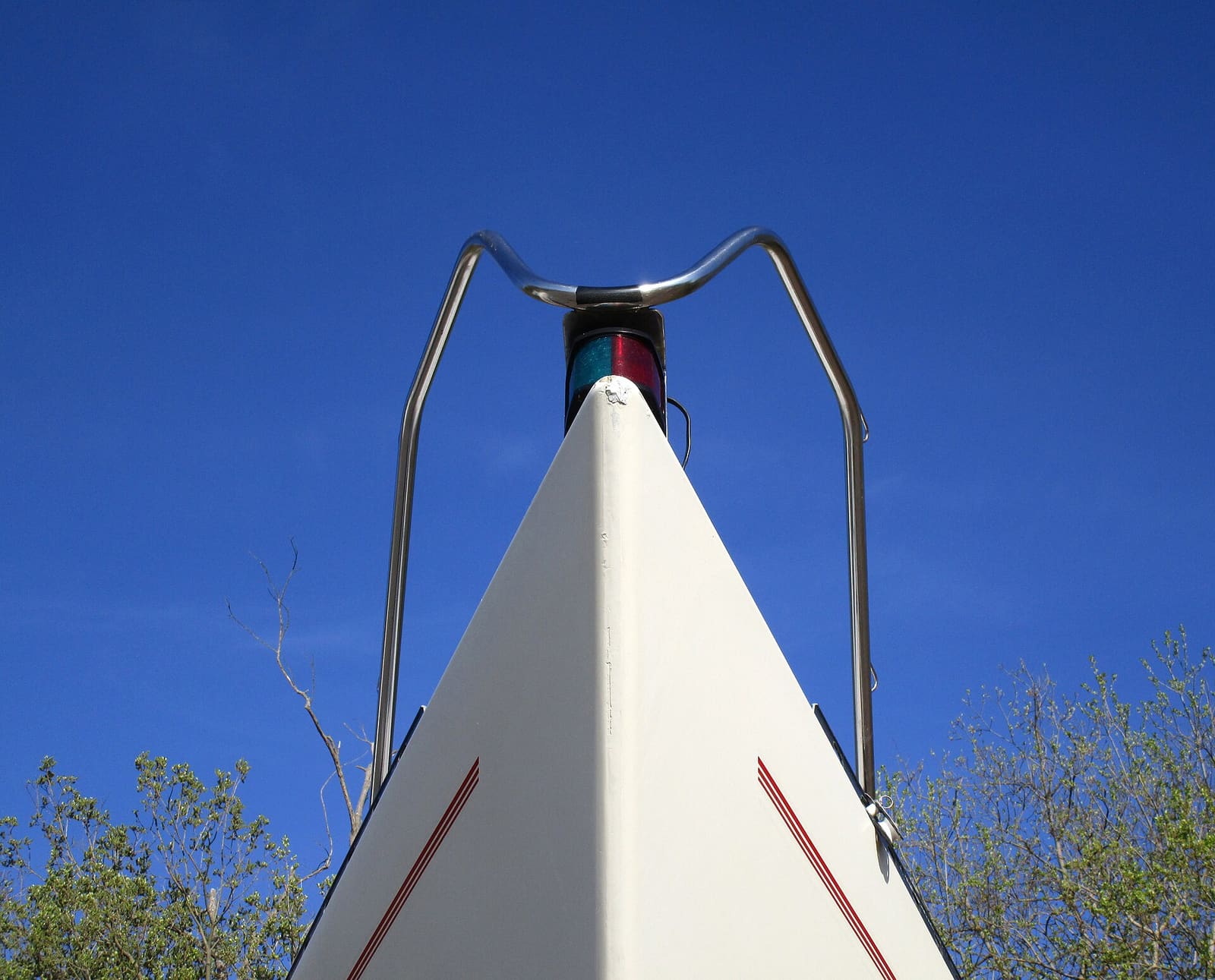
The examiner will ask you to turn on your running lights and anchor light. Test them the night before, carry spare bulbs and fuses, and see the navigation lights guide if any are dim or dead.
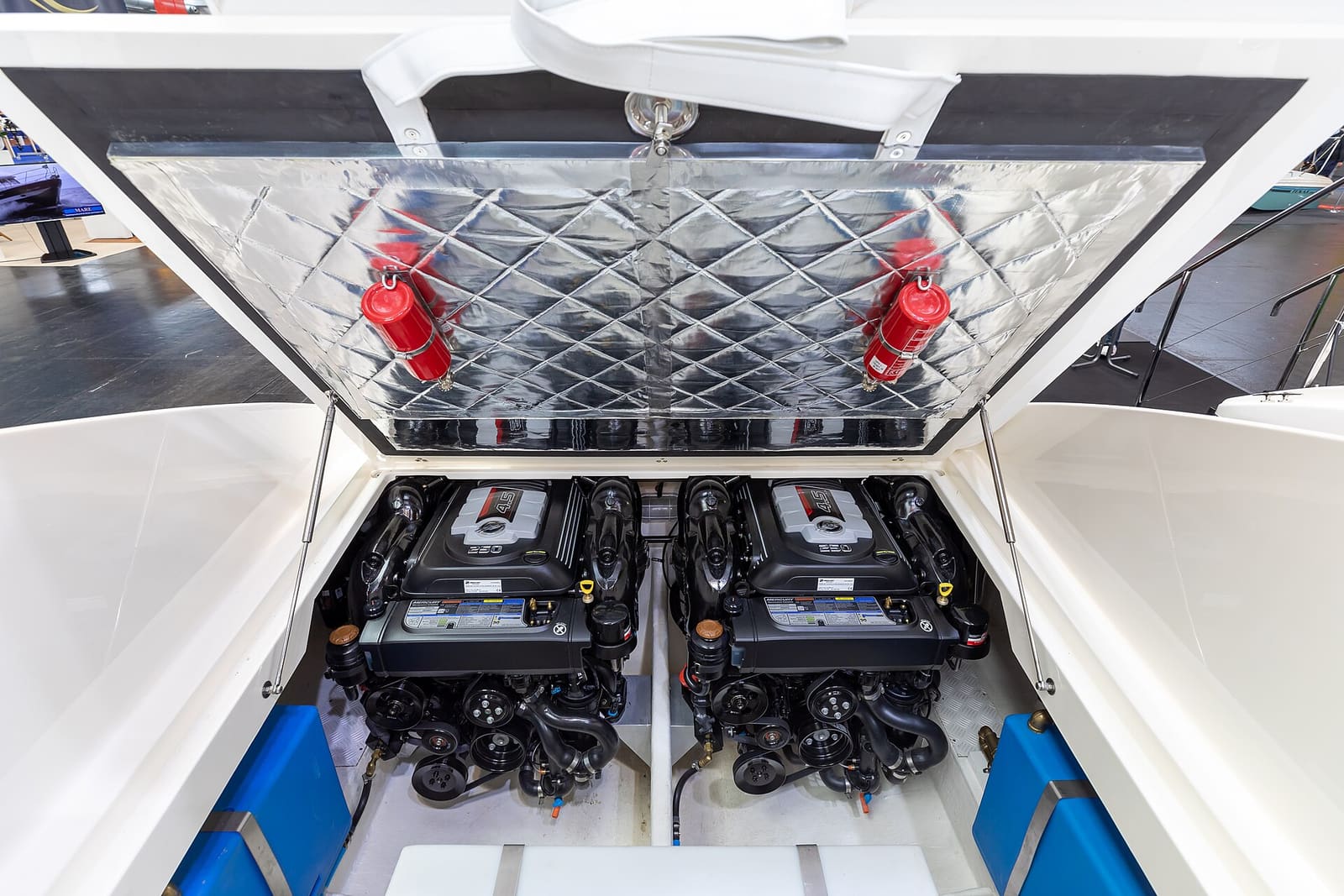
- Vent hoses connected and not crushed; the blower runs and you can feel air at the outside vent.
- The backfire flame arrestor is in place, tight and clean. Outboards with portable tanks usually do not have these, but enclosed fuel or engine spaces do. See the bilge blower guide.
Portable tanks in good shape, with tight caps, no leaks, and secured so they cannot slide; permanent tank fills, vents and hoses free of leaks and cracks; no fuel smell. A fuel leak is a stop-and-fix item, not a fix-list item (see "Safety first").
- Batteries secured so they cannot move, with the positive terminals covered.
- Circuits protected by fuses or breakers, wiring in good condition with no bare or cracked insulation, and switch panels protected from spray.
- If your boat has an engine cut-off switch, show that it stops the engine, and wear the lanyard or wireless fob when running (see the kill switch guide).
Examiners also look at overall condition: no fire hazards, a reasonably clean bilge, sound visible hull structure, and an engine that does not exceed the horsepower on the capacity plate. Clean the bilge, remove oily rags and spare fuel cans stored in enclosed spaces, and make sure the bilge pump works.
Depending on length and use, you may also need: an oil discharge placard and a MARPOL garbage placard (26 feet and over), a copy of the Navigation Rules (39.4 feet and over), and a Coast Guard approved marine toilet with the discharge secured where required. Examiners commonly also look at, or recommend, an anchor and line suited to your waters, a way to remove water (a pump plus a manual bailer), and a first aid kit. Some states require items like these, so check your state's rules.
Have the boat clean and accessible, with everything stowed where it normally lives (the examiner wants to see that gear is reachable, not piled on the dock). Have the battery charged so you can show lights, horn, blower and bilge pump working. Bring your registration. Ask questions: examiners are volunteers who like talking safety.
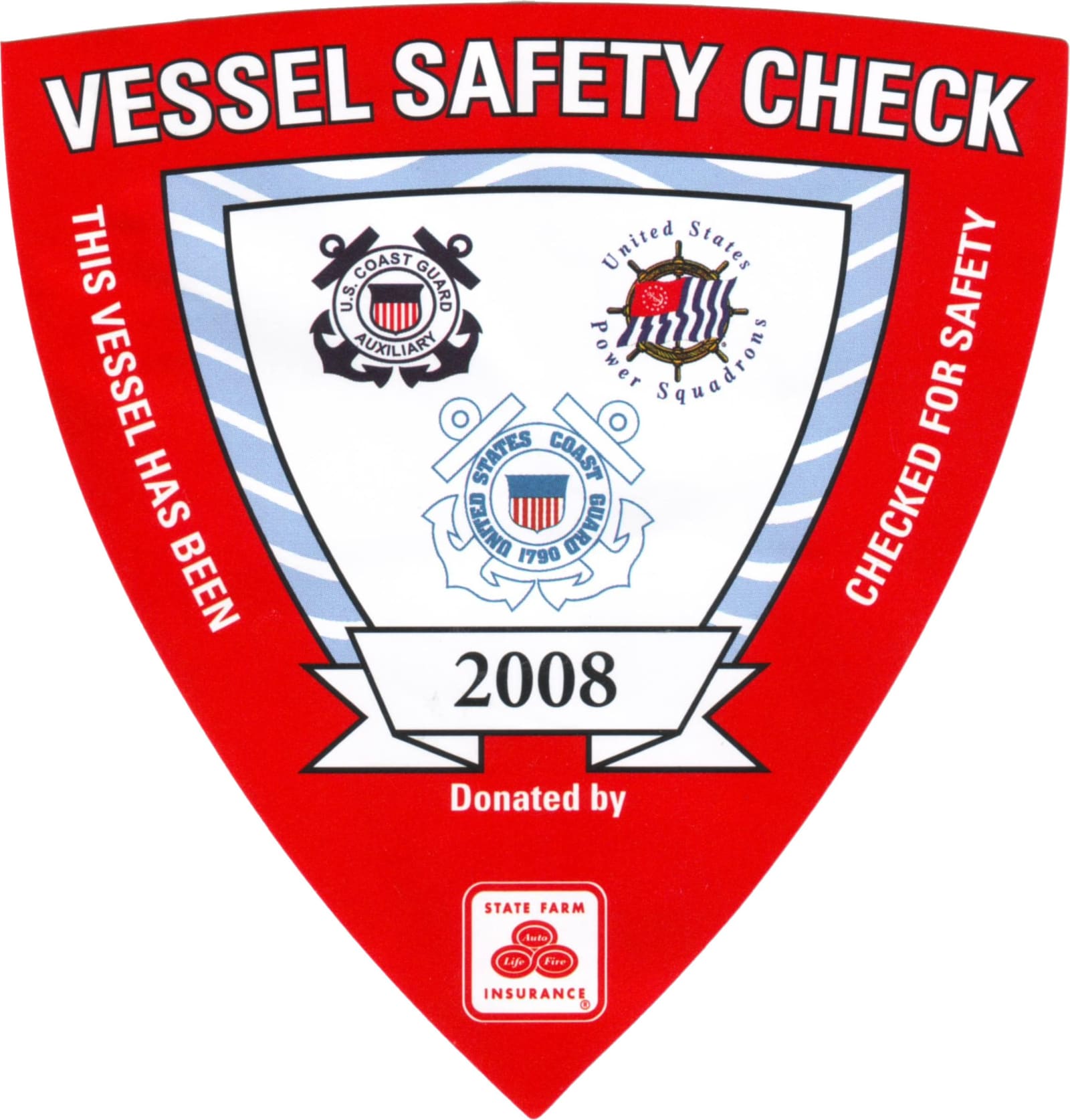
An older (2008) Vessel Safety Check decal. The design and color change every year. Photo: U.S. Coast Guard Auxiliary / Wikimedia Commons · Public domain - Passed: the examiner applies the decal for that year. The decal is tied to the year it is issued, so plan a new check each season.
- Did not pass: there is no penalty. Use the written evaluation as your fix list, replace or repair each item, and ask for a recheck. BoatUS calls this a road map for passing next time.
- Save the date and results in BoatMend, along with expiry dates for flares, extinguishers and inflatable life jacket service, so you get reminders.
Common mistakes
- Thinking the decal prevents a law enforcement boarding. It does not.
- Life jackets still in the store packaging, or stowed under gear where no one can reach them.
- Expired flares or extinguishers that look fine but are past their date.
- Not checking navigation lights until the examiner asks to see them.
- Forgetting the state requirements, which can be stricter than federal rules.
- Ignoring a fuel smell or a dead blower until "after the check".
- Assuming last year's decal still counts this season.
When to call a pro
- Fuel smell, fuel in the bilge or leaking fuel hoses: call a marine mechanic before running the engine.
- A blower that does not run, missing vent hoses or a damaged flame arrestor on a gasoline inboard or sterndrive.
- Wiring problems: melted insulation, blown fuses that keep blowing, or batteries that cannot be secured. Use a marine electrician.
- Fixed fire suppression systems or rechargeable extinguishers that need service: use a certified fire equipment technician.
- Anything the examiner flags that you are not sure how to fix safely.
Tips
- Request the exam early in the season, before the spring rush at the ramps.
- Do the check with the people who boat with you, so everyone learns where the safety gear is.
- Ask the examiner about local hazards and boating courses; the Auxiliary and America's Boating Club both teach them.
- Write the purchase date on flares and extinguishers with a marker, so their age is obvious at a glance.
Official references
We read these to write this guide. Your engine's own manual always wins.
- USCG Boating Safety – Frequently Asked Questions (Vessel Safety Check)
- USCG Boating Safety – The U.S. Coast Guard Mobile App
- BoatUS News Room – Will a Vessel Safety Check Save You From a Random Boarding?
- BoatUS – Free Vessel Safety Checks Ensure Boaters Are Ready to Hit the Water (2026)
- BoatUS Foundation – Required Equipment
Safety: BoatMend is for information only and does not replace a certified marine technician. You are responsible for your safety and your boat. Read the full disclaimer.
Last updated 2026-10-24
Related guides
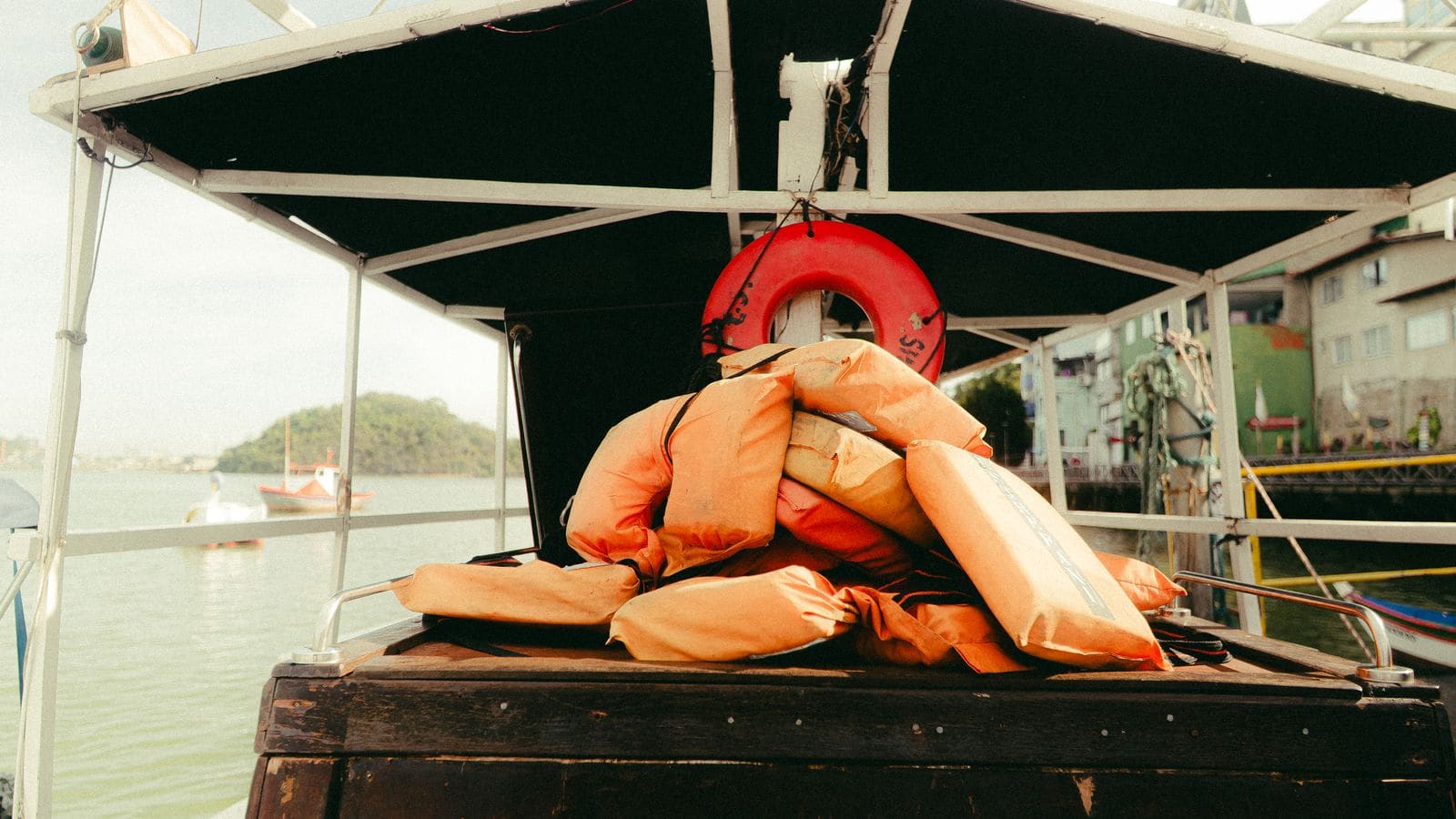
USCG Required Safety Equipment Check by Boat Length
Walk through your boat and confirm you carry every piece of safety gear the US Coast Guard requires for your boat's length and type, and that none of it is expired or worn out. Missing or expired gear is one of the most common tickets on the water, and it is the gear you need when things go wrong.
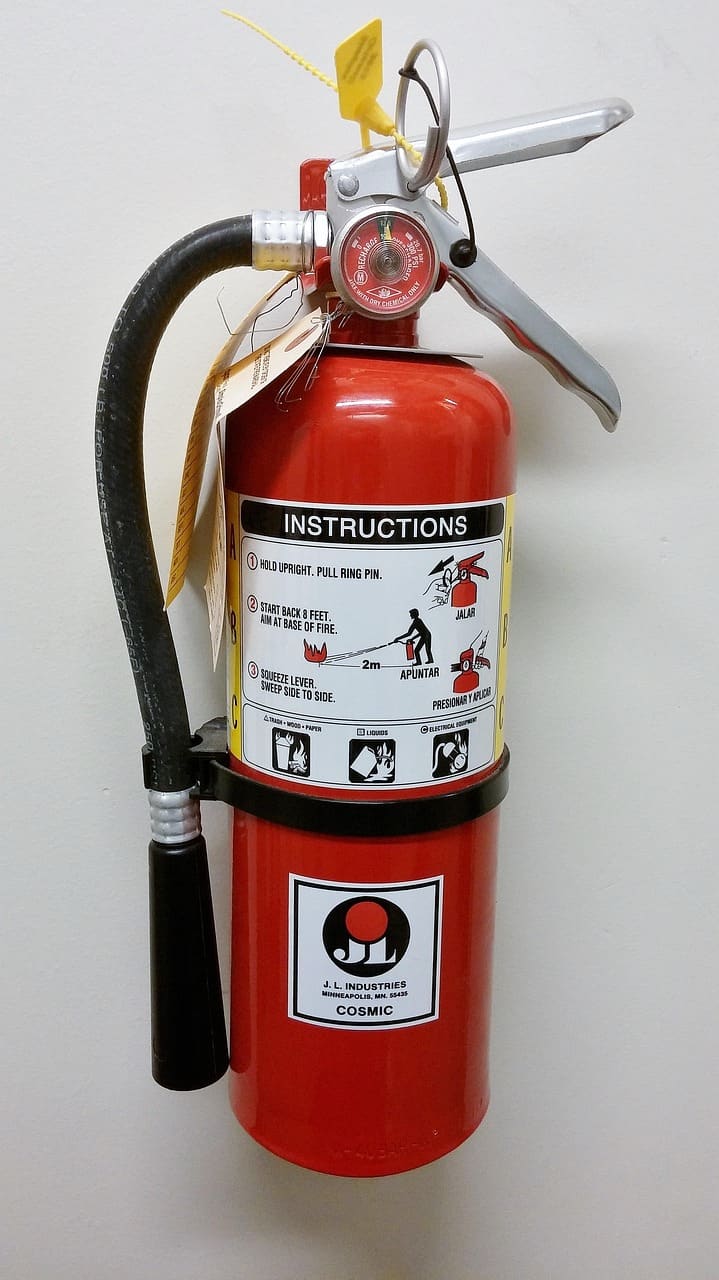
How to Check, Mount and Replace Boat Fire Extinguishers
A monthly five-minute check of every fire extinguisher aboard, plus how the 2022 Coast Guard rule changes affect you, where to mount them, and when to recharge or replace. A boat fire spreads in seconds, and an extinguisher with a dead gauge, missing pin or expired date will not help you or pass a boarding.
Visual Distress Signals: Flare Expiry, Storage, Practice and Safe Disposal
Make sure your flares, smoke signals, distress flag or electronic distress light meet the Coast Guard rules for day and night, are not past their 42-month date, and are stored where you can grab them. Then get rid of expired flares the safe and legal way instead of letting them pile up in a locker.
How to Test and Fix Your Boat's Navigation Lights
Learn which navigation lights your boat must show and when, then test them and fix the usual culprits such as corroded sockets, loose pole-light plugs and blown bulbs. Working lights are legally required at night and in poor visibility and are how other boats see which way you are heading.
Engine Cut-Off Switch (Kill Switch) and Lanyard: The Law, Testing and Daily Use
How the engine cut-off switch (ECOS) and its lanyard or wireless fob work, when federal law requires you to wear it (boats under 26 feet, 3 hp or more, on plane), how to test it before every trip, and why a spare clip aboard matters.
Bilge Blower and Engine Compartment Ventilation on Gas Inboards and Sterndrives
Learn why gas boats have a "run the blower 4 minutes" label, how to check that the blower and vent ducts actually move air out of the engine compartment, and how to replace a blower safely with an ignition-protected marine unit.
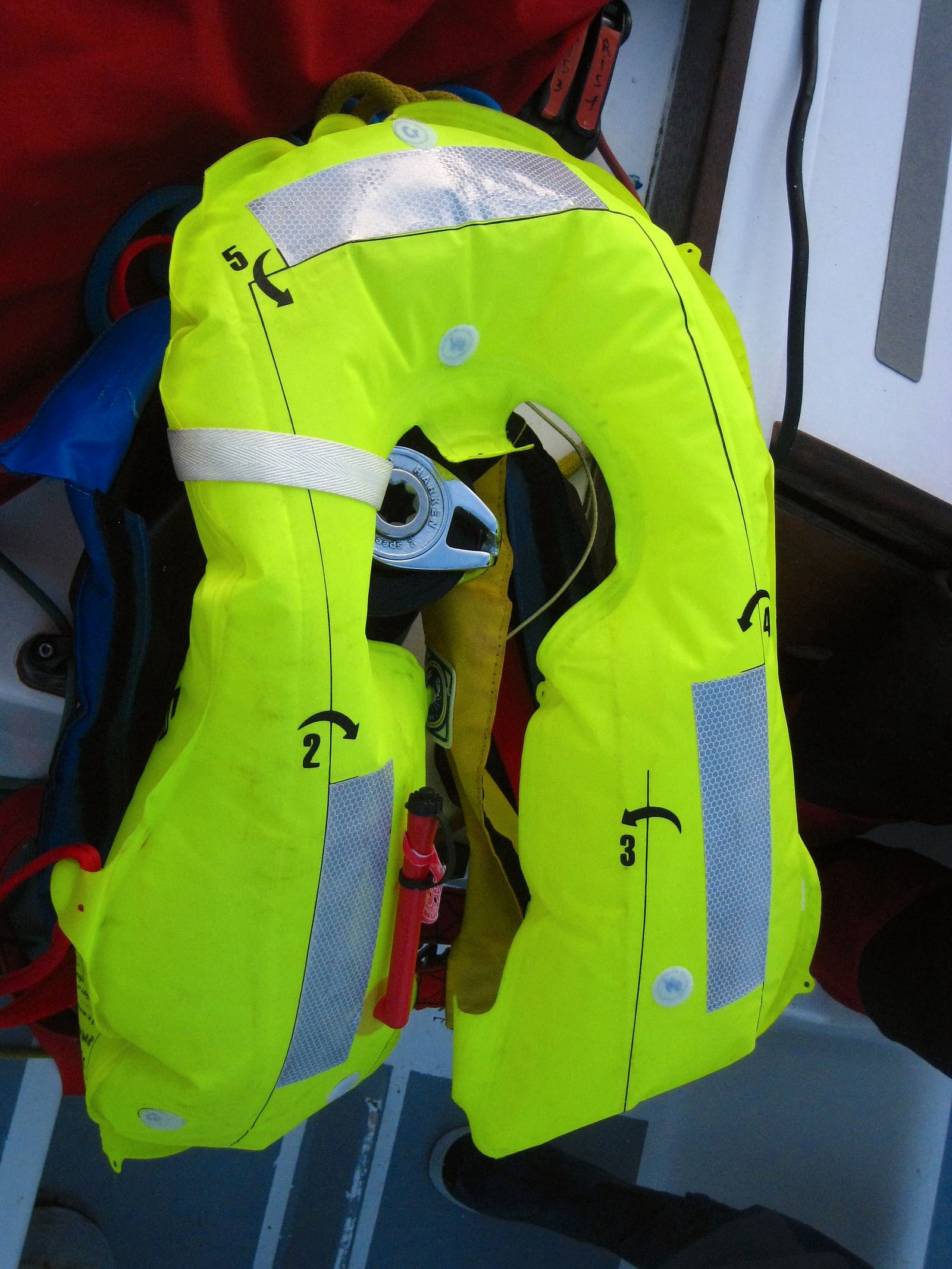
Inflatable Life Jacket Care: Inspect, Test and Rearm
An inflatable life jacket only saves a life if the cylinder is full, the inflator is armed and the bladder holds air. Learn the quick check before every trip, the overnight leak test, how to read replacement dates and how to rearm it after it fires.