Boat Ramp Traction with a 2WD or Front-Wheel-Drive Vehicle: Stop Spinning, Stay Dry
Spinning tires on a slick ramp are embarrassing at best and dangerous at worst. Learn how rear-wheel, front-wheel, AWD and 4WD vehicles behave on a ramp, how to set up weight and tires, when to use 4WD Low, how to keep the vehicle from sliding in, and what to do if you get stuck.
Time
30 min
Applies to
All engines · Fishing boat, Bowrider / runabout, Pontoon, Center console, Jet boat, Jet ski / PWC
Safety first: Every time you stop on a ramp, put the vehicle in Park (or in gear with the engine off on a manual), set the parking brake and chock a wheel before anyone gets out. Before backing down, roll the windows down and have passengers, kids and pets get out, so nobody is trapped if the vehicle rolls into the water. Never stand downhill of a vehicle or trailer that could slide, and keep everyone clear of a recovery strap under tension. If a vehicle or person goes into the water, call 911 or hail the Coast Guard on VHF 16.
Owners often ask
- My front-wheel-drive minivan spins its tires pulling the boat up the ramp. What can I do?
- Can I launch and retrieve with a 2WD truck, or do I need 4WD?
- What tires work best on a 2WD van or truck for pulling a boat up a slippery ramp?
This guide walks you through it. Still stuck? Ask the AI Mechanic about your engine.
Tools
- Two wheel chocks (rubber or heavy plastic)
- Tire pressure gauge
- Stiff push broom or flat shovel (to clear slime and gravel)
- Small bag of sand or kitty litter
- Vehicle recovery strap rated for your rig (not a chain or tow rope with hooks)
- Paint pen or marker (to mark trailer depth)
Parts & supplies
- Tires with good tread in the size your vehicle maker specifies
Before you start
Ramps are slippery because the part that goes underwater grows a film of algae and silt, and every boat drips more water on the concrete. The steeper the ramp and the heavier the boat, the harder it is for your drive wheels to grip when you pull out.
Know which wheels push your vehicle:
- Rear-wheel drive (most pickups and many SUVs in 2WD): the rear tires are the ones closest to the wet part of the ramp. Weight on the hitch presses them down, which helps.
- Front-wheel drive (most minivans, cars and many crossovers): the front tires do the work. Tongue weight on the hitch pushes the rear down and lifts weight off the front tires, and the uphill slope shifts even more weight to the back. BoatUS notes this is why too much tongue weight can make a front-wheel-drive vehicle lose traction.
- AWD: better than 2WD, but most systems send power where there is grip and have no low range. Some have a tow, trail or snow mode; check your vehicle owner's manual.
- 4WD with low range: the best tool for steep, slick ramps, if you use it correctly (step 8).
Also confirm the vehicle is rated to tow the loaded boat and trailer (see the towing vehicle capacity guide). A vehicle near its limit struggles most on the ramp.
Steps
A small boat behind a front-wheel-drive car can be fine at a gentle, clean ramp and hopeless at a steep, slimy one. Ask locals or check the facility's page before you go. If you regularly tow with 2WD or FWD, pick ramps that are wide, moderately sloped and well maintained, and avoid launching at the bottom of the tide on tidal ramps.
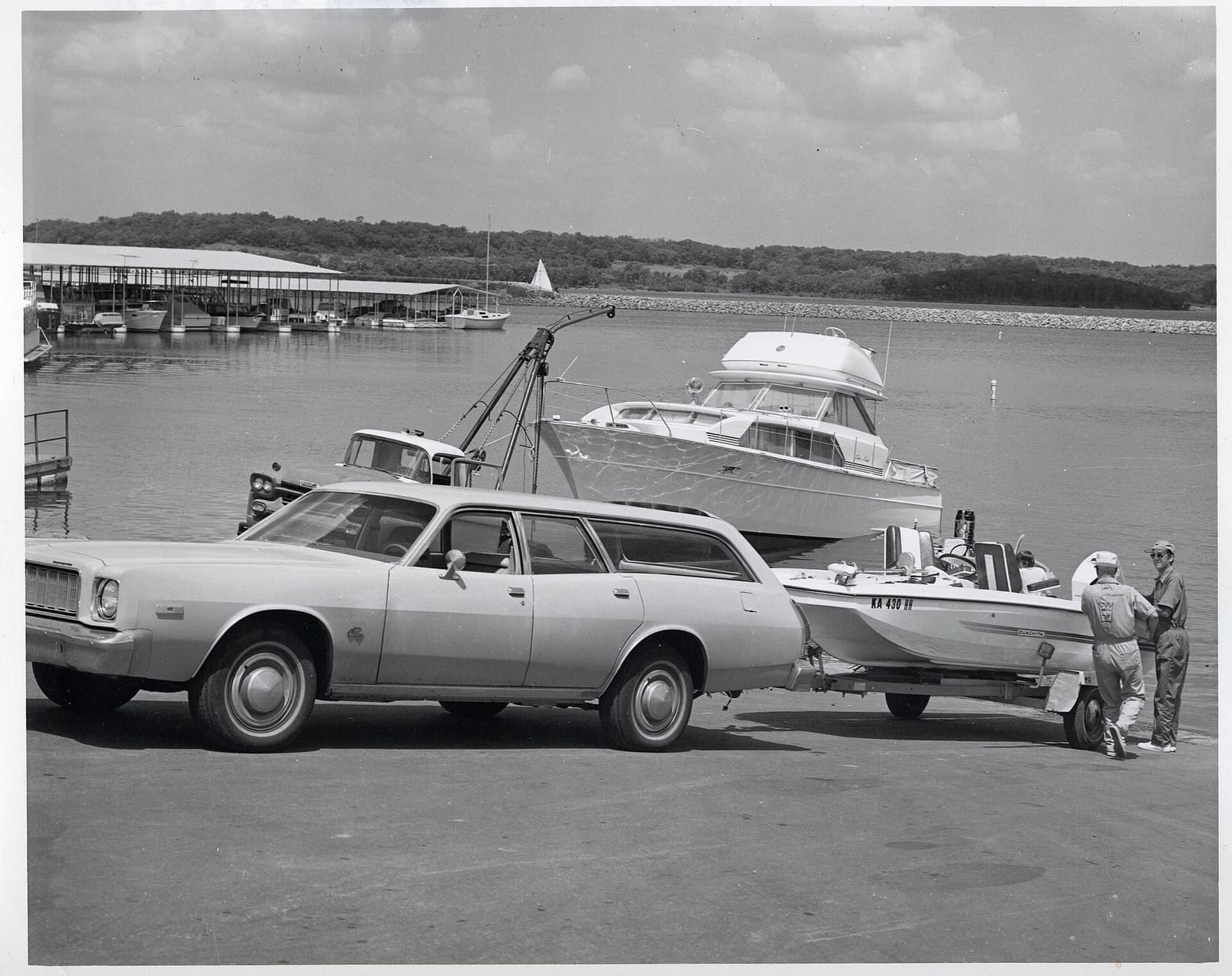
Plenty of boats have been launched with cars and wagons. With a 2WD vehicle, ramp choice, weight and patience matter more than horsepower. Photo: U.S. Army Corps of Engineers / Wikimedia Commons · Public domain At an unfamiliar ramp, Sport Fishing magazine suggests parking out of the way and walking the ramp first. Look for:
- The slime line: dark green or brown film where the concrete stays wet. Your drive wheels should stop above it if possible.
- The end of the apron: some ramps have a short concrete pad with a drop-off at the end, often dug out by people power-loading boats. Trailer wheels that fall off that ledge can hang the axle, as Sport Fishing describes at a low-tide ramp.
- Current, wind and waves that push the boat sideways and make you back in farther than you need to.
- Loose gravel, sand or mud on the ramp surface.
On tidal ramps, launching and retrieving near high tide or slack tide is usually easier.
Unpaved or "crude" ramps (a sandy or dirt bank at a pond or river) are a different game. Mercury's advice:
- Be honest about the rig: it's easier to launch a boat than to load it, so plan for the pull-out first. Mercury says not to try rough ramps with anything but four-wheel drive.
- Wade in with a stick and probe for deep holes before backing in. One trailer wheel dropping into a hole while the other sits in shallow water makes for a dangerous, tilted launch.
- Once the boat is off, note how level the trailer sits and where the vehicle is, so you can find the same good spot when you come back.
- Carry a pointed shovel, a couple of long, heavy planks to bridge soft spots, a bag or two of pea gravel for traction, and a tow strap, and bring a buddy.
Worn tread and the wrong pressure cost you grip.
- Set pressure to the vehicle maker's spec on the door-jamb placard (the towing spec if one is listed).
- Look at tread depth on the drive wheels. Bald or highway-worn tires are the most common hidden cause of ramp spin.
- If you tow on slick ramps often, tires with a more aggressive tread pattern help, as long as they're the correct size and load rating for your vehicle.
- Owners often ask which tire to buy for a van or 2WD truck at the ramp. On smooth, slimy concrete, deep lugs have little to bite into; a tire rated for mud and snow with plenty of tread, at the right pressure, usually does better than a worn highway tire. Towing adds weight, so make sure the load rating covers the vehicle plus tongue weight.
Do everything you can in the parking lot or make-ready area, as Boating Magazine and BoatUS both stress: load gear, remove tie-downs (keep the bow winch strap and safety chain on), put in the drain plug. Then:
- Roll the windows down. BoatUS says this is the one time to take off your seat belt, so you can get out quickly if the vehicle goes in.
- Have passengers get out before you back down.
- If you loosen the bow strap for launching, don't pull forward to reposition the trailer with the boat sitting loose on rollers. A BoatUS reader did exactly that: the boat stayed put, the slack strap snapped tight, and the 40-year-old strap broke, dropping the boat onto the concrete. Keep the strap snug until the trailer is where it needs to be, and replace an old, faded strap before it surprises you.
- Turn the stereo off so you can hear your helper.
The less of your vehicle that touches wet, slimy concrete, the more traction you have pulling out.
- Find the depth where your boat floats off and loads on, then mark it on the trailer fender or guide post. BoatUS suggests wading out once with a marker and painting the line, so you can back down to the mark every time.
- With FWD, your drive wheels are farther from the water, which helps. With RWD, try to keep the rear tires on dry or at least clean concrete.
- Don't back in deeper just to make loading easier. That trade almost always costs you on the way out.
Once in position: Park (or in gear on a manual), parking brake on, then a chock behind a drive wheel. BoatUS recommends chocking the wheels when you need extra support. On a slick ramp the transmission's park lock alone is not enough; the parking brake and chocks keep a sliding vehicle from creeping. Remove the chocks only when the driver is back in the seat and ready.
Weight decides how hard the drive wheels press on the concrete. BoatUS's tips:
- Rear-wheel drive: winch the boat all the way up to the bow stop to put more weight on the hitch, and put extra weight over the rear axle (a loaded pickup bed or cargo area).
- Front-wheel drive: do the opposite. Too much tongue weight lightens the front tires. Move heavy gear out of the back of the vehicle and toward the front seats, and shift coolers and gear in the boat aft rather than at the bow. Keep the bow winched snug and the safety chain on; never pull a boat up the ramp unsecured to save tongue weight.
- Any vehicle: pull the plug and let the boat drain on the trailer only once you're off the ramp; a boat full of rain or bilge water adds weight you don't need on the climb.
If you have 4WD, engage it before you need it, on level ground, following your vehicle owner's manual (many require the vehicle stopped and in Neutral to shift into 4 Low). BoatUS suggests 4WD low range for slippery ramps. Low range lets you creep up with gentle throttle, which is exactly what grip needs. Shift back to 2WD on dry pavement; most part-time 4WD systems should not be driven on dry roads in 4WD.
Spinning tires polish the slime and lose grip. BoatUS's first tip for wet ramps is to accelerate slowly so you never break traction in the first place.
- Wheels straight, gentle, steady throttle.
- If a wheel starts to spin, ease off right away rather than adding gas. Holding the brake briefly, then rolling on softly, often regains grip.
- On a manual transmission, start in first with a light clutch; on an automatic, some vehicles have a tow/haul or low gear setting that helps (check your manual).
Stop before you dig in or slide sideways, set the brake, and try these BoatUS fixes in order:
- Scrape the ramp in front of the drive wheels with a broom or shovel to clear slime and gravel.
- Add sand (or kitty litter) in front of the spinning tires.
- Add weight over the drive wheels (people in the back seat or bed for RWD).
- As a last resort, BoatUS mentions letting some air out of the drive tires for a bigger footprint, then reinflating to the proper pressure before you drive anywhere. Only do this if you have a way to reinflate at the ramp.
- Get a pull. BoatUS suggests a fellow boater with a tow vehicle and a strap rated for vehicle recovery. Attach it only to rated recovery points or a receiver-mounted shackle mount, never to a tow ball, bumper or tie-down. Everyone stands well clear while it's under tension; a breaking strap or hook can kill.
- Take the boat off. Relaunch the boat, tie it up, and pull the empty trailer up the ramp. BoatUS notes this also lets you reposition if the trailer wheels are hung on the drop-off at the end of the ramp. Then try a different lane or a better ramp.
- Ask the ramp attendant or call for help. Some marinas have a tractor or 4WD for exactly this.
A rig sliding down a slick ramp with the brakes on is rare, but it happens on steep, slimy ramps with heavy boats.
- Keep your foot firmly on the brake, steer straight, and sound the horn to warn people behind the trailer.
- Don't try to jump out of a moving vehicle.
- If it goes into the water, get out through the open window right away; don't wait for it to settle. Call 911.
- Afterward, choose a different ramp or vehicle for that boat; don't try again the same way.
If you fight the ramp every trip, change the setup instead of hoping:
- Better tires on the drive axle.
- Look after the rear differential on a rear-wheel-drive truck or SUV. BoatUS (Bruce W. Smith) explains that many tow vehicles have a limited-slip differential that sends power to both rear wheels, but its clutch packs wear out from heat and from water that gets into the gear oil when the axle is backed into the water. Worn out, it acts like a plain open differential and one wheel just spins. His advice for owners who dunk the rear axle: have the differential oil drained at least at the end of each boating season and look at it. Milky or yellow-brown oil means water, a burnt smell means worn clutches, and metal flakes mean wear. Refill with the oil and the limited-slip friction modifier your vehicle's manual specifies. A shop should look at anything burnt or full of metal.
- A tongue extension (fixed or removable) lets you put the trailer deeper while the vehicle stays higher on dry concrete. It changes how the trailer handles and backs, adds length at the top of the ramp, and has to be rated for your trailer; ask the trailer maker or a trailer shop.
- A trailer that launches shallower (bunks set for your hull, or rollers) means less backing in.
- A different tow vehicle with 4WD or RWD and a proper tow rating, if your boat has outgrown the one you have.
- A front-mounted receiver hitch is something some 2WD owners use to drive forward and push the trailer down the ramp, which keeps the drive wheels high on dry concrete. It's only for low-speed ramp moves, the hitch must be rated for the load and installed per the vehicle maker, and visibility and steering are very different; practice at an empty ramp first.
Common mistakes
- Giving it more gas when the tires spin, which polishes the slime and can slide the rig sideways.
- Backing in until the vehicle's tires are underwater "to be safe."
- Relying on Park alone without the parking brake and a chock.
- Adding weight to the back of a front-wheel-drive vehicle (it makes traction worse).
- Engaging 4WD only after the wheels are already spinning on the ramp.
- Hooking a recovery strap to a tow ball.
- Keeping passengers in the vehicle and windows up while backing down.
When to call a pro
- Your vehicle or trailer slid into the water, or water got into the engine intake or exhaust: don't start it; call a tow service and your insurer.
- A trailer axle or wheel is hung on a ramp drop-off and won't come free with the boat off: ask the ramp operator or a tow service with proper recovery gear.
- You're unsure your vehicle is rated to tow the boat: check with the vehicle maker or a trailer and hitch shop.
- Installing a tongue extension or changing the trailer frame: a trailer shop.
Tips
- Practice at an empty ramp midweek or in the off-season, as Boating Magazine recommends.
- Keep a broom, a bag of sand and two chocks in the vehicle all season.
- Wet your shoes, not your tires: walk down and look at the slime line before every unfamiliar launch.
- If the ramp beats you once, it'll beat you again. Find a better one for that boat and vehicle.
Official references
We read these to write this guide. Your engine's own manual always wins.
- BoatUS – Ramp It Up! (traction tips on wet and slippery ramps)
- BoatUS – Newton's Law At The Ramp (2025)
- BoatUS – Ramp Traction (limited-slip differentials, Bruce W. Smith)
- BoatUS – 10-Step Pre-Launch Checklist (windows down, passengers out, chock the wheels)
- Sport Fishing – Launch Ramp Safety Tips for Boaters (short aprons, tides, slippery pavement)
- Boating Magazine – Boat Ramp Rules for Launching Your Boat
- Mercury Marine – Launching on Crude Boat Ramps (unpaved ramps, holes, traction aids)
Safety: BoatMend is for information only and does not replace a certified marine technician. You are responsible for your safety and your boat. Read the full disclaimer.
Last updated 2026-10-25
Related guides

How to Launch and Retrieve Your Boat Alone
A repeatable routine for putting a trailer boat in and taking it out by yourself: what to do in the staging area, how to rig one long line so you can control the boat from the dock, when power loading is off-limits, and the safety habits that keep you, your boat and the next boater out of trouble.
Is My Vehicle Rated to Tow This Boat? Towing Capacity, GCWR and Tongue Weight Explained
The towing number in the ad is only one of several limits. Learn which ratings matter (towing capacity, GCWR, GVWR, axle and tongue limits, hitch class and ball rating), how to weigh your real rig at a truck scale, and when you need trailer brakes and towing mirrors.

How to Load Your Boat Safely: Capacity Plate, Balance and Stability
Too much weight, or the right weight in the wrong place, is behind most small-boat capsizes and swampings. Learn to read the capacity plate (persons, weight and horsepower), add up your real load, balance it side to side and fore and aft, and adjust for rough water, water aboard and towing riders.
Launch Day and Haul-Out Checklist for Trailer Boats
A step-by-step checklist for getting your boat off the trailer and back on again safely and quickly, from the drain plug and tie-downs to the blower and ramp etiquette. Following it in order prevents the classic mistakes that sink boats and back up the ramp.
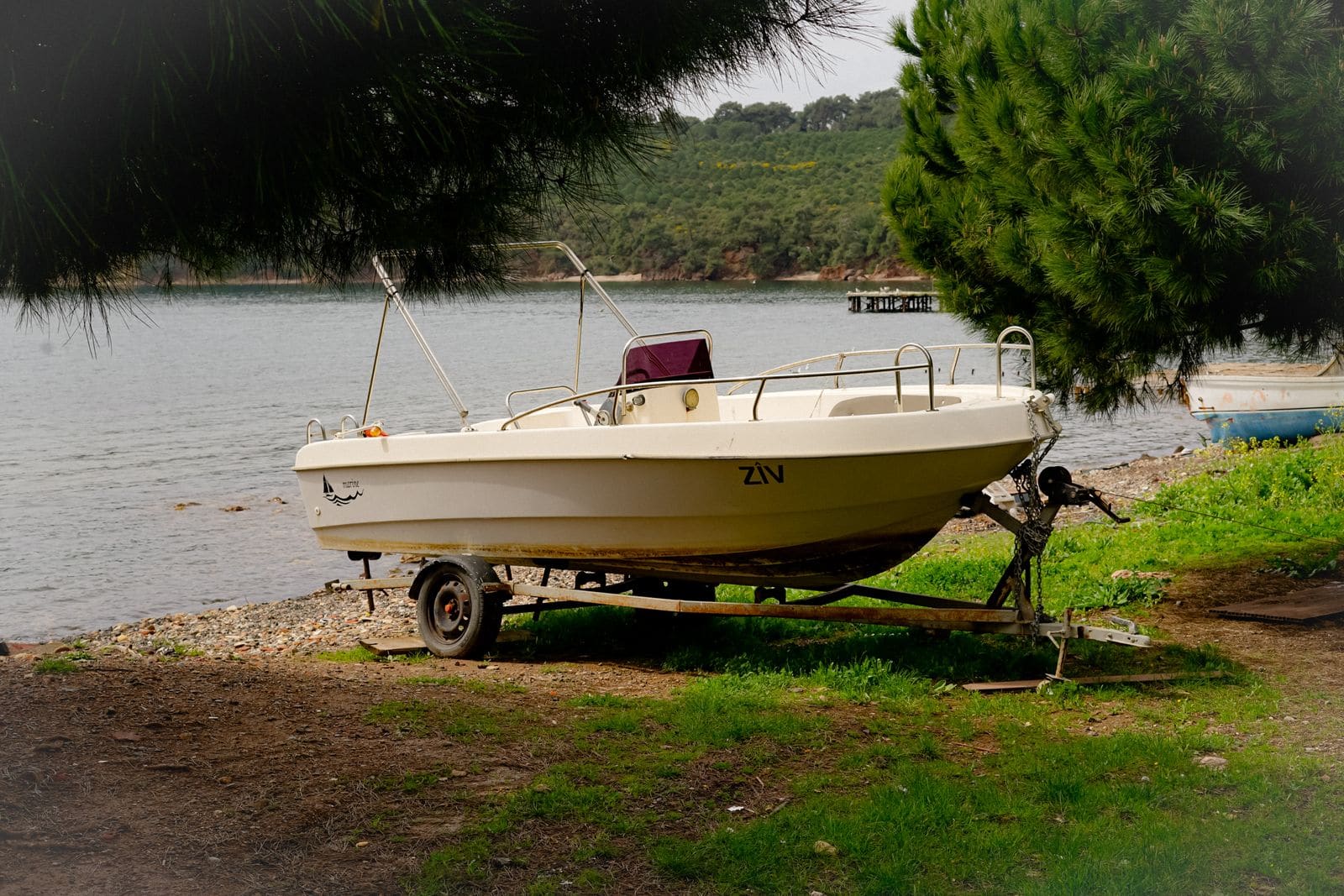
How to Inspect, Inflate and Replace Boat Trailer Tires
Check your trailer tires the way the pros do: the right type (ST), the right load range, the right cold pressure, and an honest look at their age. Tires are the number one reason boat trailers end up on the side of the highway.
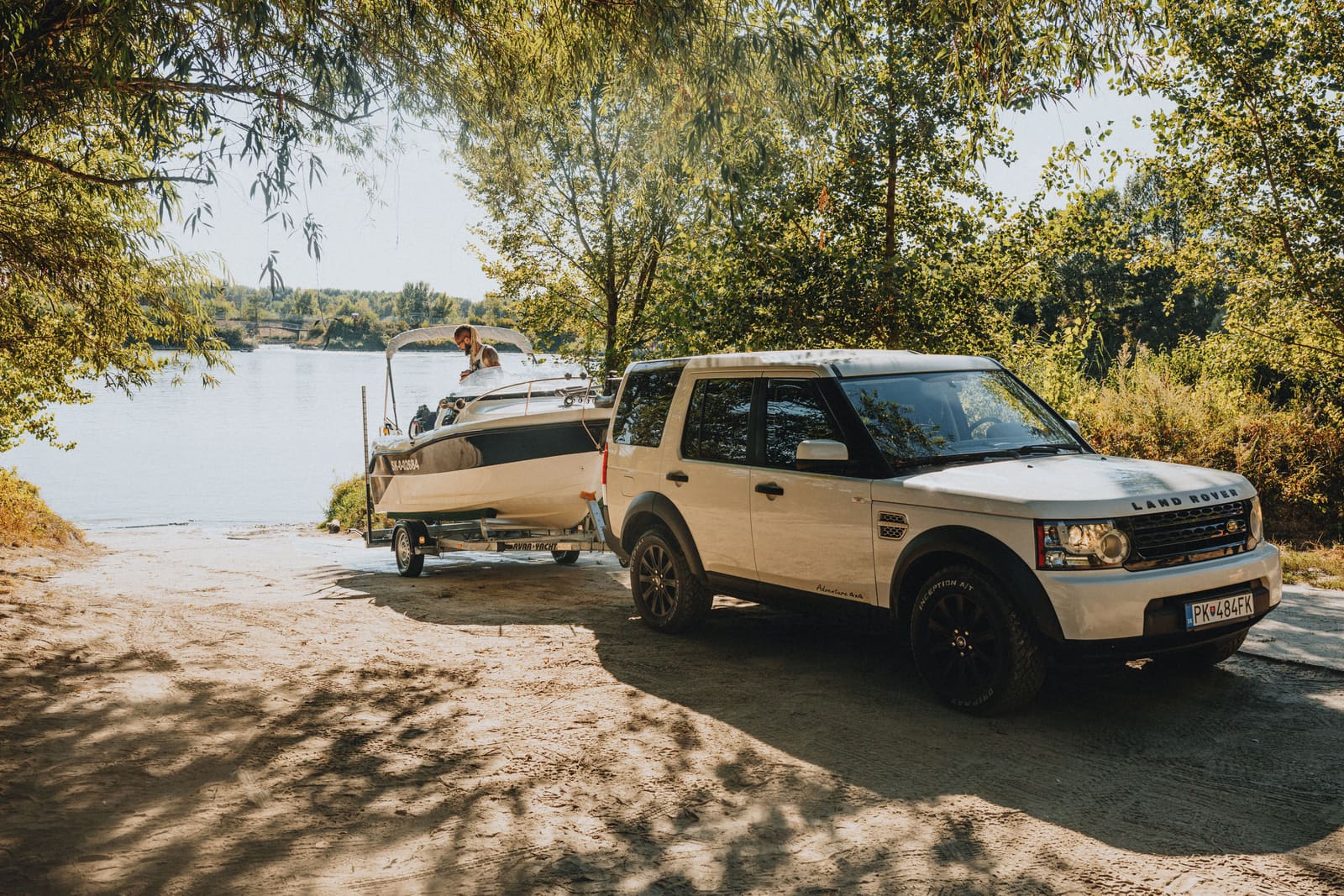
Get Your Boat Ready for the Road: Pre-Trailering Checklist
Most trailering trouble starts in the driveway: an engine left without support, a loose strap, a cover that balloons at 60 mph, gear that blows out or tongue weight that makes the rig sway. Work through this checklist before every trip and do a quick walkaround at each stop.
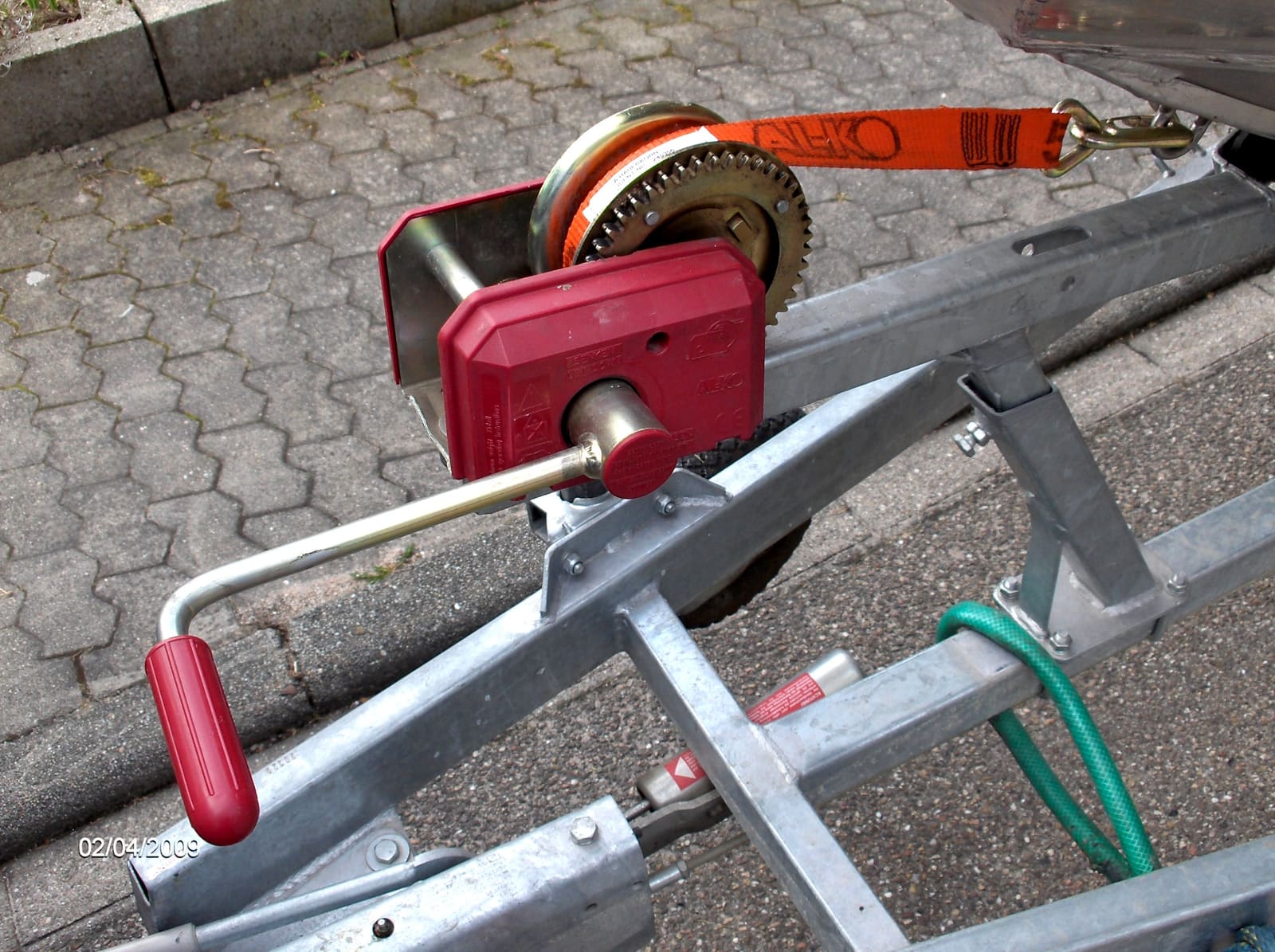
How to Inspect and Use the Trailer Winch, Strap, Tie-Downs and Safety Chains
Check the winch, strap or cable, bow safety chain, transom tie-downs and the safety chains to your vehicle, and learn how each one is meant to be used. These parts keep the boat on the trailer and the trailer behind your truck.
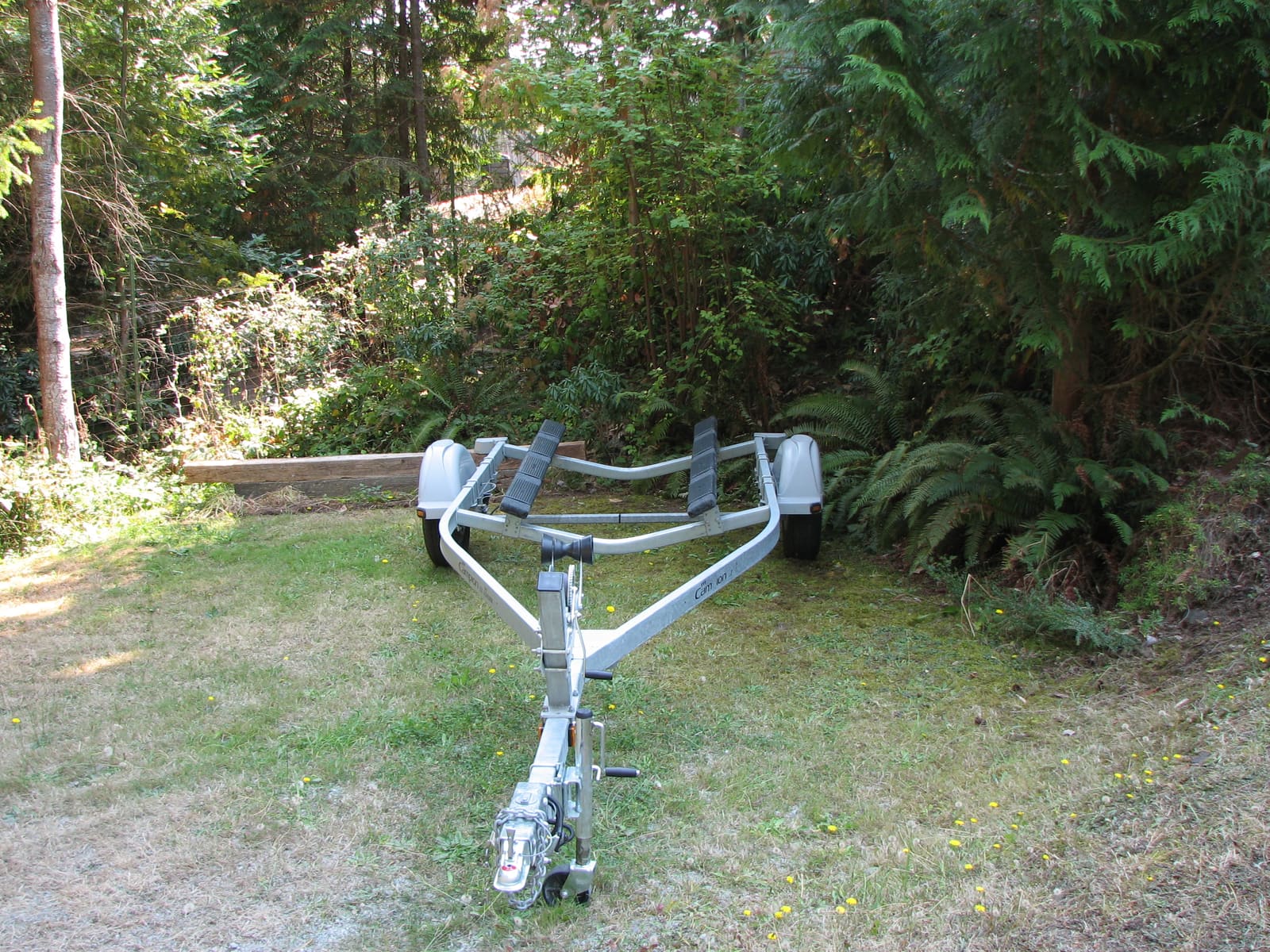
How to Adjust and Replace Trailer Bunks and Rollers So Your Boat Sits Right
Set up your boat trailer so the hull is supported in the right places: bunks and rollers clear of the strakes, the transom fully supported, the bow snug against the winch stop and the weight balanced on the tongue. Also covers replacing rotten bunk boards and worn carpet or rollers.