How to Deal with Diesel Fuel Contamination, Diesel Bug and Fuel Polishing
Learn the signs of water, sludge and microbial growth ("diesel bug") in your diesel tank, how to check a fuel sample, when a biocide helps, and when the tank needs polishing or cleaning. Clean fuel prevents most diesel breakdowns.
Time
1 h 30 min
Shop would charge
$300-1500
Applies to
Marine diesel · Cabin cruiser, Yacht, Sailboat, Center console, Fishing boat
Safety first: Diesel is less volatile than gasoline but still burns, and soaked rags and bilges are a fire risk. No smoking or flames, keep an extinguisher handy, and never let fuel go into the bilge or overboard (pumping oily bilge water overboard is illegal). Biocide concentrate is a pesticide: wear gloves and eye protection. If you find a fuel leak or strong fuel smell in the bilge, shut off fuel at the tank valve, ventilate, don't run electrical gear that could spark, and call a marine mechanic.
Owners often ask
- I found black slime in my diesel fuel filter. Is that diesel bug and how do I get rid of it?
- My diesel loses power in rough water but runs fine at the dock. Could it be dirty fuel?
This guide walks you through it. Still stuck? Ask the AI Mechanic about your engine.
Tools
- Clear glass jar or fuel sample bottle
- Small hand pump or fluid extractor with a long thin hose (for tank-bottom samples)
- Flashlight and inspection mirror
- Wrenches and screwdrivers for filters and inspection plates
- Fuel-rated drain pan, oil-absorbent pads, gloves and safety glasses
- Fire extinguisher within reach
Parts & supplies
- Spare primary (water-separating) and secondary fuel filter elements and O-rings for your engine
- EPA-registered diesel biocide (follow the label dose)
- Diesel stabilizer for storage (optional)
- Water-finding paste (optional)
Before you start
Why diesel goes bad: fuel picks up small amounts of water (from humid air in a part-empty tank, a leaking fill cap or vent, or bad fuel). Practical Sailor explains that bacteria and fungi live where fuel meets water and feed on the diesel itself, so a trace of water is enough. Warm weather and a boat that sits for months make a perfect incubator. Diesel also slowly oxidizes into dark sludge on its own. The result is the same: sludge and slime that clog filters, often at the worst moment, in rough water that stirs up the tank bottom.
Common symptoms:
- Water or dark gunk in the primary filter bowl (the clear bowl under a Racor-style filter)
- Filters clogging much sooner than the usual interval
- Engine loses power or surges under load, especially in rough seas, then runs fine at the dock
- Engine dies and is hard to restart until the filter is changed
- Black slime on the old filter element, or a sour, rotten smell from the fuel
Is it bugs or just dirt? Practical Sailor's rule of thumb: slimy brown, gray or black material, sometimes hanging in strings from the filter, is microbial growth. Fine particles, rust, or tar-like black residue that stays sticky on your fingers is usually aged fuel or dirt, not mainly bugs.
Steps
With the engine off, put a clear jar under the drain on the bottom of the primary filter (water-separator) bowl and open it slowly. Water is heavier than diesel and sits at the bottom as clear or cloudy bubbles or a separate layer. Drain until clean fuel runs, then close the drain. Do this before every trip in season and log what you see. Some engines also have a water drain on the engine-mounted filter; check your manual.
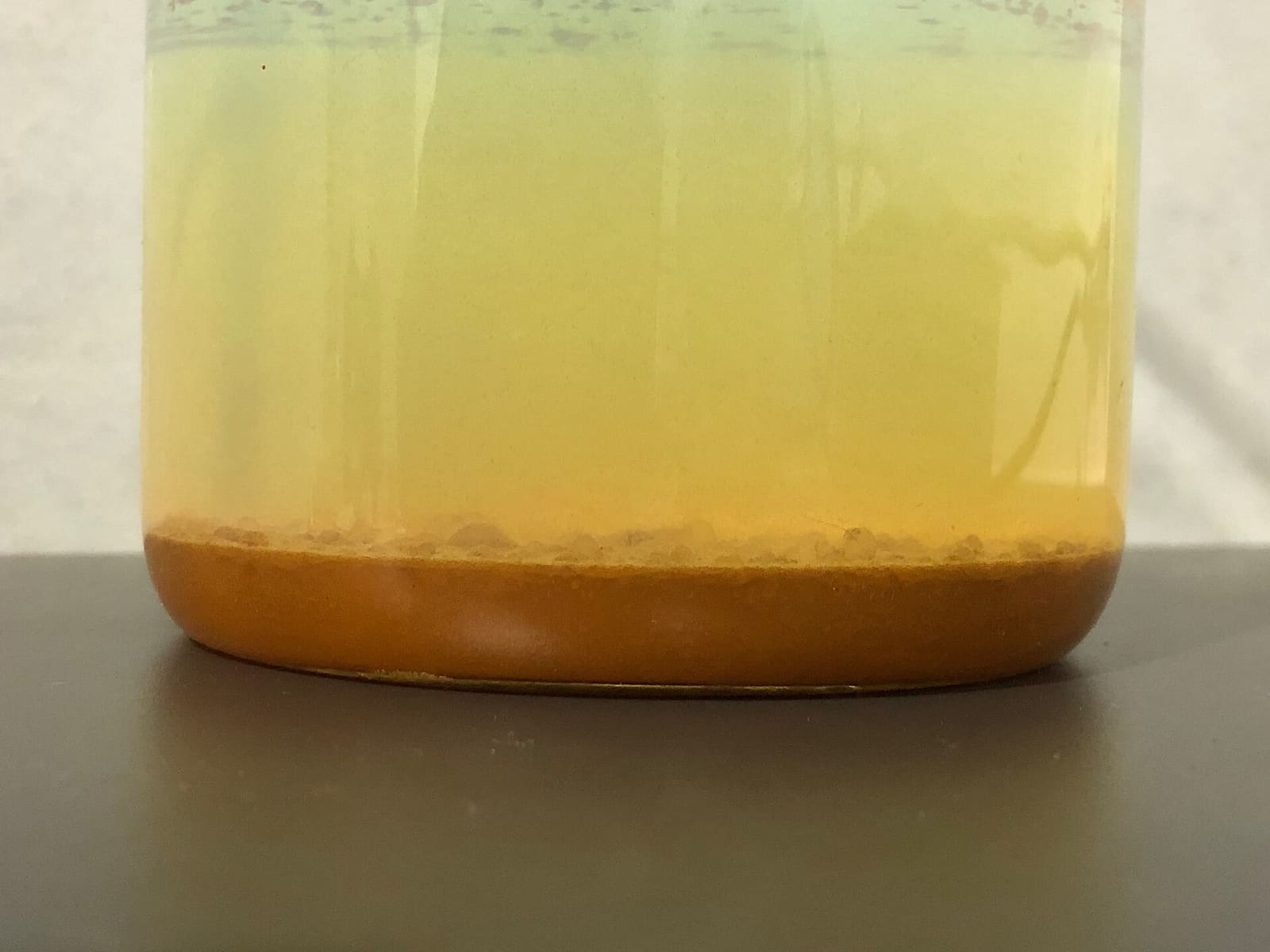
The filter bowl only shows what has already reached it. To see the tank, push a thin hose to the very bottom through the fuel gauge sender or an inspection port and pump a sample into a clear jar. Let it settle for an hour. Clear, bright fuel with nothing at the bottom is good. A water layer, sediment, a fuzzy or slimy layer between fuel and water, or very dark fuel means contamination.
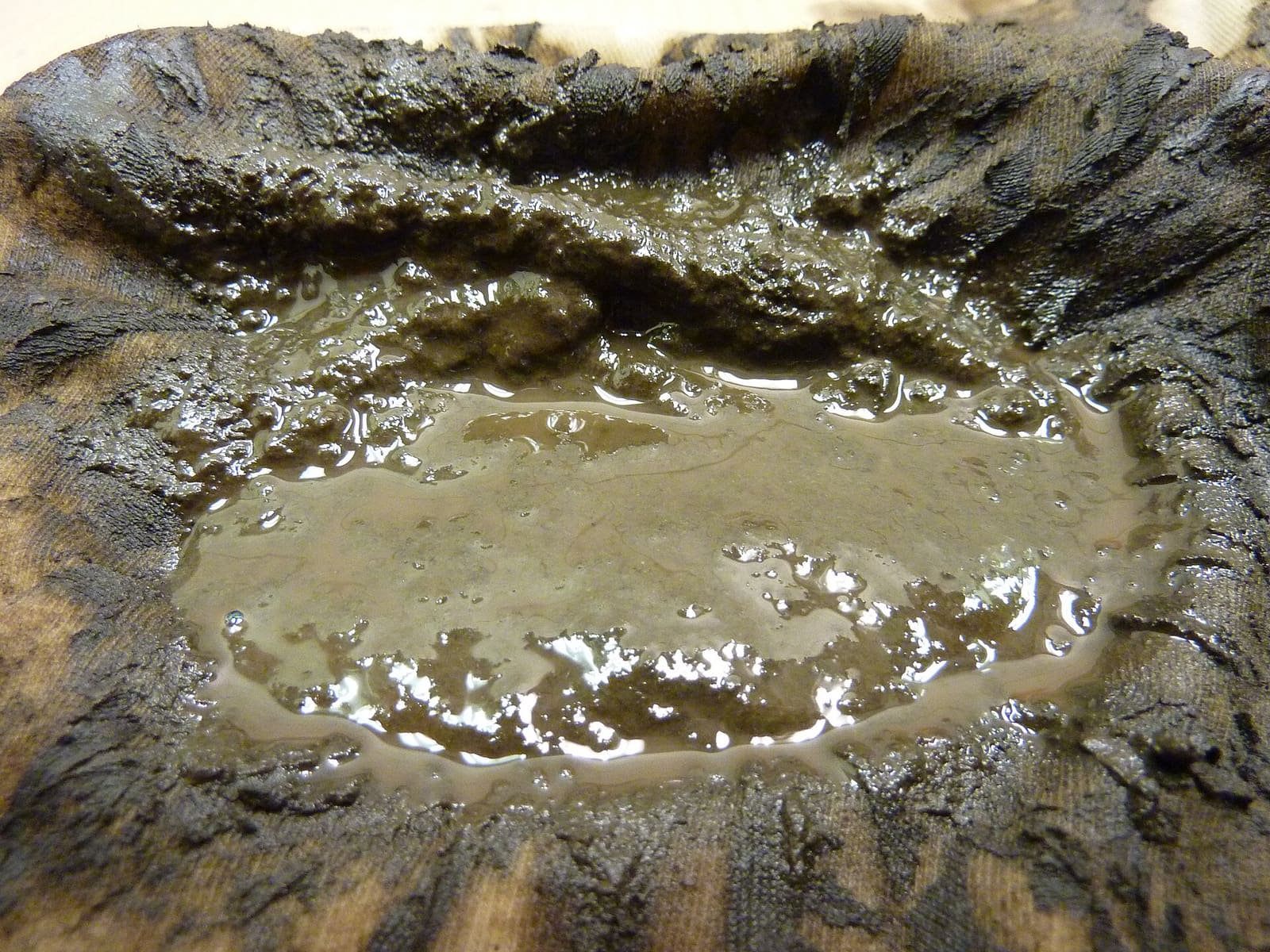
Photo: Markchamilton / Wikimedia Commons · CC BY-SA 4.0 If the tank has an inspection plate, have it opened (by you if access is easy, or by a yard). Look at the bottom and walls with a flashlight and mirror for water, black sludge or slime. Practical Sailor calls an easily accessible tank with big inspection ports one of the best defenses against fuel problems.
Before treating anything, figure out how the water got in:
- Deck fill cap: check the O-ring; a cracked or missing one lets rain and deck wash in.
- Tank vent: make sure the vent fitting on the hull isn't submerged when heeled or washed by waves, and that it has a screen.
- Bad fuel: if problems started right after a fill-up, tell the fuel dock and keep a sample.
- Condensation: a half-empty tank that sits for months breathes in moist air.
If the bowl showed water or gunk, change the primary and secondary filters (see the related guides). BoatUS says filters should be changed at the engine maker's interval, and at least once a year even with little use. Keep the old element in a zipper bag to show a mechanic: slime points to microbes. Bleed the fuel system if your engine requires it before starting.
A biocide kills bacteria and fungi; many "fuel treatment" or "algae" products don't. Practical Sailor notes that any product sold as a biocide must be registered with the EPA, and its tests found registered biocides worked while some additives that only disperse water did not kill bugs. Biobor's product page describes a higher shock dose for existing contamination, long-term storage or the first treatment, then a lower maintenance dose with later fills. Measure from the label for your tank size, and add it before fueling so the incoming fuel mixes it. More than the label says doesn't work better.
Killing the bugs doesn't remove them. Practical Sailor warns that dead biomass breaks loose from the tank walls and can clog filters quickly after a shock treatment. After treating, carry several spare filter elements, check the bowl often, and don't head offshore into rough water until the fuel has been filtered or polished.
Fuel polishing pumps fuel out of the tank, through fine water-separating filters, and back into the tank, over and over, until it comes out clean. It removes water, dirt and dead sludge, and stirs the tank bottom while doing it. Options:
- Mobile polishing service: a technician brings a pump-and-filter rig, polishes the fuel through the tank's fill or inspection ports, and often cleans the tank through the inspection plates.
- Built-in polishing system: a dedicated pump and filter that circulates fuel from the tank, run periodically. Practical Sailor's test boat used one and noted polishing makes the tank a poorer home for microbes but does not sterilize the fuel. Polishing works best when the tank has inspection ports so baffled sections can be reached.
If the tank has thick sludge, a heavy slime layer, or fuel that keeps clogging filters after polishing, the fuel usually needs to be pumped out and the tank cleaned by hand through the inspection plates. If the tank has no inspection ports, a yard may need to cut access. This is pro work.
For long lay-ups, store with the tank nearly full to leave little air space for moist air (leave room for expansion as the manual or the tank label advises). Practical Sailor says keeping tanks full plus a storage stabilizer can extend diesel storage life. Add the stabilizer and, if you use one, the biocide maintenance dose when you fill.
- Check and drain the filter bowl before each trip.
- Use fuel from busy fuel docks with high turnover.
- Some owners use a maintenance biocide dose with every fill. Practical Sailor even suggests alternating between two biocide chemistries during the year, since different bugs respond to different products.
- Keep the fill cap O-ring and vent screen in good shape.
Record the date, what you found (water, slime, sediment), what you used, and the next filter change. Patterns over time show whether the problem is coming back.
Common mistakes
- Treating with a "conditioner" and calling it a biocide. Check for an EPA registration number on the label.
- Shock treating, then heading out into rough water with no spare filters: the dead sludge breaks loose and starves the engine.
- Only draining the filter bowl and never checking the tank bottom.
- Leaving the tank half empty all winter in a humid climate.
- Magnetic "bug killers." Practical Sailor tested two and saw no effect on microbial growth.
- Dumping the drained fuel-water mix into the bilge or overboard instead of a proper container for recycling.
- Forgetting the generator, which often shares the tank and is the first to stall.
When to call a pro
- Filters clog again soon after a change, or the engine keeps losing power under load
- The tank sample shows heavy sludge, slime or a thick water layer
- The tank has no inspection ports, or cleaning means pumping out the fuel
- You need a mobile fuel-polishing service or want a permanent polishing system installed
- Water got into the engine side (injection pump or injectors), or the engine won't run after a filter change and bleeding
- Any fuel leak or fuel smell in the bilge: shut off the fuel, ventilate and call a mechanic; if you're underway and lose power in danger, call USCG on VHF 16 or your tow service
Tips
- A dual (switchable) primary filter with a vacuum gauge lets you see a filter clogging and switch to the clean one without stopping. Practical Sailor recommends this setup for boats that travel. Write down the gauge reading with a fresh element and again whenever you first notice power loss; a steady climb from that baseline tells you when to change. Your filter or engine maker can give the change point for your system. A gauge on the primary filter won't show a clogged secondary filter on the engine.
- Keep at least two spare primary elements and O-rings aboard, plus the tools to change them at sea.
- Water-finding paste on a dipstick shows the depth of water at the tank bottom.
- Note the micron rating your engine maker specifies for each filter; BoatUS notes Yanmar, for example, generally calls for a coarser primary and a finer engine-mounted secondary.
Official references
We read these to write this guide. Your engine's own manual always wins.
Safety: BoatMend is for information only and does not replace a certified marine technician. You are responsible for your safety and your boat. Read the full disclaimer.
Last updated 2026-10-23
Related guides
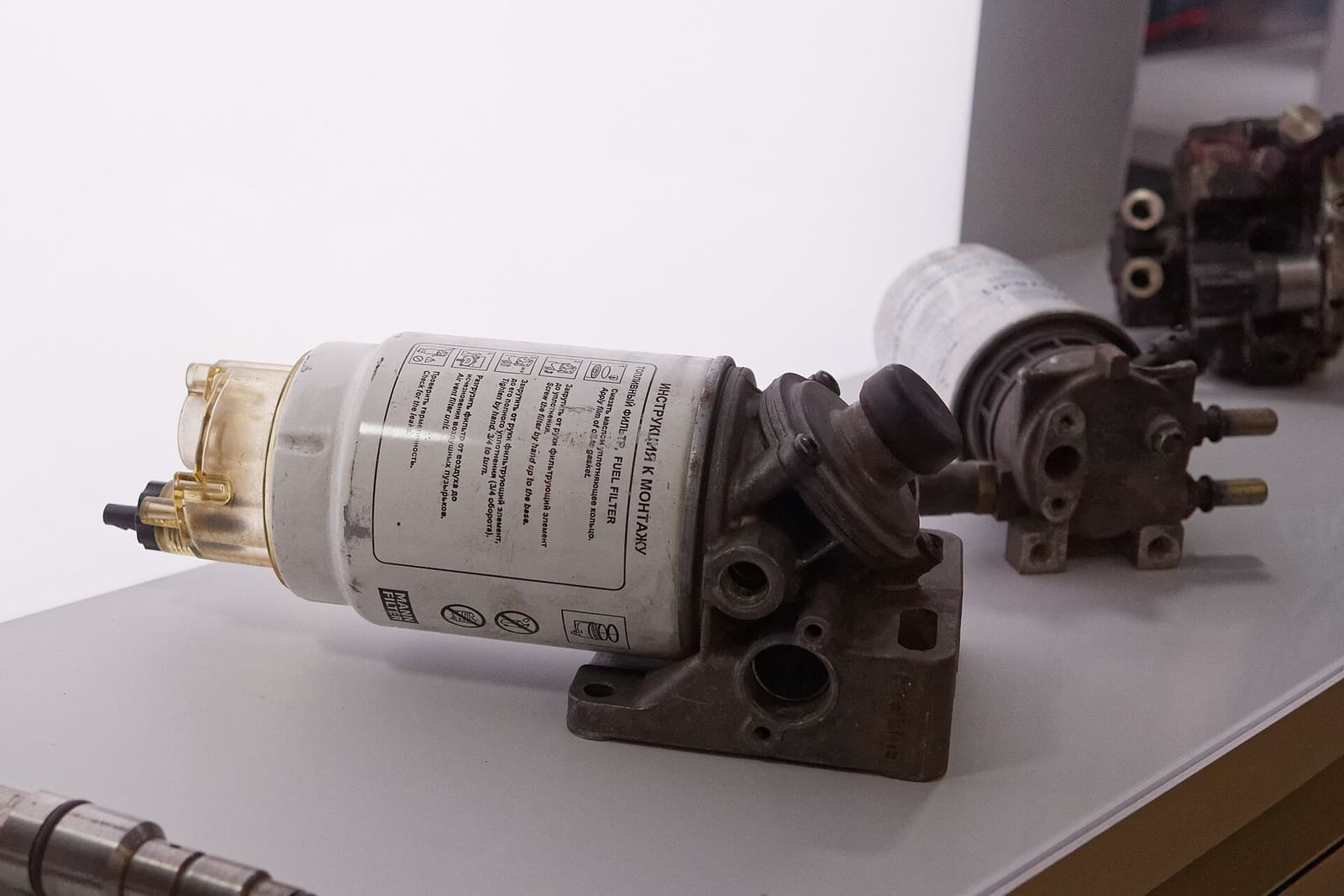
How to Replace a Fuel/Water Separating Filter (and Check for Water in Your Fuel)
Swap the spin-on fuel/water separator on your gas boat and learn to spot water and ethanol phase separation before it stalls the engine. It is one of the cheapest jobs on the boat and one of the best protections for a fuel-injected engine.
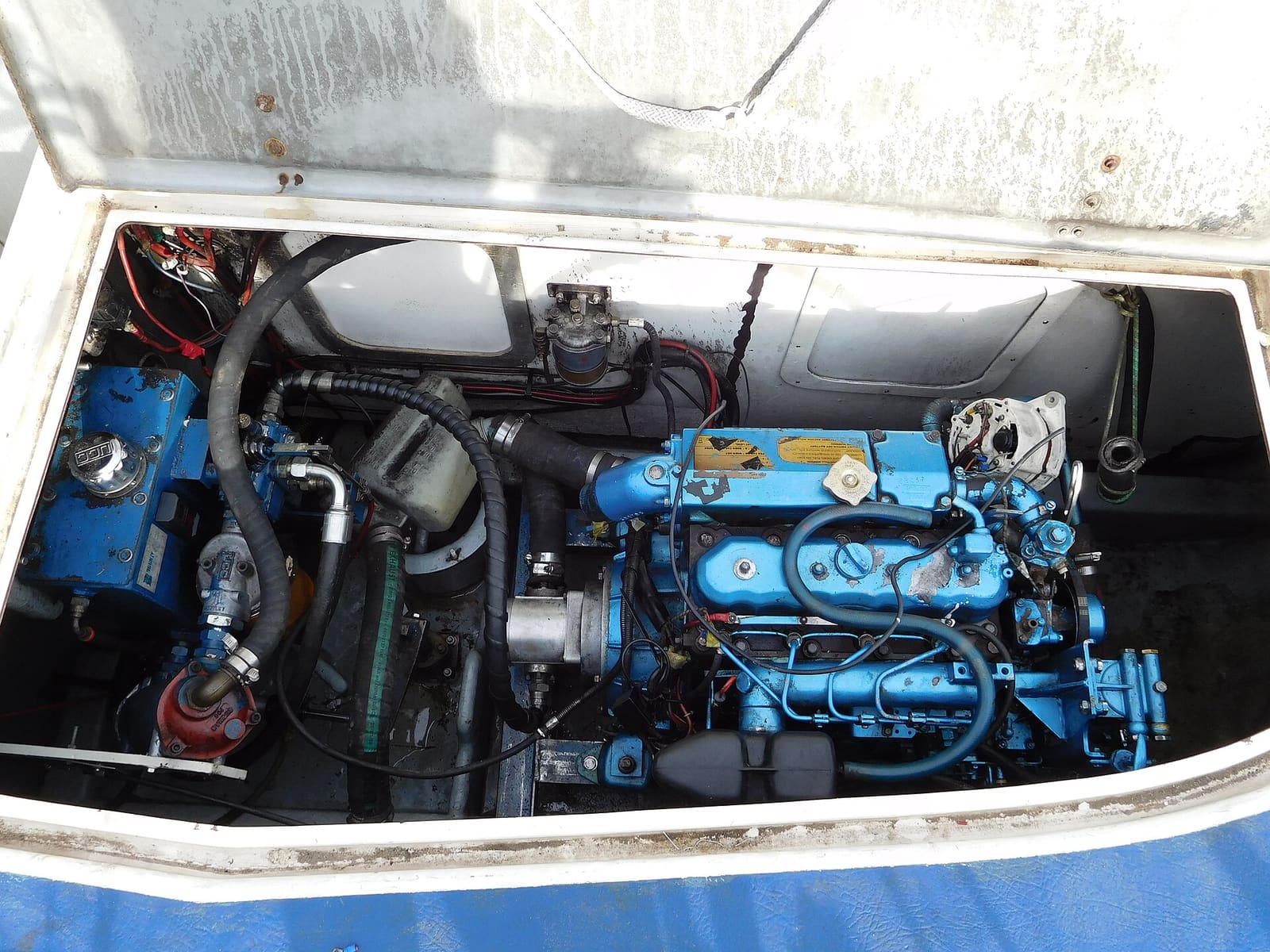
Marine Diesel Service: Oil Change, Fuel Filters and Bleeding Air
Change the oil and oil filter, replace the primary and secondary fuel filters, and bleed air from the fuel system on a Yanmar, Volvo Penta, Beta, Cummins or similar marine diesel. These three skills cover most routine diesel care and can get you out of trouble when the engine dies on a passage.
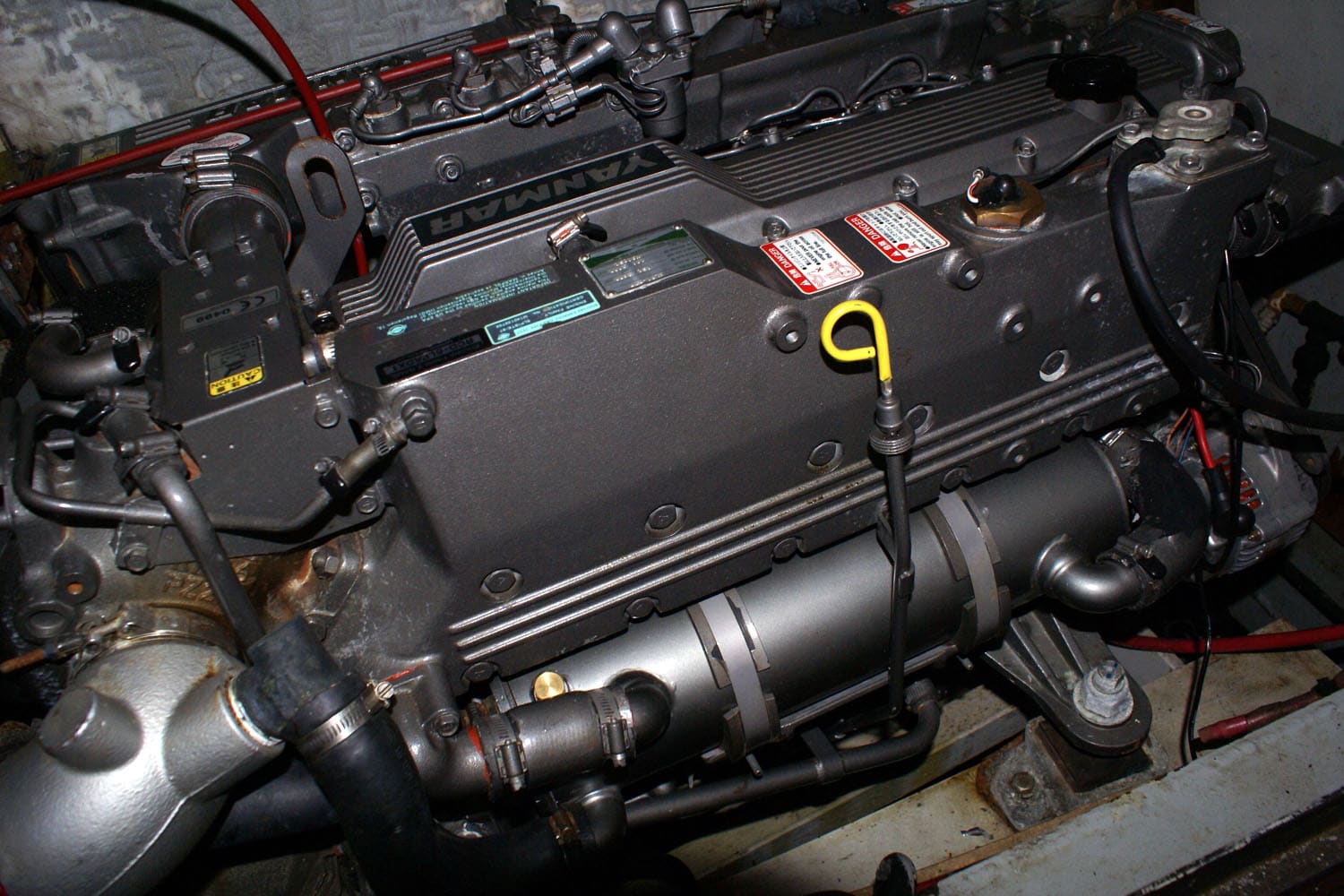
Marine Diesel Won't Start: Troubleshooting From Battery to Fuel
Work through the usual reasons a Yanmar, Volvo Penta, Westerbeke, Beta or similar marine diesel won't crank, or cranks but won't fire, starting with the free and simple checks. Most no-starts come down to the battery, preheat, air in the fuel or a fuel shutoff solenoid.

Diesel Exhaust Smoke: What Black, White and Blue Smoke Mean
Learn to read the color of your marine diesel's exhaust and run the simple checks that go with each color, from a dirty air filter or fouled prop to a worn mixing elbow or head gasket. Catching smoke early can save an engine.
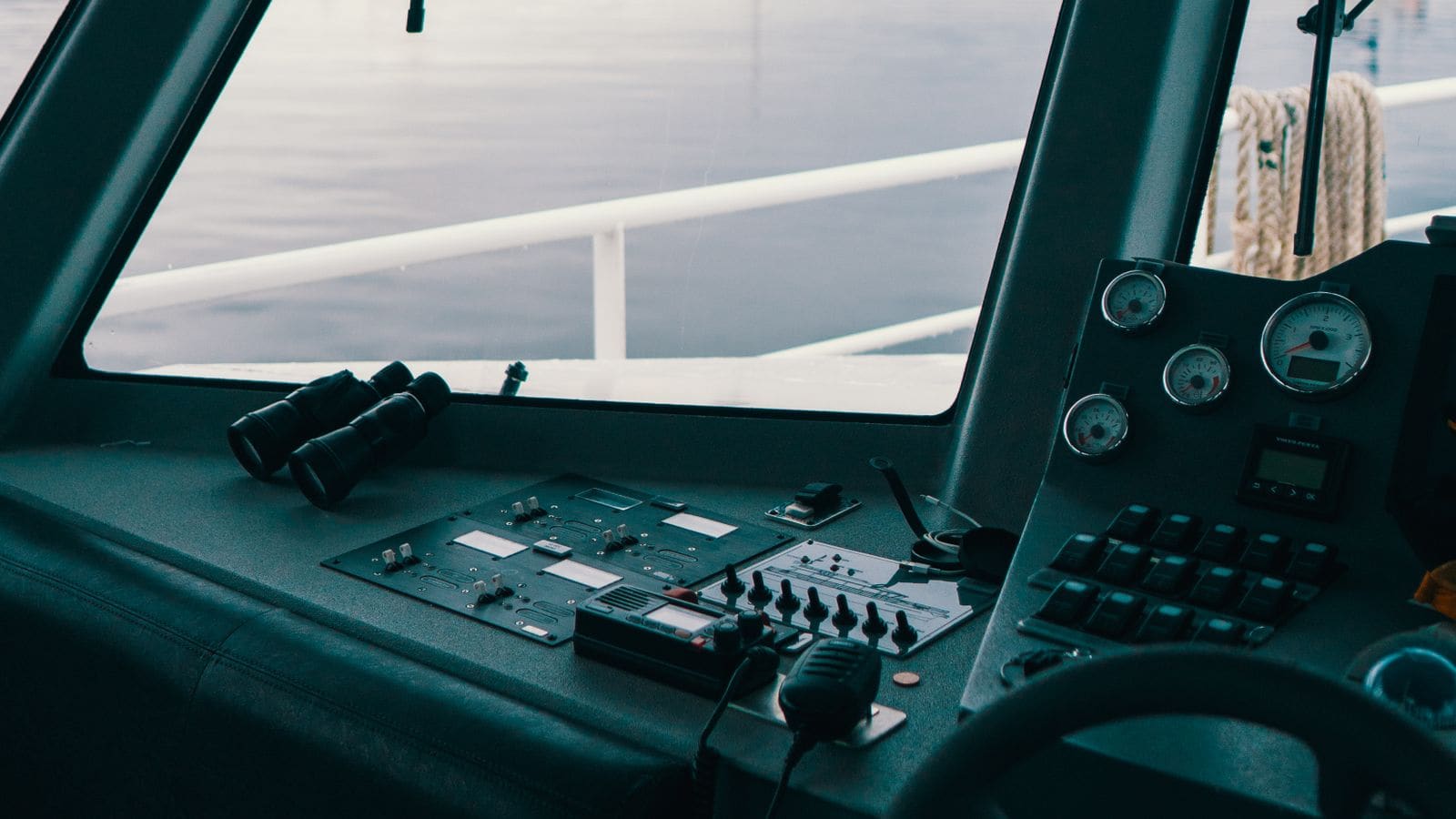
Loss of Power, Hesitation or Misfire - Troubleshooting Guide
Figure out why your engine bogs down, stumbles, will not reach full rpm or runs rough. Work from simple checks like trim, prop and fuel filter to ignition and engine protection modes before paying for diagnostics.
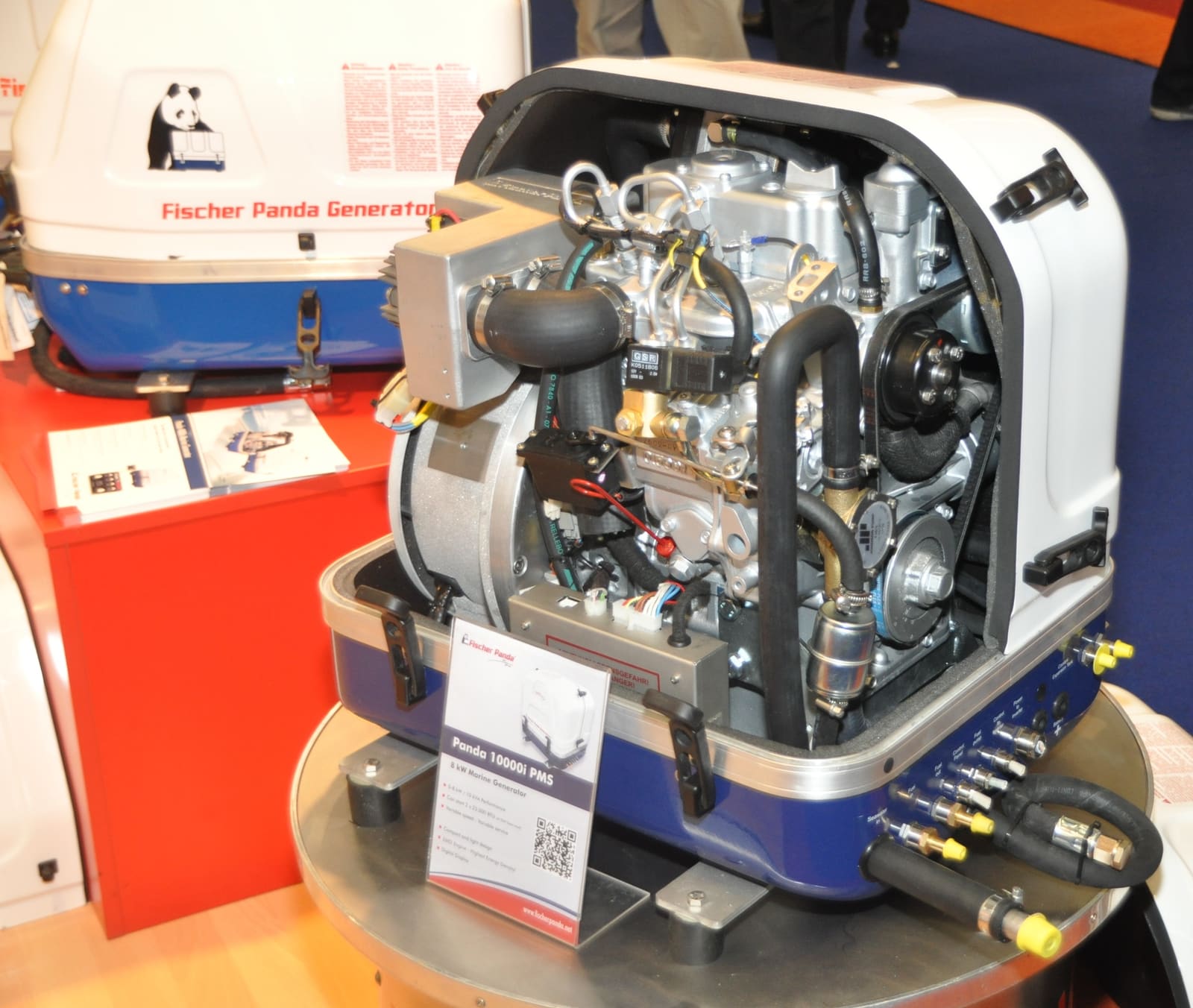
Marine Generator Routine Maintenance and CO Safety
Keep an Onan, Kohler/Rehlko, Northern Lights, Westerbeke or similar marine generator reliable with regular checks of oil, raw-water cooling, fuel, exhaust and the start battery, plus a monthly run under load. Generator exhaust is a leading source of carbon monoxide on boats, so safety checks come first.