How to Clean and Maintain Shower Sump and Macerator Pumps (and Stay Legal)
The shower sump pump fights hair and soap scum every day, and the macerator empties the holding tank, but only where that is legal. Learn how to clean the sump and filter, test the float switch, avoid burning out pumps by running them dry, follow the 3-mile and no-discharge rules, and winterize both.
Time
1 h
Shop would charge
$150-450
Applies to
All engines · Cabin cruiser, Yacht, Sailboat
Safety first: Switch off the pump breaker before you put your hands in a sump or open a macerator: both can start on their own. Wear gloves and eye protection around anything connected to the holding tank, because sewage carries germs. Never open a through-hull or hose below the waterline unless its seacock is closed, and if water comes in faster than you can stop it, call for help (VHF 16, TowBoatUS or Sea Tow, or 911). Discharging untreated sewage inside 3 miles or in a no-discharge zone is illegal.
Owners often ask
- My shower sump pump runs but the water drains really slowly. Do I need a new pump?
- Where is it legal to use my holding tank macerator pump?
This guide walks you through it. Still stuck? Ask the AI Mechanic about your engine.
Tools
- Screwdrivers and nut drivers
- Rubber gloves and eye protection
- Old toothbrush or nylon brush
- Bucket, sponge and rags (or a small wet/dry vacuum)
- Multimeter (optional, for checking pump voltage)
- Zip ties or a padlock for the Y-valve or seacock
Parts & supplies
- Mild dish soap or a marine sump cleaner (no harsh acids)
- Replacement float switch or sump pump (if failed)
- Hose clamps (stainless) and a spare section of the right hose
- Non-toxic propylene glycol antifreeze (for winter)
Before you start
These are two different pumps that owners often mix up:
- The shower sump pump empties gray water (shower and sometimes sink water) from a small box under the shower floor or beside it. A float switch turns it on when the box fills. It sends the water overboard through a through-hull or, on some boats, into a gray water tank. BoatUS notes that submersible sump pumps and float switches clog easily with hair and soap.
- The macerator pump grinds holding-tank waste and pumps it overboard through a through-hull. Federal law limits when you can use it (see steps 9 and 10). It is not a treatment device; it just empties the tank.
Find out what you have. Look under the shower floor panel or a nearby hatch for the sump box. Trace its hose to a through-hull or tank. For the macerator, follow the hoses from the holding tank: one goes to the deck pump-out fitting, and on many boats another goes to the macerator and a seacock. Some boats also have a Y-valve that sends toilet waste either to the tank or straight to the macerator.
No sump box at all? On some older boats the shower simply drains into the bilge. BoatUS lists that as a source of bilge odor, and the soap and hair also foul the bilge pump and its float switch. If that is your setup, clean the bilge pump and float more often (see the bilge pump guide), and consider having a proper shower sump added.
Do this cleaning every month or two in season (more often on liveaboards), and always before winter.
Steps
Switch off the breaker for the shower sump pump. Remove the shower floor panel or the sump box lid. Sponge or vacuum out any standing water so you can see what you are working with. Expect a smell; that is soap and hair breaking down.
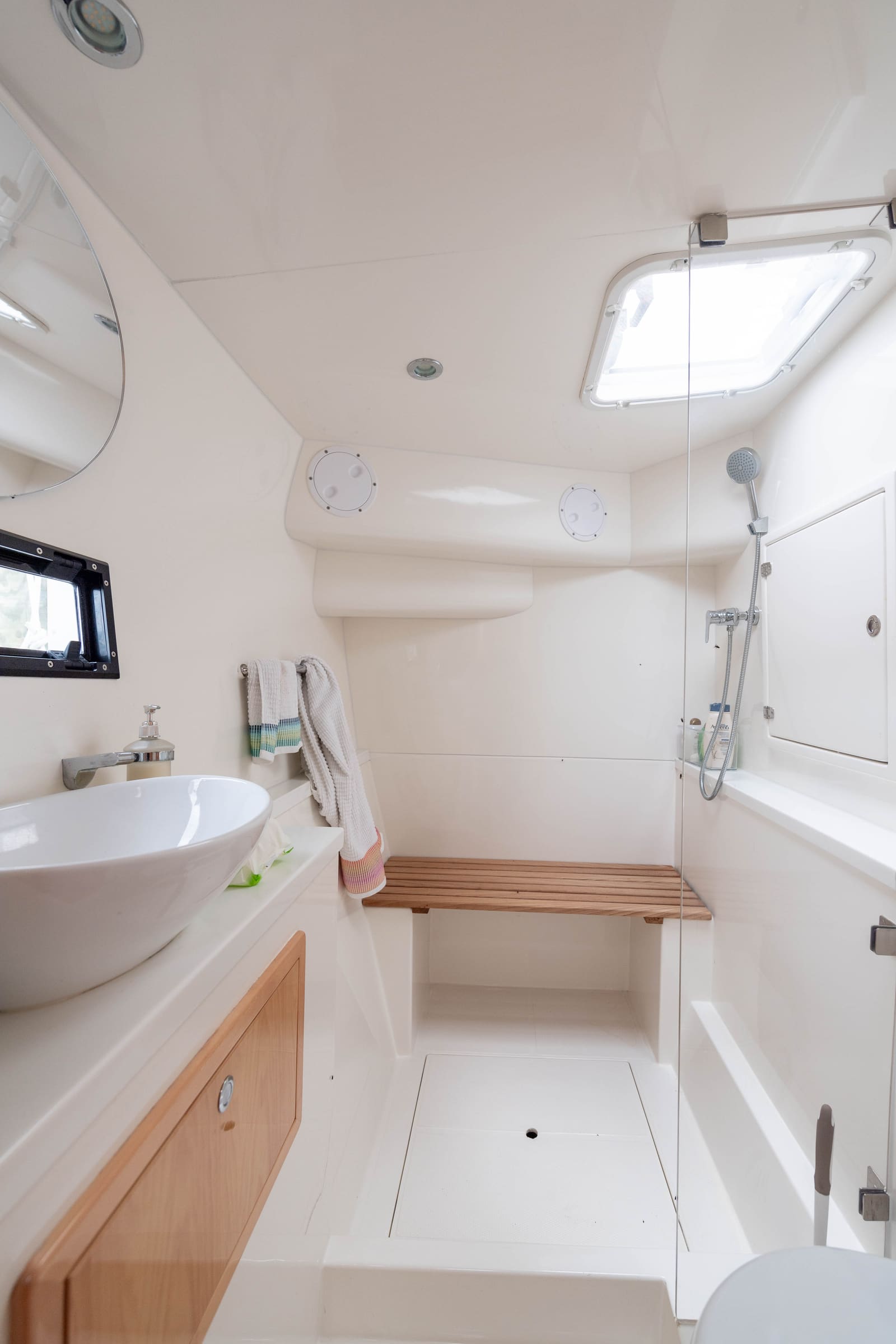
On this boat the removable panel in the shower floor covers the sump where shower water collects before it is pumped overboard. Photo: Craig Stanfill / Wikimedia Commons · CC BY-SA 2.0 Most sump boxes have a mesh filter or strainer basket in front of the pump; Johnson Pump's multi-port sump, for example, includes a mesh filter meant to be cleaned easily. Pull it, pick out the hair and rinse the soap film off with warm water and a brush. A clogged filter is the most common reason a sump pump runs but drains slowly.
Wipe out the sludge from the floor and walls of the box. Lift the pump out of its base (most clip or twist out) and brush hair off the intake and the impeller area. Use mild soap or a cleaner your pump maker approves; skip harsh acids and solvents that can damage plastic and seals.
Hair and soap scum make float switches stick in the up position (pump runs forever and burns out) or the down position (sump overflows into the bilge). Clean around the float and move it by hand: it should swing freely through its whole travel. Many sump pumps have the switch built in; others use a separate float. If the switch is integral and dead, the usual fix is a new pump.
Put the pump back, refit the filter, switch the breaker on and run the shower. The pump should kick on as the water rises and stop shortly after the box empties. If it hums but does not move water, the impeller is jammed or the hose is blocked. If nothing happens, check the breaker or fuse, then the wiring connections (corrosion is common under a wet shower floor).
Many sump systems have a check valve that stops water from flowing back into the box. A stuck check valve lets the pump run but sends water right back. Squeeze the discharge hose for soft spots, check that hose clamps are tight and not rusted, and make sure the through-hull seacock opens and closes. Clean or replace the check valve if water drains back when the pump stops.
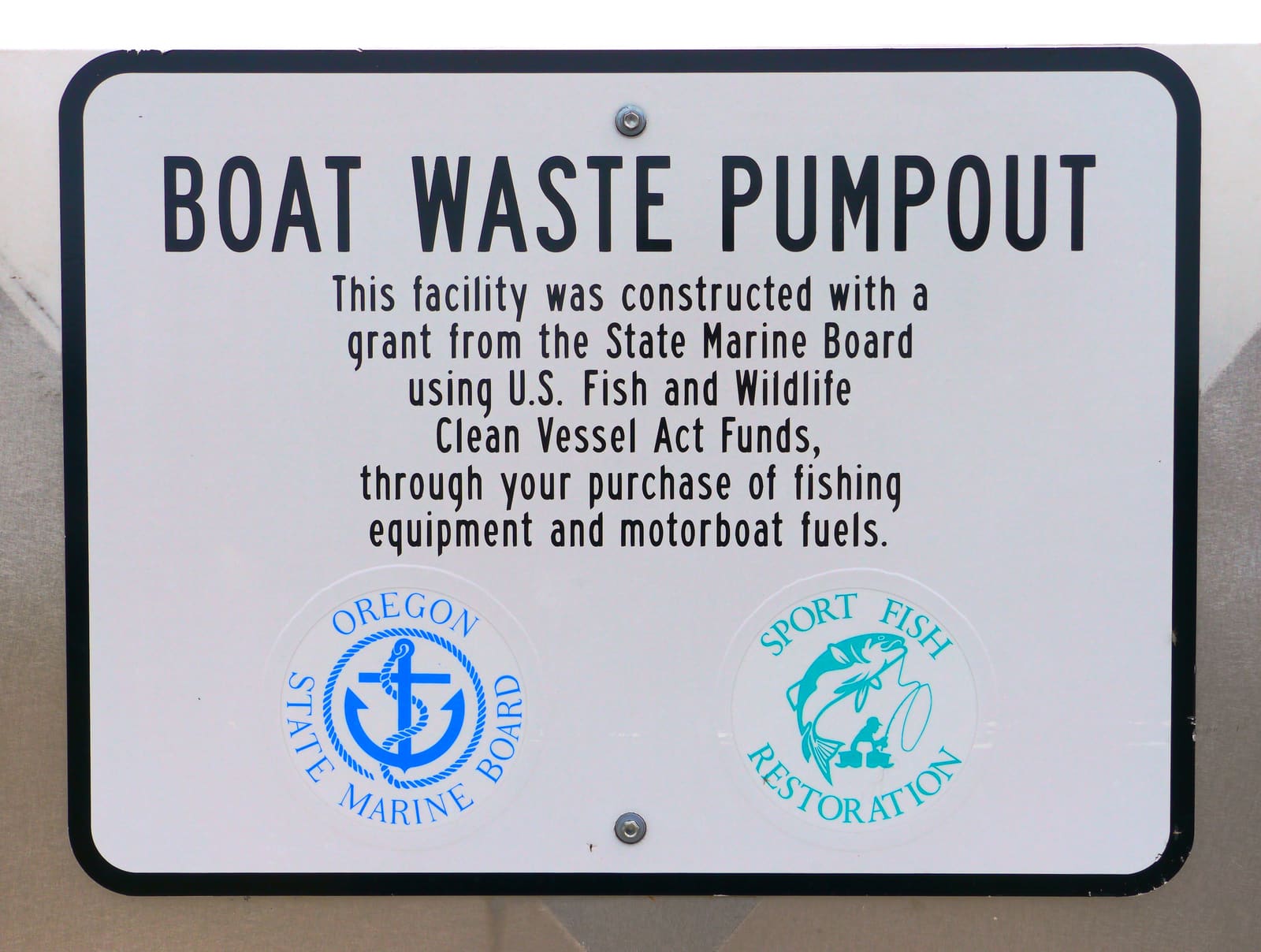
Inside 3 miles and in no-discharge zones, holding-tank waste goes to a pumpout like this one, not overboard through the macerator. Photo: Rick Obst / Wikimedia Commons · CC BY 4.0 Both sump pumps and macerators use the water they move to cool and lubricate their parts. A sump pump with a stuck float, or a macerator left running after the tank is empty, can overheat and wreck its impeller or seals within a short time. Your pump's manual gives the safe dry-run limit; many macerator manuals set it at under a minute. Stay where you can hear the pump when you empty the tank, and switch it off as soon as the sound changes.
For recreational boats there is currently no federal rule on shower and sink gray water, according to the EPA. But Xylem points out that some states treat gray water like sewage, and many marinas and harbors have no-discharge policies. Ask your marina and check your state boating agency, especially on lakes. If a sink or shower drains into the same tank as the toilet, that mix must follow sewage rules.
The federal rules from the EPA:
- Within 3 miles of shore on coastal waters, untreated sewage cannot go overboard. Only a Coast Guard-approved Type I or Type II treatment device may discharge there.
- In freshwater lakes, reservoirs and non-navigable rivers, no sewage may be discharged at all, treated or not.
- In a no-discharge zone (NDZ), no sewage may be discharged, treated or untreated. States designate NDZs; the EPA keeps a list by state.
So for most recreational boats, the macerator is only legal when you are more than 3 miles offshore and outside any NDZ. Everywhere else, the holding tank goes to a pumpout station or pumpout boat. The EPA page quotes the Coast Guard: a civil penalty of up to $2,000 for each violation, and states can add their own fines.
In waters where discharge is illegal, the EPA says the overboard path must be secured. Accepted ways include closing the seacock and removing the handle, padlocking it closed, using a non-releasable wire tie, or locking the head compartment door. BoatUS adds a practical reason: if the macerator through-hull is left open, seawater can flow back into a below-waterline holding tank, making it fill up even after you pump it out. Lock it closed and only open it offshore when you mean to use it.
After you use the macerator offshore (or after a pumpout), flush a few gallons of clean water through the toilet so solids do not settle and jam the cutter. If the macerator hums but will not pump, switch it off at the breaker: the cutter may be jammed with something that should not have gone into the head. With the seacocks closed and the breaker off, check the manual for how to clear it. Look over its hoses for the gummy feel BoatUS describes on old waste hose; aged hose lets odors through and should be replaced.
BoatUS reminds owners to drain any water from the shower sump as part of winterizing. Pump it as dry as you can, sponge out the rest, and if the boat stays in a freezing climate, pour a little non-toxic antifreeze into the box so the pump and check valve are protected. For the macerator, pump out the holding tank at a pumpout station, rinse, and follow the head and holding-tank guide for antifreeze. Close the seacocks and tag them.
Common mistakes
- Never cleaning the sump until the pump burns out or the shower floor floods.
- Using a drain cleaner or harsh acid in the sump box; it can eat seals and plastic and still leave the hair.
- Leaving the macerator seacock or Y-valve open near shore, which is illegal and can also let water back into the tank.
- Running the macerator for minutes after the tank is empty "just to be sure."
- Assuming the macerator makes waste legal to dump; it only grinds it.
- Replacing a sump pump when the real problem was a sticky float switch, a clogged filter or a stuck check valve.
- Forgetting the shower sump at winterizing; a little trapped water can crack the pump or check valve.
When to call a pro
- Water keeps coming into the boat around a through-hull, sump hose or macerator fitting (close the seacock; if you cannot stop it, call VHF 16, TowBoatUS, Sea Tow or 911)
- A seacock is frozen open or closed and will not move
- The holding tank fills by itself, or you smell sewage you cannot trace
- The pump's wiring is corroded or melted, or its breaker keeps tripping
- You want to add a gray water tank, change the discharge plumbing or add a treatment device
Tips
- A few minutes with a brush every few weeks beats replacing a pump. Ask guests to keep hair out of the drain (a hair catcher in the shower drain helps).
- Rinse the shower with fresh water and wipe the floor after use to cut down on soap scum in the box.
- Keep a spare float switch or sump pump aboard if you cruise far from parts stores.
- Put a laminated card on the Y-valve that says when it may be opened, so guests and crew do not guess.
Official references
We read these to write this guide. Your engine's own manual always wins.
- EPA – Vessel Sewage Frequently Asked Questions
- EPA – No-Discharge Zones (NDZs) by State
- BoatUS – Pump Outs, The Scoop On Poop
- BoatUS – Boat Showers, How To Install A Water Saving Shower
- Xylem (Jabsco and Rule) – Greywater Draining
- Johnson Pump – Shower Sump Multiple Port
- BoatUS – How to Winterize Boat Plumbing
- BoatUS Magazine – Flush the Funk (2023)
Safety: BoatMend is for information only and does not replace a certified marine technician. You are responsible for your safety and your boat. Read the full disclaimer.
Last updated 2026-10-24
Related guides
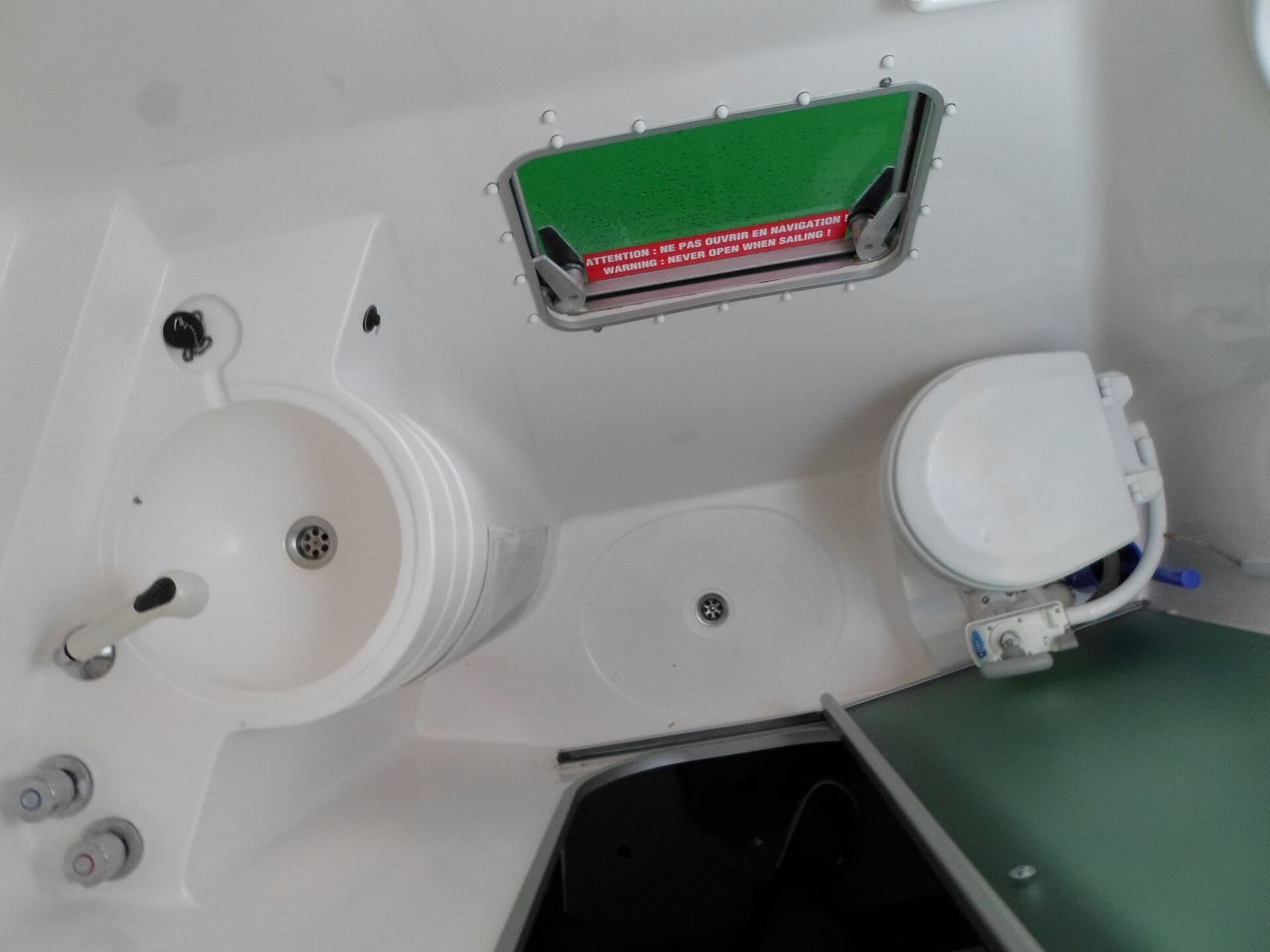
Marine Head and Holding Tank Care: Odors, Clogs, Pump-Outs and Winterizing
Keep your boat's toilet and holding tank working and odor-free, clear common clogs, pump out the right way, and winterize the system. Also covers the Y-valve and the federal no-discharge rules every owner with a head needs to follow.
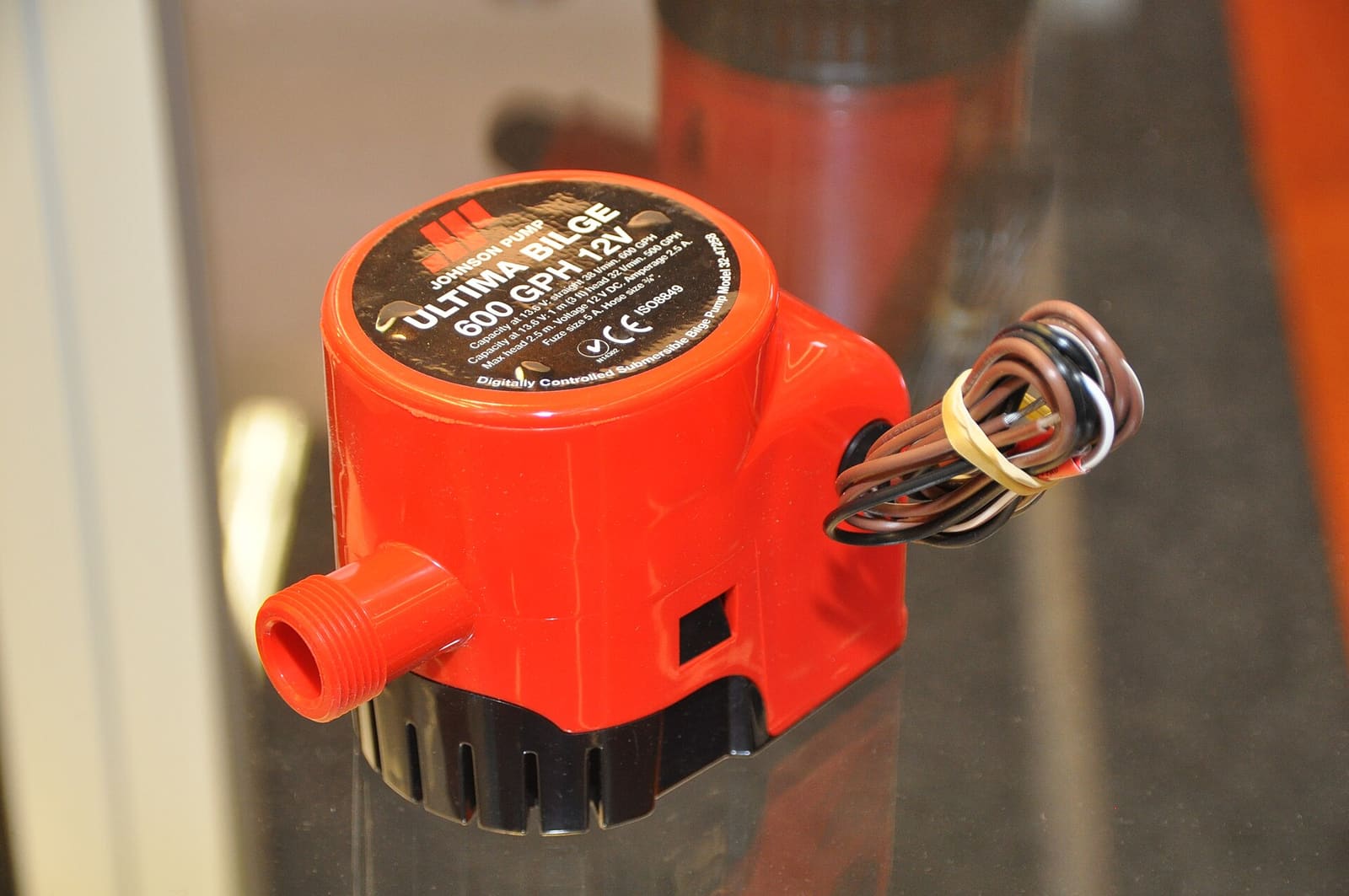
How to Test and Clean Your Bilge Pump and Float Switch
Make sure your bilge pump actually moves water overboard, both on the manual switch and automatically through the float switch. A working bilge pump is one of the most important safety systems on any boat that stays in the water.

How to Winterize (and Recommission) Your Boat's Freshwater System
Protect the tank, pump, water heater, faucets and showers from freeze damage with non-toxic antifreeze, then flush and sanitize everything in the spring so the water is clean again. A cracked pump or split fitting is a common, avoidable winter repair bill.
How to Inspect and Exercise Seacocks, Through-Hulls and Hose Clamps
Check every hole in your hull below the waterline, work each seacock open and closed, and inspect the hoses and clamps attached to them. A single failed fitting or hose is one of the most common reasons boats sink at the dock.

Livewell, Baitwell and Washdown Pumps - Clean, Troubleshoot and Winterize
Find out why a livewell or washdown pump runs but moves no water, from a closed valve or clogged pickup to an airlock, then clean the system and winterize both sides of every pump so nothing cracks over the winter.

How to Prevent and Remove Mold and Mildew on Your Boat
Stop the musty smell and black spots before they start. Find and fix the water source, keep air moving, control humidity safely, and clean mold off gelcoat, vinyl and cabin surfaces with products that won't damage them.
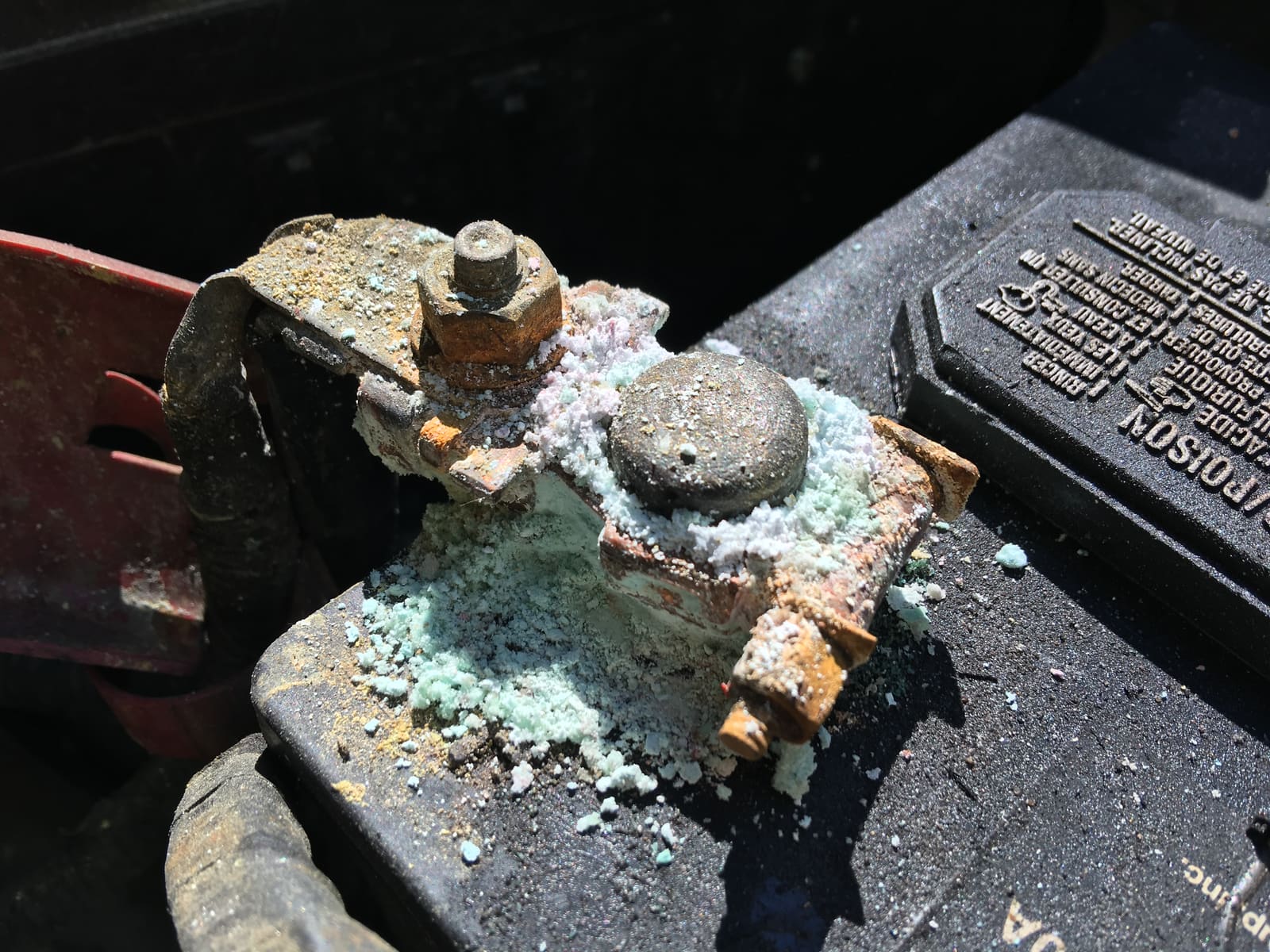
How to Find and Fix Corroded Electrical Connections on a Boat
Track down the green crust and loose terminals behind flickering lights, dead gauges and slow cranking with a simple voltage-drop test, then remake the connection the marine way: tinned wire, a proper crimp, adhesive-lined heat shrink and a protective coating.