How to Get Through Aquatic Invasive Species Boat Inspection Stations
Many states, especially in the West, make you stop at an inspection station before you launch or when you cross the state line, to keep zebra and quagga mussels out. Learn what inspectors check, when they decontaminate, what decals, courses and seals you may need, and how to arrive clean, drained and dry so you're through fast.
Time
30 min
Applies to
All engines
Safety first: Stopping is the law where stations operate: Idaho and Utah, for example, require every boater passing an open station to stop, and Colorado requires inspection before launching. At the station, put the vehicle in park, set the parking brake and turn off the engine before anyone gets out. Never try to scrape or crush suspected mussels yourself or dump water from a "positive" lake into another lake; tell the inspector and let them handle it.
Owners often ask
- What happens at a boat inspection station, and how do I get through quickly?
- Will the hot-water decontamination at a mussel inspection station hurt my engine?
This guide walks you through it. Still stuck? Ask the AI Mechanic about your engine.
Tools
- Sponge, towel or wet/dry shop vacuum (to dry bilges and wells)
- Stiff brush (for weeds and mud on the trailer)
- Flashlight
- Garden hose
Parts & supplies
- Your state's AIS decal or sticker, if required
- Proof of any required boater course (printed or on your phone)
- Inspection seal and matching receipt from your last stop, if you have one
Before you start
Zebra and quagga mussels are tiny freshwater mussels that hitch rides on boats. Once they get into a lake, they clog water intakes, foul engine cooling systems and change the whole lake, and they can't be removed. Utah's wildlife agency warns that newly hatched mussels are microscopic and can attach to a boat in as little as a day. Idaho says it has stopped hundreds of mussel-fouled boats at its stations since 2009.
That's why many states run inspection stations, especially in the West. BoatUS's West Coast editor found signs at nearly every western state line directing boaters, paddlers included, to weigh stations or other sites for mandatory inspections. National parks and recreation areas such as Yellowstone, Grand Teton and Flaming Gorge also inspect before launch. Rules range from volunteer checks at a ramp to roadside stations staffed by officers.
Rules change from year to year and differ by state and lake. Check the official wildlife or agriculture agency page for every state and lake on your route before you leave.
Steps
For each state you'll launch in or drive through, check:
- Whether stations are mandatory and where they are (many are at state lines and major ramps)
- Whether you need a decal or sticker, a course or both
- Whether a boat coming from out of state, or from an infested lake, must be decontaminated before launch
- Station hours. Some only run in the main season.
BoatUS notes some states, such as Montana, also require inspection when you cross the Continental Divide, even if you were already inspected entering the state.
"Boaters" means more than powerboats. Oregon, for example, says everyone transporting a boat, motorized or not, must stop at an open roadside station, including kayaks and canoes on a roof rack. Its inspections take about 10 to 15 minutes, and paddlers there may also need their own permit.
Many western states charge an AIS fee and ask you to show a decal on the boat. Some examples (check current prices):
- Idaho: an Invasive Species Fund sticker is needed on motorized boats registered elsewhere and on non-motorized boats; Idaho-registered boats have it built into registration. Idaho lists inflatable non-motorized craft under 10 feet as exempt.
- Utah: every boater, resident or not, must take the annual mussel-aware boater course and keep proof in the launch vehicle. Motorized boats also pay an annual AIS fee and get a decal.
- Colorado: motorized boats and sailboats need an Aquatic Nuisance Species stamp.
Inspections and decontaminations at stations are usually free; the decal fees fund them. Idaho says its sticker covers the hot wash if your boat is rated high-risk.
The fastest inspection starts at the last ramp. Pull off every plant, weed fragment, mud clump and shell from the hull, motor, trailer bunks, rollers, axles and lights. Colorado reminds boaters that plant fragments and animals can survive many days out of water in mud. Rinse the boat and trailer with fresh water if you can; BoatUS suggests hot water if it's available. Put what you pull off in the trash, and wash away from storm drains, ditches and waterways; Oregon's Marine Board suggests a lawn, gravel pad or self-serve car wash. Empty bait buckets on land, not into the lake.
Drain the bilge, livewells, baitwells, ballast tanks and the engine's water before you leave the ramp area. Utah tells Lake Powell boaters to remove all drain plugs, and sea strainers where fitted, at the ramp and leave them out, and to pump ballast both on the ramp incline and again on flat ground. Minnesota law requires drain plugs and similar devices to be removed or opened while you transport the boat, and the civil penalty is $100 under its statute.
Lower the outboard or drive to let water run out of it. Don't run an outboard or stern drive out of the water to blow it dry. Personal watercraft are different: Colorado tells PWC riders to run the engine for 5 to 10 seconds on the trailer to clear water, so follow your PWC owner's manual.
Sponge or vacuum leftover water from bilges, wells and compartments. Leave hatches open at home. Utah treats a full clean, drain and dry as one of its two decontamination options (the other is a professional decontamination) for boats coming from out of state or from an infested lake in the last 30 days; check the state's page for the required drying time. A boat that's truly dry passes faster everywhere.
Colorado's list is a good model for any station:
- Plug out and in hand, ready to put back at the end.
- Tarps, covers and straps off.
- Anchor and ropes out of their lockers.
- Battery switch on so the motor can be lowered and the pumps run.
- Any live bait receipt and your last seal and receipt ready.
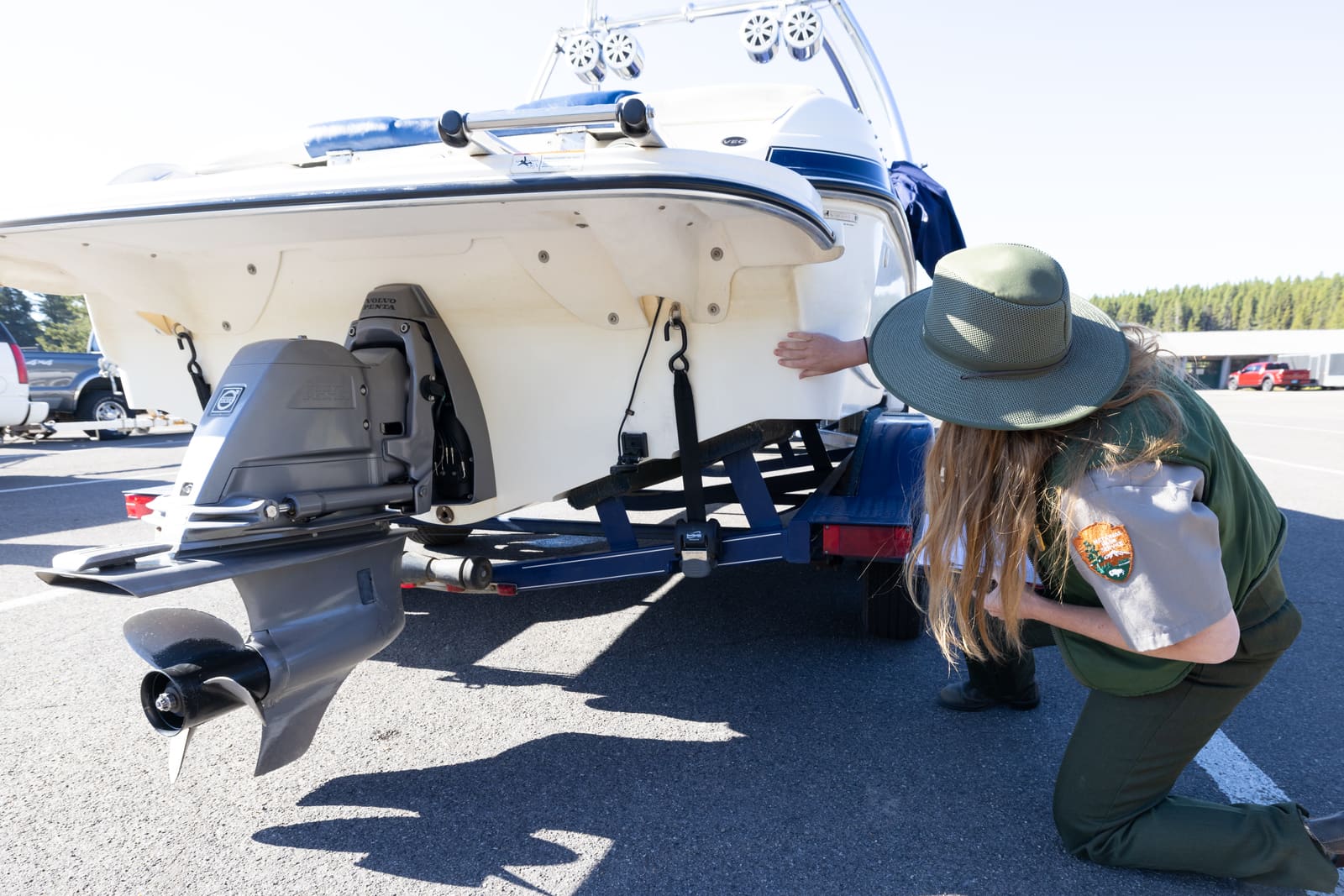
Follow the signs and cones, park, turn off the engine and get out to help.
Idaho uses two inspectors: one asks about where the boat has been (which lakes and when), and one looks the boat over. Expect them to:
- Look and feel along the hull, transom, trim tabs, motor or drive, prop and intakes
- Check the trailer, bunks, rollers and lights
- Open hatches, livewells, baitwells, bilges and anchor lockers
- Ask you to run pumps (bilge, livewell, ballast) to see if water comes out
Answer the questions honestly. A boat that's clean, drained and dry is usually rated low-risk and done quickly.
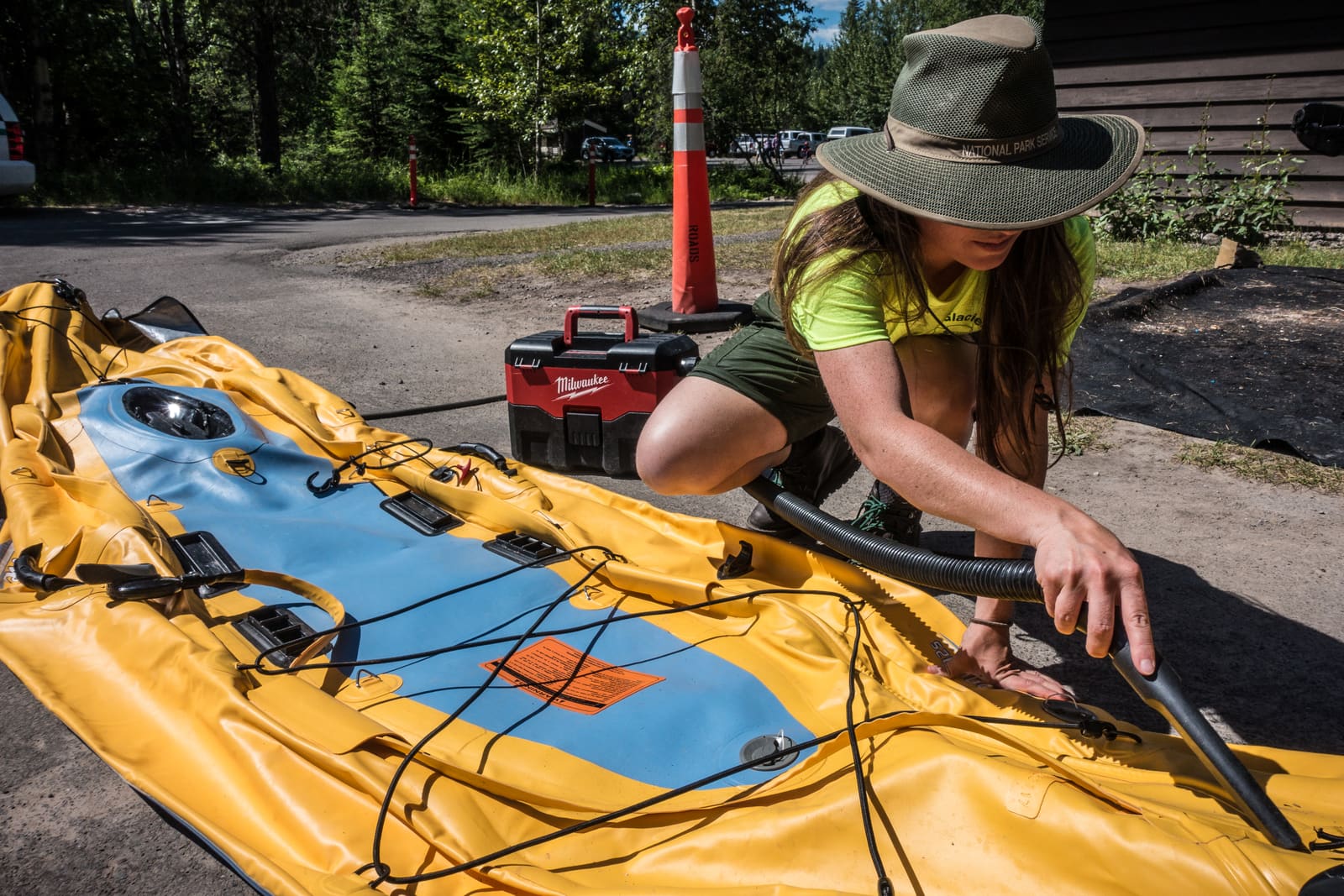
Photo: Glacier National Park (NPS) / Wikimedia Commons · Public domain Colorado lists these triggers, and other states use similar ones:
- Mussels (or any suspected invasive species) found on the boat, or bumps the inspector can't identify
- Water on or in a boat that came from a lake known to have invasive species
- Plants stuck to the trailer that can't be pulled off by hand
- Live bait without a valid receipt
Colorado adds that ballast tanks, inboards and inboard/outboards can't be fully drained, so they always get decontaminated if the boat has no valid seal and receipt or is going from an infested lake to a clean one. Idaho requires out-of-state boats to be inspected and decontaminated before launch, and any boat that was in a mussel-infested lake in the last 30 days must have proof of inspection or decontamination.
Colorado describes the process: hot water (120 to 140°F), a high-pressure spray on the outside of the boat and trailer, a low-pressure hot-water flush of interior compartments and the engine, and hot water through enclosed ballast tanks. Expect it to take a while; Colorado suggests getting a decontamination on a weekday if you know you'll need one.
Worried about hot water in your engine? You're not alone. BoatUS reported that engine makers raised the same concern, which pushed the industry toward standard flushing connections. Since 2021 models, major sportboat builders agreed to include engine flush kits as standard equipment, partly to speed up decontamination. Ask the inspector how they'll flush your engine, and tell them about any special drain points.
After a successful inspection, many stations put a seal between the boat and trailer and give you a matching receipt. In Colorado, an intact green seal with a matching white receipt (clean water) speeds up your next launch, and a blue receipt means the boat came from water with invasive species and will be re-checked. If the seal is broken or the receipt is lost, expect a full inspection. Keep receipts with the boat's registration.
States take this seriously:
- Minnesota's statute sets civil penalties of $100 for transporting with drain plugs in, $250 for not following a decontamination order when a unit is on site, and $500 for transporting a prohibited invasive species. Amounts double for repeat offenders, and the state can suspend a boat's registration for up to a year if the owner refuses inspection.
- Colorado says it's illegal to knowingly transport aquatic nuisance species, and a boat with mussels can't leave the station until it's decontaminated.
- Many states also cite boaters who drive past an open station.
Clean, drain and dry every time you leave any water, even if there's no station. BoatUS's trailer-washing article adds spots people miss: the outdrive, prop, intakes, trim tabs, bilge and docklines. A boat that's always clean, drained and dry gets through stations in minutes.
Common mistakes
- Driving past an open station because the boat "hasn't been anywhere."
- Arriving with the plug in, covers strapped on and gear piled in the lockers.
- Forgetting ballast tanks, baitwells, the engine and the trailer bunks when draining.
- Assuming an inspection receipt means the boat was decontaminated. After Lake Powell, Utah still requires either the full clean, drain and dry process or a professional decontamination before your next launch.
- Losing the seal receipt, or cutting the seal off early.
- Running a stern drive or outboard out of the water to "blow it dry."
- Paying for a decal online and leaving it in the glovebox instead of on the boat.
When to call a pro
- You find mussels, shells or rough bumps on the hull, drive or trailer: call the state agency hotline and get a professional decontamination
- Your boat has ballast tanks, an inboard or a stern drive coming from an infested lake: book a certified decontamination before your next launch
- You're buying a used boat from another state: have it inspected and decontaminated before you bring it to your home lake (see our out-of-state buying guide)
- Your cooling system lost flow after using an infested lake: have a marine tech check the water passages
Tips
- Save each state's AIS page and hotline in your phone before a road trip.
- Leave a towel and a small wet/dry vacuum in the tow vehicle for wells and bilges.
- Keep the plug on your key ring or tied to the steering wheel so you can't launch without it.
- Inflatable stand-up paddleboards and kayaks may also need inspection in some states; check before you go.
- Ask local marinas: in some states, certified dealers and marinas can inspect and seal boats too.
Official references
We read these to write this guide. Your engine's own manual always wins.
- Colorado Parks and Wildlife – Boat Inspections
- Invasive Species of Idaho – Watercraft Inspections
- Invasive Species of Idaho – FAQs
- Utah Division of Wildlife Resources – Aquatic Invasive Species
- Oregon State Marine Board – Aquatic Invasive Species Program
- Minnesota Statutes 84D.10 – Watercraft and Equipment
- Minnesota Statutes 84D.13 – Enforcement and Penalties
- BoatUS – Western States Ramp Up Invasives Protocol
- BoatUS – Coping With Aquatic Invasives
- BoatUS – How To Wash A Trailer
Safety: BoatMend is for information only and does not replace a certified marine technician. You are responsible for your safety and your boat. Read the full disclaimer.
Last updated 2026-10-25
Related guides
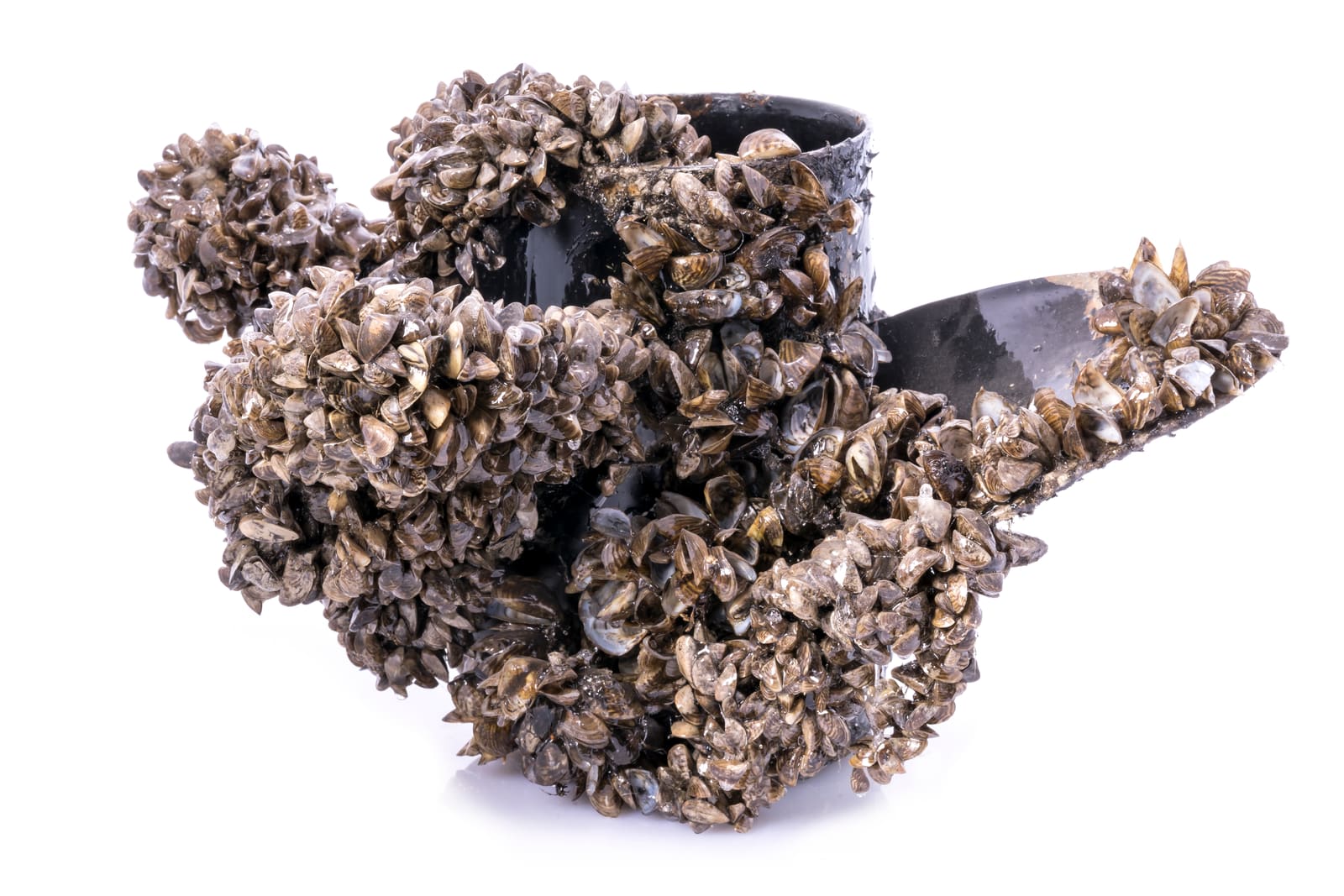
Clean, Drain, Dry: Stopping Zebra and Quagga Mussels and Other Invasive Species
What Clean, Drain, Dry means in practice for your boat, trailer and motor, what to drain before you leave the ramp, what happens at a watercraft inspection or decontamination station, and examples of state rules you may run into when you trailer between lakes.
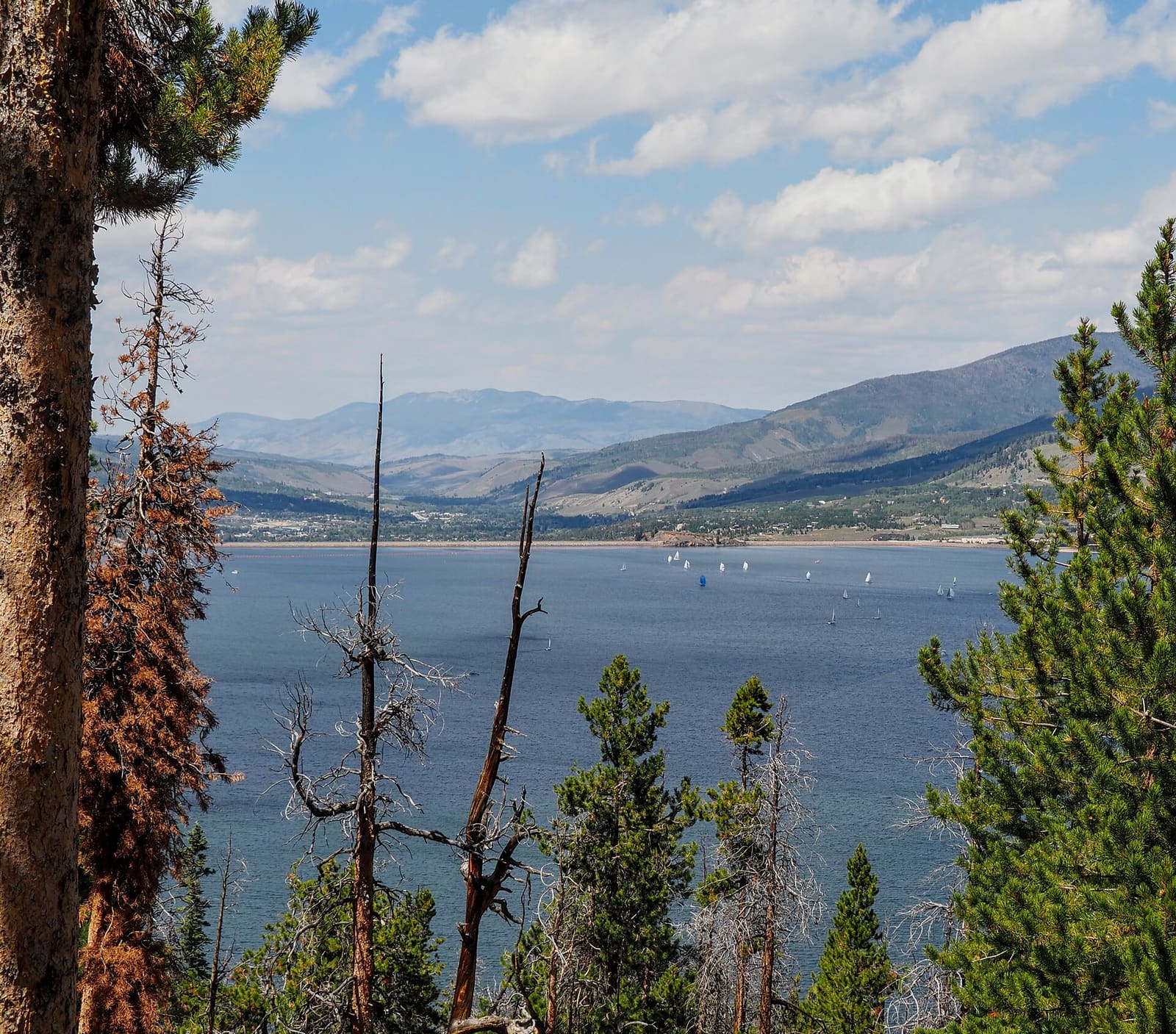
Boating on High-Altitude Lakes: Power Loss, Prop Changes, Cold Water and Mountain Weather
Engines lose roughly 3% of their power for every 1,000 feet of elevation, so a boat that flew at sea level can struggle on a mountain lake. Learn what's normal, when a lower-pitch prop or a dealer adjustment helps, and how to handle the strong sun, cold water and fast-changing weather up high.
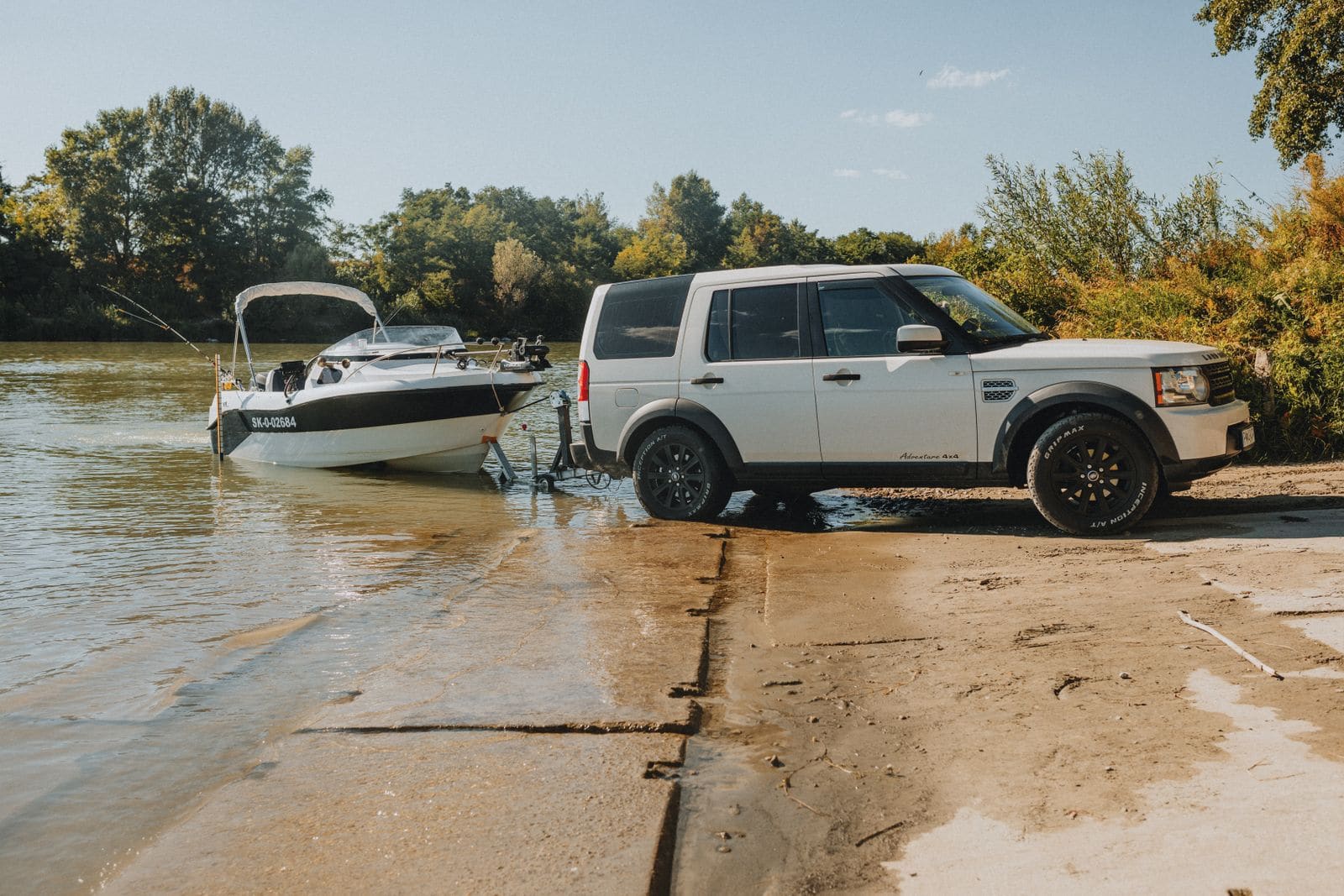
Launch Day and Haul-Out Checklist for Trailer Boats
A step-by-step checklist for getting your boat off the trailer and back on again safely and quickly, from the drain plug and tie-downs to the blower and ramp etiquette. Following it in order prevents the classic mistakes that sink boats and back up the ramp.
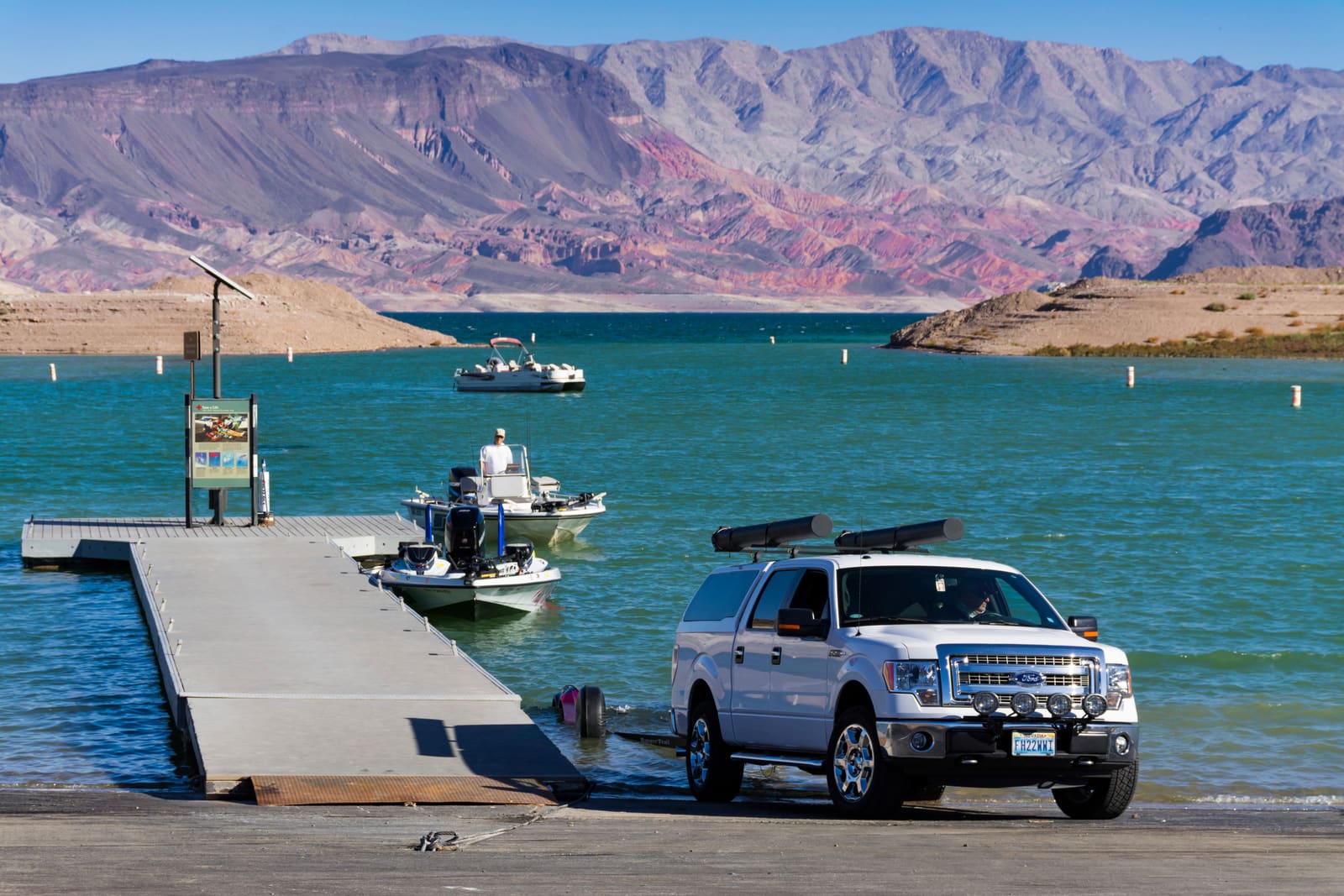
Drain Plugs: Types, Pre-Launch Checks, Spares and Replacing a Garboard Drain
A forgotten or worn drain plug is one of the most common ways a boat floods at the ramp. Learn the plug types, a launch routine that makes it hard to forget, how to look after plugs and fittings, how to replace a garboard drain, and when the plug should come out for storage.
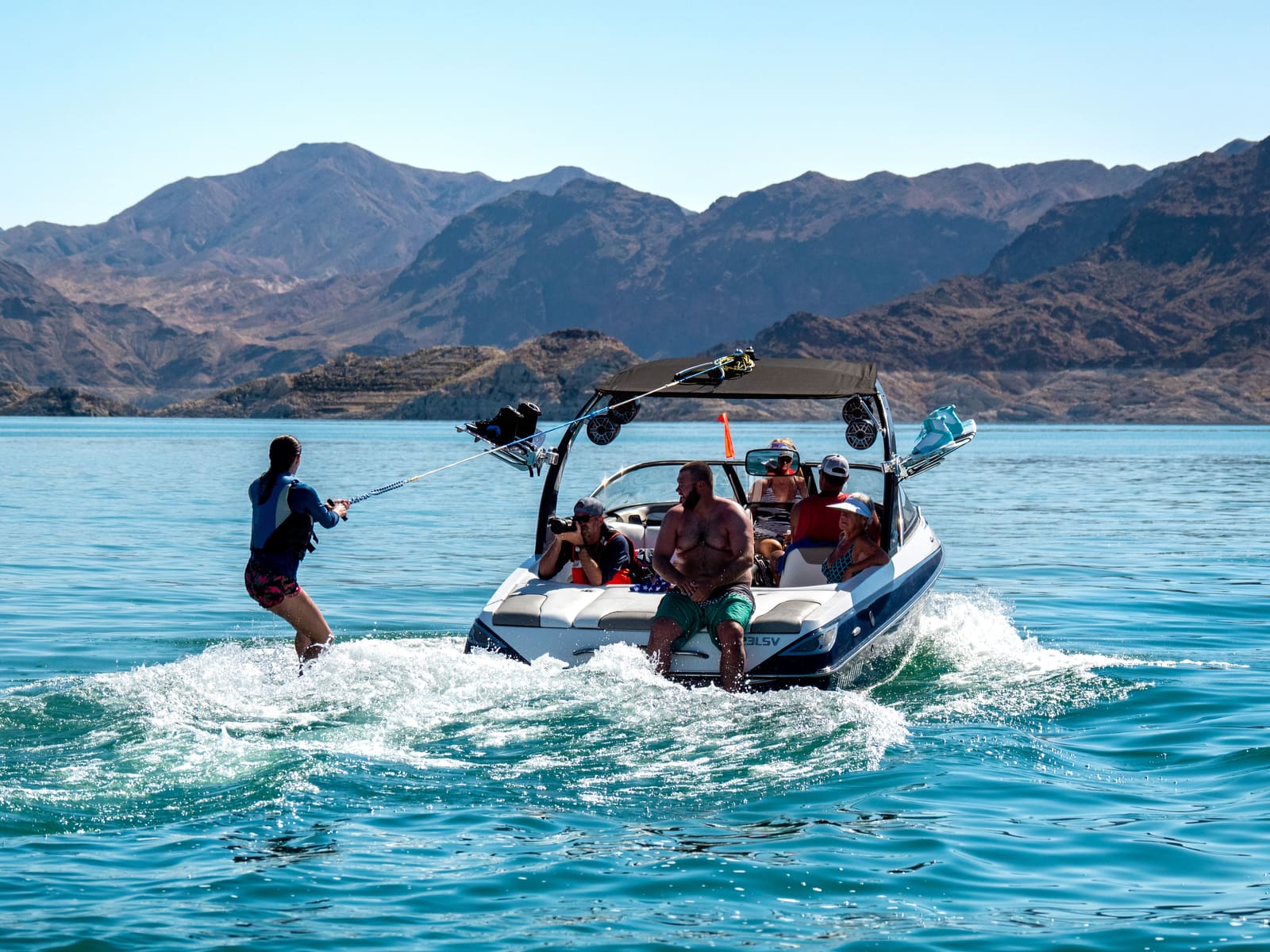
Wake Boat Ballast Systems - Care, Troubleshooting, Weight Limits and Winterizing
Keep your wake boat's ballast tanks, bags and pumps working: fill and drain them the right way, stay under the boat's weight capacity, fix tanks that won't fill or empty, change the pump impellers, stop invasive species from riding along, and protect the system from freezing.
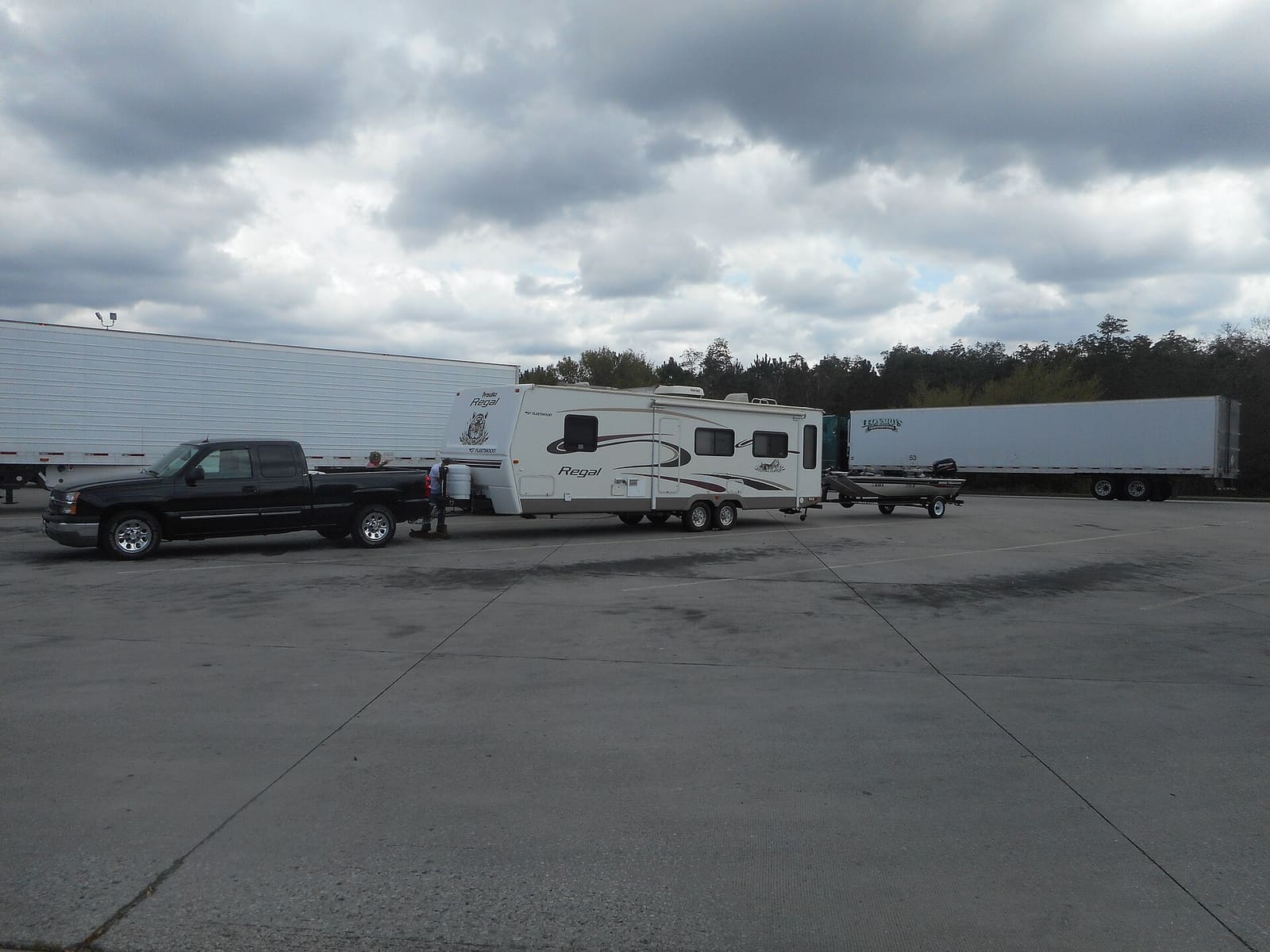
Buying a Boat in Another State: Survey, Paperwork, Taxes, Registration and Getting It Home
A step-by-step plan for buying a boat that is hundreds of miles away: checking it remotely with a local surveyor, matching the HIN and VIN to the title, avoiding long-distance scams, paying the right sales or use tax, registering in your home state, the trailer's own paperwork, temporary permits, and legal towing or professional transport for wide boats. Rules vary by state, so confirm each step with the agencies involved.
How to Flush Your Engine With Fresh Water
Rinse salt, silt and sand out of your outboard or sterndrive cooling system using the built-in flush port, flush muffs or a flush bag. Flushing after every saltwater trip is one of the easiest ways to prevent corrosion and overheating.