Taking Your Boat to the Bahamas: Cruising Permit, Fishing Permit, Passports, Radio License and Insurance
A paperwork checklist for running a US recreational boat to the Bahamas: the Bahamas cruising and fishing permits and their current fees, passports, the FCC ship station license, insurance navigation limits, pets, and the US 'skin on the fillet' rule for bringing Bahamian fish home. General information, not legal advice; fees and rules change often.
Time
2 h
Applies to
All engines · Center console, Cabin cruiser, Sailboat, Yacht, Fishing boat
Safety first: The paperwork is the easy part; the Gulf Stream crossing is not. Only cross in settled weather with a good forecast, a sound boat, enough fuel with a reserve, and working safety gear (a registered EPIRB or PLB, life jackets, VHF). File a float plan with someone ashore. If anything goes wrong offshore, call the Coast Guard on VHF 16. This guide is general information, not legal advice: Bahamian fees and rules changed in 2025 and again in 2026, so confirm everything with Bahamas Customs and the US agencies before you leave.
Owners often ask
- Does the Bahamas cruising permit include fishing, and how long is the fishing permit good for?
- Can I fillet the mahi I caught in the Bahamas before running back to Florida?
- Is the Bahamas fishing permit split at 34 feet or 50 feet now?
- Can I bring my dog on the boat to the Bahamas and back, and what does CDC need for the return?
- Does a 47-foot boat need AIS turned on in the Bahamas?
This guide walks you through it. Still stuck? Ask the AI Mechanic about your engine.
Tools
- Passports for everyone aboard
- Boat registration or USCG Certificate of Documentation (originals)
- Insurance policy and any written navigation extension
- FCC ship station license and operator permit (printed or on your phone)
- Phone or tablet with internet access for the Bahamas Click2Clear portal and the CBP ROAM app
Parts & supplies
- Yellow "Q" (quarantine) flag
- Spare copies of every document in a waterproof pouch
Before you start
Who this is for: owners of US-registered or documented recreational boats making a private trip (not a charter) to the Bahamas and back.
Dates matter. Every fee and rule below was checked on official pages in November 2026. The Bahamas raised its cruising fees and added an AIS rule in July 2025 (as reported by Boating Magazine), then changed the fee tiers again in 2026; Bahamas Customs posted a revised update in August 2026. Check the Bahamas Customs "Pleasure Vessel Clearance" page the week you leave.
Two countries, two sets of rules. You clear in with Bahamas Customs and Immigration when you arrive, and you report back to US Customs and Border Protection (CBP) when you return. Our guide to returning with the CBP ROAM app covers the US side.
Steps
Most boat policies cover only certain waters. Read the "navigation limits" or "cruising area" section, and call your agent if the Bahamas isn't clearly included. Ask for any extension in writing before you leave, and ask about hurricane-season restrictions and named-operator rules. Going outside your limits can leave you with no coverage for a loss (see our insurance policy basics guide). Also ask whether your towing membership covers you in Bahamian waters; many don't.
Bahamas Customs asks for proof of citizenship or identification for everyone aboard at clearance, and the Bahamas' official tourism site says plainly that U.S. citizens must present a passport. Everyone also fills in a Bahamas Immigration arrival/departure card; keep your copy and hand it in at the last Bahamian port before you leave. For the trip home, CBP accepts several documents for US citizens arriving by sea, including a US passport, a passport card or a trusted traveler card, and US citizen children under 16 may use a birth certificate.
But plan on a full passport book for every person if you'll bring fish home: the federal rule that lets you carry Bahamian-caught fish as fillets (step 9) requires each person aboard to have a valid passport with current Bahamas stamps. Non-US citizens aboard should check their own entry requirements for both countries before you go.
Bahamas Customs lists the vessel registration or title as a supporting document and says originals must be present at clearance. Bring your state registration or USCG Certificate of Documentation, and make sure it's current and in the name of the person aboard. If the owner isn't aboard, carry a signed letter of authorization from the owner, and ask Customs in advance what they'll accept.
In US waters, most recreational boats are "licensed by rule" and only need an MMSI. That changes when you go foreign: under FCC rules (47 CFR 80.13), a boat that travels to foreign ports or makes international communications needs an individual FCC ship station license. Our ship station license guide covers the steps, including the operator permit and why a free BoatUS-type MMSI must be replaced by the FCC-issued MMSI in your DSC radio and AIS.
The Bahamas' official tourism site (Ministry of Tourism) lists "AIS equipment installed and fully operational (above 50 ft)" among the entry requirements, and says foreign pleasure vessels above 50 feet must keep AIS active at all times in Bahamian waters, with a $1,000 fine for non-compliance. Boating Magazine, reporting the rule in July 2025, described it as applying to vessels "50 feet and over" and said AIS must stay on whether docked or under way. If your boat is right at 50 feet, assume it applies and ask Bahamas Customs. Smaller boats aren't covered, but AIS is still a good idea for the crossing. Our AIS setup guide covers installation and MMSI programming.
When you clear in, Bahamas Customs issues a Temporary Cruising Permit, or you can apply for a Frequent Digital Cruising Card (FDCC). Fees from Bahamas Customs as of November 2026 (US dollars; confirm before you go):
Permit Up to 30 ft Over 30 to 50 ft Over 50 to 100 ft Over 100 ft 30-day (no free re-entry) $150 $250 $350 $600 6-month (1 free re-entry) $300 $300 $750 $2,000 12-month (2 free re-entries) $500 $500 $1,000 $3,000 FDCC, 2 years, unlimited entries $1,500 $1,500 $2,500 $8,000 Extras to budget:
- Anchorage fee if you won't be at a marina: for boats up to 50 feet, $50 on a 30-day permit, $150 on a 6-month and $200 on a 12-month permit or FDCC (more for bigger boats). It's waived if you're mooring at a marina.
- Passenger arrival tax of $20 per person when more than three non-residents aged six or older are aboard.
- With the FDCC, Customs says you still check in on each arrival and pay processing fees, passenger taxes and other levies.
- Big tenders: Customs says the size categories don't include ancillary equipment towed or carried aboard, except tenders over 25 feet. If you tow or carry a tender that long, ask Customs how it will be charged.
The permit fees above match the Customs clearance page, its "Recent Updates" sheet (revised August 2026) and the Ministry of Tourism's statement on the fees in force since April 1, 2026, as checked on November 6, 2026. One small mismatch: for the anchorage fee on a 30-day permit, Customs lists $50 for boats up to 50 feet, while the Ministry's April 2026 statement lists $50 only up to 30 feet and $100 from 30 to 100 feet. If your boat is 31 to 50 feet and you'll anchor out, budget $100.
Customs notes a boat used commercially or for hire is not eligible for a temporary cruising permit; charters follow a different process.
Bahamas Customs says fishing permits are no longer included in the cruising permit fee. As of November 2026 a foreign pleasure vessel fishing permit costs $100 under 50 feet and $300 over 50 feet, and it's valid for 30 days only, even on a 12-month cruising permit, so renew it every 30 days if you keep fishing. Don't fish in Bahamian waters until you've cleared in and have the permit.
Watch for the old 34-foot figure. The 2025 fisheries regulation still posted on the Customs site (in force July 1, 2025) set the fishing permit at $100 up to 34 feet and $300 over 34 feet, and many 2025 articles repeat that. The current Customs clearance page splits at 50 feet, and boating-industry reports say amendments in 2026 moved the line there. Go by the current Customs page; if a boat between 35 and 50 feet gets charged $300, politely ask the officer to check the current schedule.
The Bahamas sets its own catch limits, size rules and gear restrictions (enforced by its Department of Marine Resources), and Customs checks the seafood aboard against the rules printed on the back of your fishing permit when you clear out. Read that permit, and the current Bahamian fisheries regulations, before you wet a line.
What Bahamas Customs describes:
- Go directly to a designated Port of Entry. Fly the yellow Q flag on arrival.
- Fill in the inbound declaration online through the Click2Clear "Cruising Permit" portal (no login is needed for permits of 12 months or less; the FDCC requires registration), and pay there. The tourism site suggests submitting it before you leave your home port. Customs also lists a Maritime Declaration of Health form with the inward declaration, and says that if you can't pay online, the marina where you dock can arrange payment on arrival.
- Only the captain may go ashore until the boat is cleared by Customs and Immigration. The captain takes the documents to Customs; the permit is valid only after an officer stamps and signs it.
- Declare any firearms with serial numbers and ammunition. Customs limits the number and caliber, and says open center consoles may not carry firearms at all; firearms found aboard an ineligible boat are held ashore until you leave. If you own firearms, the simplest choice is to leave them home.
- Keep the cruising permit and fishing permit aboard the whole time.
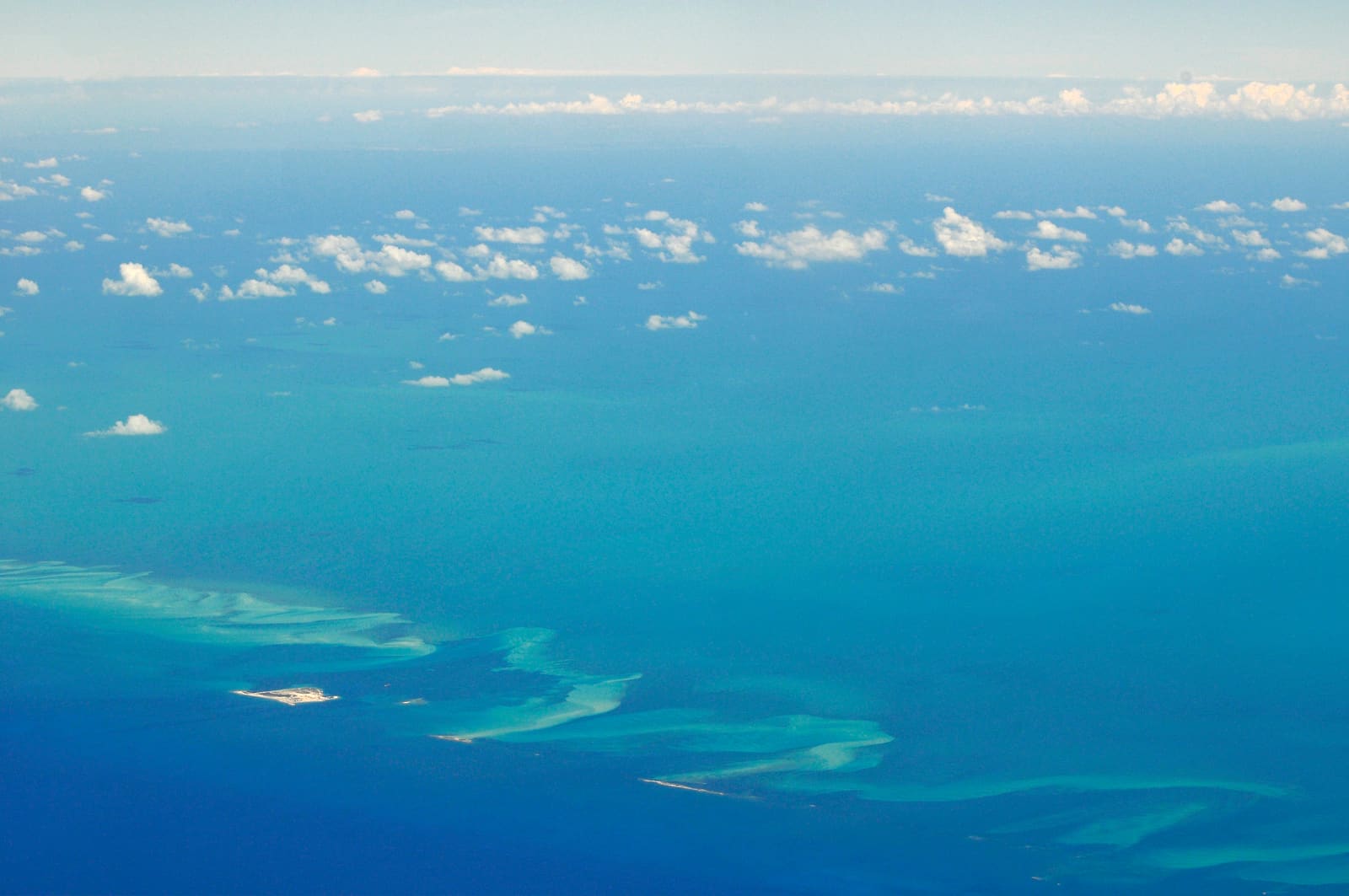
Bimini is the closest Port of Entry for many Florida boaters; the banks beyond it are shallow, so plan routes in daylight. Photo: LBM1948 / Wikimedia Commons · CC BY-SA 4.0 In US federal waters of the Atlantic, dolphin (mahi) and wahoo, and South Atlantic snapper-grouper, normally must be landed with head and fins intact. Federal rules (50 CFR 622.276 and 622.186) make an exception for fish lawfully caught in Bahamian waters, but only if all of these are true:
- The skin stays on the entire fillet
- Valid Bahamian fishing and cruising permits are aboard
- Every person aboard has a valid passport with current Bahamas stamps and dates
- The boat is on a direct, continuous course home, nobody fishes in US federal waters on the way, and the fishing gear is stowed as the rule describes (terminal gear disconnected and stowed separately)
US bag limits still apply. For snapper-grouper, 50 CFR 622.187 counts two fillets as one fish. Florida state waters have their own rules too, so check with Florida's fish and wildlife agency before you land your catch. Our fish cleaning and waste rules guide covers the rest.
The Bahamas' official tourism FAQ says an import permit from the Ministry of Agriculture and Marine Resources (Nassau) is required for all animals brought into the country, and that the permit is valid for one year from issue. The application form and the full import requirements (for example, the vaccination and health papers the ministry wants) are linked from that FAQ; read them closely, apply weeks before the trip, and list the pet permit in your Click2Clear declaration.
For the trip home: the Bahamas is not on CDC's list of high-risk countries for dog rabies (list dated April 15, 2026), so a dog that has been only in the US and the Bahamas in the past six months falls under CDC's rules for dog-rabies-free or low-risk countries. Those dogs need to look healthy, be at least 6 months old, have a microchip that a universal scanner can read, and have a CDC Dog Import Form receipt (on paper or on a phone); CDC recommends filling in the form from a few days up to six months before travel. CDC also strongly recommends rabies vaccination even for these dogs. Re-check both lists before you go; they change. Our pets on board guide covers safety on the crossing.
Bahamas Customs says an outbound clearance (with a $75 fee) is only needed if your next port outside the Bahamas requires clearance documents. Before you leave, make sure everything declared on arrival (such as firearms) is still aboard, and keep your permits for the US fillet rule. When you reach the US, report your arrival to CBP right away; boats 30 feet and longer also need a CBP user fee decal. Our CBP ROAM guide walks through it.
Put originals and copies of everything in a waterproof pouch near the helm: passports, registration or documentation, insurance and its written extension, FCC license, cruising and fishing permits, pet papers and receipts. Save photos of each in your BoatMend boat profile in case the pouch goes overboard.
Common mistakes
- Crossing on a policy whose navigation limits stop at the US coast.
- Fishing on the way over before clearing in and buying the fishing permit.
- Assuming the cruising permit includes the fishing permit (it no longer does) or that the fishing permit lasts as long as the cruising permit (it's 30 days).
- Letting the crew go ashore before the captain has cleared Customs and Immigration.
- Filleting a mahi with the skin off, or with one person aboard carrying only a passport card, then crossing US federal waters.
- Keeping the free BoatUS MMSI in the radio after getting an FCC license.
- Trusting fee tables in old blog posts; the Bahamas changed its fees twice in about a year.
When to call a pro
- Your insurer won't extend coverage, or the extension has conditions you don't understand: talk to a marine insurance agent
- You're unsure the boat (or you) can handle the crossing: hire a licensed delivery captain or go with an experienced buddy boat
- Firearms, a boat owned by a company or LLC, a non-US crew member, or a charter: ask Bahamas Customs and a maritime attorney before you go
- Any emergency offshore: a MAYDAY or PAN-PAN on VHF 16 (the US Coast Guard monitors it on the US side; in Bahamian waters, stations and boats nearby will hear it), plus your EPIRB or PLB if lives are at risk
Tips
- Download the CBP ROAM app and create your traveler and boat profiles at home, on Wi-Fi, before the trip.
- Print the Bahamas Customs fee page and permit forms; marinas can be slow to load web pages.
- Budget fuel generously: fuel availability and prices in the out islands vary.
- Leave a copy of your passports and float plan with someone ashore.
Official references
We read these to write this guide. Your engine's own manual always wins.
- Bahamas Customs Department – Pleasure Vessel Clearance (cruising permits, anchorage and fishing permit fees, firearms)
- Bahamas Customs Department – Pleasure Vessels, Recent Updates (revised August 2026)
- Boating Magazine – Bahamas Raises Fees, Enacts Stricter Regulation (July 1, 2025; AIS rule)
- eCFR – 50 CFR 622.276, Landing fish intact (dolphin and wahoo, Bahamas exception)
- eCFR – 50 CFR 622.186, Landing fish intact (South Atlantic snapper-grouper, Bahamas exception)
- eCFR – 50 CFR 622.187, Bag and possession limits (Bahamian snapper-grouper fillets)
- eCFR – 47 CFR 80.13, Station license required
- U.S. Customs and Border Protection – Western Hemisphere Travel Initiative (documents for US citizens by land and sea)
- CDC – Entry Requirements for Dogs from Dog-Rabies-Free or Low-Risk Countries
- CDC – High-Risk Countries for Dog Rabies (list updated April 15, 2026; the Bahamas is not on it)
- The Islands Of The Bahamas (Ministry of Tourism) – Boat Regulations (entry requirements, AIS rule)
- The Islands Of The Bahamas (Ministry of Tourism) – Island FAQ (bringing pets, import permit)
- The Islands Of The Bahamas – Statement from the Ministry of Tourism, Investments & Aviation, Updates to Cruising Permit and Anchorage Fees Effective 1 April 2026
- Bahamas Customs Department – Fisheries Resources (Jurisdiction and Conservation) (Amendment) Regulations, 2025 (older 34-foot fishing permit split)
Safety: BoatMend is for information only and does not replace a certified marine technician. You are responsible for your safety and your boat. Read the full disclaimer.
Last updated 2026-11-06
Related guides
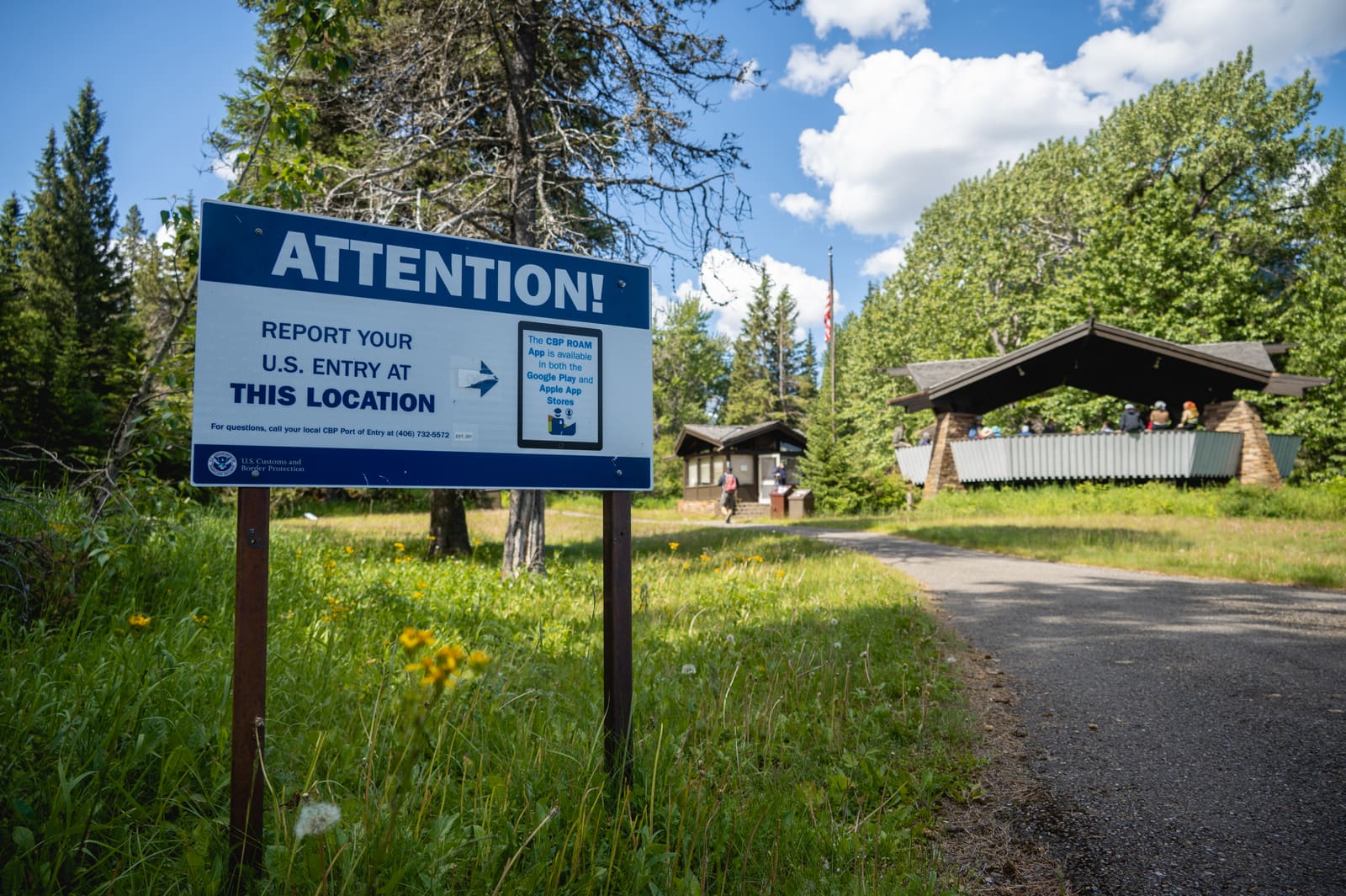
Coming Back to the US by Boat: Reporting to CBP with the ROAM App, the User Fee Decal and the Penalties
Every boat returning from a foreign port (the Bahamas, Canada, Mexico or anywhere else) must report its arrival to US Customs and Border Protection right away. Learn who has to report, how to use the free CBP ROAM app or the phone line, when you still have to show up in person, the annual user fee decal for boats 30 feet and longer, and what happens if you skip it. General information, not legal advice.
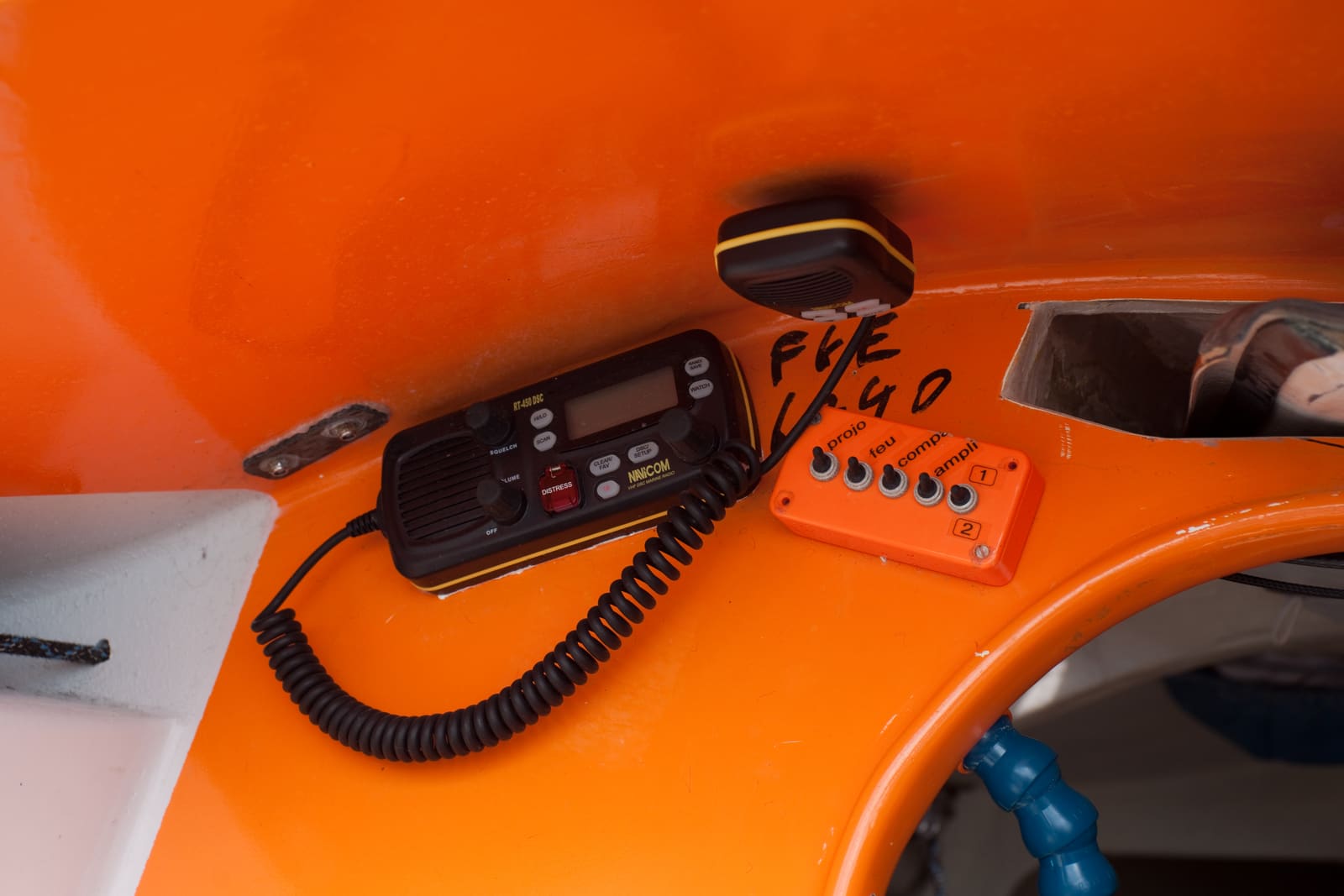
FCC Ship Station License vs. a Free MMSI: Which One Your Boat Needs, and How to Keep It Current
Most U.S. recreational boats that stay in U.S. waters don't need an FCC radio license, but every DSC radio and AIS needs a registered MMSI. Learn when an FCC ship station license and operator permit are required (foreign ports, SSB/HF, satellite), how to get an MMSI from BoatUS, America's Boating Club or Shine Micro, and what to do when you sell, buy or rename a boat.
Boat Insurance Policy Basics: Agreed Value vs Actual Cash Value, Navigation Limits, Storm Deductibles and Exclusions
Learn to read a boat insurance policy before you need it: agreed value versus actual cash value, navigation limits and lay-up periods, named storm deductibles, towing, salvage and wreck removal, liability limits, and the exclusions that cause most claim surprises. General information, not legal or insurance advice.
Where to Clean Fish and Get Rid of the Waste: Marina Rules, State Laws and Fishing Line Recycling
Tossing fish guts over the side is legal in some places and a fine in others, and filleting at sea can break size-limit rules. Learn when to keep fish whole, how to use a cleaning station, what to do with carcasses, and how to recycle old monofilament line, with dated examples from state and federal rules.
Reading Marine Weather Forecasts: Advisories, Wind, Waves and Go/No-Go
Learn where to get the official NOAA marine forecast for your waters, what small craft advisories and warnings really mean, how to read wind and wave numbers, and how to make a simple go/no-go call before you leave the dock.
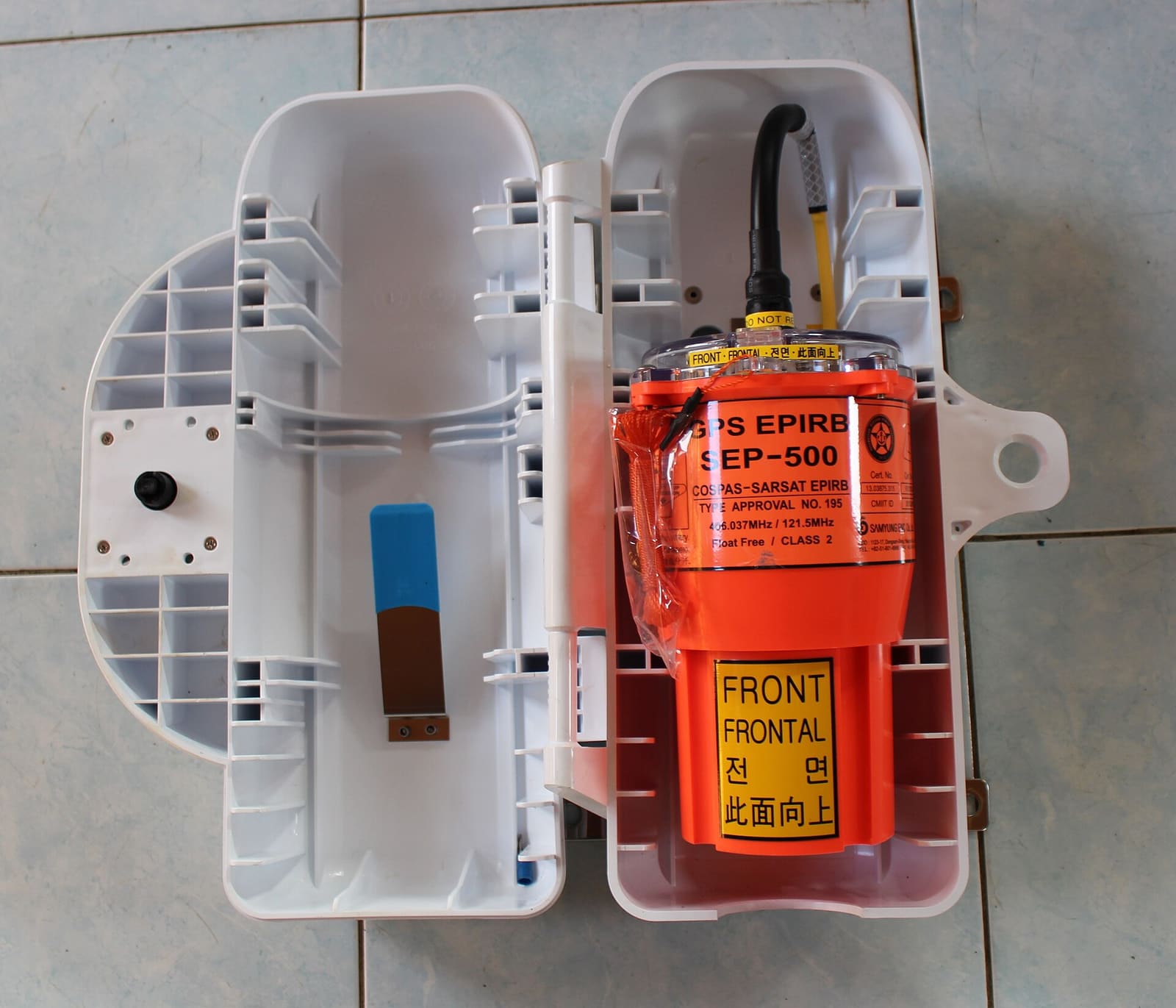
EPIRB and PLB Care: Registration, Batteries, Self-Test and Mounting
Keep your 406 MHz emergency beacon ready to work on the worst day of your life. Register it free with NOAA and renew every two years, track the battery and hydrostatic release dates, run the self-test without triggering a false alert, and know what happens after you press the button.
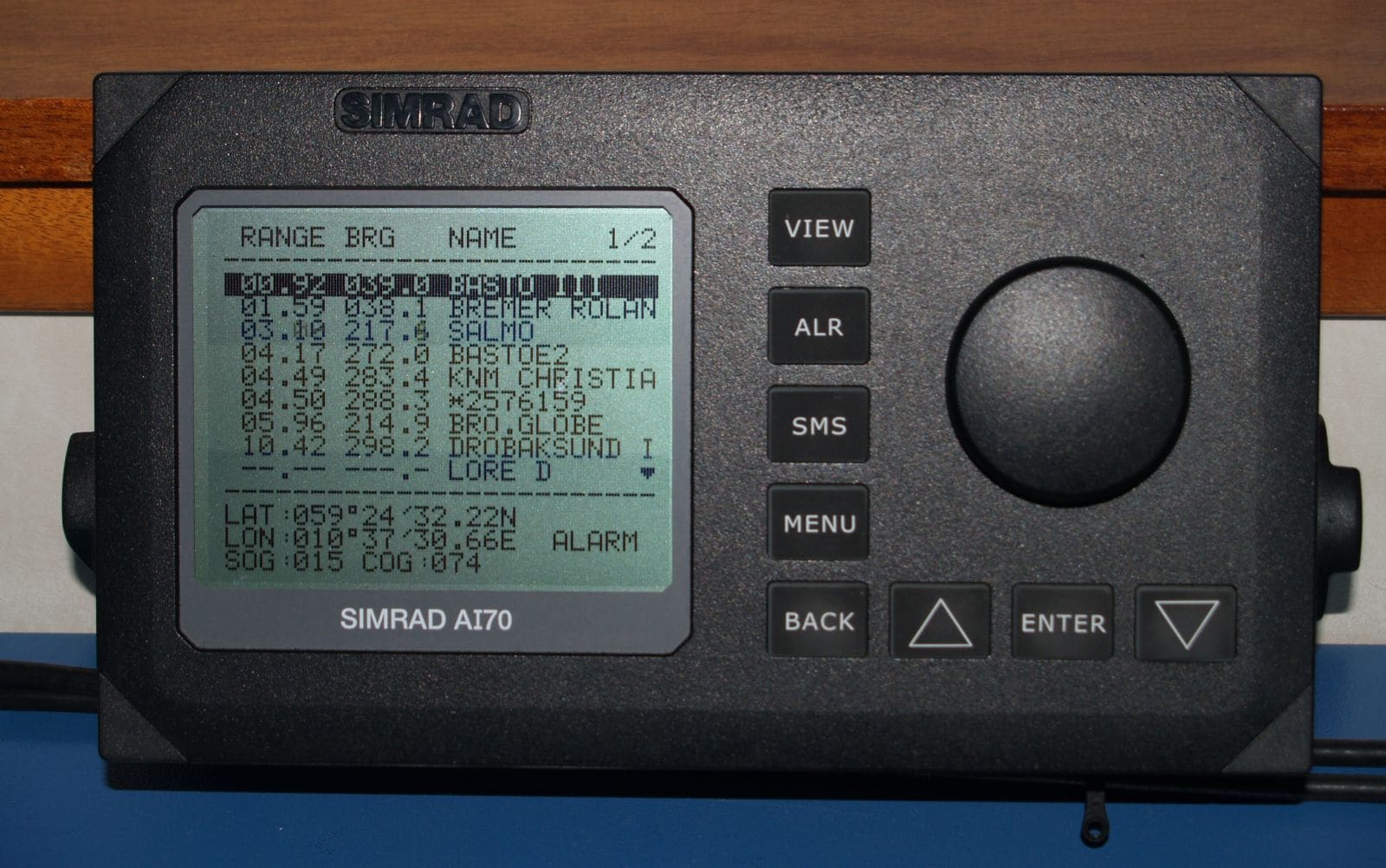
AIS on Your Boat: Receiver vs. Class B, MMSI Programming, Antennas and Checking You're Seen
Choose between a receive-only AIS and a Class B transponder, get the MMSI programmed the legal way, sort out the GPS and VHF antenna (or splitter), confirm other boats and the Coast Guard actually see you, and understand silent mode and AIS man-overboard beacons.
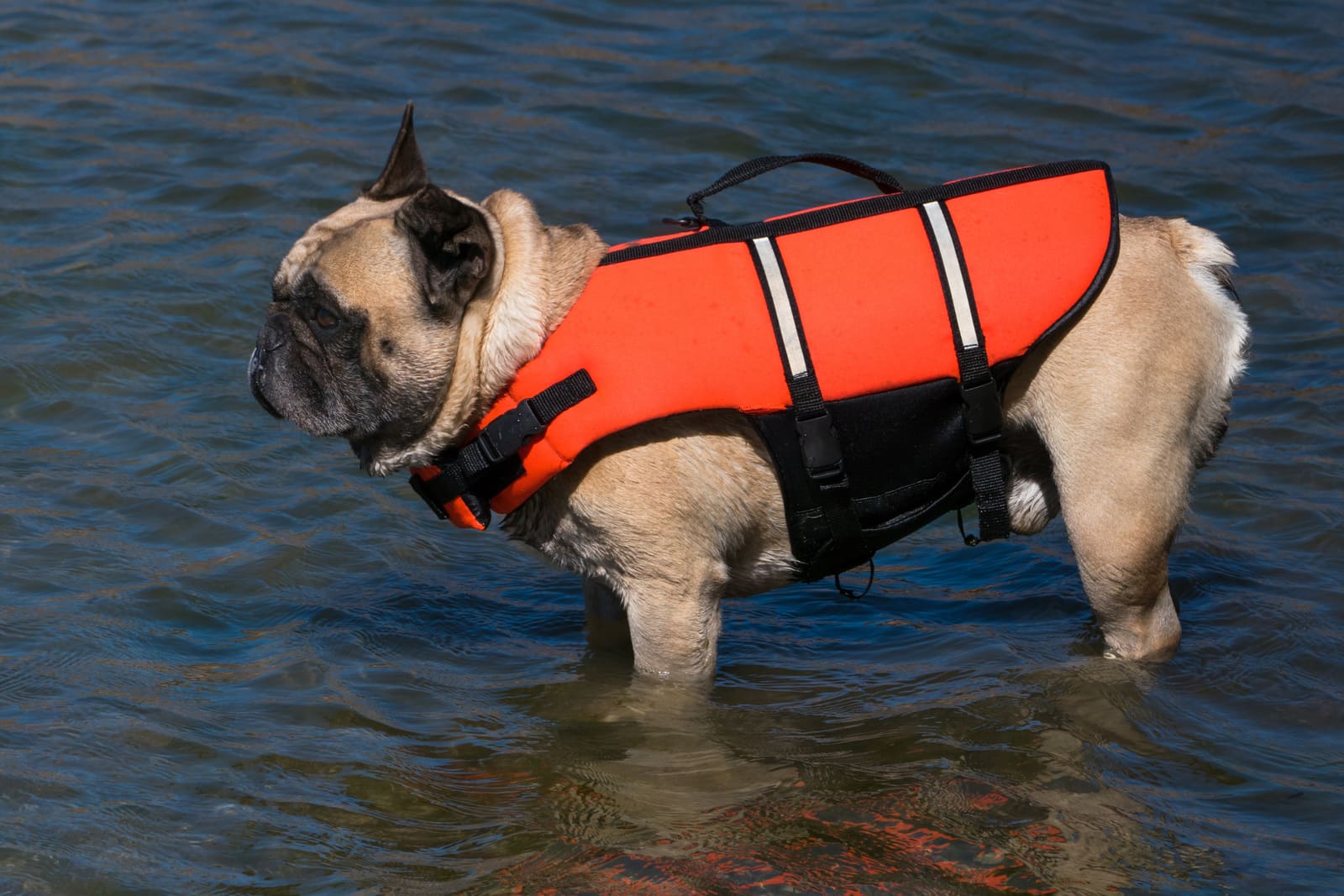
Dogs and Pets Aboard: A Safety Checklist for Boat Owners
Set your boat and your dog up for a safe day on the water, from a well-fitted pet life jacket with a handle to shade, fresh water, safe boarding and a plan for getting a dog back aboard if it goes over the side.
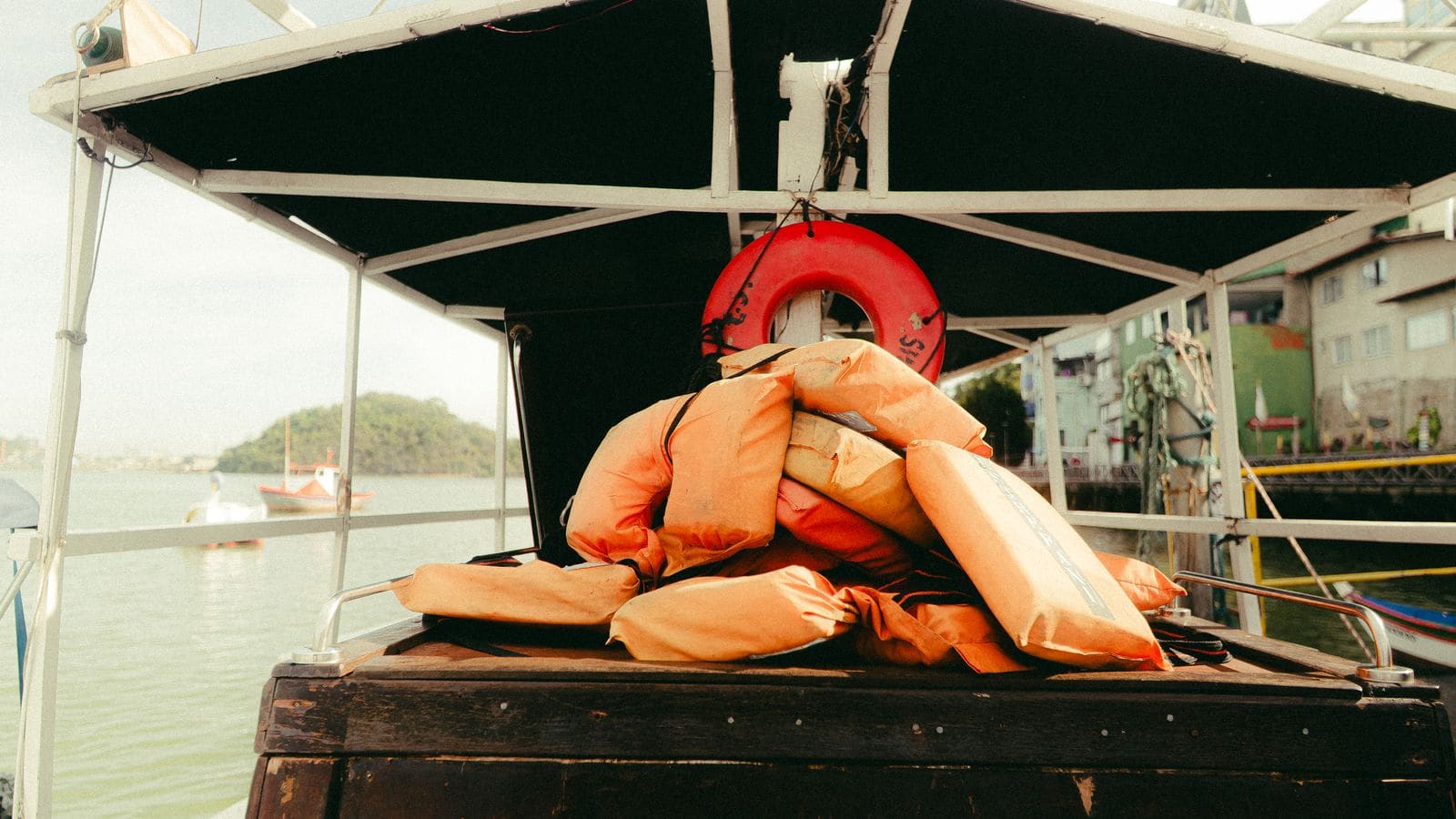
USCG Required Safety Equipment Check by Boat Length
Walk through your boat and confirm you carry every piece of safety gear the US Coast Guard requires for your boat's length and type, and that none of it is expired or worn out. Missing or expired gear is one of the most common tickets on the water, and it is the gear you need when things go wrong.