Where to Clean Fish and Get Rid of the Waste: Marina Rules, State Laws and Fishing Line Recycling
Tossing fish guts over the side is legal in some places and a fine in others, and filleting at sea can break size-limit rules. Learn when to keep fish whole, how to use a cleaning station, what to do with carcasses, and how to recycle old monofilament line, with dated examples from state and federal rules.
Time
30 min
Applies to
All engines
Safety first: Fillet knives cause a lot of boating injuries: cut on a stable surface, away from your body, with a cut-resistant glove, and never while the boat is pounding through waves. In bear country, fish waste can draw bears from a long way off; the Alaska Department of Fish and Game warns that discarded fish waste is a public safety issue. Rules on filleting and disposal differ by state and by water body; the examples here are dated and you must check your current state regulations.
Owners often ask
- Can I throw fish guts and carcasses back in the lake after filleting?
- Can I fillet my fish on the boat before heading back to the dock?
This guide walks you through it. Still stuck? Ask the AI Mechanic about your engine.
Tools
- Fillet knife and cut-resistant glove
- Cooler with ice, or a fish box
- Heavy-duty trash bags with ties
- Bucket and washdown hose
- Measuring board or tape
- Small sealable container for old fishing line
Parts & supplies
- Boat soap or the cleaner your fish box maker recommends
Before you start
Three separate questions, three sets of rules:
- Where may I clean fish? Marina, ramp, park and campground rules.
- What may I do with the waste? State and local laws, and they really do vary.
- When may I fillet at all? Fishing regulations, because an officer needs to check species and size.
How much rules vary, in two dated examples:
- A Lake Champlain Sea Grant clean-boater sheet (Vermont, 2013) said fish waste should be discarded offshore unless there are length limits for that fish, and that at a marina fish should be cleaned at the designated spot with waste handled as the marina staff directs.
- The Alaska Department of Fish and Game (2011) reminded Anchorage-area anglers that discarding fish waste on public or private property is against state and municipal law, with fines from $300 to $1,000, and that dumping into Anchorage streams and lakes was a problem.
Your state may follow one of those approaches, something in between, or something stricter. The current fishing regulations booklet for your state (and any local rules for the lake or park) is the authority.
Steps
Look in your state's current fishing regulations for:
- Whether you may fillet on the water or must land fish whole
- What form fish must be in for transport (whole, or fillets with skin left on so the species can be identified)
- Fish waste disposal rules for the lake, river or coast you fish
- Any local rules at the ramp, park or marina (often posted at the cleaning station)
Add a note with the date you checked. Rules for saltwater species in federal waters are separate (step 3).
If a species has a size limit, a slot or a bag limit, an officer has to be able to measure it and tell what it is. Until the rules say otherwise:
- Keep fish whole on ice in the cooler or fish box.
- Measure fish as you keep them (closed mouth, tail as your rules describe) and release short or over-slot fish right away.
- Don't mix fish from different anglers' limits in one unlabeled bag if your state counts them per person.
Filleting on the water is where most people get into trouble. Many states require fillets carried to the car or home to keep a patch of skin, or the whole skin, so the species can be identified; some prohibit fillets on the boat entirely. Check yours.
In federal waters (the EEZ, generally beyond state waters), fish caught in some regions must come ashore whole. As of October 2026, the eCFR shows:
Gulf and Caribbean EEZ: finfish must be kept with head and fins intact (50 CFR 622.10), with exceptions such as Atlantic highly migratory species and certain bait.
South Atlantic snapper-grouper: must be kept with head and fins intact; they may be gutted, gilled and scaled but otherwise kept whole until offloaded ashore. The vessel operator is responsible (50 CFR 622.186).
Dolphin (mahi) and wahoo in the Atlantic EEZ: kept with head and fins intact; they may be gutted, gilled and scaled (50 CFR 622.276). There's a narrow exception for fish legally caught in Bahamian waters and carried straight through the EEZ: the skin must stay on the entire fillet, valid Bahamian fishing and cruising permits must be aboard, everyone aboard needs a passport stamped by The Bahamas, nobody may fish in the EEZ on the way, and the fishing gear must be stowed as the rule describes. If you cruise to the Bahamas, read that rule before you fillet your catch over there.
Cobia, king mackerel and Spanish mackerel: kept with head and fins intact in the federal waters listed in 50 CFR 622.381 (the Gulf, and parts of the South Atlantic and Mid-Atlantic depending on the species).
States have their own versions for state waters. Our fish box guide covers keeping a big catch on ice until you're back at the dock.
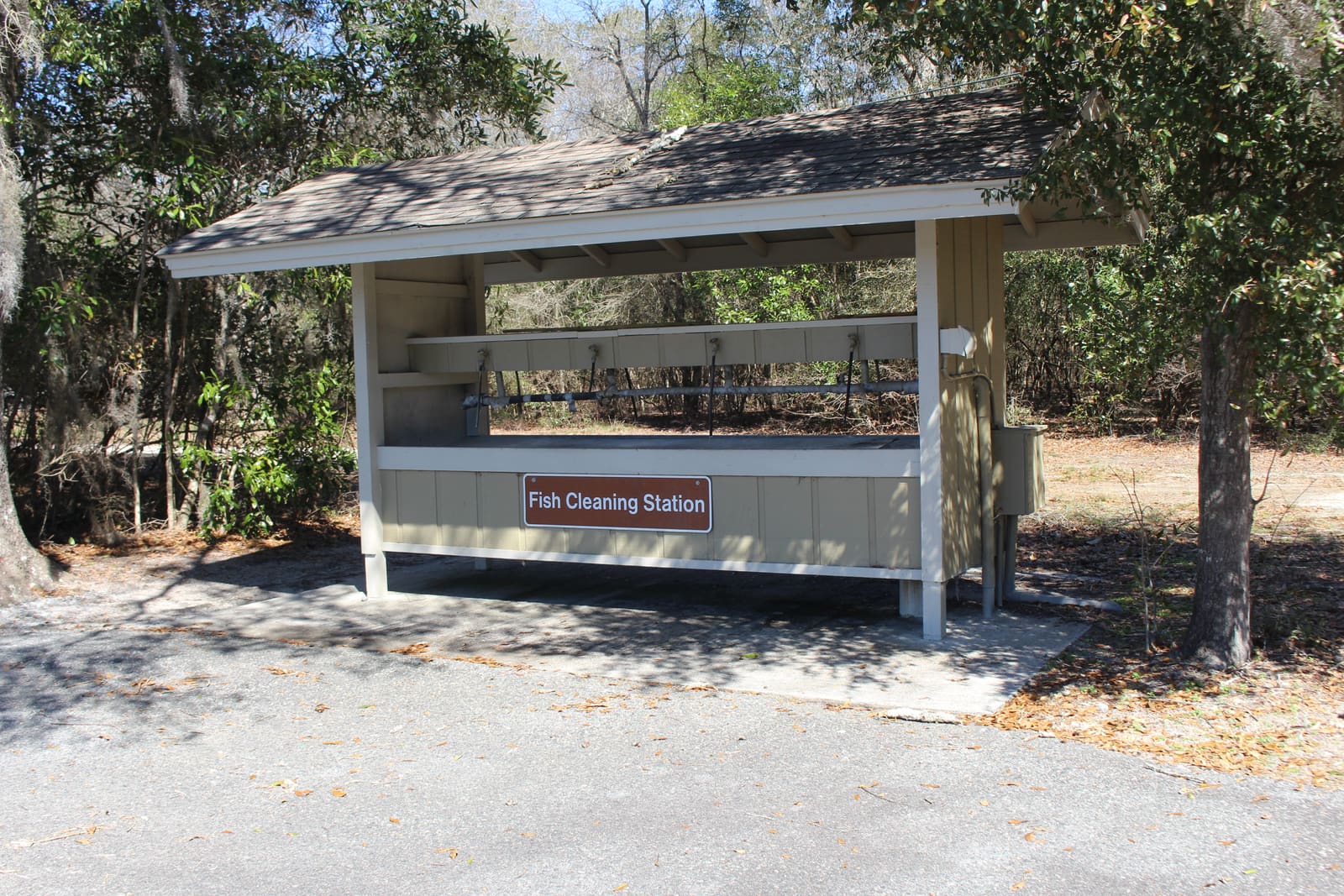
Marinas, state parks and ramps often have a fish cleaning station with a sink, a hose and a grinder or waste bin. Use it the way it's posted:
- Follow the rules on the sign (hours, who may use it, what can go in the grinder).
- Never put bags, line, hooks, ice or trash in a grinder or sink drain.
- Rinse the table when you're done and bag any waste the station doesn't take.
- If the marina has no station, ask the dockmaster where to clean fish and where the waste goes, as the Lake Champlain sheet recommends.
Most marinas don't allow cleaning fish on the dock or dumping waste in the slip. It smells, draws gulls and pests, and fouls the water around everyone's boats.
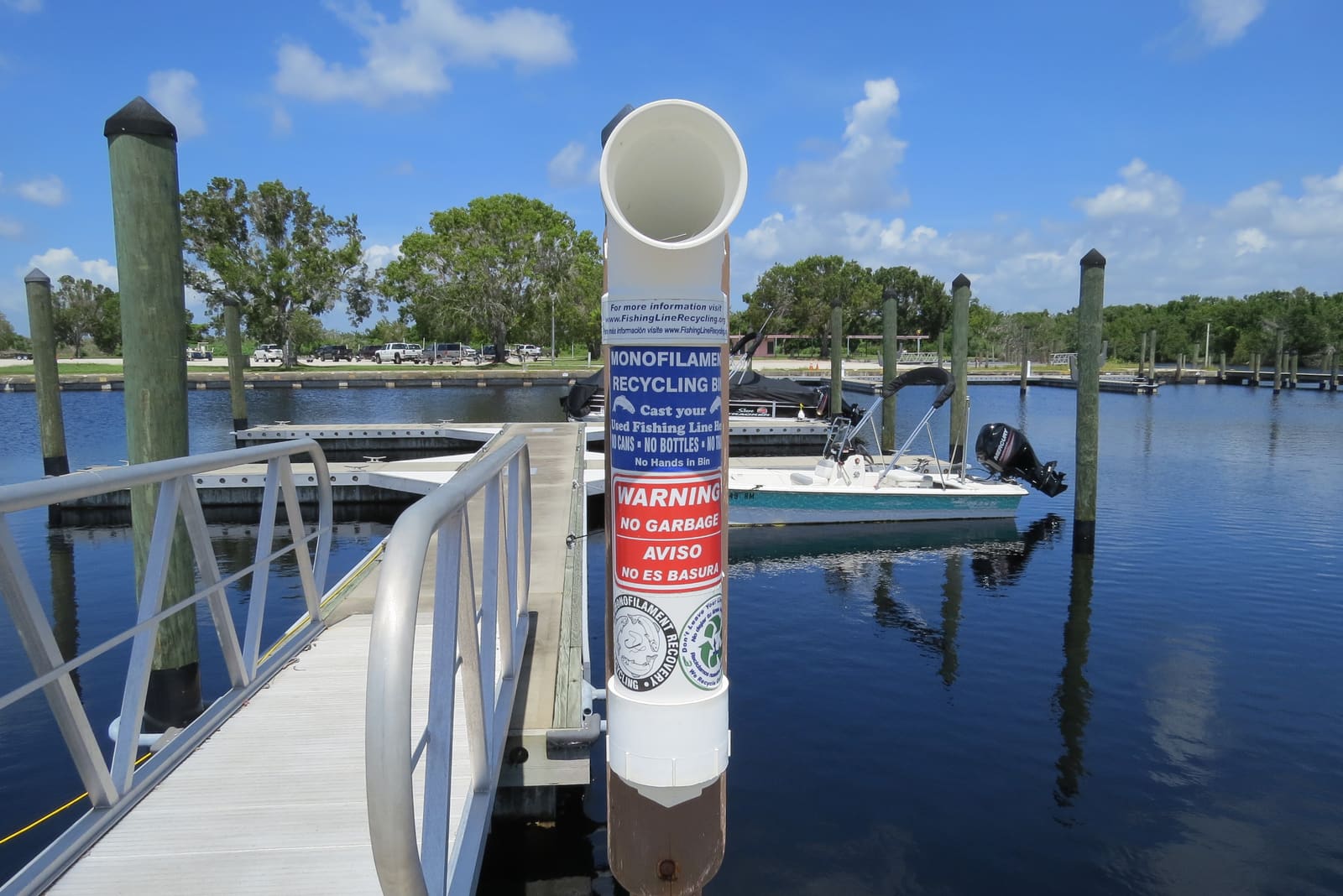
A monofilament recycling tube at a boat dock in Everglades National Park. Line only: no bottles, cans or trash. Photo: NPS Photo / D. Diaz (Everglades National Park) / Wikimedia Commons · Public domain Where it's allowed and the boat is set up for it (a cutting board, washdown pump and a self-draining deck):
- Do it at anchor or drifting in calm water, not underway.
- Keep the waste in a bucket or bag, then dispose of it as your state allows (step 6).
- Wash blood and scales off right away; dried slime is hard to remove and stains gelcoat.
- Don't let scales and guts go down the deck drains into the bilge. Our bilge cleaning and fish box guides cover cleaning and odor control.
Do what your state and the local land manager allow. Common legal options:
- The cleaning station's grinder or waste bin
- Bagged in the trash, where the trash service accepts it. Alaska's 2011 guidance suggested taking carcasses to a transfer station or landfill, or freezing them and putting them out the morning of trash pickup to avoid odors and animals.
- Garden compost or burial at home, if local rules allow
- Back in the water only where your state permits it (some places allow offshore disposal; others prohibit it)
Never dump fish waste at the ramp, on the shoreline, in a stream, or in a neighborhood, and don't carry carcasses from one lake or river to another. Alaska's biologists warned that moving fish carcasses between drainages can spread fish diseases.
Leftover bait has rules too:
- Many states prohibit releasing live bait into the water, and some require draining bait water away from the lake. Our clean-drain-dry and inspection-station guides cover invasive species rules.
- Put unwanted bait in the trash, unless your state allows something else.
Monofilament is a real hazard on the water. The Wisconsin DNR notes it can tangle or be swallowed by wildlife, endanger swimmers, wrap around boat propellers, and last up to 600 years in fresh water.
- Look for fishing line recycling bins (often white PVC tubes) at boat launches, piers and tackle shops; the Lake Champlain sheet also suggests your tackle shop.
- Bins are for line only: no bottles, cans, hooks, lures or trash.
- Wisconsin also lists a mail-in option: Berkley Recycling in Spirit Lake, Iowa.
- Don't put line in your home recycling cart; Wisconsin warns it causes problems at recycling plants. If you must throw it away, bag it so it can't blow loose.
- Keep a small container aboard for scraps of line while you fish.
Line wrapped around the prop can damage seals; if you find some, see our prop and gearcase guides.
Rinse the deck, cutting board and cooler with fresh water and boat soap, run the fish box pump, and leave lids open to dry. Remove fish waste from the bilge and drains before it rots. Wash knives and store them sheathed.
If you see fish dumped at a ramp, a station grinder broken, or a bear or other animals hanging around a cleaning area, tell the marina, park staff, or the state fish and wildlife agency.
Common mistakes
- Filleting fish on the way in, then getting stopped with fillets that can't be measured or identified.
- Assuming "guts over the side" is fine everywhere because it was fine at home.
- Dumping carcasses in the shallows by the ramp.
- Stuffing bags, gloves or line into a cleaning station grinder.
- Putting old line in the household recycling bin, or throwing loose line in an open trash can.
- Letting scales and blood run into the bilge.
When to call a pro
- Your fish box drain or macerator is clogged with scales and won't clear: see our fish box guide or a marine technician.
- Fish waste has rotted in the bilge or under a deck and the smell won't go away: a professional detailer can clean and deodorize hidden areas.
- Fishing line or net is wrapped around the propeller shaft and you see oil in the water or milky gear oil: have the seals checked.
- You're not sure whether a rule applies to your catch: call your state fish and wildlife agency before you fillet.
Tips
- Keep a laminated card in the tackle box with your state's size limits and filleting rules, and the date you checked them.
- Pack a roll of heavy trash bags and a few zip ties in the boat for fish waste.
- Freezing carcasses until trash day cuts odors and keeps animals out of the cans.
- Old line spool or an empty tennis-ball can makes a handy line-scrap container on board.
- If your marina doesn't have a recycling bin, ask; Wisconsin's DNR explains that bins are easy to build from PVC pipe (with the property manager's permission).
Official references
We read these to write this guide. Your engine's own manual always wins.
- Lake Champlain Sea Grant – Clean Boater Fact Sheet, Garbage and Fishing Waste (LCSG-2013-12)
- Alaska Department of Fish and Game – Illegally Discarded Fish Waste May Draw Bears, Fines for Violators (July 25, 2011)
- eCFR – 50 CFR 622.10, Landing fish intact (Gulf and Caribbean EEZ)
- eCFR – 50 CFR 622.186, Landing fish intact (South Atlantic snapper-grouper)
- eCFR – 50 CFR 622.276, Landing fish intact (Atlantic dolphin and wahoo)
- eCFR – 50 CFR 622.381, Landing fish intact (cobia, king and Spanish mackerel)
- Wisconsin DNR – Recycling monofilament fishing line
Safety: BoatMend is for information only and does not replace a certified marine technician. You are responsible for your safety and your boat. Read the full disclaimer.
Last updated 2026-10-26
Related guides
Fish Box Drains and Macerator Pumps: Clogs, Check Valves and Odor Control
Keep insulated fish boxes draining and smelling clean by clearing scale and slime clogs, checking the macerator pump, check valve and fuse, rinsing after every trip and making sure the water goes overboard instead of into the bilge.
Livewell, Baitwell and Washdown Pumps - Clean, Troubleshoot and Winterize
Find out why a livewell or washdown pump runs but moves no water, from a closed valve or clogged pickup to an airlock, then clean the system and winterize both sides of every pump so nothing cracks over the winter.
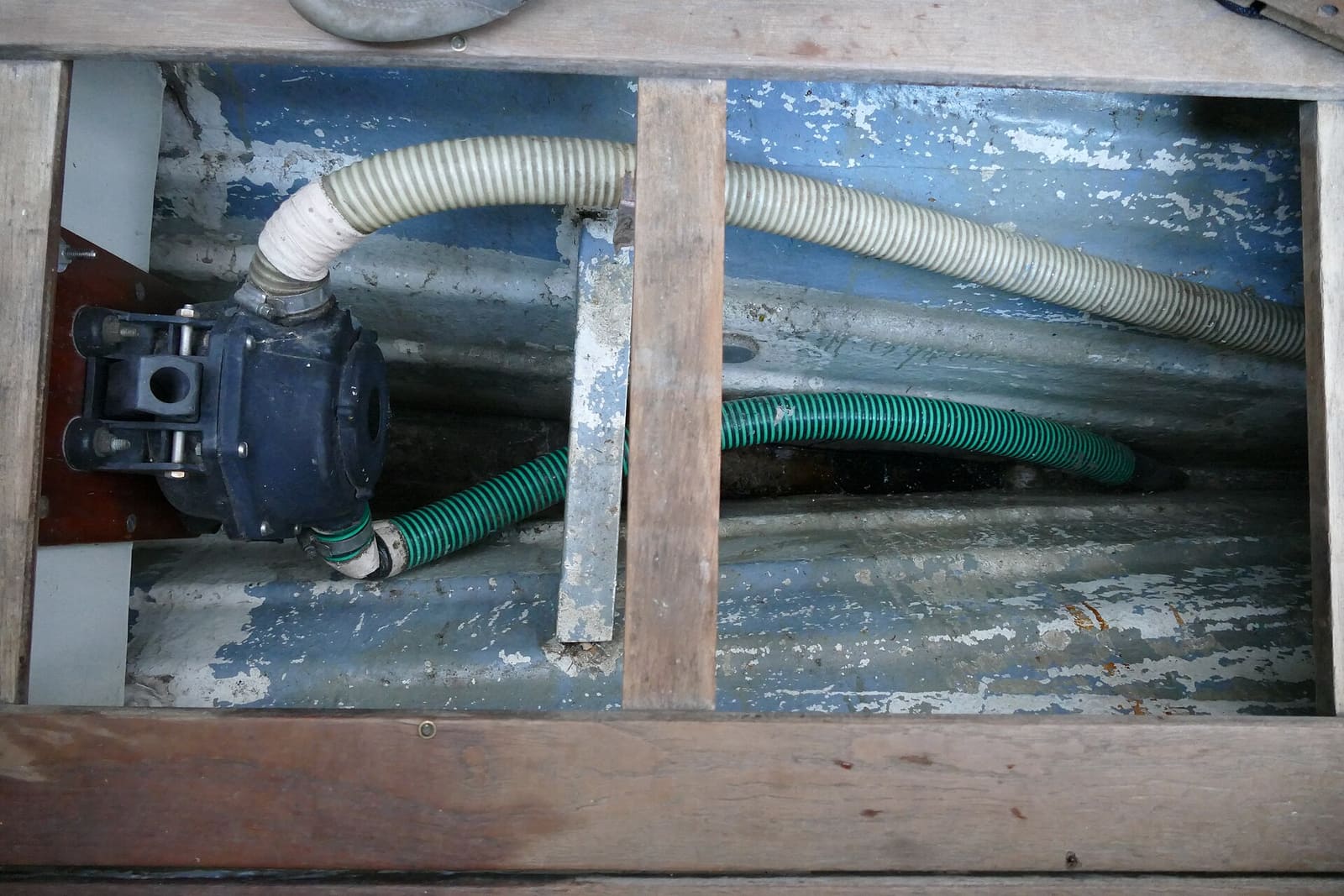
How to Clean Your Boat's Bilge (Legally, and Without the Smell)
Get oil, sludge and debris out of the bilge without pumping pollution overboard, choose absorbents that actually work, track down bilge odors, clear limber holes and the pump pickup, and dispose of the mess the right way.
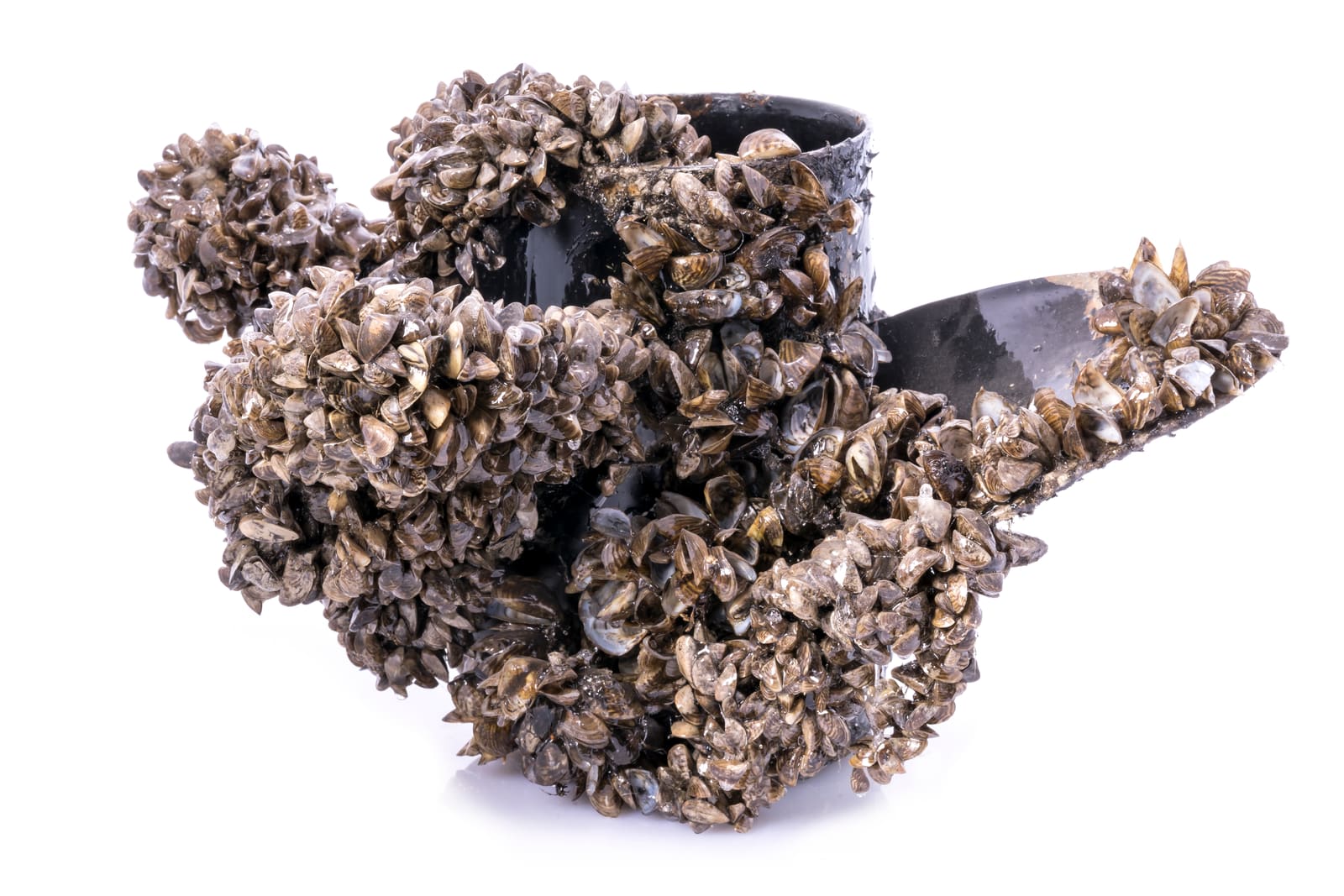
Clean, Drain, Dry: Stopping Zebra and Quagga Mussels and Other Invasive Species
What Clean, Drain, Dry means in practice for your boat, trailer and motor, what to drain before you leave the ramp, what happens at a watercraft inspection or decontamination station, and examples of state rules you may run into when you trailer between lakes.
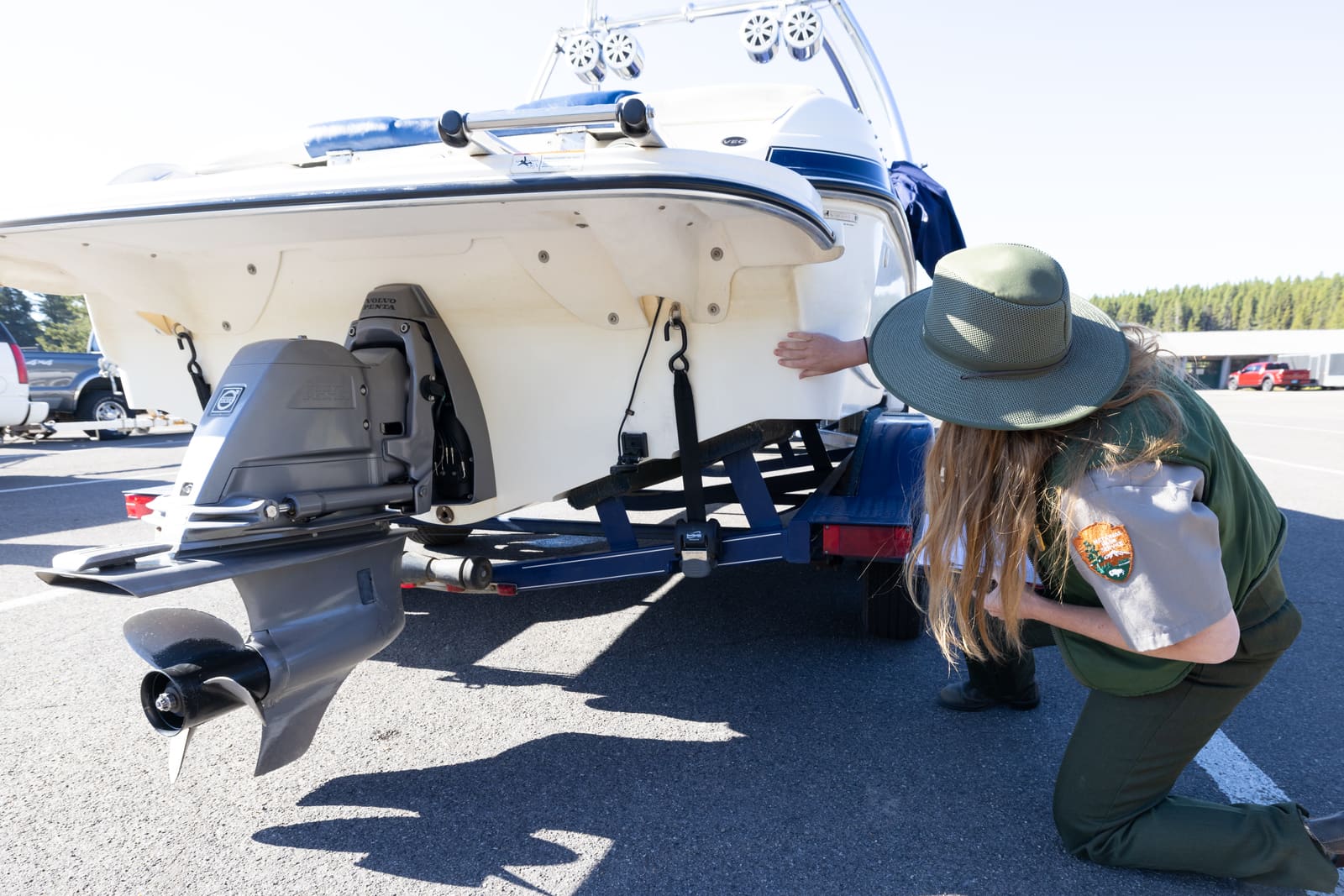
How to Get Through Aquatic Invasive Species Boat Inspection Stations
Many states, especially in the West, make you stop at an inspection station before you launch or when you cross the state line, to keep zebra and quagga mussels out. Learn what inspectors check, when they decontaminate, what decals, courses and seals you may need, and how to arrive clean, drained and dry so you're through fast.
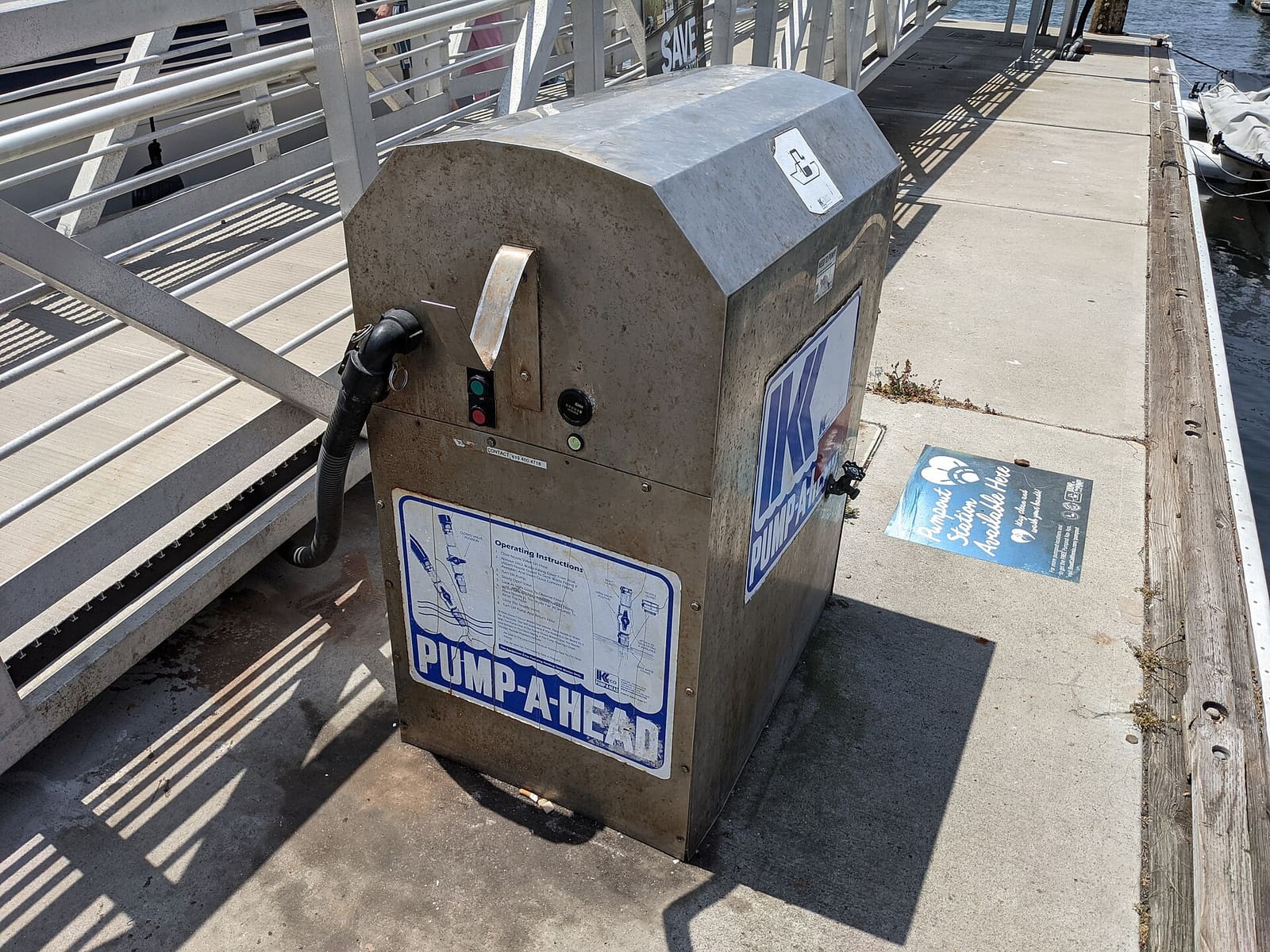
How to Use a Pump-Out Station: Finding One, Hooking Up and Rinsing the Tank
Find a pump-out near you with state maps and free apps, hook up to the deck fitting without spills, rinse the holding tank, leave the station clean for the next boat and know the rules for no-discharge zones and mobile pump-out boats.
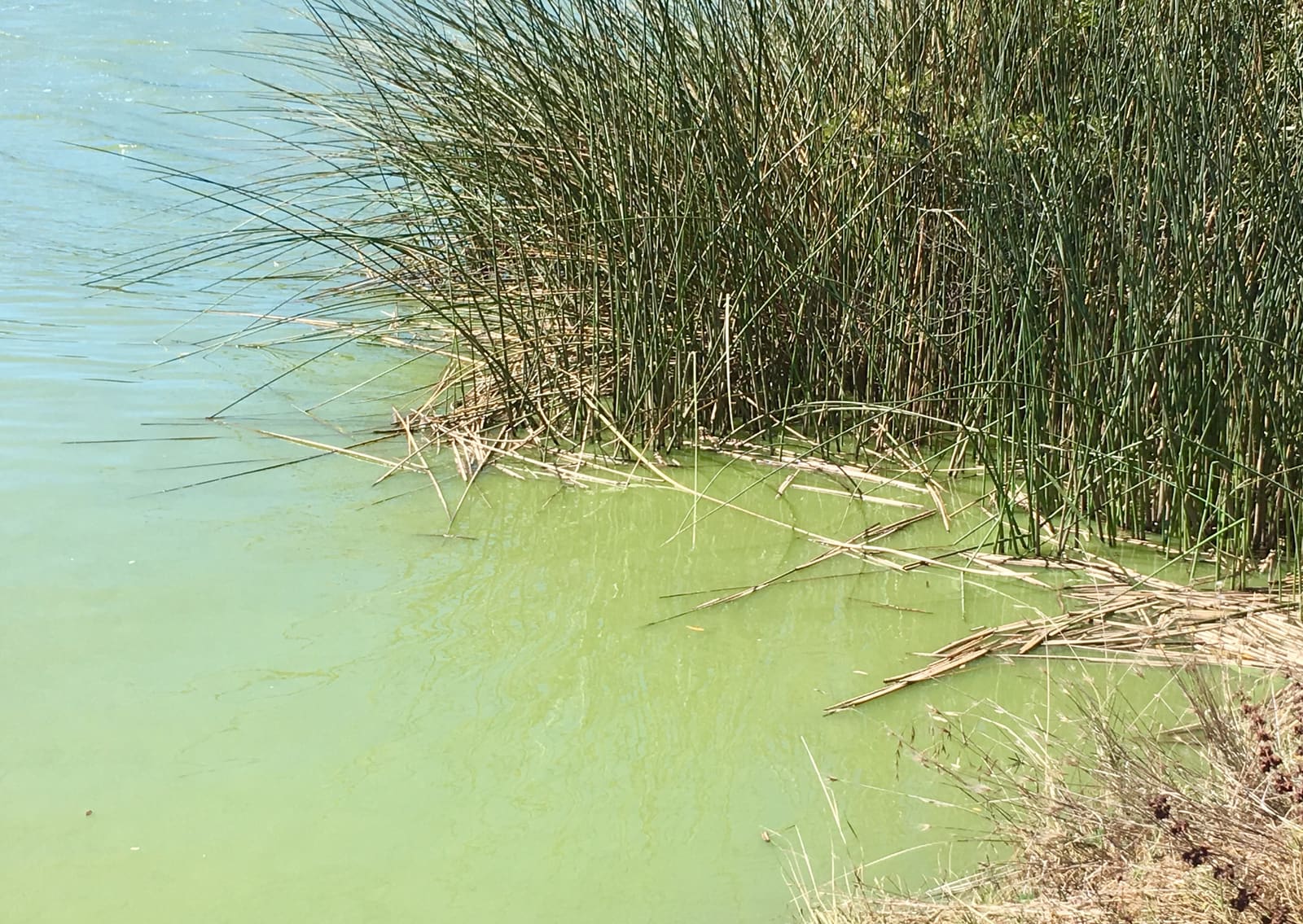
Harmful Algae Blooms: How Boaters Spot Them, Check Advisories and Clean Up Afterward
Blue-green algae and red tide can sicken people and kill dogs within hours. Learn what a bloom looks like, where to check state advisories before you launch, how to run the boat around one, and how to rinse the hull, trailer, gear and your dog afterward. Includes what health agencies say about eating fish from bloom areas.