How to Protect Your Boat, Motor and Trailer From Theft
Practical, layered security for boat owners: outboard locks, trailer coupler and wheel locks, disabling the boat, GPS trackers, engraving and marking, photo and serial number records, safer storage, and exactly what to report (HIN and serial numbers) if your boat is stolen.
Time
2 h
Applies to
All engines
Safety first: Never confront a thief or try to get your boat back yourself, even if your GPS tracker shows exactly where it is. Call 911 and let the police handle it. If you install a hidden kill or battery cut-off switch, use proper marine wire, fuses and connectors, or have a marine electrician do it: a bad splice near fuel or batteries is a fire risk.
Owners often ask
- What is the best way to keep my boat and trailer from being stolen from my driveway?
- Are outboard motor locks worth it, and what else stops someone from stealing my motor?
This guide walks you through it. Still stuck? Ask the AI Mechanic about your engine.
Tools
- Phone or camera
- Engraving pen or etching tool
- Basic hand tools for installing locks and brackets
- Notebook or a secure cloud folder for records
Parts & supplies
- Trailer coupler (hitch) lock, or a removable tongue
- Wheel lock or wheel clamp, and a heavy chain or cable with a quality padlock
- Outboard motor lock (clamp-screw or bracket style) for your motor size
- GPS tracker or boat monitoring system (optional)
- Hidden battery or ignition cut-off switch (optional, installed by a pro if wiring is involved)
- Motion-activated lights for home storage (optional)
Before you start
Boat theft is mostly a crime of opportunity, and thieves look for the easiest target. The numbers make that clear:
- A five-year BoatUS study of theft claims found that 75% of stolen boats were under 26 feet and 73% were stolen while sitting on their trailers, often from the owner's yard at night. Only about 17% were taken from marinas.
- Only about 1 stolen boat in 10 is ever recovered, according to BoatUS. Many are stripped of engines, electronics and anything removable, then abandoned.
- Only about 15% of owners whose boats were stolen had any kind of lock on them.
- The National Insurance Crime Bureau counted 4,240 watercraft thefts in 2019 and 4,644 in 2021. Personal watercraft were the most stolen type both years (1,292 in 2021), and they also had the lowest recovery rate. Thefts peak in summer (July was the worst month in 2021), but owners in warm coastal states see thefts all year.
- Florida led the BoatUS theft claims by far (47%), followed by California and Texas.
Your goal is to make your boat slower, noisier and riskier to steal than the next one, and to have the records ready that help police identify it if the worst happens.
Steps
Write down and photograph:
- The Hull Identification Number (HIN) on the starboard side of the transom (12 characters). Boats built after August 1, 1984 also have a hidden secondary HIN inside the hull; know where yours is.
- Your state registration number and registration certificate number
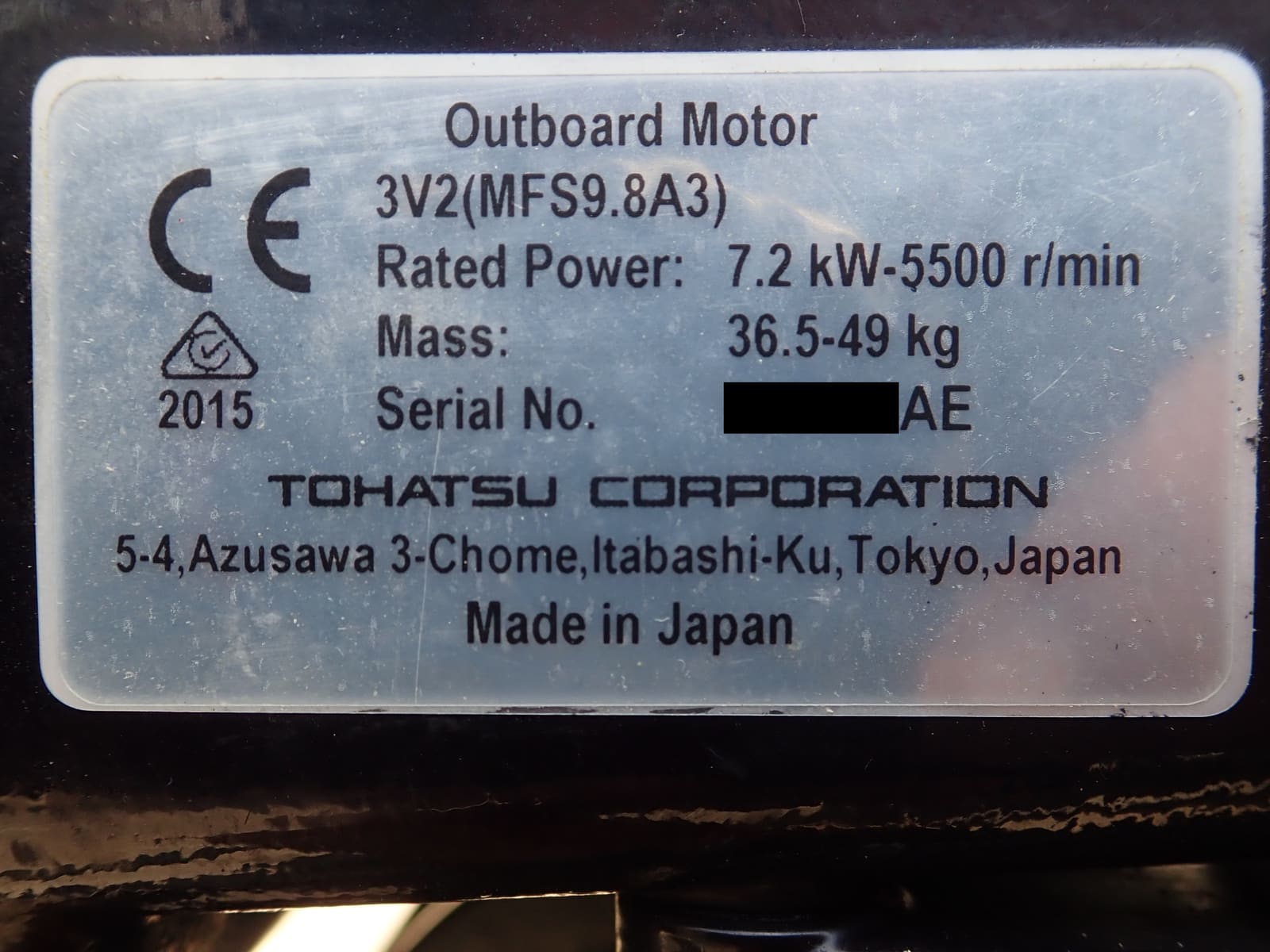
- Engine serial numbers, plus the transom assembly and outdrive numbers on sterndrives
- The trailer VIN and license plate
- Serial numbers of electronics, trolling motors and other valuable gear
See the engine serial number guide if you cannot find the tags. Keep copies of purchase documents and receipts, which usually list serial numbers too.
BoatUS investigators recommend photos from every side: bow, stern, both sides, helm, interior, engines and serial tags, plus anything unique like graphics, canvas color, upholstery, scratches or repairs. Thieves often remove or alter HINs and change registration numbers, so these details help police and your insurer prove a recovered boat is yours. Store the photos off the boat, in a cloud folder or on another device.
Do the same for loose gear. An insurance agent interviewed by Mercury suggests laying out your rods, reels, tackle and electronics and shooting a quick video, then emailing it to yourself, so you have an up-to-date record for a theft or storm claim. Ask your agent whether that gear is covered by the boat policy; Mercury's article notes that claiming it on a homeowner's policy can push that premium up.
Engrave an identifying number on the outboard, electronics and other removable equipment, and put up warning stickers that say it is marked. Marked parts are harder to sell. BoatUS also mentions microdots: tiny dots with a registered code that can be painted onto engines, drives and the boat to help police identify parts. Never alter or remove the HIN itself: that is illegal.
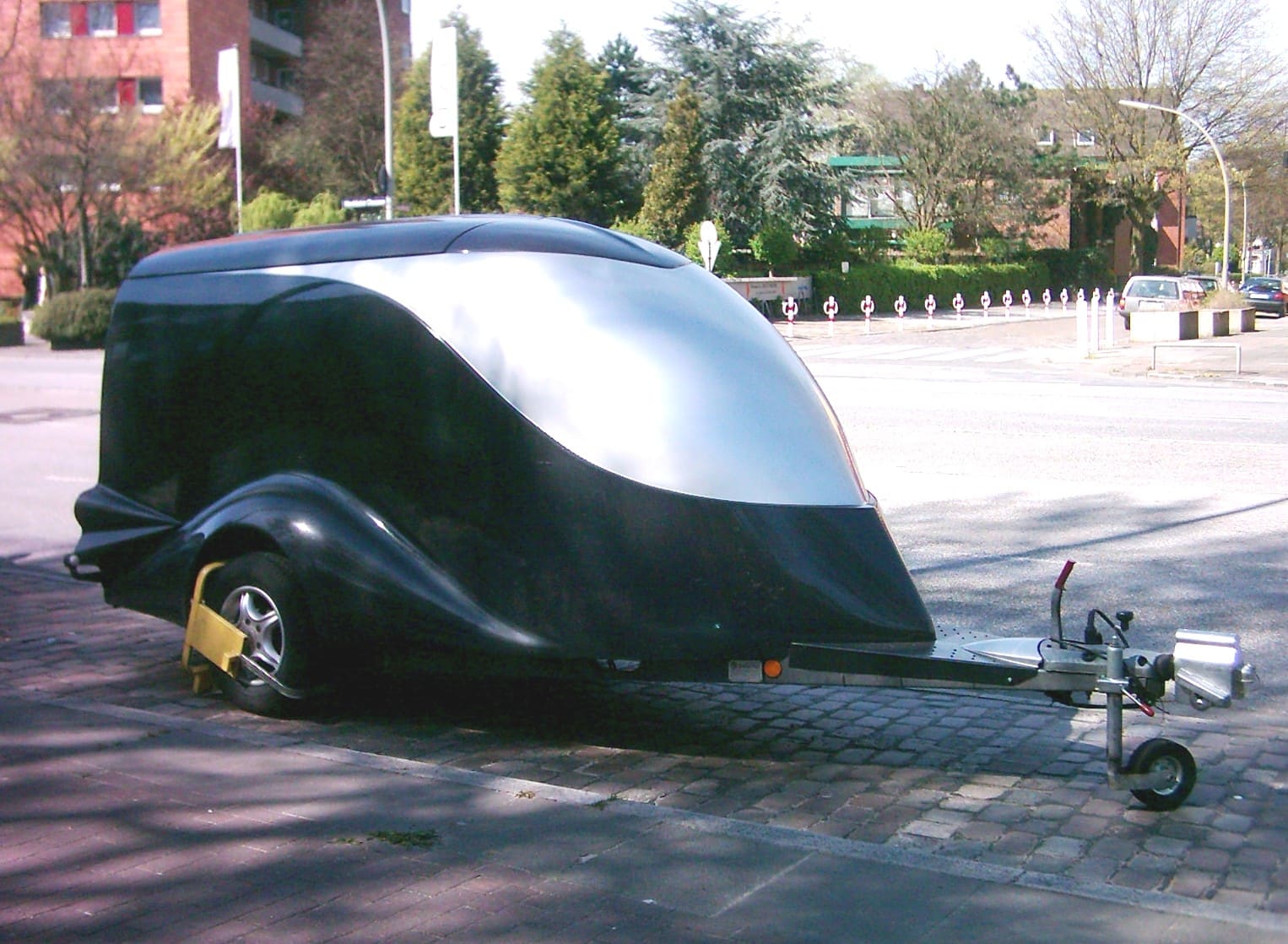
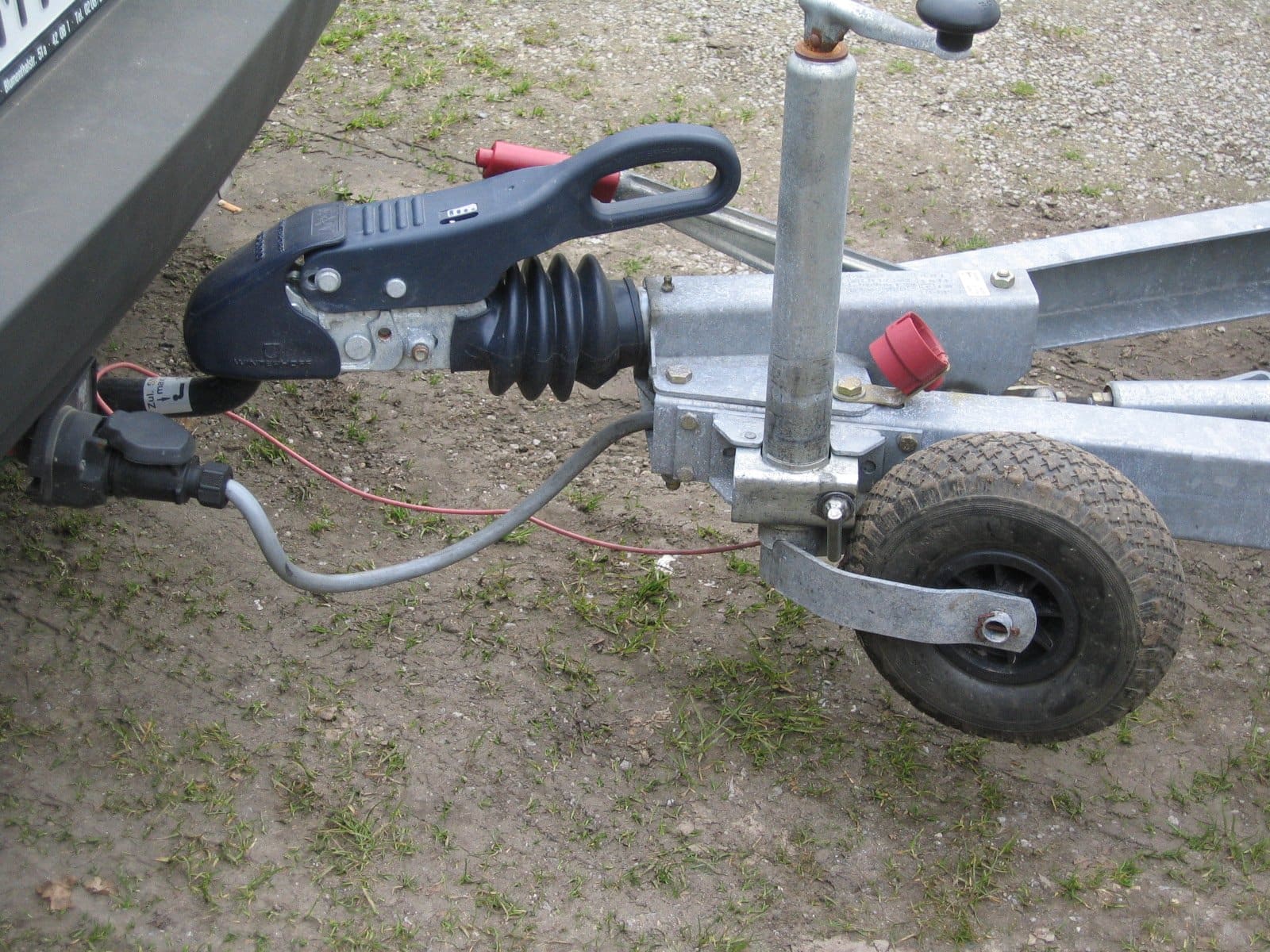
A trailer boat is only as secure as its coupler. Anyone with a hitch ball can hook up an unlocked trailer and drive away.
- Fit a sturdy coupler (hitch) lock whenever the trailer is unhitched. NICB lists a trailer hitch lock among its top tips.
- Even better, BoatUS suggests a removable tongue: take it home, not into the boat. A trailer with no tongue cannot be towed.
- Add a wheel lock or clamp, or run a heavy chain through the wheels and around the frame or axle. Lock the spare tire too.
- For long storage, removing a wheel is even more effective.
- Remove the license plate and, if you can, quick-mount trailer lights. Thieves do not want to be pulled over for missing lights or plates.
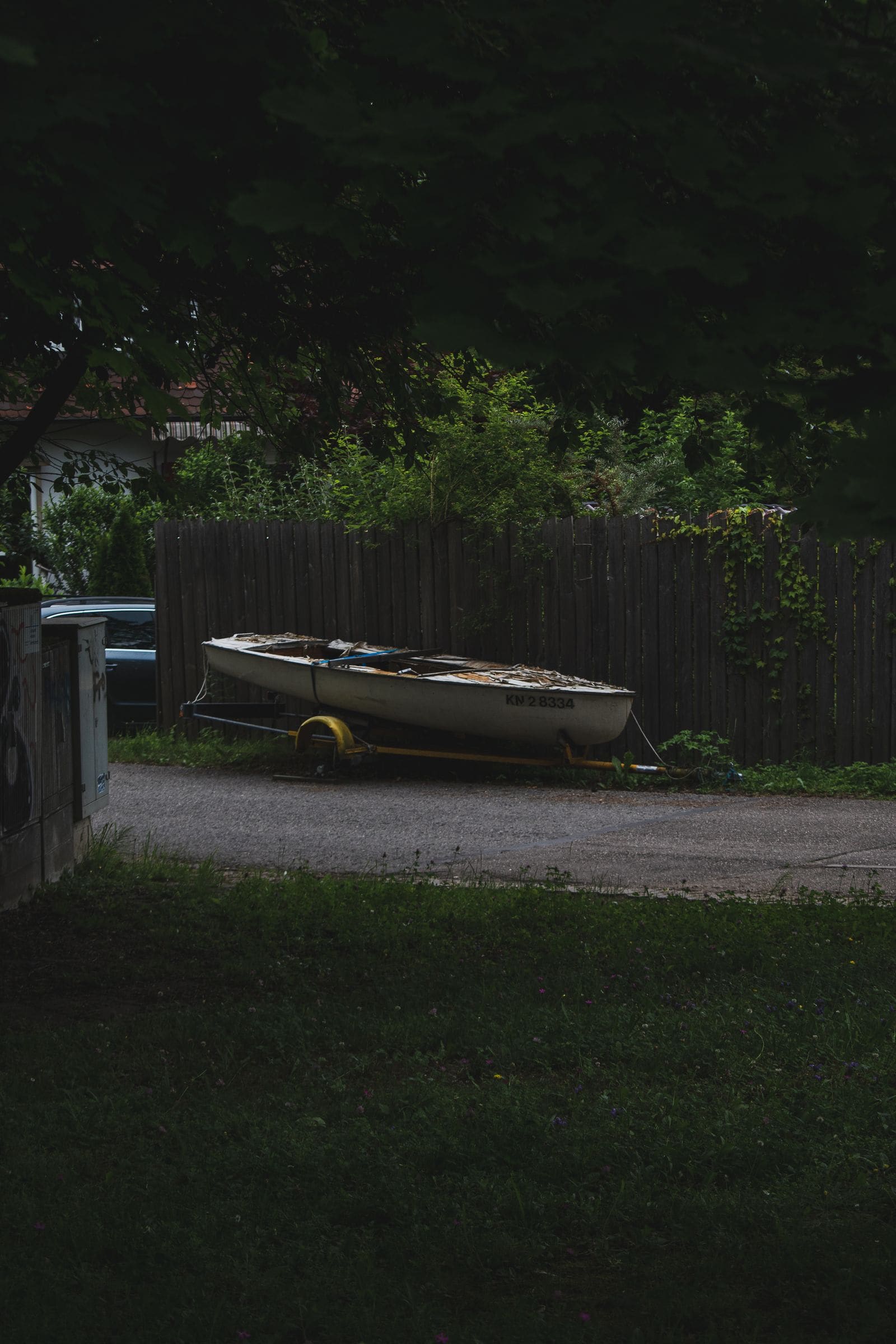
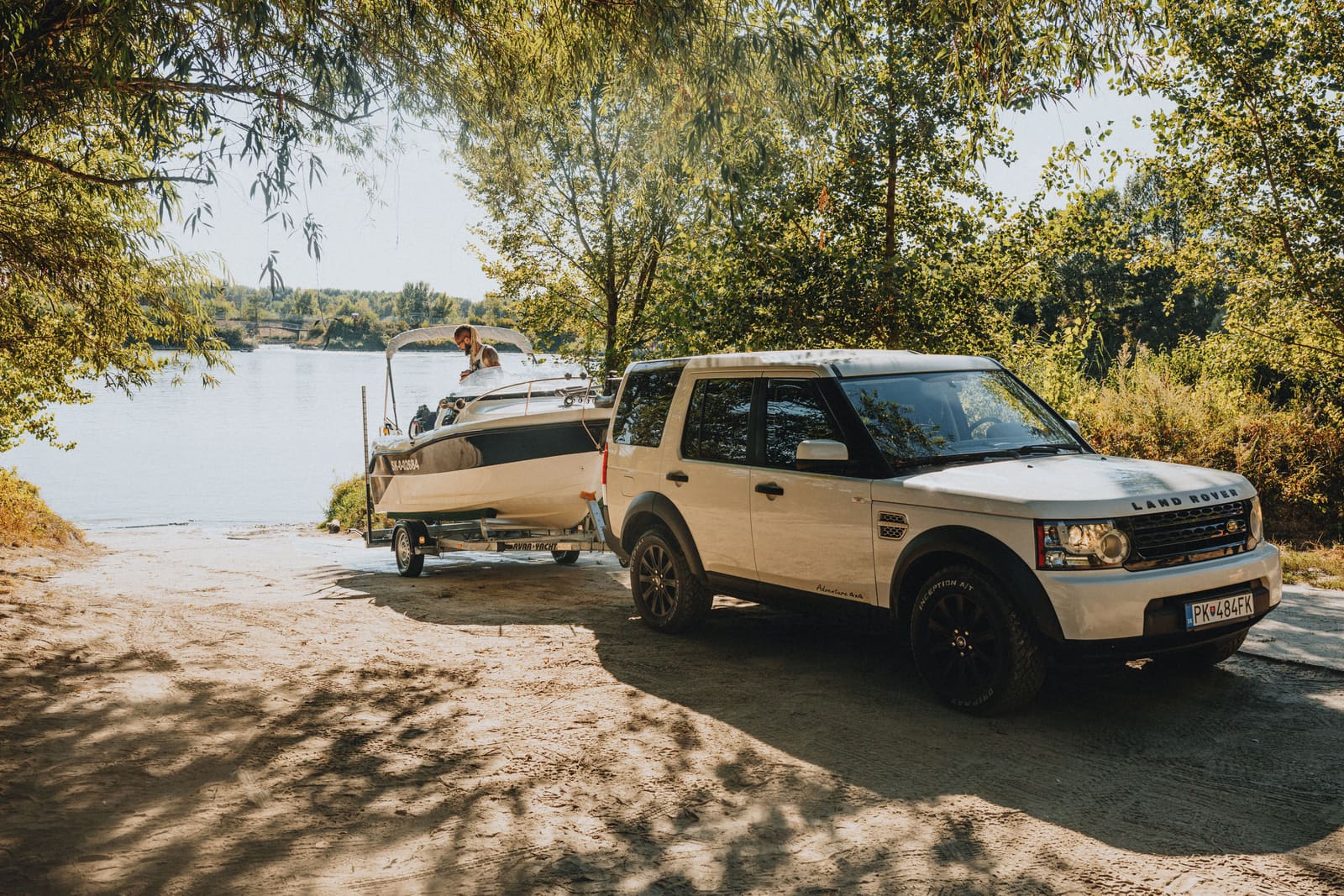
Most stolen boats are small trailer boats taken from driveways and yards. Lock the coupler and wheels every time the trailer is parked. Photo: Leon Lawrence / Pexels · Pexels License - Small outboards: take them off and store them in a locked garage or shed, as BoatUS recommends.
- Larger outboards: use a purpose-made outboard lock over the clamp screws or a locking mounting-bolt nut that needs a special key. Use tamper-resistant fasteners on electronics and motor locks.
- Remove portable valuables: handheld electronics, fishing gear, binoculars, tablets and removable displays. Batteries walk off too, especially from open boats in driveways and storage lots: take them home over the winter or lock the battery box.
- Lock cabin doors, hatches and lockers with good padlocks and hasps that cannot be unscrewed from outside.
BoatUS investigators are blunt: thieves know every hiding spot. Take the keys and the kill switch lanyard with you. NICB and BoatUS both warn not to keep the title or registration papers on the boat, because they make it much easier for a thief to sell it.
Make the boat hard to start or move:
- Remove the battery or switch it off with a lockable or hidden battery switch.
- Shut a fuel valve, as NICB suggests, or install a hidden ignition or fuel cut-off switch.
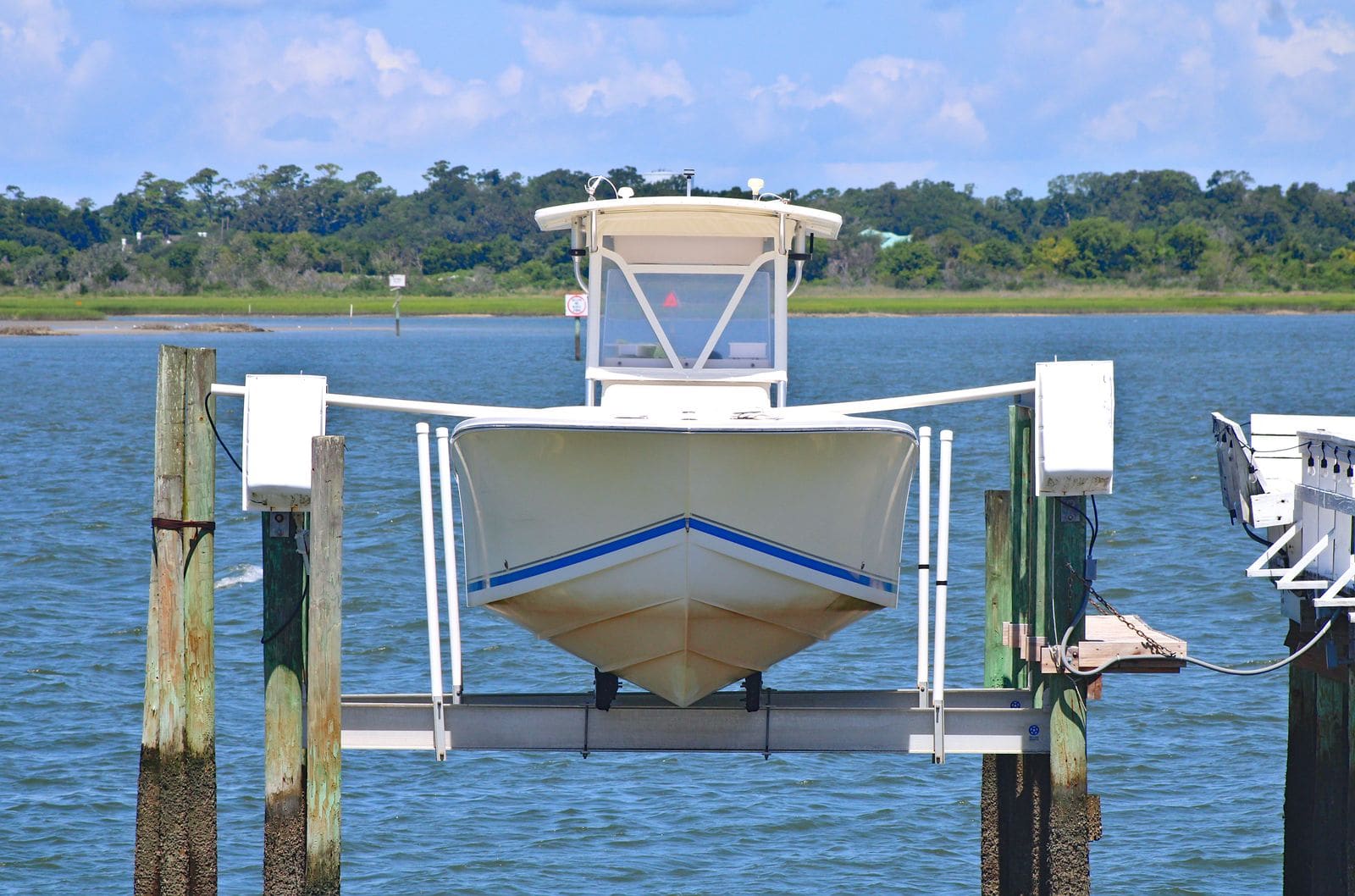
- On a lift, lock the control box or switch off its power at the breaker.
- At a dock or mooring, secure the boat with a steel cable or chain and padlock that cannot be lifted off the piling or cleat.
Trackers and boat monitoring systems can send an alert to your phone if the boat moves, the bilge rises or the battery drops, and can show police where the boat is. Choose one with its own backup battery, hide it well and keep the subscription current. Remember the safety rule above: share the location with police, do not go after the boat yourself.
- At home: park the trailer with the tongue facing the house or a tree, or park your tow vehicle in front of it. Add motion-activated lights mounted out of reach. A full cover hides flashy graphics and gear.
- In storage facilities: ask about security. BoatUS warns that everyone with a gate code can get in, night video is often poor, and many systems record over footage after about 72 hours. Read the contract: many facilities disclaim responsibility for theft.
- At the marina: get to know your dock neighbors and report people who do not belong.
BoatUS warns that a "For Sale" sign on a boat in a public place can attract thieves posing as buyers to check how easy it is to take. Screen buyers by phone, meet them in person, and do not leave the boat unlocked or the keys aboard between showings. See getting your boat ready to sell.
NICB recommends making sure your policy covers the boat, the trailer and the equipment. Ask whether electronics, fishing gear and the trailer are covered, whether coverage applies at home and in storage, and whether the insurer gives discounts for trackers or locks.
Act fast; the first hours matter. NICB's analysis found that the sooner owners call police, the better the odds: of the watercraft that were recovered in 2021, more than half turned up within a week and many within a day.
- Call the police (911 if the theft is in progress) and file a report. Give them the HIN, registration number, engine and outdrive serial numbers, trailer VIN and plate, and your photos. Ask for the report number. Police enter stolen boats into the national crime database that NICB and state agencies use; the Coast Guard's HIN guidance lists the NICB database as one way states check a boat's HIN.
- Call your insurer and give them the report number and your records.
- Tell your state boating agency and, if the boat is documented, the Coast Guard documentation center.
- Alert your marina, storage yard, local dealers and repair shops, and ask them to watch for your engine and boat. Watch online listings for your gear.
- Share your tracker's location only with the police.
Common mistakes
- Thinking "my yard is safe." Most thefts happen to trailer boats at home or in storage.
- Leaving the coupler unlocked "just for tonight."
- Hiding a spare key on the boat.
- Keeping the title and registration in the glove box.
- Using a cheap coupler lock a thief can pry off in seconds; buy one that covers the whole coupler.
- Having no photos or serial numbers, so police cannot prove a recovered boat or engine is yours.
- Confronting a thief after tracking the boat.
When to call a pro
- Installing a hidden battery, ignition or fuel cut-off switch, an alarm or a hardwired tracker: a marine electrician
- Fitting a removable trailer tongue: a trailer shop or welder
- Any theft or break-in in progress: 911
- Questions about theft coverage: your insurance agent
Tips
- Layer your security. A thief who sees a coupler lock, a wheel lock and a motor lock usually moves on to an easier boat.
- Keep a one-page "boat ID sheet" (HIN, serials, plate, photos) on your phone and with your boat records at home.
- Lock up even for a quick lunch stop at the ramp or a restaurant dock.
Official references
We read these to write this guide. Your engine's own manual always wins.
- BoatUS – Analyzing Boat Thefts (five years of theft claims)
- BoatUS – How To Prevent Your Boat From Being Stolen
- BoatUS – Preventing Off-Season Boat Theft
- National Insurance Crime Bureau – 2019 Watercraft Theft Report
- U.S. Coast Guard Boating Safety – Hull Identification Number (HIN) state guidance
- Discover Boating – Play the Numbers Game (Hull Identification Numbers)
- NICB – Watercraft Thefts May Be Down in 2021, But Owners Should Stay Vigilant
- Mercury Marine – How to Insure Your Boat the Right Way (gear inventory)
Safety: BoatMend is for information only and does not replace a certified marine technician. You are responsible for your safety and your boat. Read the full disclaimer.
Last updated 2026-10-24
Related guides
How to Find Your Engine's Serial Number, Model and Year (and Get the Official Manual)
Find the ID label on your outboard, sterndrive, inboard diesel or PWC, read the model and serial number correctly, tell it apart from the boat's HIN, and use it to open the free official owner's manual. It's the first step for ordering the right parts and following the right maintenance plan.
Winter Layup Master Checklist (Step-by-Step, With Links to Each Job)
One ordered checklist for putting any boat away for winter, from booking storage and treating the fuel to winterizing the engine, water systems, head and batteries, then blocking, covering and securing the boat. Each step links to the detailed BoatMend guide for that job.
Trailer Tongue Jack and Coupler Care: Grease, Adjust and Know When to Replace
The tongue jack and coupler take a beating from weight, road grit and launch-ramp dunking. A few minutes of cleaning and grease a couple of times a season keeps the jack cranking smoothly and the coupler locking tight on the ball, and tells you when either part is worn out.
Get Your Boat Ready for the Road: Pre-Trailering Checklist
Most trailering trouble starts in the driveway: an engine left without support, a loose strap, a cover that balloons at 60 mph, gear that blows out or tongue weight that makes the rig sway. Work through this checklist before every trip and do a quick walkaround at each stop.
How to Inspect and Maintain a Boat Lift (Cables, Pulleys, Motor, Bunks and Storm Prep)
Inspect the cables, pulleys, motor, wiring and bunks on your boat lift, center the boat correctly, and prepare the lift and boat for storms and winter. Cable failures and overloading from rainwater or snow are the most common ways lifts drop boats.
Engine Cut-Off Switch (Kill Switch) and Lanyard: The Law, Testing and Daily Use
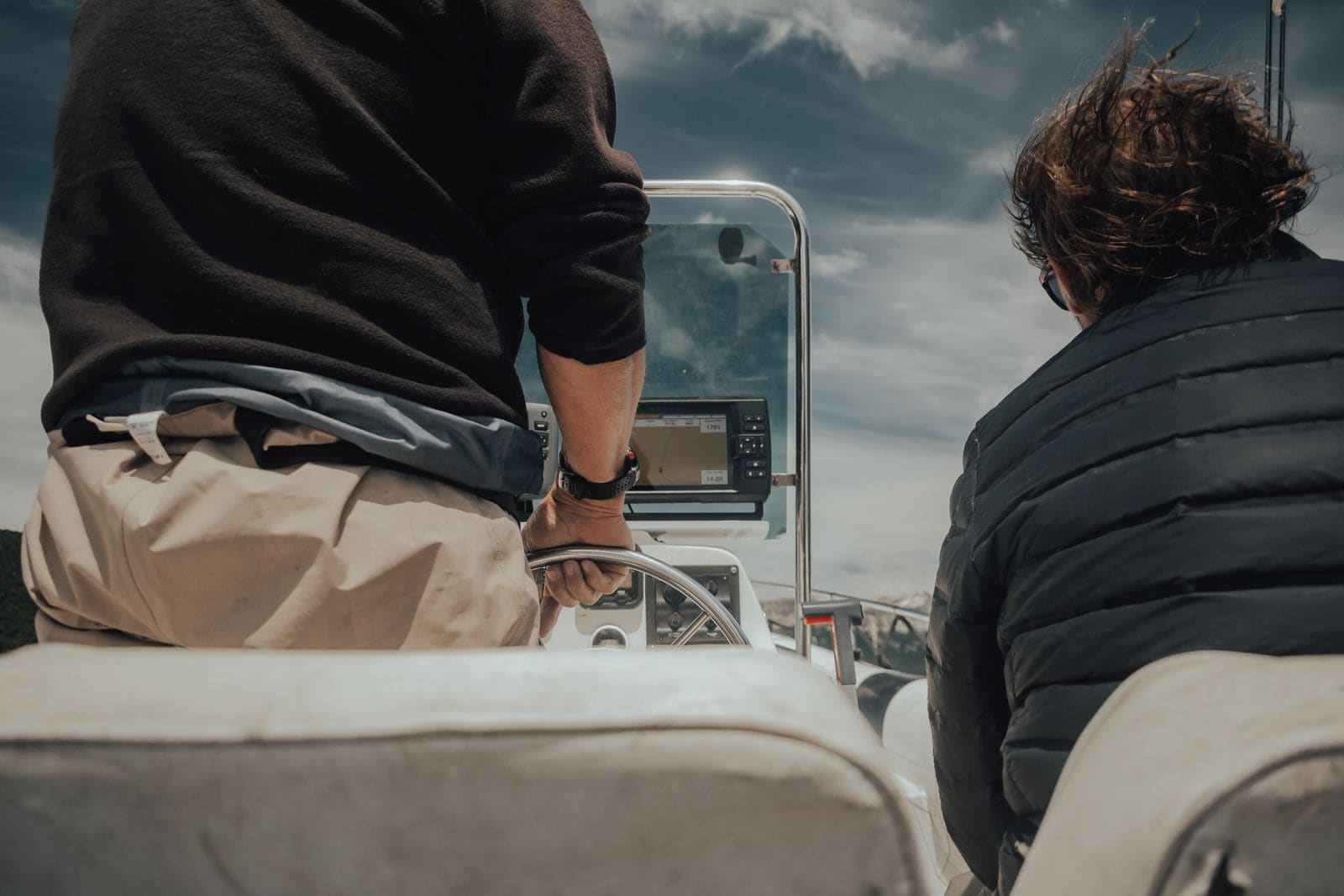
How the engine cut-off switch (ECOS) and its lanyard or wireless fob work, when federal law requires you to wear it (boats under 26 feet, 3 hp or more, on plane), how to test it before every trip, and why a spare clip aboard matters.

How to Get Your Boat Ready to Sell (Records, Title and Prep)
Prepare your boat for sale the way buyers and surveyors expect: gather the title, registration and HIN paperwork, organize your maintenance records and receipts, fix the small stuff, detail the boat, get it ready for a sea trial and buyer's survey, and close the deal with the right documents.
How to Prepare Your Boat for an Insurance or Condition Survey
Get ready for a marine survey your insurer or lender asked for: what a SAMS or NAMS surveyor looks at, the common findings you can fix beforehand (hose clamps, seacocks, bilge, fire extinguishers, wiring), the paperwork to have ready, and how to handle the recommendations afterward.

Winter Boat Cover vs Shrink Wrap: Support, Ventilation, Safety and Spring Removal
Choose between a reusable winter cover and shrink wrap, build a support frame that sheds snow, vent it so the boat doesn't mildew, and know the fire risks before you try DIY shrink wrap. Includes spring removal and recycling.