Type I and II Treatment Systems (Electroscan, Purasan, Lectra/San): Care, Salt, Tablets and Winter
A flow-through treatment system lets a boat discharge treated waste where the law allows, but only if it works and only outside no-discharge zones. Learn how these units work, why salt and tablets matter, how to keep electrodes and dispensers clean, how to lock the system in a no-discharge zone, and how to lay it up dry for winter.
Time
1 h
Shop would charge
$200-900
Applies to
All engines · Cabin cruiser, Yacht, Sailboat, Center console
Safety first: You're working with raw sewage, a strong disinfectant and 12- or 24-volt circuits that draw real current. Wear gloves and eye protection, ventilate the head compartment, switch off the treatment system's breaker before opening anything, and never mix the maker's disinfectant tablets with other chemicals or cleaners. Close the toilet's seacocks before disconnecting hoses below the waterline. If you find a hot, melted or burnt-smelling wire or control box, or water coming in that you can't stop, shut the breaker off, close the seacocks and call a marine electrician or TowBoatUS/Sea Tow; in an emergency use VHF channel 16 or 911.
Owners often ask
- Can I use my Lectra/San or Electroscan treatment system in a no-discharge zone if the light says treatment is complete?
- My Electroscan keeps showing a low-salt light in fresh water. Do I just add table salt to the bowl?
- How often should I check the disinfectant tablets in my Purasan treatment system?
This guide walks you through it. Still stuck? Ask the AI Mechanic about your engine.
Tools
- Digital multimeter (to check voltage at the unit while it runs)
- Nitrile gloves, safety glasses and old towels
- Bucket and a hand pump or the marina's pump-out for draining the unit
- Flashlight and a mirror for looking at hoses, fittings and the control panel
- Zip ties (non-releasable) or a small padlock for securing the discharge seacock
Parts & supplies
- Salt recommended by the maker (Raritan names solar salt or water-softener salt pellets)
- Disinfectant tablets or cartridges made for your unit (Purasan-type systems)
- Electrode cleaner, gaskets or parts named in your owner's manual
- Cleaners the maker approves for the toilet and treatment system
Before you start
What these systems are. Federal rules (33 CFR 159.3) sort marine sanitation devices (MSDs) into three types:
- Type I: a flow-through unit that treats waste (usually by chopping it up and disinfecting it) so the discharge has no visible floating solids and a low bacteria count. Allowed only on boats 65 feet or shorter.
- Type II: a flow-through unit built to a stricter standard (lower bacteria count and a limit on suspended solids). Allowed on boats of any length, and mostly seen on larger yachts. EPA explains that these are usually biological systems: the sewage is aerated so bacteria break it down, and the liquid is then disinfected with chlorine tablets, UV light or another method. Their care (air pumps, UV lamps, sludge removal) is model-specific; follow the maker's manual and service schedule.
- Type III: a device that keeps sewage aboard, usually a holding tank. That's covered in the holding tank guide.
The most common Type I units on US recreational boats are Raritan's. The Electroscan (and the older Lectra/San it replaced) uses seawater, electricity and coated electrode plates to make a disinfectant inside the unit, a bit like a saltwater pool chlorinator. The Purasan family uses disinfectant tablets in a separate dispenser instead. Both chop the waste, treat it for a timed cycle and push the previous, treated batch overboard with the next flush. Raritan's Hold N Treat pairs one of them with a small holding tank.
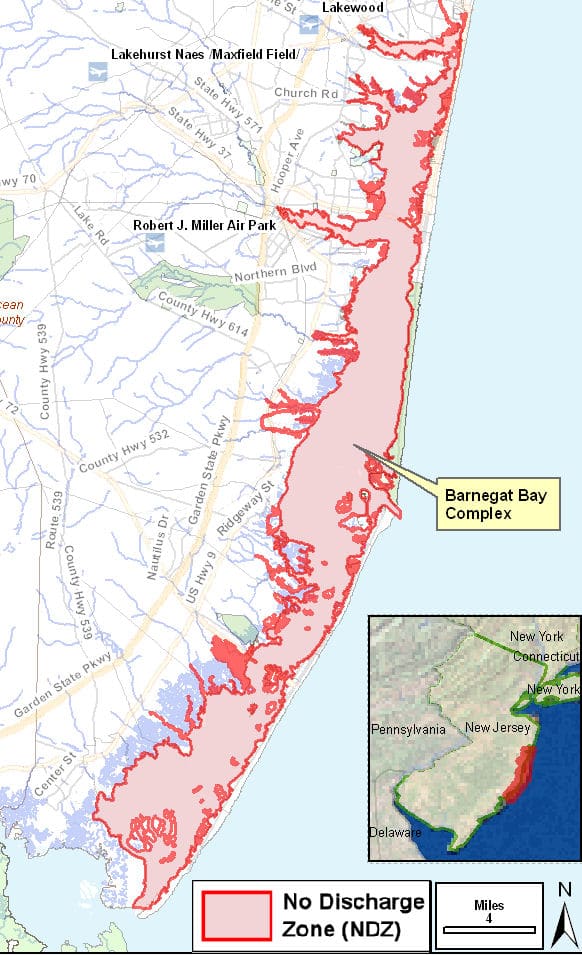
What the law still says. A treatment system doesn't make it legal to discharge everywhere:
- In an EPA no-discharge zone (NDZ), no sewage may go overboard, treated or not. The operator must secure the system so it can't discharge (33 CFR 159.7).
- On landlocked lakes and reservoirs that boats can't enter or leave, and on rivers that interstate traffic can't navigate, federal rules (40 CFR 140.3) also prohibit any discharge, treated or untreated.
- Treated discharge is allowed in other coastal waters, the Great Lakes and connected waterways, and lakes reached through locks, unless an NDZ or state rule says otherwise.
- Some states have declared all their waters, or whole bays, no-discharge. Check EPA's state-by-state NDZ list and your state boating agency before you rely on the system.
What to have ready: the owner's manual for your exact model and serial number (older Lectra/San, Electroscan, Purasan and Purasan EX units all differ), its troubleshooting table, the right salt or tablets, and a plan for where waste goes if the unit is out of service.
Steps
Find the treatment unit (usually a plastic box near the toilet) and its USCG certification label. Write down the brand, model, voltage and serial number, and photograph the label and control panel. Raritan points out that the Lectra/San and Electroscan are treatment units, not toilets: the toilet is a separate product with its own parts and manual. Note whether your boat also has a holding tank and a Y-valve, and where each seacock is.
Read the panel's lights or display section in the manual before you need it. Electroscan controls monitor how hard the electrodes are working and show a fault when treatment isn't adequate (for example low salt, low voltage or a blown fuse). Purasan units show cycle and tablet status. A unit that shows a fault is not treating properly, so don't keep discharging; switch to the holding tank if you have one, or stop using the head until it's fixed.
Raritan says the Electroscan must be operated with every flush; skipping cycles leads to clogging and possible damage. On most installations the toilet and treatment control are linked, but on some you press the treatment button first and then flush within a short window. Teach every guest the routine and post a short note in the head. Use only the amount of toilet paper the toilet maker recommends, and never flush wipes, paper towels or feminine products.
Electrode-type units are designed around full-strength seawater. In fresh or brackish water, or with a freshwater-flush toilet, the unit can't make enough disinfectant and will show a low-salt fault. Raritan's options:
- a salt feed unit that brings the flush water up to seawater salinity, filled with solar salt or water-softener salt pellets
- for Raritan toilets only, adding a small amount of granulated salt to the bowl before each flush (check with the toilet maker before doing this with another brand)
Keep the salt feeder topped up and its lines clear. Raritan also notes that if you mostly boat in fresh water or use freshwater flush, the tablet-based Purasan is the better match.
Purasan units dose disinfectant from tablets (older models used a cartridge or liquid) through a remote dispenser filled by the boat's pressurized fresh water during each cycle. Raritan's FAQ says a tablet typically lasts around 50 cycles, but the water level in the dispenser changes that. Check the dispenser often (EPA notes that most manuals for chlorine-tablet systems advise checking the tablet supply every week or two while the system is in regular use), keep spare tablets aboard, and keep the freshwater system turned on when the head is in use. Use only the tablets made for your unit; don't substitute pool or household chlorine products, and store tablets dry, sealed and away from fuel, oil and acids.
Low voltage is a common cause of poor treatment and fault lights. With the unit running its treatment cycle, measure the voltage at the treatment unit's terminals and compare it with the battery. Raritan's troubleshooting for the Lectra/San EC says the voltage at the unit during the second part of the cycle must not drop below 11.5 volts on a 12-volt system; check your own manual's figure. A big drop between battery and unit means corroded connections, a weak battery or undersized wire. Run the charger or engine while the system works, and have a marine electrician fix wiring problems.
Calcium scale on the electrode plates reduces treatment and shortens electrode life. Raritan lists failing to clean the electrodes every six months among the reasons electrodes wear out early, along with low salinity, water colder than about 50°F and toilet cleaners that coat the plates. Follow your manual's clean-out procedure exactly: breaker off, unit drained, the cleaning solution and soak time it specifies, and new gaskets if the manual calls for them. Look at the plates while they're out; damaged coating means the electrode pack needs replacing.
Raritan recommends only its own bio-active bowl cleaner for its toilets and treatment systems, and warns that cleaners with pine oil, formaldehyde, chlorine, phosphoric acid, solvents or petroleum can damage plastic and rubber parts. Harsh cleaners can also coat electrodes or upset the treatment chemistry. Raritan does say its holding-tank odor product can be used with the Electroscan and Purasan. If your unit is a different brand, follow its list.
Raritan recommends keeping the treatment unit within about six feet of the toilet, so untreated waste doesn't sit in a long hose and smell. If your hose run is longer, odor-resistant sanitation hose helps. If the unit sits higher than the toilet, a vented loop slightly above the unit's top keeps waste from flowing back. Rub a clean damp cloth on the hoses: if the cloth smells, the hose is permeated (see the head hose and sanitation hose guides). A clogged vented loop valve can cause siphoning and back-flow.
Before you enter an NDZ (or a landlocked lake), secure the system so nothing can go overboard. 33 CFR 159.7 lists the accepted ways for Type I and II devices: close the seacock and remove the handle, padlock the seacock closed, hold it closed with a non-releasable wire tie, or lock the door to the head with a padlock or keyed handle. If you have a Y-valve to a holding tank, set it to the tank and secure the overboard side. Inside the zone, use the holding tank and a pump-out station. Never hold waste in the treatment unit and dump it on the way out of a zone without running full treatment cycles.
Raritan is clear: antifreeze must never go into its treatment systems. Instead, the unit is flushed with clean water and pumped or drained dry, following the winterizing steps in the owner's manual for your model. Winterize the toilet with non-toxic antifreeze only if the manual allows it and only with the treatment unit isolated or bypassed as described there; some installations require the toilet to be done with fresh water and pumped dry too. Remove Purasan tablets for storage if the manual says so, drain the salt feeder, and switch off the breaker. In spring, check hoses and clamps, fill the salt feeder or dispenser, and run a few test cycles before the first guest uses the head.
Record salt refills, tablet changes, electrode cleaning dates, fault codes and voltage readings in BoatMend. A fault that shows up more often over a season (especially low salt or low voltage) is an early warning that electrodes, wiring or batteries are getting tired.
Common mistakes
- Thinking a Type I system makes discharge legal everywhere, including no-discharge zones and landlocked lakes.
- Running an electrode unit in fresh water with no salt feed and ignoring the low-salt light.
- Skipping the treatment button "just this once," which leads to clogs and untreated discharge.
- Pouring antifreeze into a Raritan treatment unit at layup.
- Using bleach or household bowl cleaners that damage seals or coat the electrodes.
- Leaving the discharge seacock open and unsecured in an NDZ, where it can draw a fine.
- Flushing with the treatment unit's outlet seacock closed, which can pressurize and crack the unit or hose.
When to call a pro
- A fault light that stays on after you've checked salt, tablets, fuses, voltage and clean electrodes
- A cracked case, leaking gasket or any leak below the waterline
- Hot, discolored or burnt-smelling wiring, or a breaker that keeps tripping
- Adding, replacing or re-plumbing a treatment system, Y-valve or holding tank (the installation must meet USCG rules and the maker's instructions)
- Persistent sewage smell after you've replaced hoses and checked the vented loop
- Electrode pack replacement or control-board work, if you're not comfortable with it
Tips
- Keep a copy of your state's no-discharge areas and the nearest pump-out stations with your charts.
- Carry a spare set of fuses, the maker's tablets and a bag of salt aboard.
- If you often boat in an NDZ, ask about a hold-and-treat setup or more holding-tank capacity rather than relying on treatment.
- Show every crew member how the head and treatment system work before they need them.
Official references
We read these to write this guide. Your engine's own manual always wins.
- eCFR – 33 CFR 159.3: Definitions (Type I, II and III marine sanitation devices)
- eCFR – 33 CFR 159.7: Requirements for vessel operators
- eCFR – 40 CFR 140.3: Marine sanitation device standard
- EPA – Marine Sanitation Devices (MSDs)
- EPA – No-Discharge Zones (NDZs) by State
- EPA – Vessel Sewage Frequently Asked Questions (how MSD types work, chlorine tablet checks)
- Raritan Engineering – FAQ (Electroscan/Lectra/San and Purasan sections)
- Raritan Engineering – Electroscan Treatment System
- Raritan Engineering – Purasan EX 2 Treatment System
- Raritan Engineering – Hold N Treat System
Safety: BoatMend is for information only and does not replace a certified marine technician. You are responsible for your safety and your boat. Read the full disclaimer.
Last updated 2026-11-06
Related guides
Marine Head and Holding Tank Care: Odors, Clogs, Pump-Outs and Winterizing
Keep your boat's toilet and holding tank working and odor-free, clear common clogs, pump out the right way, and winterize the system. Also covers the Y-valve and the federal no-discharge rules every owner with a head needs to follow.
Electric Marine Toilet Troubleshooting: Won't Flush, Weak Flush, Won't Stop Filling
Electric and macerating marine heads fail in a handful of predictable ways. Work from the cheapest checks to the messiest ones to fix a toilet that won't run, flushes weakly, trips its breaker, keeps filling, loses or gains water in the bowl, or backs up, and learn what to keep out of it.
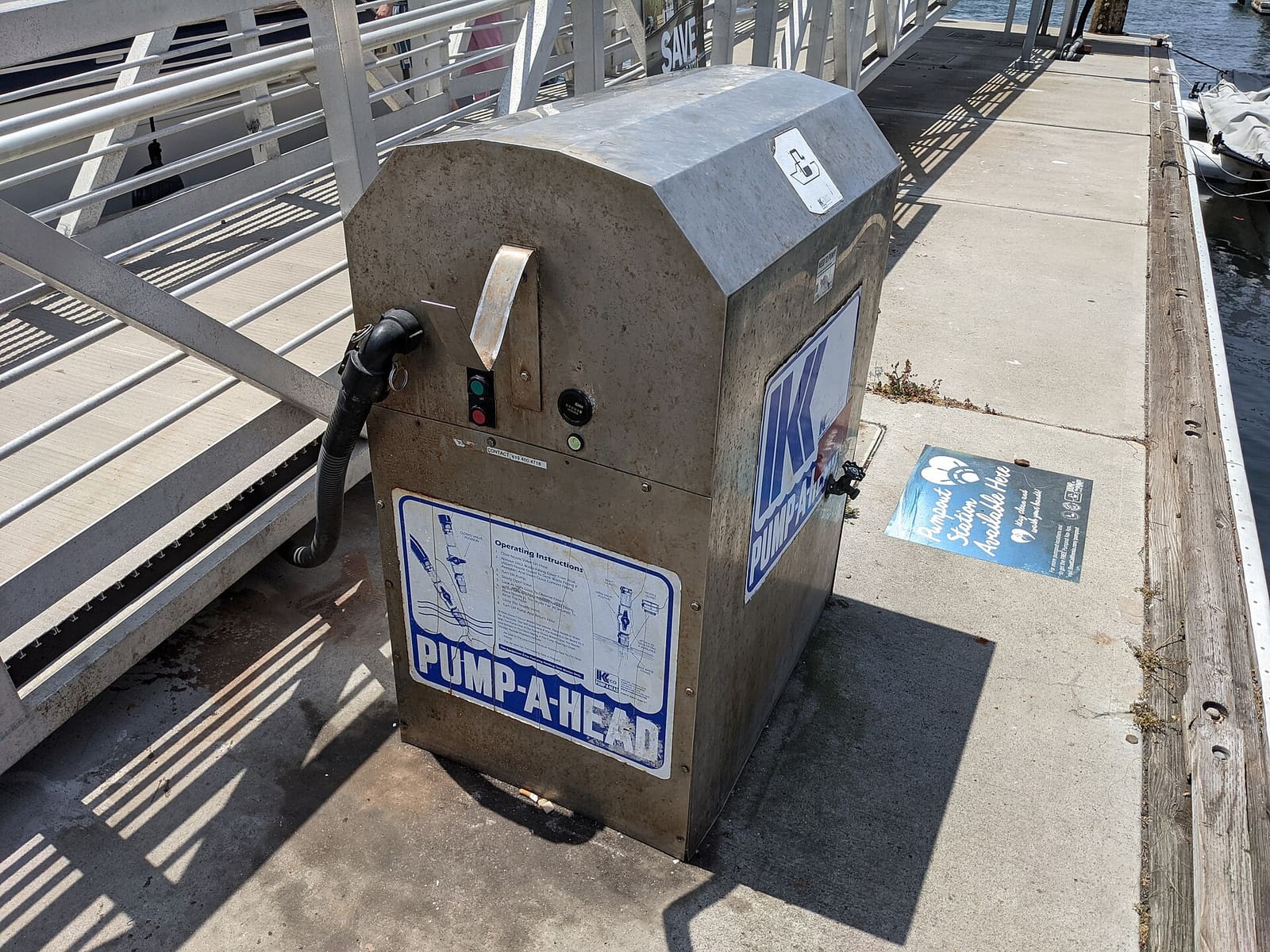
How to Use a Pump-Out Station: Finding One, Hooking Up and Rinsing the Tank
Find a pump-out near you with state maps and free apps, hook up to the deck fitting without spills, rinse the holding tank, leave the station clean for the next boat and know the rules for no-discharge zones and mobile pump-out boats.
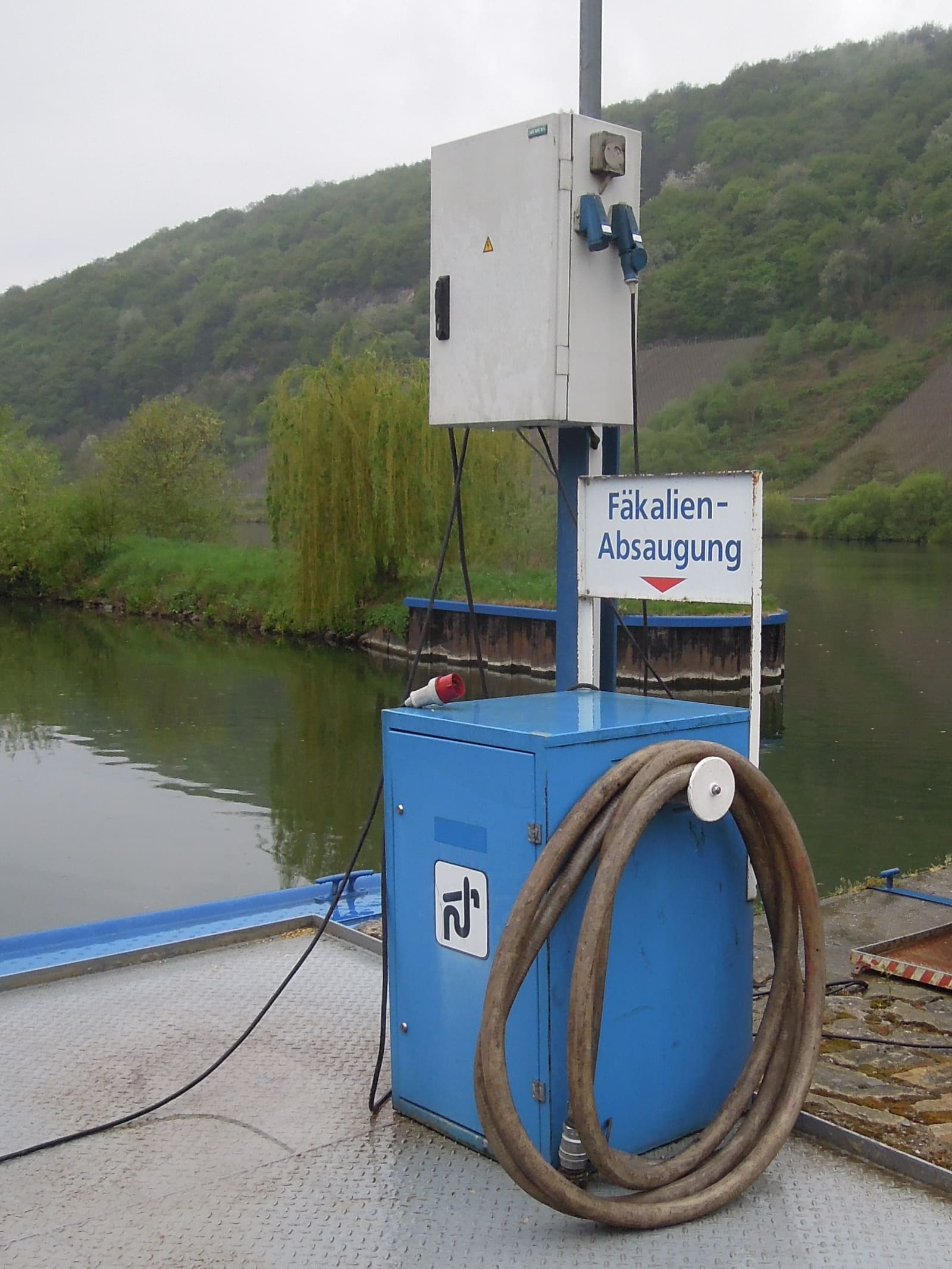
How to Deep Clean a Boat Holding Tank
Clear the buildup that causes odors, slow pump-outs and false tank-level readings with a twice-a-year deep clean: pump out, rinse, soak with a tank-safe cleaning mix, slosh, pump out and rinse again, then inspect the tank and fittings while they are clean.
How to Inspect, Clean and Replace Vented Loops (Anti-Siphon Valves)
A vented loop is a small, easy-to-forget fitting that stops seawater from siphoning into your engine or through your head and into the boat. Learn where they live, why they must sit well above the waterline, how to clean a sticky or clogged valve, when to replace it, and how to spot the hydrolock damage a failed one can cause.
How to Inspect and Exercise Seacocks, Through-Hulls and Hose Clamps
Check every hole in your hull below the waterline, work each seacock open and closed, and inspect the hoses and clamps attached to them. A single failed fitting or hose is one of the most common reasons boats sink at the dock.