How to File a Float Plan: What to Include, Who Gets It and What They Do If You're Late
A float plan is a short written trip plan you leave with someone ashore, not with the Coast Guard. Fill in the free USCG Float Plan or the Coast Guard app, agree on a firm 'call for help by' time, check in when plans change, close the plan when you're home, and give your shore contact clear steps for reporting you overdue.
Time
20 min
Applies to
All engines
Safety first: A float plan only works if someone ashore acts on it. If anyone aboard is in danger, don't wait for your shore contact: call the Coast Guard on VHF channel 16 (or use the DSC distress button), or dial 911. Your shore contact should call for help as soon as the agreed deadline passes, or sooner if they learn you're in trouble.
Owners often ask
- Do I file my float plan with the Coast Guard, or who do I give it to?
- How long should my wife wait before calling the Coast Guard if I am late getting back from fishing?
- What should I put in the extra information box when I register my EPIRB or PLB with NOAA?
This guide walks you through it. Still stuck? Ask the AI Mechanic about your engine.
Tools
- Phone or computer with a PDF reader (for the fillable USCG Float Plan) or the USCG Boating Safety app
- A recent photo of your boat
Before you start
What it is. A float plan is a written description of your boat, the people aboard, where you're going and when you'll be back, left with a reliable person ashore. The Coast Guard explains why: in an emergency there are too many details for a friend or relative to remember correctly, and rescuers need them to find you.
Who needs one. Everyone. The Coast Guard says a float plan is just as useful for a 10-foot kayak or a flat-bottom skiff as for an express cruiser or a sportfishing yacht. Fishermen, hunters, PWC riders and paddlers all count.
It is not filed with the Coast Guard. The USCG Float Plan form says so in bold, and Float Plan Central's FAQ confirms the Coast Guard does not accept float plans. You leave it with a person. Filing one isn't a federal requirement for recreational boaters, but it costs nothing.
Pick your format:
- USCG Float Plan (free fillable PDF) from Float Plan Central, run by the Coast Guard Auxiliary. You can save a basic version with your boat and crew, update it per trip, and email it. It has room for 12 passengers, 21 waypoints, and your EPIRB and PLB ID numbers, and its last page is a step-by-step "Boating Emergency Guide" for the person holding it.
- The USCG Boating Safety app, which includes a float plan feature. The Coast Guard says the app keeps your information on your phone unless you choose to send it, and that it doesn't replace a VHF radio.
- A text or email with the same facts is far better than nothing for a short trip.
Steps
Fill in the parts that rarely change and save the file (or keep it in the app):
- Boat: name and hailing port, registration or documentation number, HIN, year, make and model, length, type, hull and trim colors, and anything that stands out (tower, T-top, canvas color, name on the transom)
- Engines and fuel: type, number of engines, fuel capacity
- Communications: VHF and the channels you monitor, your DSC MMSI number, cell and satellite phone numbers
- Navigation and safety gear: GPS, radar, charts, flares and other distress signals, EPIRB or PLB ID numbers, liferaft or dinghy
- Operator: name, address, phone, age, and whether you know this boat and this area
The Coast Guard recommends including one. A photo taken from the side, showing colors and features, helps searchers from the air and from other boats. Update it after new canvas, paint or graphics.
- Everyone aboard: names, ages, phone numbers and any medical needs (the form has a note field for each person)
- Route: departure point, destination, planned stops and roughly when you'll be at each one
- Vehicle and trailer: make, model, license plate and where they're parked. A truck still at the ramp tells searchers you launched.
- Purpose of the trip: fishing a named reef, cruising to a marina, overnight at anchor. It tells searchers where you're likely to be.
This is the most important line on the plan. Write down two times:
- When you expect to be back (or to check in)
- The deadline: the time after which your contact should start making calls if they haven't heard from you
Leave a sensible buffer for normal delays, like a slow ramp or a late bite, but not so much that a real emergency goes hours without help. On a cold-water or offshore trip, keep the buffer short. Spell it out: "If you haven't heard from me by 7 p.m., follow the guide on the last page."
Float Plan Central suggests a neighbor, friend or relative who knows you. The person should:
- Be reachable the whole time you're out, with their phone on
- Agree to the job ahead of time and know what the deadline means
- Not be aboard with you
A marina office or a dockmaster can work too, but only if they agree to it and will actually be there at your deadline. Don't just leave it on the windshield.
The form has a "Rescue Authority" line. Fill in the number for the Coast Guard station or sector that covers your area, and the local sheriff or marine patrol on lakes and rivers. Look these up before you go, so your contact doesn't have to search under stress. 911 always works as a fallback.
Float Plan Central recommends emailing the completed plan. Then send a short text so your contact knows it's there. If you print it, hand it over in person. Tell your guests who has it; the Coast Guard encourages passengers to ask the operator whether a float plan was left.
If you change destination, stay out longer, or duck into a different harbor because of weather, tell your contact right away and give them a new deadline. A plan that says "Smith Shoal" doesn't help if you're actually 30 miles up the coast. Our weather guide suggests writing your bail-out harbors on the plan too.
The USCG form's instructions are clear: when you're home safe, tell the person holding the plan. Float Plan Central says you must do this for every person you sent it to. If they've already reported you overdue, you must also tell every rescue agency they called that you're safe. Searchers may be on the water looking for you.
Give your contact these steps (they follow the Boating Emergency Guide on the last page of the USCG form):
- Wait until the agreed deadline. Starting calls too early can trigger a search you don't need. But if they learn you're in trouble (a distress text, a call, a report of a capsized boat), they call the Coast Guard right away.
- Try to reach you, then the other contacts on the plan, and ask whether anyone has heard from you and when.
- Still nothing? Call the rescue authority on the plan: the Coast Guard station or sector, or 911 or the sheriff on inland water. Say they're reporting a boat overdue on a float plan, and follow the dispatcher's instructions.
- Give only facts from the plan. The guide warns: don't guess. Wrong information can send searchers to the wrong place and lose time. Key facts: how long you're overdue, the boat description, departure point and destination, people aboard, radios and phones, and the vehicle at the ramp.
- Keep the phone free so rescuers can call back with questions.
A float plan narrows the search area, but it can't call for help. A DSC VHF with an MMSI and GPS connected, a registered EPIRB or PLB, or a satellite messenger can alert rescuers in minutes instead of hours. Put the beacon ID numbers on the plan so rescuers can match an alert to your boat.
Make the beacon registration work like a standing float plan. NOAA's beacon registry asks for emergency contacts, and its FAQ explains that the "Additional Data" section is passed to search and rescue crews if the beacon goes off. Use it to describe the boat (type, colors), list your home marina and the areas you usually fish or cruise. Name the same people who hold your trip plans as emergency contacts, so the call from rescuers reaches someone who knows where you went. You can update the registration online any time, and it must be renewed every 2 years.
Common mistakes
- Telling someone "I'll be back this afternoon" with no deadline, so they wait all night before calling.
- Leaving the plan with someone who's at work with their phone off, or who's aboard.
- Changing the trip on the water and not telling anyone.
- Forgetting to close the plan, which can start a search for a boat that's already on the trailer.
- Thinking a float plan is filed with the Coast Guard. It isn't; someone ashore has to make the call.
- Leaving out the vehicle and trailer, or using an old photo of the boat.
When to call a pro
- Your contact: call the Coast Guard or 911 when your deadline passes, or immediately if they learn you're in trouble
- You: in any emergency on the water, VHF channel 16 or the DSC distress button first, then 911 by phone if you have a signal
- Engine trouble or out of fuel with no danger to life: call TowBoatUS or Sea Tow, then update your float plan contact
- For a hands-on check of your safety gear and radio, ask the Coast Guard Auxiliary or America's Boating Club (formerly the U.S. Power Squadrons) for a free Vessel Safety Check
Tips
- Keep a "master" plan saved on your phone so each trip takes two minutes.
- Text your contact a quick "Leaving the ramp now, back by 5" and "Back at the dock" every time. It becomes habit.
- On long cruises, make the check-ins daily and name your next harbor each time.
- Ask your contact to save the rescue number in their phone before you leave.
Official references
We read these to write this guide. Your engine's own manual always wins.
- U.S. Coast Guard Boating Safety – Float Plan
- Float Plan Central (U.S. Coast Guard Auxiliary) – Official site of the USCG Float Plan
- Float Plan Central – Frequently Asked Questions
- Float Plan Central – Boating Emergency Guide
- U.S. Coast Guard Boating Safety – The U.S. Coast Guard Mobile App
- West Marine – Float Plan, What to Include and Who to Leave It With (reviewed May 2026)
- NOAA SARSAT Beacon Registration – Frequently Asked Questions ("Additional Data" and 2-year renewal)
Safety: BoatMend is for information only and does not replace a certified marine technician. You are responsible for your safety and your boat. Read the full disclaimer.
Last updated 2026-11-06
Related guides
The Pre-Departure Safety Briefing: What to Tell Every Passenger (with a Printable Checklist)
A five-minute talk before you leave the dock turns guests into a crew that can help in an emergency. Cover life jackets, the engine cut-off switch, the fire extinguisher, how to call for help on the VHF, what to do if someone falls overboard, staying seated, seasickness and carbon monoxide near the stern, then use the printable checklist every trip.
Reading Marine Weather Forecasts: Advisories, Wind, Waves and Go/No-Go
Learn where to get the official NOAA marine forecast for your waters, what small craft advisories and warnings really mean, how to read wind and wave numbers, and how to make a simple go/no-go call before you leave the dock.
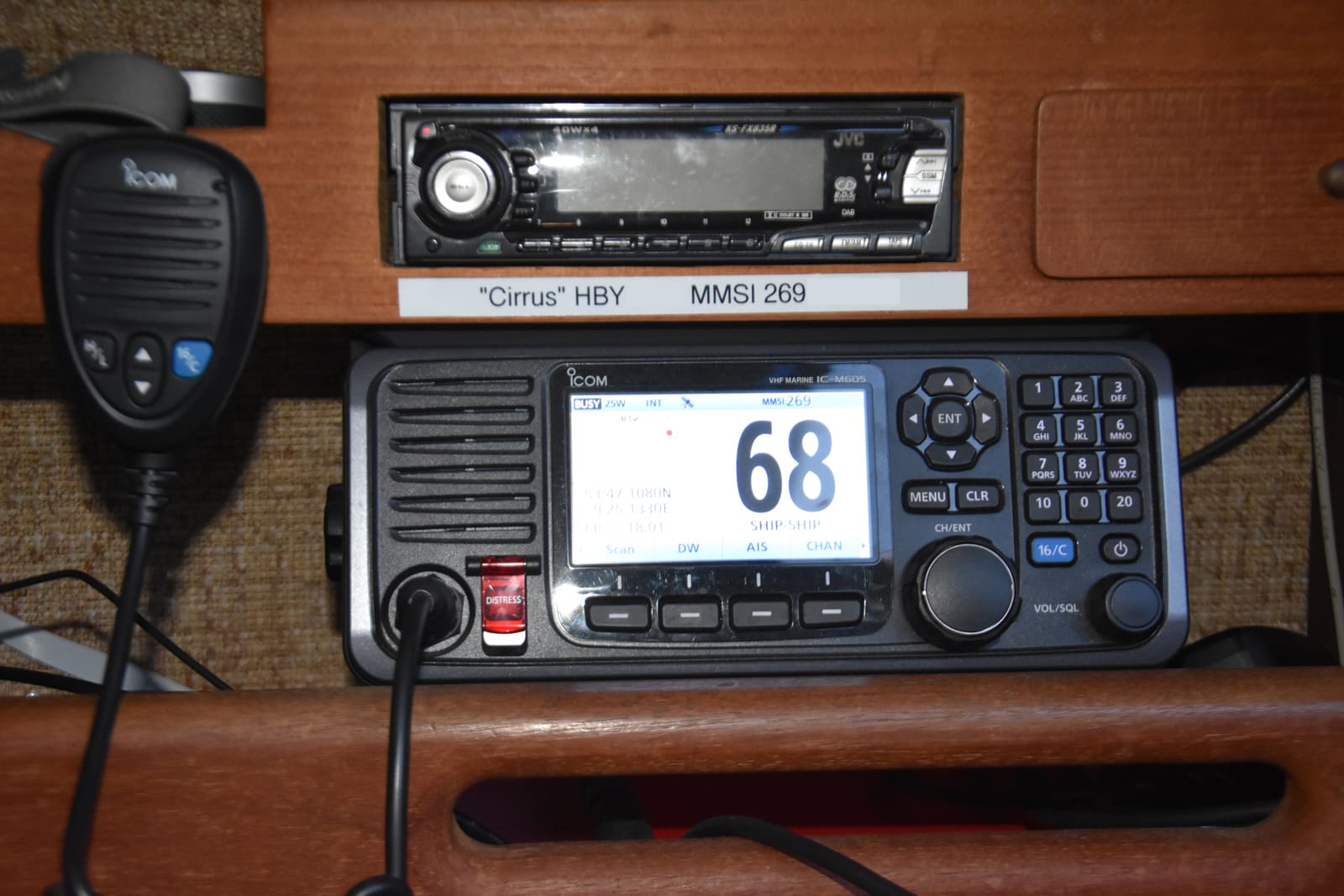
Set Up Your VHF Radio: MMSI, DSC, GPS Hookup and Radio Checks
Get a free or low-cost MMSI number, program it into your DSC radio, connect your GPS so a distress alert sends your exact position, check the antenna, and learn the Channel 16 rules and the right way to do a radio check.
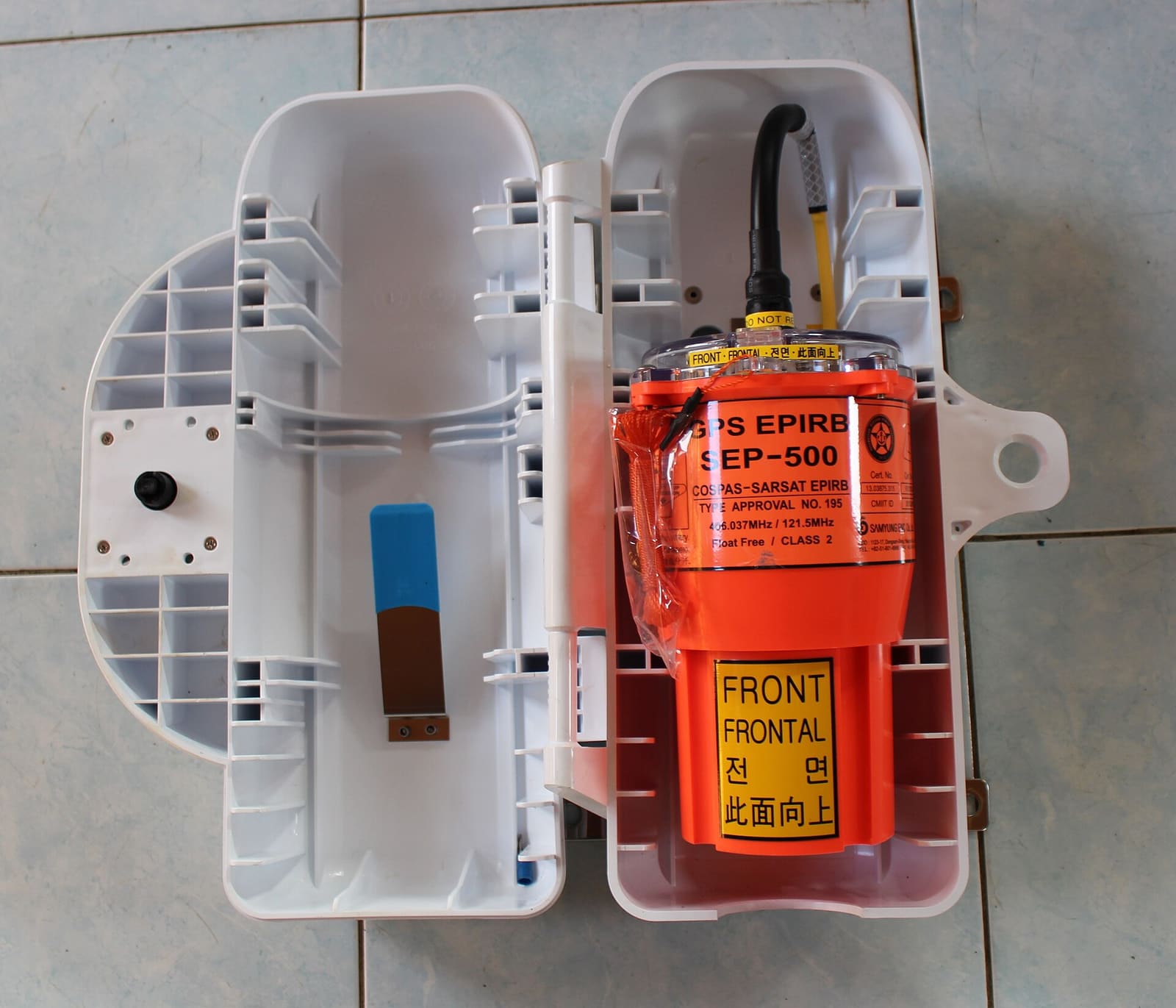
EPIRB and PLB Care: Registration, Batteries, Self-Test and Mounting
Keep your 406 MHz emergency beacon ready to work on the worst day of your life. Register it free with NOAA and renew every two years, track the battery and hydrostatic release dates, run the self-test without triggering a false alert, and know what happens after you press the button.
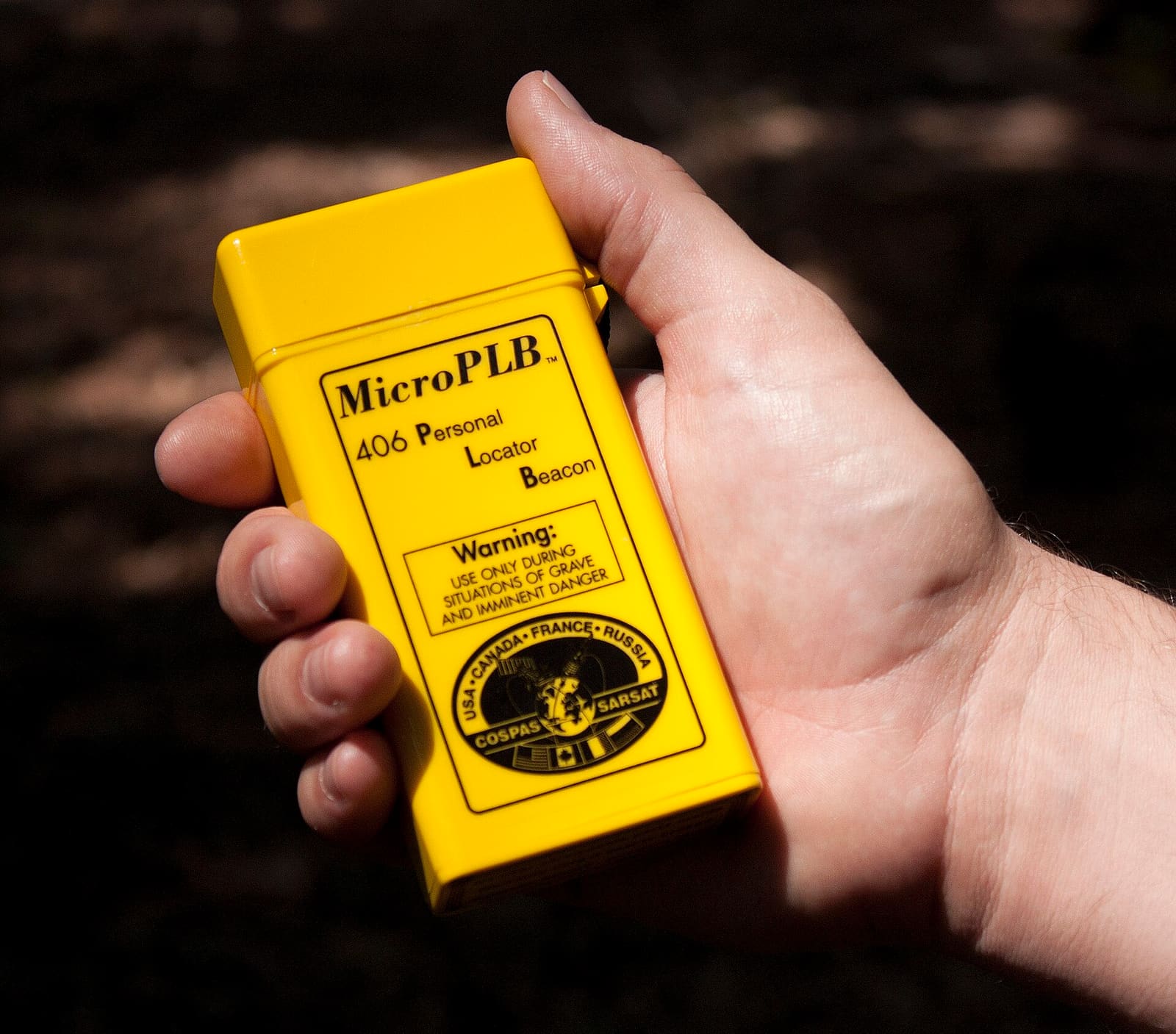
Satellite Messenger vs PLB vs EPIRB: Which Emergency Device Should You Carry?
A PLB or EPIRB calls government search and rescue through the 406 MHz Cospas-Sarsat satellites with no subscription; a satellite messenger like an inReach or SPOT sends an SOS through a private network and adds texting and tracking for a monthly or yearly fee. Learn how each one alerts rescuers, what registration, subscriptions and batteries they need, what to carry for lakes, coastal and offshore boating, and how to test without causing a false alarm.
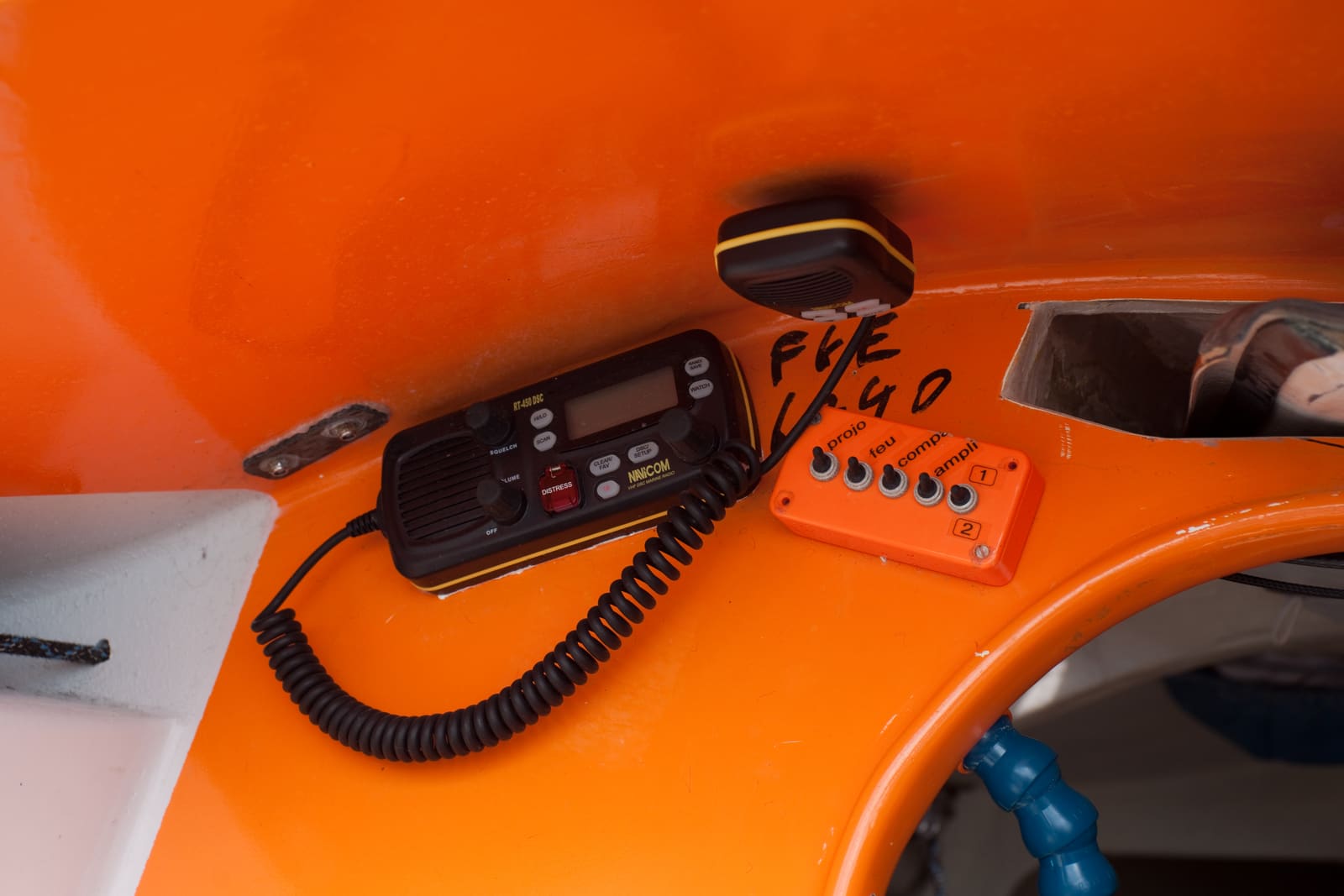
FCC Ship Station License vs. a Free MMSI: Which One Your Boat Needs, and How to Keep It Current
Most U.S. recreational boats that stay in U.S. waters don't need an FCC radio license, but every DSC radio and AIS needs a registered MMSI. Learn when an FCC ship station license and operator permit are required (foreign ports, SSB/HF, satellite), how to get an MMSI from BoatUS, America's Boating Club or Shine Micro, and what to do when you sell, buy or rename a boat.
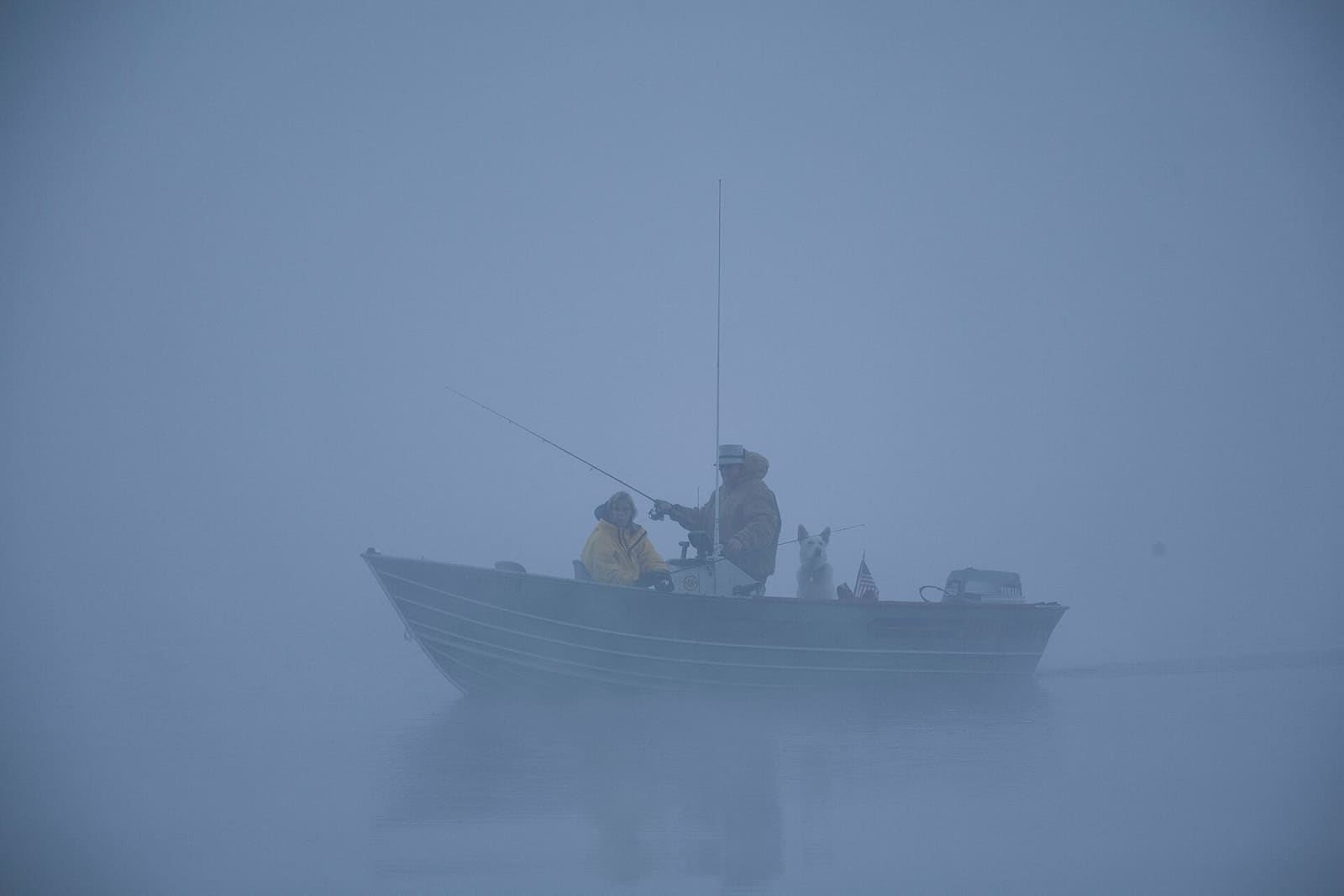
Boating in Fog: When to Stay In, Sound Signals, Safe Speed and Using Your Electronics
Fog can roll in on any lake, bay or coast. Learn when to stay at the dock, the fog signals the Coast Guard rules require, how slow is slow enough, how to use radar, AIS and your chartplotter without trusting them blindly, and when to simply anchor and wait it out.
Boating at Night: Lights, Speed, Night Vision and Reading Other Boats
Get ready for a safe run after dark, from checking your navigation lights and dimming the helm to slowing down, reading other boats' lights and buoys, keeping life jackets on and leaving the alcohol ashore.
On-Water Towing Plans: BoatUS vs. Sea Tow vs. Your Insurance Towing Coverage
Compare a BoatUS or Sea Tow towing membership with the towing coverage on an insurance policy: what each pays for (tows, soft ungroundings, jump-starts, fuel delivery), why hard groundings and sinkings are salvage that only hull insurance covers, how to call for help, and what to have ready when you do.
What to Do When Your Boat Is Taking On Water: Emergency Steps and Prevention
A step-by-step emergency plan for water coming into the boat - life jackets on, call for help early on VHF 16, find and slow the leak, pump, and head for shallow water if needed - plus the maintenance checklist that prevents most sinkings.