How to Fog an Engine for Storage
Coat the inside of your engine's cylinders with fogging oil before a long layup so rust does not form over the winter. Learn when fogging applies, how it differs for carbureted, fuel-injected and direct-injection engines, and why your maker's instructions come first.
Time
45 min
Shop would charge
$75-150
Applies to
Outboard, Sterndrive (I/O), Gas inboard, Jet ski / PWC
Safety first: Fogging oil is flammable and the spray makes heavy smoke. Do it outdoors with good airflow, never in a closed garage (carbon monoxide), and keep flames and sparks away. Never run the engine without cooling water. When plugs are out, remove the kill-switch lanyard so the engine cannot start, and keep fingers and loose clothing away from the flywheel and belts. If you smell raw fuel, stop and find the leak first.
Owners often ask
- Do I really need to fog my engine before storage?
This guide walks you through it. Still stuck? Ask the AI Mechanic about your engine.
Tools
- Flush muffs or flush bag and a garden hose (if fogging with the engine running)
- Spark plug socket and ratchet
- Torque wrench
- Rags
- Small oil can with a flexible spout (direct-injection 2-strokes)
- Safety glasses and gloves
Parts & supplies
- Fogging oil of the type your manual specifies (many makers sell a separate EFI version)
- New spark plugs if due (see the spark plug guide)
- 2-stroke oil for direct-injection engines, if your manual calls for it
Before you start
What fogging does: when an engine sits for months, moisture can form a thin layer of rust on cylinder walls, piston rings and valves. Fogging oil is a sticky storage oil that coats these parts and protects them until spring.
When it applies:
- Storage of a month or more (winter layup, or a long summer break in hot humid climates).
- Carbureted 2-strokes and 4-strokes: classic fogging candidates.
- Fuel-injected (EFI) 4-strokes: most makers still recommend fogging, but often with a specific EFI fogging product and method. Some say to spray through the spark plug holes rather than the intake.
- Direct-injection 2-strokes (for example Mercury OptiMax): Mercury says to skip fogging spray and put a small amount of the specified 2-stroke oil into each cylinder through the plug hole instead.
- Engines with a built-in storage or winterizing mode (some Evinrude E-TEC models): use that mode.
- Storage additive in the fuel: some makers instead have you mix a storage product into a portable tank of fuel and run the engine on it (Mercury's MPI sterndrives use a special fuel-and-oil mix, for example). If your manual says this, it replaces spray fogging.
- PWCs: Yamaha recommends having a technician fog WaveRunners because of their air intake design; Sea-Doo describes a plug-hole method. See the PWC guide.
The rule: the procedure in your owner's manual beats any general guide, including this one. Spraying the wrong product into an EFI intake can foul sensors or the throttle body on some engines.
Order of operations: fogging is usually done near the end of winterization, after fuel has been stabilized and run through the engine, and after the oil change. Fogging while the engine is still warm works best.
Steps
Find out which method your engine uses: spray into the intake while running, spray into the cylinders with plugs out, oil through plug holes (direct injection), or a storage mode. Buy the exact product it names.
Treat the fuel with stabilizer and run the engine about 10 minutes on muffs, a flush bag or in the water so treated fuel reaches the carburetor or injectors. Mercury notes that for storage of two months or more the best option is to remove the fuel entirely; if that is not practical, keep the tank nearly full of treated fuel (never plug the vent, and leave room for expansion). See the winterizing guides.
If your method involves running the engine, use flush muffs or a flush bag (Yamaha notes the built-in flush port is not suitable for fogging because the engine must run). Water on before starting, idle only.
Use Method A (Steps 4 to 6) only if your manual allows fogging through the intake with the engine running; it is mostly used on carbureted engines. Otherwise skip to Method B (Step 7).
Take off the cowl and any intake silencer or flame arrestor cover so you can reach the carburetor throats or intake opening.
With the engine warmed up and idling in neutral, spray fogging oil into each intake in short bursts as the can directs. The engine will smoke heavily and may stumble. Many carbureted procedures continue until the engine stalls; others say to spray a set time and shut off. Follow your manual.
Stop the engine (if it did not stall), then turn off the water. Reinstall the intake cover. If your manual does not also call for plug-hole fogging, skip to Step 12.
Method B (Steps 7 to 11) is used on many EFI engines and PWCs, and some manuals use it in addition to Method A.
Stop the engine, turn off the water, remove the key and kill-switch lanyard.
Label the plug wires or coils by cylinder, then remove the plugs (see the spark plug guide).
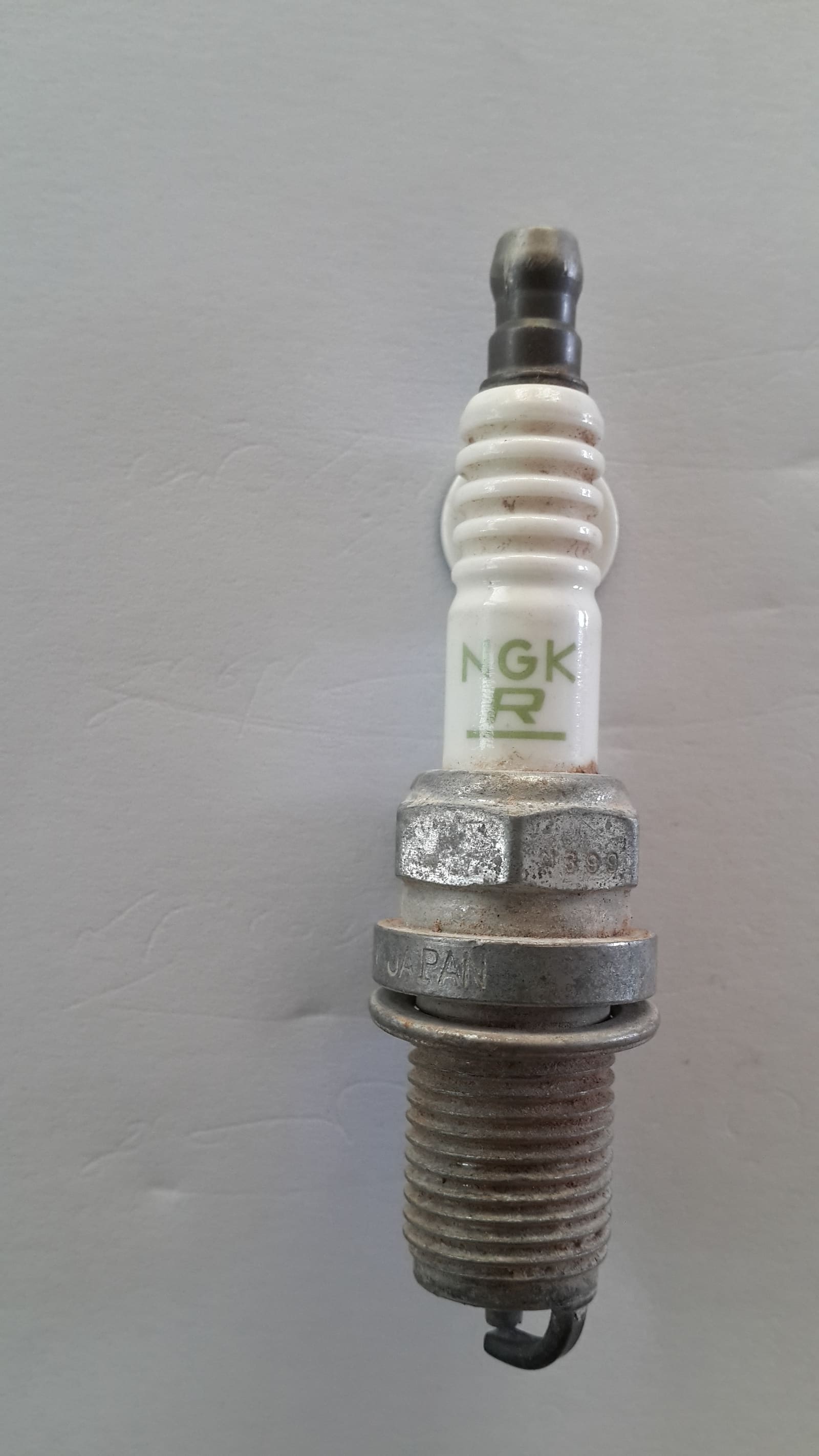
Keep each plug next to its own cylinder's wire or coil so everything goes back where it came from. Photo: Slcreza / Wikimedia Commons · CC BY-SA 4.0 Spray fogging oil into each plug hole for the time on the can (usually a couple of seconds). For direct-injection 2-strokes, use the oil can to put in the amount your manual specifies instead.
Turn the engine over a few revolutions to coat the cylinder walls. On small outboards you can turn the flywheel by hand in its normal direction of rotation. On larger engines, cover the plug holes with a rag (oil will spray out) and crank briefly with the starter, with the lanyard pulled so it cannot fire. Some manuals say to hold the throttle wide open while cranking (Sea-Doo does). Then re-fog lightly if your manual says to.
Install new or cleaned plugs to the torque in your manual and reconnect the wires or coils. Some owners leave old plugs in over winter and install fresh ones in spring; either is fine if your manual does not say otherwise.
Continue with the rest of the storage steps: drain cooling water by leaving the outboard or drive trimmed down, protect the battery, and cover the engine.
The first start after storage will smoke as the fogging oil burns off. That is normal and clears in a few minutes. Plugs can foul from heavy fogging; carry a spare set on the first trip.
Common mistakes
- Spraying a regular fogging can into the intake of a fuel-injected engine whose manual calls for an EFI product or the plug-hole method.
- Emptying half a can into the engine. Too much oil fouls plugs and makes the spring start miserable.
- Fogging before the stabilized fuel has been run through, or fogging a cold engine.
- Trying to fog through the built-in flush port. Intake fogging needs the engine running, so use muffs or a flush bag.
- Cranking with the plugs out while the kill-switch clip is still attached and the plug wires are loose.
- Starting the engine again "one last time" after fogging, which burns off the protective coat.
- Leaving a rag in a plug hole or the intake cover off over the winter.
When to call a pro
- Your manual does not cover fogging and you have an EFI, direct-injection or supercharged engine
- The engine is under warranty and storage prep must be dealer-performed
- You have a PWC with a complex intake (Yamaha recommends dealer fogging)
- The engine runs badly, overheats or will not restart after fogging
- You notice a fuel smell or leak during the process
Tips
- Do not over-fog. More is not better; excess oil can foul plugs and cause hard starting.
- Keep the fogging can warm (room temperature) for a fine, even spray.
- If you boat year-round and never store more than a few weeks, you likely do not need to fog. Check your manual.
- Log the date and method in BoatMend so next spring you know to expect smoke and check plugs.
- Carbureted engine stored two months or more? Mercury's storage advice is to treat the fuel, run the engine about 10 minutes, then shut the fuel valve (or disconnect the line) and let it run until it stops, so the carburetor is not left full of fuel. Some manuals combine this with intake fogging as the engine runs out; follow yours. Some brands also sell a rust-inhibitor storage product to use along with or instead of fogging oil, used only as the manual directs.
Official references
We read these to write this guide. Your engine's own manual always wins.
- Mercury Marine – How to Winterize Your Outboard
- Yamaha Outboards – Maintenance Matters, Extended Storage
- Yamaha Outboards – Freshwater Flushing Adds Years to the Life of an Outboard
- Sea-Doo – How to Winterize Your PWC
- Mercury Marine – How to Winterize Your MerCruiser Sterndrive (MPI storage fuel mix)
- Discover Boating – How to Winterize a Boat
- Mercury Marine – Owner FAQs (storage with ethanol fuel, storage rust inhibitor)
Safety: BoatMend is for information only and does not replace a certified marine technician. You are responsible for your safety and your boat. Read the full disclaimer.
Last updated 2026-10-25
Related guides
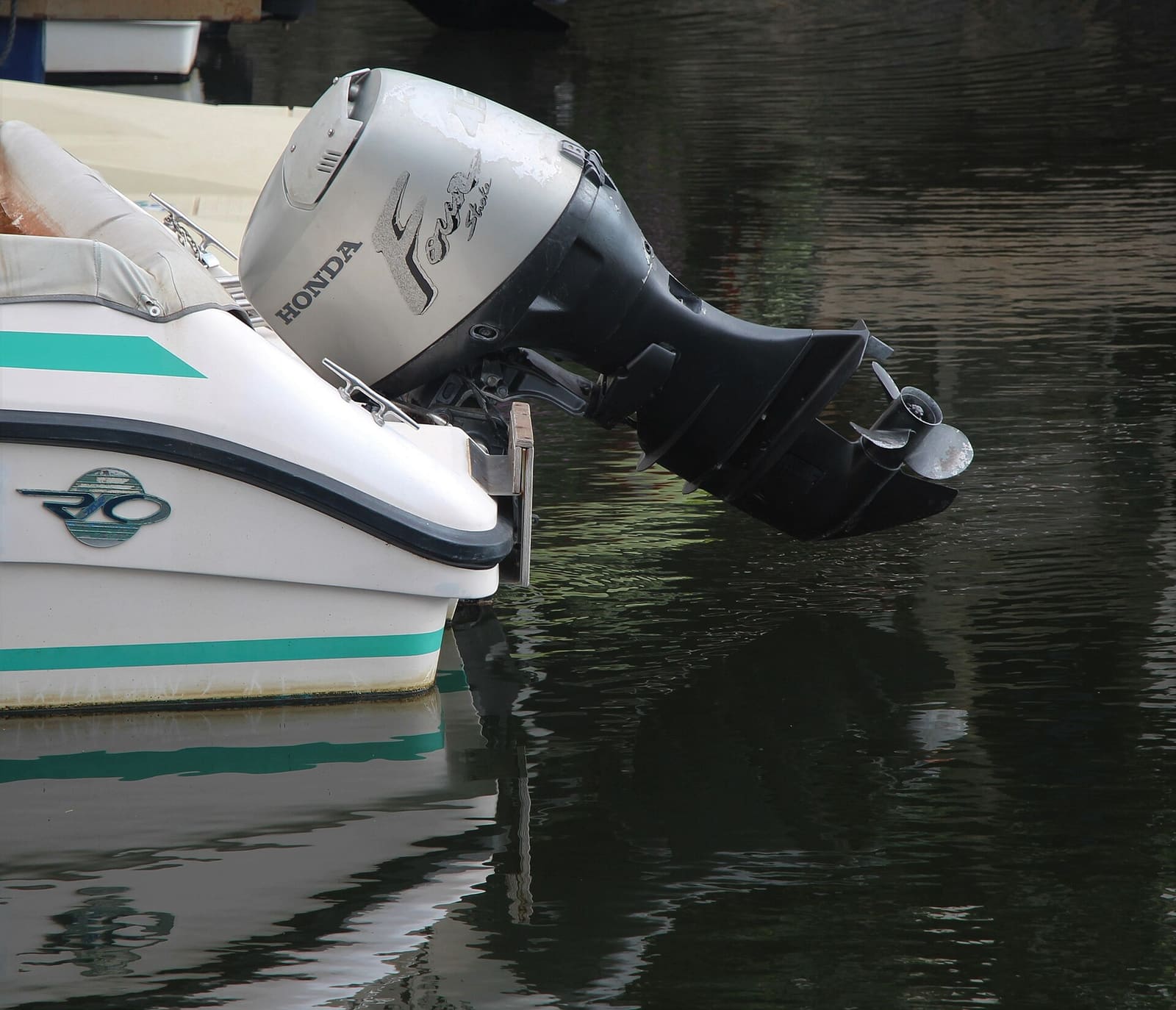
How to Winterize an Outboard Engine
Protect your outboard from freeze damage, stale fuel and internal corrosion over the off-season. Most owners can do it in an afternoon with basic tools, compared with a shop bill that often runs several hundred dollars.
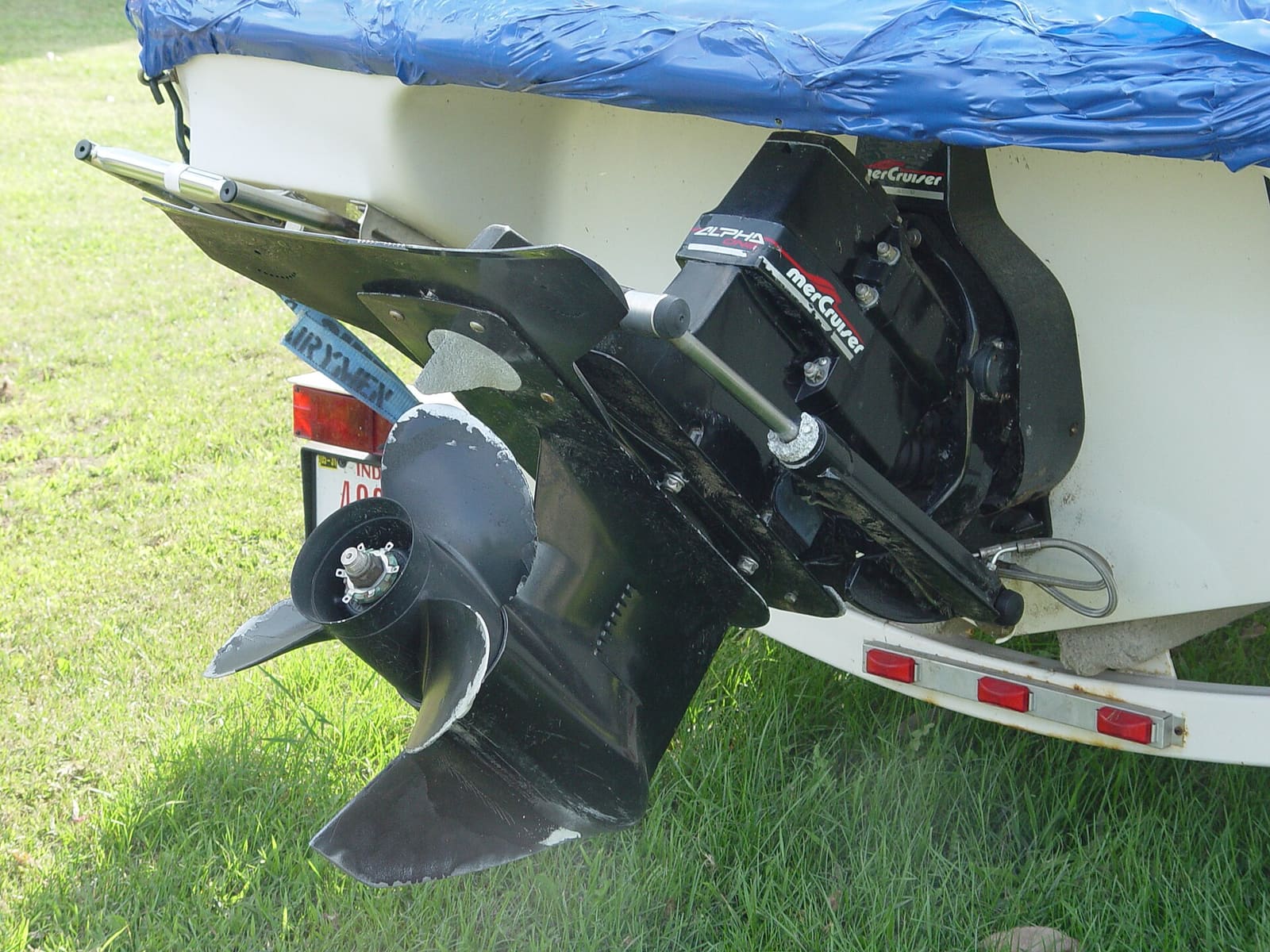
How to Winterize a Sterndrive (MerCruiser, Volvo Penta and Similar)
Get the water out of your sterndrive engine, protect it with antifreeze, and service the drive before storage. A cracked block or manifold from one missed drain plug can cost thousands, and doing it yourself saves a shop bill of several hundred dollars.
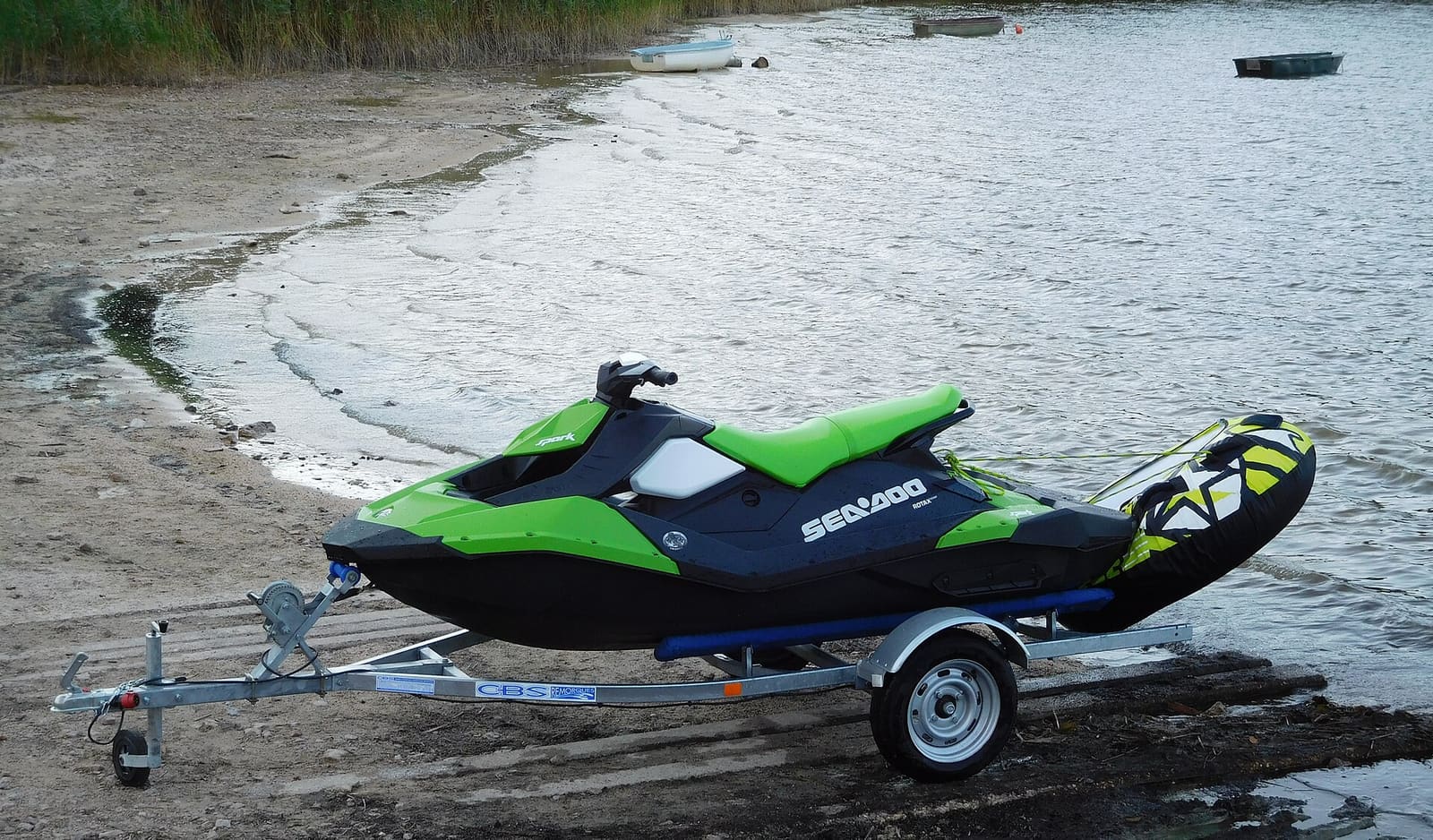
How to Winterize a Jet Ski or PWC (Sea-Doo, Yamaha WaveRunner, Kawasaki)
Get your personal watercraft ready for the off-season by flushing and draining the cooling and exhaust system, stabilizing fuel, changing oil, fogging, and storing the battery. Doing it yourself takes an afternoon and helps avoid freeze damage, corrosion and spring no-starts.
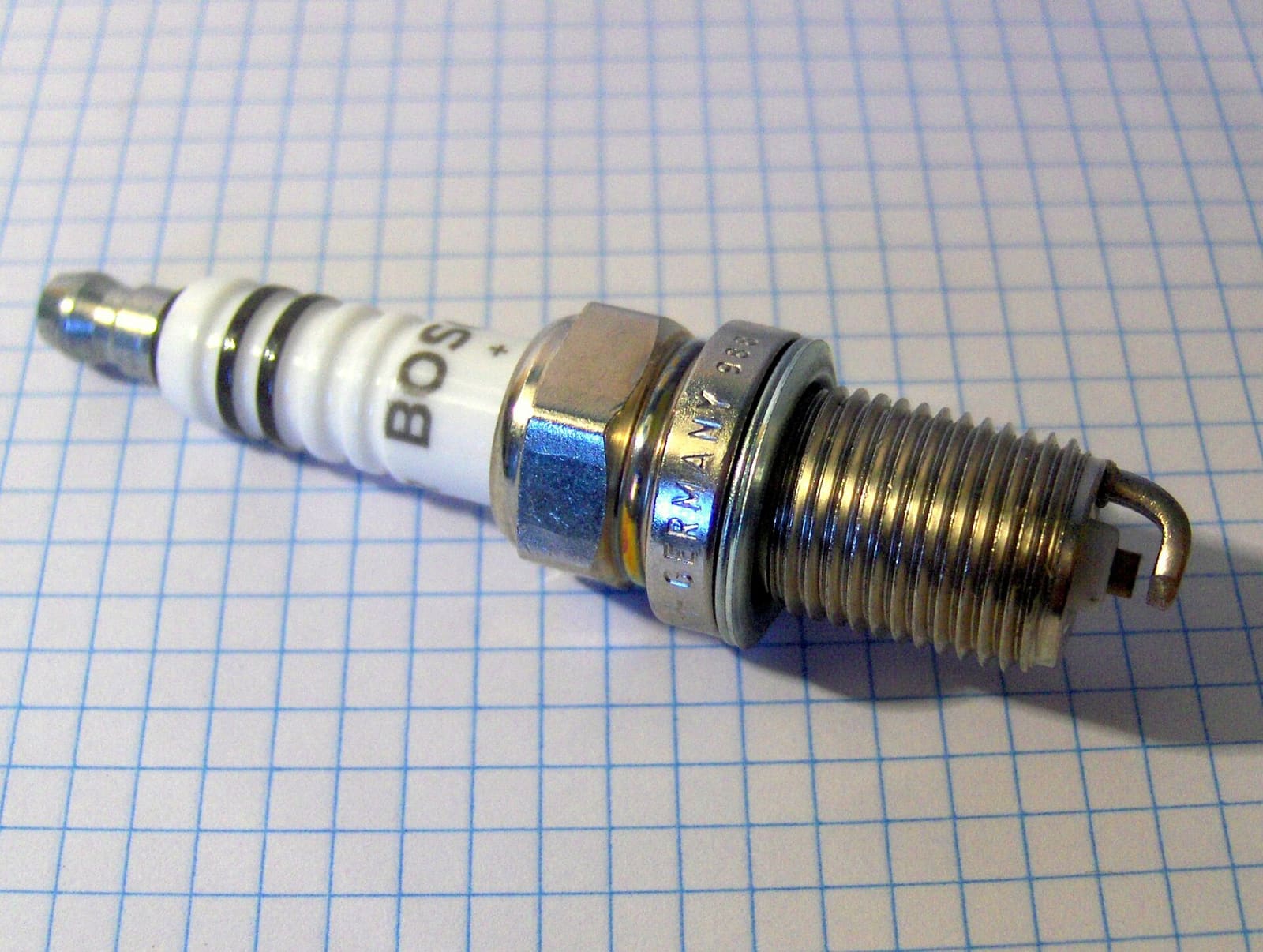
How to Inspect and Replace Spark Plugs
Pull, read and replace the spark plugs on a gas outboard, sterndrive, inboard or PWC. Fresh, correctly gapped plugs help the engine start easily and run smoothly, and the old plugs tell you a lot about the engine's health.
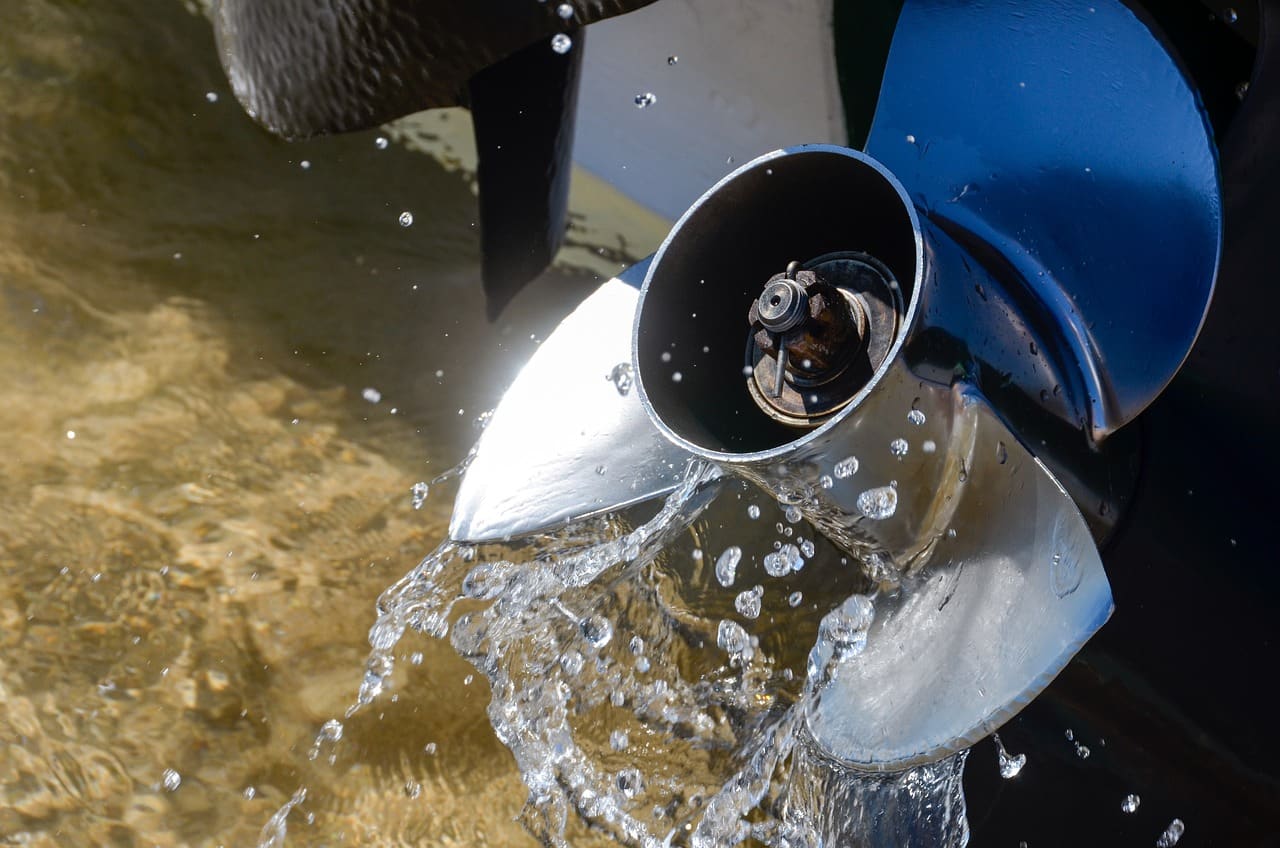
How to Flush Your Engine With Fresh Water
Rinse salt, silt and sand out of your outboard or sterndrive cooling system using the built-in flush port, flush muffs or a flush bag. Flushing after every saltwater trip is one of the easiest ways to prevent corrosion and overheating.
Spring Commissioning - Getting Your Boat Ready for the Season
Wake your boat up after storage with a step-by-step check of the battery, fuel system, engine, drive and safety gear. Catching a cracked hose or dead battery in the driveway beats a tow on opening weekend, and saves a typical shop commissioning fee.