Repair & maintenance guides
Plain-English, step by step, written for owners. Pick your engine to see the guides that apply to it.
53 of 509 guides · page 3 of 3
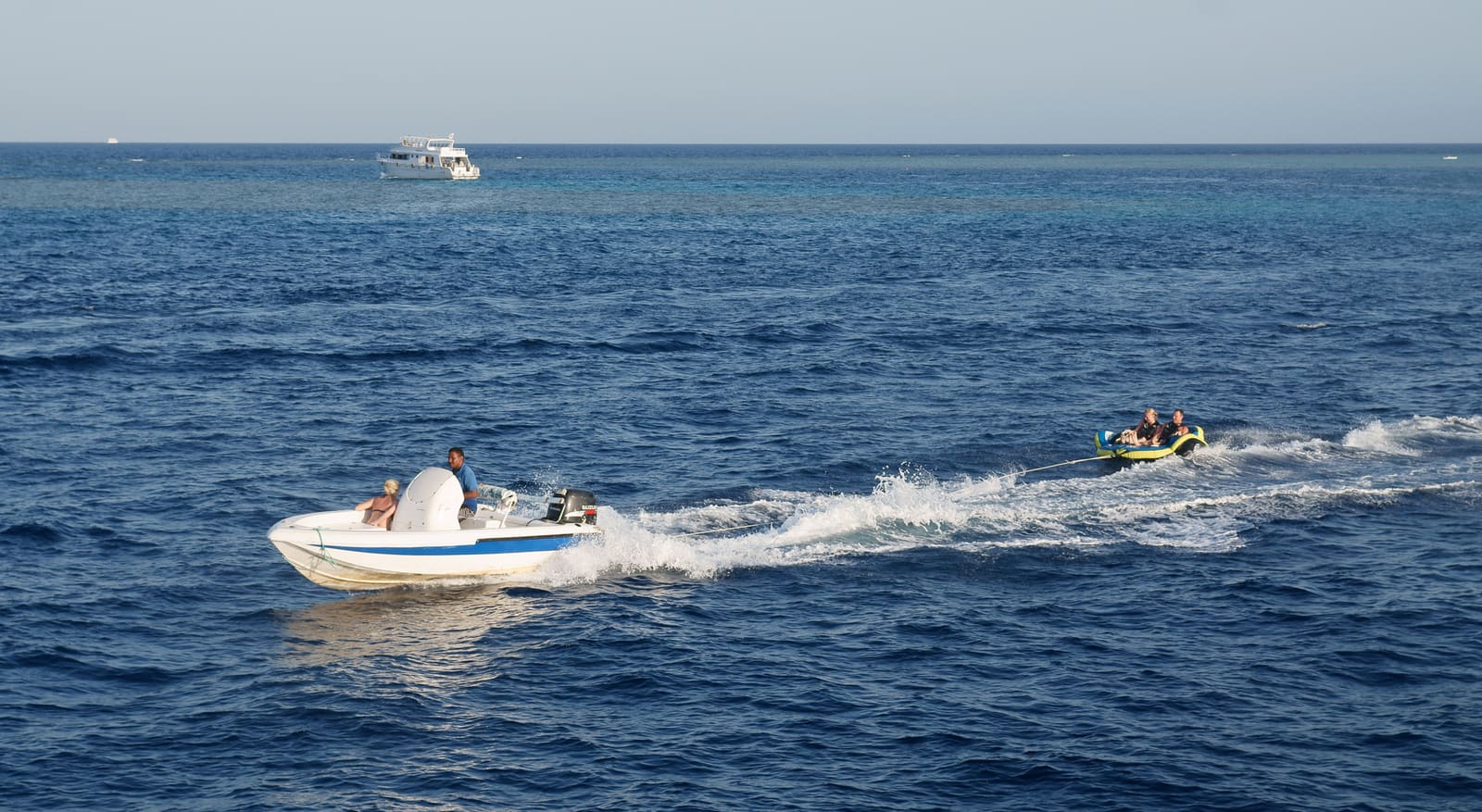
Tow Ropes, Tubes and Watersports Gear: Inspect, Rig and Retire
Check ski, wakeboard and tube ropes, handles, towable tubes and your boat's tow points before every outing, rig them the right way, and know when to throw gear out. Includes the safety basics (spotter, flag, life jackets, prop and carbon monoxide) that vary from state to state.
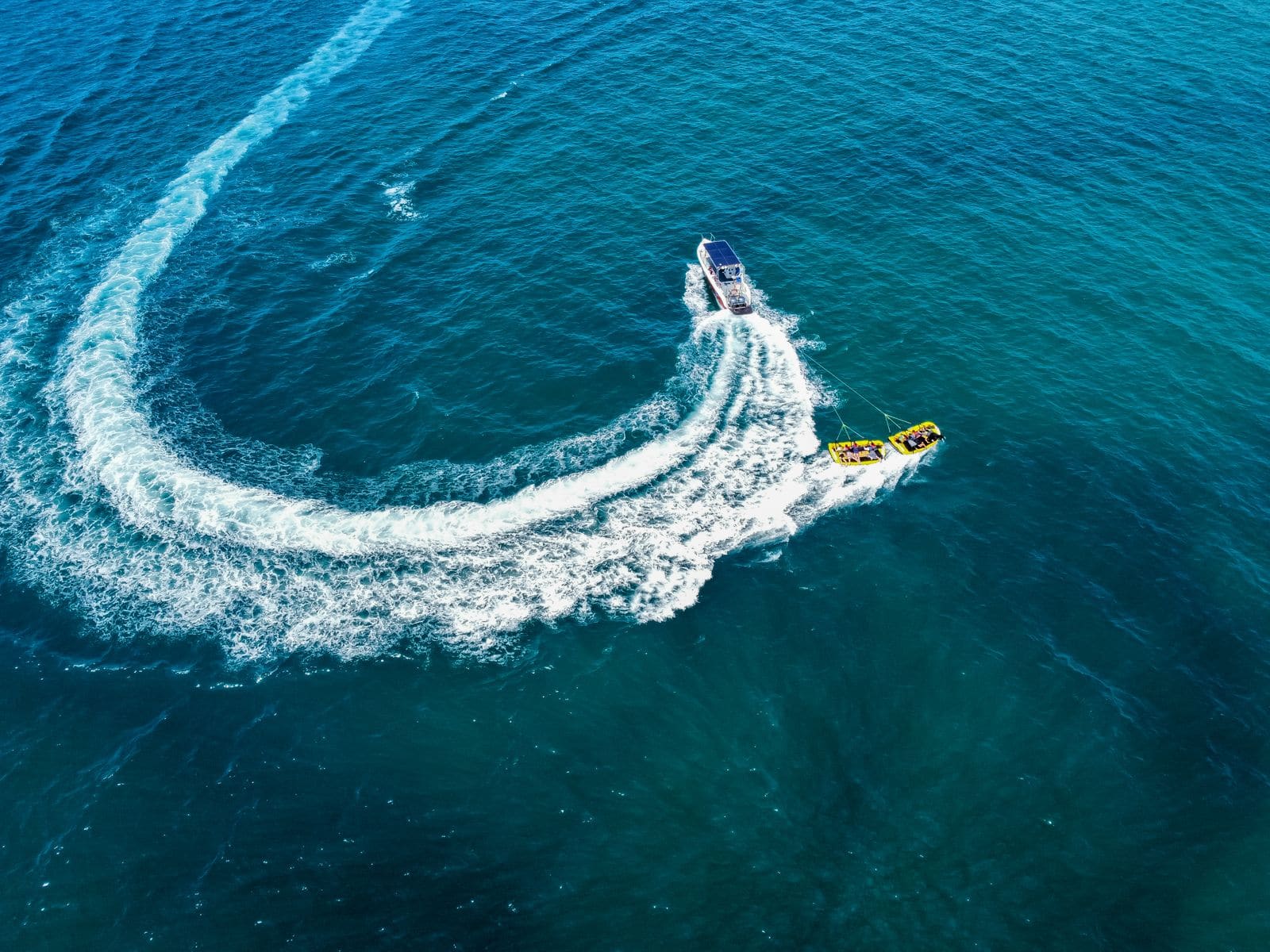
Towable Tube Care and Repair: Find Leaks, Patch the Bladder and Know When to Retire It
Inspect a towable tube's bladder, cover, valves, handles and tow point, find and patch leaks the right way, and dry and store it so it lasts. Also covers rider ratings and the damage that means the tube should be retired, not repaired.
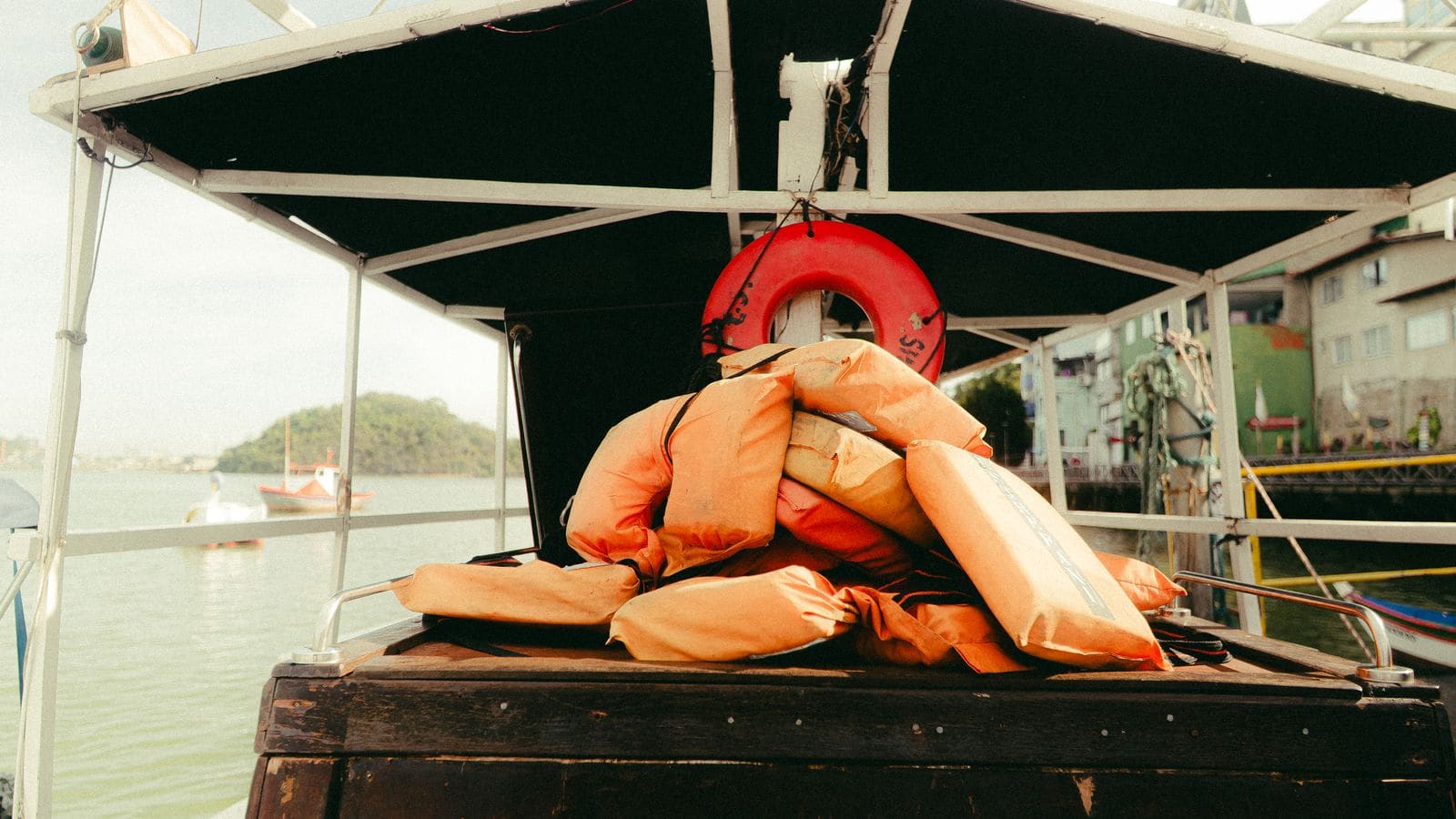
USCG Required Safety Equipment Check by Boat Length
Walk through your boat and confirm you carry every piece of safety gear the US Coast Guard requires for your boat's length and type, and that none of it is expired or worn out. Missing or expired gear is one of the most common tickets on the water, and it is the gear you need when things go wrong.
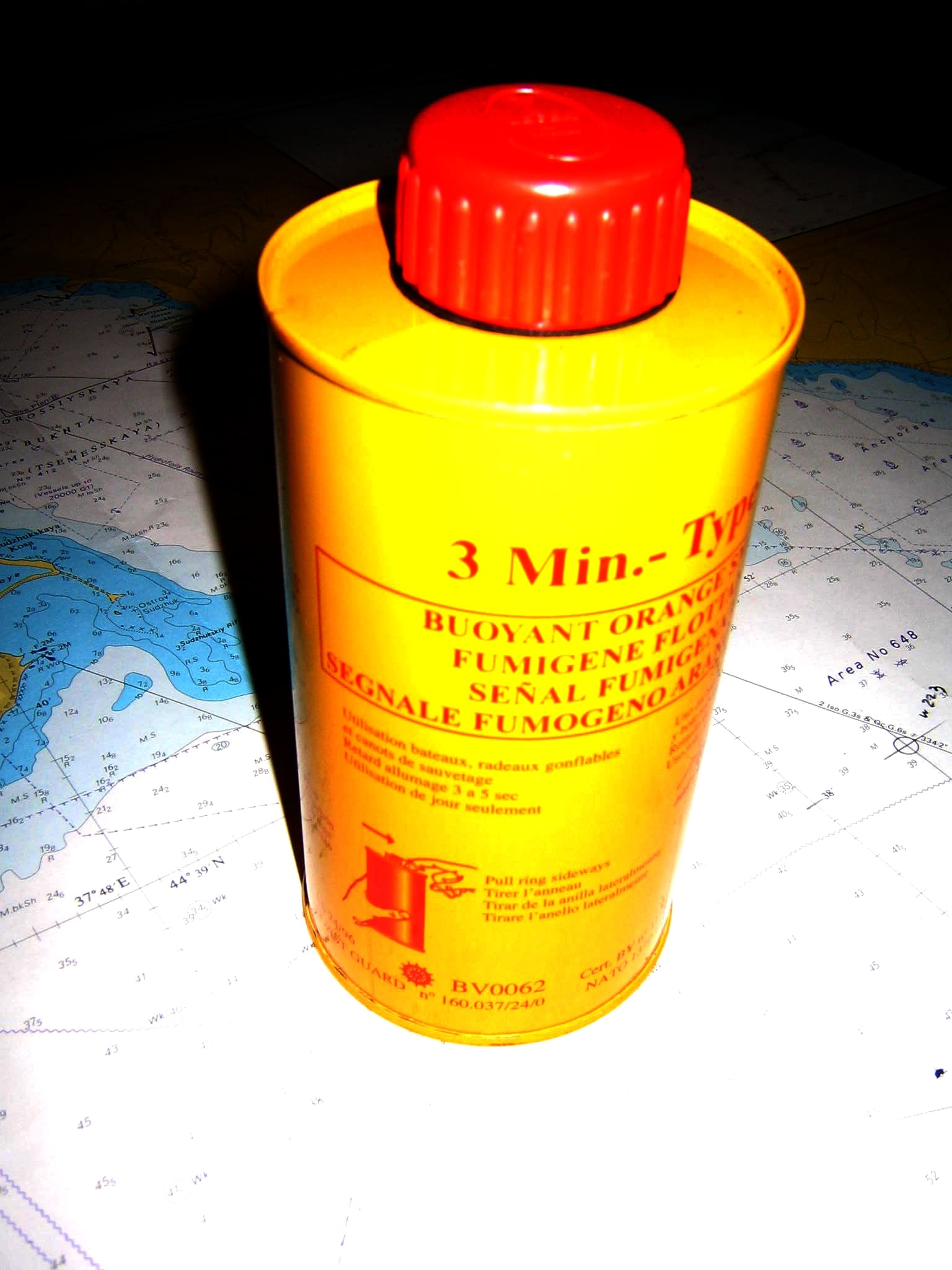
Visual Distress Signals: Flare Expiry, Storage, Practice and Safe Disposal
Make sure your flares, smoke signals, distress flag or electronic distress light meet the Coast Guard rules for day and night, are not past their 42-month date, and are stored where you can grab them. Then get rid of expired flares the safe and legal way instead of letting them pile up in a locker.
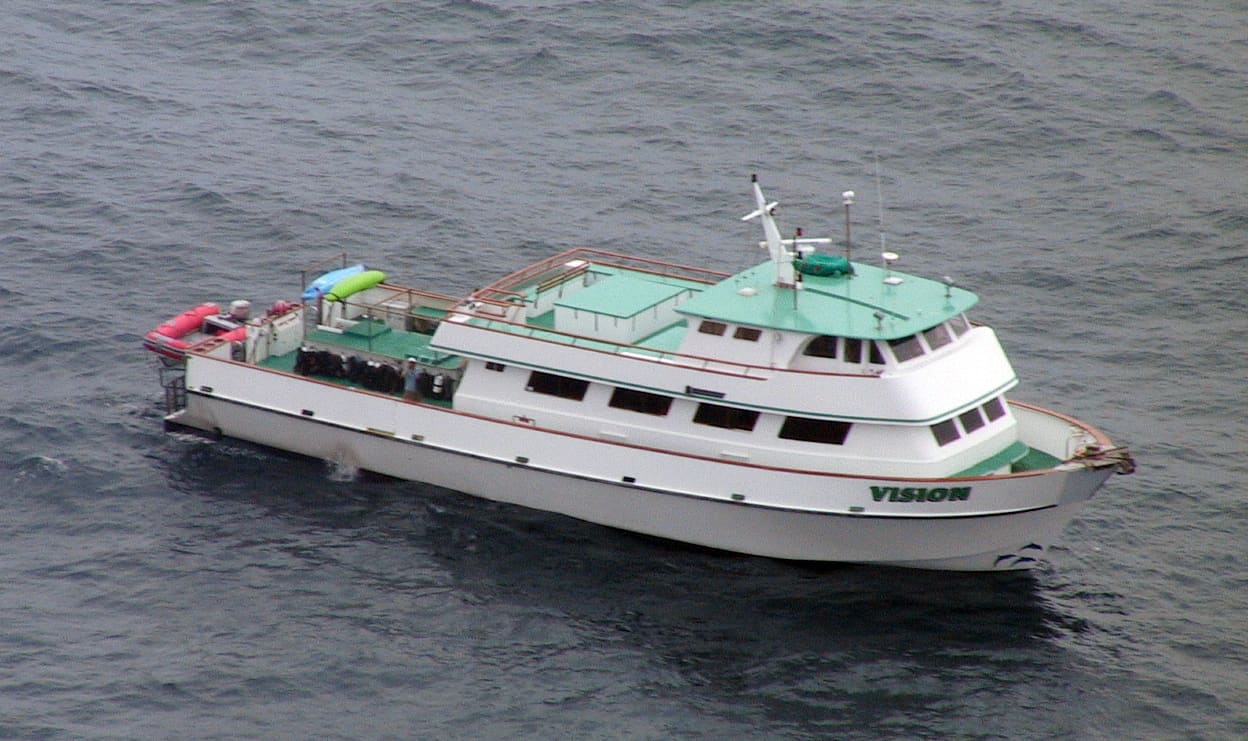
What to Do When Your Boat Is Taking On Water: Emergency Steps and Prevention
A step-by-step emergency plan for water coming into the boat - life jackets on, call for help early on VHF 16, find and slow the leak, pump, and head for shallow water if needed - plus the maintenance checklist that prevents most sinkings.
Safety: BoatMend is for information only and does not replace a certified marine technician. You are responsible for your safety and your boat. Read the full disclaimer.